Skip to Content Facebook Feature Image

Post-disaster resettlement efforts continue in Maru Township’s pastoral village in southwest China's Xizang

China

China

China

Post-disaster resettlement efforts continue in Maru Township’s pastoral village in southwest China's Xizang

2026-10-27 17:40 Last Updated At:22:18

With affected residents in the quake-hit southwest China's Xizang Autonomous Region now settled into temporary housing, support teams are helping them cope with the loss of loved ones in Maru Township's Second Village, which lies in one of the hardest-hit areas near the epicenter.

The quake hit Xizang last Thursday, killing 16 people and injuring 76 others. In the wake of the disaster, more than 12,000 residents were evacuated, and 339 homes and 20 livestock sheds were damaged or destroyed, according to local authorities.

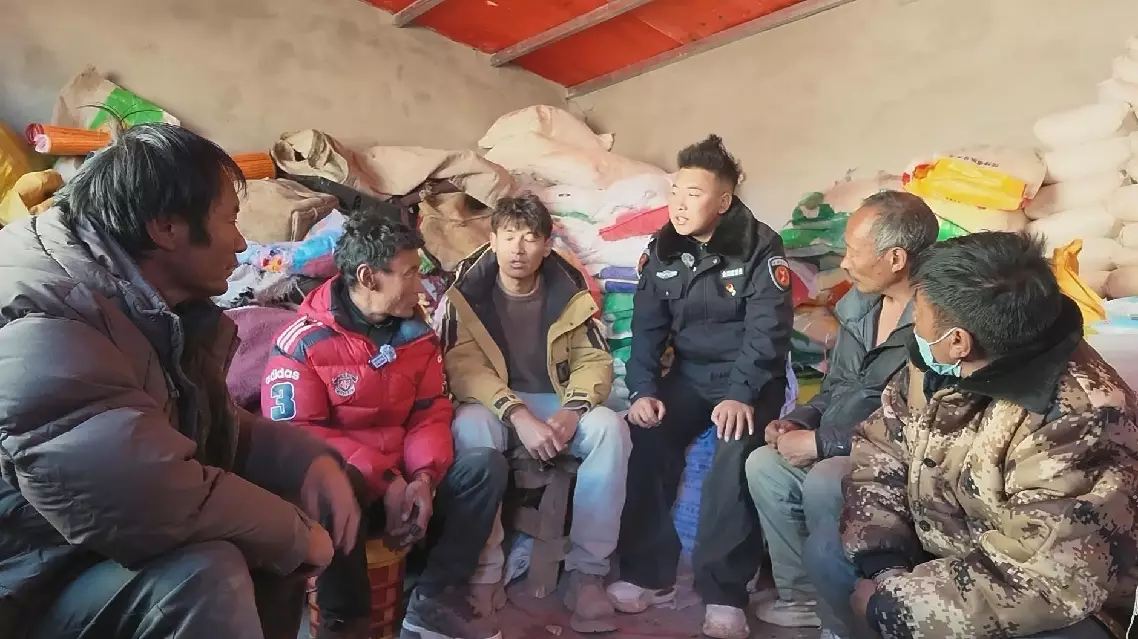
Khyungpo Tenpa is among the mental support team members sent to Maru Township. He arrived the day after the earthquake to comfort people and conduct regular visits to affected households.

"These are their houses. Both of them collapsed. Their kids were buried underneath," said Khyungpo Tenpa.

The grief can be overwhelming.

"The purpose of my mission of coming here, at a time when you are feeling the deepest sorrow and distress, is to draw upon my strengths as an outreach speaker for the autonomous region to offer you emotional support and comfort," said Tenpa.

The family has chosen to stay in tents near their ruined homes to mourn their losses and put their yaks out to pasture.

On Monday, some of the villagers moved into prefabricated houses set up for temporary resettlement.

Inside the prefabricated houses, heavy blankets and temporary sleeping beds are ready. The shelter sits at an altitude of about 4,400 meters, so in the evening the weather can get very cold and temperatures can drop below zero. That's why they have these heavy blankets to make sure they can get a good night's sleep.

A solar-powered water purification facility is also in place.

"There was originally a key here. Once residents unlock it, they can access the water point and fill their buckets. We've also especially designed a water collection platform for the local Tibetan residents. Since they often carry water with traditional containers on their backs, the platform allows them to set their containers down without having to bend themselves too much," said Liu Ke, worker of Zhongshui Jingtong Xizang Plateau Water Supply Technology Development Co., Ltd.

The facility provides purified water for residents, while a separate supply of well water is reserved for livestock. In this pastoral community, where yaks are essential to daily life, protecting livelihoods means looking after both people and their animals.

As residents adjust to life after the earthquake, these practical measures help restore a sense of security, one day at a time.
Post-disaster resettlement efforts continue in Maru Township’s pastoral village in southwest China's Xizang

Post-disaster resettlement efforts continue in Maru Township’s pastoral village in southwest China's Xizang
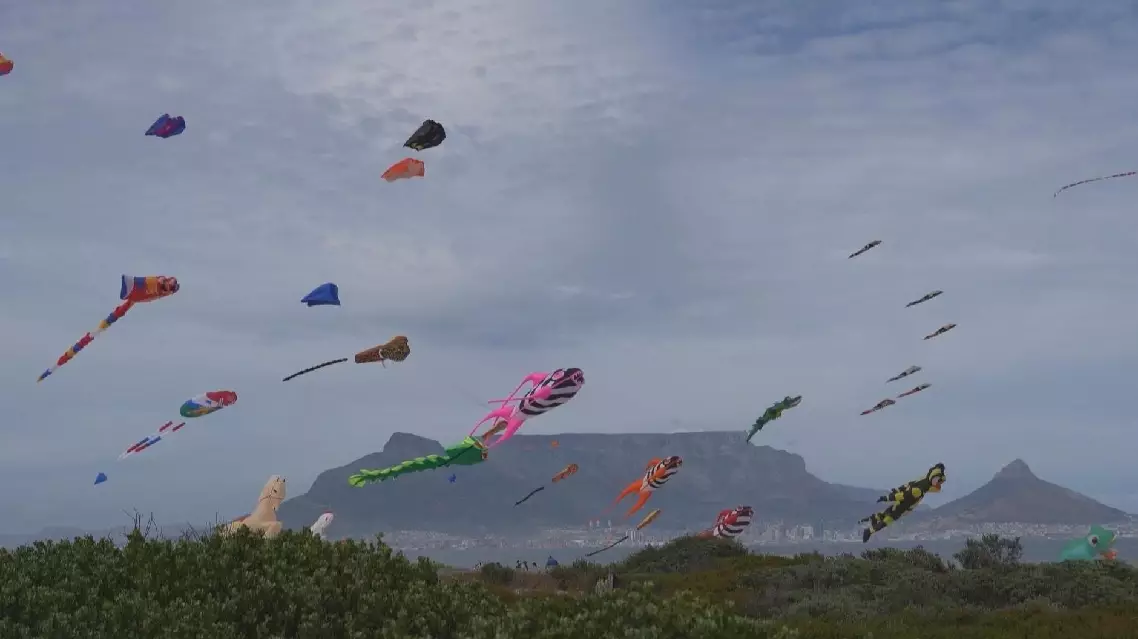
Thousands of people gathered in Cape Town for a weekend of colorful kites at the 32nd Cape Town International Kite Festival this October 24 and 25, as the giant shapes floating above the city carried a serious message about mental health and community support.

First organized by Cape Mental Health in 1994, the event is Africa's oldest kite festival. Organizers said it serves as a reminder that one in four people in South Africa lives with a mental health condition, with many struggling to access help.

For 32 years, kite flyers from across the globe have gathered in Cape Town to see this spectacular sight, but these shapes taking over the clouds carry more than just wind. They carry a vital message about human connection and mental health.

"So many people are battling with everyday life circumstances that we are exposed to. In South Africa, in particular, we see high crime rates, gender-based violence, poverty. These are all risk factors that impact on people's mental health. More than one billion people globally live with a mental health condition. In South Africa, it's one in four who live with a mental health condition. We're seeing an increase in prevalence, particularly amongst our young people. The Cape Town Kite Festival really provides this platform to encourage people to put up their hand and say, 'I need help,'" said Ingrid Daniels, CEO of Cape Mental Health.

The festival also raises funds for free mental health services across the Western Cape.

"Looking at something beautiful. I think [it] gives everybody hope. It's not just about the beauty. It's about the message it gives and the color of the sky. It's everybody. It's a rainbow of colors," said Frans Marais, an honorary kiter at the festival.

"Today, I am here to support the awareness around it and for people to be comfortable to talk about it, because many people, they suffer in silence. And that is where actually the problem lies," said Bernadine Chilwane, a festivalgoer.

Indeed, raising awareness is only the first step. Breaking the stigma around mental health means making it easier for people to speak up and ask for help.

"There are a lot of people in the world that hide their mental health and don't actually tell their families and get to tell their families about. There's always someone in your friend group or your family that you can actually tell what you're actually going through," said Kyra Blackenberg, a volunteer at Cape Mental Health.

Cape Town Int'l Kite Festival helps raise mental health awareness

Cape Town Int'l Kite Festival helps raise mental health awareness

Recommended Articles