China's total electricity trading volume reached 5.8536 trillion kWh in the first three quarters of 2026, up 18.9 percent year-on-year, the National Energy Administration said Tuesday.
During that period, electricity trading volume within provincial borders rose 22 percent from a year earlier to 4.5499 trillion kWh, while inter-provincial and inter-regional power transactions increased 9.1 percent to 1.3037 trillion kWh, the data showed.
Green electricity trading volume reached 249.2 billion kWh in the January-September period, up 6.1 percent year-on-year, according to the data.
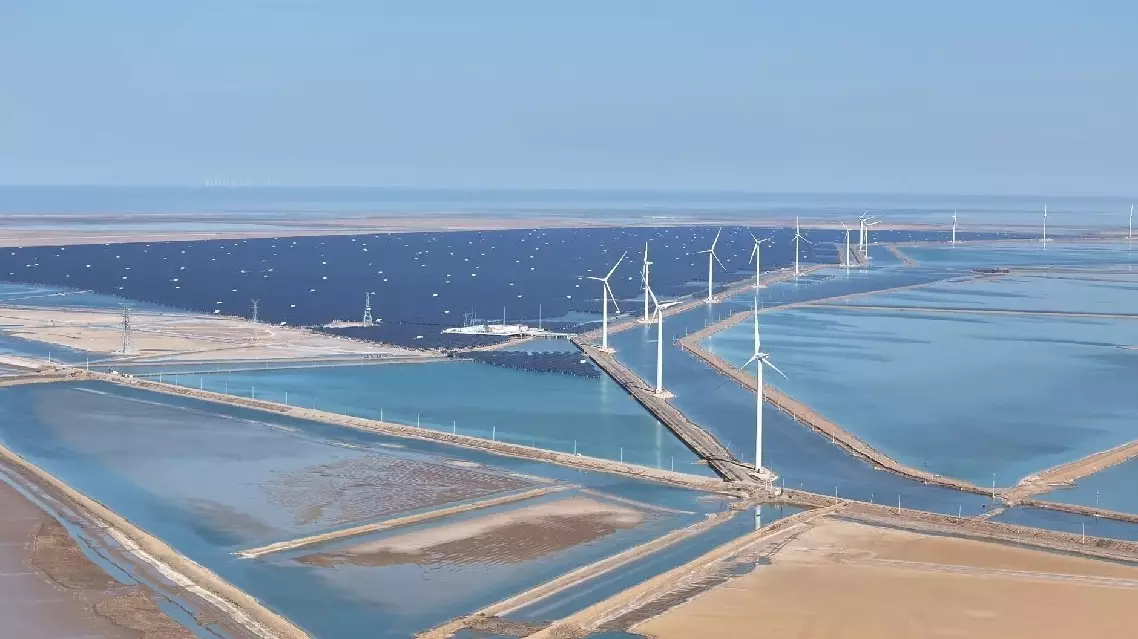
China's electricity trading volume up 18.9 pct in first three quarters
International observers believe that the Communist Party of China (CPC)'s unwavering commitment to full and rigorous self-governance demonstrates the ruling party's strong organizational capacity, power of execution, and vitality, providing a key guarantee for China's tremendous development achievements and an important reference for party governance worldwide.
In its glorious course of 105 years of unremitting struggle, the CPC has consistently strengthened itself. It is adept at examining itself in light of the requirements of evolving times, maintaining a strong sense of concern for potential risks to keep itself vigilant, and refining itself in the spirit of self-reform. In doing so, it has stayed vigorous and vibrant all the time.
"To the qualities of governance of the CPC, under the leadership of President Xi Jinping, it reflects characteristics of a party that cares for the people, a party that is visionary, a party that is not there to self-benefit, but a party that is there to prosper a nation," said Kalalwe Mukosa, a member of the National Assembly of Zambia.
"China is one of the countries and the political party, which is the Communist Party of China, one of the most stable revolutionary organizations in the world. And that's why it withstood the test of time. It's because of the party's resilience, the capacity, the power, but planning that is associated with the party leadership. That is always clear with its leadership," said Lassy Chiwayo, former South African consul-general to Shanghai.
With more than 100 million members and the responsibility of governing a country of over 1.4 billion people, the Communist Party of China faces an enduring task: identifying and addressing issues within its own ranks.
The task has taken on fresh relevance on the occasion of the fifth plenary session of its 20th CPC Central Committee, which opened in Beijing on Monday. The four-day meeting is scheduled to deliberate on a draft decision on several major issues on persistently advancing full and rigorous Party self-governance.
As Chinese President Xi Jinping, also general secretary of the CPC Central Committee, has pointed out, the CPC's full and rigorous self-governance is a great practice in the Party's self-reform in the new era, and has created a new frontier in its self-reform.
"We must not forget that the Communist Party of China has more than 100 million members, so it is always a challenge to maintain the kind of cohesion which is necessary for a country to continue growing and commit to development," said Dr. Sebastien Adins, an international relations specialist at the Pontifical Catholic University of Peru.
At a gathering marking the CPC's 105th founding anniversary in July, Xi said the Party focuses on self-strengthening and always brims with vigor and vitality, referring to it as one of its fine qualities with no parallel among other political parties and political forces.
In its pursuit of a better life for the Chinese people, the Party has addressed development challenges through comprehensively deepening reform, while pursuing self-reform to enhance its governing capacity.
Since the reform and opening-up in 1978, China has undergone profound transformation. Having achieved tremendous success from humble beginnings, reform efforts have now entered a "deep-water zone." Xi once compared the remaining difficult reforms as "tough bones that are hard to chew."
As reforms have advanced into more complex stages, the CPC views full and rigorous governance of the Party as an essential guarantee. Under the banner of self-reform, the CPC has made persistent efforts to improve Party conduct, build a clean government and fight corruption.
"We find it very impressive that this process has continued, that it hasn't simply reached a certain stage and then ground to a halt. No, it's continuing to to grow. It is being pressed forward by the leadership, not halted. There is an understanding that there is a a constant need to improve the connections with the people, to improve the discipline of the Party," said Kimball Cariou, a member of the Central Committee of the Communist Party of Canada.
"I believe that the CPC's continuous efforts to advance discipline and self-reform demonstrate its profound understanding of governance. The success of governance begins within the Party and depends on whether Party members can shoulder responsibility and serve the people. By combating corruption and addressing administrative imbalances, public trust can be built, and this helps translate policies into tangible benefits for the people's lives," said Waref Komeiha, president of the Lebanese-Chinese Dialogue Road Association.
For Hisham Shazali, a professor at the University of Khartoum, China's experience offers valuable lessons for the Global South in sustaining steady growth, improving livelihoods and enhancing the capacity for independent development.
"China's ruling party has rich experiences in the self-reform and self-improvement. African countries, including Sudan, can learn from these experiences to better manage their domestic affairs and implement a large number of projects. It is highly meaningful to fully draw on China's valuable experience in this regard," he said.
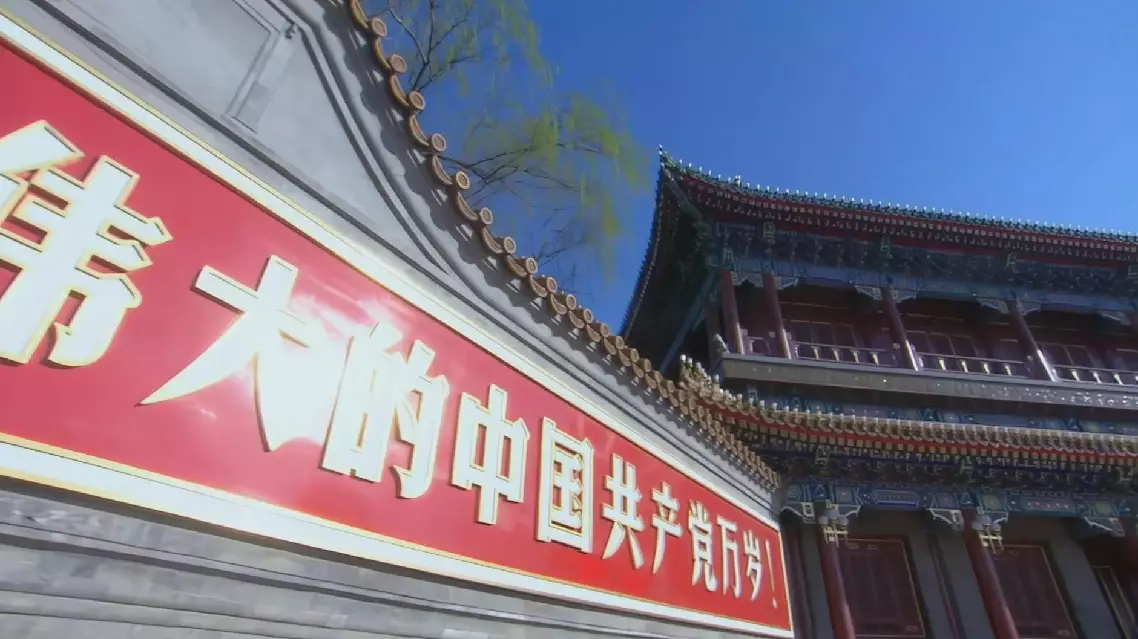
CPC's self-governance provides lessons for global parties: int'l observers