Skip to Content Facebook Feature Image

What to know about serial killer Ted Bundy and his rampage of violence

News

What to know about serial killer Ted Bundy and his rampage of violence
News

News

What to know about serial killer Ted Bundy and his rampage of violence

2026-10-28 06:01 Last Updated At:06:11

Ted Bundy's rampage of violence spanned at least four years and left dozens of victims behind, including at least 30 women and girls who were killed — and several others who escaped or survived despite serious injuries.

Though the serial killer has been dead for nearly 40 years, the tally of his confirmed victims continues to grow as DNA testing has advanced. In Utah, Summit County Sheriff Kacey Bates said Tuesday that law enforcement has identified 17-year-old Melissa Anne Smith as one of Bundy's victims, months after a nearby county used the killer's DNA to solve another cold case.

More Images
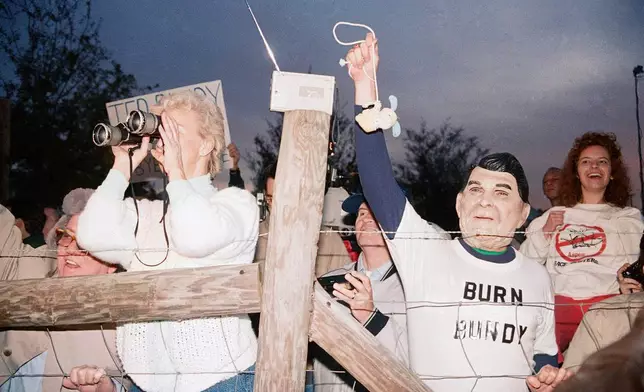
FILE - A toy bunny is hung in effigy by Jerry Jackson, of Atlanta Ga., wearing a Ronald Reagan mask, as the pro-death penalty crowd rejoices after the Theodore Bundy execution, Jan. 25, 1989, at sunrise in Starke, Fla. (AP Photo/Mark Foley, File)
FILE - A toy bunny is hung in effigy by Jerry Jackson, of Atlanta Ga., wearing a Ronald Reagan mask, as the pro-death penalty crowd rejoices after the Theodore Bundy execution, Jan. 25, 1989, at sunrise in Starke, Fla. (AP Photo/Mark Foley, File)

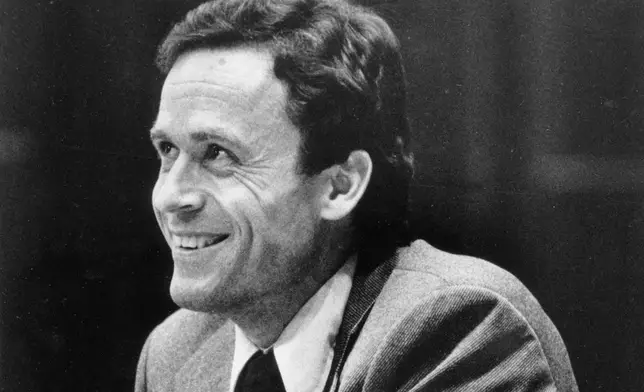
FILE - Ted Bundy smiles during the second day of jury selection for his murder trial in a Dade County courtroom in Miami, June 27, 1979. (AP Photo, Pool, File)
FILE - Ted Bundy smiles during the second day of jury selection for his murder trial in a Dade County courtroom in Miami, June 27, 1979. (AP Photo, Pool, File)

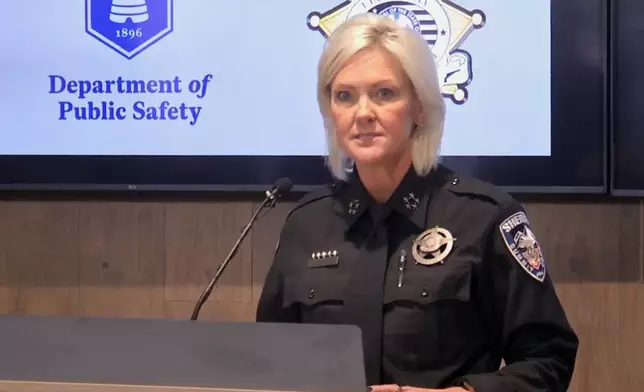
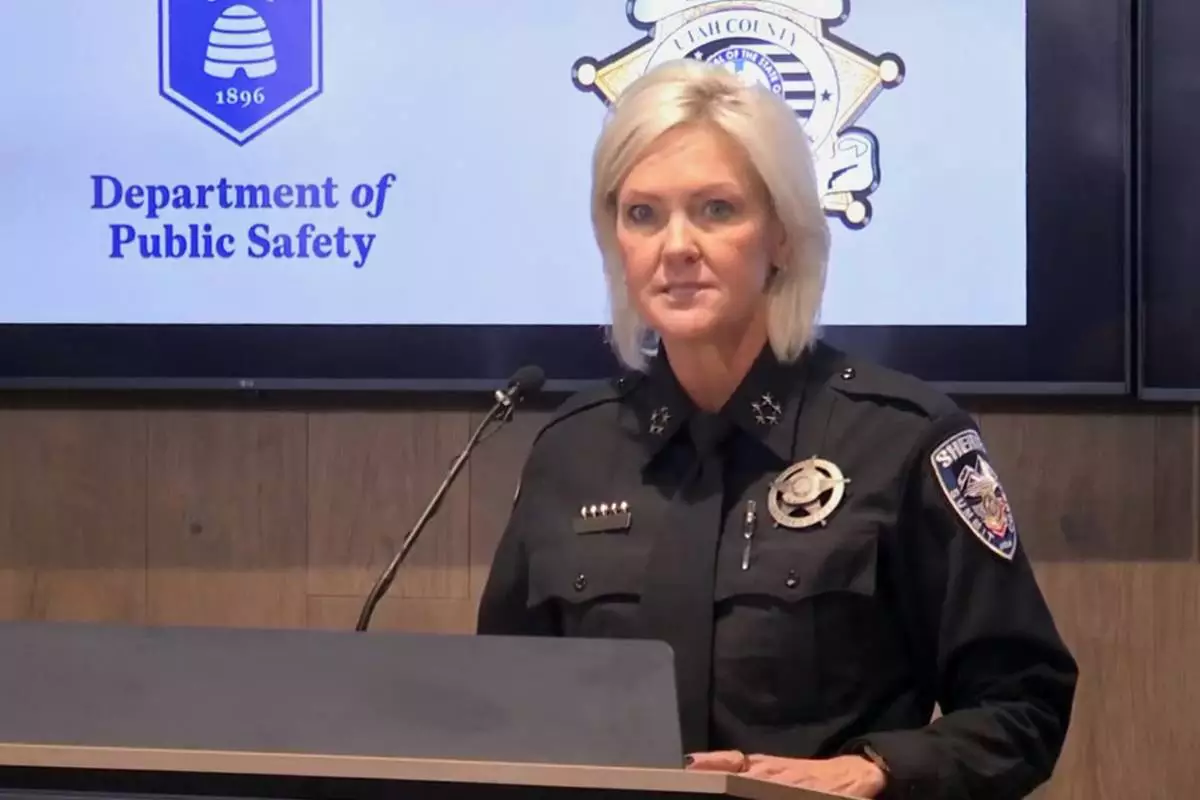
In this image from video, Summit County Sheriff Kacey Bates discusses a case linked to serial killer Ted Bundy during a news conference Tuesday, Oct. 27, 2026, in Park City, Utah. (KTVX-TV via AP)
In this image from video, Summit County Sheriff Kacey Bates discusses a case linked to serial killer Ted Bundy during a news conference Tuesday, Oct. 27, 2026, in Park City, Utah. (KTVX-TV via AP)

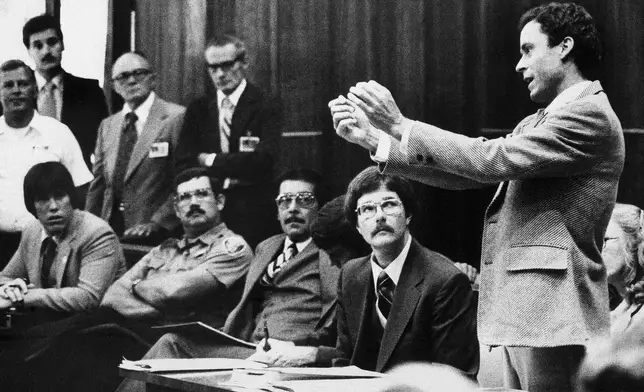
FILE - Ted Bundy presents a motion during his murder trial in Miami, June 25, 1979. (AP Photo, Pool, File)

FILE - Ted Bundy presents a motion during his murder trial in Miami, June 25, 1979. (AP Photo, Pool, File)

Bundy is one of the most prolific serial killers in United States history — though others likely had higher total victim counts, including Gary Ridgway, who admitted to killing 49; Samuel Little, who killed more than 60; and Donald Harvey, who pleaded guilty to killing 37 people.

Bundy drew widespread fascination, in part because many considered him to be charming and handsome at his 1979 trial.

Here are some things to know about Bundy and his crimes.

It's unknown when Bundy first began his attacks, but the deaths linked to him began in Washington state in 1974. He had grown up in Tacoma, Washington, and many of his earliest known violent crimes happened around Seattle.

An 18-year-old University of Washington student was sleeping in her home near the Seattle campus in January 1974 when someone broke in and attacked her, leaving her with a fractured skull. She survived but with permanent injuries. Bundy was believed to be responsible for the crime, which fit a pattern he established in later years, often breaking into young women's homes, bludgeoning and sexually assaulting them, and either leaving them to die or dumping their bodies elsewhere.

The next month, Lynda Ann Healy, another University of Washington student, vanished from her home. A small bit of blood was found on her bedding, and her remains were found the next year on Taylor Mountain, a remote area outside a neighboring city. The remains of some of Bundy's other victims were also found at the same site.

Over the next few months, other women were also abducted from Washington state and Oregon. In some cases, witnesses saw the women talking to a man who was wearing an arm sling.

By October, teen girls in Utah were also vanishing. Melissa Smith's body was found on a hillside in Summit Park, Utah, and her head had been beaten with a crowbar.

Carol DaRonch, an 18-year-old, was snatched by Bundy when he claimed to be a police officer investigating car break-ins. But she survived by jumping out of his car after he tried to handcuff her. DaRonch's testimony would later be instrumental in putting Bundy behind bars.

Bundy continued killing throughout the next year in Utah, Colorado and Idaho.

Bundy was arrested for the first time in connection with the disappearances in August 1975, when police pulled him over and found incriminating items including rope, handcuffs and a ski mask in his vehicle.

He was found guilty the following year of kidnapping and assaulting DaRonch. Bundy was sentenced to 15 years in prison for that crime, and while imprisoned he was charged in connection with the earlier death of a nursing student.

He was brought to Aspen, Colorado, for a hearing in that case in 1977 and escaped custody by climbing out a second-story courthouse window. He was caught about a week later, but escaped again six months later by breaking through the ceiling of a jail.

That time Bundy fled across the country, eventually making his way to Tallahassee, Florida. On Jan. 15, 1978, he entered the Chi Omega sorority house at Florida State University, bludgeoning two women to death with a large branch and leaving two more badly injured. He then went to another house nearby, badly injuring another sleeping woman.

Less than a month later, he abducted, sexually assaulted and killed a 12-year-old girl in Lake City, Florida. Kimberly Leach was believed to be his final victim: Bundy was arrested when he was pulled over in Pensacola while driving a stolen vehicle.

Bundy's case, and his self-assured attitude in court, drew widespread attention during his 1979 trial for the Chi Omega murders.

“I don’t know what it is he has, but he’s fascinating,” one teenage spectator told an Associated Press reporter covering the trial. “He’s impressive. He just has a kind of magnetism.”

Even the judge presiding over the trial said Bundy was a “bright young man” who would have made a good lawyer. But Judge Edward Cowart also recognized Bundy as a horrifically violent killer and sentenced him to die for “extremely wicked, shockingly evil and vile” crimes.

Bundy was executed on Jan. 24, 1989, by electric chair in Florida. He gave a series of confessions in his final days, including to some crimes that were previously unknown to police. Not all of those cases have been confirmed.

In April, Utah law enforcement announced they'd used new DNA testing to confirm that Bundy had also killed 17-year-old Laura Ann Aime more than 50 years ago.

Aime went missing in Utah on Halloween night in 1974, and her body was found a month later on the side of a highway. Authorities believed she had been kept alive for several days after her abduction.

Bundy had long been a suspect, but there wasn't enough evidence to charge him while he was alive. The case's evidence was carefully preserved, and advancements in DNA forensic technology eventually enabled investigators to extract a DNA profile that matched Bundy and officially close Aime's case.

Boone reported from Boise, Idaho. Associated Press writer Hannah Schoenbaum contributed from Salt Lake City, Utah.
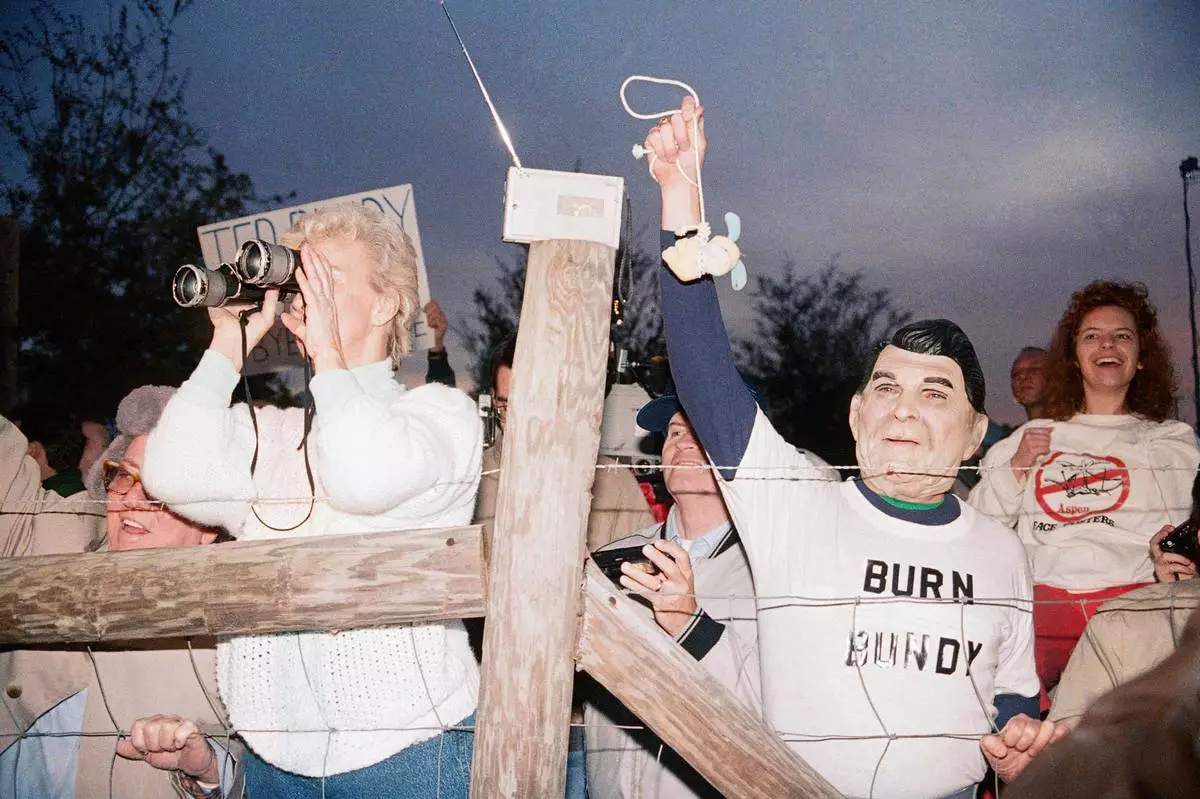
FILE - A toy bunny is hung in effigy by Jerry Jackson, of Atlanta Ga., wearing a Ronald Reagan mask, as the pro-death penalty crowd rejoices after the Theodore Bundy execution, Jan. 25, 1989, at sunrise in Starke, Fla. (AP Photo/Mark Foley, File)

FILE - A toy bunny is hung in effigy by Jerry Jackson, of Atlanta Ga., wearing a Ronald Reagan mask, as the pro-death penalty crowd rejoices after the Theodore Bundy execution, Jan. 25, 1989, at sunrise in Starke, Fla. (AP Photo/Mark Foley, File)

FILE - Ted Bundy smiles during the second day of jury selection for his murder trial in a Dade County courtroom in Miami, June 27, 1979. (AP Photo, Pool, File)
FILE - Ted Bundy smiles during the second day of jury selection for his murder trial in a Dade County courtroom in Miami, June 27, 1979. (AP Photo, Pool, File)

In this image from video, Summit County Sheriff Kacey Bates discusses a case linked to serial killer Ted Bundy during a news conference Tuesday, Oct. 27, 2026, in Park City, Utah. (KTVX-TV via AP)
In this image from video, Summit County Sheriff Kacey Bates discusses a case linked to serial killer Ted Bundy during a news conference Tuesday, Oct. 27, 2026, in Park City, Utah. (KTVX-TV via AP)

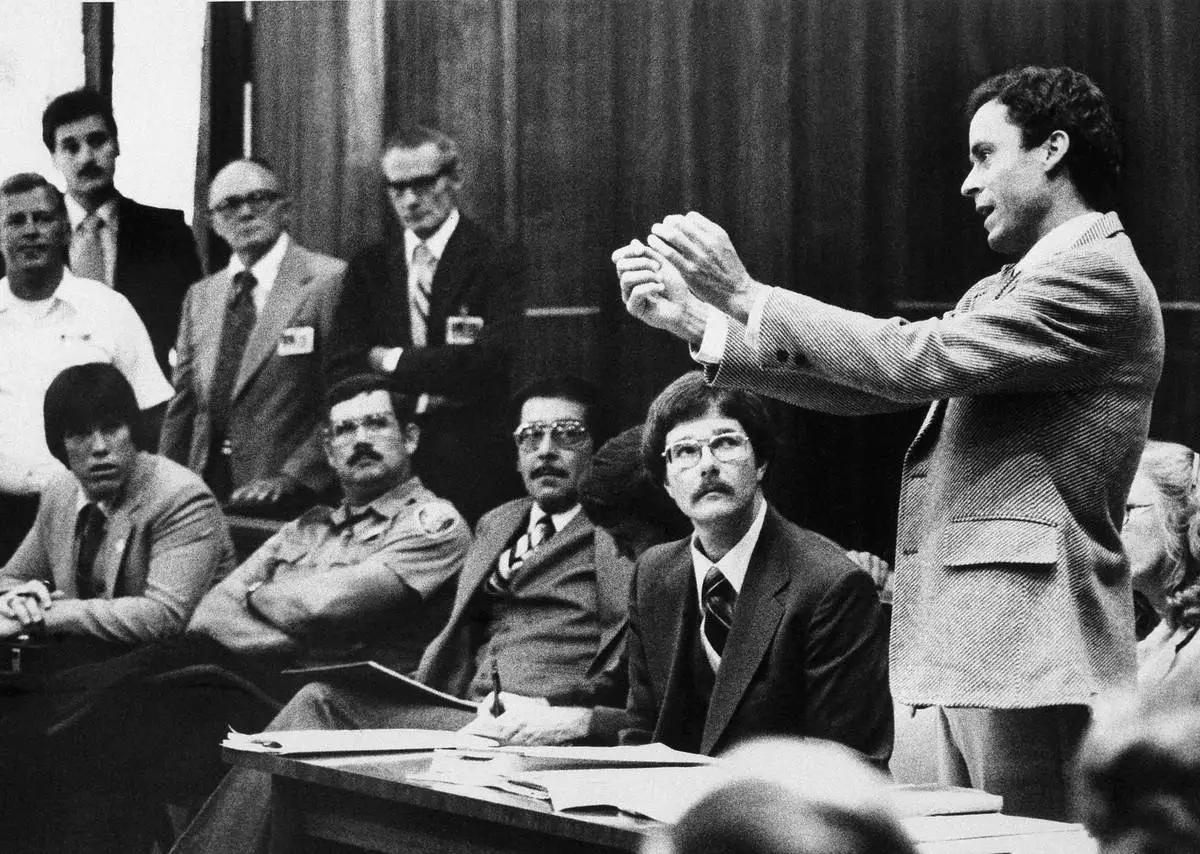
FILE - Ted Bundy presents a motion during his murder trial in Miami, June 25, 1979. (AP Photo, Pool, File)

FILE - Ted Bundy presents a motion during his murder trial in Miami, June 25, 1979. (AP Photo, Pool, File)
WASHINGTON (AP) — The Federal Reserve is expected to stand pat on interest rates Wednesday even though inflation has accelerated in the past couple of months as the Iran war has caused spikes in oil and gas prices.

The Fed's latest policy meeting concludes less than a week before the midterm elections, which have focused heavily on concerns about the cost of living and affordability. Consumers have generally soured on an economy weighed down by more expensive gas, groceries, and clothing, among other items.

The Fed, led by Chairman Kevin Warsh, wants to return inflation to its 2% target, which it typically does by raising its short-term interest rate. Higher borrowing costs, over time, can cool spending and slow inflation. The Fed raised its key rate last month for the first time in three years, from about 3.6% to 3.9%, in what many investors and economists perceived was a first step toward a renewed effort to bring down inflation.

Yet Warsh faces a host of challenges in achieving that goal. President Donald Trump slammed the Fed for raising its key rate last month, though he largely blamed the central bank's rate-setting committee, rather than Warsh, whom he appointed. And some of the forces driving inflation — specifically the rapid buildout of artificial intelligence infrastructure and higher energy prices — won't easily be tamed by higher interest rates.

At the same time, other parts of the economy are already being hit by higher rates, which were lifted by market forces, even before the Fed hiked last month. The average 30-year mortgage rate reached a three-year high of 7.4% earlier this month, though it has since slipped a bit. Higher mortgage rates have made buying a home unaffordable for 5 million more Americans since the beginning of the year, according to Oxford Economics, a consulting firm. Over time, Fed rate hikes can make mortgages, auto loans, and credit card borrowing more expensive, adding to Americans' sense that things like homes and cars are getting pricier.

After the Fed announces its rate decision, Warsh will speak at a news conference, where his remarks will be closely watched for hints about the Fed's next steps. He will likely repeat the Fed's desire for a “timelier” return of inflation to the 2% target. Some may view that as a sign the Fed will boost its key rate at its next meeting, in December, a move already widely expected by Wall Street investors.

If the Fed keeps rates on hold, Warsh will be pushed to explain why the central bank hiked in September but not this month. Inflation picked up in September, when consumer prices rose 3.7% compared with a year earlier. The increase was much bigger than the 2.4% rate in February, just before the Iran war.

And on a monthly basis, the consumer price index — the most widely-followed inflation gauge — rose 0.3% in both August and September. At that pace over a full year, inflation would rise much more quickly than the Fed's 2% target.

On Thursday, a separate inflation measure more closely followed by the Fed, the personal consumption expenditures price index, is forecast to have jumped 3.6% in September from a year earlier, up from 3.4% in August. Core prices, which exclude the food and energy categories, are forecast to have risen 3.1%, up from 3% the previous month.

Aditya Bhave, head of U.S. economics at Bank of America, said economists and the Fed have gotten too complacent about above-target inflation. Higher oil and gas prices will likely keep inflation elevated for several more months, he said, and rising diesel costs will elevate shipping prices for nearly every type of good, which could spread inflation more broadly through the economy.

“Unless the Fed takes this problem more seriously and stops essentially making excuses about inflation, I think we're not going to get back to 2% until the next recession,” Bhave said.

Warsh will likely seek to keep the Wednesday press conference relatively short. It was about 30 minutes last month. Warsh's predecessor, Jerome Powell, often held news conferences for about 45 minutes.

The Fed's policy meeting is part of a busy week for central banks around the world. The Bank of Canada will also meet Wednesday and is forecast to lift its key rate a quarter point, to 2.5%. Policymakers at the European Central Bank and the Bank of Japan are both scheduled to meet Thursday and are expected to keep their key rates unchanged.

For Warsh and the Fed, another key consideration is that the U.S. economy is growing at a healthy pace and unemployment remains low, at 4.2%, even if hiring is also sluggish. The government will report Thursday on growth for the July-September quarter, which is expected to reach 3%, according to a forecast by data provider FactSet. That would be up from 2.2% in the April-June quarter.

Many economists argue that solid growth is evidence that interest rates aren't particularly high and the economy could withstand higher rates to combat inflation.

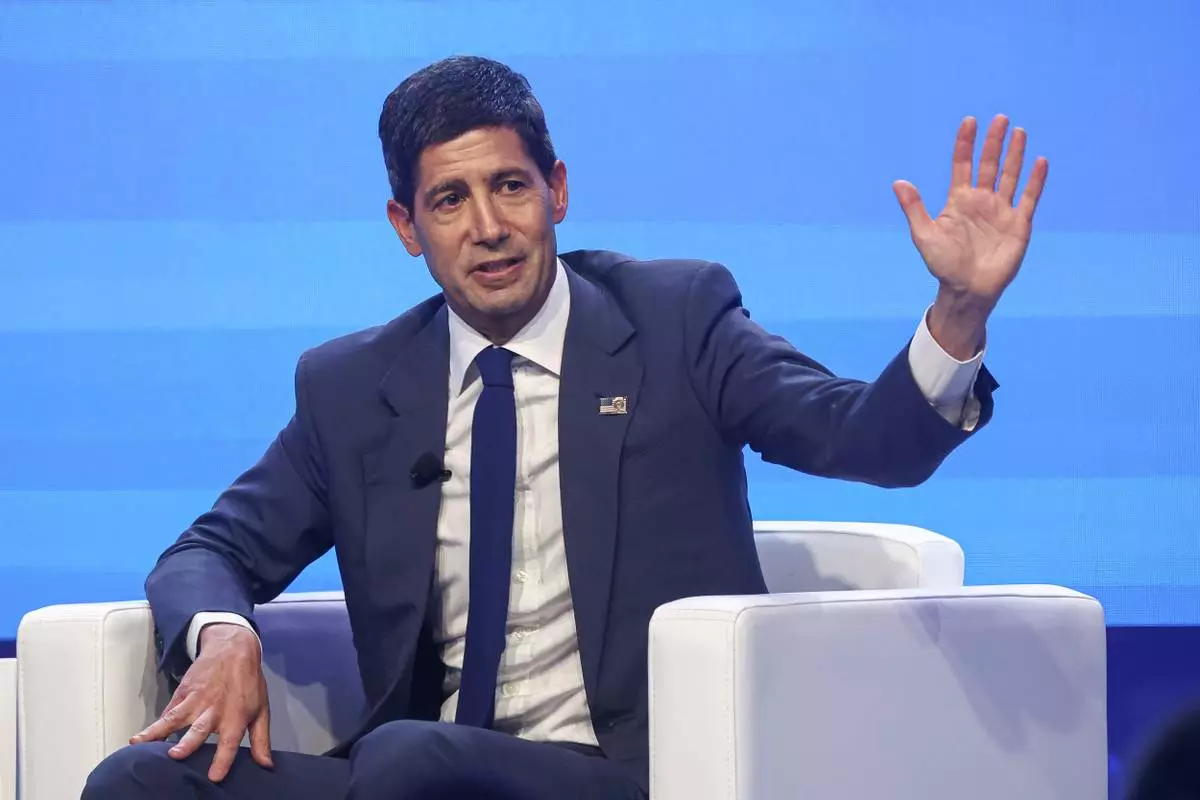
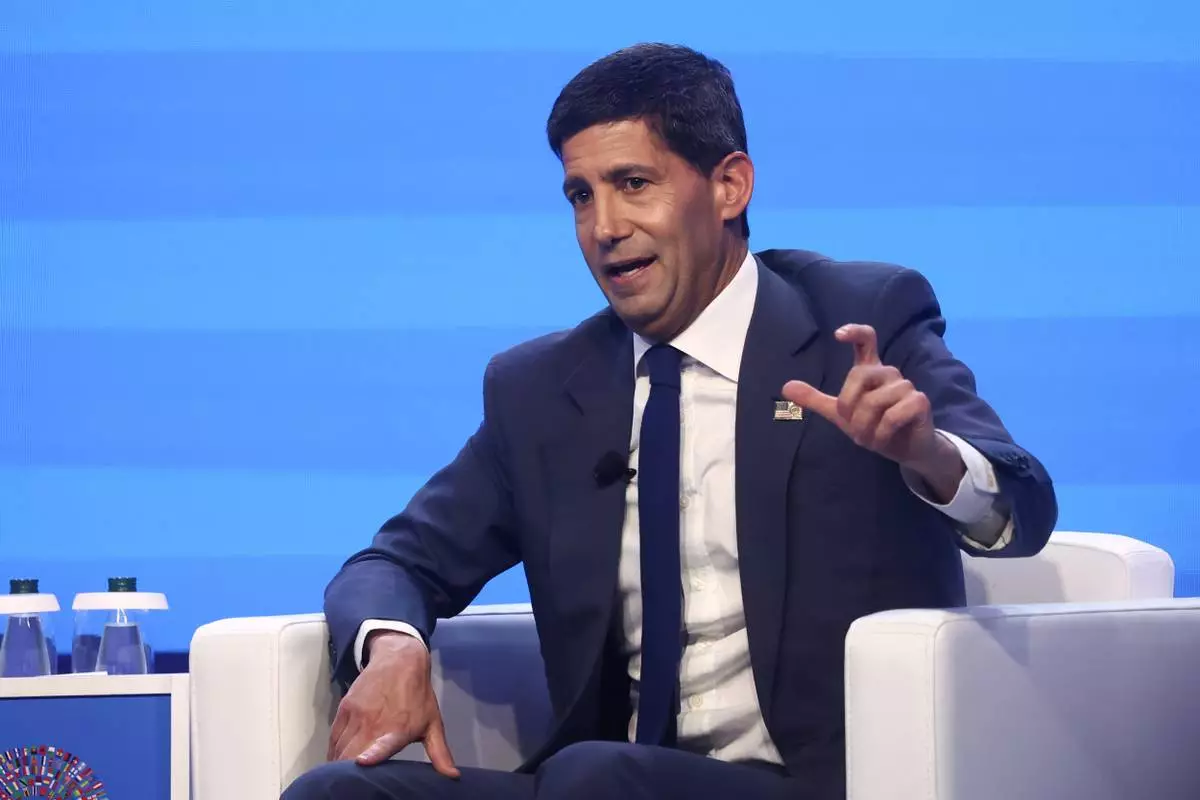
U.S. Federal Reserve Chairman Kevin Warsh speaks during the annual meetings of the International Monetary Fund and the World Bank Group in Bangkok, Thailand, Friday, Oct. 16, 2026. (AP Photo/Dhitaraht Dhanarahtsombat)

U.S. Federal Reserve Chairman Kevin Warsh speaks during the annual meetings of the International Monetary Fund and the World Bank Group in Bangkok, Thailand, Friday, Oct. 16, 2026. (AP Photo/Dhitaraht Dhanarahtsombat)

U.S. Federal Reserve Chairman Kevin Warsh speaks during the annual meetings of the International Monetary Fund and the World Bank Group in Bangkok, Thailand, Friday, Oct. 16, 2026. (AP Photo/Dhitaraht Dhanarahtsombat)

U.S. Federal Reserve Chairman Kevin Warsh speaks during the annual meetings of the International Monetary Fund and the World Bank Group in Bangkok, Thailand, Friday, Oct. 16, 2026. (AP Photo/Dhitaraht Dhanarahtsombat)

Recommended Articles