Speech by FS at One Earth Summit
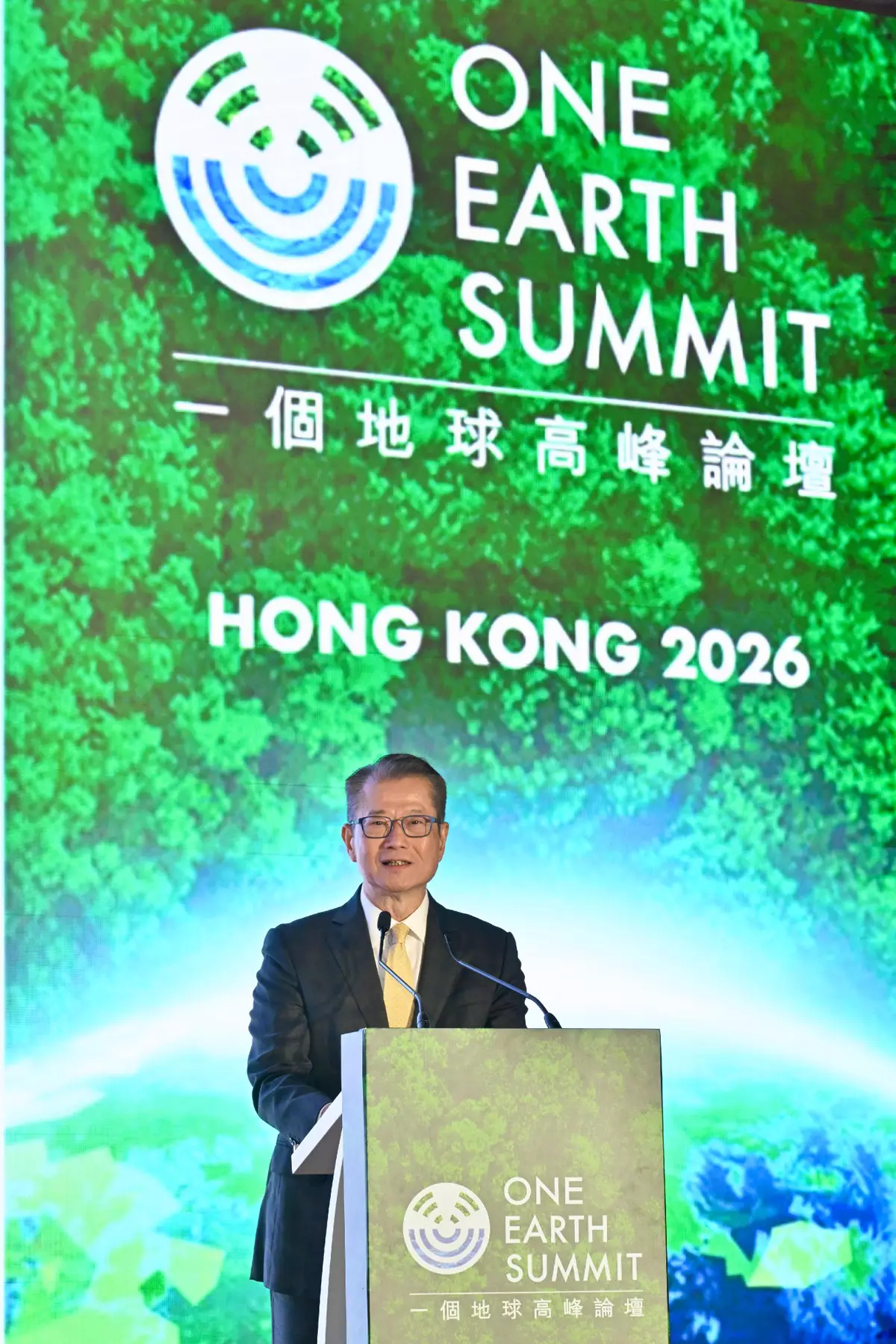
Following is the speech by the Financial Secretary, Mr Paul Chan, at the One Earth Summit today (October 28):
Click to Gallery

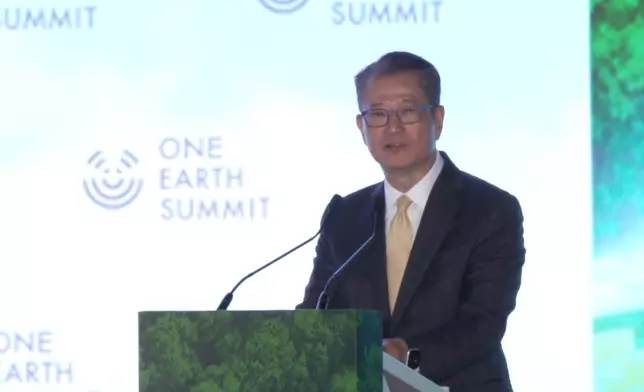
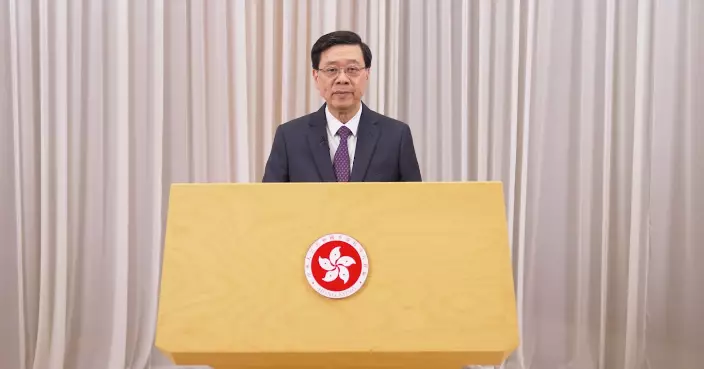
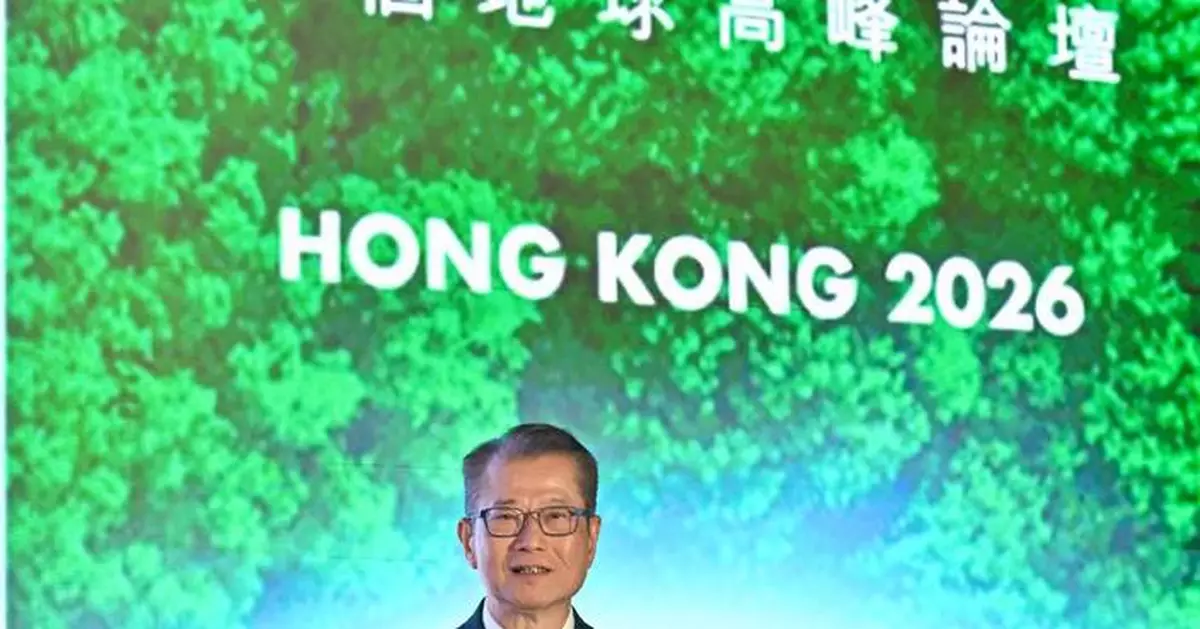
The Financial Secretary, Mr Paul Chan. Photo source: HKSAR Government Press Releases
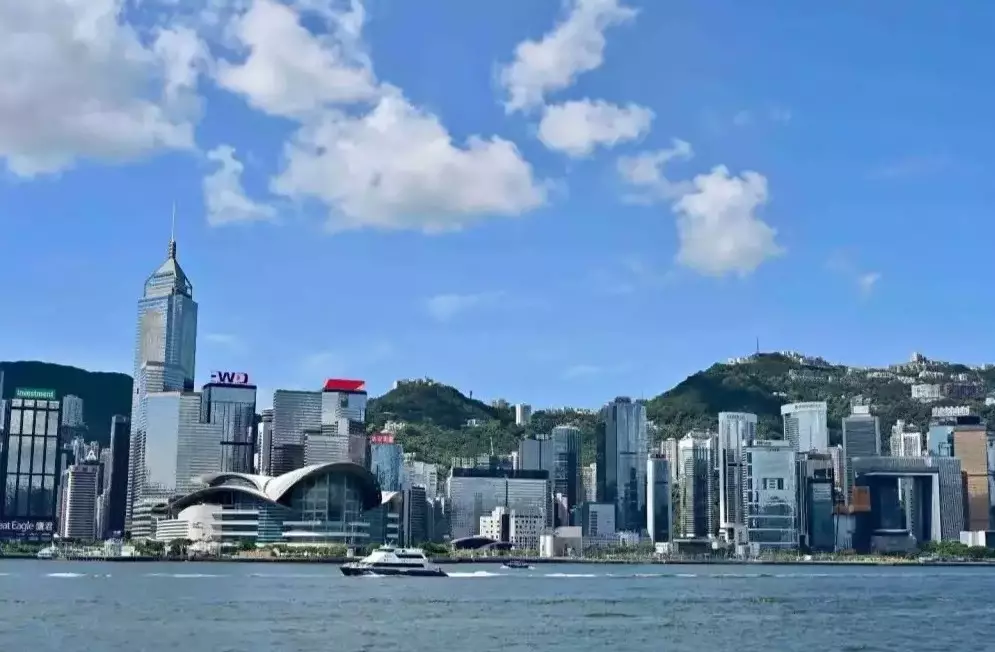
Hong Kong. Photo source: reference image

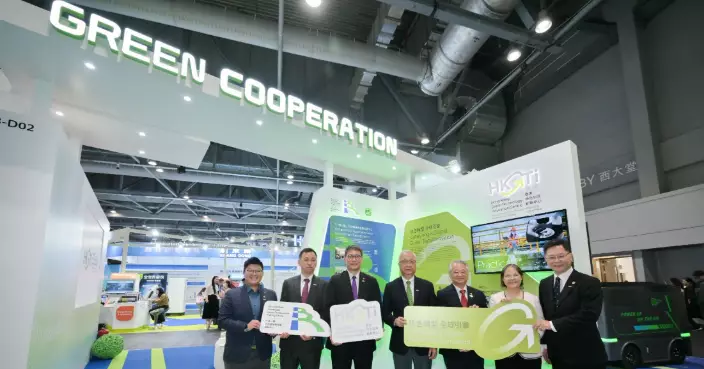
AI. Photo source: reference image
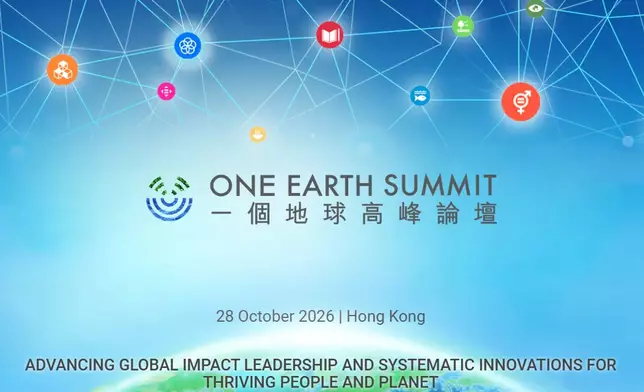
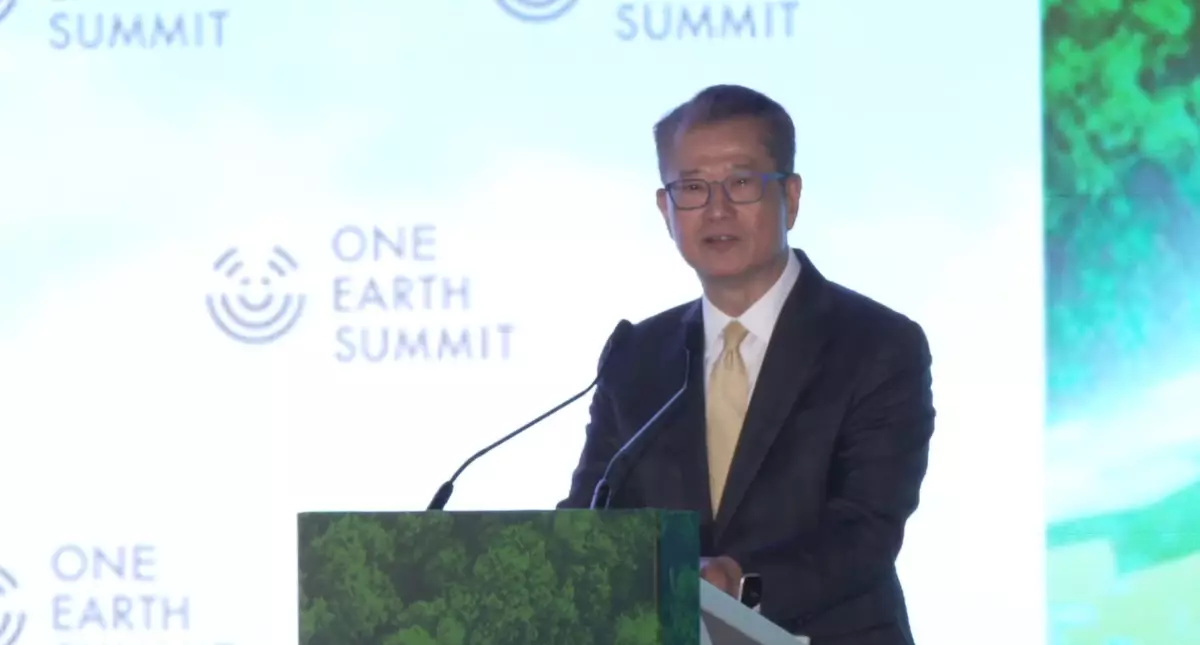
One Earth Summit. Photo source: oneearthsummit.org
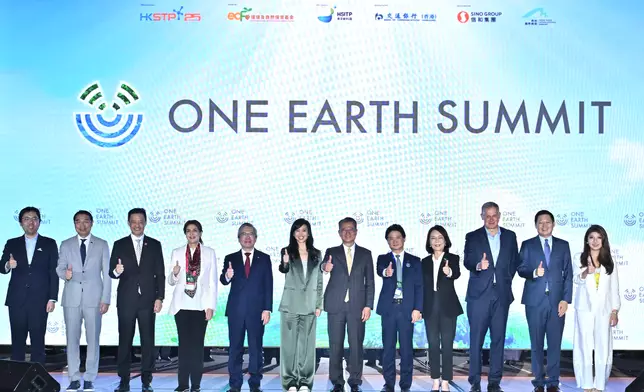
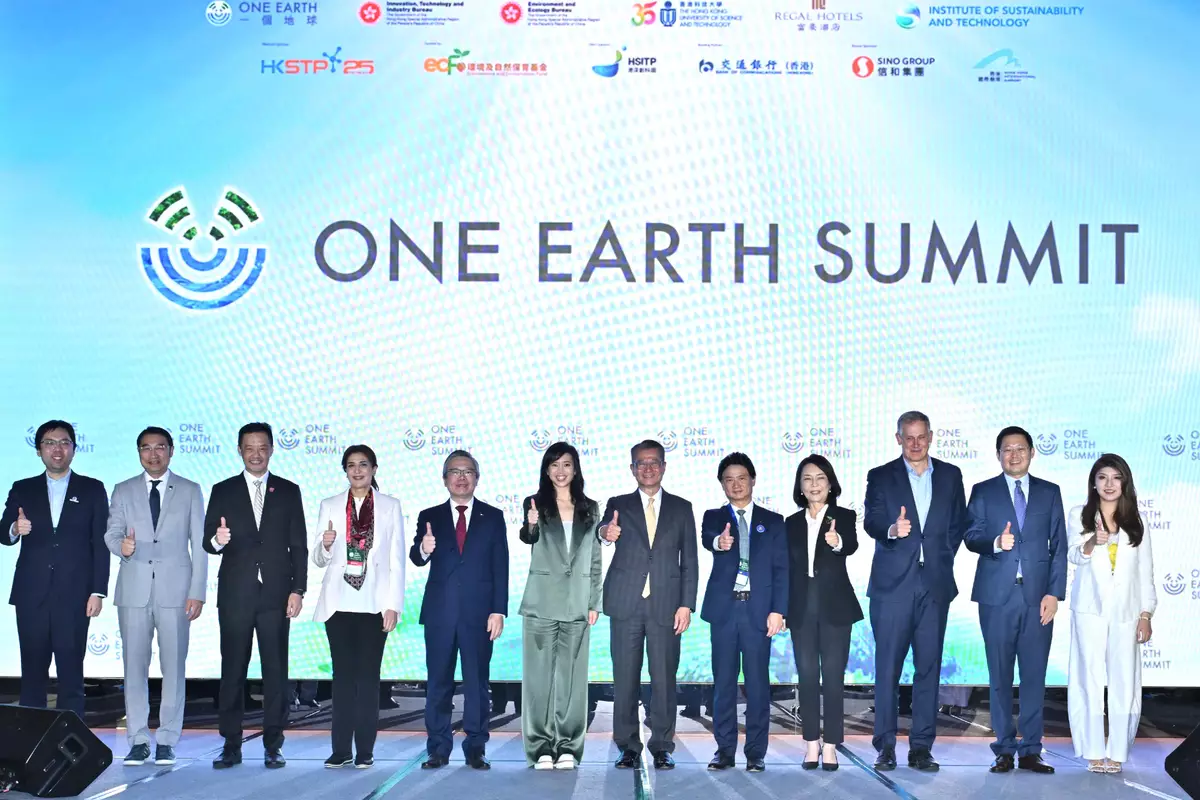
Speech by FS at One Earth Summit (with photos/video) Source: HKSAR Government Press Releases
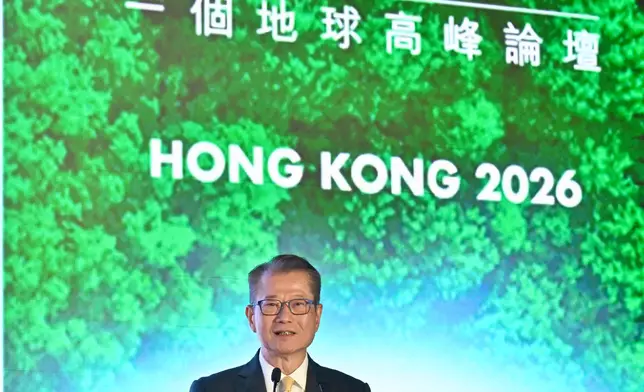
Speech by FS at One Earth Summit (with photos/video) Source: HKSAR Government Press Releases
The Financial Secretary, Mr Paul Chan. Photo source: HKSAR Government Press Releases
Poman (Founder of the Institute of Sustainability and Technology, Professor Poman Lo), Harry (Council Chairman of the Hong Kong University of Science and Technology, Professor Harry Shum), distinguished guests, ladies and gentlemen,
Good morning. Thank you for inviting me to the One Earth Summit. My heartfelt thanks to Poman and the organisers for bringing together government, business and NGO (non-governmental organisation) leaders from Hong Kong, the Mainland and around the world, to explore how we can harness innovation for a more inclusive and sustainable future.
Your theme, "Collective Flourishing in the Intelligent Age", asks us to consider not only what technology can achieve, but how its benefits can be shared.
Scientific advances give us powerful means to improve lives. But turning that potential into better lives, while protecting our planet, requires conscious choices. We must decide where to invest, whose needs to take priority, and how best to work together.
Understanding our shared challenges
Our world is changing rapidly. AI (Artificial Intelligence), in particular, is opening up new possibilities. To make the most of them, however, we must address three closely connected challenges.
The first is how to finance a secure and sustainable transition.
Conflict in the Middle East has exposed our continuing dependence on fossil fuels and how quickly energy shocks reach households and businesses. Cleaner energy is therefore not only a climate imperative, but also a matter of economic security.
There are encouraging signs. Consumers and businesses are increasingly choosing cleaner alternatives. Last year, electric car sales worldwide exceeded 20 million, while solar power capacity grew by a record 510 gigawatts - that is the capacity of some 500 typical nuclear reactors.
We should build on this momentum by making clean technology more widely available and affordable. Putting up trade barriers over concerns of so-called "overcapacity" would only take us in the opposite direction.
Meanwhile, AI offers a powerful way to accelerate progress. For example, the International Energy Agency estimates that using AI more widely in buildings could save as much electricity each year as Australia's and New Zealand's combined production.
But seizing these opportunities requires substantial investment. According to the IMF (International Monetary Fund), emerging and developing Asia needs at least US$1.1 trillion annually in climate investment. Public funding alone cannot meet that need. Mobilising private capital is therefore essential - and it has been a key theme at the recent IMF and World Bank Group meetings, as well as the APEC (Asia-Pacific Economic Cooperation) Finance Ministers' Meeting.
Another challenge is ensuring that benefits brought by technological progress are widely shared.
Some economies have advanced digital infrastructure. Others lack reliable, affordable internet access, making it harder for many people to access education, healthcare and business opportunities. Building better digital infrastructure is an essential first step towards closing these gaps.
Yet access alone is not enough. This brings us to the third challenge: equipping people to participate.
The World Bank projects that, over the next 10 to 15 years, 1.2 billion young people will enter a job market offering only about 400 million jobs. This challenge is attributable to reasons well beyond AI, but the message is clear: investment in technology must go hand in hand with investment in people.
These are our shared challenges, and we must work together to address them. As President Xi Jinping has said, "Humanity is an integral community, and Planet Earth is our shared home."
Hong Kong. Photo source: reference image
Connecting capital with development
For Hong Kong, we believe we can make a decided difference.
Under the "one country, two systems" framework, we serve as a "super connector" and "super value-adder", bringing together capital, enterprises, standards, innovation and talent. We also foster dialogue across economies and institutions, bridging diverse perspectives - as this Summit so clearly demonstrates.
Our ambition goes beyond attracting capital and businesses. It is to help worthwhile projects secure funding and promising technologies reach new markets, delivering tangible benefits to communities.
Let me highlight three ways Hong Kong puts that ambition into practice.
First, we connect capital to support innovation, advance green transition and address the needs of communities.
Our deep capital markets help businesses raise funds from the Chinese Mainland and across the globe, providing vital support for technology companies to develop new ideas and expand their businesses. We are also strengthening our capital-market links with the Global South. More companies from these economies are choosing Hong Kong for listing, and we are working closely with their local regulators to facilitate dual listings.
We are equally committed to mobilising capital to help accelerate green transition. Last year, around US$77 billion in green and sustainable debt was arranged in Hong Kong. Besides, we are also expanding transition finance to help industries reduce emissions, particularly where the transition is more difficult.
But our ambition goes beyond financing volume. Our work covers green standard setting, reporting and disclosure. For example, the Hong Kong Monetary Authority is expanding the Hong Kong Taxonomy for Sustainable Finance to cover sectors such as aviation and steel, giving investors clearer guidance on financing the transition of these sectors.
We also help recycle capital for better utilisation. The Hong Kong Mortgage Corporation has completed three infrastructure loan securitisations worth around US$1.3 billion to release capital tied up in existing infrastructure projects to finance new ones.
Infrastructure investment supports growth, but economies also need protection against natural disasters. Since 2021, Hong Kong has facilitated seven catastrophe bond issuances totalling around US$800 million. These bonds transfer disaster risks to the capital market, providing financial protection against earthquakes in the Mainland, Japan and India, as well as hurricanes in Jamaica.
Some worthwhile projects, however, are not yet bankable. We encourage multilateral development agencies and philanthropists to provide seed funding support, during project preparation. By sharing early-stage risks and strengthening project readiness and delivery capabilities, they can give private investors greater confidence to participate. Hong Kong's wealth-management and philanthropic networks provide valuable resources for these blended finance partnerships.
Bringing innovation into everyday life
Ultimately, the value of these investments lies in the difference they make to people's lives. That brings me to our second point: bringing innovation into everyday life by turning promising ideas into solutions that benefit communities.
Innovation is central to Hong Kong's development strategy. We are investing in research and outcome translation, promoting their adoption, attracting strategic enterprises and talent, and encouraging long-term investment in emerging industries. Our Northern Metropolis will bring these efforts together. Its three university towns will strengthen links between research, education and industry, helping ideas move from the laboratory into the market.
Hong Kong's contribution lies not only in developing new technologies, but also in showing how they can improve everyday life. As an international city, we provide a platform to test new solutions, demonstrate their practical uses, and accelerate their adoption and commercialisation in markets around the world.
Take AI and robotics for example. If a robot can operate safely in a compact Hong Kong home, helping an elderly person with everyday tasks, that experience could guide its use in other cities.
Consider biotechnology, too. Smoother cross-boundary flows of research data and biological samples will support research and drug development. With Mainland and Hong Kong authorities strengthening co-operation on clinical trials and drug approvals, treatments can reach patients sooner, both on the Mainland and internationally.
This is the impact we seek: turning our strengths into solutions that improve lives here and beyond.
AI. Photo source: reference image
Empowering people for change
Technology, however, can only deliver its full benefits when people are ready to use it. This brings me to our third point: helping people prepare for change.
We see AI not simply as a tool to improve efficiency, but as a means to expand what people can achieve. Realising that potential is a shared task, and Hong Kong can contribute by connecting expertise, sharing experience and learning from one another.
Our "AI Training for All" initiative provides a case in point. It brings together technology companies, educational institutions and community partners to broaden access to AI learning. As other economies in the region face similar challenges, we are keen to exchange experience and share best practices, so that we can learn from one another and help more people prepare for change.
Turning dialogue into action
Ladies and gentlemen, as we look ahead, our priorities are clear and closely connected: finance must support innovation, and innovation must serve the people and their well being.
The true measure of our progress will be the difference we make to people's lives. A young person with the skills to find meaningful work. An elderly person able to live more independently and with dignity. A community with reliable, affordable clean energy.
Let us turn the connections made here into lasting partnerships that improve lives far beyond our shores.
The intelligent age will not be judged by the power of its machines alone, but by the opportunities it creates and the lives it improves. That is the promise of collective flourishing. It is a promise we must work together to fulfil.
Thank you very much.
One Earth Summit. Photo source: oneearthsummit.org
Speech by FS at One Earth Summit (with photos/video) Source: HKSAR Government Press Releases
Speech by FS at One Earth Summit (with photos/video) Source: HKSAR Government Press Releases