Skip to Content Facebook Feature Image

Next-Gen AI Hardware, Infrastructure, Frontier Models, and Applications on Center Stage at SGLang Summit

Business

Next-Gen AI Hardware, Infrastructure, Frontier Models, and Applications on Center Stage at SGLang Summit
Business

Business

Next-Gen AI Hardware, Infrastructure, Frontier Models, and Applications on Center Stage at SGLang Summit

2026-10-28 20:31 Last Updated At:20:41

SAN FRANCISCO--(BUSINESS WIRE)--Oct 28, 2026--

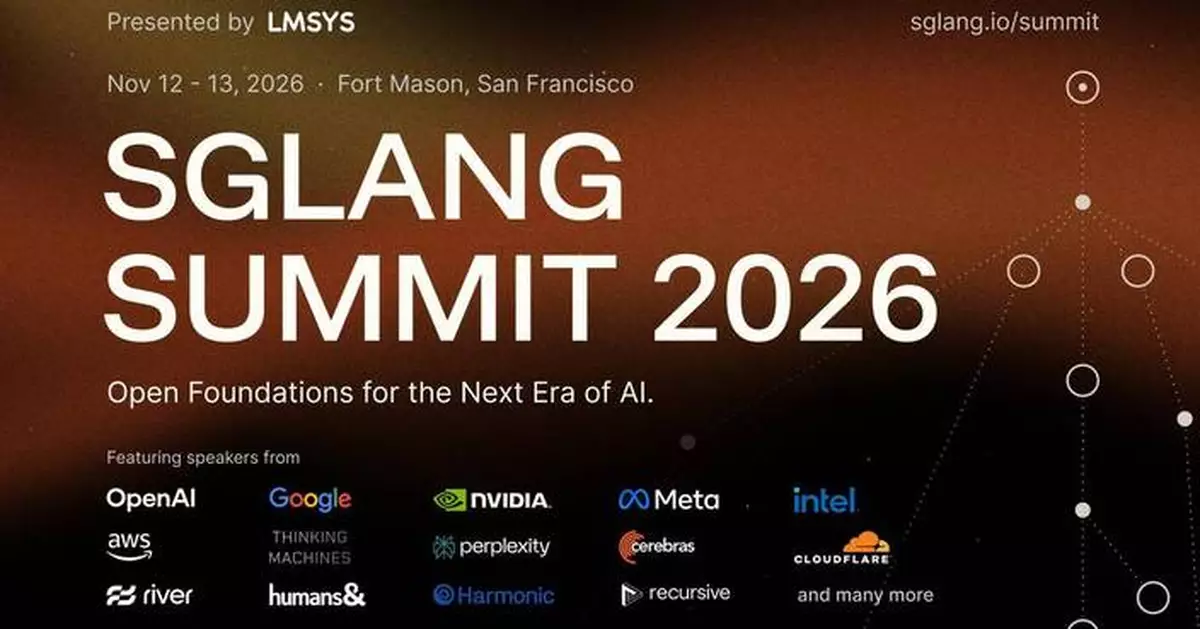
LMSYS Org, the nonprofit behind the open-source AI engine SGLang, today announced the speakers and program for the SGLang Summit 2026, taking place November 12–13 at the Fort Mason Center for Arts & Culture in San Francisco. The two-day conference brings together researchers, engineers, founders and open-source contributors to explore developments across AI hardware, models, infrastructure and applications. Over 100 speakers will join the conference, including Intel CEO Lip-Bu Tan, OpenAI’s Lilian Weng, Thinking Machines Lab CTO Soumith Chintala, and Perplexity CEO Aravind Srinivas. More than 2,000 attendees are expected.

This press release features multimedia. View the full release here: https://www.businesswire.com/news/home/20261028934474/en/

Themed “Open Foundations for the Next Era of AI,” the summit spans virtually the entire AI stack, combining main-stage conversations, technical breakout sessions and hands-on workshops. The program covers frontier models, AI agents and recursive self-improvement, alongside applications in robotics, world models, generative media and more.

Attendees can explore technical topics in depth through breakout tracks covering reinforcement learning, AI hardware, local AI and more. Hands-on workshops will give participants practical experience with model serving and training. The program offers opportunities to hear directly from the researchers and engineers developing these technologies and learn how teams across the AI ecosystem approach their work.

“Building useful AI systems takes work across hardware, infrastructure, models and applications,” said Ying Sheng, co-author of the original SGLang paper and co-founder and CEO of RadixArk. “SGLang’s community brings many of those teams together. The summit gives them a place to share what is working, discuss the problems they are encountering and learn from one another.”

Selected Program Highlights

Main-stage sessions will include:

Featured Speakers

They are joined by leading voices from Meta, Cerebras, Harmonic, LinkedIn, Cloudflare, Samsung, DigitalOcean and more.

Beyond the main stage, attendees can choose from 13 technical breakout tracks, from reinforcement learning and AI hardware to local AI and generative media. Hands-on workshops include training with Miles, RadixArk’s open-source reinforcement learning framework. A GPU Expo, where attendees can see the latest generation of hardware on display, an Open Stage for early demos, and community events hosted by sponsors and partners round out both days.

Platinum sponsors are Google, Intel, NVIDIA, Meta, AMD, and RadixArk, joined by more than 30 additional sponsors, including AWS, Microsoft AI, and Samsung.

Registration is open at sglang.io/summit.

About LMSYS Org

LMSYS Org, the Large Model Systems Organization, is a nonprofit that develops open and scalable models and systems. Its projects have included SGLang, FastChat, Vicuna and Chatbot Arena. SGLang is an Apache 2.0-licensed framework for serving large language and multimodal models, used by companies including Google, Meta, Microsoft, NVIDIA, LinkedIn and xAI.

Learn more at lmsys.org and sglang.io.

About RadixArk

RadixArk is an AI infrastructure company building systems for inference and training. Founded by Ying Sheng and Banghua Zhu, its team includes creators and core maintainers of the open-source projects SGLang and Miles. The company builds on SGLang for model serving and Miles for reinforcement learning and post-training, and develops managed infrastructure and tooling for AI teams. RadixArk raised $100 million in a seed round led by Accel and co-led by Spark Capital.

Learn more at radixark.com.
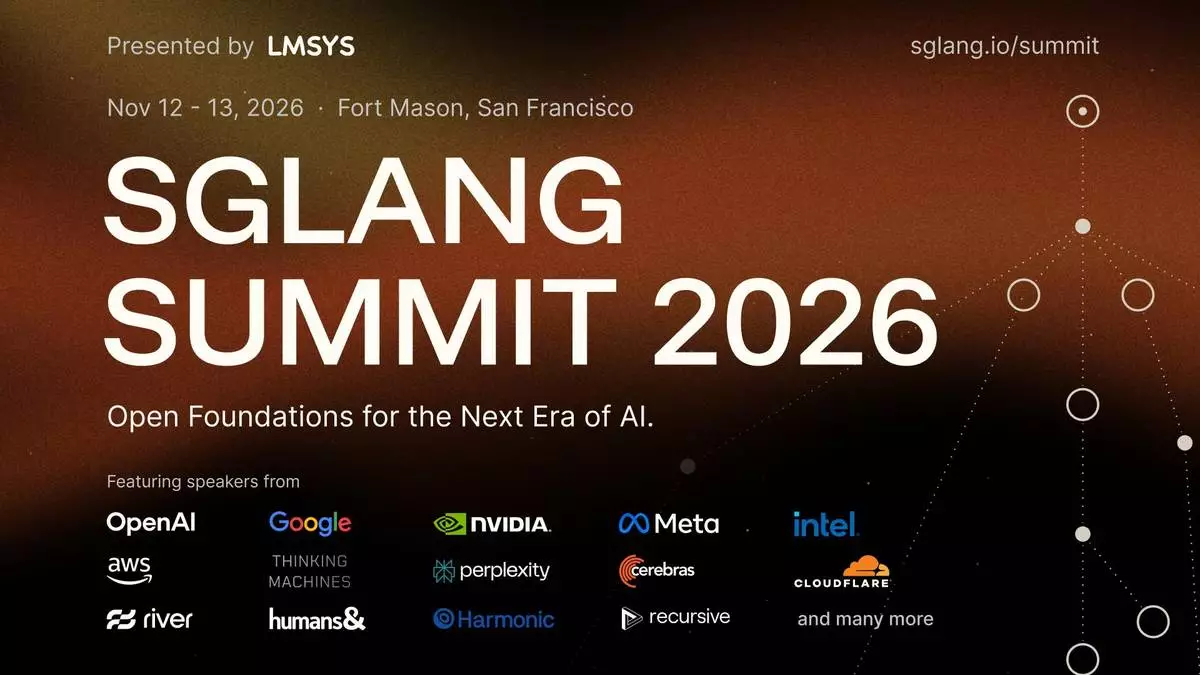
SGLang Summit 2026
SGLang Summit 2026

MINNEAPOLIS (AP) — A man who played a major role in defrauding a federal food program in Minnesota was sentenced Wednesday to 30 years in prison, the latest punishment in a sprawling scheme to collect millions of dollars during the COVID-19 pandemic by claiming to have fed needy children.

The depth of fraud in Minnesota — dozens of people have been convicted — has repeatedly drawn the attention of President Donald Trump, who ridiculed the Democratic governor for failing to stop it and partly cited it as grounds for an extraordinary immigration crackdown in the state's largest cities.

Salim Said operated Safari Restaurant in Minneapolis, which specialized in dishes from Somalia. He was accused of vastly overstating the number of meals when seeking payment for providing food. The government said he was responsible for $44 million in fraud, some of which was committed by others he recruited.

“You took more than taxpayers' dollars to enrich yourself. You took the reputation of our state down with you,” U.S. District Judge Nancy Brasel said.

Said was claiming a “ridiculous daily distribution of 6,000 meals” while FBI cameras showed 40 people a day collecting food, prosecutors said in a court filing.

“The defendant and his sites did not serve thousands of children; he served a calculated, lucrative lie,” prosecutors said.

Said, a native of Somalia, denied the allegations while testifying at the trial in 2025, saying many meals were delivered off site. But at his sentencing Wednesday, he changed course and expressed remorse. Defense attorney Barry Zone, who had asked for a 12-year prison sentence, disputed that Said was the “architect” as the government alleged.

COVID-19 brought changes to a federal program that typically fed children through schools. Restaurants could participate, and food distribution was extended to places outside schools.

“For 21 consecutive months, Said made thousands of fraudulent reimbursement claims, day after day, month after month,” prosecutors said. “Each submission represented meals purportedly provided to underprivileged children, yet the listed children themselves were entirely fictitious.”

The government said Said hit the jackpot: He bought a $1.2 million home, commercial real estate and an $87,000 pickup truck.

Said was convicted of a raft of charges in 2025, along with Aimee Bock, the leader of a Minnesota nonprofit, Feeding Our Future. She is serving a 42-year prison sentence for devising the overall plan to recruit Said and others to join the federal food program during the pandemic. A judge ordered her to repay $242 million.

State auditors found that the Minnesota Department of Education received numerous complaints about Feeding Our Future, but often told the group to police itself. In January, Gov. Tim Walz said he would not run for reelection after being pounded by Trump about theft in programs that rely on federal cash.

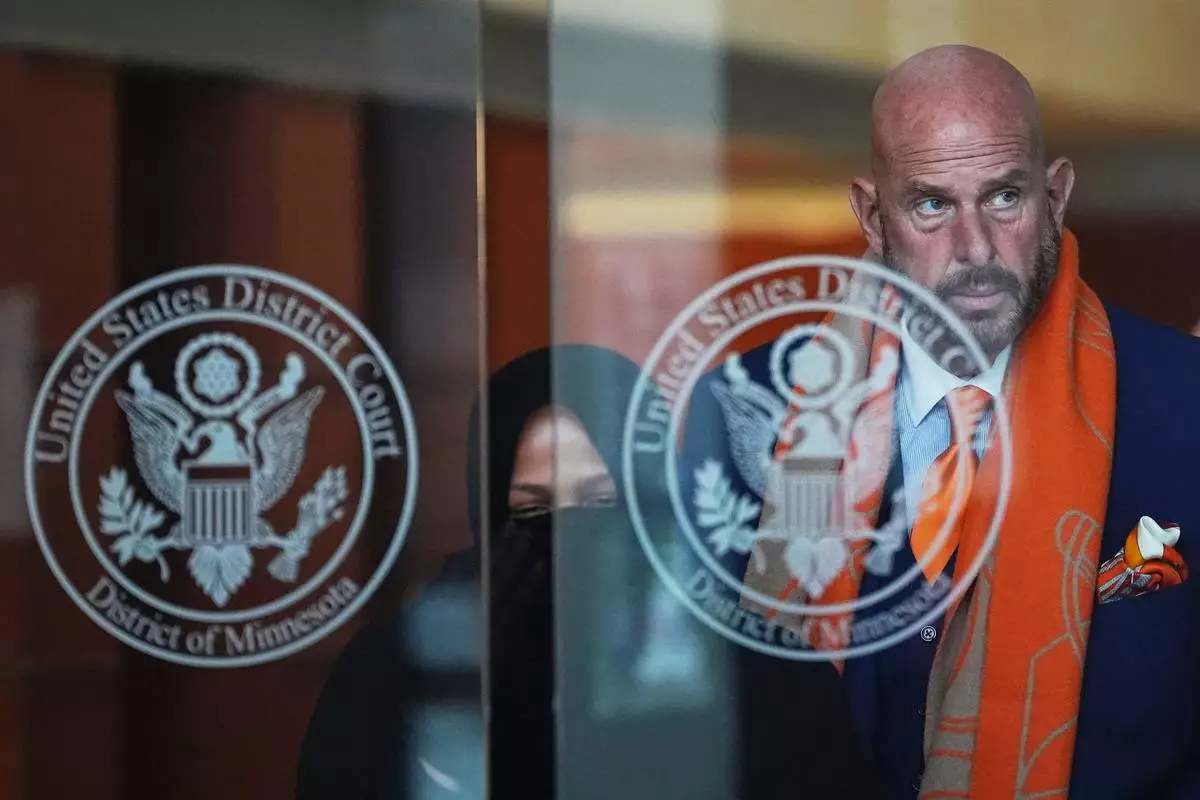
Attorney Barry Zone, right, and supporters of Salim Said, who was found guilty in the Feeding Our Future fraud scheme, leave after Said's sentencing hearing, Wednesday, Oct. 28, 2026, in Minneapolis. (AP Photo/Ellen Schmidt)

Attorney Barry Zone, right, and supporters of Salim Said, who was found guilty in the Feeding Our Future fraud scheme, leave after Said's sentencing hearing, Wednesday, Oct. 28, 2026, in Minneapolis. (AP Photo/Ellen Schmidt)

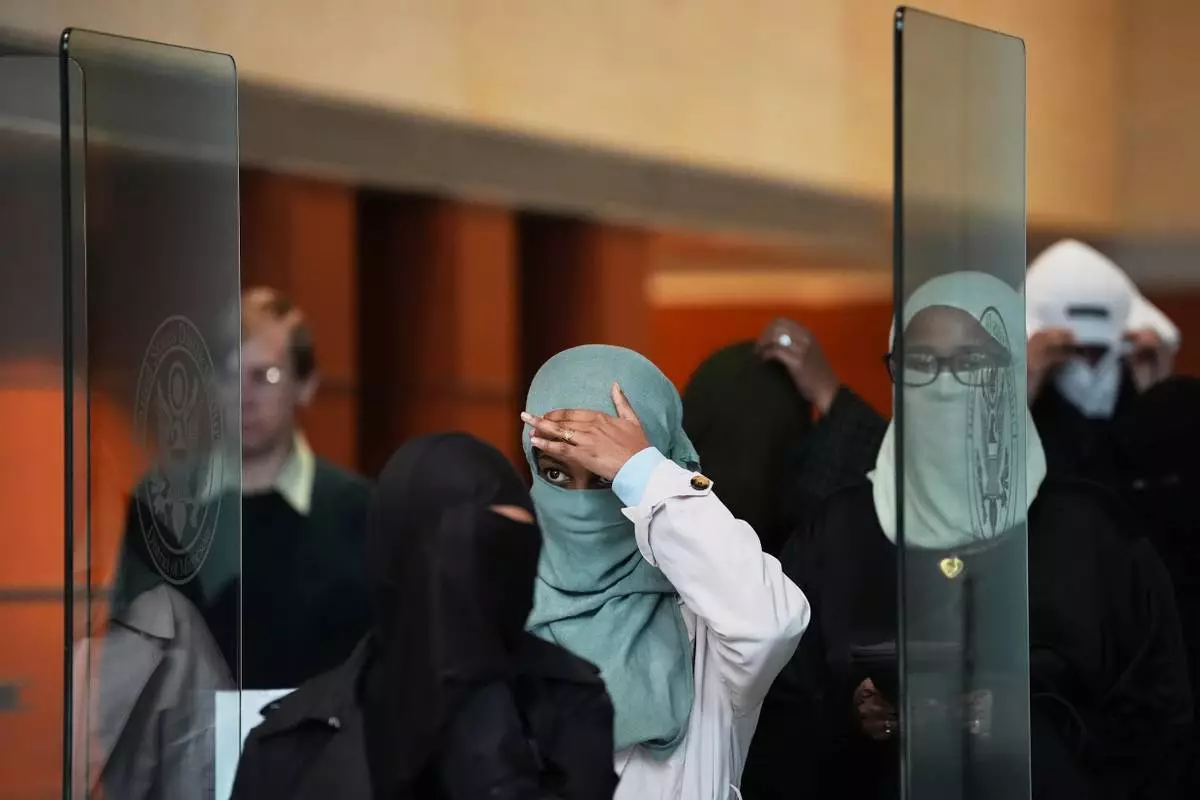
Supporters of Salim Said, who was found guilty in the Feeding Our Future fraud scheme, leave after Said's sentencing hearing, Wednesday, Oct. 28, 2026, in Minneapolis. (AP Photo/Ellen Schmidt)

Supporters of Salim Said, who was found guilty in the Feeding Our Future fraud scheme, leave after Said's sentencing hearing, Wednesday, Oct. 28, 2026, in Minneapolis. (AP Photo/Ellen Schmidt)

Recommended Articles