CHP records case of severe paediatric influenza infection
The Centre for Health Protection (CHP) of the Department of Health today (October 29) recorded a severe case of paediatric influenza infection. The CHP urged the public,especially those in high-risk groups, not to underestimate the seasonal influenza and to receive vaccinations as early as possible. This is crucial for preventing severe cases of seasonal influenza and its complications, as well as protecting one's own health and that of their families. In addition, the public should maintain good personal and environmental hygiene at all times to prevent influenza and other respiratory illnesses.
The case involves a 14-month-old girl with good past health. She developed a fever and cough on October 26. On October 27, she had a convulsion and was brought to the Accident and Emergency Department of Tseung Kwan O Hospital. Her condition deteriorated on the same day and she was transferred to the paediatric intensive care unit of United Christian Hospital for further treatment. Her respiratory specimen tested positive for influenza A (H1) virus. Her clinical diagnosis was influenza A infection complicated with acute necrotising encephalopathy and multi-organ failure. The patient is currently in critical condition.
The CHP's preliminary investigation revealed that the girl had no travel history during the incubation period and had not received the Seasonal Influenza Vaccination (SIV). One of her close contacts recently developed mild upper respiratory symptoms that did not require hospitalisation and has recovered. The CHP will continue to investigate the case.
"Hong Kong entered the influenza season in late June this year and the influenza season has lasted for four months by now. Over the past week (October 18 to 24), the overall influenza activity showed signs of decline but remained above the baseline thresholds. A cumulative total of 27 cases of severe paediatric influenza infection have been recorded in the current influenza season. Among these cases, 20 patients have recovered and been discharged from hospital, two are in stable condition, three are in critical condition and two have passed away," said the Controller of the CHP, Dr Edwin Tsui.
"Vaccine effectiveness begins to wane approximately nine months after vaccination. Therefore, the World Health Organization recommends receiving SIV every year. For most people, more than nine months have passed since they received last season's (2025/26) SIV. Hence, a decline in protection is inevitable. A decline in the overall population's herd immunity, coupled with the fact that the current influenza season has persisted at high levels for an extended period, has increased the likelihood of infection and severe complications among high-risk groups. Individuals who have contracted influenza earlier this influenza season but have not yet received the SIV should also get vaccinated promptly to protect against other circulating virus strains. Receiving SIV is the most effective way to prevent severe cases of seasonal influenza and its complications. SIV also reduces the risk of hospitalisation and death. Therefore, all people aged six months or above, except those with known contraindications, should receive SIV for personal protection as early as possible," he added.
The CHP's analysis of data from the previous year revealed that the rate of severe complications or death among unvaccinated children following influenza infection was approximately five times higher than that among vaccinated children. Among unvaccinated residents aged 65 years or older living in residential care homes for the elderly, the rate of severe complications was approximately four times higher than that among vaccinated residents.
The 2026/27 SIV programmes, including the SIV School Outreach Programme (SIVSOP), commenced on September 17. The SIVSOP this year has introduced a new Electronic Consent Form (e-consent form) feature via eHealth. This new measure not only enables the public to join the SIV Programmes but also streamlines the administrative procedures for healthcare service providers and schools, so that SIV outreach activities can start as early as possible. About 1 460 schools have organised SIV outreach activities. SIV outreach activities are expected to be completed by mid-December, about two weeks earlier than last year.
The health condition of children with influenza can deteriorate rapidly. Parents must pay close attention to their condition and visit an accident and emergency department immediately if the child's condition deteriorates with symptoms such as shortness of breath, wheezing, blue lips, chest pain, confusion, a persistent fever or convulsions. Members of the public should seek medical attention as soon as possible if they develop respiratory symptoms. If they live with members of high-risk groups, such as children, the elderly and those with underlying illnesses or compromised immune systems, they should wear a surgical mask at home to reduce the risk of infecting them. Other effective ways to reduce the spread of the disease include maintaining household hygiene, frequently cleaning and disinfecting frequently touched surfaces, practising good hand hygiene, and ensuring proper indoor air circulation.
Members of the public may refer to the CHP's COVID-19 & Flu Express, Seasonal Influenza Webpage and Vaccination Schemes for the latest information.
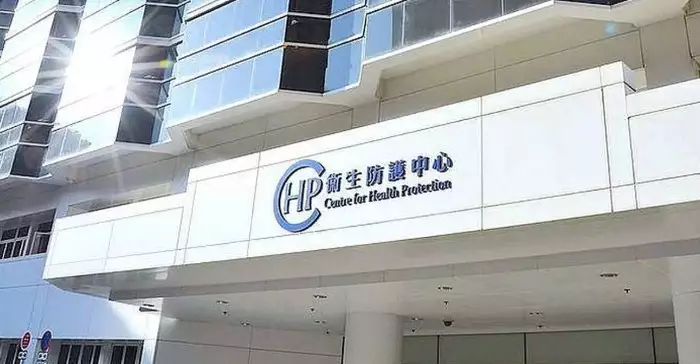
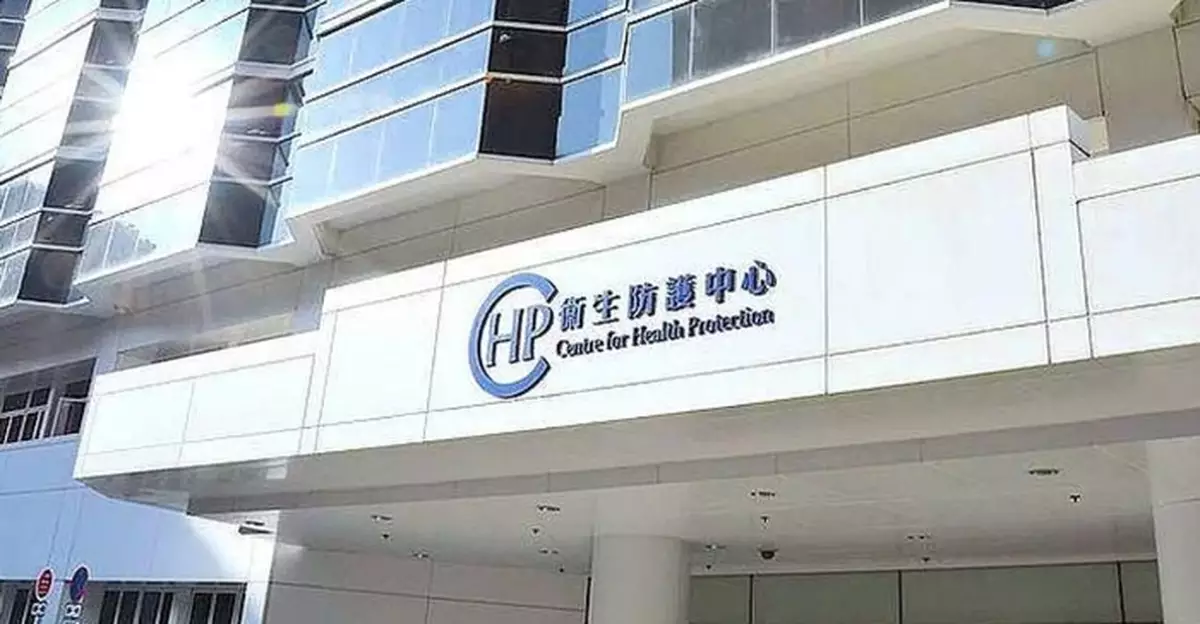
The Centre for Health Protection. Photo source: reference image
Remarks at press conference on matters relevant to report of Independent Committee in relation to fire at Wang Fuk Court in Tai Po (with photo/video)
The Chief Executive, Mr John Lee, together with the Chief Secretary for Administration, Mr Chan Kwok-ki; the Financial Secretary, Mr Paul Chan; the Secretary for Justice, Mr Paul Lam, SC; the Deputy Financial Secretary and Acting Secretary for Housing, Mr Michael Wong; the Secretary for Security, Mr Tang Ping-keung; the Secretary for Development, Ms Bernadette Linn; and the Secretary for Labour and Welfare, Mr Chris Sun, held a press conference today (October 29) on matters relevant to the report of the Independent Committee in relation to the fire at Wang Fuk Court in Tai Po. Following are Mr Lee's remarks at the press conference:
Reporter: My first question: the reform you have just mentioned is basically replacing bureaucracy with another bureaucracy without any fundamental changes, how would you convince the public that your reform can fundamentally change the current landscape and reassure us of our safety? And for my second question, you mentioned that there will be administrative accountability to be pursued. But drawing on lessons from the precedent of the Lamma Island ferry disaster, some civil servants were held criminally liable for their negligence. Would the Government consider also laying prosecution against some of the civil servants who were found negligent in the days leading to the fire? Thank you.
Chief Executive: First of all, I do not agree with your initial remark that this is just another bureaucracy. I have given you great details in regard to seven areas of reform and measures. If you look at the Independent Committee's report, and also have been following the Independent Committee's hearings, you will realise that the beginning of all these things started with corrupt bid-rigging, with the infiltration of triad members and unlawful elements who take advantage of the lack of professional knowledge of residents when they have to face decisions as to who to really employ as inspectors, supervisors, and contractors. The reforms that we roll out now are comprehensive reforms. We are restructuring departments so that they will enforce both inspection and also take legal action seriously. It will also turn the system, which was created some 14 years ago, proposed by the Government and discussed with law enacted in the LegCo (Legislative Council), which places strong emphasis on both the responsible persons, particular professionals, contractors and supervisors, as well as the Government, to take its regulatory roles. We see in this case a series of things happening that resulted in this tragedy, and the things that we are rolling out now address each and every one of them. On the basis of the 120 recommendations that the Independent Committee has recommended, we have added more. We have done something, which is that in addition to the 120 recommendations, there are seven recommendations among the 120 which the committee has asked us to implement immediately. We have implemented all these seven recommendations immediately. In addition to these seven, we have already rolled out some measures, a lot of which, when you look at the Independent Committee's report, converge (with the recommendations). That means the determination of the Government to really address and improve the situation so as not to allow future tragedies to happen is serious, and also in the same thinking line with the Independent Committee. So I will earnestly request each one of you to pay attention to what we are rolling out, and I'm taking my full team, particularly the major responsible secretaries, here to explain to you the overall reform framework.
Also, we are also arranging two additional press briefings tomorrow in response to two themes. We just want to let everybody know in detail, and I would really urge each one of you to thoroughly read through the thick book of the Independent Committee's report, and also to listen in detail to this press conference and the follow-up press conferences that we will hold in order to let everybody know that we are so serious to reform everything. In fact, all these will be explained in further details when we propose amendments to the legislation. I'm sure that there will be more debates in the LegCo, and we will be happy to listen to the views of LegCo members so that we together will ensure that the system is fully reformed so as not to allow any possible similar incidents happening in future.
But if you look at all the systems that we are facing, you can see that some systems were created in the third-term Government, some in the fourth-term Government, so it is a series of developments that eventually led to the present systems which we are all in. The tragedy has indicated that despite the developments over the years, despite the changes that different terms of government may have imposed into them, the Independent Committee's report, thankfully, has thoroughly examined the weaknesses of the present systems, and we are serious in ensuring that all these weaknesses and inadequacies are fully addressed, and elements are strengthened so as not to allow similar things to happen again. That is why we will enact a new law on making it a criminal offense for bid-rigging in respect of building renovation works. We will form this task force, which will allow law enforcement agencies to actively take part, to make use of the strongest power under the LegCo, where, when we suspect somebody is doing something bad, he can actually be called to give evidence, and to give information before the law enforcement agencies. This is something which indicates our strong will to ensure that the systems become healthy again. When the Public Service Commission conducts its investigations, if they come across anything which they think need to be referred to law enforcement agencies, it will be. They will, and I think that will be a duty.
But we also have to be fair to the investigation. We should not make prejudgment on what things will develop, because I want to highlight to you what the Independent Committee in its report has said in regard to what the committee has observed, and at the same time, what they want to remind us together. The Independent Committee has identified inadequacies and shortcomings. But the Independent Committee has also pointed out that while the four relevant departments have deficiency and shortcomings, they also have affirmed in its report that many civil servants are diligent and conscientious, always putting the public interest at the forefront. The report also said that international rankings also prove this point. Hong Kong ranks second globally in terms of government efficiency. What I meant to say is that despite the deficiency and shortcomings of this number of civil servants, we should not allow them to obscure the good performance and the passion of the civil service at large to serve the public and do a good job. The Independent Committee's report also said that it is pleased that the Government took prompt measures after the fire to address some of the problems revealed by this tragedy. And it said that this is an indication of good governance by the Government. Right, the four departments have been discovered to have deficiency and inadequacies. However, first of all, don't let them obscure the overall good performance of the whole government. I think we have to be fair to the whole civil service. Also, while the system needs to be reformed, we, the Government, are determined to reform it comprehensively and do it fast. That is why we roll out measures when the Independent Committee was conducting its full investigation, and we work on the basis of the recommendations throughout these comprehensive reform programmes.
Reporter: Why is Winnie Ho the only Principal Official that is held accountable, even though other departments are also found to have deficiencies? And will the Government look for a future successor, given that the current administration's term is going to end next year? And in what ways will the raft of reforms help to restore the public's confidence as well as trust with the Government? Thank you.
Chief Executive: The fire resulted in the death of 168 people, including a fireman who lost his life while bravely fighting the fire. It has caused pain and sorrow to the affected families and the community. The political team will take political accountability, and I have considered a wide range of factors, including the official's role in the matter, the official's policy portfolio and its relation with the incident, whether the problems relate to policy or execution, the performance of the subordinates, the large amount of work the political team will have to do in the time ahead. Considering that the fire took place in Wang Fuk Court and it falls within the purview of the Housing Department's ICU (Independent Checking Unit), which is under the Housing Bureau, the Secretary for Housing should take political accountability.
I also set out two requirements for the political team. First, continue in their respective position to exact the utmost efforts amidst the reforms and the substantial amount of work ahead. Second, learn from the incident, strengthen leadership more strongly, and pursue more vigorously result-oriented governance. I have made this political decision after considering all the factors and also the two requirements that I have set out for my political team. I balance all these factors, and I think if we understand how we approach this problem, then maybe you will understand how I make the overall decision. Because there are five things that we must do in this matter.
First of all, we must pursue criminal liability to ensure those responsible could not escape justice, and justice could be done. Second, the political team has made a clear position that will show the political accountability and make a decision, explaining in detail how I consider the range of factors to come to this decision. The third is to ensure that we will also pursue administrative accountability, hence the setting up of the independent investigation team under the Public Service Commission, in accordance with the Heads of Department Accountability System, which I set up. And the fourth thing is to ensure that we will take good care of the affected families, to ensure that they will also be provided with long-term accommodation arrangements. And the fifth, the most important thing, is to ensure that we reform the whole system to ensure that we will not allow a similar tragedy to take place.
It is a decision that I make after considering all these factors. I have explained to you in detail, and I hope that after you have read in detail the Independent Committee's report, which talks about the 120 recommendations, how we seriously implement them, and what, in addition to the 120 recommendations, we do more, such as revamping the complaint system, ensuring that complaints are not just handled at the departmental level, but all will be upgraded to the central system, with senior officials in the centre using a system of AI to identify repeated problems, to identify, probably complaints we don't think are handled to the best degree as we would like. And also, we will be improving training among the civil service to ensure that they will be doing the service with a full mindset of serving the public, and also implement it fully, my governance philosophy of a result-oriented governance. So, this is a very comprehensive reform with different areas of new measures, and you can see that we are doing all these things despite that some of the systems actually originated many years ago, and we are doing a comprehensive reform rather than just bits and pieces measures.
Reporter: Have you discussed with the Central Government about those reform measures? If not, will you report these measures to the President during your annual duty visit to Beijing? And second one is, you said you take responsibility as the leader of the city. As such kind of tragedy happened during your term, would you seek a re-election in the future? Thank you.
Chief Executive: I am the Chief Executive. I am the person responsible for running the Government. I take full responsibility to ensure that things are run well. All the measures and the reforms come from the collective decision and deliberation within the Government on the basis of the recommendations of the Independent Committee's report. The second thing is, each year I report to the leader in Beijing, and we'll do it in accordance with the usual way of reporting what is necessary. The third thing is, it is important that we do not allow similar tragedy to happen. This is the number one priority in implementing this comprehensive reform. That should be the only goal, and that should be the only thinking. We have no personal thinking in this matter. We have people's interests close to our heart. We would love to listen to more views from the public about how we will further improve the system, because we have only one goal and only one purpose: to reform comprehensively, so that the tragedy will not happen again. Only this purpose, and only this thinking.
(Please also refer to the Chinese portion of the remarks.)
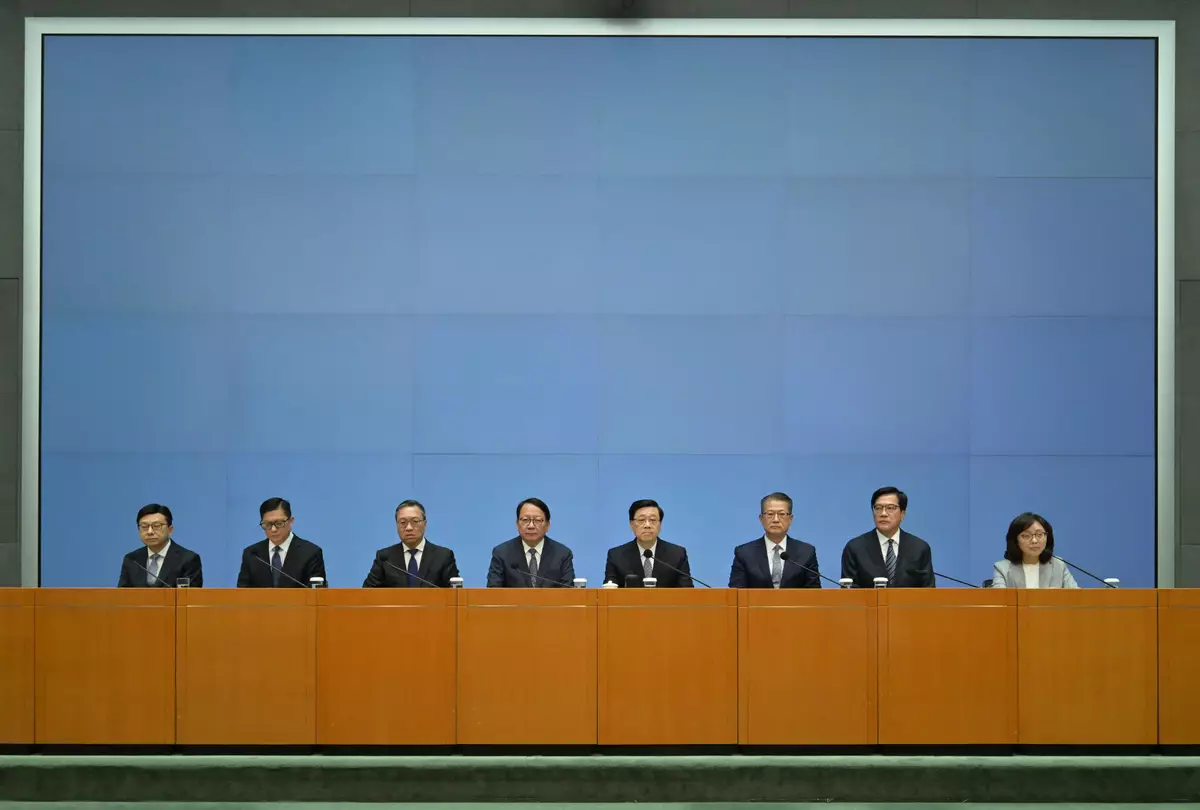
Remarks at press conference on matters relevant to report of Independent Committee in relation to fire at Wang Fuk Court in Tai Po (with photo/video) Source: HKSAR Government Press Releases