MOYALE, Kenya (AP) — Sporadic gunfire could be heard coming from the Ethiopian border town of Moyale on Friday as Ethiopian civilians continued fleeing into Kenya to escape violence stemming from a regional dispute.
Cargo trucks were stranded on both sides of the border as tensions persisted between leaders of the Oromia and Somali regional states of Ethiopia.
An Associated Press reporter in Moyale, Kenya, recorded gunfire coming from the Ethiopian side of the border and reported hearing sporadic gunfire daily since Oct. 22.
Up to an estimated 50,000 people have crossed into Kenya, the U.N. refugee agency said Wednesday, citing local authorities, up from 36,000 reported Tuesday. Registration and verification were continuing, the agency said.
Benedict Munywoki, deputy county commissioner for Moyale Sub-County, said Thursday that some of those fleeing Ethiopia were staying in town rather than in camps, making an accurate count difficult.
“The initial number of people who are in camps and also integrated into the community is still growing day by day,” he said.
The U.N. refugee agency, the International Organization for Migration and the Kenya Red Cross were working to provide medical care, food and shelter.
At a camp established by the Kenya Red Cross, people cooked food in large pots over wood fires Thursday while health workers weighed children and measured their upper arms to check for malnutrition.
Seifu Negash, an Ethiopian doctor who fled into Kenya, was volunteering with the Kenya Red Cross to treat fellow refugees.
“The war, it started suddenly then we were displaced from that area,” Seifu said, describing difficulties both in Ethiopia and after crossing the border.
Residents have been opening their homes to people fleeing the violence.
“When they arrive we welcome them and give them a place to stay and sleep,” Moyale resident Galgallo Jarso said Monday. “We are giving them food and when they fall sick we take them to hospital.”
Local leaders in Kenya’s Marsabit County have appealed for support, warning that the arrivals could overwhelm communities already struggling with food and water shortages.
The conflict monitoring organization ACLED traced the latest fighting to an Oct. 18 confrontation over the opening of a Somali regional administration office and the raising of its flag in a disputed part of Ethiopian Moyale.
The Ethiopian town is divided between the Oromia and Somali regional administrations. The fighting is rooted in a longstanding boundary dispute between the Borana, who are Oromo, and the Garre, who are Somali, according to ACLED’s senior East Africa analyst, Jalale Getachew Birru.
A 13-year-old Oromo girl was killed in the initial confrontation, although accounts differ over the circumstances, the analyst said. Fighting subsequently spread to other communities, involving regional police and local militias.
ACLED said fighting appeared to have subsided Wednesday, although tensions remained high.
The violence has also raised security concerns in Kenya. Kenyan police reported last week that a woman was wounded in the neck by a bullet in Moyale. Police did not identify where the shot came from.
The border dispute comes as Ethiopia faces separate conflicts elsewhere. In northern Tigray, rebels have vowed to keep fighting after losing control of the regional capital, Mekelle, earlier this month.
Elsewhere in Oromia, the Ethiopian Orthodox Church said two attacks killed at least 60 Orthodox Christians on Oct. 20 and 24. Regional authorities blamed the Oromo Liberation Army, whose leader has previously denied targeting civilians.
Those attacks occurred in different districts from the Moyale fighting.
The Tigray People’s Liberation Front and the Oromo Liberation Army are among seven groups that formed the Ethiopian Peoples’ Forces Alliance for Survival in September, seeking to remove Prime Minister Abiy Ahmed’s government from power.
Kazziha reported from Nairobi, Kenya. Nicholas Komu contributed to this report from Nairobi.
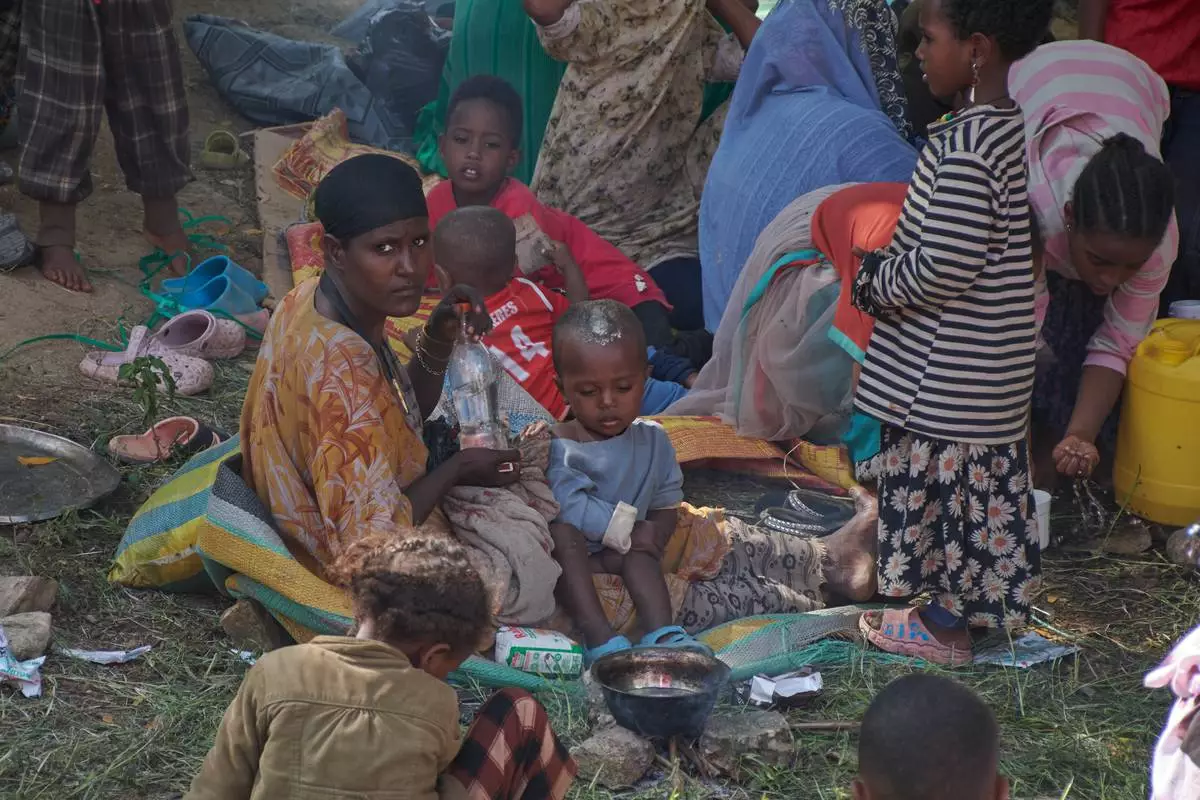
Ethiopians, fleeing regional fighting, sit after crossing into Kenya in Moyale, Marsabit County, Kenya, Saturday, Oct. 24, 2026. (AP Photo)
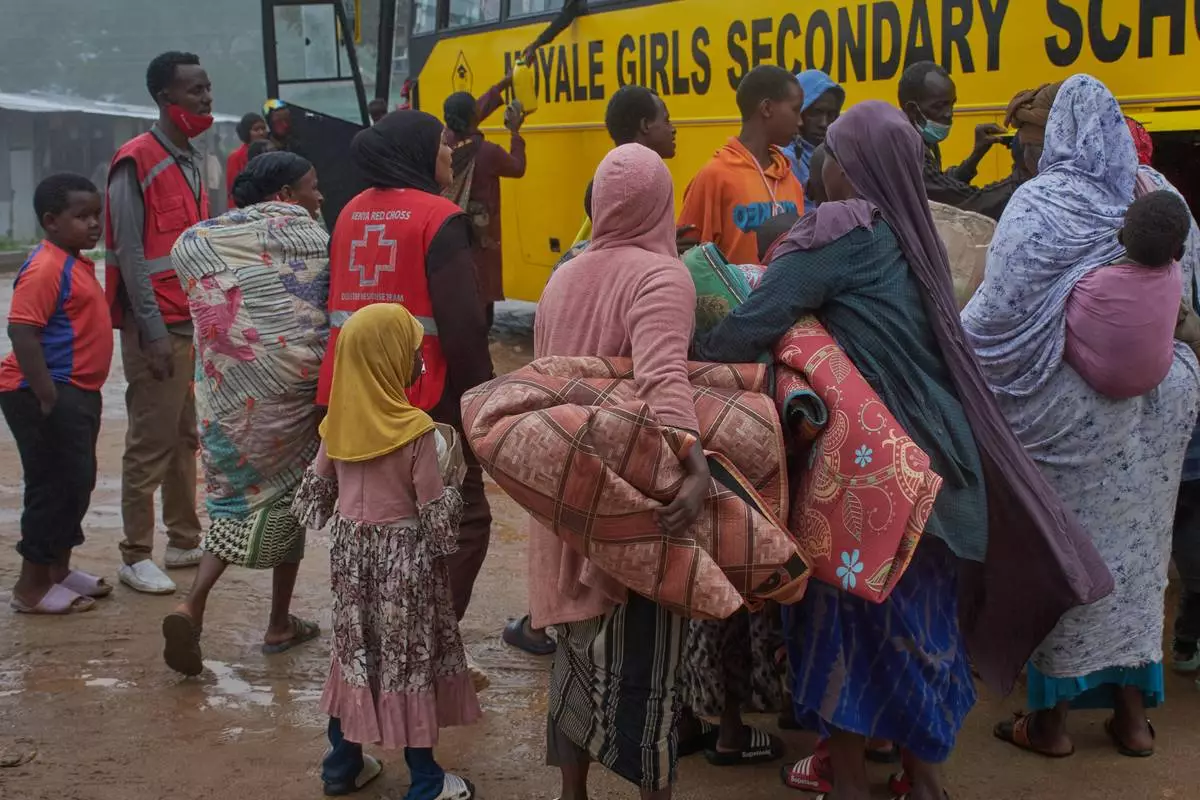
Ethiopians fleeing regional fighting disembark from a bus for verification after crossing into Kenya in Moyale, Marsabit County, Kenya, Monday, Oct. 26, 2026. (AP Photo)
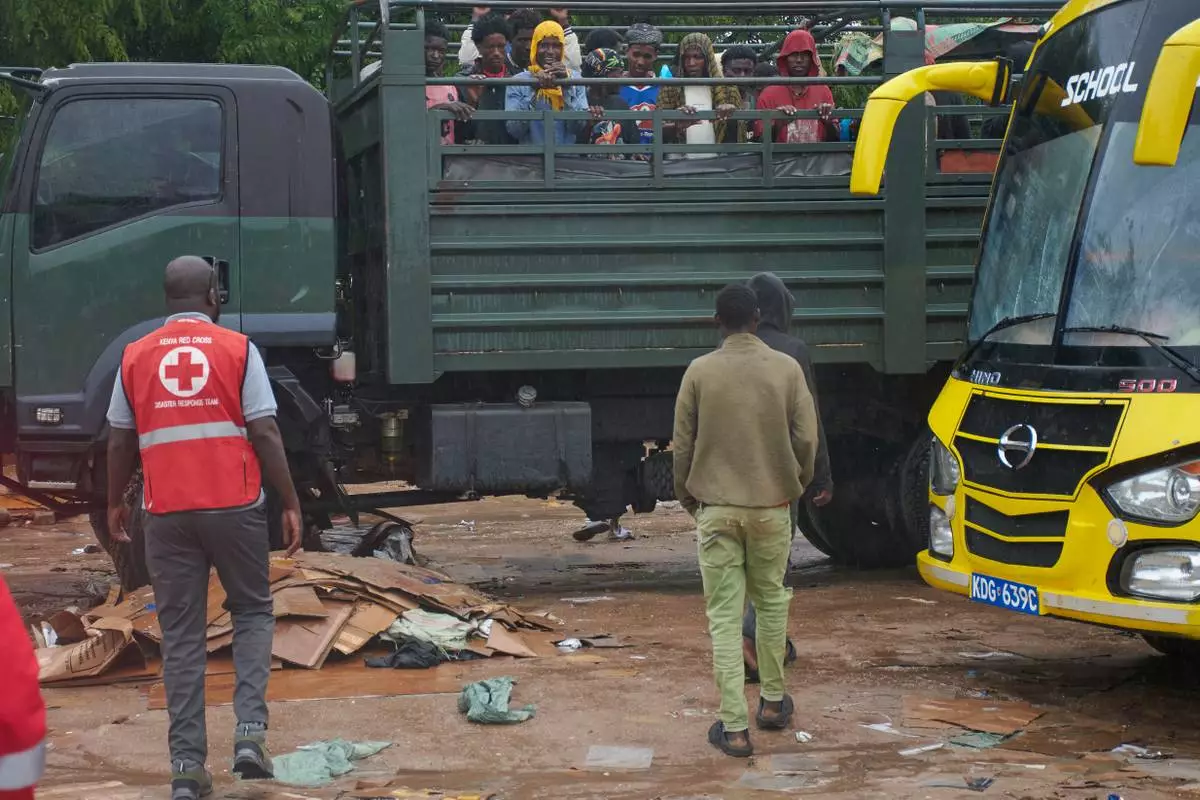
Ethiopians, fleeing regional fighting, ride in a lorry as Kenyan authorities verify their identities after crossing the border in Moyale, Marsabit County, Kenya, Monday, Oct. 26, 2026. (AP Photo)