Fishermen Claims Appeal Board set up to process cases affected by marine works projects in north-eastern waters of Hong Kong
The Government today (November 1) announced the establishment of the Fishermen Claims Appeal Board (FCAB) to process ex-gratia allowance (EGA) appeal cases from owners of fishing vessels not exceeding 15 metres in length affected by marine works projects in the north-eastern waters of Hong Kong.
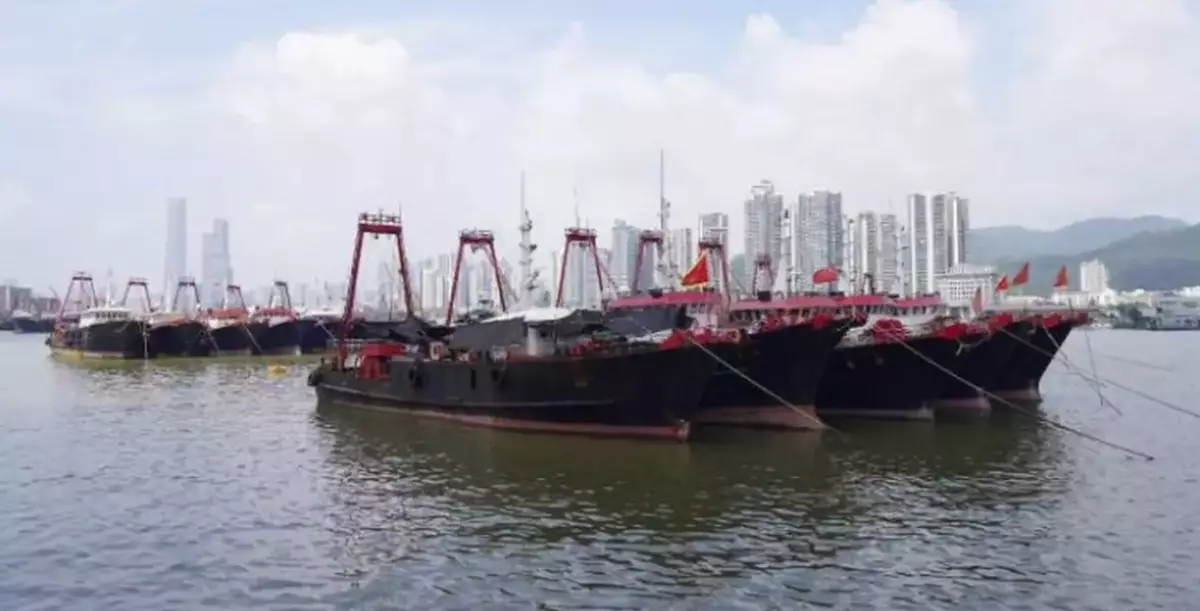
Fishermen in Hong Kong. Photo source: reference image
The FCAB is a non-statutory body set up on an ad hoc basis and comprises one non-official Chairperson and four non-official members. Mr Yeung Ming-tai has been appointed as Chairperson of the FCAB and the members are Mr Au Pak-ching, Dr Chung Shan-shan, Mr Ling Man-sum and Mr Tam Kin-lok. These appointments take immediate effect and their term will last until the completion of work on all appeals.
The Government has established a mechanism to grant EGA to eligible owners of fishing vessels affected by marine works projects. An interdepartmental working group (IWG) within the Government has been set up to handle EGA applications from owners of fishing vessels arising from a total of 25 marine works projects in the north-eastern waters of Hong Kong. The IWG received a total of 861 applications during the registration period. EGA applicants aggrieved by the IWG’s decision regarding the EGA amount approved or their eligibility may lodge an appeal to the FCAB. Three EGA applicants filed appeals against the IWG’s decision, with one appeal against the amount approved and two appeals against their eligibility. These appeals will be heard by the FCAB.

Fishermen in Hong Kong. Photo source: reference image
The terms of reference of the FCAB are:
- to hear and consider the appeals against the decisions of the IWG relating to the appellants' eligibility for EGA and/or the amount of EGA granted under the Government's policy on granting EGA to owners of fishing vessels affected by marine works projects; and
- having examined any new or additional information/evidence provided by the appellants (or their representatives) or the relevant departments, the relevance of and the weight to be given to such information/evidence, to consider whether to uphold the IWG’s decisions on the appellants' cases or to revise the decisions, and to determine the amount of EGA payable to the appellants, as appropriate.