NOVI SAD, Serbia (AP) — A week after a student movement toppled Serbia's strongman Aleksandar Vucic in an election, thousands of students and their supporters on Sunday marked two years since a deadly train station disaster that gave birth to their anti-corruption campaign.
The demand for accountability over the Nov. 1, 2024 collapse of a concrete canopy at the station in the northern city of Novi Sad that killed 16 people launched two years of student-led protests that eventually brought about the stunning defeat of Vucic’s right-wing government at last week's parliamentary elections.
Click to Gallery
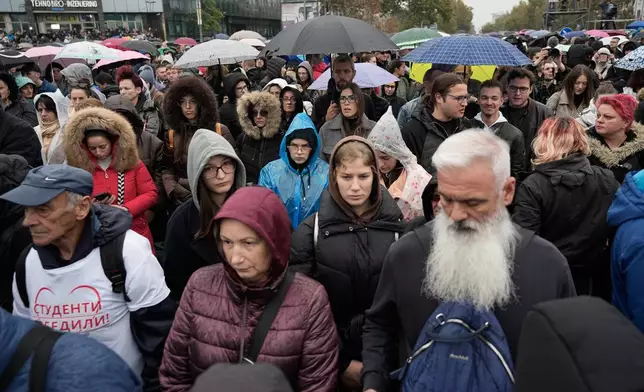
People observe 16 minutes of silence in memory of the victims outside the train station in Novi Sad, Serbia, Sunday, Nov. 1, 2026, on the second anniversary of the canopy collapse disaster that killed 16 people. (AP Photo/Darko Vojinovic)
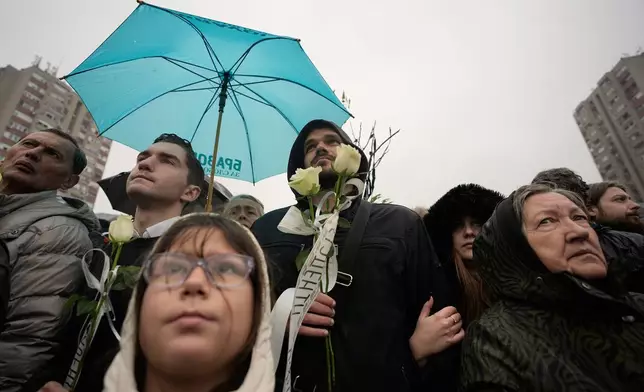
People observe 16 minutes of silence in memory of the victims outside the train station in Novi Sad, Serbia, Sunday, Nov. 1, 2026, on the second anniversary of the canopy collapse disaster that killed 16 people. (AP Photo/Darko Vojinovic)
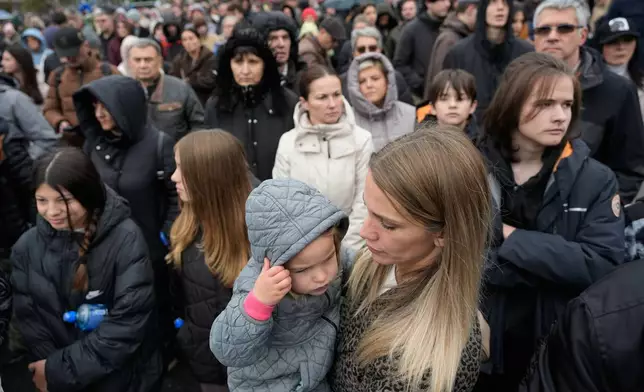
People observe 16 minutes of silence in memory of the victims outside the train station in Novi Sad, Serbia, Sunday, Nov. 1, 2026, on the second anniversary of the canopy collapse disaster that killed 16 people. (AP Photo/Darko Vojinovic)
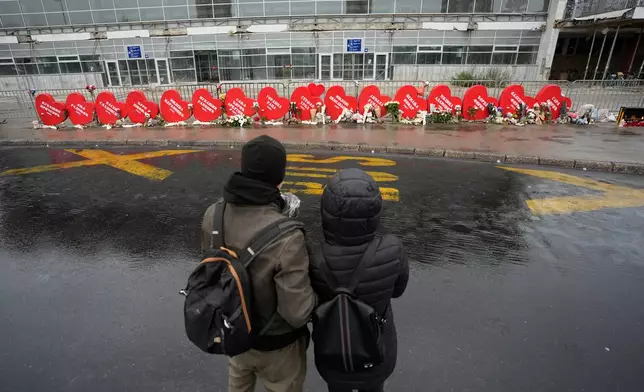
People stand next to floral tributes outside the train station in Novi Sad, Serbia, Sunday, Nov. 1, 2026, on the second anniversary of the canopy collapse disaster that killed 16 people. (AP Photo/Darko Vojinovic)
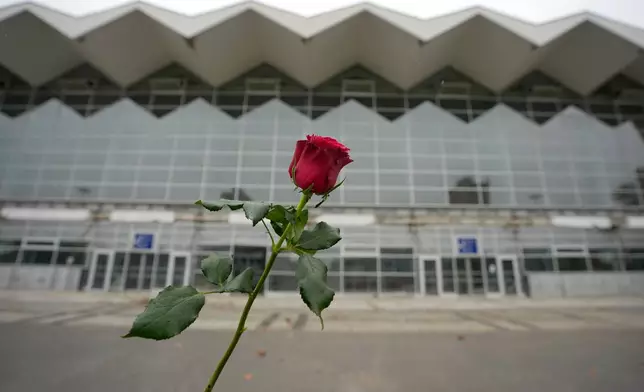
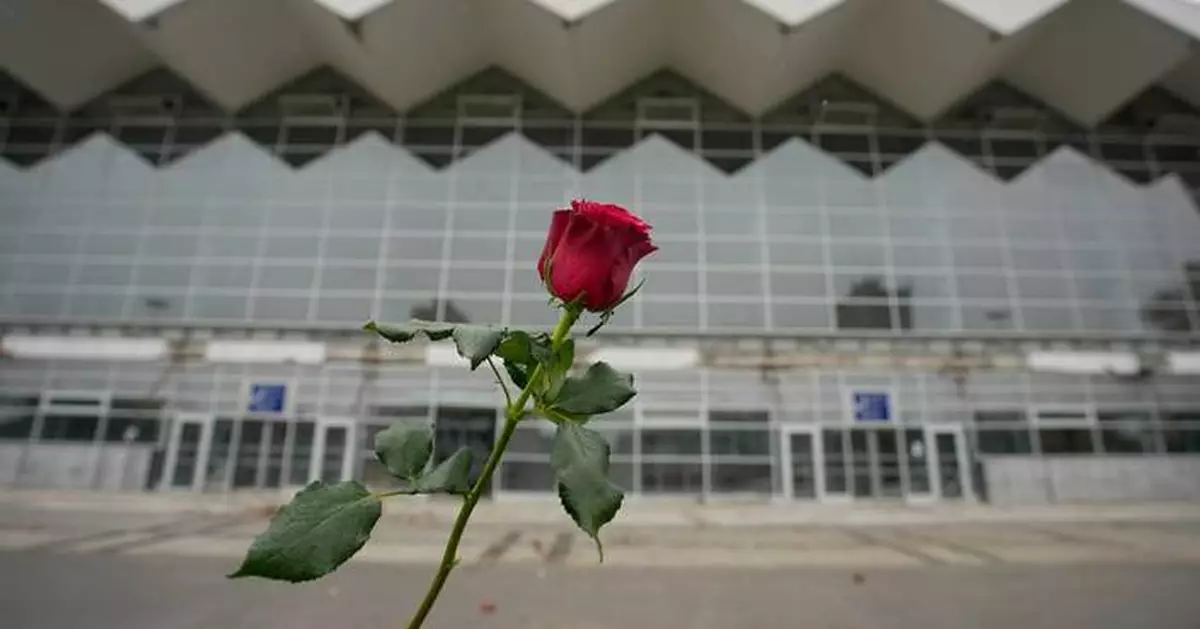
A rose is placed outside the train station in Novi Sad, Serbia, Sunday, Nov. 1, 2026, on the second anniversary of the canopy collapse disaster that killed 16 people. (AP Photo/Darko Vojinovic)
In steady rain and silence, thousands marched in Novi Sad on Sunday in a gesture of respect for the victims. Unlike a year ago, when huge crowds gathered for the first anniversary of the tragedy, participants this year said they now have hope that those responsible for the disaster will be punished.
The students brought 16 wreaths and 16 red hearts — one for each victim — outside the station building. The inscribed names of the victims included children. People cried as they laid down flowers and lit candles. A moment of silence was held.
Many in Serbia believe that the concrete canopy crashed because of flawed renovation work caused by corruption and negligence that prevailed in major state infrastructure projects championed by Vucic's government.
The station renovation was part of a bigger railway reconstruction project with China and neighboring Hungary. Vucic and his ally, former right-wing Hungarian Prime Minister Viktor Orban together toured the renewed Novi Sad station back in 2022.
“It was a murder and a murder demands accountability and justice,” a student said in a speech Sunday, promising that Serbia’s young people will build a more just society in the future. “We will not forget them (victims).”
Since the election in which the Students’ List defeated Vucic’s long-ruling Serbian Progressive Party, or SNS, last Sunday, the students have demanded a review of high-profile investigations, including the probe into the canopy collapse. Previously, 13 people had been charged, including a government minister, but no trial was held as the probe stalled.
The head of the European Union mission in Serbia, Andreas von Beckerath, wrote on X that the canopy collapse “shook Serbia to its core and moved citizens across the country to demand transparency and accountability.”
“May their memory keep inspiring a Serbia built on solidarity, public trust and rule of law," he added.
Also Sunday, prosecutors ordered a 48-hour detention of Marko Kricak, Vucic's chief of criminal police. Another senior officer was detained along with Kricak, both on suspicion of abuse of office in connection with a murder investigation.
Kricak was accused of orchestrating violence during the student protests, and of personally threatening a female student with rape, allegations that he has denied.
After it took office 14 years ago, Vucic's SNS party gradually took control of all state institutions. The students' movement has promised to restore the rule of law and democracy, and root out rampant graft that they say flourished under Vucic.
On Nov. 1, 2024, the huge concrete construction at the outer front wall of the Novi Sad station crashed without warning at 11:52 a.m., crushing people underneath as they were waiting for trains on a sunny autumn day.
Fourteen people died at the scene, and two died later. A young woman survived with life-changing injuries.
Authorities first said that the canopy had not been renovated at all, and promised an investigation. But protests started almost immediately with people blocking traffic every day across the country at the exact time of the collapse and demanding justice.
Some of the student-led rallies held in the last two years were among the biggest anti-government protests in Serbia's history.
And unlike last year when Vucic was in power, Sunday's anniversary memorial was broadcast by state RTS television, following resignations among officials at the TV station in the post-election week.
Commemoration ceremonies were also held in other cities and towns throughout Serbia.
An independent investigation by a group of experts into the canopy collapse found the renovation work had been rushed under political orders. The experts' report alleged a “systematic degradation of construction standards” and said that the "state of Serbia violated its citizens' right to life.”
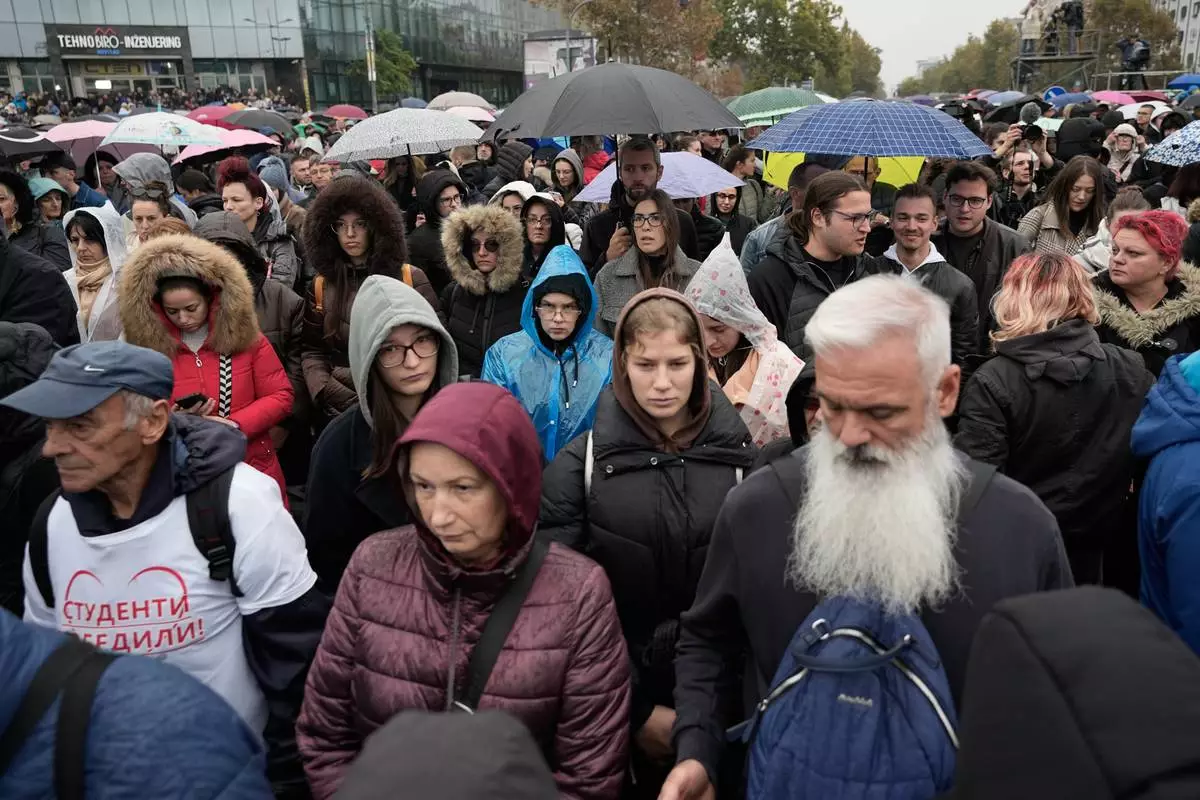
People observe 16 minutes of silence in memory of the victims outside the train station in Novi Sad, Serbia, Sunday, Nov. 1, 2026, on the second anniversary of the canopy collapse disaster that killed 16 people. (AP Photo/Darko Vojinovic)
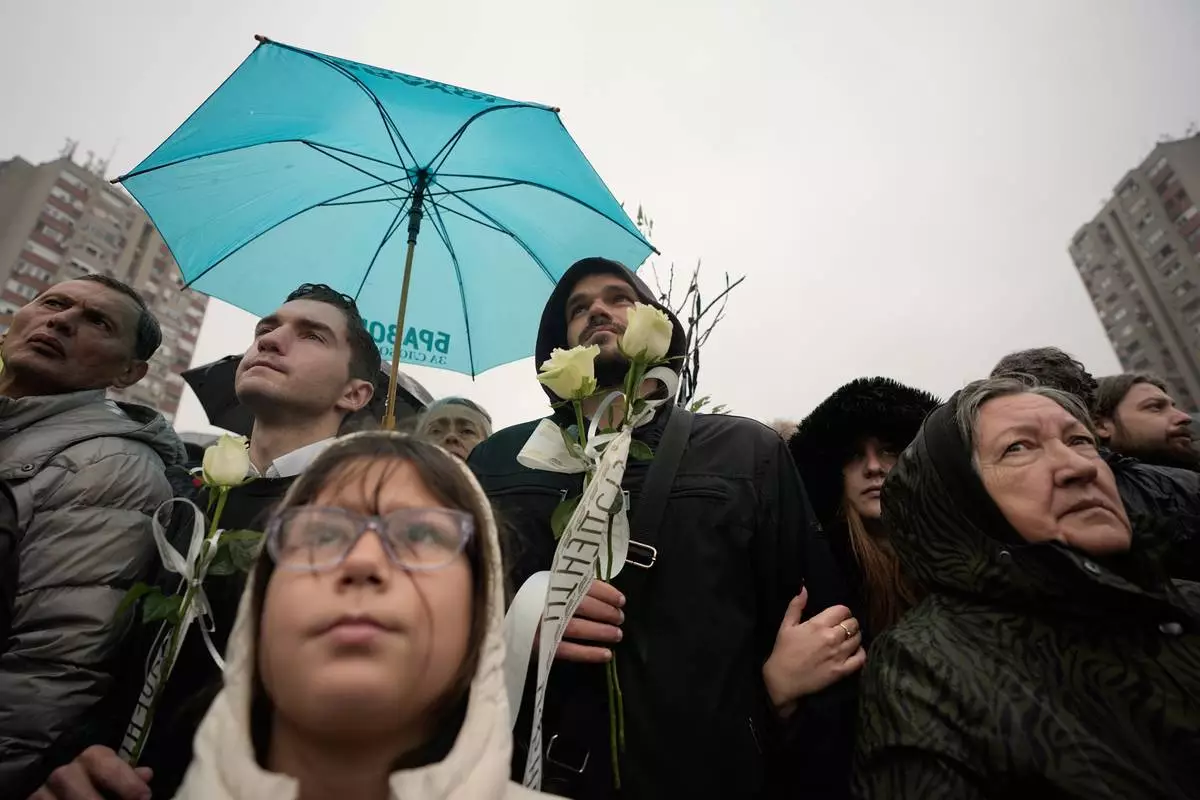
People observe 16 minutes of silence in memory of the victims outside the train station in Novi Sad, Serbia, Sunday, Nov. 1, 2026, on the second anniversary of the canopy collapse disaster that killed 16 people. (AP Photo/Darko Vojinovic)
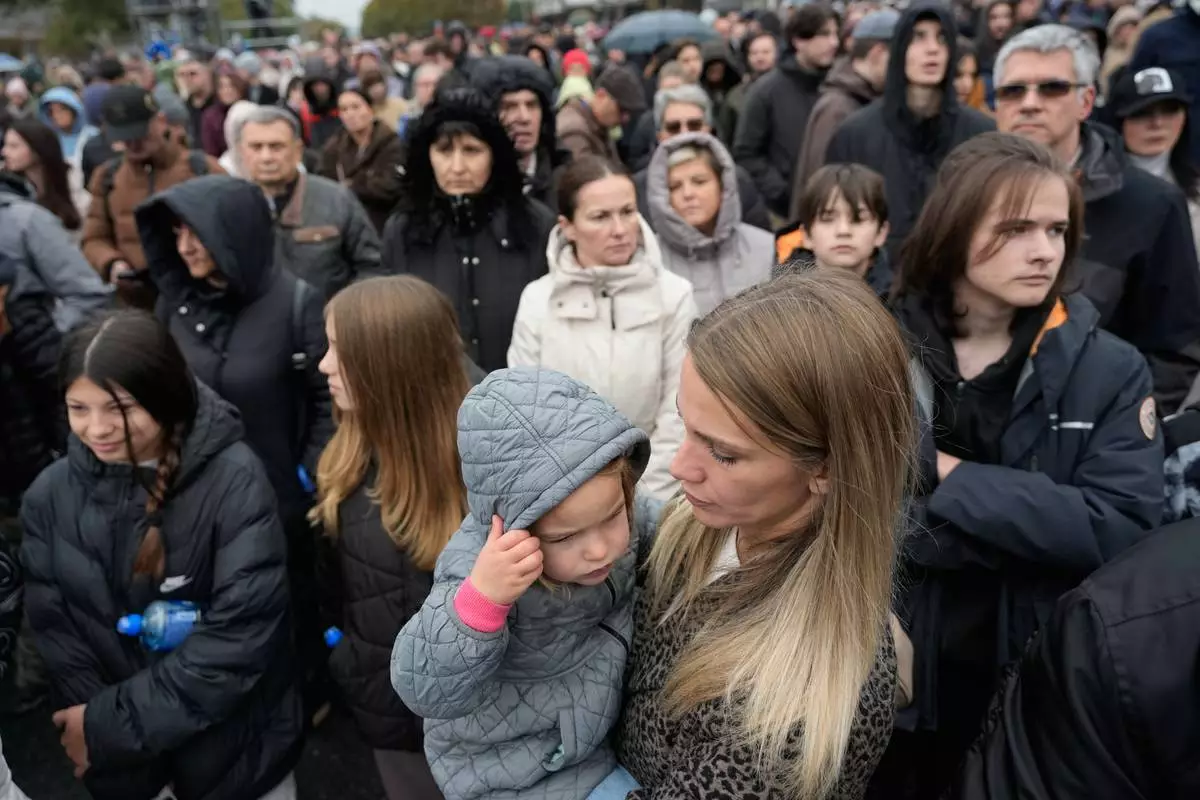
People observe 16 minutes of silence in memory of the victims outside the train station in Novi Sad, Serbia, Sunday, Nov. 1, 2026, on the second anniversary of the canopy collapse disaster that killed 16 people. (AP Photo/Darko Vojinovic)
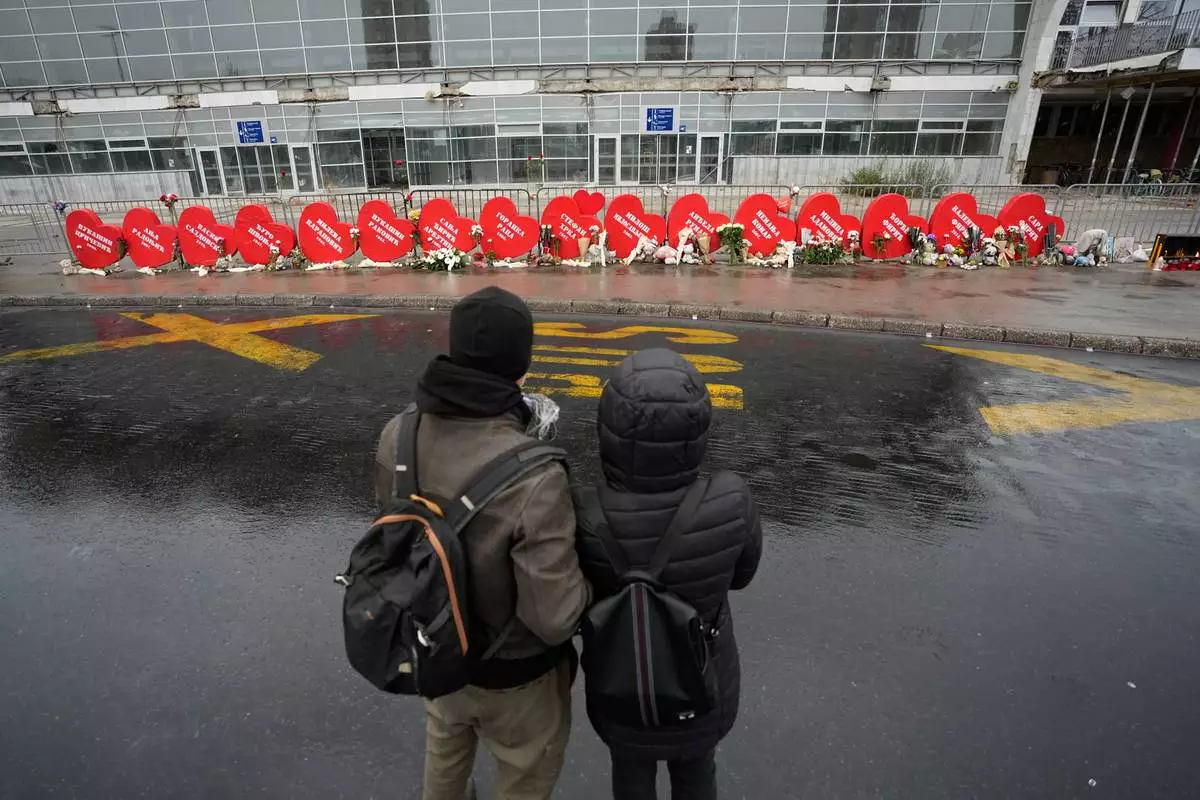
People stand next to floral tributes outside the train station in Novi Sad, Serbia, Sunday, Nov. 1, 2026, on the second anniversary of the canopy collapse disaster that killed 16 people. (AP Photo/Darko Vojinovic)
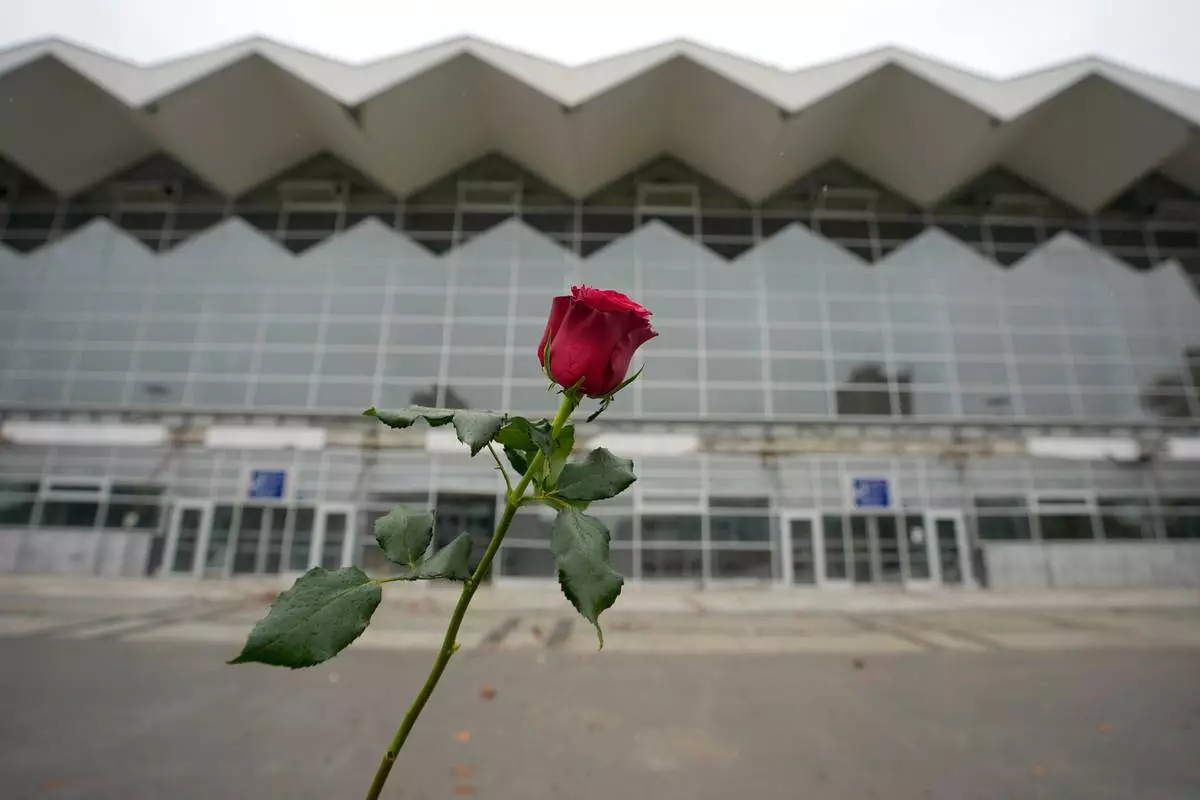
A rose is placed outside the train station in Novi Sad, Serbia, Sunday, Nov. 1, 2026, on the second anniversary of the canopy collapse disaster that killed 16 people. (AP Photo/Darko Vojinovic)