NEW YORK (AP) — David Mendizábal vividly remembers sitting in the audience for the final performances of playwright Lin-Manuel Miranda’s “In the Heights.” Almost two decades later, Mendizábal is directing the musical that was once his “portal to the theater.”
“It was the first time I’d ever heard or seen a world that looked and sounded like mine on an American stage,” Mendizábal told The Associated Press, referring to the 2008 musical that was a landmark for Latino representation and won four Tony Awards.
Click to Gallery
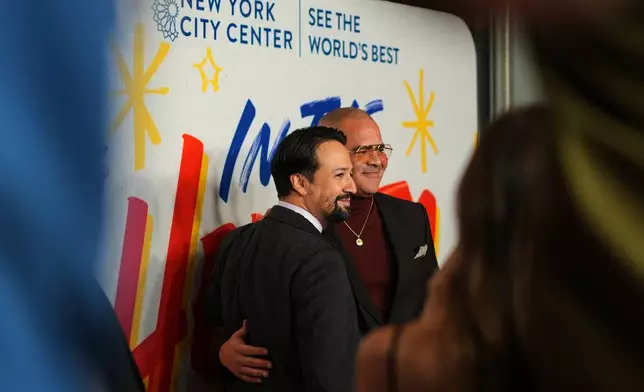
Lin-Manuel Miranda, left, poses for photos with Christopher Jackson, right, during the New York City Center's Annual Gala and opening night of In the Heights Wednesday, Oct. 28, 2026, in New York. (AP Photo/Frank Franklin II)
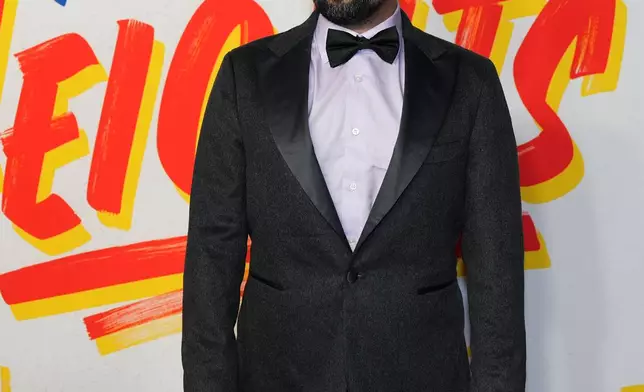
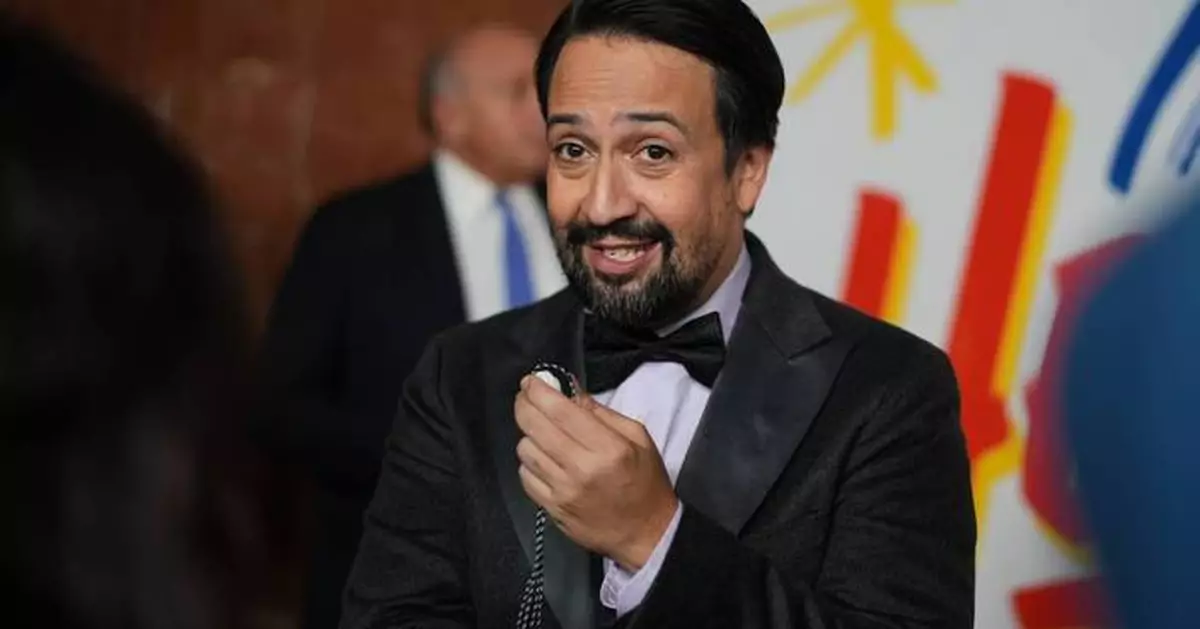
Lin-Manuel Miranda arrives for the New York City Center's Annual Gala and opening night of In the Heights Wednesday, Oct. 28, 2026, in New York. (AP Photo/Frank Franklin II)
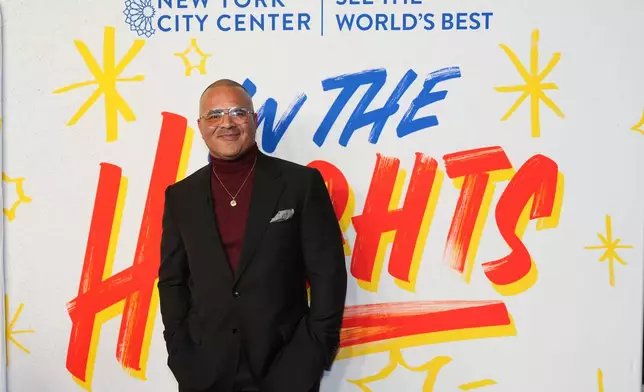
Christopher Jackson arrives for the New York City Center's Annual Gala and opening night of In the Heights Wednesday, Oct. 28, 2026, in New York. (AP Photo/Frank Franklin II)
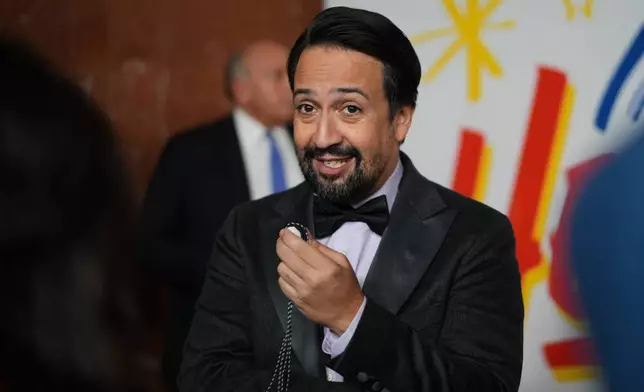
Lin-Manuel Miranda responds to questions during the New York City Center's Annual Gala and opening night of In the Heights Wednesday, Oct. 28, 2026, in New York. (AP Photo/Frank Franklin II)
With a new cast of Latino artists, the New York City Center is presenting “In the Heights” for a limited three-week run through Nov. 15. It is the first major revival of the musical debuting at a time when, to Mendizábal, it’s vital to “show people the depth and breadth” of Latino communities.
“I think in this particular moment we need a great balm of joy, and this show brings that,” Mendizábal said.
Miranda, who also starred in the original production, recalled his experience resurrecting his barrier-breaking work. His songs and lyrics, alongside writing by Quiara Alegría Hudes, earned the original production best musical and best original score honors in its debut year.
“I’m really proud of the work Quiara and I did to make it speak across generations,” Miranda told the AP on Wednesday during a red carpet event celebrating the opening performance. “And that this generation is picking up the mantle is incredibly meaningful.”
The show’s revival comes amid ongoing federal immigration enforcement operations that have affected Dominican and Cuban families like the ones portrayed in the musical. An operation in Manhattan last month involved a Dominican national who was shot in the neck by an Immigration and Customs Enforcement officer, as his five-year-old son watched, prompting large protests and condemnation from local and state elected officials.
When Jenny Gersten, New York City Center’s vice president and artistic director, was deciding on the musical lineup for the gala presentation, she recalled wrestling with the question of “what would be a good balm for these times?”
The answer came quickly, Gersten said. “In the Heights is pure joy.”
The high-energy reggaeton romance is set just a 30-minute subway ride north of New York City Center, in the predominantly Latino neighborhood of Washington Heights. The story follows three simmering summer days in the lives of this community’s cast of characters: like bodega-boy Usnavi, played by Matte Martinez; his storefront salon neighbor Vanessa, played by Ashley De La Rosa; and the block’s beloved matriarch Abuela Claudia, played by Natalie Venetia Belcon.
From its three-year Broadway run to the movie-musical debut in 2021, “In the Heights” has been hailed as “an exuberant celebration of the Latino immigrant experience.”
Eighteen years after its debut, the show “still holds up,” Miranda told the AP.
“The songs still hit. Sonny’s rap is more relevant than ever. And it’s still speaking to people.”
The musical number Miranda refers to is “96,000”, the act one anthem in which the cast dreams about what they would do if they won the lottery. Sonny, who is played by Ishmael Gonzalez in the 2026 revival, dreams of investing in the neighborhood, where “the ghetto has a million promises for me to keep.”
“Sonny’s talking about gentrification, he’s talking about immigration, he’s talking about the racism within politics,” Gonzalez said in an interview on Friday. “In some ways, Sonny’s rap feels like the most present part of the show, the most present to the moment we’re living in.”
For Gonzalez, who uses they/them pronouns, the character also symbolizes the “unwavering optimism” of young Latino leaders.
“We are here, and we are a part of this country and this world. Our labor and our love upholds the spine of this country,” they said.
Chris Jackson, the actor who portrayed the character Benny in the original Broadway cast, has passed a baton of sorts to his wife, actress Veronica Vazquez-Jackson, who is playing Camilla in the 2026 revival. The two met in 2003, during one of the earliest stagings of an off-Broadway “In The Heights.”
“It’s a full circle moment of ways I can’t express,” Jackson told the AP during Wednesday’s gala celebration.
“We are literally holding the light on for so many that still aspire to be a part of this society, in our country, in our culture, and also not forgetting who they are,” Jackson said.
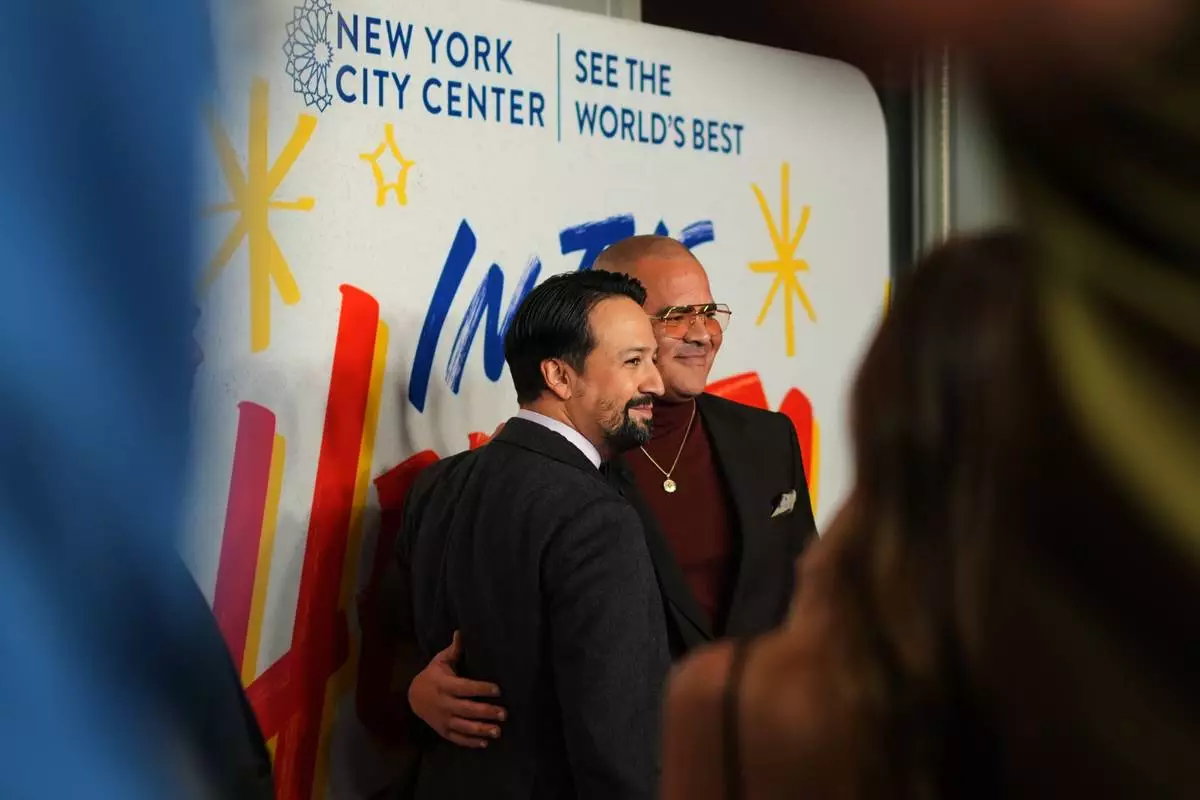
Lin-Manuel Miranda, left, poses for photos with Christopher Jackson, right, during the New York City Center's Annual Gala and opening night of In the Heights Wednesday, Oct. 28, 2026, in New York. (AP Photo/Frank Franklin II)
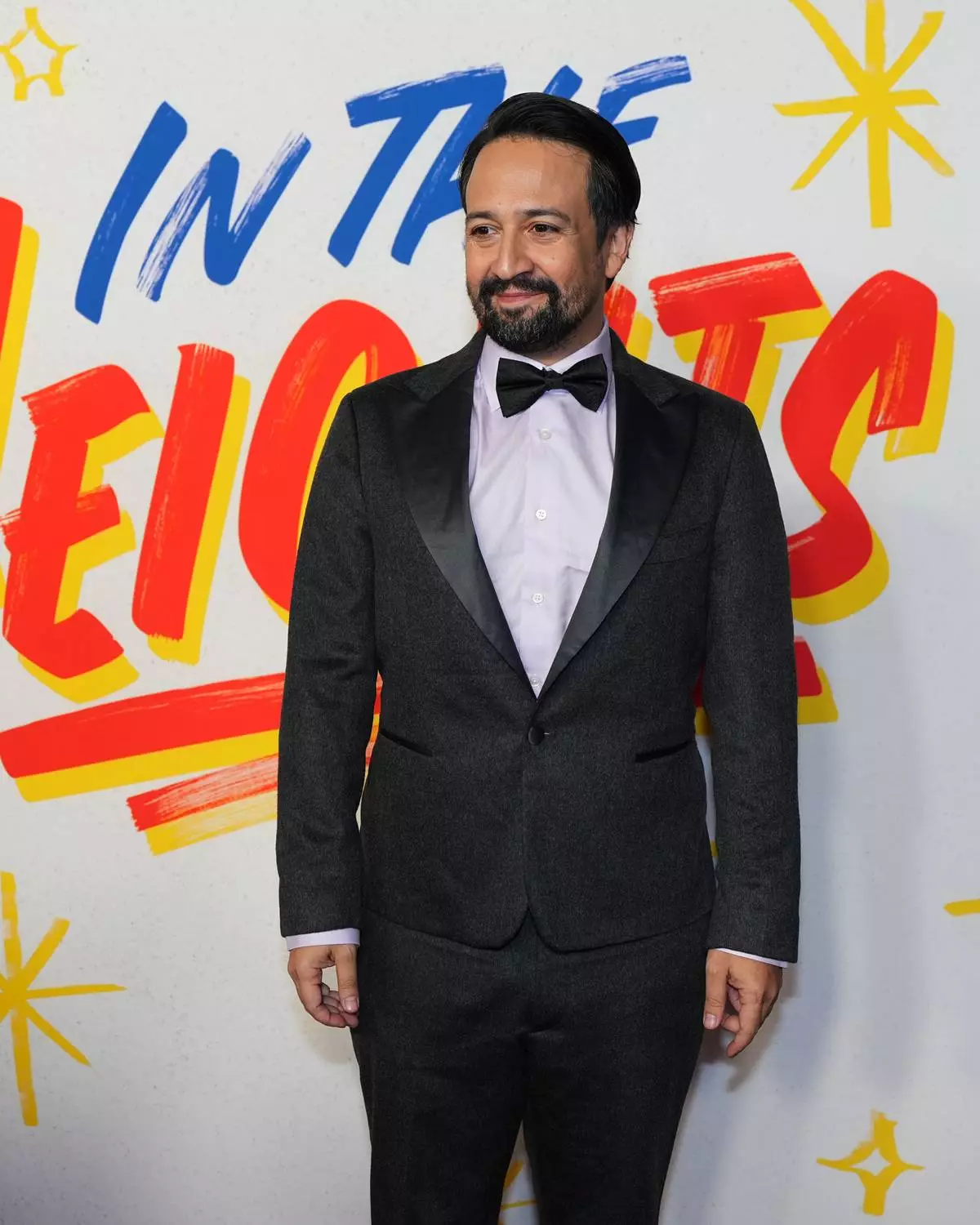
Lin-Manuel Miranda arrives for the New York City Center's Annual Gala and opening night of In the Heights Wednesday, Oct. 28, 2026, in New York. (AP Photo/Frank Franklin II)
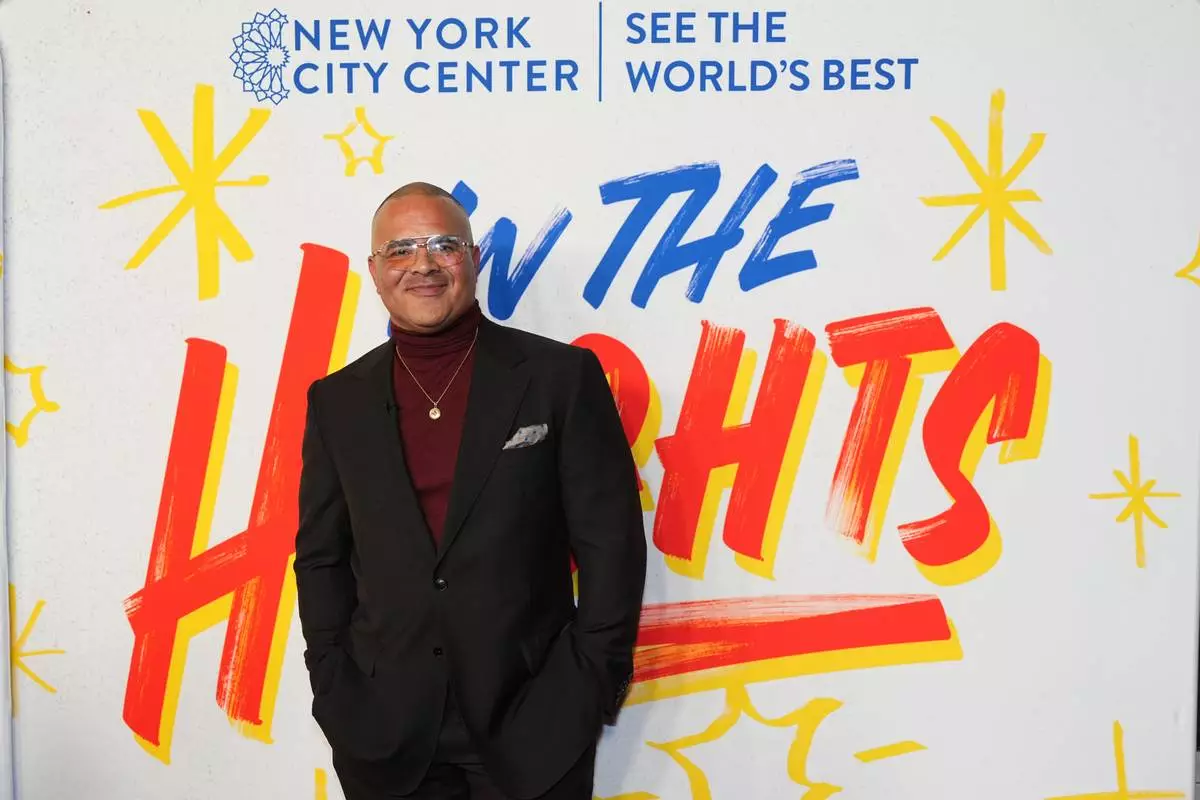
Christopher Jackson arrives for the New York City Center's Annual Gala and opening night of In the Heights Wednesday, Oct. 28, 2026, in New York. (AP Photo/Frank Franklin II)
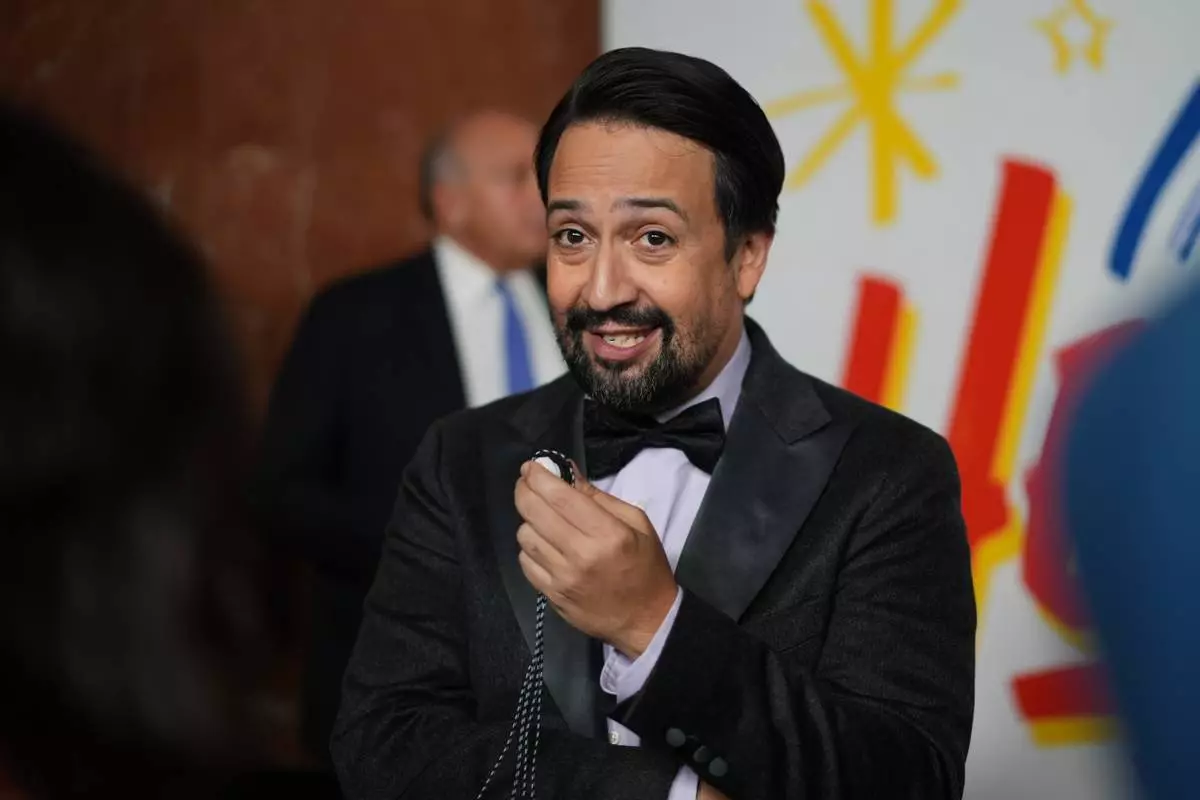
Lin-Manuel Miranda responds to questions during the New York City Center's Annual Gala and opening night of In the Heights Wednesday, Oct. 28, 2026, in New York. (AP Photo/Frank Franklin II)