DH announces latest situation regarding Legionnaires' disease cases
The Centre for Health Protection (CHP) of the Department of Health (DH) today (November 2) reported the latest number of Legionnaires' disease (LD) cases, and reminded the public of the importance of using and maintaining properly designed man-made water systems, adding that susceptible groups should strictly observe relevant precautions.
From October 25 to October 31, the CHP recorded six community-acquiredLD cases, involving six males aged between 48 and 78. Details are as follows:
- a 48-year-old male with good past health living in Wan Chai District;
- a 67-year-old male with underlying illnesses living in Yau Tsim Mong District;
- a 74-year-old male with underlying illnesses living in Southern District;
- a 77-year-old male with a long history of smoking living in Sha Tin District;
- a77-year-old male with underlying illnessesliving in Sha Tin District; and
- a78-year-old male with underlying illnessesliving in Tai Po District.
The CHP is conducting epidemiological investigations to identify the potential sources of infection and high-risk exposure. An initial investigation revealed that the aforesaid cases are sporadic cases. No epidemiological linkages have been established between these cases and other confirmed cases previously recorded in Hong Kong.
As of October 31, 169 LD cases had been recorded this year. In 2025 and 2024, there were 167 and 135 LD cases respectively.
Men, people aged over 50, smokers, alcoholics and persons with weakened immunity are more susceptible to LD. Some situations may also increase the risk of infection, including poor maintenance of water systems; living in areas with old water systems, cooling towers or fountains; using electric water heaters, whirlpool spas or hot water spring spas; and recent stays in hotels or ships.
Legionellae are found in various environmental settings and grow well in warm water (20 to 45 degrees Celsius). They can be found in aqueous environments such as water tanks, hot and cold water systems, cooling towers, whirlpool spas, water fountains, humidifiers and home respiratory devices that support breathing. People may become infected when they breathe in contaminated droplets (aerosols) and mist generated by artificial water systems, or when handling garden soil, compost and potting mixes.
Immunocompromised persons should:
- Use sterile or boiled water for drinking, tooth brushing and mouth rinsing;
- Avoid using humidifiers, or other mist- or aerosol-generating devices; and
- If using humidifiers, or other mist- or aerosol-generating devices, fill the water tank with only sterile or cooled freshly boiled water, and not water directly from the tap. Also, clean and maintain humidifiers/devices regularly according to manufacturers' instructions. Never leave stagnant water in a humidifier/device. Empty the water tank, wipe all surfaces dry, and change the water daily.
The public should observe the health advice below:
- Observe personal hygiene;
- Do not smoke and avoid alcohol consumption;
- Strainers in water taps and shower heads should be inspected, cleaned, descaled and disinfected regularly or at a frequency recommended by the manufacturer;
- If a fresh-water plumbing system is properly maintained, it is not necessary to install domestic water filters. Use of water filters is not encouraged as clogging occurs easily, which can promote growth of micro-organisms. In case water filters are used, the pore size should be 0.2 micrometres (µm) or less and the filter needs to be changed periodically according to the manufacturer's recommendations;
- Drain and clean water tanks of buildings at least quarterly;
- Drain or purge for at least one minute infrequently used water outlets (e.g. water taps, shower heads and hot water outlets) and stagnant points of the pipework weekly or before use;
- Seek and follow doctors' professional advice regarding the use and maintenance of home respiratory devices and use only sterile water (not distilled or tap water) to clean and fill the reservoir. Clean and maintain the device regularly according to the manufacturer's instructions. After cleaning/disinfection, rinse the device with sterile water, cooled freshly boiled water or water filtered with 0.2 µm filters. Never leave stagnant water in the device. Empty the water tank, keep all surfaces dry, and change the water daily; and
- When handling garden soil, compost and potting mixes:
- Wear gloves and a face mask;
- Water gardens and compost gently using low pressure;
- Open composted potting mixes slowly and make sure the opening is directed away from the face;
- Wet the soil to reduce dust when potting plants; and
- Avoid working in poorly ventilated places such as enclosed greenhouses.
The public may visit the CHP's LD page, the Code of Practice for Prevention of LD and the Housekeeping Guidelines for Cold and Hot Water Systems for Building Management of the Prevention of LD Committee, and the CHP's risk-based strategy for prevention and control of LD.
Additionally, as smokers and alcoholics are more susceptible to LD, the Government urges members of the public to quit smoking and avoid drinking. Members of the public may call the DH Integrated Smoking Cessation Hotline at 1833 183, which is answered by registered nurses who provide professional counselling and referrals to a wide range of free smoking cessation services. The public may also visit the smoking cessation thematic website (www.livetobaccofree.hk) for more information on smoking cessation. The DH has also developed and promulgated the Alcohol Screening and Brief Intervention tool to primary healthcare service providers to facilitate the early identification and management of at-risk drinkers. For information on alcohol-related harm, please visit the DH's Change for Health website.
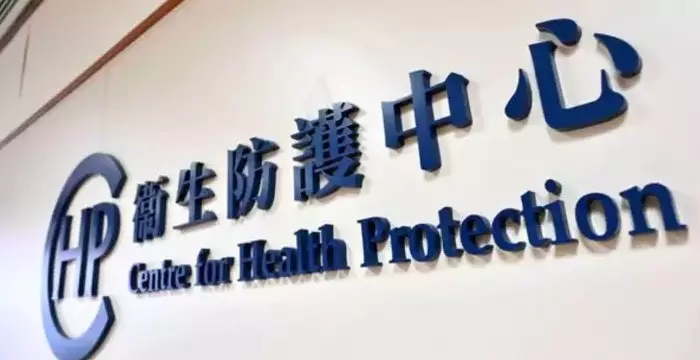
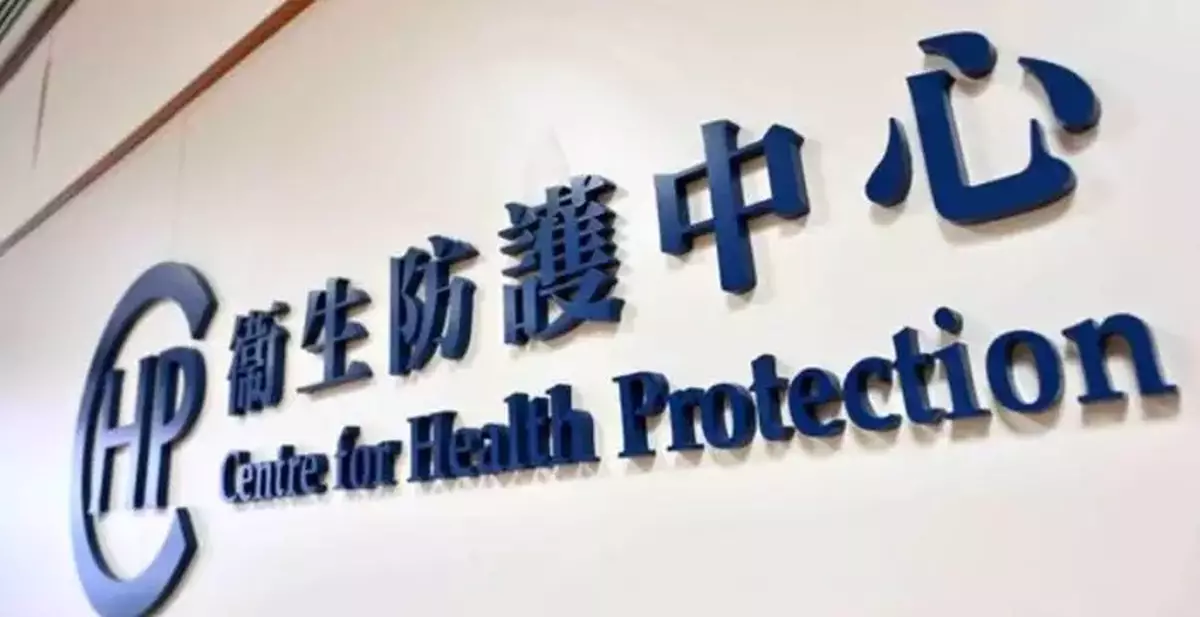
The Centre for Health Protection. Photo source: reference image
Latest progress of clearance and rehousing plan for redevelopment of Wah Fu Estate and proposed public housing development at New Wah Fu Estate Phase 1
The following is issued on behalf of the Hong Kong Housing Authority:
The Hong Kong Housing Authority (HA) today (November 2) briefed the Southern District Council on the latest progress of the clearance and rehousing plan for the redevelopment of Wah Fu Estate (WFE) and consulted members on the proposed public housing development at New Wah Fu Estate (NWFE) Phase 1. The proposal has received general support.
Orderly advancement: Latest progress of redevelopment of WFE
Construction works for the proposed public housing developments in the five reception sites in Pok Fu Lam South are proceeding in an orderly manner, with the first reception estate, Wah Fu North Estate (WFNE) on Wah King Street, anticipated to be completed by late this year when residents of Wah On House and Wah Lok House will move in progressively. The entire rehousing process is expected to conclude in the third quarter of 2027, after which demolition works will commence to clear the site for the construction of NWFE Phase 1 to meet the rehousing needs of the residents from Wah Chui House and Wah King House six years earlier (Annex). In addition, to make effective use of public housing resources and provide diversified rehousing arrangements that meet the needs of residents affected by the clearance for the Redevelopment of WFE Phase 1b (those living in Wah Cheong House, Wah Kin House, and Wah Tai House) who wish to transfer early to the newly completed public rental housing, the HA will launch a thinning-out exercise for these residents by offering more than 400 flats in WFNE for eligible residents' selection. Those who successfully select a flat are expected to complete the intake formalities in March next year.
The remaining four reception estates are also scheduled for completion successively between 2028 and 2031. Certain signature public spaces in the existing WFE will be recreated within the reception estates as highlights of the community; those representative artefacts collected during community engagement activities will also be incorporated in the new estate design to preserve the history, culture, and community spirit of WFE.
Community-oriented: Comprehensive redevelopment strategy for NWFE
NWFE adopted a community-oriented approach as its core design concept. Through the "Subjects of Wah Fu" public engagement initiative, the design team has systematically fostered local consensus and identified four key development strategies: "identity + conservation", "social + community making", "sustainability + resilience" and "AI + technology". During the planning and study phase, the team will utilise a digital information management and data analysis platform to conduct scientific simulations, analyses, and comparative evaluations of key engineering and environmental parameters, aiming to achieve an optimised master layout scheme. In addition, the HA will continue to co-ordinate with the Railway Development Office of the Highways Department and the MTR Corporation Limited for the alignment of the South Island Line (West), the location of Wah Fu Station and the overall development planning. The master planning and design proposal for NWFE is expected to be substantially completed by the first half of 2028, and the HA will then submit a comprehensive proposal to the District Council.
Rebuilding Wah Fu: Development plan of NWFE Phase 1
"Rebuilding Wah Fu" is the design concept of NWFE Phase 1. The proposal includes the construction of three residential blocks, which will be used as the rehousing resources for residents from Wah Chui House and Wah King House in Phase 3 of the redevelopment of WFE. It also involves the preservation and revitalisation of the existing Wah Fu (I) Shopping Centre and the "Banyan Tree Area" outside the shopping centre to carry forward the original "Town Centre" planning concept while incorporating social welfare facilities, outdoor courtyards, covered public spaces, and a Wah Fu archive. Additionally, to create a larger parcel of land for the development of NWFE Phase 1, a section of the existing Wah Fu Road will be realigned. The HA will arrange gazettal of the relevant road works in early 2027 and will commence the relevant works in mid-2028. The HA will also seek related planning permission from the Town Planning Board. The overall design creates a more liveable future while elevating the history, culture, and sense of community of WFE, ultimately reshaping the site into the eastern gateway of NWFE.
Traffic assessment: Infrastructure improvements and AI management
The pedestrian facilities and road improvement works being carried out in the Pok Fu Lam South area by the Civil Engineering and Development Department are expected to be completed by 2027. Concurrently, the MTR Corporation is currently conducting detailed planning and design for the South Island Line (West) with the project expected to be completed and in operation by 2034 or earlier.
To address the impact of construction vehicles on regional traffic during the construction period, the HA will proactively maintain close liaison with relevant government departments, including those responsible for public works in the vicinity, to ensure smooth traffic flow, minimise impacts on the surrounding areas, and handle contingencies quickly and effectively; the HA will also jointly explore feasible routes and appropriate temporary traffic arrangements, thereby minimising traffic impacts as much as possible. Furthermore, the HA is collaborating with a research team of the University of Hong Kong to develop an integrated smart monitoring platform. By leveraging AI and real-time traffic data, this platform will enable dynamic route planning for construction vehicles, facilitating route diversion to adapt to real-time conditions flexibly, staggered scheduling, and off-peak operations to ensure the orderly movement of vehicles to and from the sites.
The HA will maintain close communication with residents and local stakeholders and continue the design process in an orderly manner, ensuring that the project fully meets the needs of the community. The HA will announce updates and the latest developments regarding the redevelopment of WFE and the development plan for NWFE in due course.

Source: AI-found images