WASHINGTON (AP) — The final day of voting in this year’s midterm elections arrived Tuesday against a backdrop of uncertainty after a year in which President Donald Trump has tried to interfere in how states run their elections and sown doubts about the outcome should Republicans lose.
Millions of Americans already have cast their ballots, with early voting turnout on pace to eclipse that of the last midterm elections. In contrast to the president’s continued rhetoric about election cheating, voting so far has unfolded with relatively few problems.
Click to Gallery
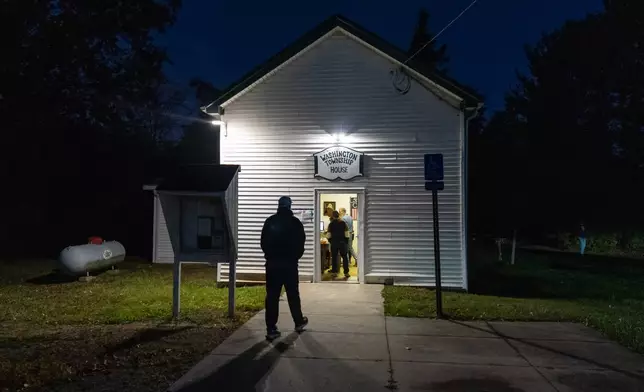
Voters arrive to cast their ballots at the Washington Township House polling place during the midterm election in Oregonia, Ohio, early Tuesday, Nov. 3, 2026. (AP Photo/Carolyn Kaster)
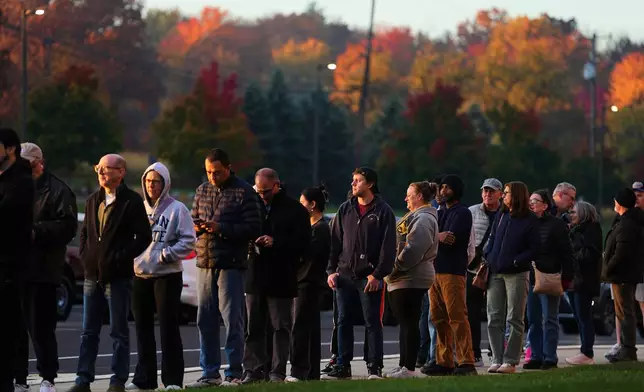
Voters wait in line to cast their ballots at a polling place at Central Bucks South High School on Election Day in Warrington, Pa., Tuesday, Nov. 3, 2026. (AP Photo/Matt Rourke)
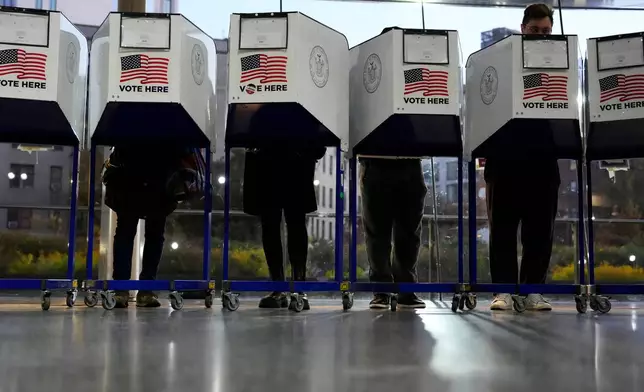
Voters cast their ballots at the Brooklyn Museum in New York on Election Day, Tuesday, Nov. 3, 2026. (AP Photo/Yuki Iwamura)
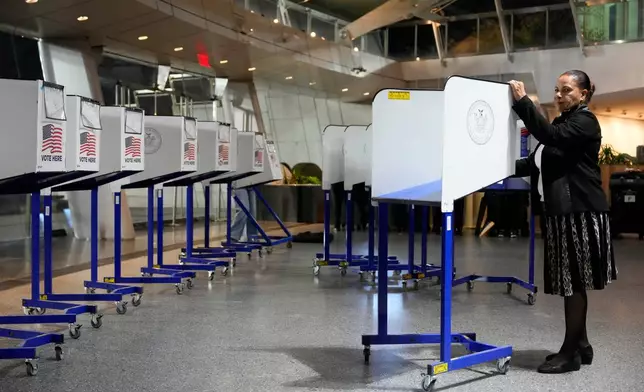
A volunteer helps prepare voting stations before the site opens at the Brooklyn Museum in New York, Tuesday, Nov. 3, 2026. (AP Photo/Yuki Iwamura)
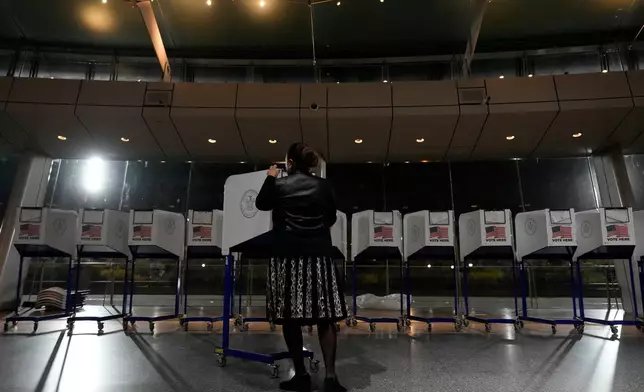
A volunteer helps prepare voting stations before the site opens at the Brooklyn Museum in New York, Tuesday, Nov. 3, 2026. (AP Photo/Yuki Iwamura)
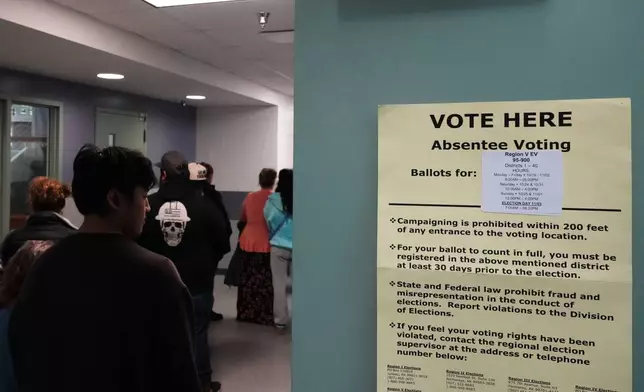
Voting rules are posted at a polling location open for early voting at the Curtis D. Menard Memorial Sports Center, Sunday, Nov. 1, 2026, in Wasilla, Alaska. (AP Photo/Lindsey Wasson)
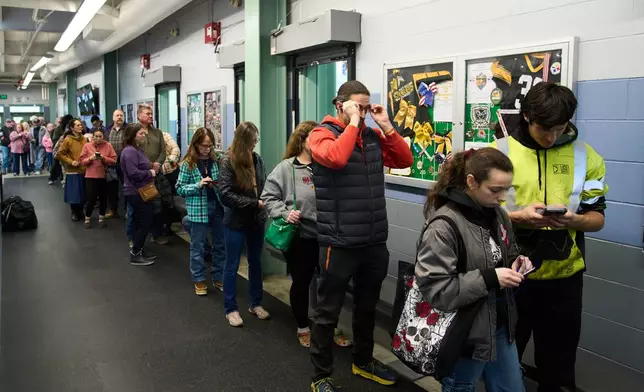
Hundreds of people line up to cast their ballots at a polling location open for early voting at the Curtis D. Menard Memorial Sports Center, Sunday, Nov. 1, 2026, in Wasilla, Alaska. (AP Photo/Lindsey Wasson)
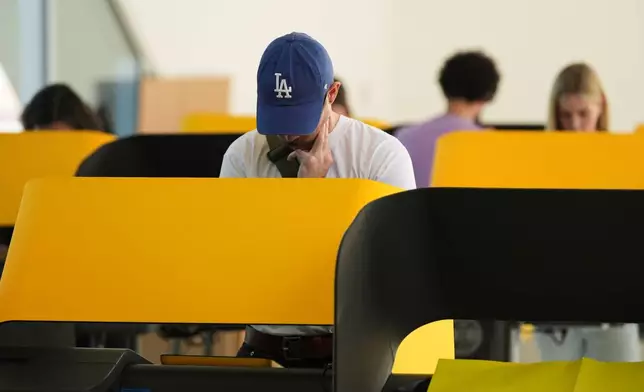
UCLA law student Jonah Zimmer works on his ballot at a polling location open for early voting at the Hammer Museum, Monday, Nov. 2, 2026, in Los Angeles. (AP Photo/Chris Pizzello)
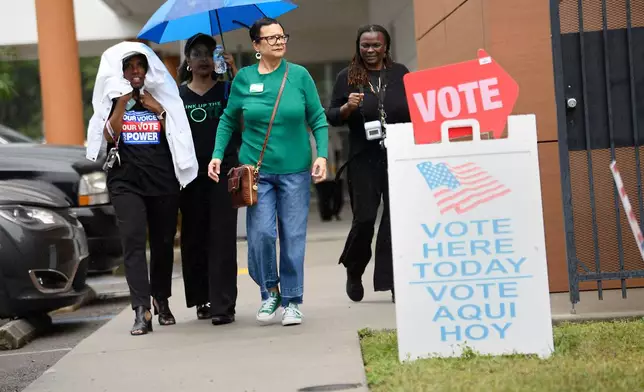
Voters enter the C. Blythe Andrews Jr. Public Library to cast their ballots on the final day of early voting for midterm elections in Tampa, Fla., Sunday, Nov. 1, 2026. (AP Photo/Octavio Jones)
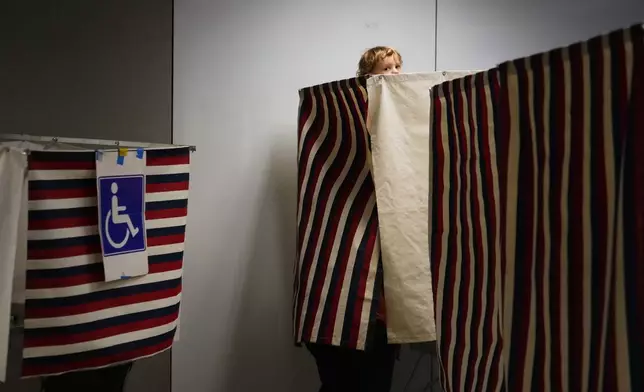
Whit, 2, sits on the shoulders of father Hayden Anderson-Michaud as he casts his ballot at a polling location open for early voting, Sunday, Nov. 1, 2026, in Wasilla, Alaska. (AP Photo/Lindsey Wasson)
Trump has spent months trying to use the power of the presidency to put his thumb on the scale of this year’s elections, which will determine whether his party keeps control of Congress.
His Justice and Homeland Security departments have been involved in a massive hunt for voters who are not U.S. citizens, at one point engaging in a made-for-the-cameras predawn operation that led to more than two dozen arrests in California. The Department of Justice was planning its largest-ever effort to monitor Election Day polling places, countered by an even larger effort among Democrats and allied groups, and at the president's urging had sued to block certification of Alaska’s results if the outcome of the Senate race favored Democrats.
At the same time, Trump’s constant false claims about widespread voter fraud led election officials and Democratic groups across the country to plan for the possibility of immigration agents at voting sites or federal officers seizing voting machines. His administration has insisted that no armed federal officials would be guarding the polls on Election Day.
In the run-up to Tuesday, none of the steps Democrats most feared had come to pass, and the Republican administration’s legal maneuvers had been largely blocked by the courts.
One of the Trump administration’s most high-profile attempts to interfere in state elections was turned away Monday night by the U.S. Supreme Court, which rejected its push to force California to set aside thousands of ballots as part of its search for noncitizen voters. In another Monday night ruling, a federal judge said the Trump administration must stop sending voter lists of alleged noncitizens to election officials.
Even the administration's own record of arrests and charges has demonstrated what research and state investigations have made clear for years — that instances of noncitizens casting ballots are extremely rare.
Monday’s rulings followed another defeat for the president at the Supreme Court less than two months ago, when it rejected his attempt to limit mail balloting through changes at the Postal Service. That directive was included in one of two executive orders Trump has signed during his second term that attempted to federalize certain aspects of elections, even though the Constitution gives the states, and sometimes Congress, the authority to set election rules.
The first polling sites were open Tuesday morning across much of the East Coast, with few disruptions so far.
In New York’s suburban Westchester County, where some voters are casting ballots in a competitive U.S. House race, election officials said an issue with voting machines accepting paper ballots was requiring ballots to be placed in emergency bags for later counting. But they stressed that the ballots would remain secure and monitored, that they would later be counted and that voters could continue casting ballots while they worked to resolve the issue.
Heavy rains and flash flooding in a swath of the Southwest were expected to make it harder for some voters to reach polling places in parts of Colorado, Arizona, Utah and New Mexico. Election administrators in the Navajo Nation announced changes to several of its polling locations, and in Utah's rural San Juan County, voters were being allowed to vote electronically on Tuesday because some of them may not be able to reach polling places.
Election administrators and voting rights advocates have been advising voters casting late absentee ballots to use drop boxes or deliver them to polling places in person rather than mail them. The advice came after concerns emerged that recent changes in U.S. Postal Service operations could result in postmarking delays that would mean mail ballots could not be counted. Late-arriving ballots or late postmarks disenfranchised tens of thousands of voters in California, Oregon and Washington, which mail ballots to all voters, during this year's primaries.
The most significant disruptions ahead of Election Day were the Trump administration’s attempts to interfere. Voting rights groups, Democrats and the Justice Department have been exchanging a flurry of legal filings over alleged noncitizen voters, federal election monitors, federal intimidation of election officials and other concerns. They reveal how Trump's attempts to expand federal control over state-run elections — combined with high-stakes races — are resulting in court battles that could extend past Election Day into ballot counting and certification of the results.
Election law experts said Trump’s lawsuits go beyond historic norms, but they said the administration’s legal arguments were unlikely to convince the courts.
Trump also has ramped up his own equivocations about whether the election will be legitimate, as he has in the past. A week before Election Day, when a reporter asked him if he would accept the results, he offered a qualified answer.
“I will if they are honest,” he said.
Associated Press writers Geoff Mulvihill in Haddonfield, N.J., Kathy McCormack in Window Rock, Ariz., and Philip Marcelo in New York contributed to this report.
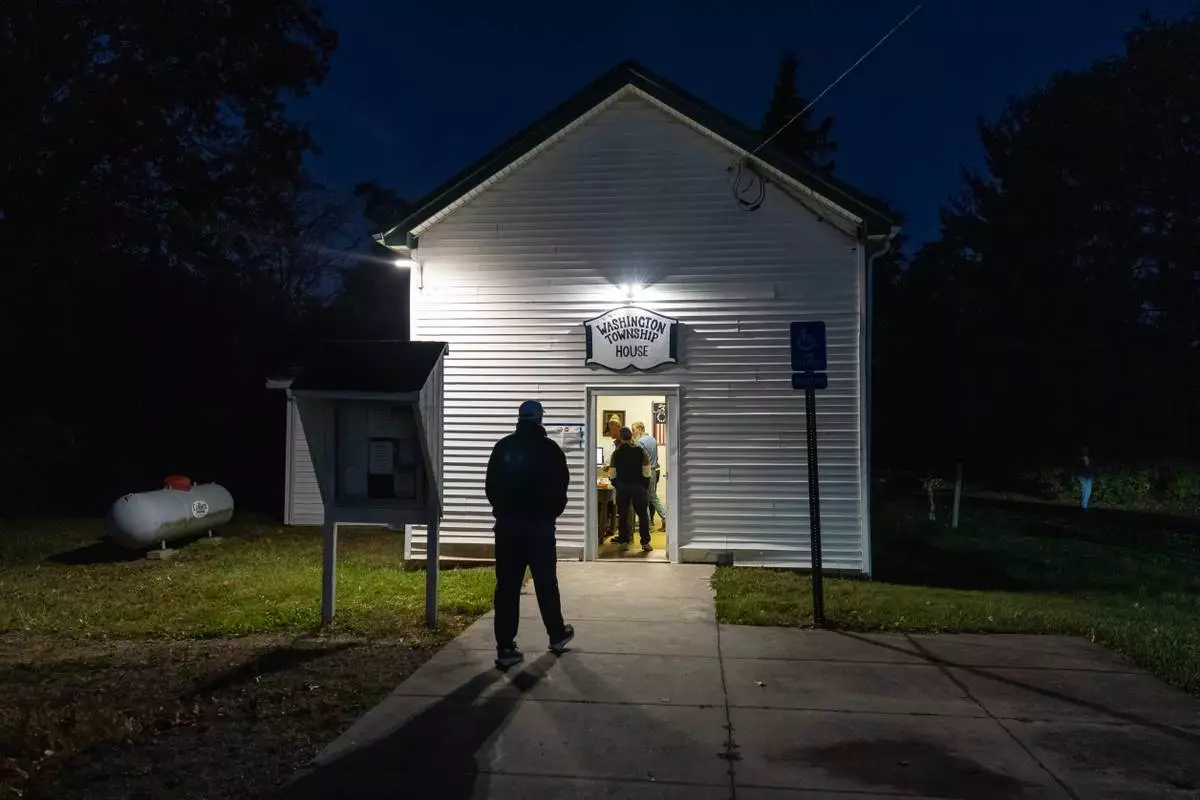
Voters arrive to cast their ballots at the Washington Township House polling place during the midterm election in Oregonia, Ohio, early Tuesday, Nov. 3, 2026. (AP Photo/Carolyn Kaster)

Voters wait in line to cast their ballots at a polling place at Central Bucks South High School on Election Day in Warrington, Pa., Tuesday, Nov. 3, 2026. (AP Photo/Matt Rourke)

Voters cast their ballots at the Brooklyn Museum in New York on Election Day, Tuesday, Nov. 3, 2026. (AP Photo/Yuki Iwamura)
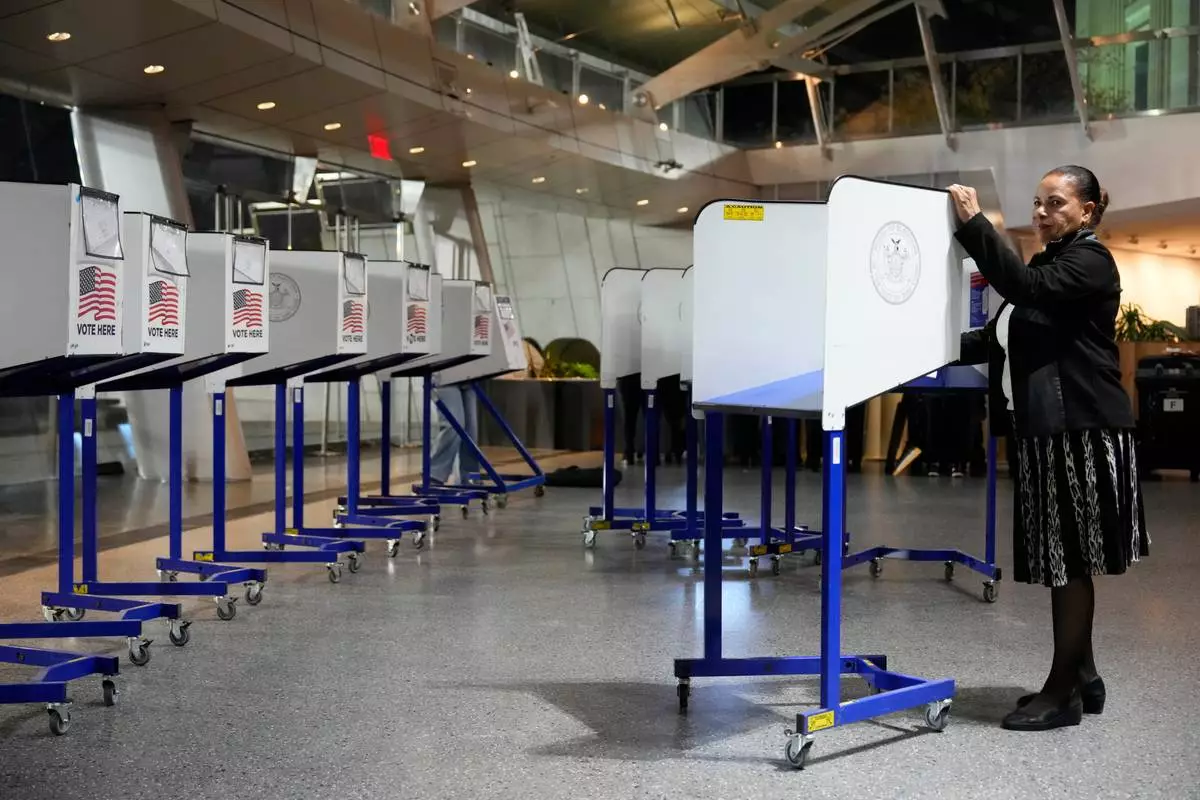
A volunteer helps prepare voting stations before the site opens at the Brooklyn Museum in New York, Tuesday, Nov. 3, 2026. (AP Photo/Yuki Iwamura)
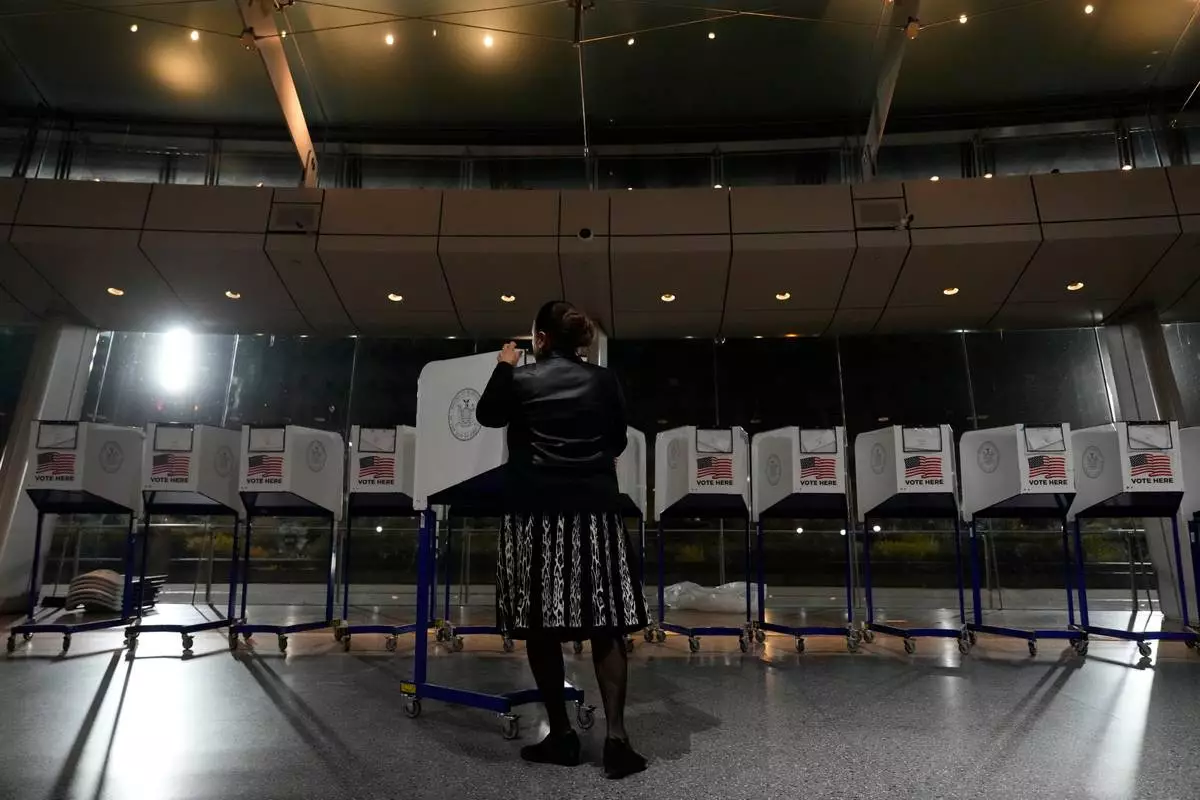
A volunteer helps prepare voting stations before the site opens at the Brooklyn Museum in New York, Tuesday, Nov. 3, 2026. (AP Photo/Yuki Iwamura)
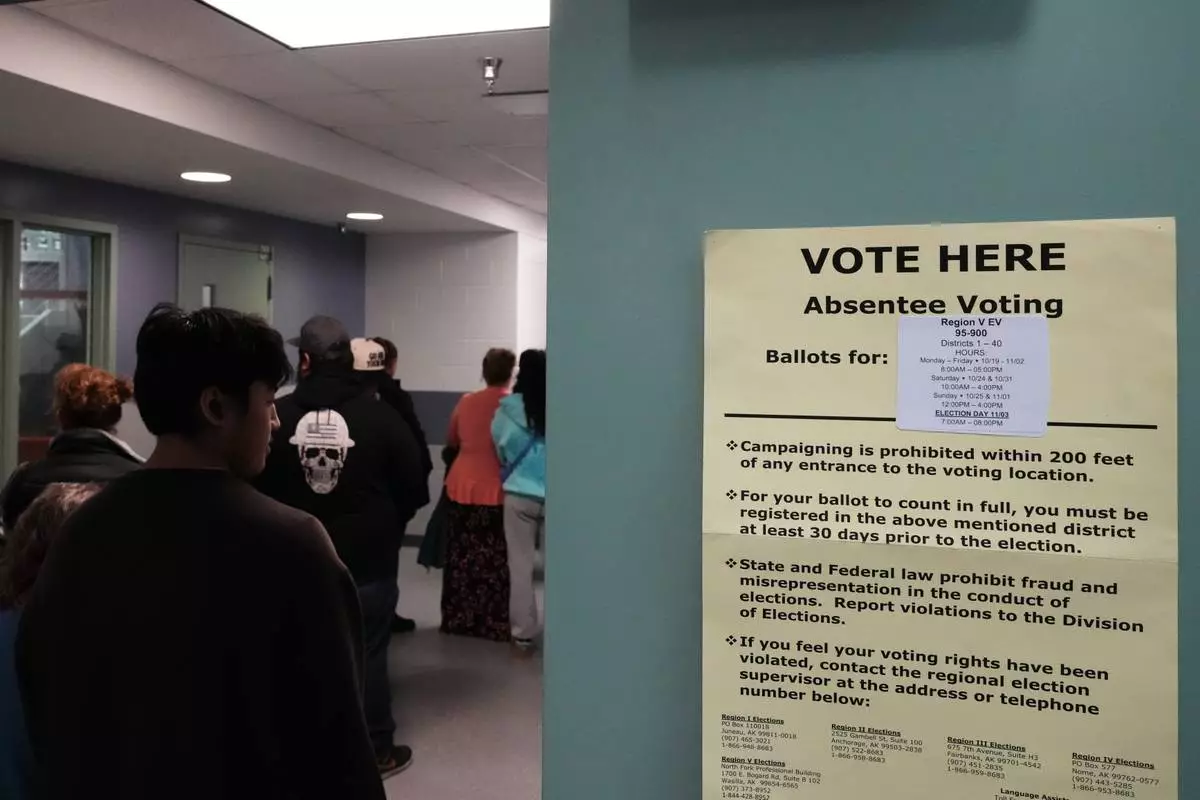
Voting rules are posted at a polling location open for early voting at the Curtis D. Menard Memorial Sports Center, Sunday, Nov. 1, 2026, in Wasilla, Alaska. (AP Photo/Lindsey Wasson)
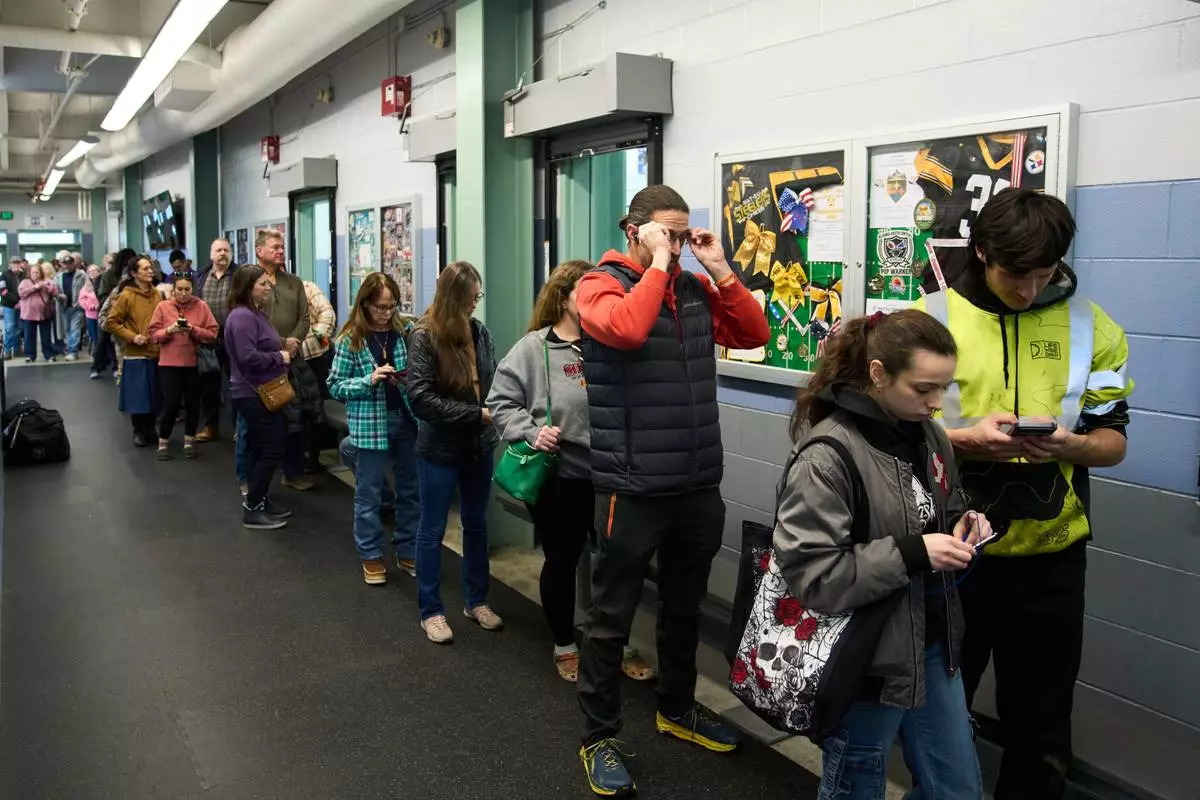
Hundreds of people line up to cast their ballots at a polling location open for early voting at the Curtis D. Menard Memorial Sports Center, Sunday, Nov. 1, 2026, in Wasilla, Alaska. (AP Photo/Lindsey Wasson)
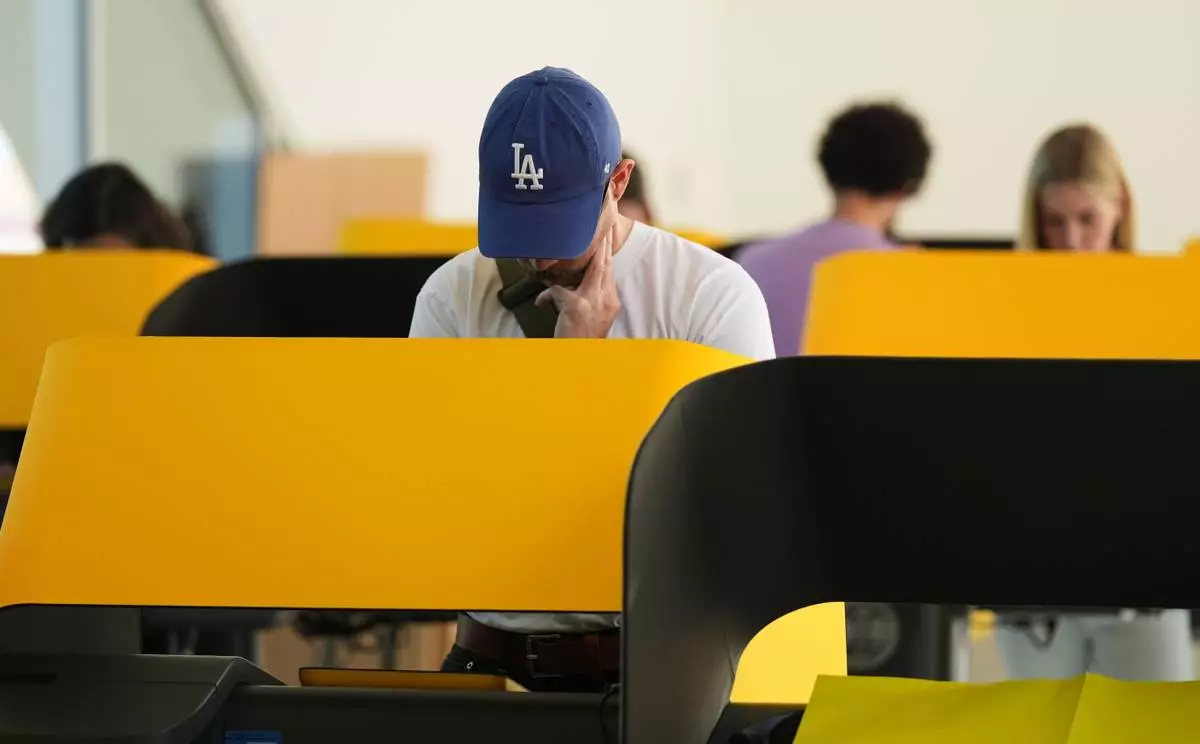
UCLA law student Jonah Zimmer works on his ballot at a polling location open for early voting at the Hammer Museum, Monday, Nov. 2, 2026, in Los Angeles. (AP Photo/Chris Pizzello)
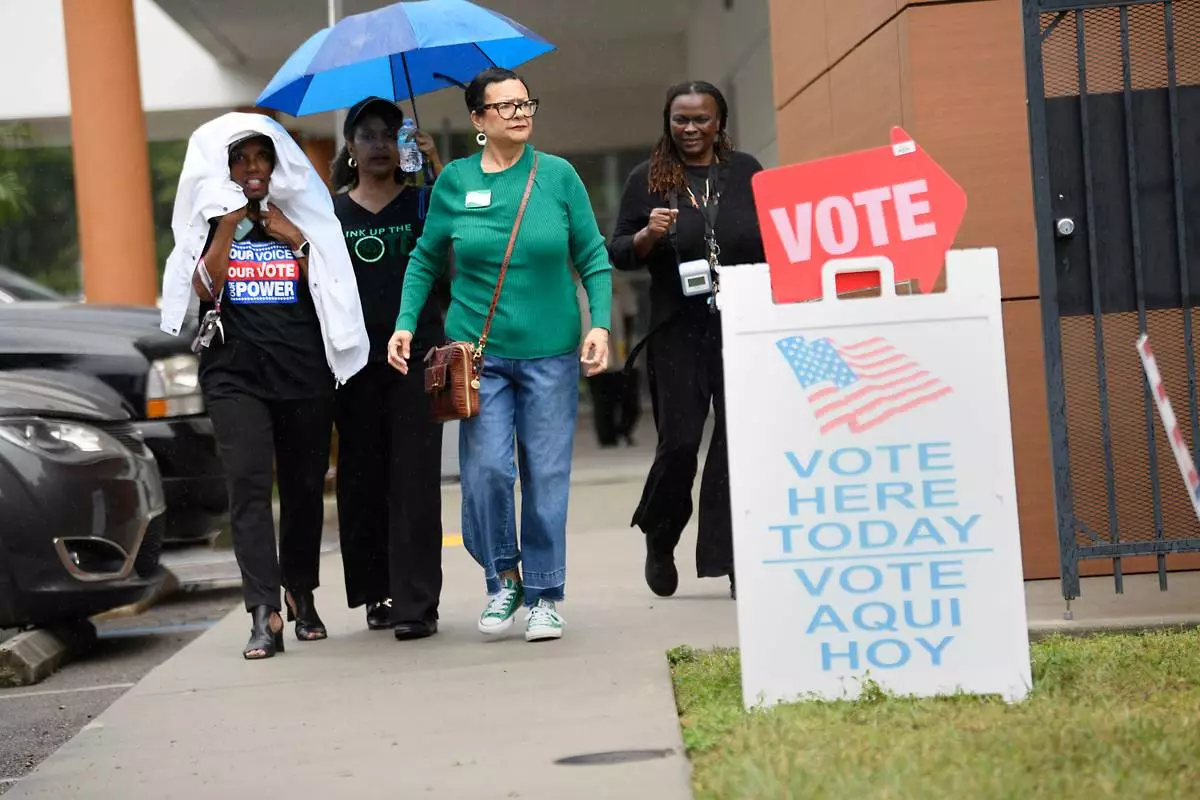
Voters enter the C. Blythe Andrews Jr. Public Library to cast their ballots on the final day of early voting for midterm elections in Tampa, Fla., Sunday, Nov. 1, 2026. (AP Photo/Octavio Jones)
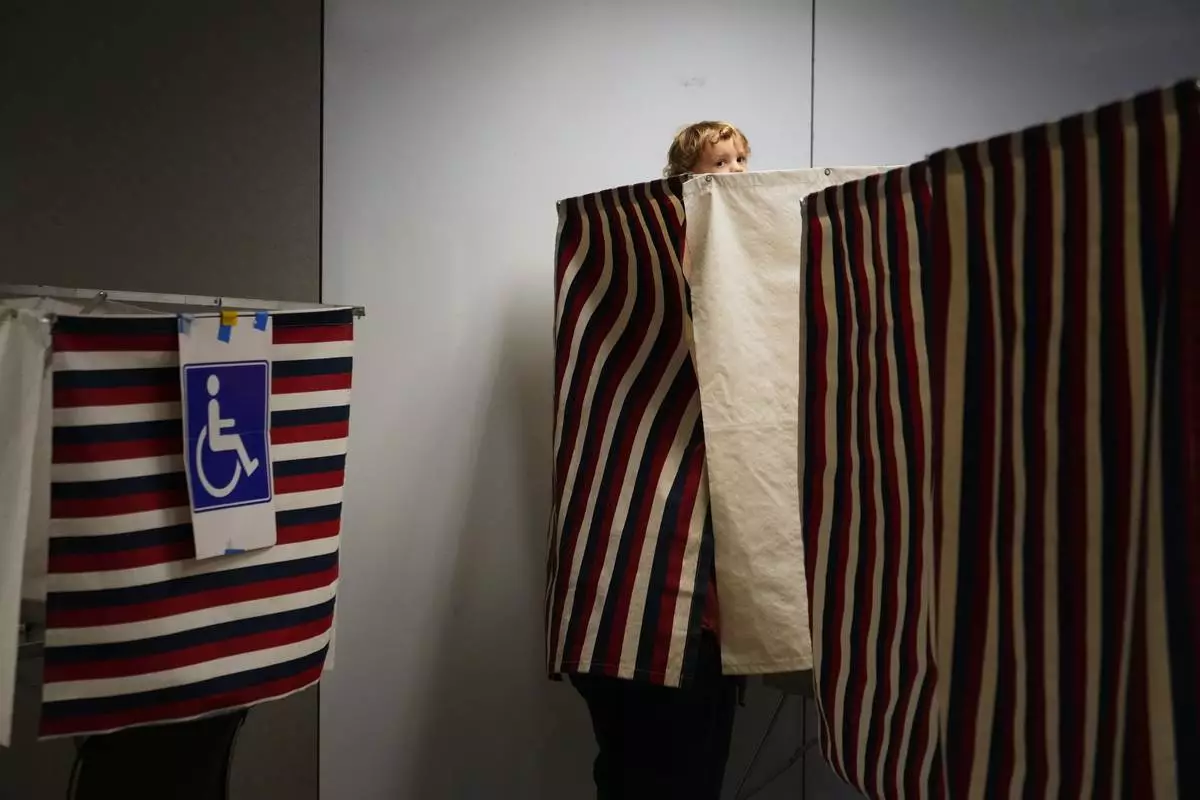
Whit, 2, sits on the shoulders of father Hayden Anderson-Michaud as he casts his ballot at a polling location open for early voting, Sunday, Nov. 1, 2026, in Wasilla, Alaska. (AP Photo/Lindsey Wasson)