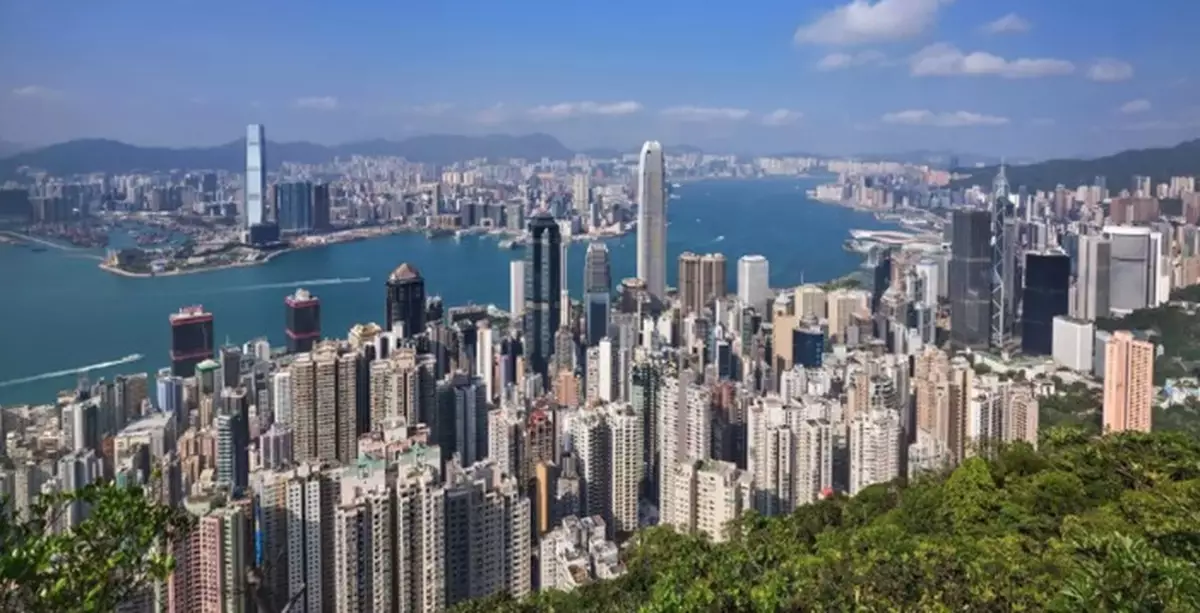
Advance estimates on Gross Domestic Product for third quarter of 2026
The Census and Statistics Department (C&SD) released today (November 3) the advance estimates on Gross Domestic Product (GDP) for the third quarter of 2026.
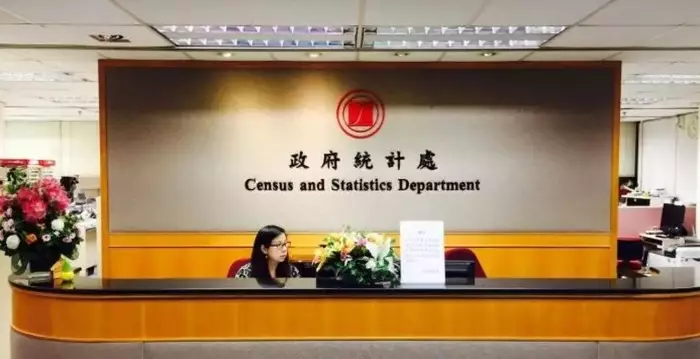
The Census and Statistics Department. Photo source: reference image
According to the advance estimates, GDP increased by 5.2% in real terms in the third quarter of 2026 over a year earlier, compared with the increase of 4.2% in the second quarter.
Analysed by major GDP component, private consumption expenditure increased by 2.8% in real terms in the third quarter of 2026 over a year earlier, compared with the increase of 2.9% in the second quarter.
Government consumption expenditure measured in national accounts terms recorded an increase of 1.7% in real terms in the third quarter of 2026 over a year earlier, after remaining virtually unchanged in the second quarter.
Gross domestic fixed capital formation rose by 7.3% in real terms in the third quarter of 2026 over a year earlier, faster than the increase of 3.7% in the second quarter.
Total exports of goods measured in national accounts terms grew further by 30.4% in real terms in the third quarter of 2026 over a year earlier, after the growth of 28.9% in the second quarter. Over the same period, imports of goods measured in national accounts terms grew by 29.9% in real terms, compared with the increase of 29.3% in the second quarter.
Exports of services rose by 4.3% in real terms in the third quarter of 2026 over a year earlier, after the increase of 3.2% in the second quarter. Imports of services increased by 5.6% in real terms in the third quarter of 2026, compared with the increase of 3.1% in the second quarter.
On a seasonally adjusted quarter-to-quarter comparison basis, GDP increased by 1.9% in real terms in the third quarter of 2026 when compared with the second quarter.
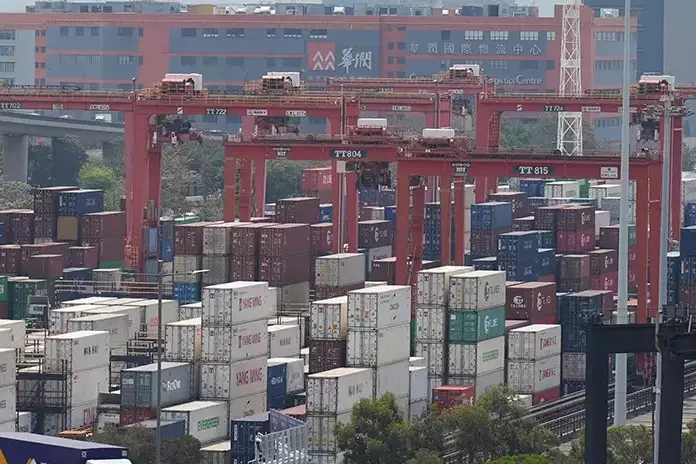
Photo source: reference image
Commentary
A Government spokesman said that the Hong Kong economy expanded robustly in the third quarter of 2026, underpinned by accelerating growth in exports and solid domestic demand. According to the advance estimates, real GDP grew further by 5.2% in the third quarter over a year earlier, up from the revised 4.2% growth in the preceding quarter. On a seasonally adjusted quarter-to-quarter basis, real GDP rose visibly by 1.9%. For the first three quarters of 2026 combined, real GDP grew by 5.1% over a year earlier, the fastest growth for the corresponding period in five years.
Looking ahead, Hong Kong's economic outlook remains positive, with incoming data pointing to sustained growth momentum. Robust global artificial intelligence investment should continue to underpin Hong Kong's merchandise exports. Exports of services should also benefit from sustained growth in inbound tourism, vibrant cross-boundary traffic and active financial market activities.
Domestically, steady economic expansion, rising employment earnings and a positive business outlook should lend support to consumption and investment.
Nonetheless, persistent uncertainties in the external environment, particularly the developments surrounding geopolitical tensions in the Middle East and tighter monetary policies by many major central banks, warrant close monitoring.
The revised figures on GDP and more detailed statistics for the third quarter of 2026, as well as the revised GDP forecast for 2026, will be released on November 13, 2026.
Hong Kong. Photo source: reference image
Further information
When more data become available, the C&SD will compile revised figures on GDP. The revised figures on GDP and more detailed statistics for the third quarter of 2026 will be released at the C&SD website (www.censtatd.gov.hk/en/scode250.html) and the Gross Domestic Product by Expenditure Component report (www.censtatd.gov.hk/en/EIndexbySubject.html?pcode=B1030001&scode=250) on November 13, 2026.
For enquiries about statistics on GDP by expenditure component, please contact the National Income Branch (1) of the C&SD (Tel: 3863 2727 or email: gdp-e@censtatd.gov.hk).
DH reminds public to take appropriate preventive measures against measles amid outbreaks in multiple countries due to low vaccination rates
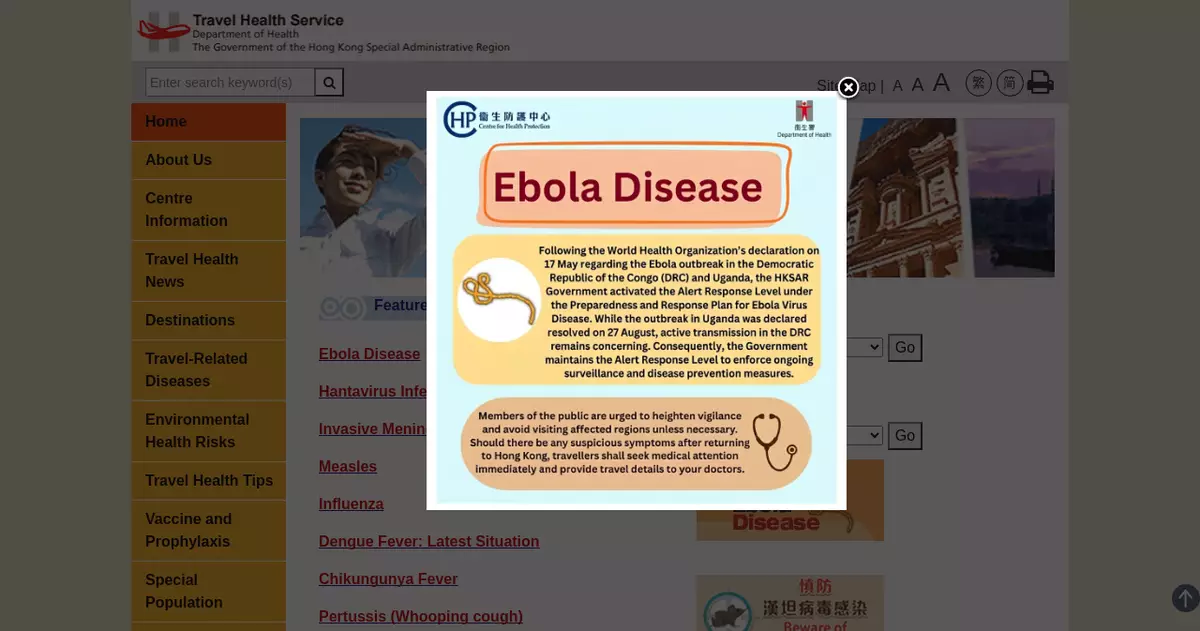
Due to ongoing measles outbreaks in multiple countries around the world caused by low vaccination rates, the Centre for Health Protection (CHP) of the Department of Health (DH) today (November 3) reminded members of the public planning to travel abroad to visit the DH's Travel Health Service webpagebefore departure to check if their destination has a high incidence of measles or an outbreak. They should take appropriate preventive measures, such as ensuring they had received two doses of the measles vaccination, and maintain good personal and environmental hygiene at all times. International students in affected countries should also review their vaccination records. If they are unsure whether they had received two doses of the measles vaccination, they should arrange to get vaccinated as soon as possible to prevent infection. As the winter break will soon begin in some countries, and students studying abroad will return to Hong Kong, the CHP urged the public to remain vigilant and seek immediate medical attention if they feel unwell. They should also report their symptoms and travel history to the healthcare workers before their appointment so that appropriate infection control measures can be implemented at the healthcare facilities to prevent a community spread. Schools should also remain vigilant to reduce the risk of infectious disease transmission on campus.
Measles is an endemic infection in many parts of the world. So far this year, the United States (US) has recorded more than 4 800 cases of measles, more than double last year's total. The situation remains out of control in the US. Pennsylvania and New York have reported measles-related deaths, and none of the deceased had received the measles vaccination. In Asia, Indonesia, Bangladesh, Laos and the Philippines have also experienced measles outbreaks due to low vaccination coverage.
"Overseas cases mainly affected individuals who were unvaccinated or had an unknown vaccination status, underscoring the importance of maintaining a high vaccination rate and herd immunity. Under the Hong Kong Childhood Immunisation Programme and its immunisation services provided by the DH's Maternal and Child Health Centres and the School Immunisation Teams, the overall immunisation coverage in Hong Kong has been maintained at a very high level. This has enabled Hong Kong to successfully maintain its measles-free status to date, even amid measles outbreaks in many parts of the world. As evidenced by the findings on vaccination coverage of primary school students and the territory-wide immunisation surveys conducted regularly by the DH, the two-dose measles vaccination coverage has remained consistently high, well above 95 per cent. The local seroprevalence rates of measles virus antibodies reflect that most of the people in Hong Kong are immune to measles. On the whole, the risk of a large-scale outbreak in Hong Kong is low. However, as a city with a high volume of international travel, Hong Kong still faces the potential risk of measles importation. Locally, a small number of people who have not completed a measles vaccination (such as non-local born people, including new immigrants, foreign domestic helpers, overseas employees and people coming to Hong Kong for further studies) are still at risk of being infected and spreading measles to other people who do not have immunity against measles, such as children under 1 year old who have not yet received the first dose of measles vaccine," said the Controller of the CHP, Dr Edwin Tsui.
A total of nine measles cases have been recorded in Hong Kong so far this year. Six were either imported cases or epidemiologically linked to imported cases. The remaining three were local cases. Among the imported cases, patients visited Indonesia, Pakistan and Vietnam during their incubation periods.
People born before 1967 could be considered to have acquired immunity to measles through natural infection, as measles was endemic in many parts of the world and in Hong Kong at that time. People born in or after 1967 who have not yet completed the two doses of measles vaccination or whose measles vaccination history is unknown, should consult their family doctors as soon as possible to complete the vaccination. For those who plan to travel to measles-endemic areas, if they have not been diagnosed with measles through laboratory tests and have never received two doses of measles vaccine or are not sure if they have received measles vaccine, they should consult a doctor at least two weeks prior to their trip for vaccination. Pregnant women and women preparing for pregnancy as well as children aged under 1 year who are not due for the first dose of the Measles, Mumps and Rubella (MMR) combined vaccine under theHong Kong Childhood Immunisation Programme, are advised not to travel to places with outbreaks of measles.
The incubation period of measles (i.e. the time from infection to onset of illness) is seven to 21 days. Symptoms include fever, skin rash, cough, runny nose and red eyes. If travellers returning from places with a high incidence or outbreak of measles develop relevant symptoms, they should wear a surgical mask, stay home from work or school, avoid crowded places and avoid contact with people without immunity, especially those with weak immune systems, pregnant women and children aged below 1. Those suspected to have been infected are advised to seek medical attention as early as possible and reveal their relevant contact history of measles to healthcare professionals.
For more information on measles, the public may visit the CHP'smeasles thematic page. Members of the public who are going to travel can visit the website of the DH'sTravel Health Servicefor news of measles outbreaks outside Hong Kong.
Source: AI-found images