Skip to Content Facebook Feature Image

Surging fuel costs push Japan’s electricity prices to four-year high

China

China

China

Surging fuel costs push Japan’s electricity prices to four-year high

2026-11-03 17:25 Last Updated At:19:50

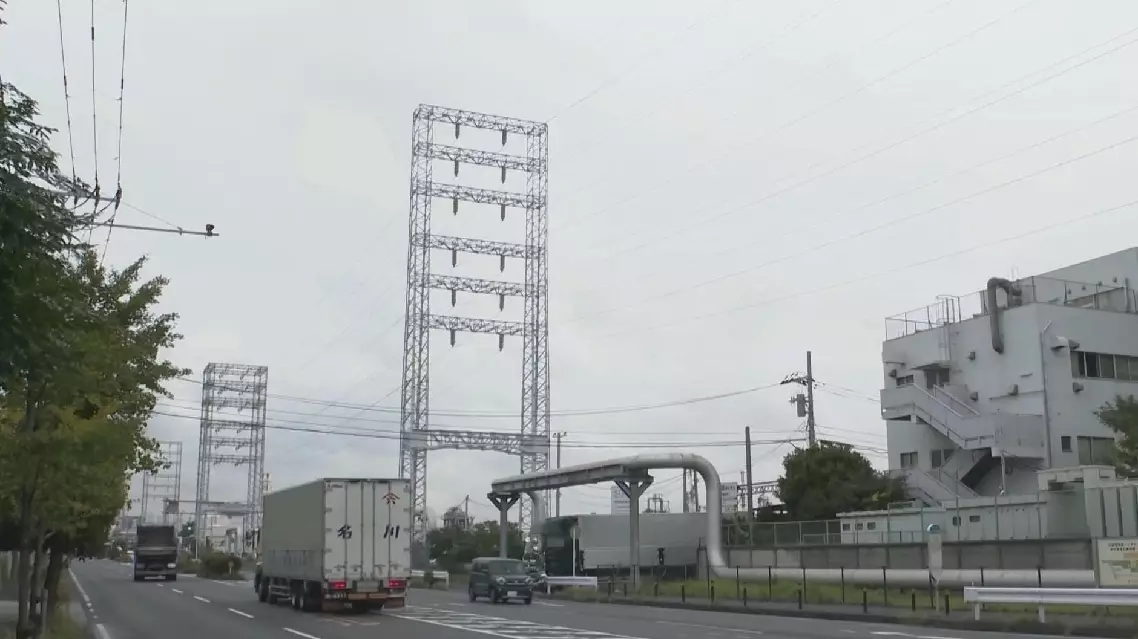
Surging fuel import costs pushed wholesale electricity spot prices in Tokyo and central Japan to a four-year high on Sunday, deepening the cost-of-living squeeze as major utilities prepare broad rate hikes for November.

Next-day electricity spot prices in Tokyo and central Japan stood at 36.11 yen and 36.29 yen per kilowatt-hour on Sunday, up 1.1 percent and 7.2 percent from a week earlier to mark their highest levels since September 2022, data showed.

Thermal power generation fueled by liquefied natural gas (LNG) accounts for about 30 percent of Japan's total electricity output, making electricity prices highly susceptible to fluctuations in the international LNG market, according to data from Japan's Agency for Natural Resources and Energy. The wholesale spike comes as seven of the country's 10 major power companies prepare to raise household electricity prices in November, setting record highs since comparable statistics began, Japanese media reported.

The energy crunch arrives amid a broader wave of price increases across Japan that is weighing heavily on household budgets. Prices of 1,477 food and beverage products from 195 major manufacturers are set to rise in November, nearly 10 times the 150 items recorded in the same month last year, according to a survey by research firm Teikoku Databank.

With the November increases, the total number of food and beverage products subjected to price hikes this year reached 20,327, surpassing 20,000 for the second consecutive year. Household costs are facing further pressure as gas bills, parcel delivery fees, and expressway tolls continue to climb across the country.
Surging fuel costs push Japan’s electricity prices to four-year high

Surging fuel costs push Japan’s electricity prices to four-year high
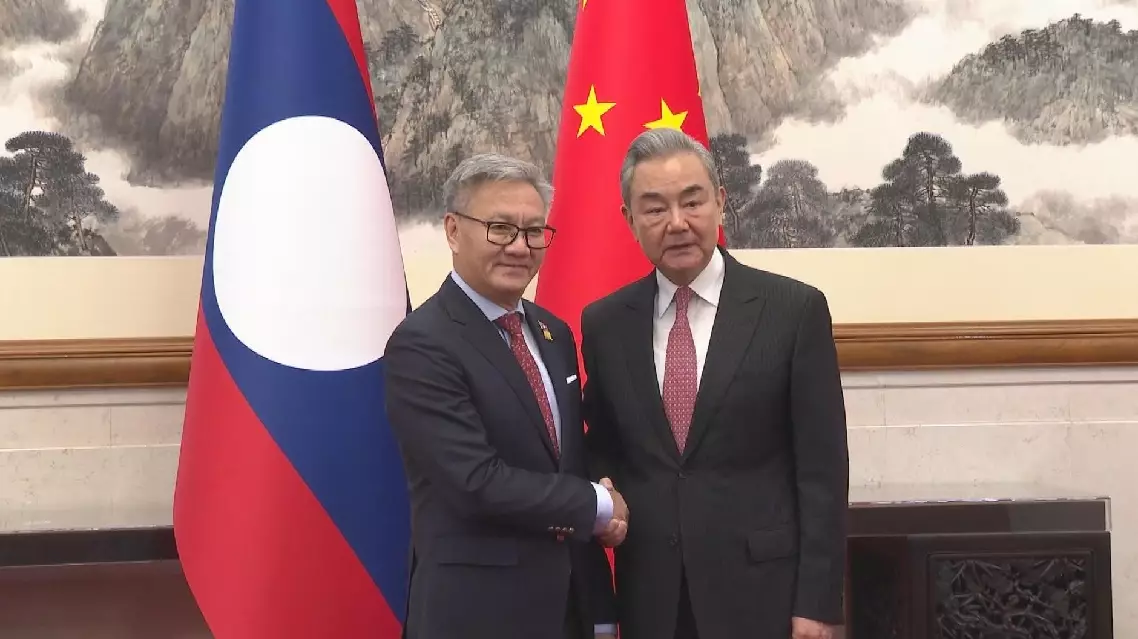
Chinese Foreign Minister Wang Yi met with visiting Lao Deputy Prime Minister and Minister of Foreign Affairs Thongsavanh Phomvihane in Beijing on Tuesday, to discuss relations between their two countries.

Thongsavanh is in China to attend the 11th Lancang-Mekong Cooperation Foreign Ministers' Meeting.

Wang said China is ready to work with Laos to further build a community with a shared future.

He urged efforts from both sides to make full use of the Joint Committee for China-Laos Economic Corridor Cooperation, accelerate development of the China-Laos Railway, and expand cooperation in trade and mineral resources.

Thongsavanh said Laos is committed to advancing the building of a Laos-China community with a shared future, and strengthening cooperation with China in connectivity, energy, mineral resources, and artificial intelligence.

He also pledged closer coordination to combat transnational crime and jointly safeguard ASEAN unity and autonomy, as well as regional peace and stability.

This year marks the 65th anniversary of the establishment of diplomatic relations between the two countries, and the Year of China-Laos Friendship.

The Lancang-Mekong Cooperation mechanism comprises six countries: China, Cambodia, Laos, Myanmar, Thailand, and Vietnam, which share the Lancang-Mekong River basin. The Mekong River, known as the Lancang River in China, originates in the Yushu Tibetan Autonomous Prefecture of northwest China's Qinghai Province and flows through the six countries, linking their economies and creating opportunities for regional cooperation.

Chinese foreign minister meets Lao deputy prime minister on relations

Chinese foreign minister meets Lao deputy prime minister on relations

Recommended Articles