The International Maritime Organization (IMO) Secretary-General Arsenio Dominguez on Monday advised commercial vessels to continue avoiding the Strait of Hormuz, citing unverified mine clearance and unassured navigation safety amid the ongoing conflict.
Speaking during a question-and-answer session following the opening of the 138th IMO Council session, Dominguez said that IMO cannot confirm whether sea mines within the strait's shipping lanes have been cleared, leaving the safety of vessels not guaranteed.
Dominguez said that multiple ships have been hit in the strait, but active fighting has complicated investigations. Investigators have yet to determine if some of the incidents were caused by mines, drones, or missiles.
As global shipping grapples with mounting tensions in the Strait of Hormuz, Dominguez praised China's active role as a permanent member of the United Nations Security Council in helping to de-escalate the tensions, saying that IMO will deepen maritime cooperation with China.
"We also signed an agreement -- the momentum of understanding -- for the additional support China is prepared to provide when it comes to implementation of IMO instruments, capacity development, supporting IMO projects, etc., with all the technical development, technological developments that they have, port infrastructure, etc, because that assists the process of making decisions of IMO," said Dominguez.
The five-day IMO Council session, running from Nov 2 to 6 in London, addresses several issues, including protection of vital shipping lanes and the situation in the Strait of Hormuz.
According to Iranian media reports, Iran has submitted an official evidence report to the IMO, detailing attacks on Iranian ports, civilian vessels, and maritime infrastructure carried out by the United States and Israel since late February. The documentation has been given to IMO member states and is slated for review during the current session.
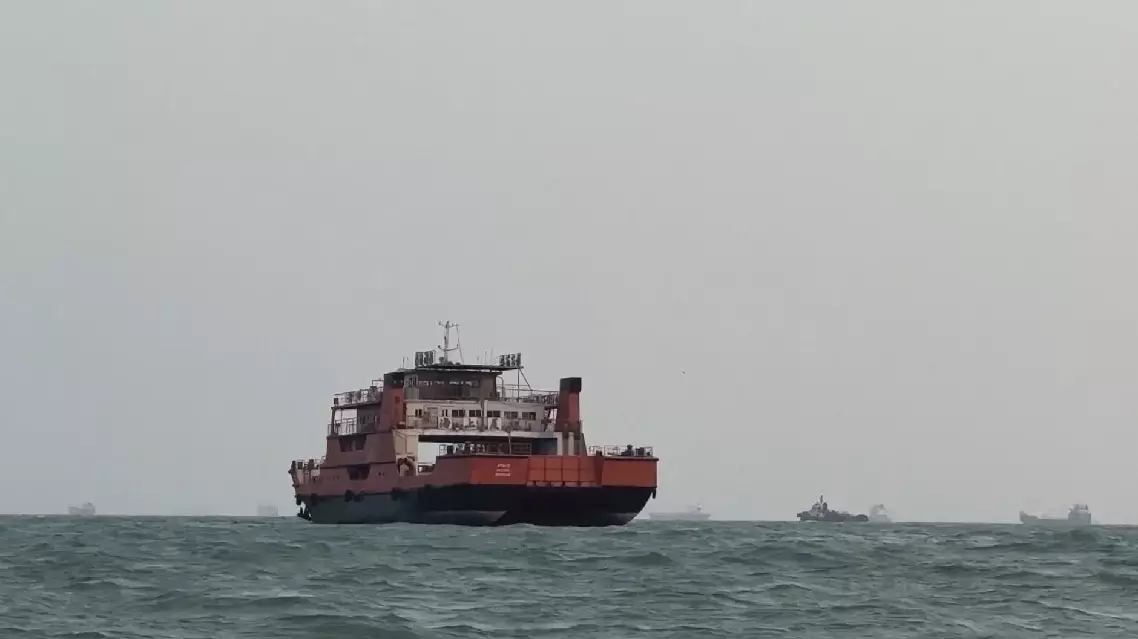
IMO chief advises against Hormuz navigation amid safety concerns