BOSTON--(BUSINESS WIRE)--Nov 4, 2026--
The Museum of Science today announced its next wave of programming at the William and Charlotte Bloomberg Public Science Common built on a simple idea: science isn’t confined to labs and classrooms. It shows up in how we move, how we feel, and how we live alongside the technology we create. Through documentary film, wellness, and dance, the new programs open doors to science for people who may not see themselves in traditional science spaces.
This press release features multimedia. View the full release here: https://www.businesswire.com/news/home/20261104242901/en/
The slate includes:
Tickets go on sale to Museum members on November 5 and to the general public on November 6.
Since opening October 10, the venue has drawn capacity audiences for Emmy Award-winning comedian Trevor Noah, GRAMMY-winning musician Jacob Collier, and YouTube creator Mark Rober, recipient of the Museum’s 2026 Bradford Washburn Award. Still ahead this fall are Pulitzer Prize-winning author Dr. Siddhartha Mukherjee and astronauts Dr. Sian Proctor and Amanda Nguyen, and today’s announcement extends the lineup into the new year.
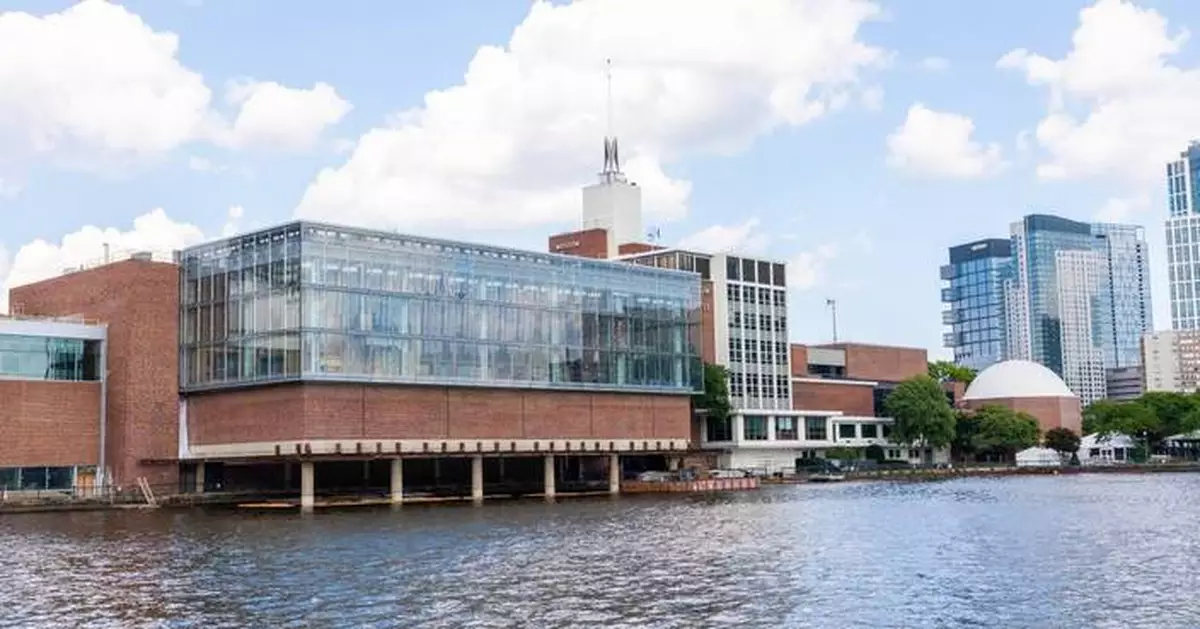
The William and Charlotte Bloomberg Public Science Common gives new momentum to the Museum’s mission to build public trust in science and inspire a lifelong love of science in everyone. With broadcast-quality production and livestreaming built in, the 10,000-square-foot civic venue on the Charles River gives critical ideas a world-class stage for audiences in Boston and around the world. It marks the Museum’s evolution from a destination museum into a producer of science media, and a major milestone toward its goal of reaching 1 billion people with transformative science storytelling by 2030.
Full details and ticketing information:
Museum members will receive early access to event tickets. To enjoy event pre-sales and other member benefits, join today at MOS.org/membership. Visit https://www.mos.org/bloomberg-public-science-common-events for more.
About the William and Charlotte Bloomberg Public Science Common:
The William and Charlotte Bloomberg Public Science Common is a new 10,000-square foot civic venue designed to inspire lifelong engagement with science by sparking discourse and discovery through immersive experiences. It is named for William and Charlotte Bloomberg of Medford, MA, who instilled a love of learning in their children Michael R. Bloomberg and Marjorie Tiven. With floor-to-ceiling glass overlooking the Charles River and 270-degree views of the Boston skyline, the William and Charlotte Bloomberg Public Science Common complements its civic mission with state-of-the-art immersive media, production, and livestreaming technology that enables events to reach audiences around the world. In addition to public programming, the venue will be available for corporate gatherings and private events.
About the Museum of Science, Boston:
The Museum of Science is one of the world’s leading science centers, with a mission to inspire a lifelong love of science in everyone. The Museum’s 2030 ambition: two million visitors onsite, three million learners in schools, one billion people online annually. Together, these goals will expand access to evidence-based science and spark curiosity far beyond the Museum's walls, to classrooms and communities around the world. Its newest space, the William and Charlotte Bloomberg Public Science Common, brings the public and science together in Boston and beyond.
Join the Bloomberg Public Science Common Insider list at mos.org/bpsc-insider. Learn more at www.mos.org/bloomberg-public-science-common.
Additional assets can be found in the press kit here.
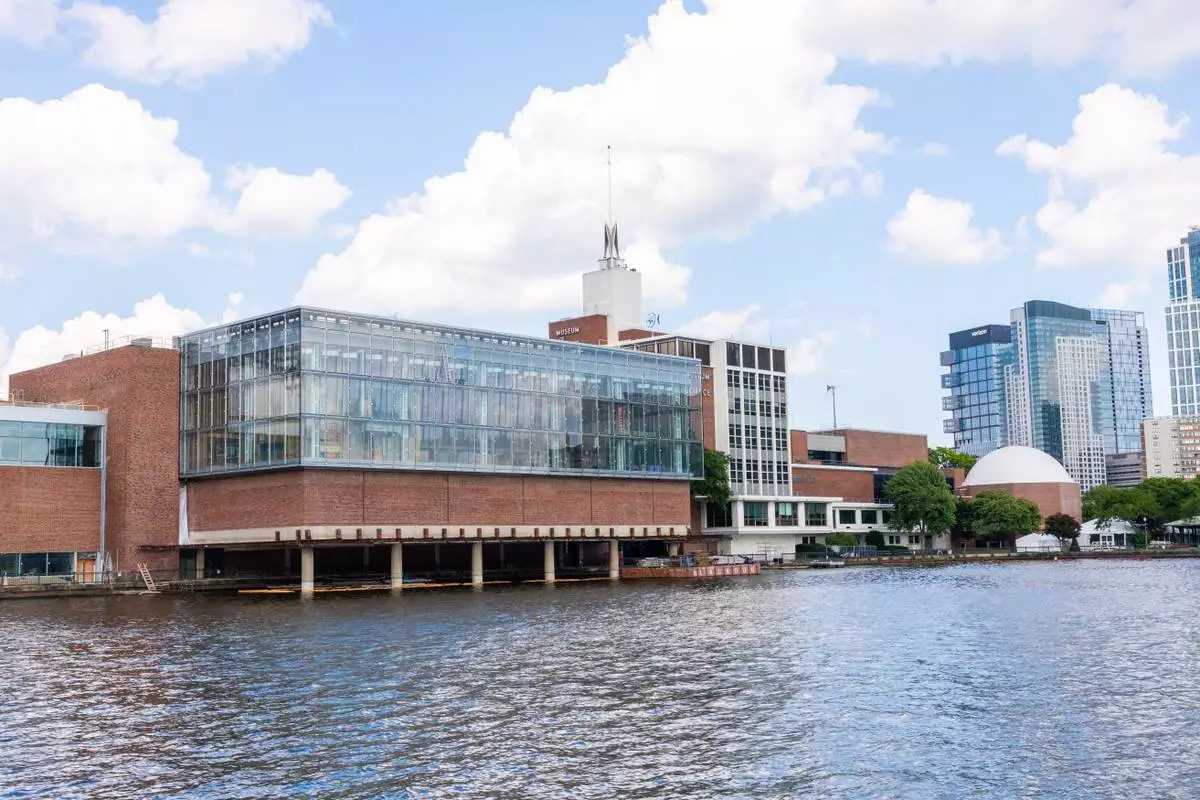
Tickets for the new slate of programming at the William & Charlotte Bloomberg Public Science Common go on sale to Museum members on November 5 and to the general public on November 6. Photo courtesy: Nicolaus Czarnecki
KUALA LUMPUR, Malaysia (AP) — Noorzainny Luthfi was no stranger to hardship. Yet her family faced a new set of challenges when the COVID-19 pandemic hit Malaysia.
Her husband lost his job as a truck driver. The couple then struggled to provide for their three children in one of Kuala Lumpur’s low-income neighborhoods.
“We didn’t know what to do,” Noorzainny said. She now makes a living from a venture supported by the Catholic Church, which provides assistance to vulnerable communities regardless of their religious beliefs in Muslim-majority Malaysia.
Noorzainny's husband came up with the idea of making piggy banks out of coconut shells. Friends and neighbors placed a few orders, and his hobby soon turned into a small business.
A year later, in 2022, a British friend suggested: What if you created a recycling program to turn waste into products you could sell? Following that advice, Noorzainny’s family founded Upcycled.
The connection with the church began after they set up a shop in their neighborhood. Catholic, Muslim and Hindu religious leaders visited the area from time to time to make donations to vulnerable people.
“The bishop saw our small factory and asked what we were doing,” Noorzainny said. “I told him we were collecting plastic, trying to educate kids and making products to support people in the community because most of them lost their jobs.”
The Archdiocesan Office for Human Development in Kuala Lumpur is known as AOHD. It oversees 10 ministries that serve vulnerable communities. Among them are programs assisting women, prisoners, migrants and children with special needs.
“Today, priests, nuns and religious brothers are involved in building communities and reaching out to people in need regardless of whether they are Catholic,” said the Rev. Frederick Joseph, a member of AOHD’s board. “Their work is for all Malaysians whether they are Muslims, Buddhists, Hindus or even nonbelievers.”
Founded in 1992, AOHD follows in the footsteps of the Society of St. Vincent de Paul, a Catholic charitable organization that has helped people across Malaysia for almost a century.
According to Joseph, the Archdiocese of Kuala Lumpur has about 45 churches and serves an area with a population of roughly 12 million.
The Catholic Church’s social work in Malaysia took on a new direction following the Second Vatican Council, held from 1962 to 1965.
Joseph said that bishops and priests gathered in Penang in 1976 to discuss how to put the council’s teachings into practice. That included a greater focus on helping marginalized communities.
In Malaysia’s religiously diverse society, those efforts also mean building relationships across faiths. According to the nation’s latest census in 2020, 63.5% of the population is Muslim, 18.7% Buddhist, about 9% Christian and 6% Hindu.
“The Catholic Church takes the initiative in ecumenical and interfaith dialogue,” Joseph said. “When we help poor people, migrants or refugees, we do so because of our commitment to the preferential option for the poor, not in terms of evangelization.”
AOHD’s ministry for children with special needs is part of that approach. Its learning center opened in 2001 after three parents seeking educational opportunities for their children with autism could not find a suitable place for them.
“They went to other centers, but their needs were different,” said Gunavathi Thurchinamurthy, coordinator of the school. “There were a lot of issues and that’s when the founder came up with an idea: Why don’t we approach our church to open a center?”
The school serves children from Malaysia’s lowest-income households. It offers three programs for different age groups, from early intervention to vocational training for young adults.
Classes are taught in English to provide a common language. And although the center is supported by AOHD, it welcomes students from all religious backgrounds.
“We don’t offer spiritual classes because we have people from different faiths,” Thurchinamurthy said. “We don’t want to restrict this to only Catholics or Christians. We are open to anybody.”
Other beneficiaries of AOHD’s programs also reflect its interfaith mission.
At a community dining hall near Upcycled, Malaysians from different religious backgrounds often gather to share a meal provided by the church. Among them is Nor Aqidah, a Muslim woman whose family has benefited from AOHD’s donations.
“We can live together as long as we know each other and respect each other’s beliefs,” Aqidah said. “We celebrate different festivals here. We have Eid al-Fitr, Chinese New Year and Diwali.”
In a corner next to the entrance of Upcycled, Noorzainny keeps a sewing machine.
It was a gift from her community after she lost her original one in a landslide that destroyed her family’s previous workshop. She now uses it to teach other women how to sew.
“They can make clothes for their children instead of buying them,” she said. “They use their old clothes to make baby clothes, so we recycle in that way too.”
Her community gives something back. While some of the plastic used at Upcycled comes from corporations, some of her neighbors gather waste as well.
Some of them are Catholic or Hindu. Others are Muslim like her. A few call her “Mak Aini,” an affectionate term for a motherly figure.
“Everybody has their own God and the same goes for me,” Noorzainny said. “If you respect other religions and other people, you can become like brothers, like a family.”
Associated Press religion coverage receives support through the AP’s collaboration with The Conversation US, with funding from Lilly Endowment Inc. The AP is solely responsible for this content.
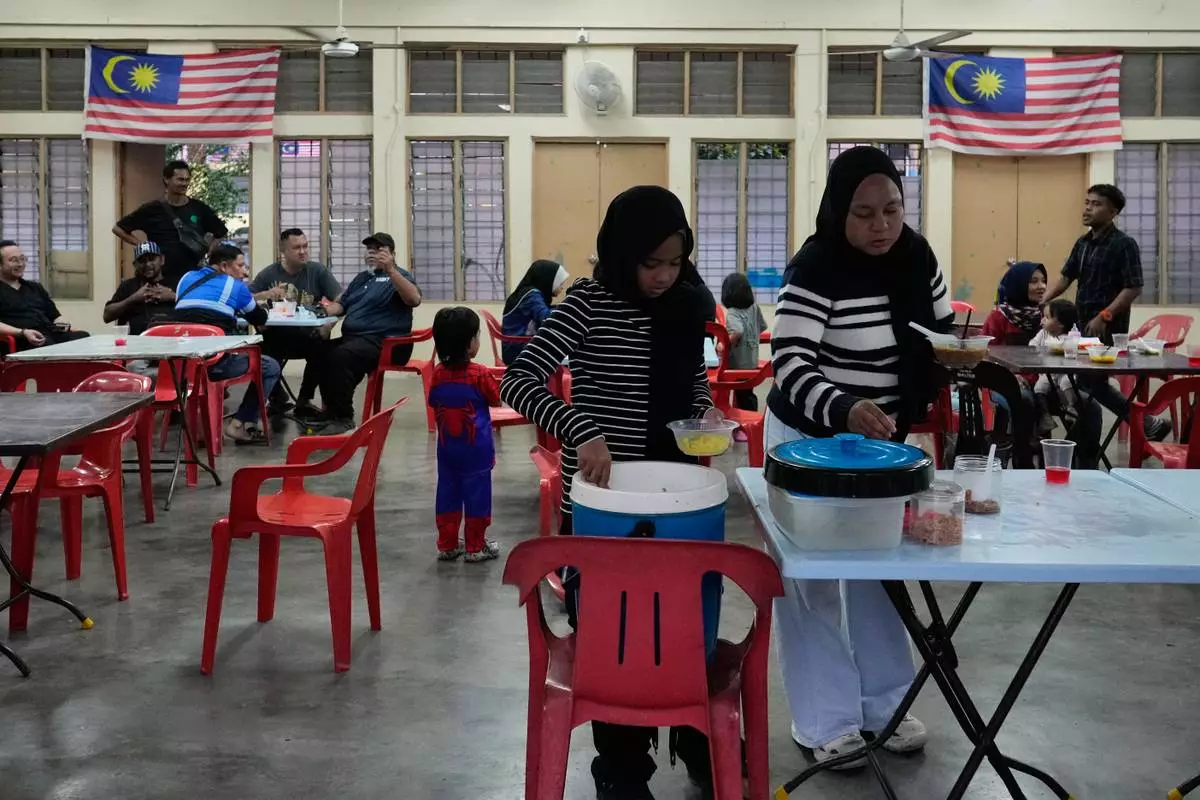
People gather for a free meal provided by the Catholic church at a community dining hall in Subang, Malaysia, Tuesday, Sept. 22, 2026. (AP Photo/Vincent Thian)
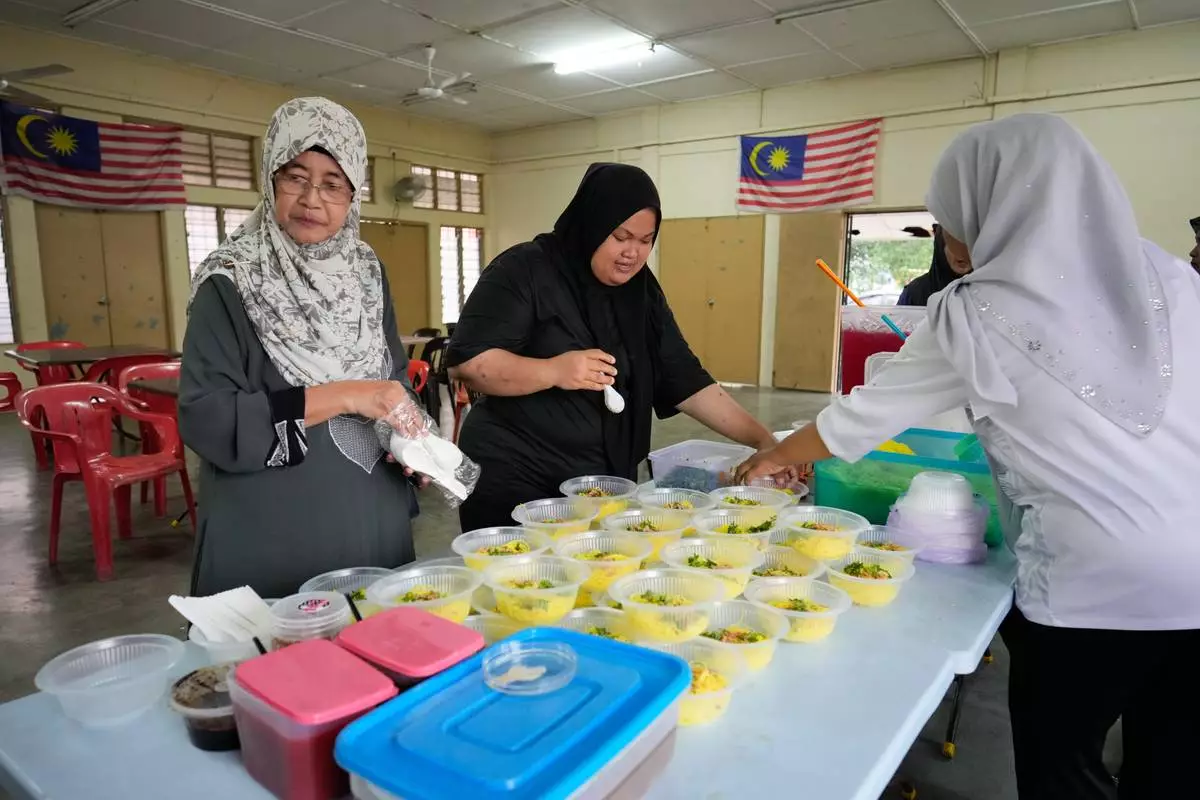
Women prepare meals for distribution, provided by the Catholic church, at a community dining hall in Subang, Malaysia, Tuesday, Sept. 22, 2026. (AP Photo/Vincent Thian)
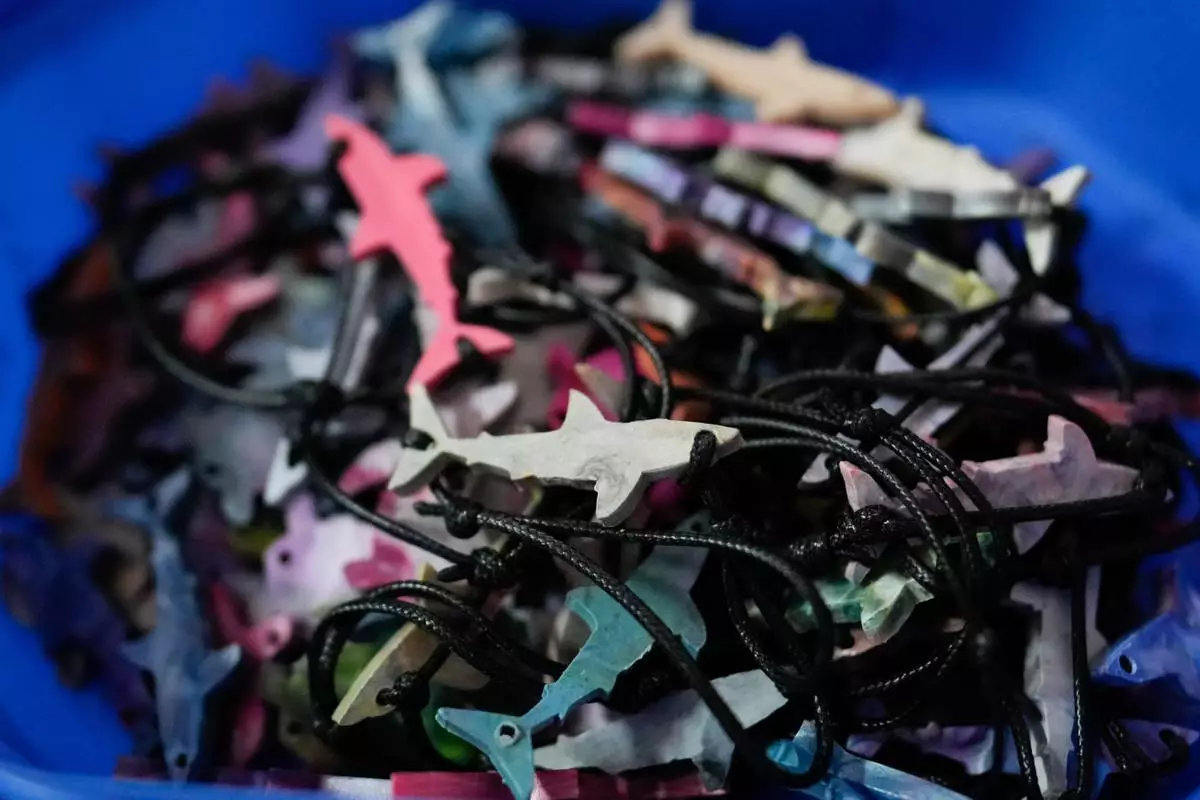
Recycled plastic souvenir items are displayed at Upcycled, a recycling program supported by the Catholic Church in Subang, Malaysia, Tuesday, Sept. 22, 2026. (AP Photo/Vincent Thian)
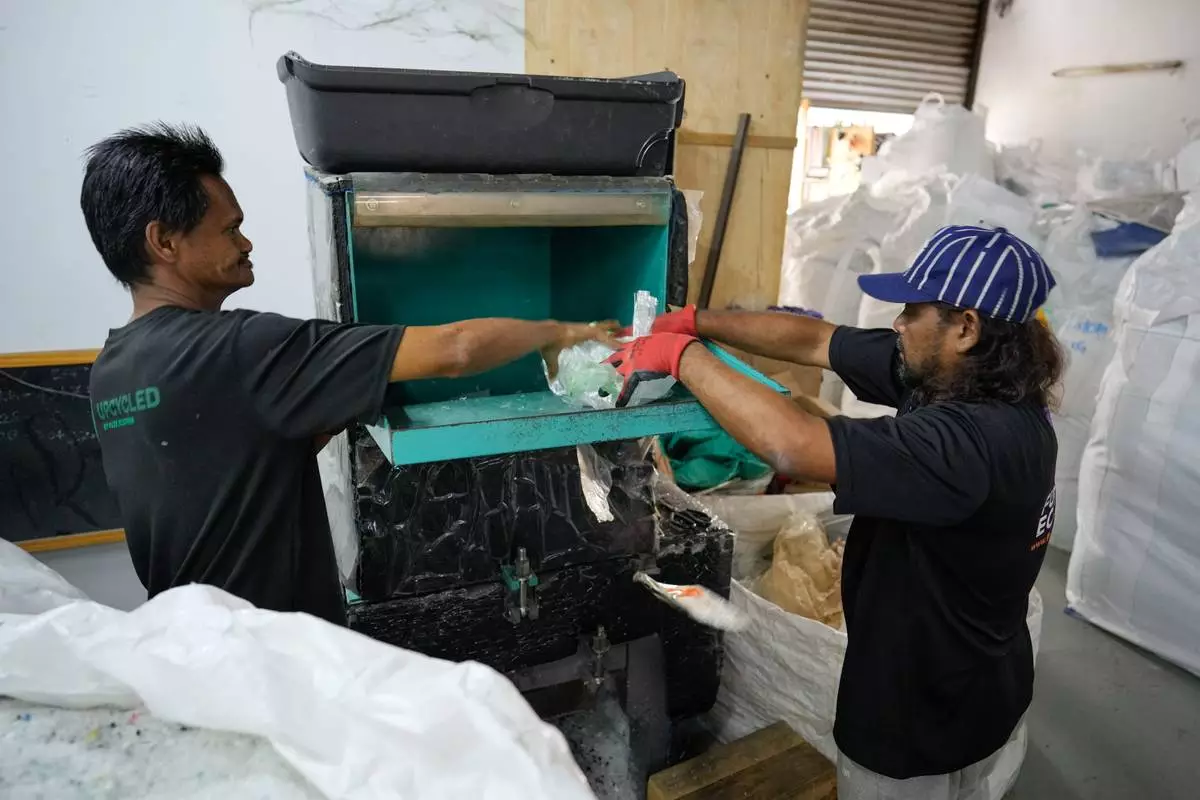
Workers process plastic at Upcycled, a recycling program supported by the Catholic Church in Subang, Malaysia, Tuesday, Sept. 22, 2026. (AP Photo/Vincent Thian)
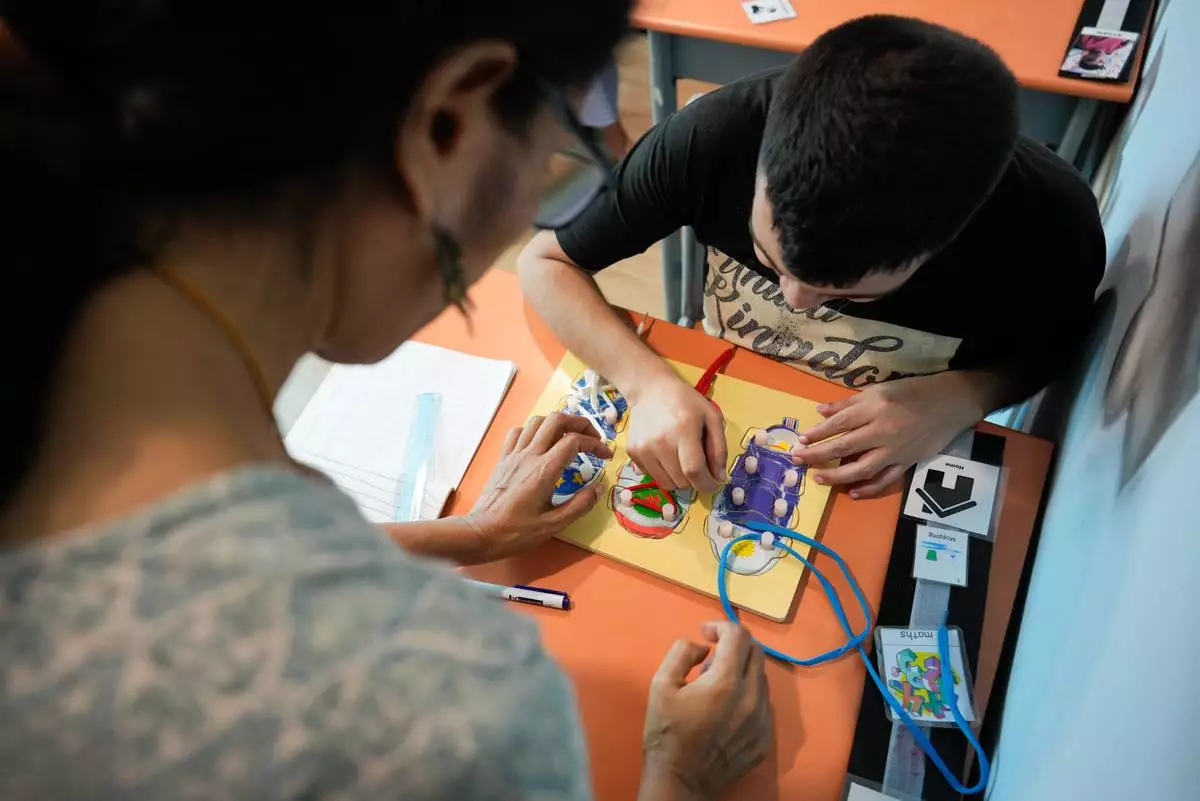
A student performs an activity at a learning center supported by the Archdiocesan Office for Human Development, a Catholic ministry, in Petaling Jaya, Malaysia, Tuesday, Sept. 22, 2026. (AP Photo/Vincent Thian)
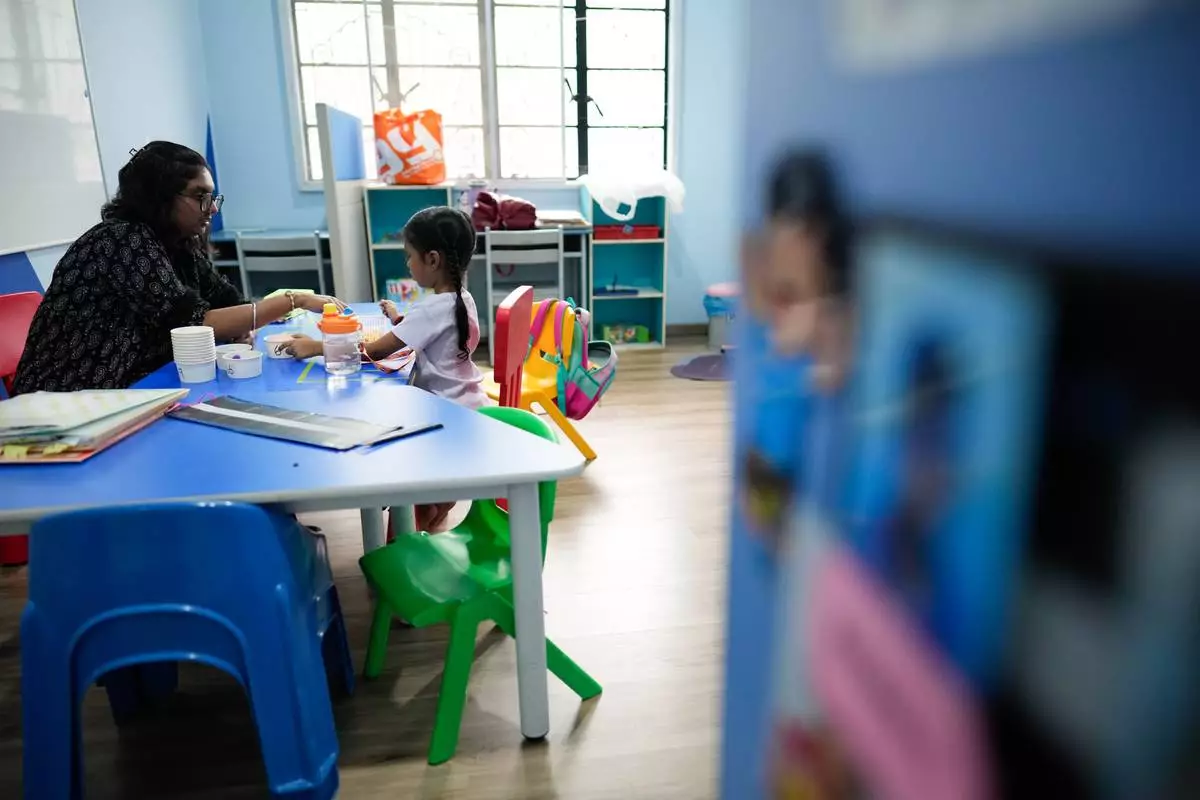
A teacher works with a student at a learning center supported by the Archdiocesan Office for Human Development, a Catholic ministry, in Petaling Jaya, Malaysia, Tuesday, Sept. 22, 2026. (AP Photo/Vincent Thian)
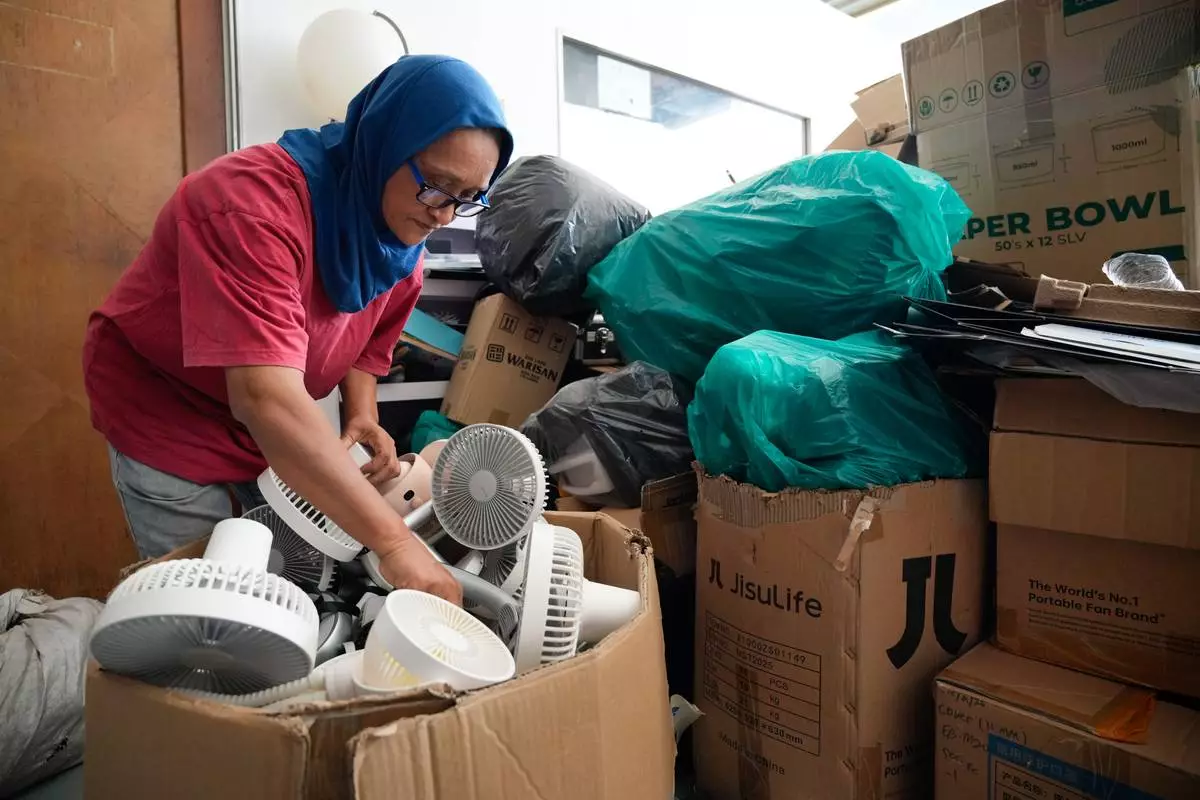
Noorzainny Luthfi sorts discarded items at Upcycled, a recycling program supported by the Catholic Church in Subang, Malaysia, Wednesday, Nov. 11, 2026. (AP Photo/Vincent Thian)
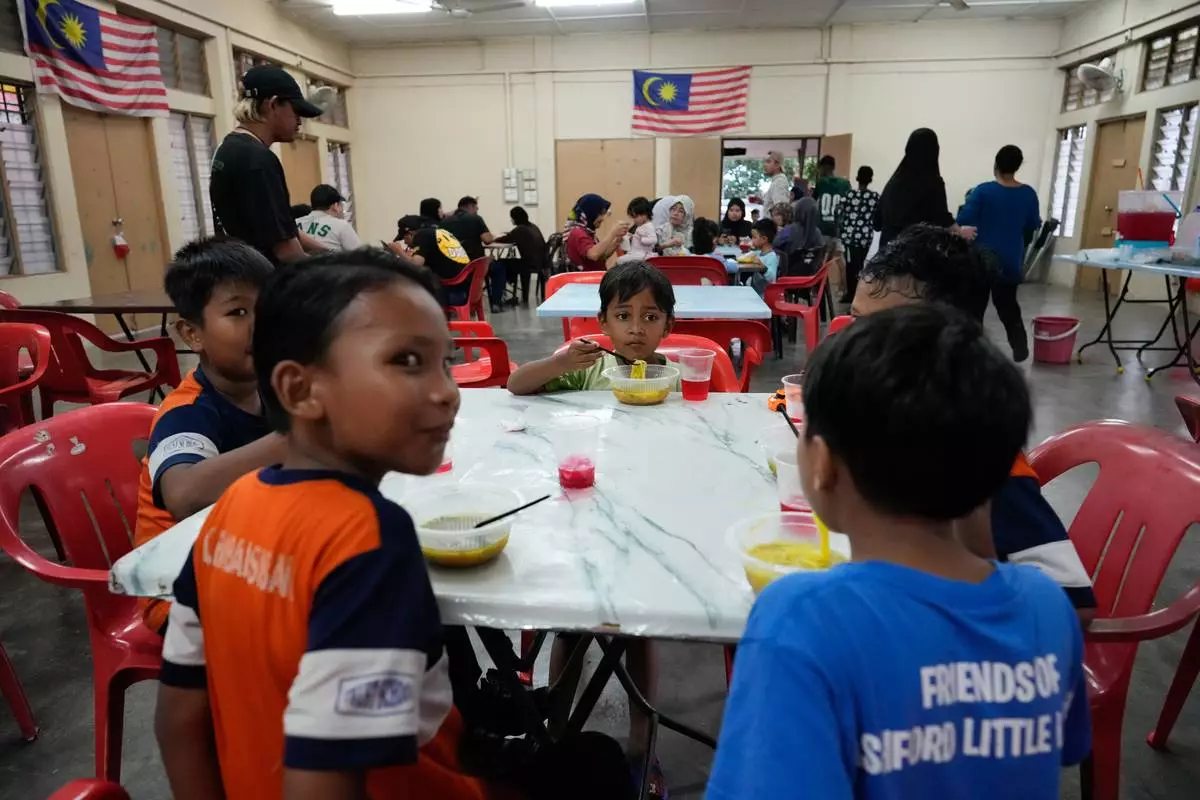
Children sit at a table during a community meal provided by the Catholic church in Subang, Malaysia, Tuesday, Sept. 22, 2026. (AP Photo/Vincent Thian)