MOUNTAIN VIEW, Calif.--(BUSINESS WIRE)--Nov 4, 2026--
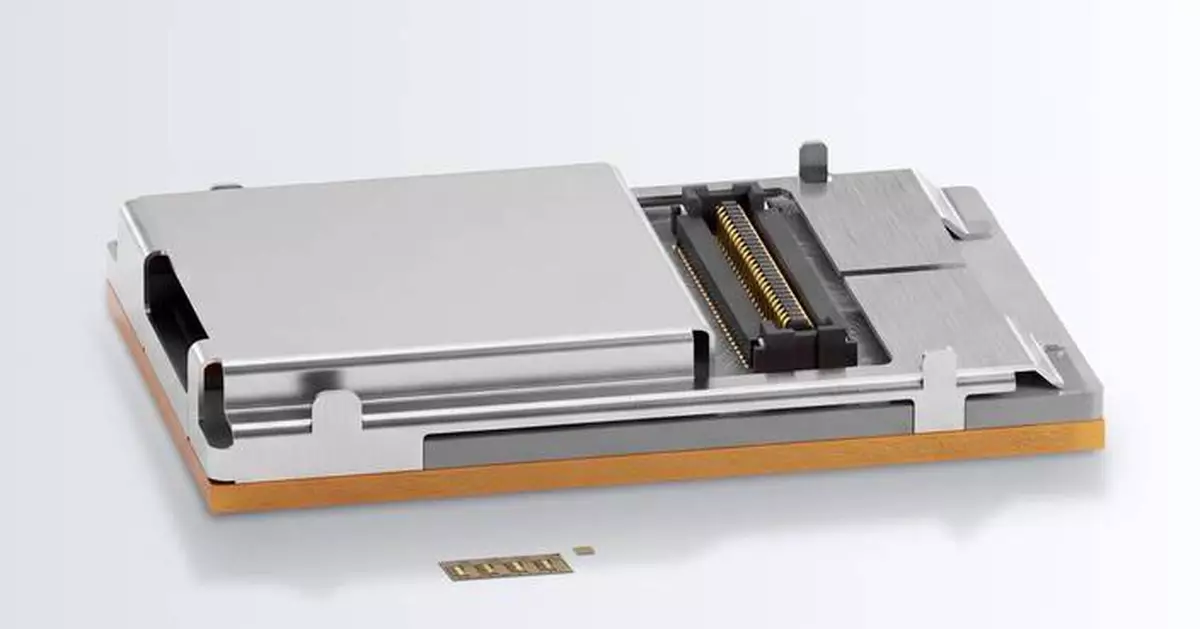
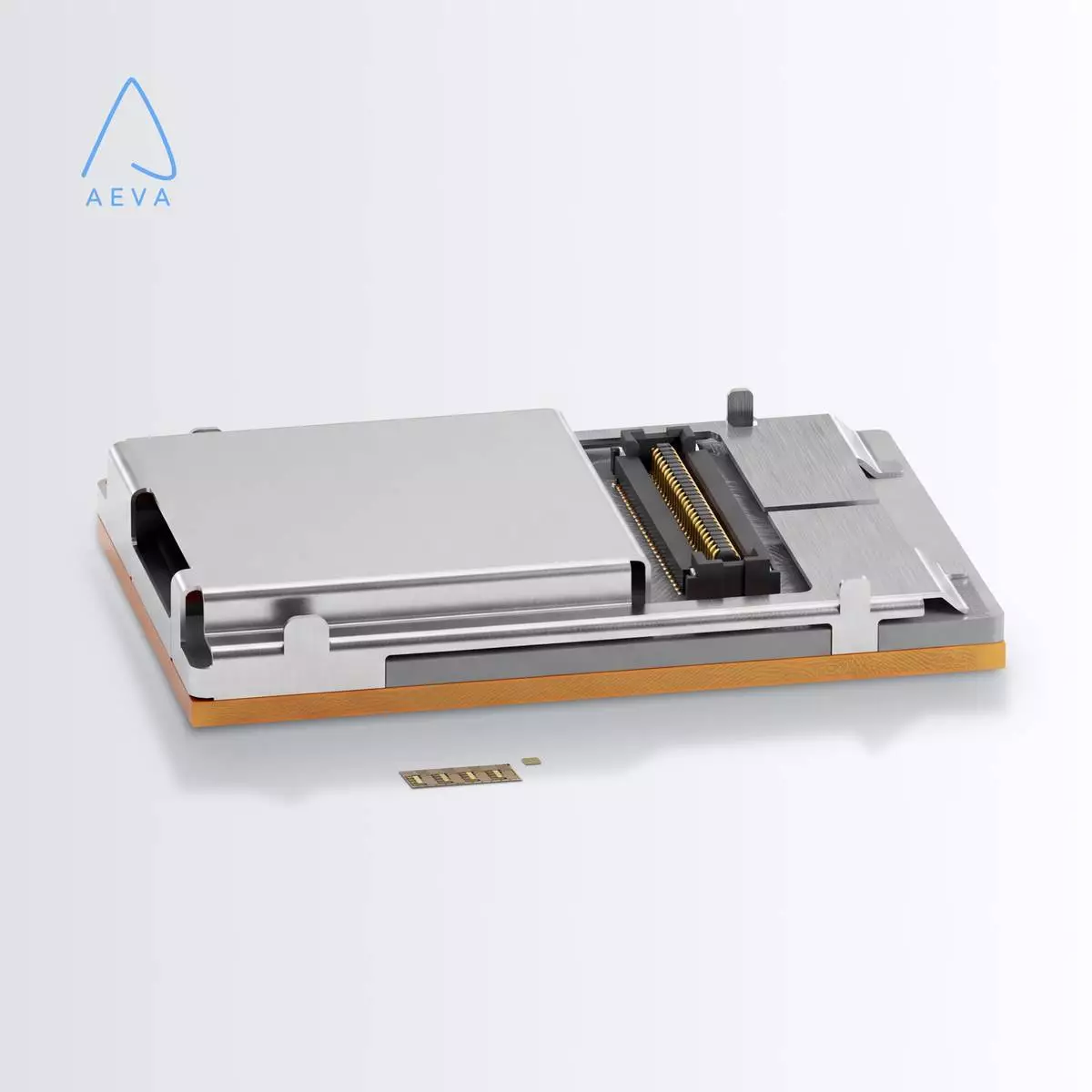
Aeva ® (Nasdaq: AEVA), a leader in next-generation sensing and perception systems, today introduced an expanded portfolio of solutions within Optical Connectivity, Aeva’s business that leverages proprietary high-power, low noise optical sources and multiwavelength integrated silicon photonics technologies for next-generation AI data centers.
This press release features multimedia. View the full release here: https://www.businesswire.com/news/home/20261104011597/en/
Aeva is engaged with a growing number of optical solutions providers and AI compute companies, driven by our ability to deliver the high-power performance and other requirements needed for next-generation AI data centers, as well as address the significant supply constraints and options in high-power optical sources facing the industry.
"We are building strong momentum in Optical Connectivity with our proven high-power optical source technology and new multiwavelength integrated silicon photonics that meet the performance, efficiency and scalability required for next-generation AI data centers,” said Pradeep Srinivasan, Senior Vice President of Optical Connectivity at Aeva. “By broadening our product portfolio, Aeva is extending its reach across the rapidly growing AI data center market and offering customers greater flexibility in integrating our technology for current and future architectures."
Portfolio of Solutions to Address the Growing AI Data Center Market
Optical Connectivity is built on Aeva’s common high-power optical source technology and designed to deliver the high optical power, high efficiency, low noise, proven reliability, and scalability required to address the rapidly growing bandwidth and power demands of AI data centers. Our solutions range from chipsets and chip arrays to multiwavelength arrays and multichannel modules, which deliver new levels of flexibility for broad AI data center applications including transceivers, NPO, CPO and OCI-MSA. Together, our portfolio enables optical solutions providers, AI compute companies and hyperscalers to more easily integrate Aeva’s solutions.
Proven High-Performance Platform Designed for Scale
Over the past decade, Aeva has developed and industrialized our high-power optical source technology with low noise and narrow linewidth for rigorous automotive and industrial applications. This foundation enables Aeva to bring to the data center market solutions with proven high-performance and demonstrated high-yield and reliability. With limited supply and options of reliable high-power optical sources, Aeva also expands and strengthens the AI infrastructure supply chain with our foundry and manufacturing partners qualified to meet the mass-scale requirements of Aeva's leading automotive and industrial customers.
To learn more about Optical Connectivity and Aeva’s portfolio of solutions for AI data centers, visit: www.aeva.com/optical-connectivity
About Aeva Technologies, Inc. (Nasdaq: AEVA)
Aeva’s mission is to bring the next wave of perception to a broad range of applications from automated driving, manufacturing automation and smart infrastructure, to robotics and consumer devices. Aeva is accelerating autonomy with its groundbreaking perception platform that integrates lidar-on-chip technology, system-on-chip processing, and perception algorithms onto silicon leveraging silicon photonics. Aeva 4D LiDAR sensors uniquely detect velocity and position simultaneously, allowing automated devices like vehicles and robots to make more intelligent and safe decisions. For more information, visit www.aeva.com, or connect with us on X or LinkedIn.
Aeva, the Aeva logo, Aeva 4D LiDAR, Aeva Atlas, Aeries, Aeva Eve, Aeva Omni, Aeva CityOS, Aeva Ultra Resolution, CoreVision, and Aeva X1 are trademarks/registered trademarks of Aeva, Inc. All rights reserved. Third-party trademarks are the property of their respective owners.
Forward looking statements
This press release contains certain forward-looking statements within the meaning of the federal securities laws. Forward-looking statements generally are identified by the words “believe,” “project,” “expect,” “anticipate,” “estimate,” “intend,” “strategy,” “future,” “opportunity,” “plan,” “may,” “should,” “will,” “would,” “will be,” “will continue,” “will likely result,” and similar expressions. These forward-looking statements include, but are not limited to, expectations about the addressable market of our Optical Connectivity business, the portfolio of products announced herein, our product features, performance, potential applications, the timing of production, and market adoption. Forward-looking statements are predictions, projections and other statements about future events that are based on current expectations and assumptions and, as a result, are subject to risks and uncertainties. Many factors could cause actual future events to differ materially from the forward-looking statements in this press release, including, but not limited to: (i) the fact that Aeva is an early stage company with a history of operating losses and may never achieve profitability, (ii) Aeva’s limited operating history, (iii) the ability to implement business plans, forecasts, and other expectations and to identify and realize additional opportunities, (iv) the ability for Aeva to have its products selected for inclusion in products for commercial scale production, (v) the commercial success of any products in which Aeva’s products might be included, including with respect to Optical Connectivity business, (vi) unforeseen manufacturing issues or defects, (vii) Aeva’s ability to scale production if any products achieve commercial success, (viii) market acceptance of LiDAR technology to the data center market and other applications, (ix) general economic conditions and other material risks and other important factors that could affect our financial results. Please refer to our filings with the SEC, including our most recent Form 10-Q and Form 10-K. These filings identify and address other important risks and uncertainties that could cause actual events and results to differ materially from those contained in the forward-looking statements. Forward-looking statements speak only as of the date they are made. Readers are cautioned not to put undue reliance on forward-looking statements, and Aeva assumes no obligation and does not intend to update or revise these forward-looking statements, whether as a result of new information, future events, or otherwise. Aeva does not give any assurance that it will achieve its expectations.
Aeva Expands Product Portfolio for Optical Connectivity Market
NEW YORK (AP) — U.S. stocks soared after President Donald Trump’s party lost its sole control of Washington in the midterm elections. Stocks generally do well in the months following any midterm U.S. election, regardless of who wins, and the S&P 500 jumped 1.6% Wednesday. The Dow Jones Industrial Average surged more than 1,500 points, and the Nasdaq composite rose 1.4%. Stocks of hospital owners and retailers focused on lower-income Americans led the widespread rally. Investors, meanwhile, see risks ahead for Trump’s social-media company, the AI industry and businesses owned by Elon Musk. Oil prices tumbled, which helped Treasury yields to ease in the bond market.
THIS IS A BREAKING NEWS UPDATE. Check back for updates. AP’s earlier story follows below.
U.S. stocks are soaring Wednesday after President Donald Trump’s party lost its sole control of Washington in the midterm elections.
Stocks generally do well in the months following any midterm U.S. election, regardless of who wins, and the S&P 500 jumped 1.7% toward its best day since April. The Dow Jones Industrial Average was up 1,546 points, or 3%, with an hour remaining in trading, and the Nasdaq composite was 1.7% higher.
Stocks of hospital owners and dollar stores serving low-income Americans helped lead the widespread rally following the nationwide losses for Republicans. Investors, meanwhile, see risks ahead for Trump’s social-media company, the artificial-intelligence industry and businesses owned by Elon Musk, who donated heavily to Republicans.
The price for a barrel of Brent crude oil also tumbled below $95 and touched its lowest level in two months. Vice President JD Vance blamed the war with Iran, which caused a spike in oil prices, for Republicans’ midterm losses.
Strategists along Wall Street had been urging investors not to get swept up in the election because it may not matter much for the broad market in the long term. Prices for stocks depend more on where profits for companies and interest rates are heading than on who controls what in Washington.
“Earnings trump elections,” according to Brian Jacobsen, chief economic strategist at Annex Wealth Management.
Still, Wall Street may have gotten a preferred political scenario as Democrats are set to take control of both the Senate and the House of Representatives. Wall Street generally prefers split control of Washington because it lessens the risk of transformative changes to the economy.
Much remains impossible to predict, of course, and Trump retains executive authority over key areas such as defense, foreign policy and in some instances trade.
A downbeat forecast could be that “Trump is not now a lame duck, but an angry duck” who might restart tensions over tariffs and NATO allies’ levels of military spending, said Carsten Brzeski, global chief of macro at ING Bank.
An optimistic view, Brzeski said, is that Trump becomes “a tame duck ... that he will slow down any disruptive efforts and that he will put more focus on trying to win the Nobel Peace Prize by ending the two big wars without big disruption, and on trade, nothing happens but a few words.”
Here’s a look at some of the moves rippling through financial markets:
Trump’s social-media company, Trump Media & Technology Group, was one of the market’s bigger losers, down 23.5%.
Since briefly touching a peak of $175 five years ago, it’s dropped below $5. Its main business is Truth Social, which is most well known for Trump’s postings on the platform.
Elon Musk’s businesses also struggled. Tesla fell 2.6%, and SpaceX sank 5.3%. Musk, a former top Trump adviser, is among the possible targets for investigations by a Democratic-controlled Congress.
Trump has been a big backer of the AI industry, and Democratic victories across the country could mean more regulation or restrictions. Concerns have grown across political parties about AI in general.
Investors see Democratic wins in Texas in particular as possibly slowing the further build out of AI data centers. AI-related stocks came into Election Day already under pressure because of worries their prices had shot too high.
Nvidia, the chip company that quickly became the poster child of the frenzy around AI-related stocks, sank 2% and was the heaviest weight on the S&P 500. CoreWeave, a company that rents out access to AI chips to customers over the cloud, dropped 9.6%. Advanced Micro Devices slipped 0.3% even though the chip giant reported a stronger profit for the latest quarter than analysts expected.
Companies that have been spending heavily on AI chips held up better. Alphabet rose 4.1%, for example. It had tumbled more than 12% Thursday to its worst loss ever on worries that it was spending too much on AI investments.
A Democratic-led Congress could push Trump to pull back on the war with Iran.
That helped send down stocks of companies that make weapons and other equipment for the U.S. military, including drops of 6.7% for Lockheed Martin, 4% for Northrop Grumman and 2.5% for General Dynamics.
The possibility of pressure to pull back on the war sent the price for a barrel of Brent crude oil plunging 8.7% to $94.62.
The price for the most actively traded contract in the Brent market has been veering between roughly $70 and $120 per barrel since just before the war with Iran began.
That hurt stocks of big oil companies, which had been rallying for much of the year. ExxonMobil fell 4.9%, and ConocoPhillips dropped 56%.
Falling oil prices usually hurt stocks of renewable-energy companies because they can lessen the incentive to switch to other energy sources. But Democratic control of Congress could light the way for companies in the solar and wind industries.
First Solar rose 4.7%, and Enphase Energy climbed 4.3%.
A Democratic-led Congress could try to reverse some of the cuts to federal healthcare and food assistance that Republicans approved during the summer in their “One Big Beautiful Bill Act.”
That helped stocks climb across the healthcare industry, including a rise of 10.9% for HCA Healthcare, which runs hospitals and ambulatory sites.
Retailers also benefited on hopes that Democrats may push policies to help Americans struggling to keep up with the fast-rising cost of living. Dollar Tree, which focuses in particular on lower-income Americans, had one of the market's bigger leaps and rose 8.7%.
In the bond market, Treasury yields tumbled as oil prices dropped and took pressure off inflation. It could also be a signal that investors see less risk of Washington piling even more debt onto its already big mountain with the coming end to one-party control.
Treasury yields had surged through the summer and reached their highest levels in decades because of worries about the U.S. government’s big debt, along with higher inflation and other concerns. A Congress controlled by Democrats could provide a check against more spending and cuts to taxes that would widen Washington’s deficit.
The yield on the 10-year Treasury dropped to 4.88% from 4.95% late Tuesday.
Indexes climbed across most of the world. Stocks leaped 2% in Paris, 2.2% in Shanghai and 1.8% in London. Japan’s Nikkei 225 was an outlier and fell 1.4%.
AP Writer Elaine Lai contributed to this report from Hong Kong, and McHugh contributed from Frankfurt, Germany.
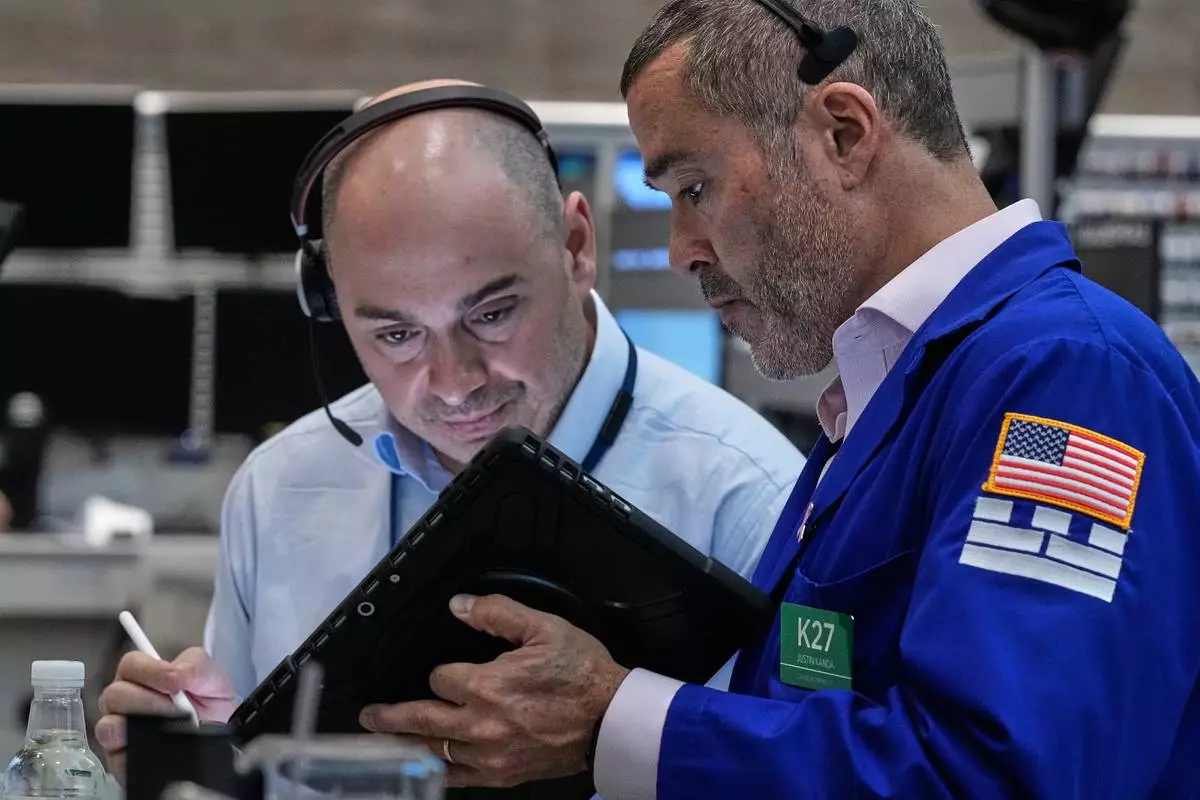
FILE - Options traders Ilya Bosinzon, left, and Justin Kanda work on the floor of the New York Stock Exchange, Wednesday, June 3, 2026. (AP Photo/Richard Drew, File)

Dillard University students participate in a "March to the Polls" event on campus on Election Day Tuesday, Nov. 3, 2026, in New Orleans. (AP Photo/Gerald Herbert)
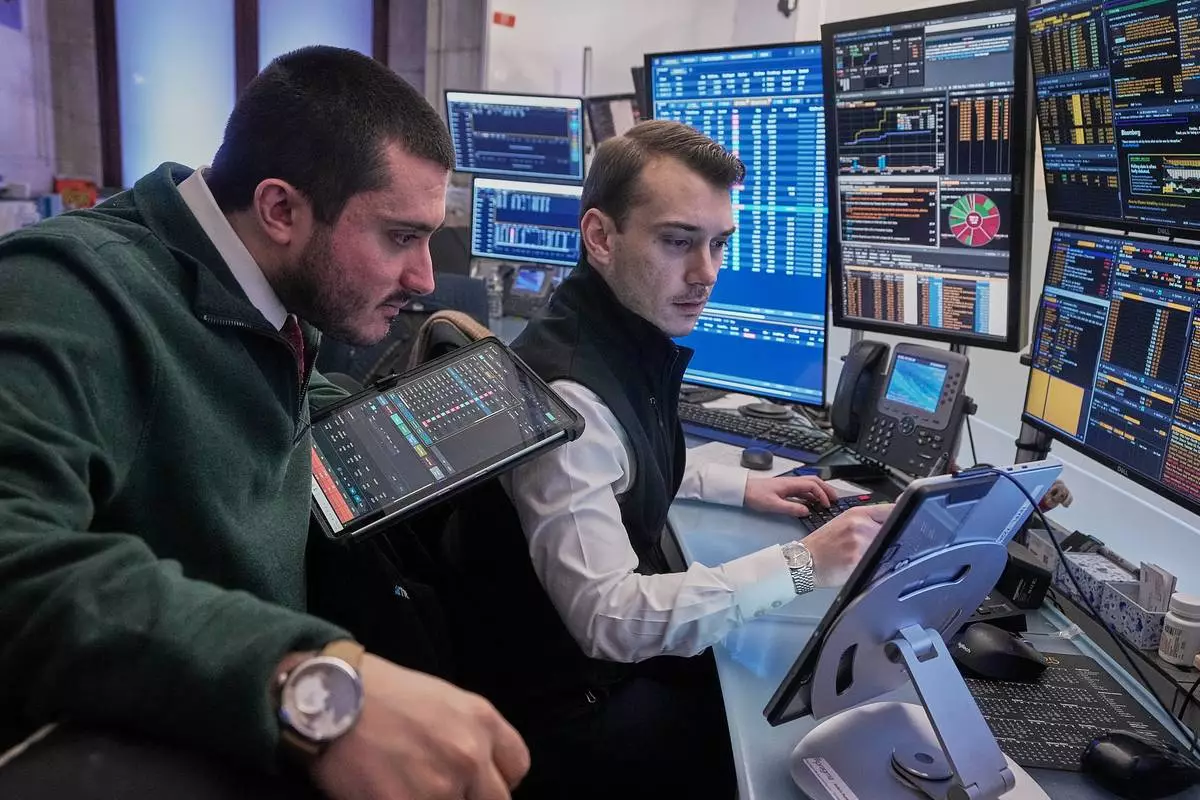
FILE - Traders Drew Cohen, left, and Dylan Halvorsan work on the floor of the New York Stock Exchange, Monday, Jan. 26, 2026. (AP Photo/Richard Drew, File)

Poll workers sit as people vote in the Queens borough of New York on Election Day, Tuesday, Nov. 3, 2026. (AP Photo/Heather Khalifa)
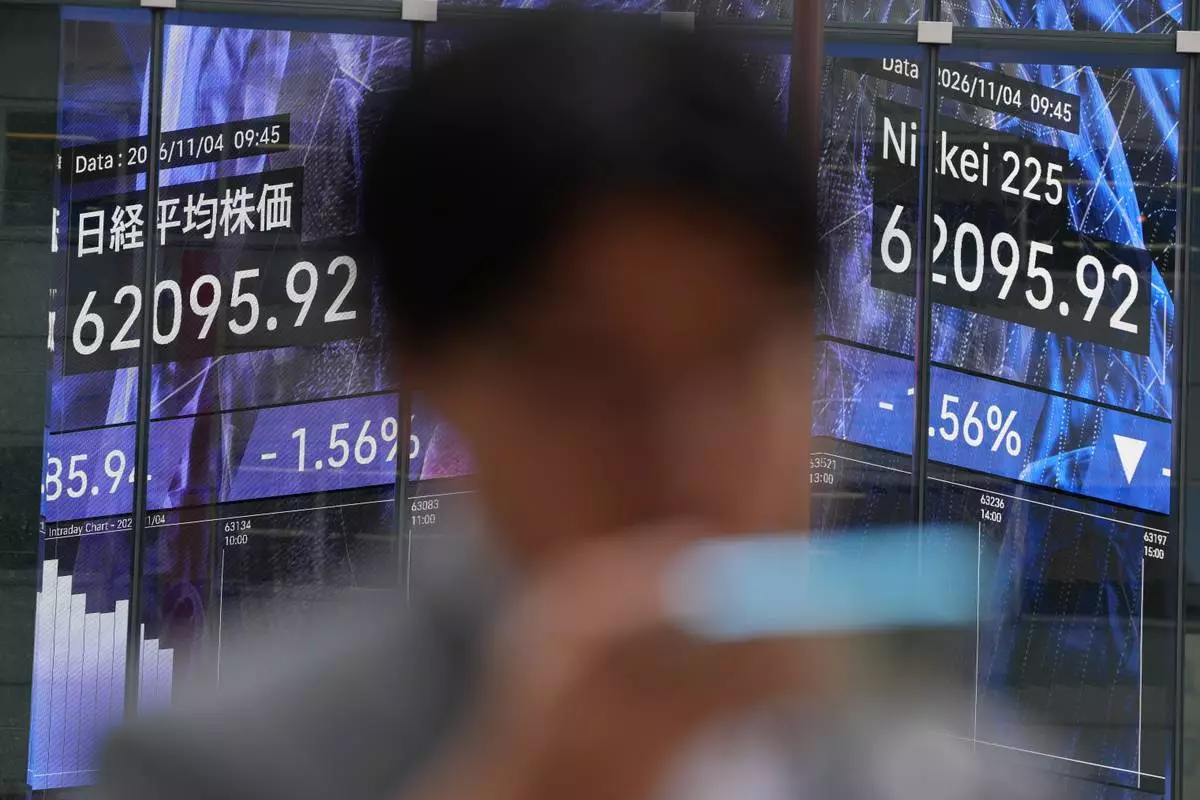
A person walks near an electronic stock board showing Japan's Nikkei index at a securities firm Wednesday, Nov. 4, 2026, in Tokyo. (AP Photo/Eugene Hoshiko)
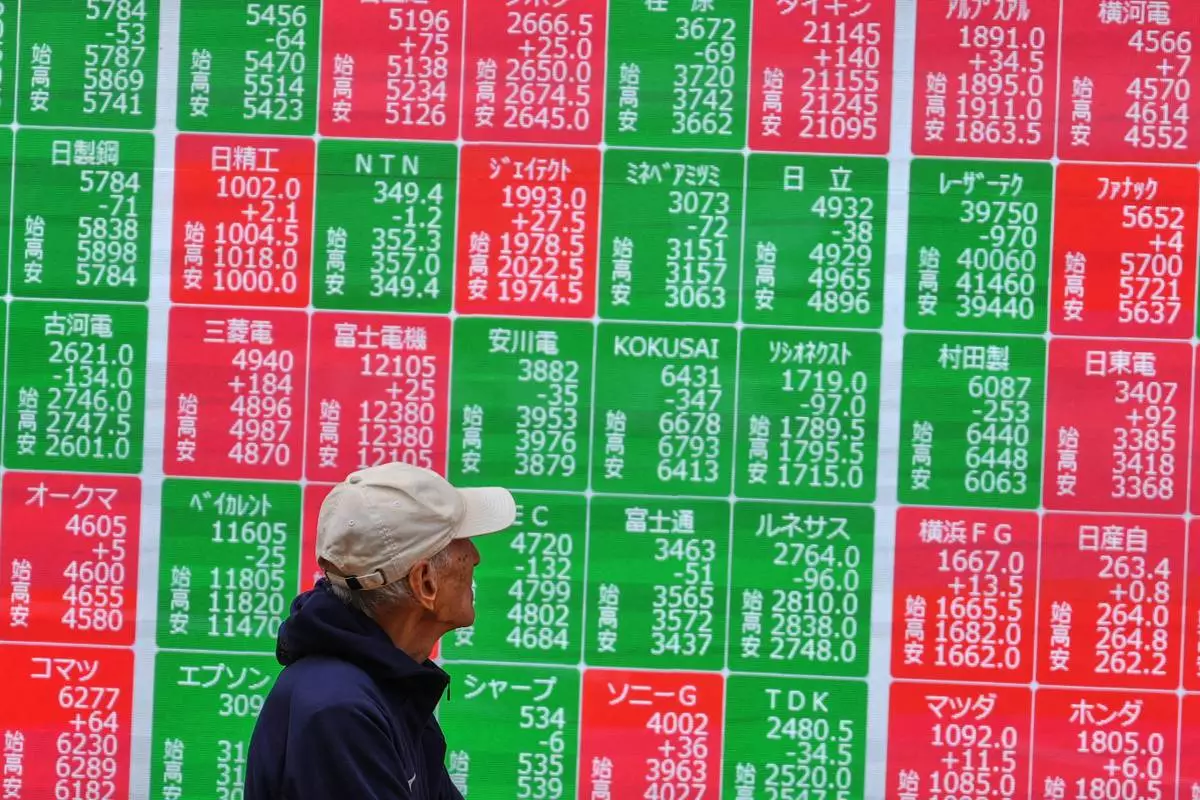
A person looks at an electronic stock board showing Japan's stock prices at a securities firm Wednesday, Nov. 4, 2026, in Tokyo. (AP Photo/Eugene Hoshiko)
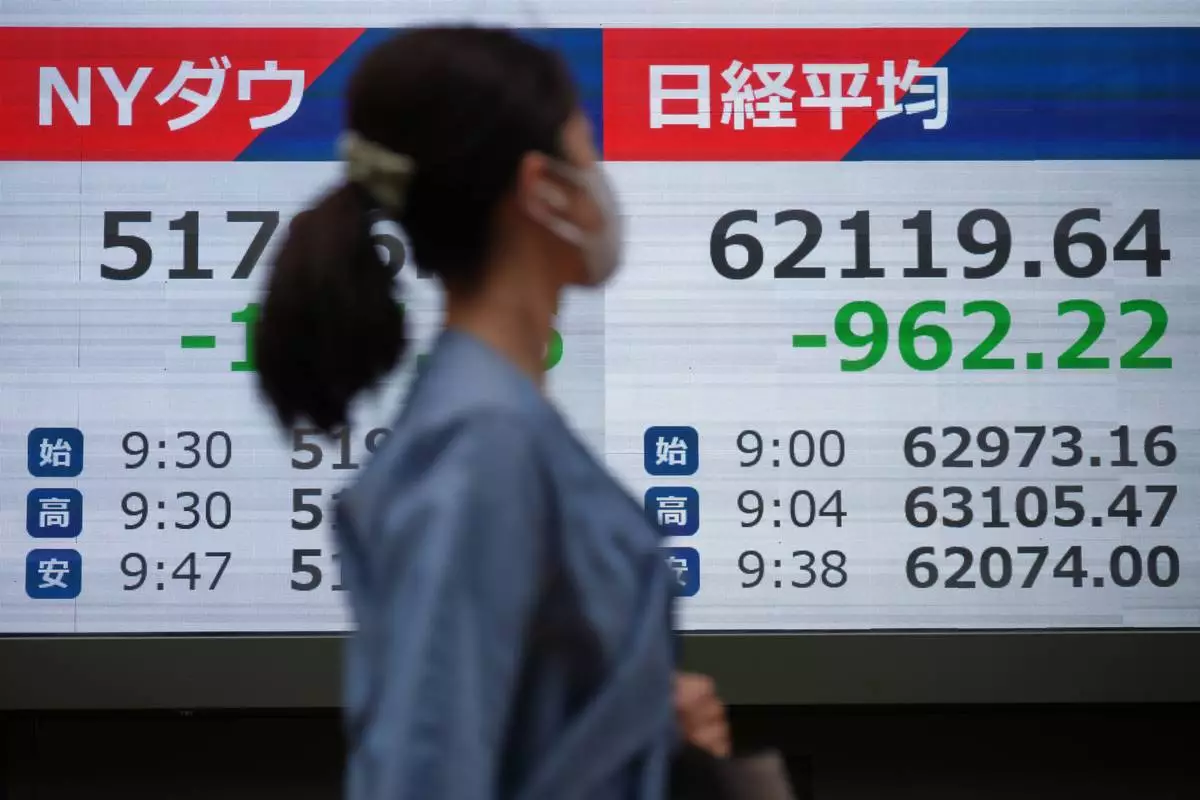
A person walks past at an electronic stock board showing Japan's Nikkei, right, and New York Dow indexes at a securities firm Wednesday, Nov. 4, 2026, in Tokyo. (AP Photo/Eugene Hoshiko)
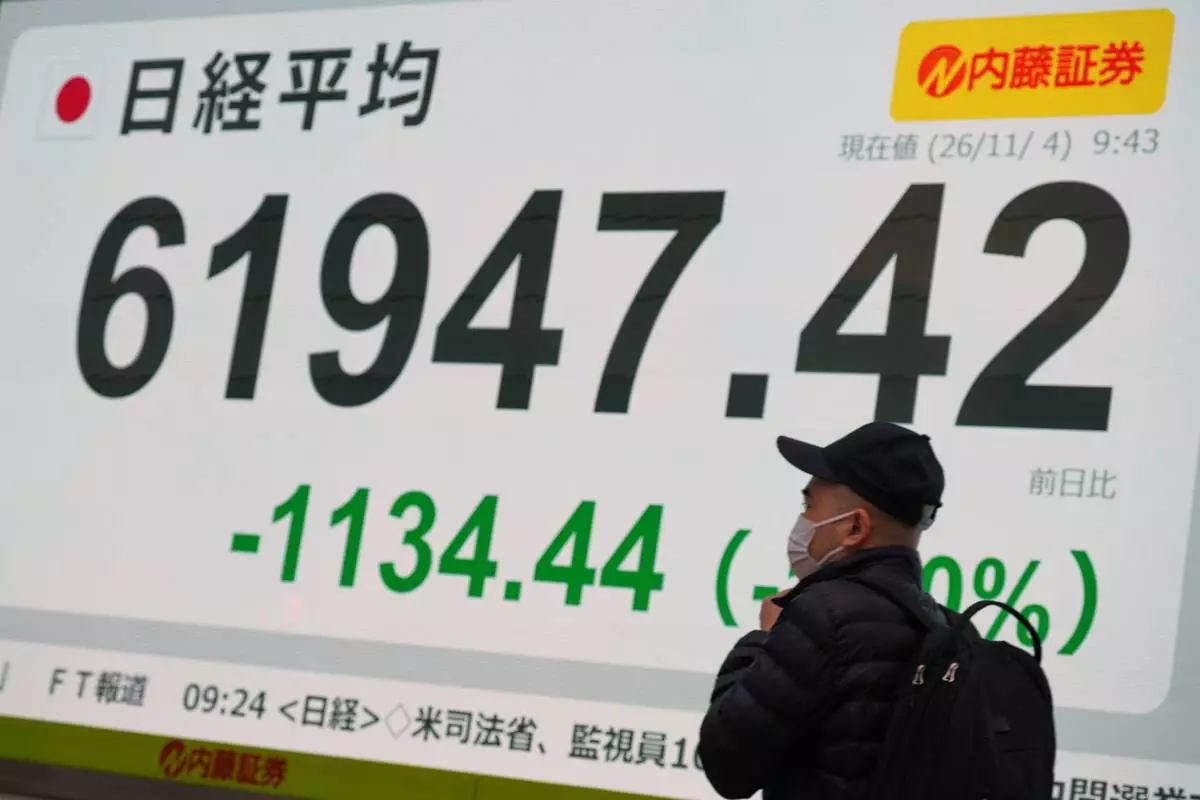
A person walks in front of an electronic stock board showing Japan's Nikkei index at a securities firm Wednesday, Nov. 4, 2026, in Tokyo. (AP Photo/Eugene Hoshiko)
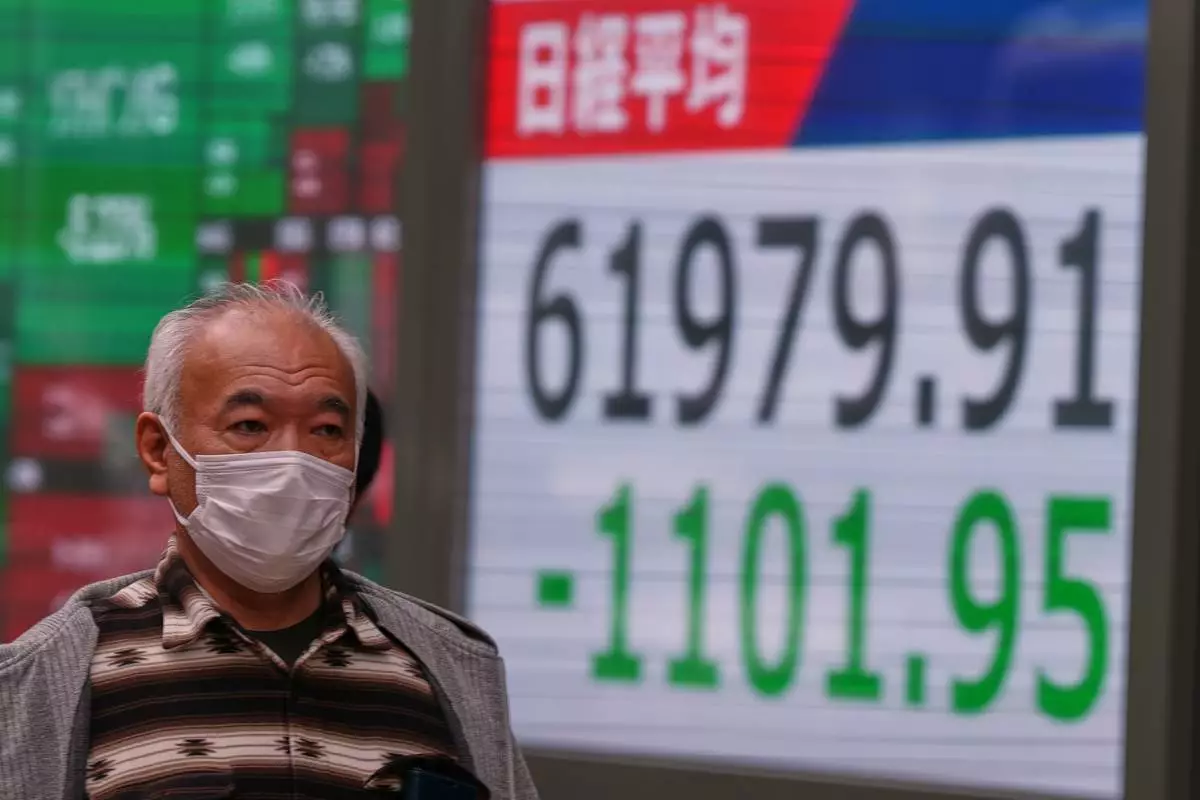
A person walks past an electronic stock board showing Japan's Nikkei index at a securities firm Wednesday, Nov. 4, 2026, in Tokyo. (AP Photo/Eugene Hoshiko)