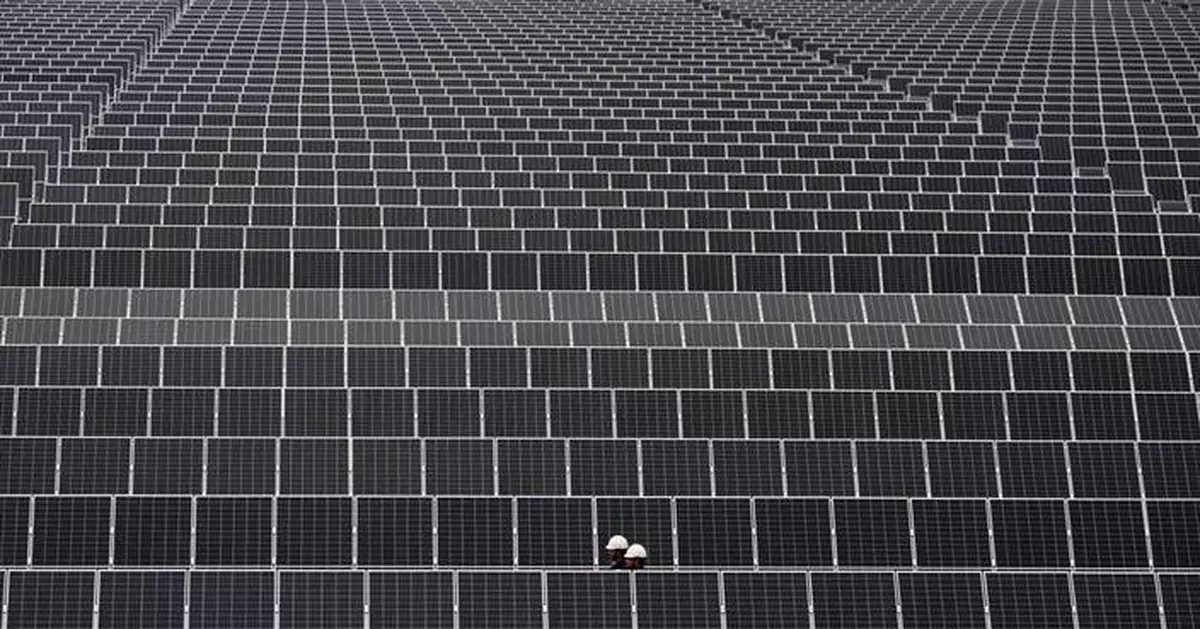
KARAPINAR, Turkey (AP) — Row after row of solar panels stretches across a vast landscape in the central Turkish province of Konya, turning sunlight into electricity — and helping Turkey, the host of the upcoming U.N. climate summit, spotlight its efforts to expand renewable energy.
Still, advocates for robust action on climate change say Turkey's cleaner energy ambitions stand in sharp contrast to its continued reliance on coal.
Click to Gallery
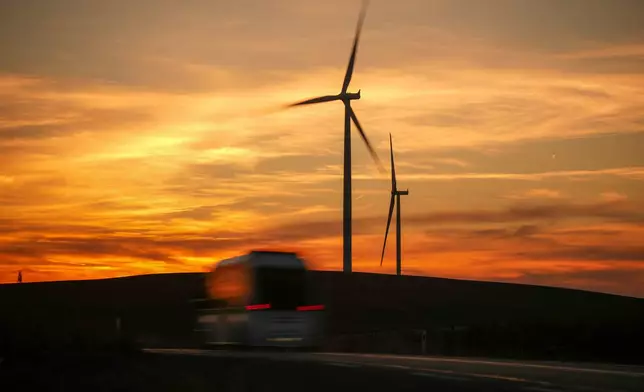
FILE - A vehicle drives past wind turbines in Balabanli, near Tekirdag, northwestern Turkey, Oct. 9, 2026. (AP Photo/Emrah Gurel, File)
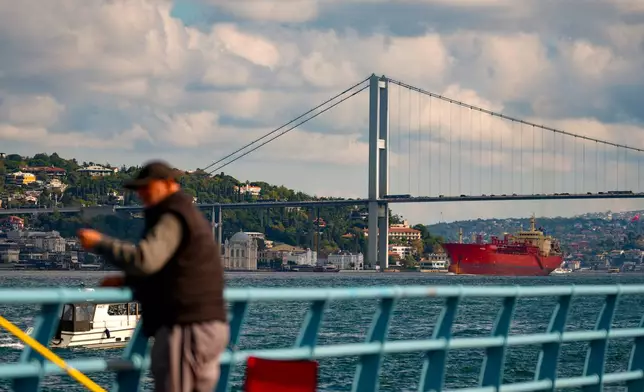
FILE - The liquefied petroleum gas and chemical tanker Bertolle sails toward the Sea of Marmara in Istanbul, Turkey, Oct. 7, 2026. (AP Photo/Emrah Gurel, File)

FILE - Waiters stand to invite passersby to a restaurant as water is sprayed to cool the area on a hot day in Istanbul, Turkey, June 11, 2026. (AP Photo/Francisco Seco, File)
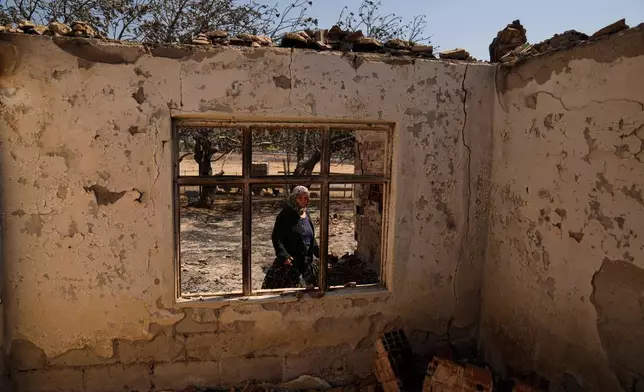
FILE - Local farmer Turkan Ozkan, 64, walks next to her destroyed house on a fire in Guzelyeli, on the outskirts of Canakkale, northwest Turkey, Aug. 12, 2025. (AP Photo/Khalil Hamra, File)
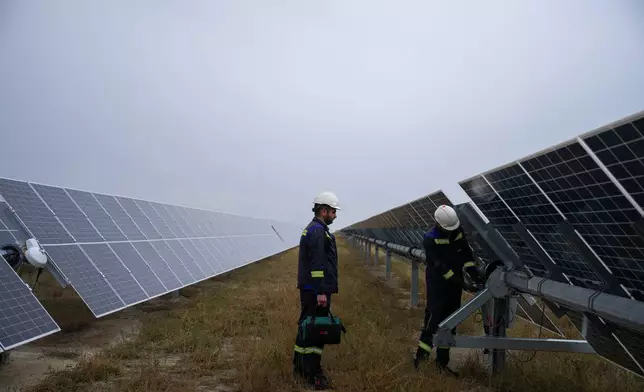
FILE - Workers inspect panels at Kalyon Karapinar solar power plant in Karapinar, Konya province, Turkey, Oct. 14, 2026. (AP Photo/Emrah Gurel, File)

FILE - Passengers walk beneath a sign for the upcoming COP31 U.N. Climate Summit at the Istanbul Airport in Istanbul, Turkey, Oct. 8, 2026. (AP Photo/Emrah Gurel, File)
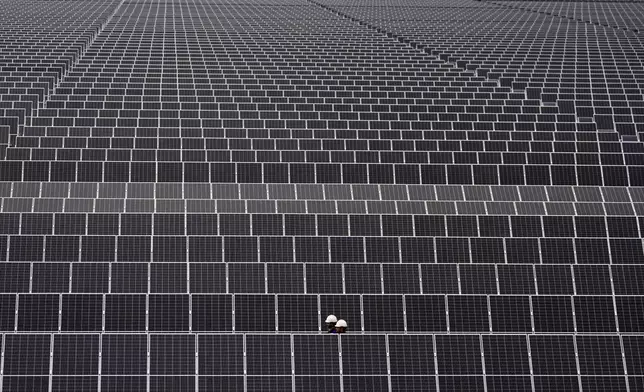
FILE - Workers walk at Kalyon Karapinar solar power plant in Karapinar, Konya province, Turkey, Oct. 14, 2026. (AP Photo/Emrah Gurel, File)
Campaigners also argue the country lacks concrete plans to transition away from fossil fuels such as oil, gas and coal, which when burned release greenhouse gases that heat the planet.
Turkey’s Energy Ministry says coal remained the country’s largest source of electricity last year, accounting for 33% of generation. But it stressed that the share of solar and wind in electricity generation stood at nearly 23%.
The town of Karapinar in Konya is home to the Kalyon Karapınar YEKA-1 Solar Power Plant, which boasts more than 3 million solar panels perched on a terrain equivalent to the size of 2,600 soccer fields.
Operational since 2023, it generates enough electricity each year to meet about 0.7% of the country’s power demand, according to plant director Burak Dogru.
“We prevent approximately 1.75 million metric tons of carbon emissions every year,” Dogru told The Associated Press — evidence, he says, of how Turkey has been directing its economy and energy sector toward cleaner energy sources.
Turkey’s total greenhouse gas emissions in 2024, the last year for which data is available, reached 584.5 million metric tons of CO2 equivalent, according to the Turkish Statistical Institute.
Duygu Kutluay, a campaigner with the Beyond Fossil Fuels advocacy group, said Turkey has made plans for a major push in renewable energy.
“But these plans contain neither a roadmap for a coal phase-out, nor any planning for a phase-out of other fossil fuels, including gas,” Kutluay cautioned, adding that this is "not compatible” with Turkey's pledge to reach net-zero emissions by 2053.
Turkey is also looking to nuclear power to reduce its energy dependence. The country’s first plant is under construction on the Mediterranean coast, with plans for additional reactors still under consideration.
Some 265 kilometers (165 miles) away from Konya, the Nov. 9-20 summit in the Mediterranean city of Antalya will bring together tens of thousands of delegates, world leaders, business and civil society representatives for discussions on implementing climate goals.
The summit — officially, the Conference of the Parties, or COP31 — comes against a backdrop of deepening concerns over energy security and the Iran war, which has led to a rise in gas and oil prices and sent countries scrambling to meet energy needs.
Many experts have recently argued that a key mission — combating climate change by reducing greenhouse gas emissions — has been failing.
The United States, the world’s richest nation and second-biggest carbon polluter after China, will again be absent from the summit, after U.S. President Donald Trump withdrew the U.S. from global climate negotiations.
And the last two summits have ended with little agreement on how to reduce emissions, the final texts not even mentioning fossil fuels.
Turkey’s environment and climate change minister, Murat Kurum, who will preside over the summit, has said he wants COP31 to focus on turning climate commitments into action rather than new targets.
To that aim, Turkey will push a “climate implementation bridge,” an initiative to help countries turn climate pledges into action by connecting them with financing, technology and other support.
“Today, the world is not merely waiting for new decisions," Kurum said while presenting summit priorities earlier this year. "What the world wants is to see past decisions put into practice.”
Turkish President Recep Tayyip Erdogan has insisted his country is committed to environmental protection and combating climate change, and first lady Emine Erdogan has championed a “zero waste” campaign to encourage recycling and a more responsible use of resources.
COP31 will also prioritize electrification and reduction of waste and methane emissions, Kurum has said.
However, the Climate Action Tracker, which measures countries’ progress against goals of the 2015 Paris Agreement, has described Turkey’s climate targets and policies as “critically insufficient.”
The agreement set a target of limiting global temperature rise to 1.5 degrees Celsius (2.7 degrees Fahrenheit) compared to the early 1800s, directing countries to develop policies that would help meet that goal.
Meanwhile, human rights groups accuse Ankara of dismissing environmental concerns and frequently arresting activists.
Earlier this year, a court annulled an environmental impact assessment for a planned expansion of a coal-fired power plant at Afsin-Elbistan in southeastern Turkey. The ruling was hailed by environmentalists as a major victory.
But shortly afterward, plans emerged to expand another coal-fired power plant in Canakkale, in the country's northwest.
Like other Mediterranean nations, Turkey faces mounting risks from heat waves, drought, water scarcity, wildfires and flooding. Last month, rains described as the heaviest in more than 80 years caused severe floods in Istanbul, Turkey’s largest city, and left eight people dead.
Turkey was announced as the host of COP31 following a tug-of-war with Australia, which also wanted to host the summit. As a compromise, Australia has been leading consultations to help set the summit's agenda and will be in charge of summit discussions.
Climate advocates have slammed the summit for being awarded to coal-reliant Turkey; coal-exporter Australia has also come under criticism.
But U.N. Climate Change Executive Secretary Simon Stiell defended the choice, saying in February that a COP host country’s status on fossil fuels does not determine the success or failure of a summit.
With “Turkey and Australia leading this process, there is every opportunity to deliver a very strong outcome," he said.
Fraser reported from Ankara, Turkey. Associated Press journalists Serra Yedikardes in Trabzon, Turkey, and Ayse Wieting in Istanbul contributed to this report.
The Associated Press’ climate and environmental coverage receives financial support from multiple private foundations. AP is solely responsible for all content. Find AP’s standards for working with philanthropies, a list of supporters and funded coverage areas at AP.org.
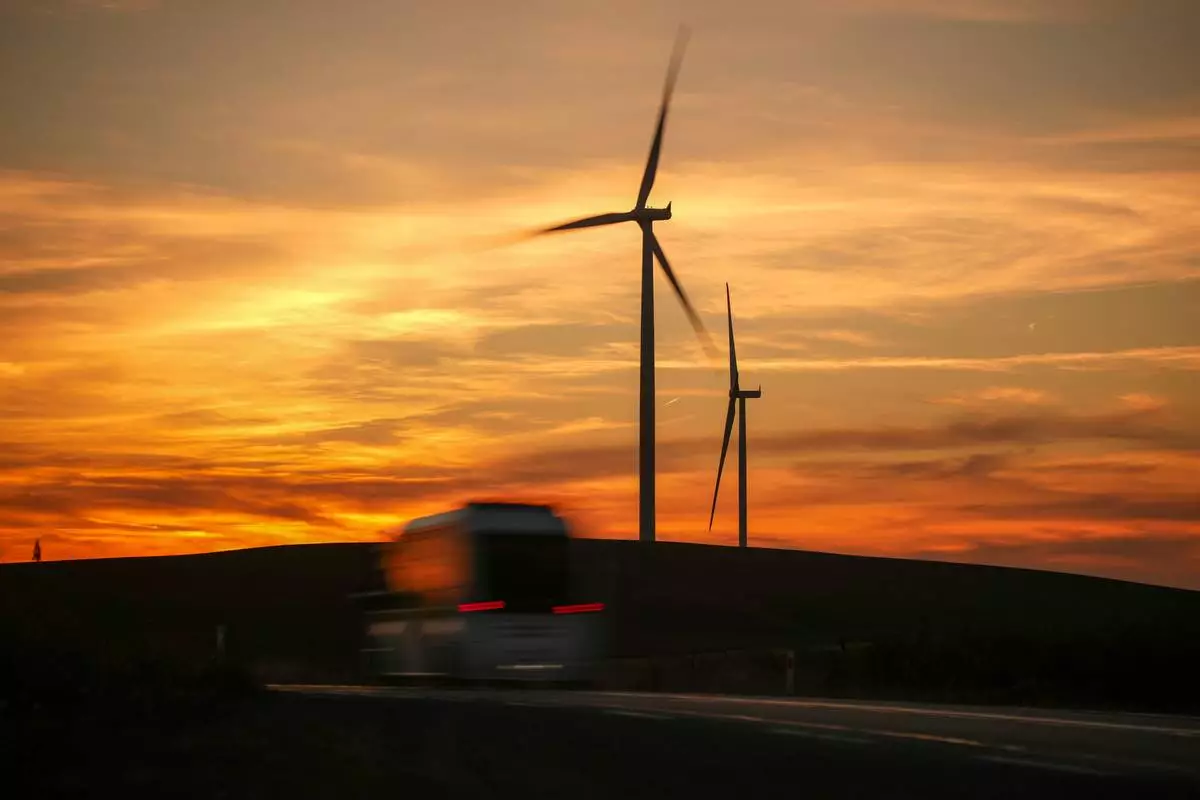
FILE - A vehicle drives past wind turbines in Balabanli, near Tekirdag, northwestern Turkey, Oct. 9, 2026. (AP Photo/Emrah Gurel, File)
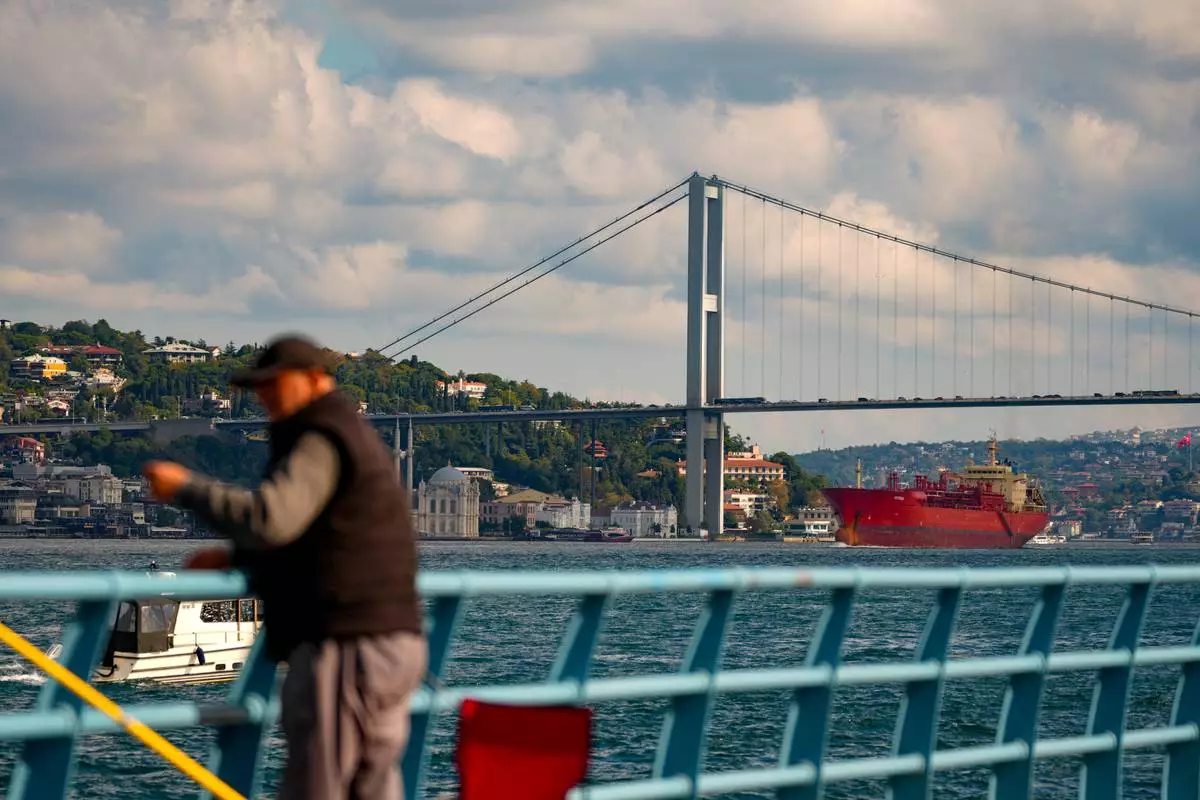
FILE - The liquefied petroleum gas and chemical tanker Bertolle sails toward the Sea of Marmara in Istanbul, Turkey, Oct. 7, 2026. (AP Photo/Emrah Gurel, File)

FILE - Waiters stand to invite passersby to a restaurant as water is sprayed to cool the area on a hot day in Istanbul, Turkey, June 11, 2026. (AP Photo/Francisco Seco, File)
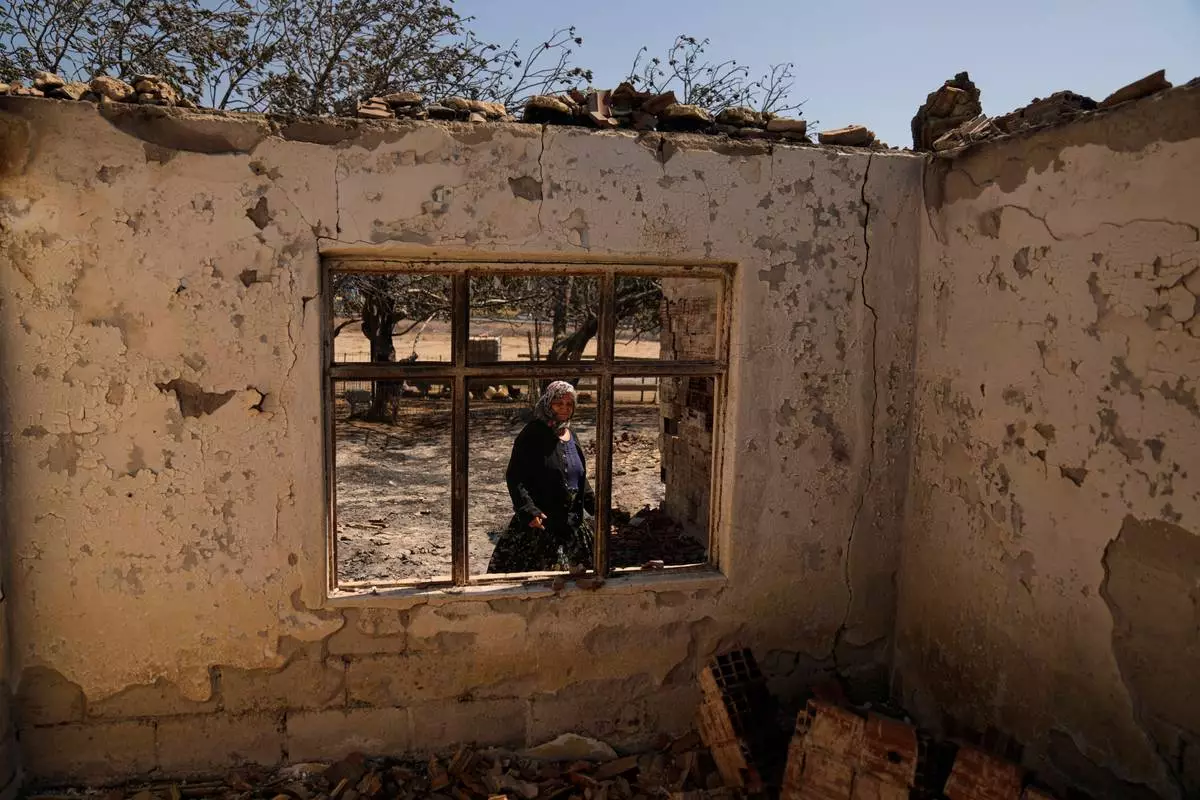
FILE - Local farmer Turkan Ozkan, 64, walks next to her destroyed house on a fire in Guzelyeli, on the outskirts of Canakkale, northwest Turkey, Aug. 12, 2025. (AP Photo/Khalil Hamra, File)
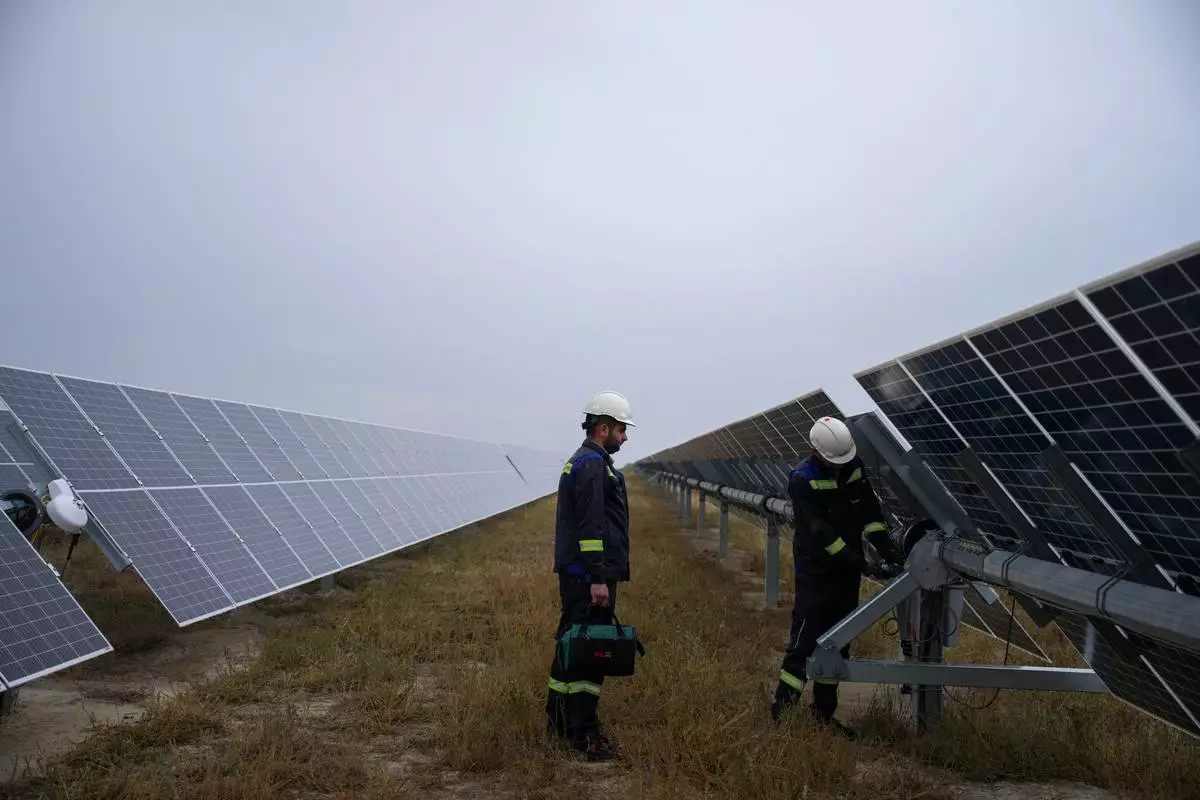
FILE - Workers inspect panels at Kalyon Karapinar solar power plant in Karapinar, Konya province, Turkey, Oct. 14, 2026. (AP Photo/Emrah Gurel, File)

FILE - Passengers walk beneath a sign for the upcoming COP31 U.N. Climate Summit at the Istanbul Airport in Istanbul, Turkey, Oct. 8, 2026. (AP Photo/Emrah Gurel, File)
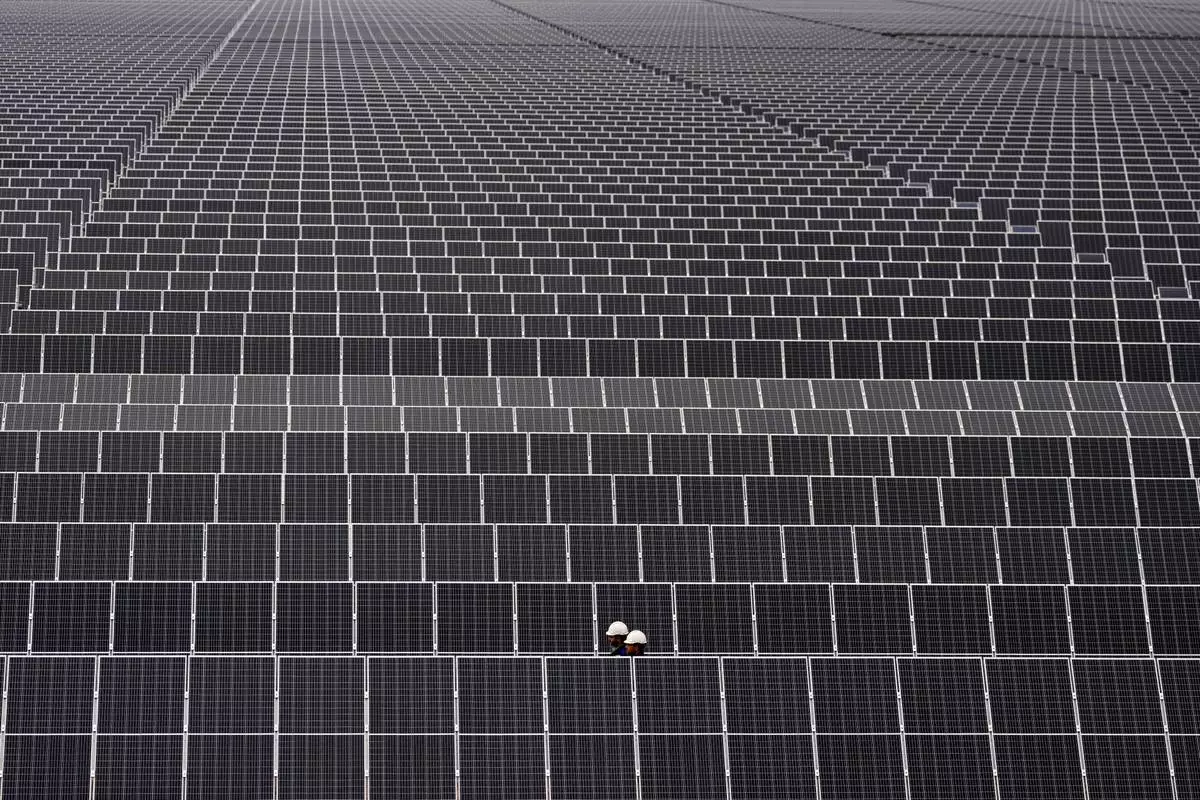
FILE - Workers walk at Kalyon Karapinar solar power plant in Karapinar, Konya province, Turkey, Oct. 14, 2026. (AP Photo/Emrah Gurel, File)