Alaskans are awaiting more results from key races on the general election ballot, including a bitterly fought U.S. Senate campaign and an open seat for governor. A ballot measure seeking to repeal Alaska’s unique system of open primaries and ranked vote general elections was also too early to call.
The midterm election blowout has ushered in a new era in Washington, with Democrats eager to meet voter demands for change as Republicans watched their congressional majorities evaporate in a revolt against President Donald Trump’s policies. Democrats triumphed in several surprise upsets, marking a decisive rejection of unified GOP control of the House and Senate. See the full election results.
Trump acknowledged the Iran war affected the midterms, suggesting voters were frustrated by surging gas prices that have been a byproduct of the more than 8-month-old conflict. He struck a conciliatory tone earlier, suggesting he could work with the Democrats, only to later threaten to use his veto power to strike down their agenda.
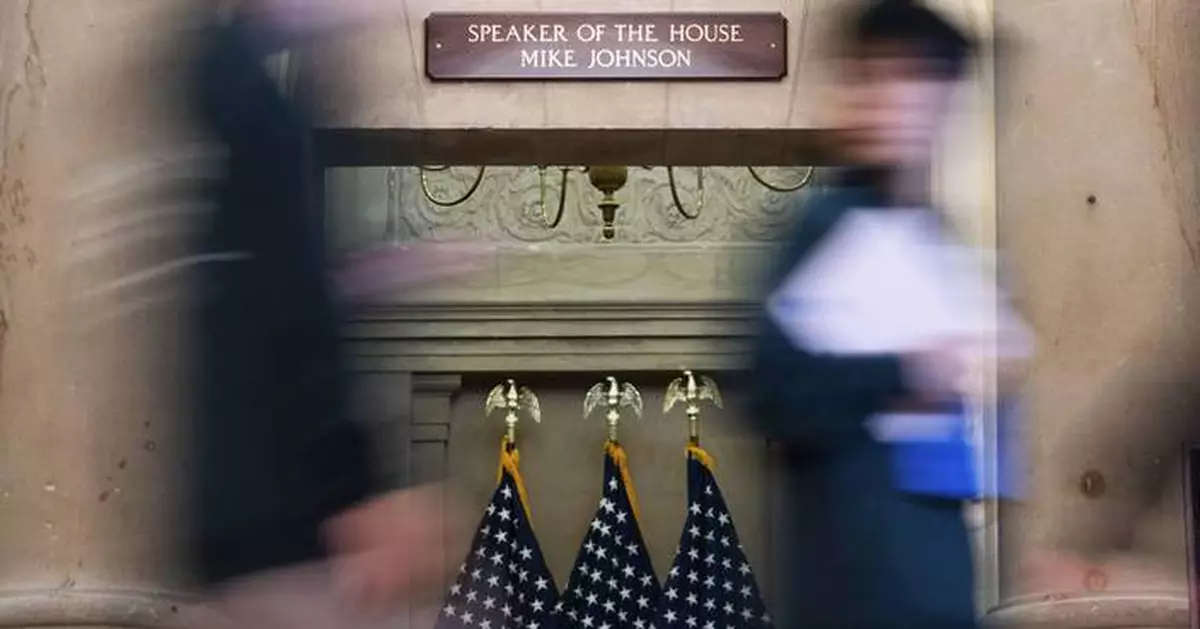
The fallout for Republicans is only beginning. Vice President JD Vance, a 2028 presidential contender, blamed the war in Iran for Republicans’ midterm wipeout. And Mike Johnson of Louisiana will not seek reelection as House speaker, according to two people familiar with the matter.
Here's the latest:
Texas will send 14 Democrats to the U.S. House, a net gain of one seat that squashed Republicans’ hopes of gaining five seats through redistricting. Each congressional district voted more Democratic than its estimated 2024 presidential margin under the new boundaries, with shifts of more than 30 percentage points in the 9th, 15th and 28th Districts.
Curtis Hertel, chair of the state’s Democratic Party, said narratives about divisions among voters were false and that consistent messaging about affordability contributed to a “blue tsunami.”
“I don’t know how you could watch the election results and say that there are rifts,” Hertel told reporters during a virtual news conference.
Michigan Democratic Sen.-elect Abdul El-Sayed’s race was widely seen as a referendum on whether a progressive candidate could win a national seat. His campaign was driven in part by dissatisfaction with the political establishment.
Hertel said Democratic candidates in Michigan don’t have to be “one size fits all.”
“The difference for people is not which part of the party you come from. The difference is, are you going to fight for my family?” Hertel said.
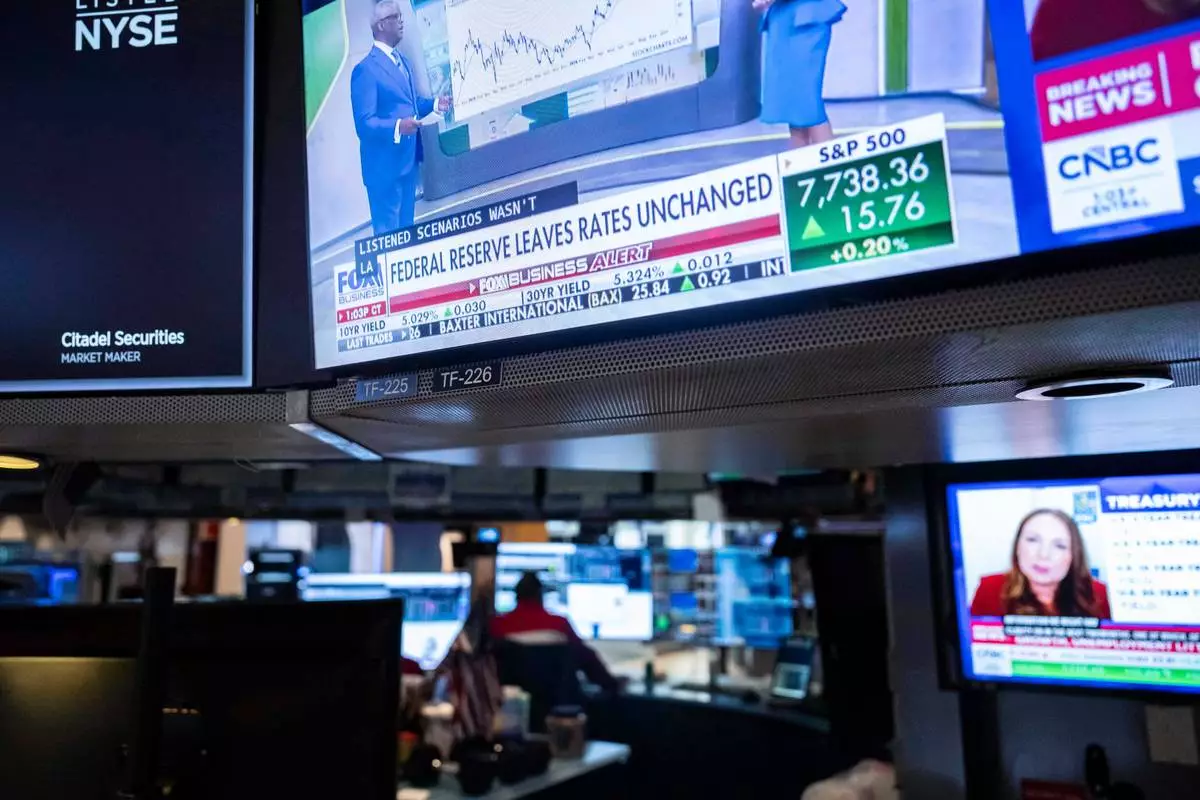
More drops for AI chip stocks are dragging the U.S. market lower, even as much of Wall Street rises following strong profit reports from AppLovin, Tapestry and other companies.
The S&P 500 fell 1.8% Thursday and erased all of its gain from the prior day, which was its best in three months.
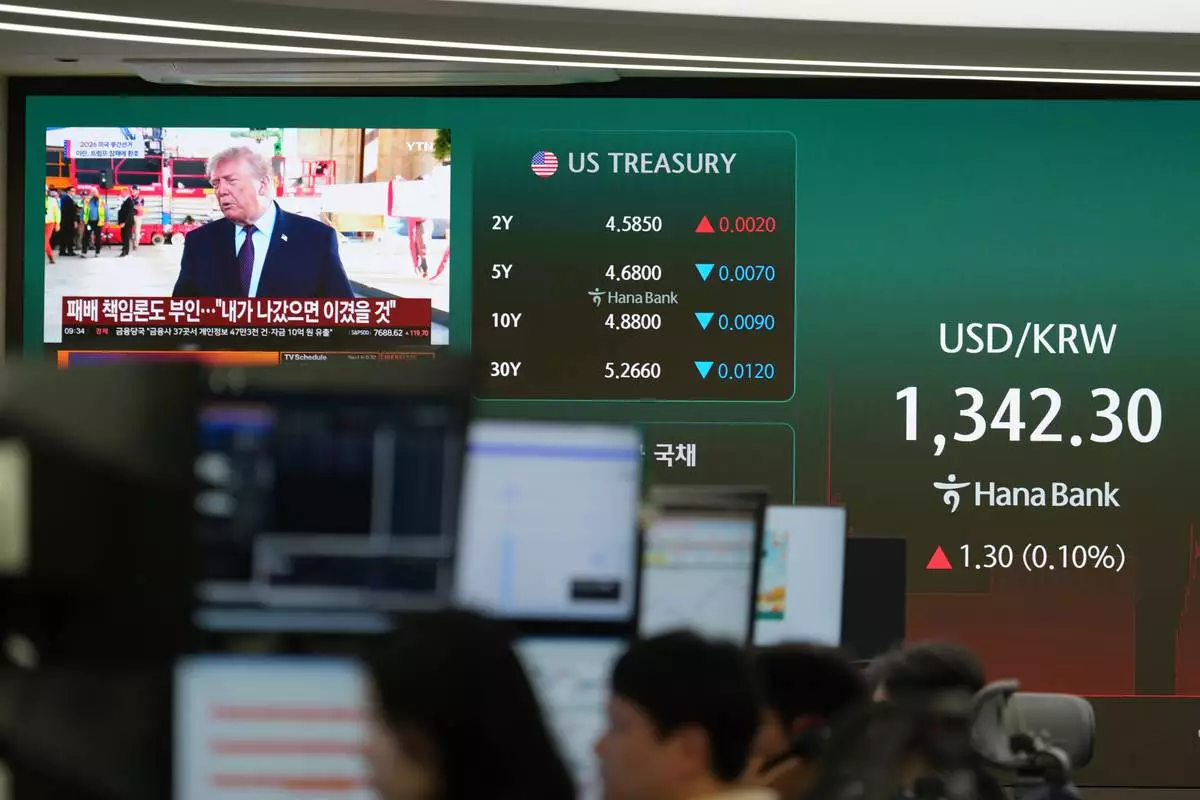
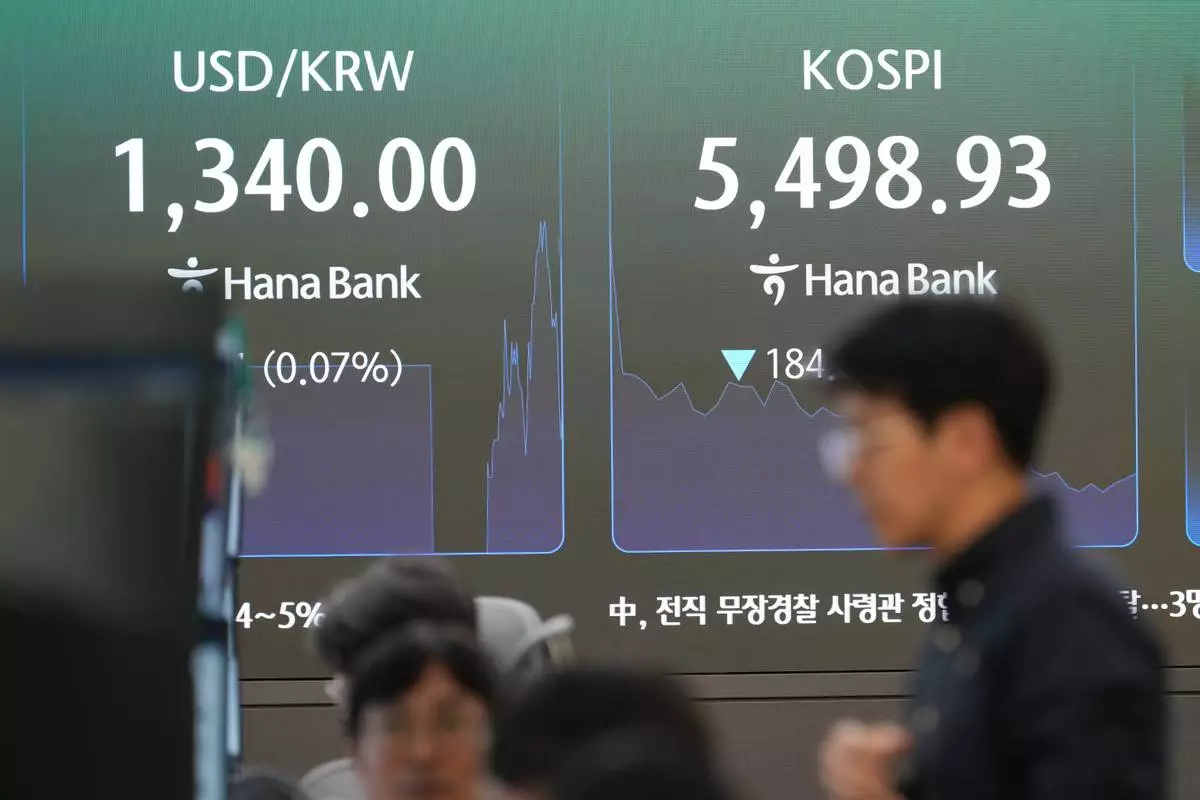
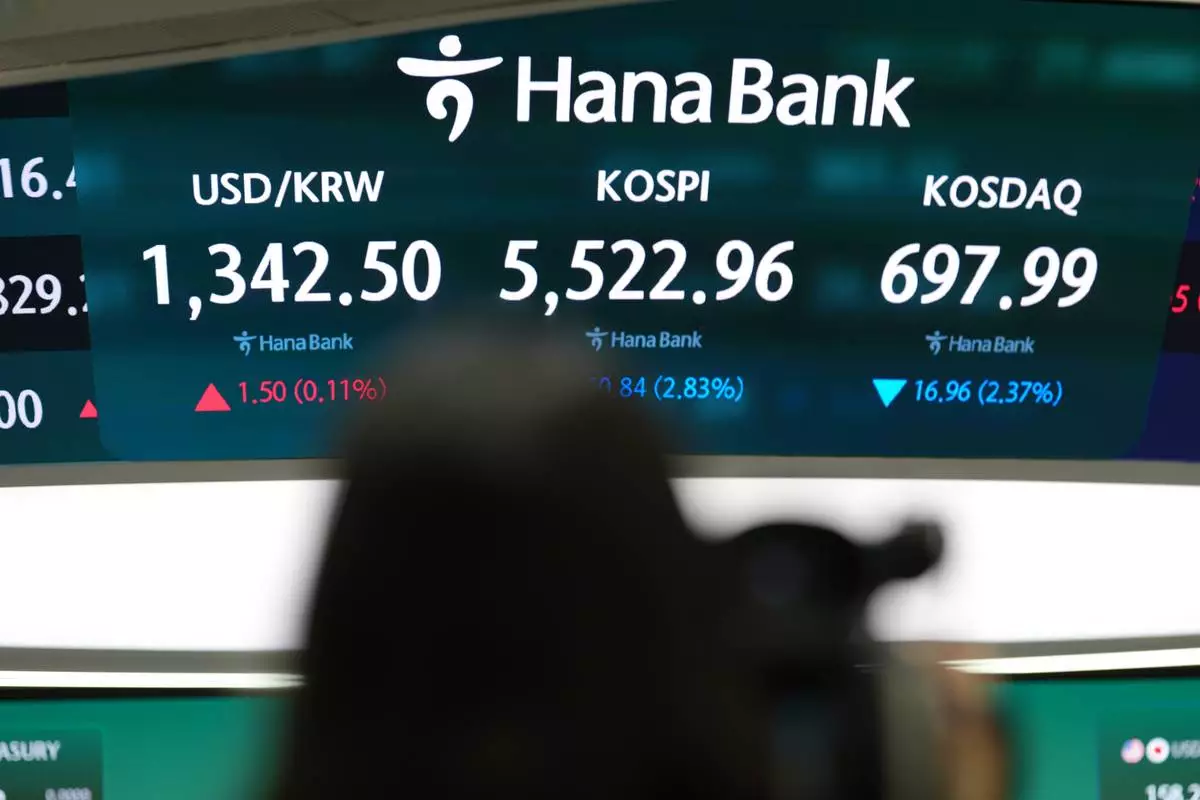
The Dow Jones Industrial Average dropped 403 points, and the Nasdaq composite fell 3%. AI-related stocks worldwide felt pressure from worries that Tuesday’s U.S. midterm elections could mean moratoriums for data centers in some areas, and South Korea’s Kospi index tumbled 5.3%.
In other markets, though, the initial knee-jerk reaction to the midterms faded. Oil prices recovered some of their sharp slides.
The Bank of England indicated Thursday that the sharp decline in energy prices after the U.S. midterm elections — if sustained — could limit the prospect of further interest rate hikes in the coming months.
After raising its main interest rate for the first time in more than three years to 4% from 3.75%, the bank said the outlook for U.K. borrowing costs largely hinges on what happens with the Iran war.
The heavy losses suffered by the Republican Party in the midterm elections have been followed by a sharp drop in energy prices. Many believe it’s now less likely Trump will launch fresh strikes on Iran, with Democrats gaining control of Congress early next year after their big wins this week. Many Republicans, including Vice President JD Vance on Wednesday, blamed the war for the party’s poor performance at the ballot box.
▶ Read more
After President Donald Trump said he would accept the results of his party’s midterm rout, many of his loyalists followed suit even though they, too, are always a hair trigger away from branding a losing election rigged.
Across the country, great numbers of defeated Republican candidates conceded, congratulated their Democratic opponents in moments of grace and bowed to their fate.
Misinformation experts have multiple theories about why election denial claims have not spread as widely this time. One is the scale of the Democrats’ success.
People see “a lot of enthusiasm on the left,” said Jen Golbeck, a professor at the University of Maryland who studies conspiracy theories. “They see all of these races moving that way across the country in places that you never would have expected.” And it’s “really hard to say every single place cheated.”
It’s also possible Trump’s acceptance of the results set the tone for others.
▶ Read more
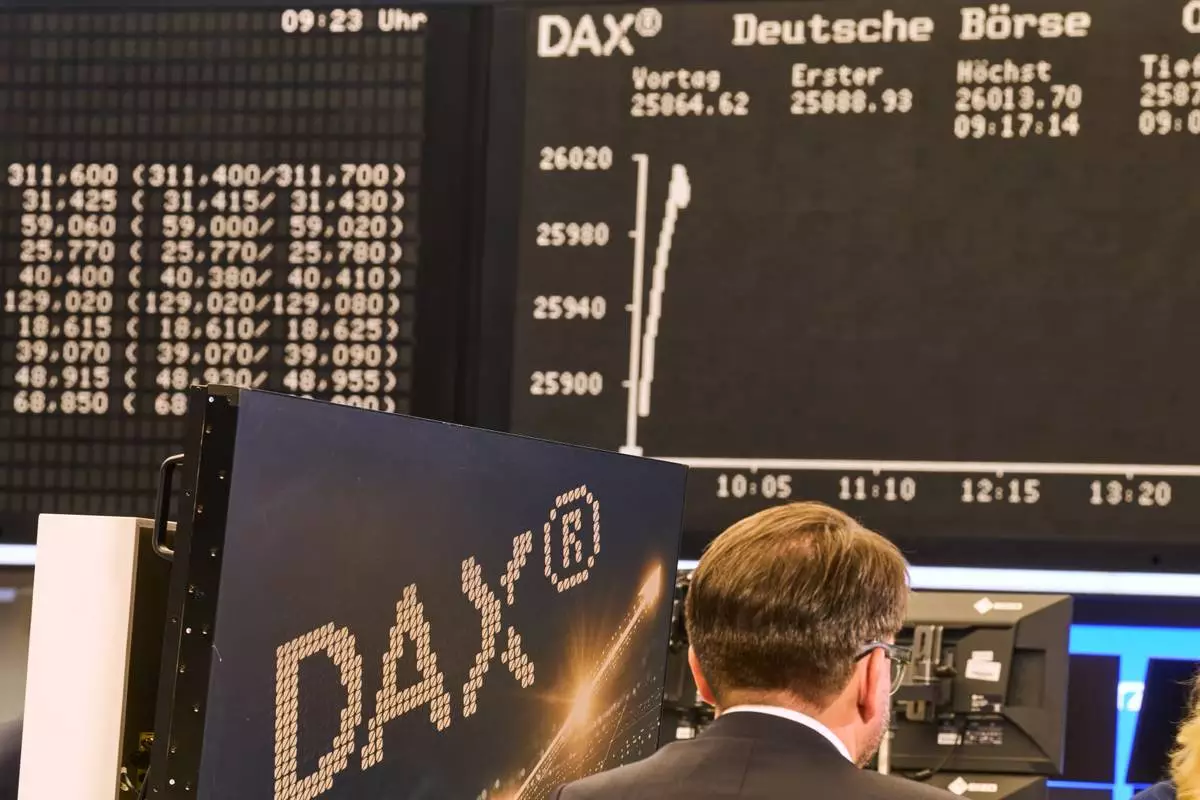
World shares were mostly higher Thursday, though heavy selling of artificial intelligence-related stocks offset gains for some markets following the U.S. midterm elections.
South Korea’s Kospi sank more than 5% and the Nikkei 225 in Tokyo lost nearly 2%. Oil prices were mixed after the Dow Jones Industrial Average jumped more than 3% on Wednesday after Republicans lost control of the U.S. Congress.
In early European trading, the German DAX rose 0.6% to 26,598.03, while the CAC 40 in Paris surged 1.2% to 8,276.55. The United Kingdom’s FTSE 100 gained 1% to 10,935.08.
The future for the S&P 500 was nearly unchanged, while that for the Dow Jones Industrial Average was up 0.4%. On Wednesday, the S&P 500 jumped 1.6%. The Dow Jones Industrial Average surged more than 1,500 points, and the Nasdaq composite rose 1.4%.
U.S. stocks usually climb following midterms. But technology shares have taken a hit as investors mull the potential impact on the artificial intelligence boom from a Democratic-led Congress next year.
▶ Read more
Corruption topped the list of concerns for voters who ousted Republicans and handed Democrats control of Congress in the midterm elections. Now, the newly empowered Democratic Party is putting the issue front and center as its leaders chart their course for investigations and policymaking.
Senior Democrats in both chambers of Congress have vowed to marshal the subpoena powers and larger investigative staffs that come with their soon-to-be majorities to probe what they say is the self-enrichment that President Donald Trump and people in his orbit have done at the public’s expense. The Republican president and his White House have long denied any wrongdoing.
House Democrats are preparing a vast oversight agenda to look at how Trump and his family have become wealthier since he returned to office — and Democratic leader Hakeem Jeffries of New York, who’s in line to become House speaker, has not ruled out trying to impeach Trump for a third time.
▶ Read more
Campaigning across Michigan, Abdul El-Sayed didn’t highlight the possibility that he could become the first Muslim elected to the U.S. Senate. But with victory in hand, he savored his triumph over the vitriol aimed at him and his fellow Muslim Americans.
“They tried to demonize people because of how they pray,” he told The Associated Press on Wednesday. “And Michigan — the whole Michigan — clapped back. People don’t want that. They’re sick of it.”
Twenty-five years after the Sept. 11 attacks and their aftermath yanked anti-Muslim sentiment into the forefront of American life, those emotions are shared by many Muslim Americans.
They saw a surge of anti-Muslim rhetoric after Zohran Mamdani was elected New York City mayor, and they saw the attacks intensify as El-Sayed became the new prime target. But after El-Sayed’s defeat of GOP rival Mike Rogers, there is a pervasive sense that a broader victory is at hand.
▶ Read more
Trump was publicly humbled by inflation in Tuesday’s midterm elections, as rising prices provoked a blistering set of losses for Republicans in House, Senate and gubernatorial races.
Most voters said that Trump’s own policies had smothered growth and driven costs even higher, according to The AP Voter Poll, a survey of roughly 100,000 midterm voters. The president’s message that the fault lay with his predecessor, Democrat Joe Biden, didn’t land. Americans saw prices start to climb with Trump’s chaotic rash of tariffs last year, and energy costs spiked after he launched a war with Iran in February.
About two-thirds of voters said Trump’s own policies had fueled inflation. By contrast, only about half of 2022 midterm voters said this about Biden’s policies, according to AP VoteCast.
The election results matched what voters had been telling pollsters for months, but Trump had campaigned with a decidedly deaf ear.
“I’ve done a great job,” Trump said at one of his final midterm rallies in Iowa.
▶ Read more
At the urging of President Donald Trump, Republicans in eight states redrew the boundaries of dozens of congressional districts over the past year while angling for an edge that could help them hold onto a slim House majority in a tough midterm election.
Ultimately, it didn’t work.
Republicans lost most of the Democratic-held seats they had targeted to flip, lost others they had banked on retaining and got swept out of power by a Democratic surge fueled by voter dissatisfaction with Trump, the economy and the war with Iran.
The Republican redistricting plan fell flat in Alabama, Florida and Texas. It got scuttled by courts in Missouri and then firmly defeated by its voters Tuesday. And it got offset in California, where a retaliatory Democratic redistricting flipped all five of the Republican-held seats it targeted.
“This is a catastrophic rebuke of Donald Trump’s failed effort to gerrymander the country into oblivion to save the U.S. House of Representatives for himself,” John Bisognano, president of the National Democratic Redistricting Committee, said Wednesday.
▶ Read more
The final midterm votes are still being counted, but make no mistake: The next election season has already begun.
Presidential prospects in both parties jockeyed for position on Wednesday, even as the political world was digesting the impact of the Democratic wave that crashed over American politics the night before. Democrats celebrated their party’s stunning success — and began promoting themselves — while dejected Republicans scrambled to distance themselves from Trump’s wreckage.
The Republican with the most at stake was likely Vice President JD Vance, who entered Tuesday night as the GOP’s leading presidential prospect and woke up on Wednesday far more vulnerable — like any Republican who is close to Trump.
Voters still processing an extraordinary midterm campaign may not welcome an immediate pivot to 2028. But for would-be candidates, there is real urgency to move toward a White House bid in what is expected to be a wide-open contest in both parties.
▶ Read more
As he takes stock of his Republican Party’s midterm drubbing, Trump now faces the difficult question of what to do about his unpopular 8-month-old war against Iran.
For weeks, Trump has threatened to return to a full-scale bombardment of Iran once the U.S. elections were in the rearview mirror if Tehran did not come to a settlement under terms acceptable to him.
In his first comments on Wednesday after Democrats’ resounding election victory — a wave powered in part by the American electorate’s dissatisfaction with the war — Trump largely agreed with Vice President JD Vance, who publicly ruminated on the war being a catastrophe for Republicans.
The strikes, and counterstrikes, have caused tens of billions of dollars of damage in the region. And the conflict has reached into the pocketbooks of families around the globe with elevated gas prices and rising costs in just about every sector.
Now, as Trump ponders his next move, the stakes couldn’t be higher for Iran, the Middle East and the global economy writ large.
▶ Read more
Alaskans settled in Wednesday to await more results from key races on the general election ballot, including a bitterly fought U.S. Senate campaign and an open seat for governor.
A ballot measure seeking to repeal Alaska’s unique system of open primaries and ranked vote general elections was also too early to call.
If no candidate wins more than 50% of first-choice votes, rankings will come into play. Alaska accepts ballots from overseas voters for up to 15 days after the election, making Nov. 18 the date targeted by state elections officials to tabulate under the ranked vote system.
The major candidates in the Senate race are two-term Republican Sen. Dan Sullivan and Democratic former Rep. Mary Peltola.
In the governor’s race, former state lawmaker Jonathan Kreiss-Tomkins is trying to become the first Democrat elected to the office in a generation. He faces three other Republicans, including business owner Bernadette Wilson, who was endorsed by President Donald Trump.
▶ Read more
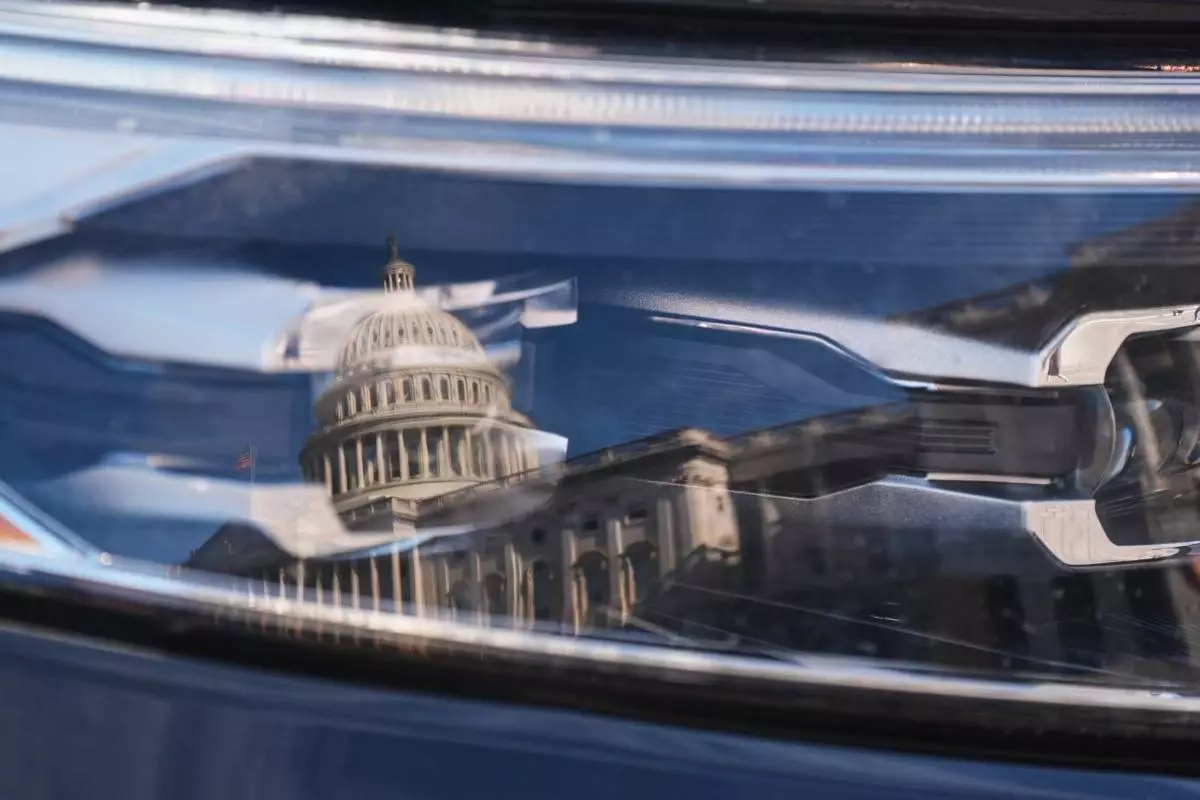
The U.S. Capitol dome is reflected in the body of a parked car, Wednesday Nov. 4, 2026, in Washington. (AP Photo/Mariam Zuhaib)
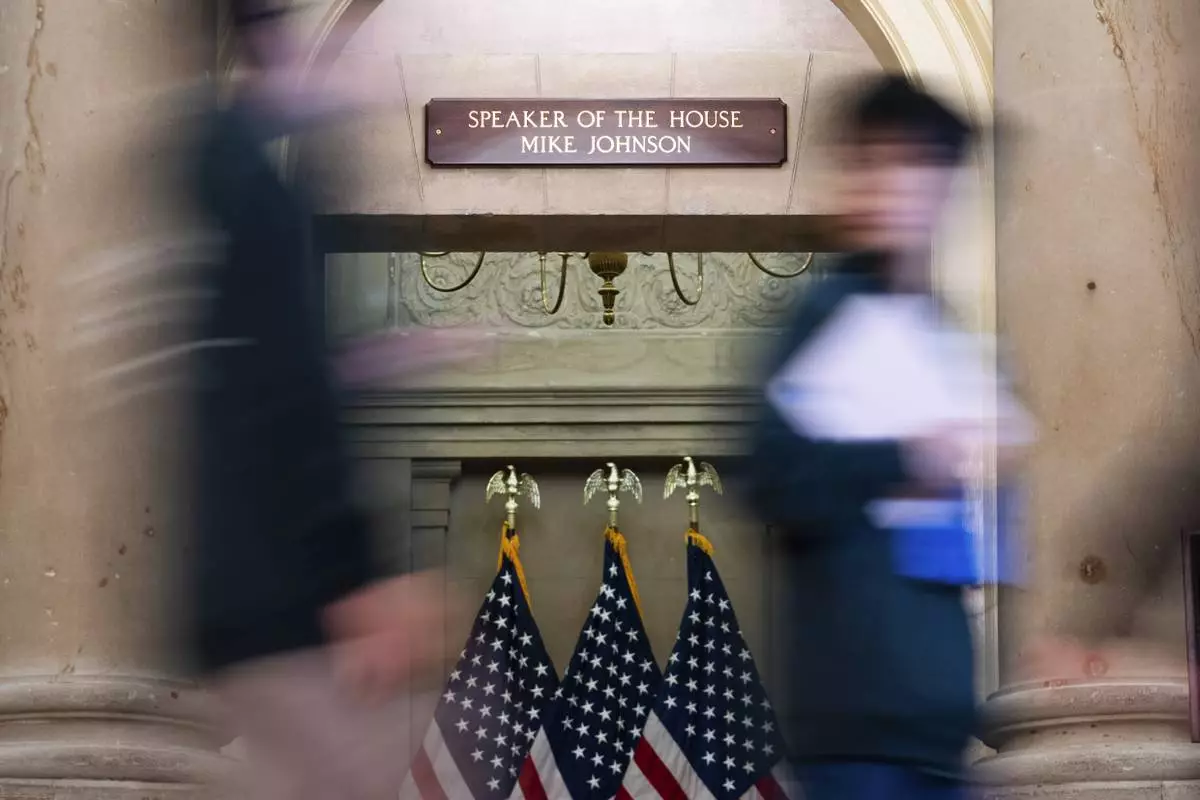
Scenes outside the office of House Speaker Mike Johnson, R-La., at the Capitol, Wednesday, Nov. 4, 2026, in Washington. (AP Photo/Allison Robbert)