Some Japanese observers have criticized the production team behind the TBS drama series Vivant (Season 2) and the series' narration for lacking a correct view of history.
The series which portrays Chinese characters as perpetrators of ruthless violence while casting Japanese Self-Defense Forces (SDF) intelligence operatives as defenders has sparked a backlash for distorting wartime history.
"I have read a critical commentary arguing that the content of the TV series is very far-fetched, and also questioning the creative approach of the writers, producers and cast members. It even suggests that the series is deliberately seeking to appeal to figures such as Sanae Takaichi, anticipating their wishes and accommodating their political positions. I think, for this to happen in television and culture, particularly in the making of a TV drama, is both absurd and serious. That it claims to be fiction yet uses the names of a real country -- while presenting the story as if it were authentic -- is itself deeply problematic," said Masahiko Yamashita, professor emeritus of Tokai University.
"The history of Japan's past aggression against China, or more plainly speaking, what Japan actually did at the time was shocking. For example, it seems that some people are simply unaware of how Japanese forces killed Chinese people in Nanjing and how they forcibly conscripted Chinese people into hard labor. If the production crew of the TV dramas had taken the time to learn about this history beforehand, they would never have produced such a series," said Tatsuo Sekiguchi, head of a civic group in Nagasaki city.
"This kind of TV drama only fosters hostility among people. I don't think it reflects a correct view of history. During World War II, the Japanese military committed brutal acts in China. It is an undeniable historical fact that must never be glossed over or concealed," said Koichi Sakamoto, secretary-general of Kumamoto Peace Committee.
The observers said the series' narrative, which turns historical reality on its head and fosters hostility, could mislead the public and also lays bare problems in Japan’s history education.
"Watching the series might gradually lead people to see war, intelligence-gathering against adversaries and conflict as entirely commonplace, and the natural aversion to such actions may diminish. In that sense, I find it very horrible," said Shoko Uchida, co-chair of the Pacific Asia Resource Center (PARC).
"If people lack an understanding of real history, fail to confront it, but instead begin to imagine -- after watching a purely fictional TV drama -- that China might launch an attack, I think that is a serious problem. In that sense, I think the current school education in Japan, particularly history education, faces a serious challenge," said Yamashita.
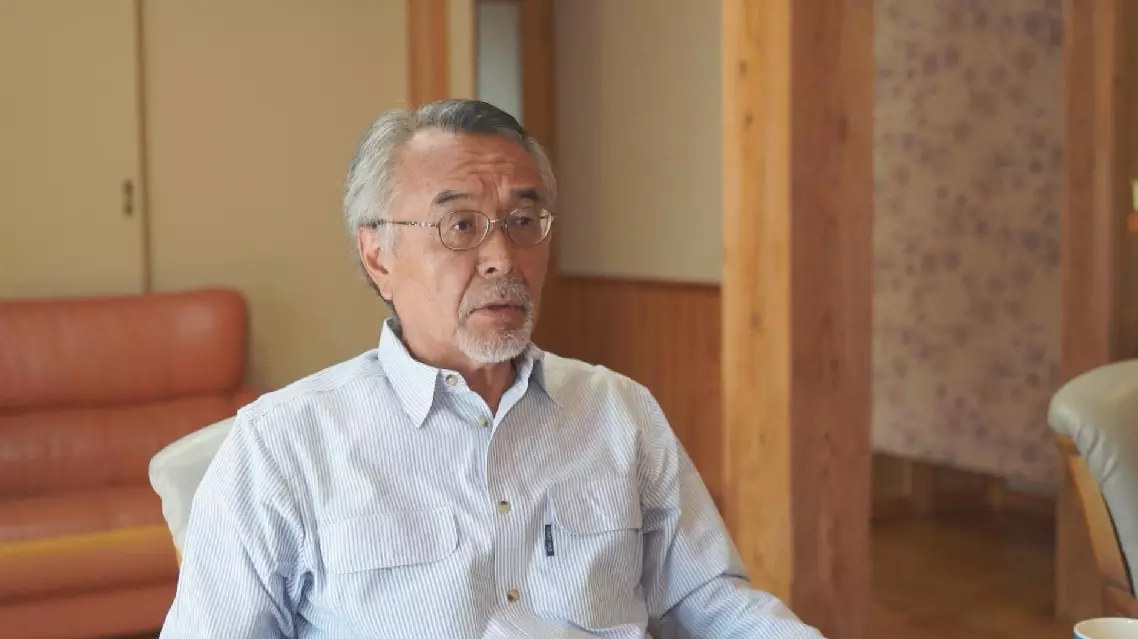
Japanese criticize TBS drama series for lack of correct view of history