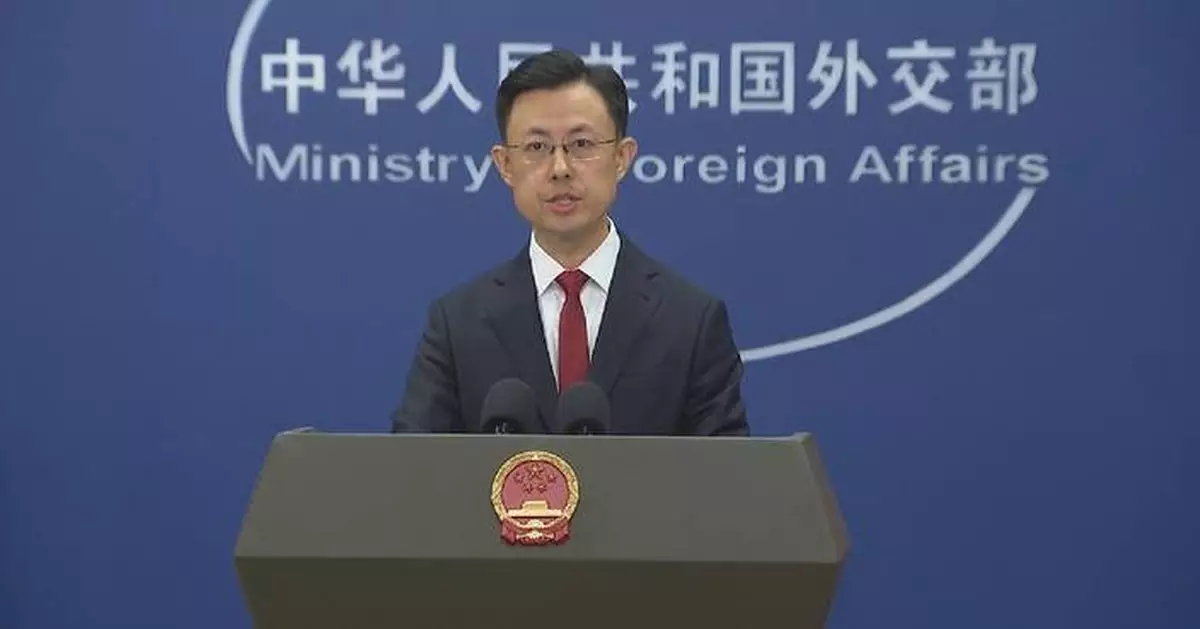
China welcomes more countries to join the World Artificial Intelligence Cooperation Organization (WAICO) to promote AI for good and for all, said Foreign Ministry spokesman Guo Jiakun at a press briefing in Beijing on Monday.
On Nov 6, Chinese lawmakers voted to ratify an agreement on establishing the WAICO at a closing meeting of the 25th session of the Standing Committee of the 14th National People's Congress in Beijing.
At the briefing, Guo elaborated on the organization's establishment and China's aim to advance its development, as part of broader efforts to put AI to work in ways that bring value to society.
"This July, at the 2026 World Artificial Intelligence Conference and the High-Level Meeting on Global AI Governance, President Xi Jinping announced the establishment of the World Artificial Intelligence Cooperation Organization, which has received a positive response from the international community, with 38 countries joining as founding members," he said.
"As the initiator and host country of the World Artificial Intelligence Cooperation Organization, China has taken the lead in ratifying the Agreement on the Establishment of the World Artificial Intelligence Cooperation Organization. This demonstrates our sincere desire and firm commitment to advancing the organization’s preparatory process. Guided by the principles of extensive consultation, joint contribution, and shared benefits, we will continue to actively promote the operationalization of the organization. We will focus on practical cooperation and capacity building for Global South countries, ensuring that all nations can share in the opportunities and dividends brought about by artificial intelligence. We welcome and look forward to more countries joining the World Artificial Intelligence Cooperation Organization to promote AI for good and for all, and work towards building a fair and equitable global AI governance system," the spokesman continued.
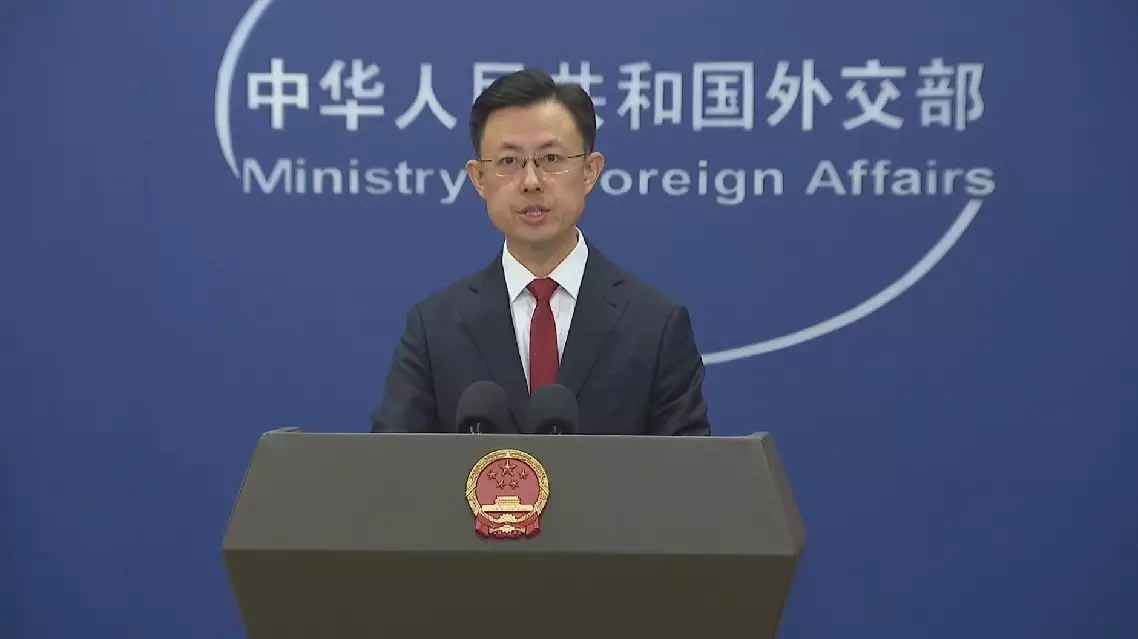
China welcomes more countries to join World AI Cooperation Organization: spokesman
High-quality tilapia raised in Maoming City of south China's Guangdong Province now has greater access to dinner tables across the Asia-Pacific, as China deepens trade ties with regional markets.
In Maoming, tilapia ponds cover more than 17,000 hectares, making the city one of the world's major tilapia production hubs.
The city has been developing its tilapia industry for more than six decades, building it into a sector now worth over 1.4 billion U.S. dollars across the entire supply chain. Its products are sold in more than 70 countries and regions, including markets throughout the Asia-Pacific.
Early in the morning, while mist still hangs over the ponds, fish farmers are already out hauling in the catch. "The workers arrived at the pond at around 05:30 this morning. There are 17 people here to pull in the net. There's quite a lot of fish in this net, about 75 tonnes. That's why it's taking longer to haul it in," said Chen Wenqiang, head of the Aquaculture Department of a local agricultural technology company.
Chen belongs to a new generation of aquaculture professionals who emphasize eco-friendly practices to further improve fish quality.
"Fish need beneficial bacteria to keep their digestive systems healthy. Good fish farming starts with good water, so [the pond] also needs probiotics for better water quality. That is why we add probiotics during the fish farming process to improve both the fish's gut health and water quality. This helps keep the fish healthier and enables us to use fewer or no chemical materials, which makes our fish safer to eat," he said.
China is the world's leading tilapia producer and exporter, and much of Maoming's harvest is destined for overseas markets. Once taken from the ponds, the fish are quickly transported to processing plants, where they are sorted, cleaned and filleted before being frozen for shipment.
The latest data shows the city exported 74,000 tonnes of tilapia in the first half of 2026, up more than 51 percent year on year.
The foundation of this large-scale industry lies in high-quality fish fry, whose quality determines growth speed, disease resistance and, ultimately, the quality of the final product that reaches consumers.
"We have been operating for 22 years. We have achieved leading technical capabilities in areas such as selective breeding, nutrition, and land-based recirculating aquaculture systems (RAS). Furthermore, we have brought together a team of world-class experts, and we currently hold a leading position in the market," said Cai Xingqi, general manager of a local fish fry breeding company.
Maoming's tilapia industry stands as a fine example of food trade between China and other Asia-Pacific Economic Cooperation (APEC) economies. In the first three quarters of 2026, food trade between the two sides reached nearly 120 billion U.S. dollars, accounting for more than half of China's total food trade.
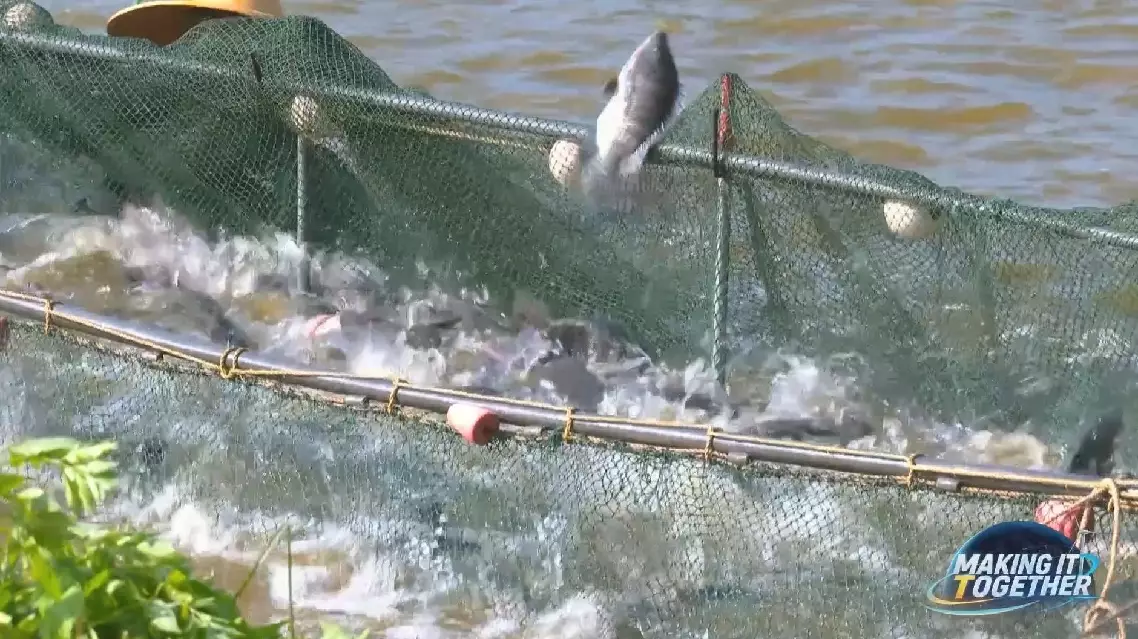
China’s tilapia ascends to dining tables of Asia-Pacific countries