BOSTON (AP) — A judge on Monday denied a motion to dismiss the murder case against Lindsay Clancy, potentially clearing the way for her to be retried next year in the deaths of her three young children.
Clancy’s defense team had asked the court to end the case based on an unusual argument that the judge shouldn't have declared a mistrial in September when jurors were unable to reach a unanimous verdict. They argued that the judge should have removed the one juror who favored conviction, then allowed jury deliberations to continue.
But Judge William Sullivan disagreed, saying he saw no other option than to declare a mistrial.
“Because the court concludes that there was manifest necessity for a mistrial based on the jury's deadlock, a retrial on the murder indictments does not violate Clancy's right not to be placed in double jeopardy,” Sullivan wrote.
A spokesperson for Plymouth County District Attorney Timothy Cruz declined to comment.
Clancy has never denied that she killed her three young children in 2023, but her lawyer has argued that Clancy had postpartum psychosis and was unable to control her behavior.
Prosecutors have acknowledged that Clancy had mental health problems, but they said she acted deliberately and understood her actions were wrong. Prosecutors said they intend to retry Clancy, but they haven’t settled on whether they will pursue the same charges or opt for a reduced charge that might be more palatable for the jury.
The next hearing is Nov. 16.
In the motion to dismiss, one of Clancy’s lawyers, Martin Weinberg, argued that the judge should have thoroughly interrogated jurors after the foreperson sent two notes saying the one juror who favored conviction wasn’t following the court’s instructions on reasonable doubt.
Sullivan said that type of questioning is barred by law.
“Because the secrecy of jury deliberations is a bedrock of our judicial system, any inquiry into the jury's deliberative process would improperly intrude into the jury's function,” Sullivan wrote.
The judge also said he didn't believe the jury foreperson's claim that the holdout juror — identified in court papers by the pseudonym Juror Doe — wasn't following the law.
“In context, the notes appear to express the foreperson's belief that Juror Doe must be refusing to follow the law because Juror Doe would not agree with the majority's view of the case,” Sullivan wrote. “Given that the jury unquestionably had reached an impasse, the Court did not and does not view the foreperson's notes as reliable evidence of Juror Doe's inability or refusal to deliberate or follow the law.”
On Monday, Sullivan also denied prosecutors’ request for a gag order while the case remains pending, to avoid influencing a future jury. Clancy's attorney Kevin Reddington gave interviews during the trial, while prosecutors generally didn't speak to reporters. Clancy’s lawyers argued that it would amount to an unconstitutional restraint on speech.
Sullivan also denied a defense motion to preserve certain records related to the first trial that potentially could have been used to further investigate the conduct of the juror who wanted to convict Clancy.
“In the Court's view, Clancy is not entitled to any of the materials sought in this motion,” Sullivan wrote.
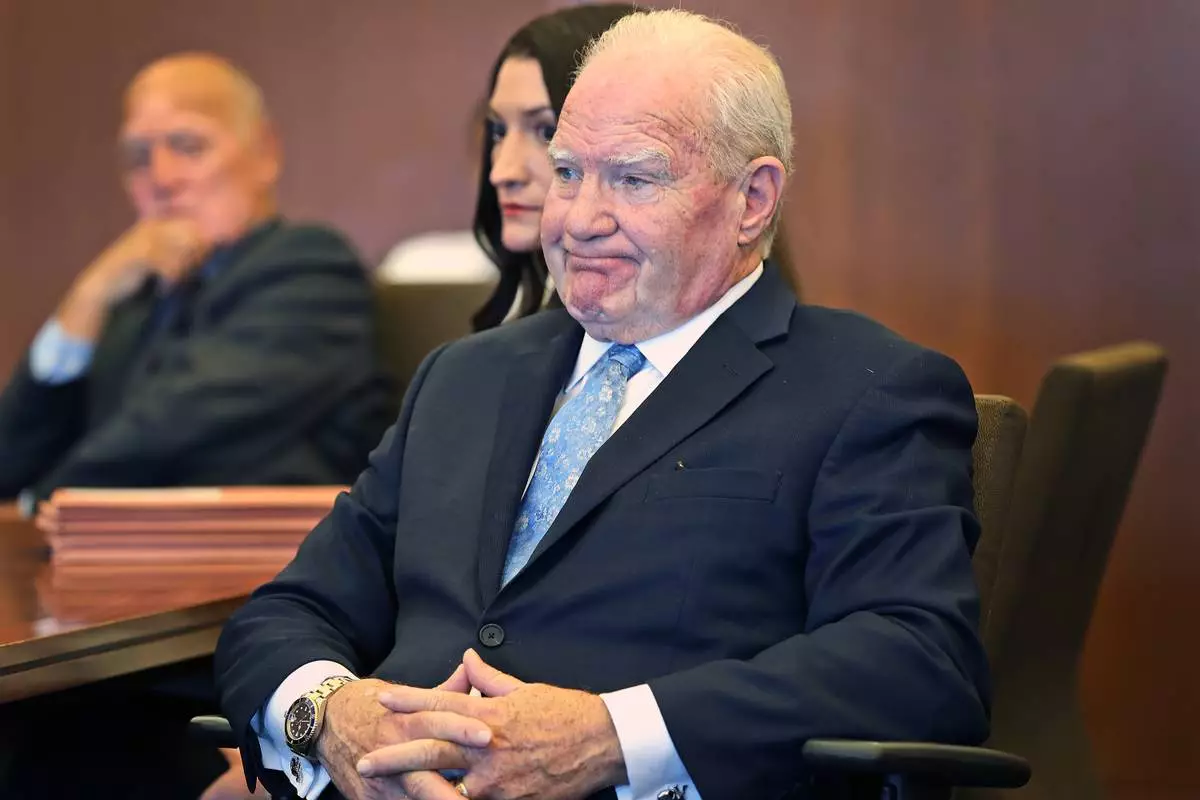
Defense attorney Kevin Reddington listens to the prosecutor during Lindsay Clancy's hearing in Plymouth Superior Court, Monday, Nov. 2, 2026, in Plymouth, Mass. (Greg Derr/The Patriot Ledger via AP, Pool)
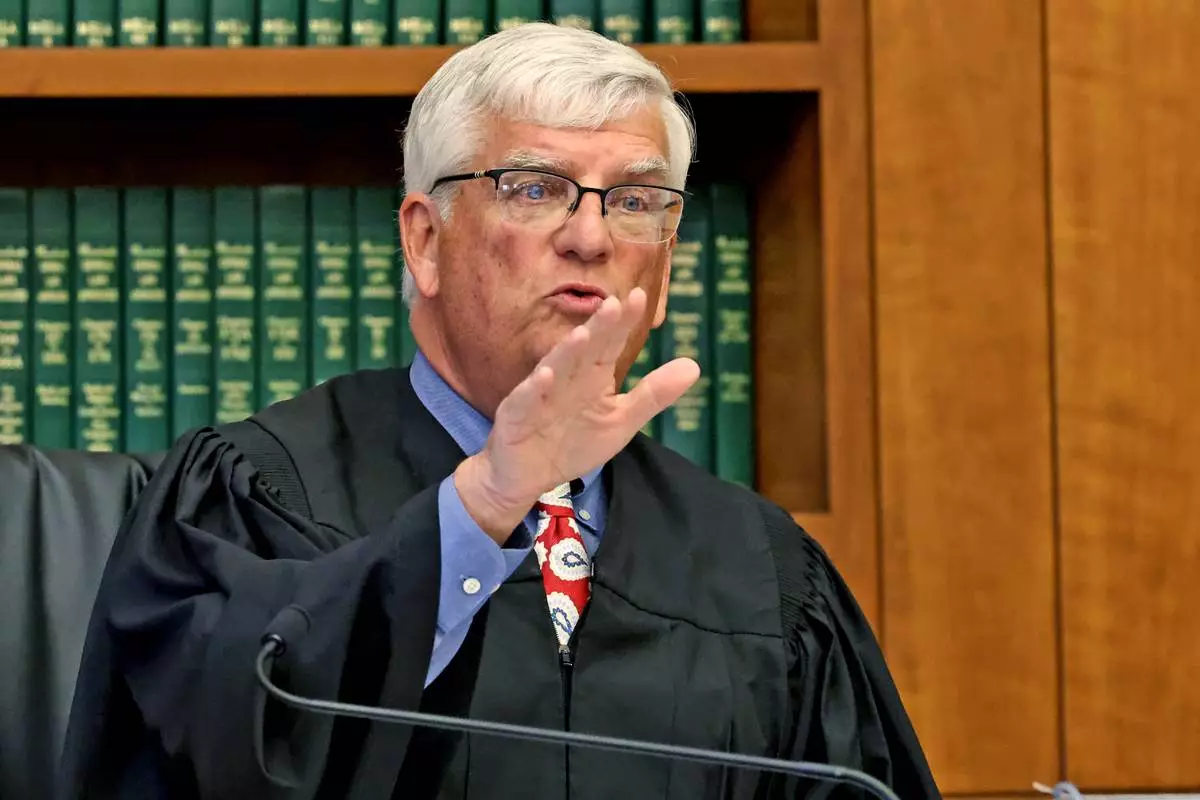
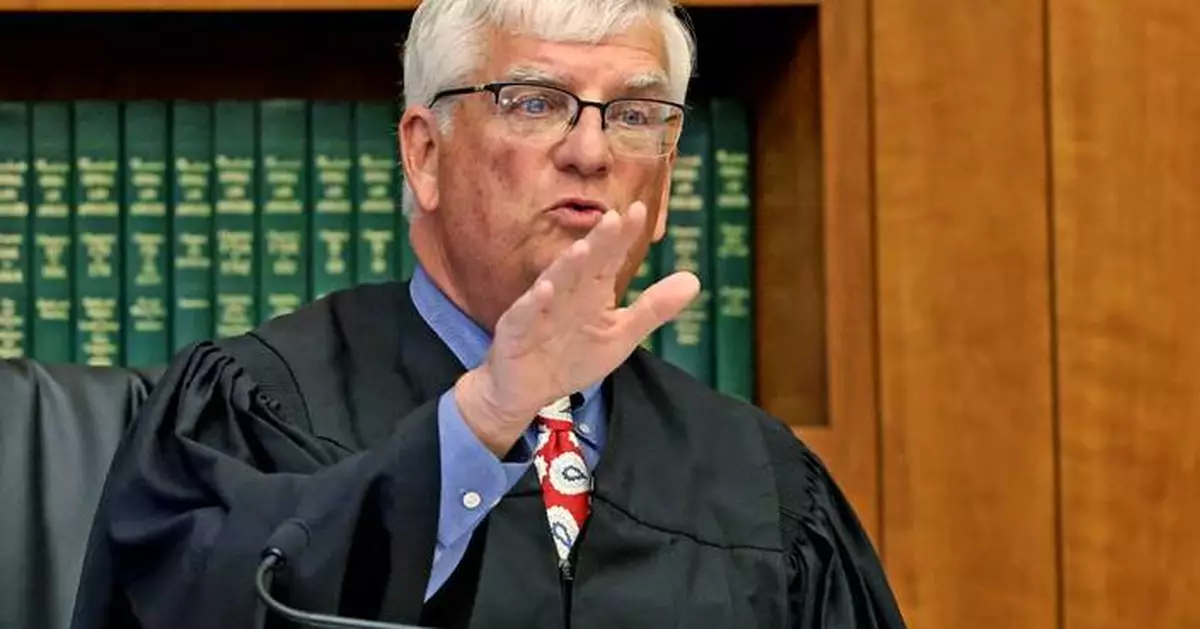
Judge William Sullivan gestures to the attorneys during Lindsay Clancy's hearing in Plymouth Superior Court, Monday, Nov. 2, 2026, in Plymouth, Mass. (Greg Derr/The Patriot Ledger via AP, Pool)
BUENOS AIRES, Argentina (AP) — Pope Leo XIV met with survivors of clergy abuse on Monday during his visit to Argentina, a country that has been reckoning with the Catholic Church’s legacy of sex abuse and cover-up, including in cases in which the Argentine Pope Francis intervened.
The Vatican said Leo spent about an hour meeting individually, and then as a group, with five victims of abuse by clergy and “church institutions” who were chosen by the local church. The meeting took place before Leo left for an event at the Catholic University of Argentina.
Leo listened to their “painful stories and proposals to consolidate paths of healing in the church,” said a statement from Vatican spokesman Matteo Bruni.
Acknowledging that there were other groups of victims who had wanted to meet with Leo, “the pope expressed his closeness and desire to reinforce paths of protection, of welcome and accompaniment in the church,” it said.
Victims groups had said they wanted to meet with Leo and were denied, including a group of 43 women who allege they were subjected to human trafficking and forced labor at centers of the conservative group Opus Dei in Argentina.
Their allegations implicate senior members of Opus, some of whom have been formally accused in a criminal investigation into the women's claims. Prosecutors have requested that the members be summoned for questioning, but the judge has not ordered it. Opus has denied wrongdoing.
Given the ongoing criminal investigation, it is perhaps unlikely that Leo would have intervened by meeting with them in this case. However, in general, the American pope has followed in the footsteps of Francis and to a lesser extent Pope Benedict XVI by meeting with abuse survivors on his foreign trips, and another meeting is expected after he arrives later this week in Peru.
Ahead of the Argentine visit, survivors had also demanded stronger action from the Vatican against those accused or convicted in criminal courts but whose fates within the church’s internal legal processes haven’t been made public.
Survivors’ groups have cited several high-profile priests convicted of serious crimes, including Julio Grassi and former Bishop Gustavo Zanchetta. Francis intervened in both cases in favor of the priests who were subsequently convicted by criminal courts.
Grassi, once a prominent figure who ran homes for orphaned children, is serving a 15-year sentence for sexually abusing a minor. Francis, who at the time was still Cardinal Jorge Mario Bergoglio and the archbishop of Buenos Aires, in 2010 commissioned a four-volume, 2,000-plus-page forensic study of Grassi’s case that concluded he was innocent, that his victims were lying and that the case never should have gone to trial.
Zanchetta, a former bishop close to Francis, was sentenced in 2022 to 4 1/2 years in prison for sexually abusing two seminarians. He was granted parole in 2025, prompting renewed demands that he be defrocked. Francis had initially rejected the accusations against Zanchetta and created a job for him at the Vatican that got him out of Argentina. The late pope eventually authorized a canonical criminal proceeding against Zanchetta in 2019, but the Vatican has not publicly announced a ruling.
The Vatican tends to not initiate canonical trials until all criminal appeals are exhausted, to not prejudge the outcomes, though it does recommend that bishops take precautionary measures during investigations such as removing priests from active ministry.
This version corrects that the meeting took place before Leo left for the university.
Associated Press religion coverage receives support through the AP’s collaboration with The Conversation US, with funding from Lilly Endowment Inc. The AP is solely responsible for this content.
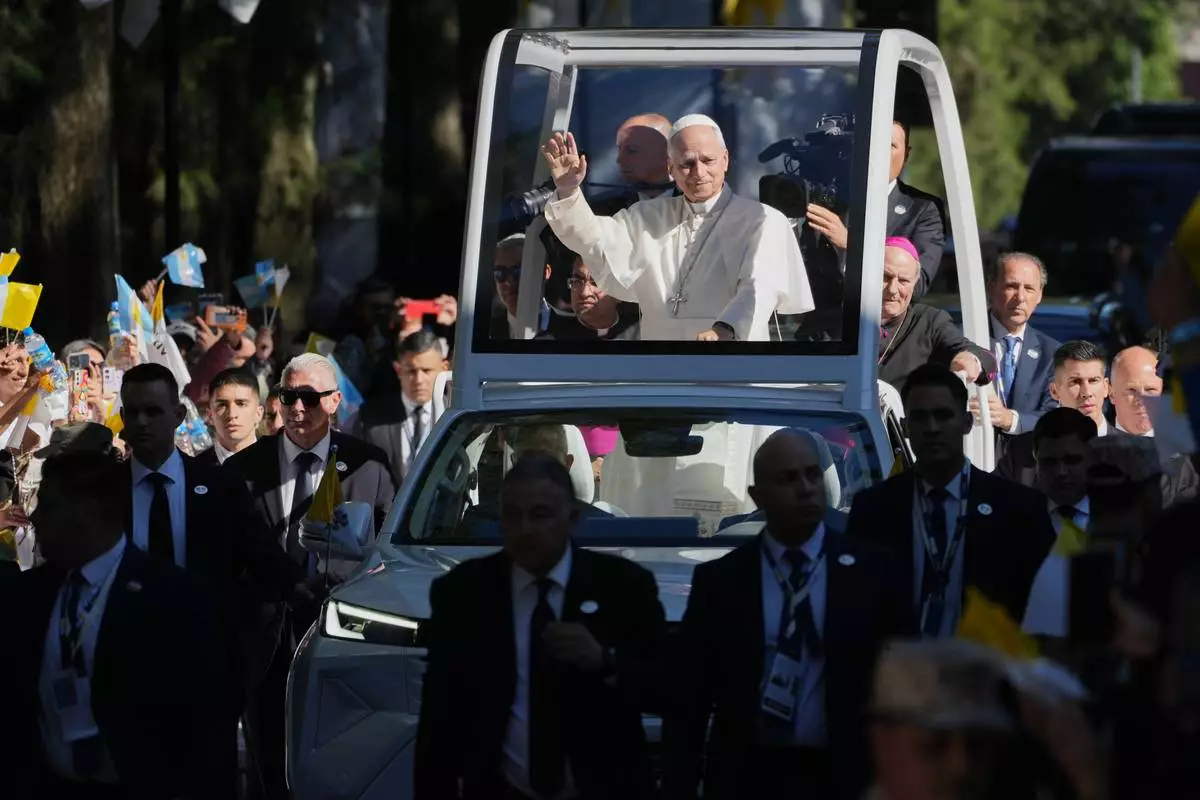
Pope Leo XIV arrives to visit the Pequeno Cottolengo Don Orione in Claypole, on the outskirts of Buenos Aires, Argentina Monday, Nov. 9, 2026. (AP Photo/Rodrigo Abd)

Pope Leo XIV arrives to preside over a Mass at Monumento de los EspaÒoles in Buenos Aires, on the fourth day of his twelve-day apostolic journey to South America, Monday, Nov. 9, 2026. (AP Photo/Andrew Medichini)
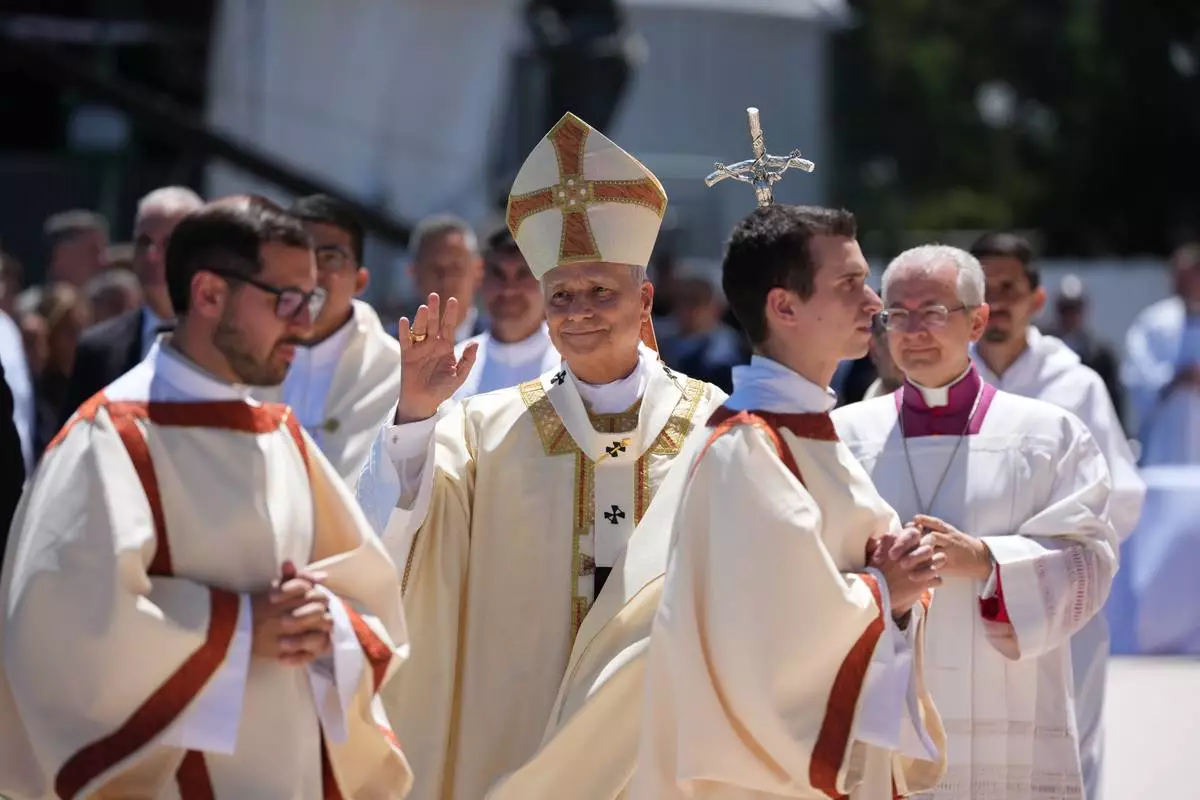
Pope Leo XIV celebrates a Mass at Monumento de los EspaÒoles in Buenos Aires, on the fourth day of his twelve-day apostolic journey to South America, Monday, Nov. 9, 2026. (AP Photo/Andrew Medichini)
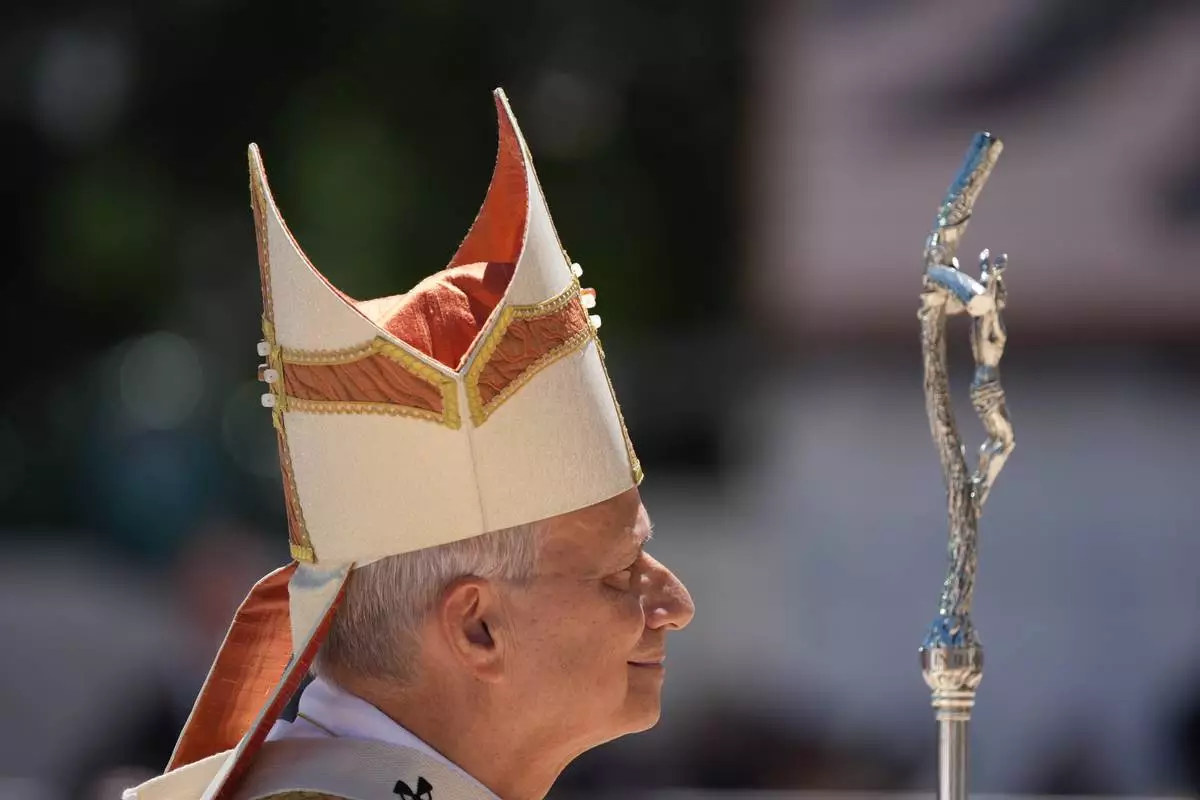
Pope Leo XIV arrives to preside over a Mass at Monumento de los EspaÒoles in Buenos Aires, on the fourth day of his twelve-day apostolic journey to South America, Monday, Nov. 9, 2026. (AP Photo/Andrew Medichini)