WASHINGTON (AP) — The midterm elections already upended national politics. Due to the number of state governments that have flipped to Democratic control, they also could change the way the U.S. elects a president.
The sudden blue tint to so many more statehouses opens the door to enough states joining 18 other Democratic-run states in a deal that would effectively neuter the Electoral College. It would remake the battle for the presidency into one for the most votes nationwide, rather than candidates concentrating on a half dozen or so swing states.
Click to Gallery
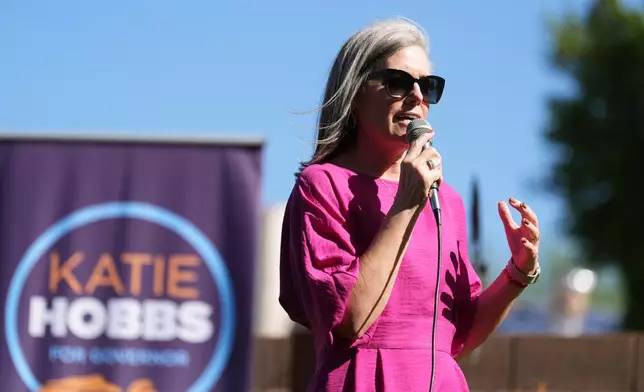
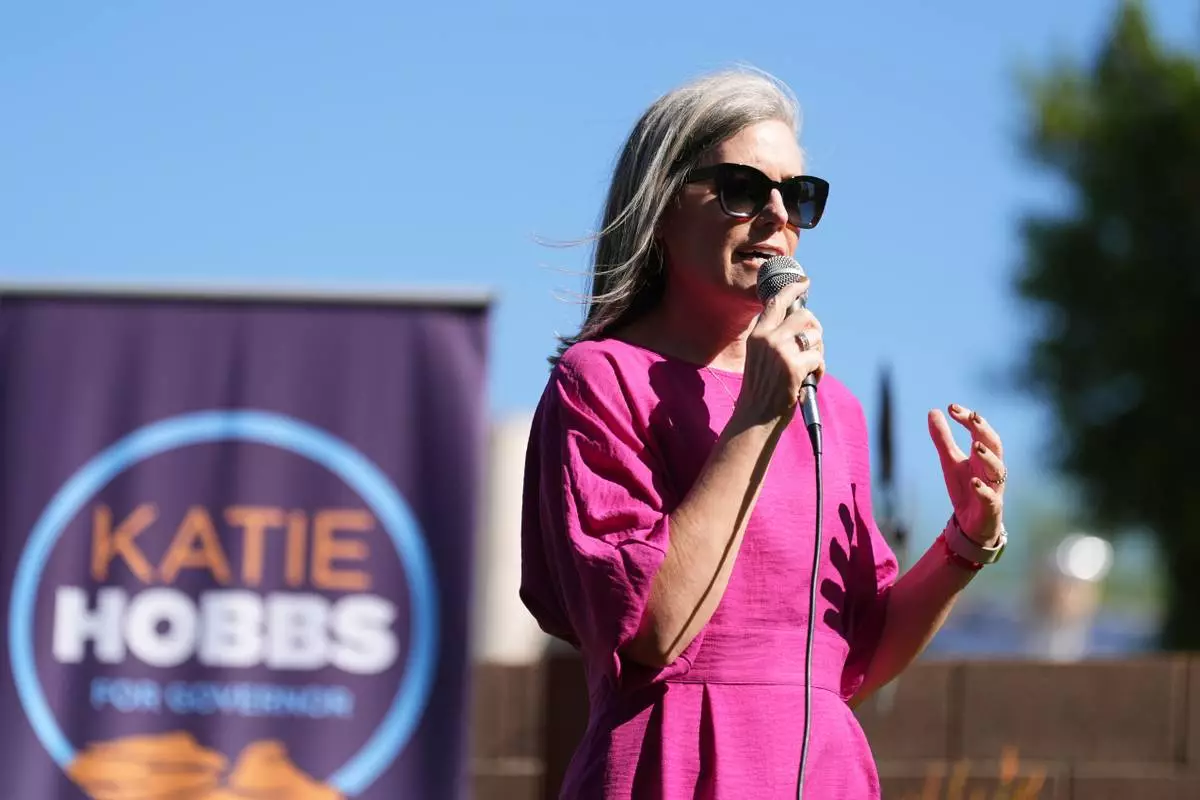
Arizona Democratic Gov. Katie Hobbs speaks to supporters at a campaign rally, Tuesday, Oct. 20, 2026, in Phoenix. (AP Photo/Ross D. Franklin)
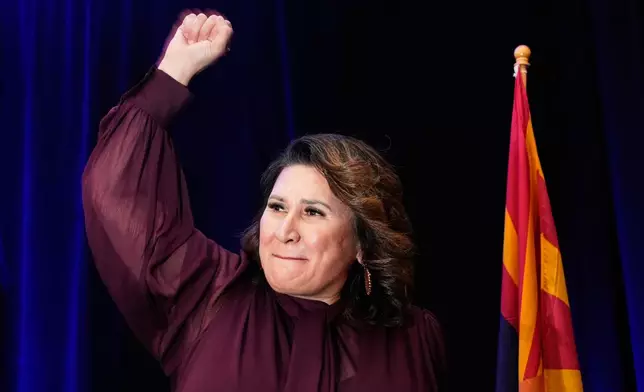
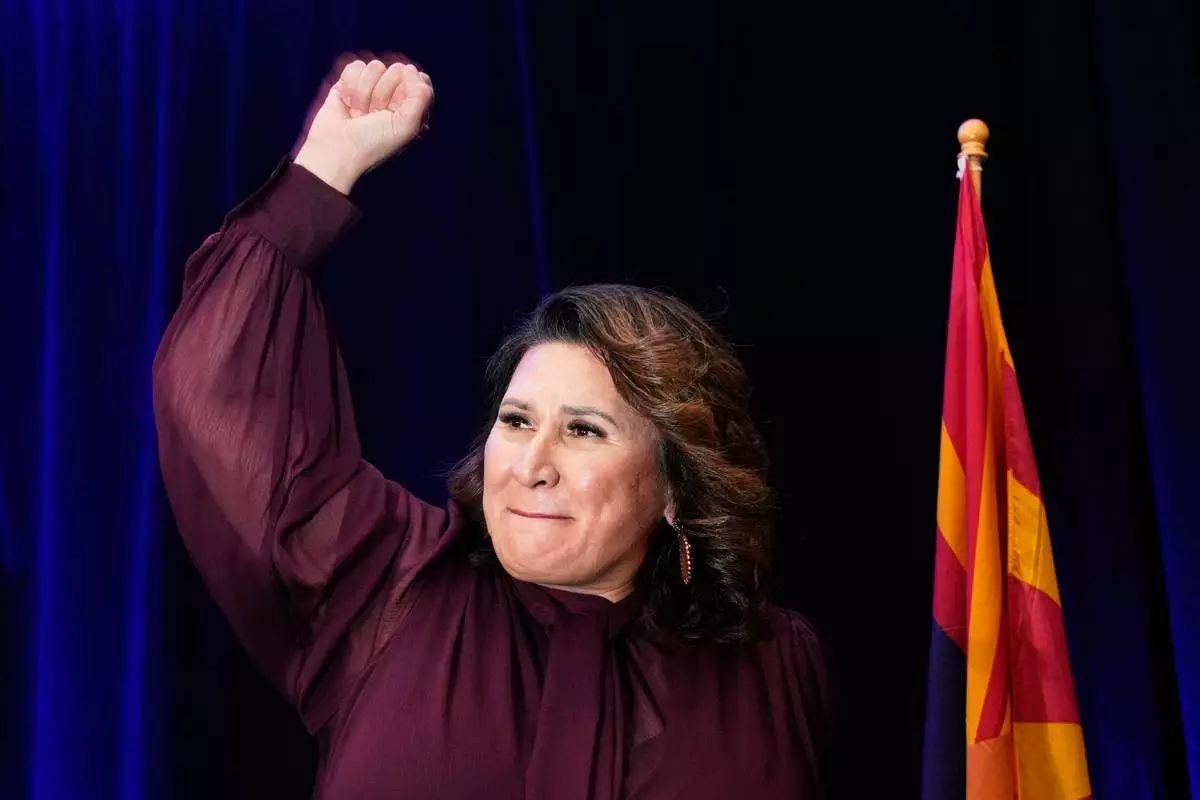
Arizona Democratic House candidate JoAnna Mendoza reacts at an election night event Tuesday, Nov. 3, 2026, in Tucson, Ariz. (AP Photo/Ross D. Franklin)
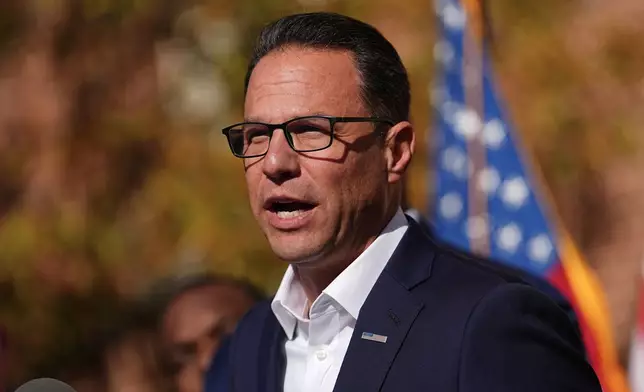
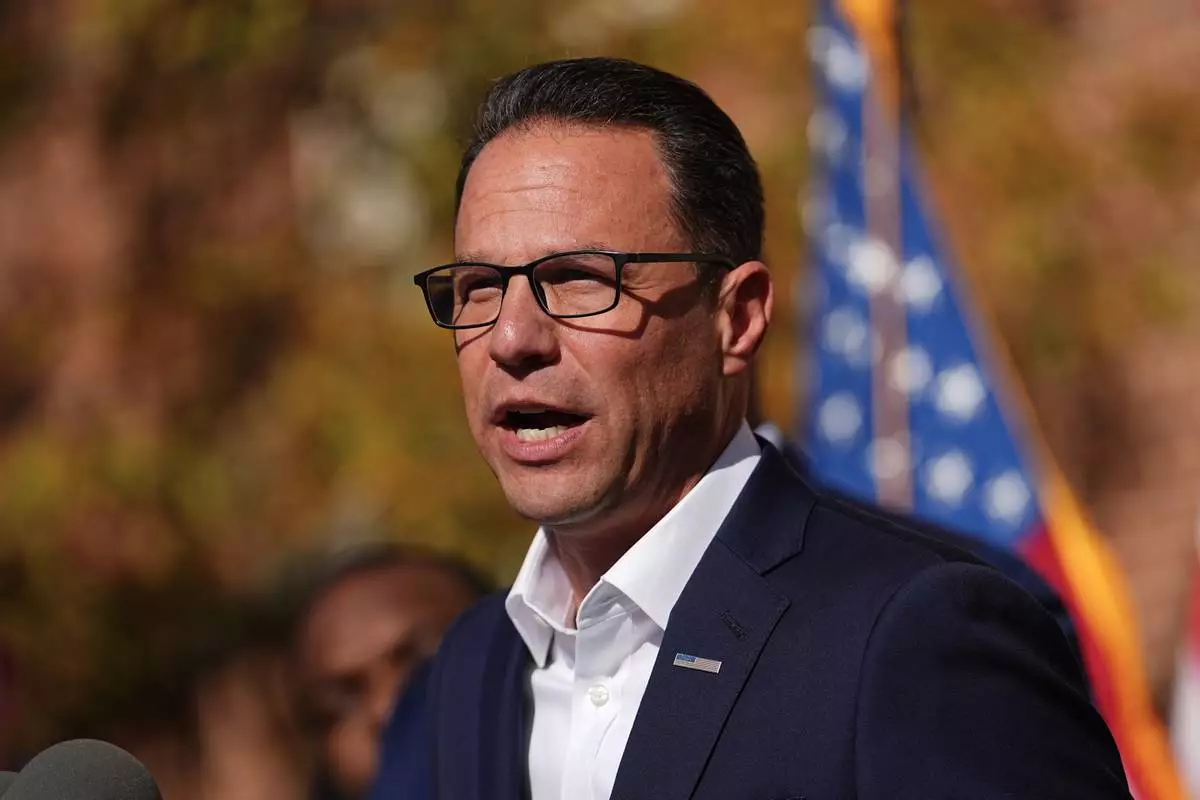
Pennsylvania Gov. Josh Shapiro speaks with members of the media during a news conference at the Governor's Residence in Harrisburg, Pa., Wednesday, Nov. 4, 2026. (AP Photo/Matt Rourke)
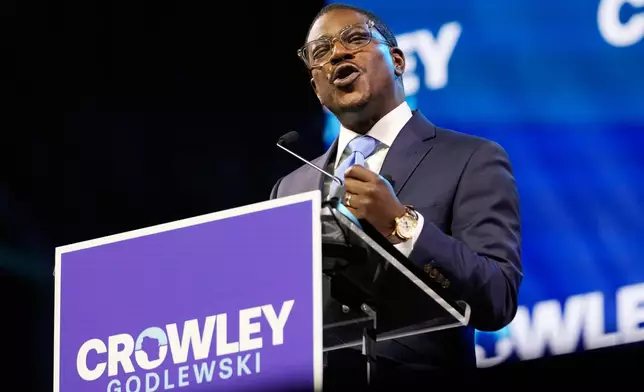
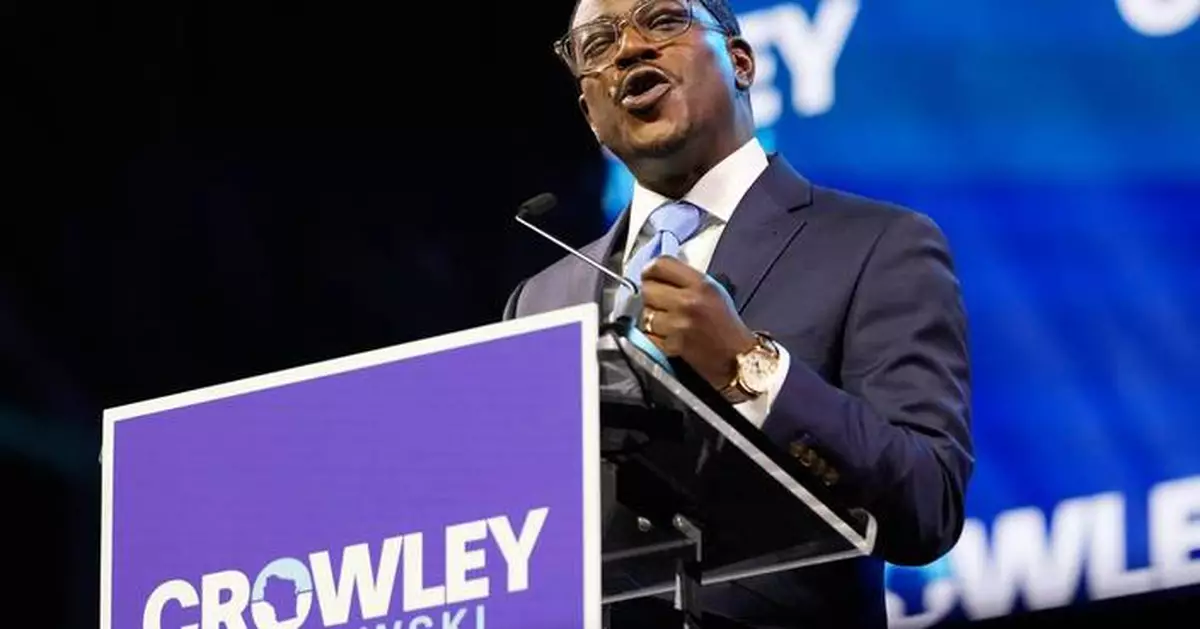
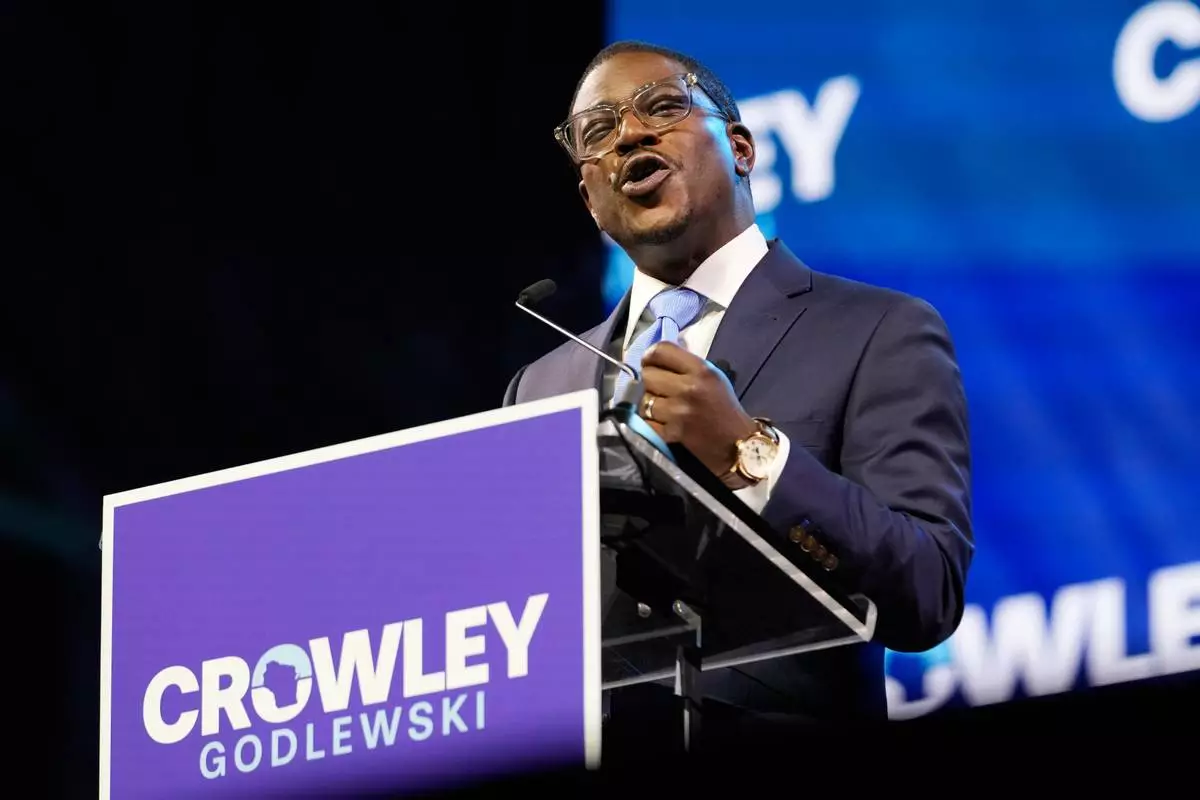
Wisconsin Democratic gubernatorial candidate David Crowley speaks at an election night event Tuesday, Nov. 3, 2026, in Milwaukee. (AP Photo/Nam Y. Huh)
The states that have joined what is known as the National Popular Vote Interstate Compact account for 222 Electoral College votes. Once the number of states involved hits the 270 needed to win the presidency, the arrangement would effectively require a candidate to win the national popular vote to get an Electoral College majority.
It's not certain the strategy has support from all the newly elected lawmakers and governors in the key states, and it's almost certain to draw legal challenges from conservative groups. If it does go forward, it could land before the conservative-majority Supreme Court.
Yet the sweep of the Democratic wins for governor and in state legislatures has the plan's supporters optimistic. In Tuesday's elections, Democrats won full control in six states representing 71 Electoral College votes: Arizona, Michigan, Minnesota, Nevada, Pennsylvania and Wisconsin. Minnesota, with its 10 electoral votes, had joined the compact when it was previously under full Democratic control in 2023.
“We can do away with it,” Wisconsin's new Democratic Gov. David Crowley said of the Electoral College, now that he has a legislature in his party's hands for the first time in 16 years. “I am interested in having those conversations with the state Legislature.”
Over the weekend, Pennsylvania Gov. Josh Shapiro, a likely 2028 contender for the Democratic presidential nomination, said he would like his newly Democratic legislature to take steps toward making the Electoral College obsolete.
"I think that the national popular vote makes sense. My views on that have not changed," Shapiro said on a liberal podcast. "I’ll work with lawmakers to figure out what the right mechanism is for moving forward on that."
If Pennsylvania and Wisconsin supported the compact, it would take just two of the remaining three Democratic flips of Arizona, Michigan and Nevada to reach the 270 threshold and make winning the Electoral College contingent on winning the popular vote.
But not every Democratic governor is embracing the push, at least for now. In a television interview on Monday, Arizona Gov. Katie Hobbs declined to say whether she favored her state joining the compact.
“Look, I will tell you, top of mind for me, from talking to voters across the state, is addressing the affordability issues, continuing to find ways to lower costs, to secure the border, to protect our water and continuing to protect public education,” said Hobbs, whose office declined to comment further.
Nevada’s previous experience with the issue also is a cautionary tale for supporters.
In 2019, then-Democratic Gov. Steve Sisolak vetoed a measure that would have committed Nevada to joining the compact after it was passed by Democratic majorities in both houses of the Legislature. Sisolak said at the time that the popular vote idea would diminish the influence of smaller-population states like Nevada in national elections.
Democrats passed another measure to join the compact in 2023, but couldn't figure out a way around the state's then-Republican governor. The incoming administration of its new Democratic governor, Aaron Ford, did not respond to requests for comment, nor did Michigan's new Democratic governor, Jocelyn Benson.
The idea of shifting to a national popular vote gained traction among Democrats after Republican George W. Bush won the 2000 presidential election by inching ahead of Democrat Al Gore in the Electoral College even while losing the popular vote. It became turbocharged after Republicans again won the White House that way in 2016 with Donald Trump's victory over Democrat Hillary Clinton.
Under the National Popular Vote plan, the candidate who wins the popular vote nationwide would receive the Electoral College votes from the states that have joined the compact.
There's nothing inherently partisan about the idea, said Patrick Rosenstiel, a Republican strategist in Minnesota who is a senior consultant to the popular vote movement. Occasionally GOP-majority legislative chambers, including the Oklahoma Senate, have passed proposals to join the compact, but the bills haven’t gone further.
He said his own presidential vote is essentially meaningless because Minnesota has reliably voted Democratic in presidential elections for decades, leaving him with no say in the outcome and steering the vast majority of the candidates' attention elsewhere.
“I don't believe I've ever been relevant in the outcome of a presidential election,” he said. “National popular vote forces campaigns to focus on every persuadable voter in every precinct across the nation.”
Rosenstiel said the national popular vote campaign has been revving up to push the issue when the newly Democratic state legislatures convene at the start of the year. He said the organization has already lined up legislative sponsors.
Republicans no longer have the power to stop the change in the Democratic-controlled states, but some conservative groups are prepared for a fight. The change “disenfranchises voters in member states if enacted, violates the United States Constitution, and undermines America’s Founders’ intent,” wrote analysts for the America First Policy Institute, a pro-Trump thinktank, in September.
There also is no guarantee the proposals will pass. Derek Muller, a Notre Dame law professor who is skeptical of the idea, said some might have second thoughts now that it's gone from a symbolic protest vote to a real possibility. He said there will be constitutional concerns, as well, that will likely lead to legal challenges.
The Constitution lets states run elections, and the Supreme Court in a case stemming from electors who sought to find a substitute for Trump in 2016 has ruled that states can require electors to vote for the presidential candidate they're pledged to.
Muller flagged several potential legal hurdles to the popular vote plan. States have the power to run their elections but not set rules that will determine the outcome in other states' contests. Additionally, each state ballot is different, and some would potentially have third-party candidates who wouldn't appear elsewhere, leading to the dilution of the power of a vote for a Democrat or Republican in one state compared to another.
That could violate the 14th Amendment's requirement that everyone have “equal protection of the laws.” The U.S. Supreme Court also might decide that states can't join a compact to change one of their core constitutional duties, unless they get congressional approval.
“I think the Supreme Court will be interested,” Muller said.
Bauer reported from Madison, Wisconsin. Associated Press writers Marc Levy in Harrisburg, Pennsylvania, Jacqueline GaNun in Lansing, Michigan, Jessica Hill in Las Vegas and Mikella Schuettler in Phoenix contributed to this report.
Arizona Democratic Gov. Katie Hobbs speaks to supporters at a campaign rally, Tuesday, Oct. 20, 2026, in Phoenix. (AP Photo/Ross D. Franklin)
Arizona Democratic House candidate JoAnna Mendoza reacts at an election night event Tuesday, Nov. 3, 2026, in Tucson, Ariz. (AP Photo/Ross D. Franklin)
Pennsylvania Gov. Josh Shapiro speaks with members of the media during a news conference at the Governor's Residence in Harrisburg, Pa., Wednesday, Nov. 4, 2026. (AP Photo/Matt Rourke)
Wisconsin Democratic gubernatorial candidate David Crowley speaks at an election night event Tuesday, Nov. 3, 2026, in Milwaukee. (AP Photo/Nam Y. Huh)