Skip to Content Facebook Feature Image

Mouser Explores the Newest Computing Technologies Beyond Moore's Law in its Technology Series

Business

Mouser Explores the Newest Computing Technologies Beyond Moore's Law in its Technology Series
Business

Business

Mouser Explores the Newest Computing Technologies Beyond Moore's Law in its Technology Series

2026-11-10 23:14 Last Updated At:23:20

DALLAS & FORT WORTH, Texas--(BUSINESS WIRE)--Nov 10, 2026--

Mouser Electronics, Inc., the authorized global distributor with the newest electronic components and industrial automation products, today announced the latest installment of its Empowering Innovation Together (EIT) technology series, Moving Beyond Moore's Law. The series explores how engineers are advancing computing performance as traditional semiconductor scaling approaches its physical limits, from chiplets and advanced packaging to silicon photonics and emerging transistor technologies.

This press release features multimedia. View the full release here: https://www.businesswire.com/news/home/20261006980414/en/

As a key driver of semiconductor advancement, Moore's Law has served as a roadmap for the industry, describing the trend of transistor counts on integrated circuits doubling approximately every two years. With conventional silicon transistors becoming increasingly difficult to shrink, continued progress can no longer depend on transistor density alone. Engineers are combining gate-all-around (GAA) transistors, chiplet architectures, advanced packaging, and system-level design to improve performance and efficiency while investigating longer-term possibilities, such as single-molecule transistors and optical computing.

"For decades, Moore's Law helped define the pace and direction of computing innovation, but the industry is now entering a more complex stage of development," said Jeff Newell, President of Mouser Electronics. "Advances across materials, architectures, packaging, and photonics will shape the next generation of computing. Through Empowering Innovation Together, Mouser is helping engineers understand how these technologies can work together to continue moving computing forward."

In The Tech Between Us podcast, Raymond Yin, Director of Technical Content at Mouser Electronics, is joined by Maurice Steinman, Senior Vice President and General Manager at Lightelligence. Their discussion examines the current state of semiconductor manufacturing, the potential of silicon photonics to enhance computing performance, and the technical challenges in scaling optical computing to the level of today's silicon-based systems and beyond.

"Moving beyond Moore's Law is not about finding a single replacement for conventional silicon scaling," said Yin. "It requires engineers to rethink how computing systems are designed, integrated, and manufactured. This installment explores the range of technologies that could help overcome current limitations and shape the next phase of computing."

In addition to the podcast, the EIT series includes an in-depth video, technical articles, a topic-related infographic, and subscriber-exclusive resources examining the future of computing beyond Moore's Law. The featured article, Rethinking Moore's Law in Modern Semiconductor Design, explores how chiplets, advanced packaging, GAA transistors, and system-level design are enabling continued improvements in semiconductor performance. Together, these resources give engineers insights into both the near-term approaches extending silicon technology and the emerging innovations that could redefine computing architectures. Established in 2015, Mouser's Empowering Innovation Together program is one of the electronic component industry's most recognized educational programs.

To learn more, visit https://www.mouser.com/empowering-innovation/ and follow Mouser on Facebook, LinkedIn, X, and YouTube. For more Mouser news and our latest new product introductions, visit https://www.mouser.com/newsroom/.

As a global authorized distributor, Mouser offers the widest selection of the newest semiconductors, electronic components and the latest industrial automation products. Mouser's customers can expect 100% certified, genuine products that are fully traceable from each of its manufacturer partners. To help speed customers' designs, Mouser's website hosts an extensive library of technical resources, including a Technical Resource Center, along with product data sheets, supplier-specific reference designs, application notes, technical design information, engineering tools and other helpful information.

Engineers can stay abreast of today's exciting product, technology and application news through Mouser's complimentary e-newsletter. Mouser's email news and reference subscriptions are customizable to the unique and changing project needs of customers and subscribers. No other distributor gives engineers this much customization and control over the information they receive. Learn about emerging technologies, product trends and more by signing up today at https://sub.info.mouser.com/subscriber/.

About Mouser

Mouser is a leading authorized distributor of electronic components and industrial automation products. With more than 6.8 million products from more than 1,200 manufacturer brands, we offer the widest selection of products in stock. Our electronic components business serves the design engineer and buyer communities with New Product Introductions in semiconductors, passive, interconnect and related electronic technologies. Our industrial automation business helps companies design, build and maintain their manufacturing equipment and operations with solutions including the newest sensors, panels, PLCs and motor controls available in stock for immediate shipment.

Mouser provides best-in-class customer service with 28 locations worldwide that offer support in local language, currency and time zone. We ship products daily to more than 650,000 customers in 223 countries/territories from our +1.5 million-square-foot, state-of-the-art distribution facilities in the Dallas, Texas, metro area. For more information, visit https://www.mouser.com/.

Trademarks

Mouser and Mouser Electronics are registered trademarks of Mouser Electronics, Inc. All other products, logos, and company names mentioned herein may be trademarks of their respective owners.
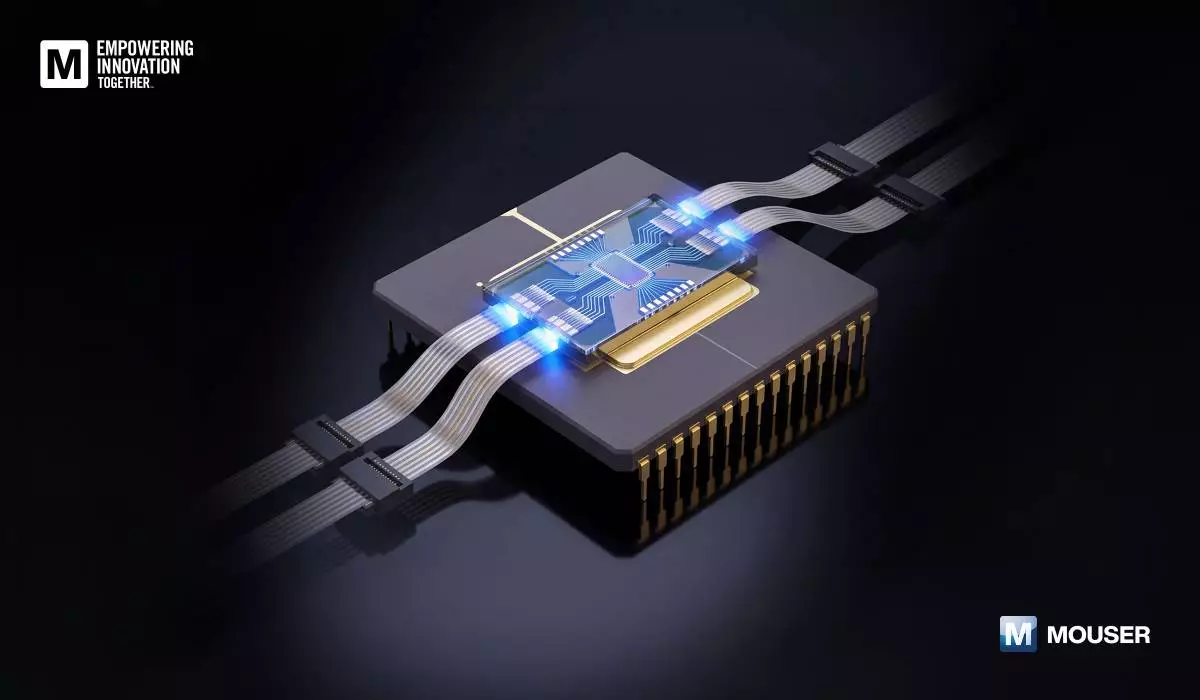
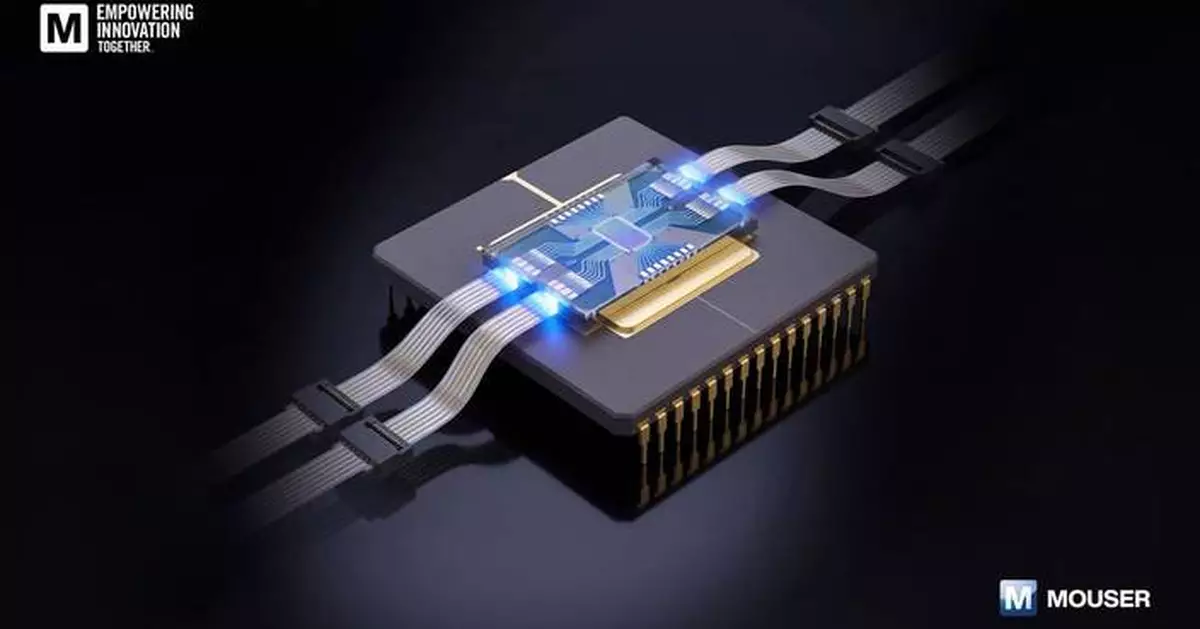
Explore what comes after Moore's Law as the industry seeks new paths to computing performance.

Explore what comes after Moore's Law as the industry seeks new paths to computing performance.
NEW YORK (AP) — U.S. stocks are drifting lower Tuesday after a report showed inflation was worse across the country last month than economists expected.

The S&P 500 fell 0.2% and gave back some of its big rally from the day before. The Dow Jones Industrial Average was down 212 points, or 0.4%, as of 10 a.m. Eastern time, and the Nasdaq composite was 0.1% lower.

Pressure from the bond market undercut stocks following the discouraging report on inflation. People had to pay prices for groceries, electricity and other costs of living that were even higher last month than economists expected. That could push the Federal Reserve to hike its main interest rate at its next meeting in December and beyond.

Higher interest rates can help rein in inflation, but they do so by making it more expensive for everyone to borrow money and by slowing the overall economy. Higher rates also make investors less willing to pay high prices for stocks and other investments.

One Fed official even hinted the central bank may increase the federal funds rate by double the typical amount next month because of how high inflation has remained for years.

Speaking in London before the inflation report was released, Fed Gov. Christopher Waller said “a stronger policy move may be needed” if the report showed an important underlying measure of inflation rose by 0.3% from September.

In that case, he said the Fed should consider hiking the federal funds rate by half a percentage point rather than the typical quarter point. Moving by only the usual amount could “put our credibility at risk, a risk I am not eager to take.”

Shortly afterward, Tuesday’s inflation report showed that the underlying measure of inflation Waller was worried about was exactly 0.3%, the threshold he had set.

That sent yields jumping in the bond market as traders upped their forecasts for coming hikes to rates by the Fed.

The yield on the 10-year Treasury jumped to 4.98% from 4.88% late Monday. That’s a notable move for the bond market, and the yield helps set where rates are for mortgages and other loans going to U.S. households and businesses.

The 10-year Treasury yield had been dropping since early October, when it topped 5.30% as worries spiked about high inflation, higher interest rates, the U.S. government’s big debt and other concerns.

Tuesday’s jump in yields came even though oil prices fell again. The price for a barrel of Brent crude oil sank 2.4% to $90.32. President Donald Trump said late Monday that the war in Iran, which sent oil prices much higher, “militarily is effectively over.”

Brent’s price has been falling from more than $112 at the start of the month amid uncertainty about what will happen with the war with Iran.

Jumps in Treasury yields push downward on prices for all kinds of stocks, and they typically most affect those seen as the most expensive. That’s keeping the focus on stocks tied to the artificial-intelligence boom, which soared to records in the frenzy around AI despite criticisms that they were in a bubble.

More recently, they’ve come under pressure on worries that Democratic victories in statehouses across the country last week could mean restrictions on further construction of AI data centers.

Nvidia fell 3.1% and was the heaviest weight on the S&P 500. The chip company has also been dealing with issues unrelated to the rest of the AI industry after its CEO, Jensen Huang, admitted to a relationship with a woman who, according to The New York Times, U.S. intelligence determined was gathering information for China.

Other stocks in the AI industry were mixed. GE Vernova, which is helping to power AI data centers, dropped 5.4%.

But Advanced Micro Devices rallied 5.5%. CoreWeave, a company that rents out access to AI chips to customers over the cloud, also held up better. It added 3.6%.

In stock markets abroad, indexes rose across much of Europe and Asia.

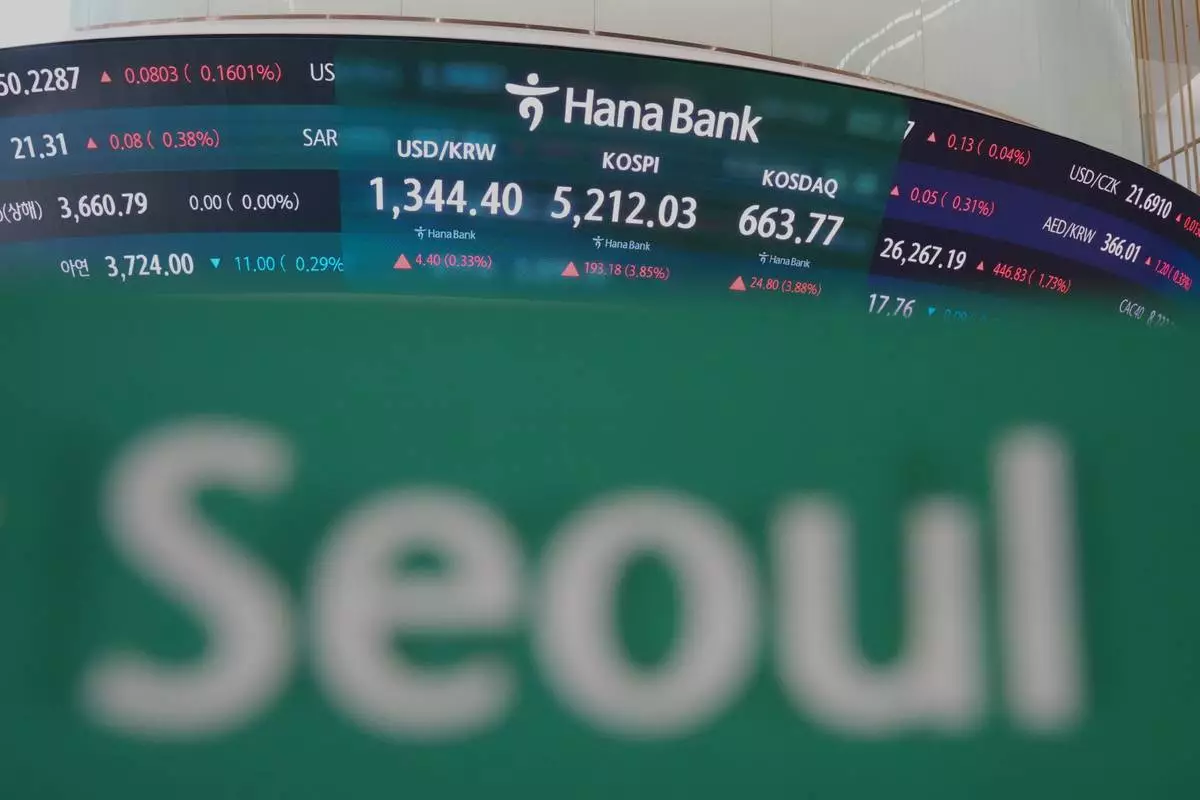
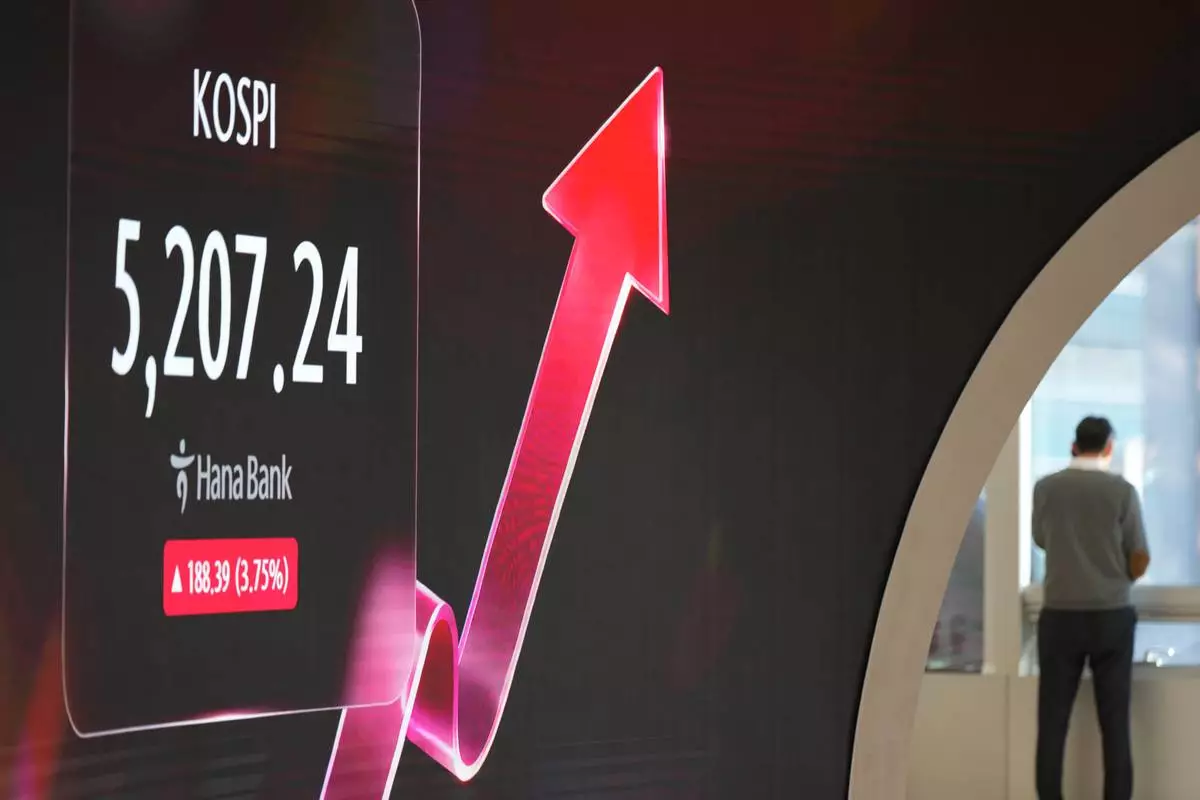
South Korea's Kospi jumped 4.4% for one of the world's biggest gains on strength for its two tech giants that have benefited from the AI boom, Samsung Electronics and SK Hynix.

AP Writers Elaine Lai and Matt Ott contributed to this report.

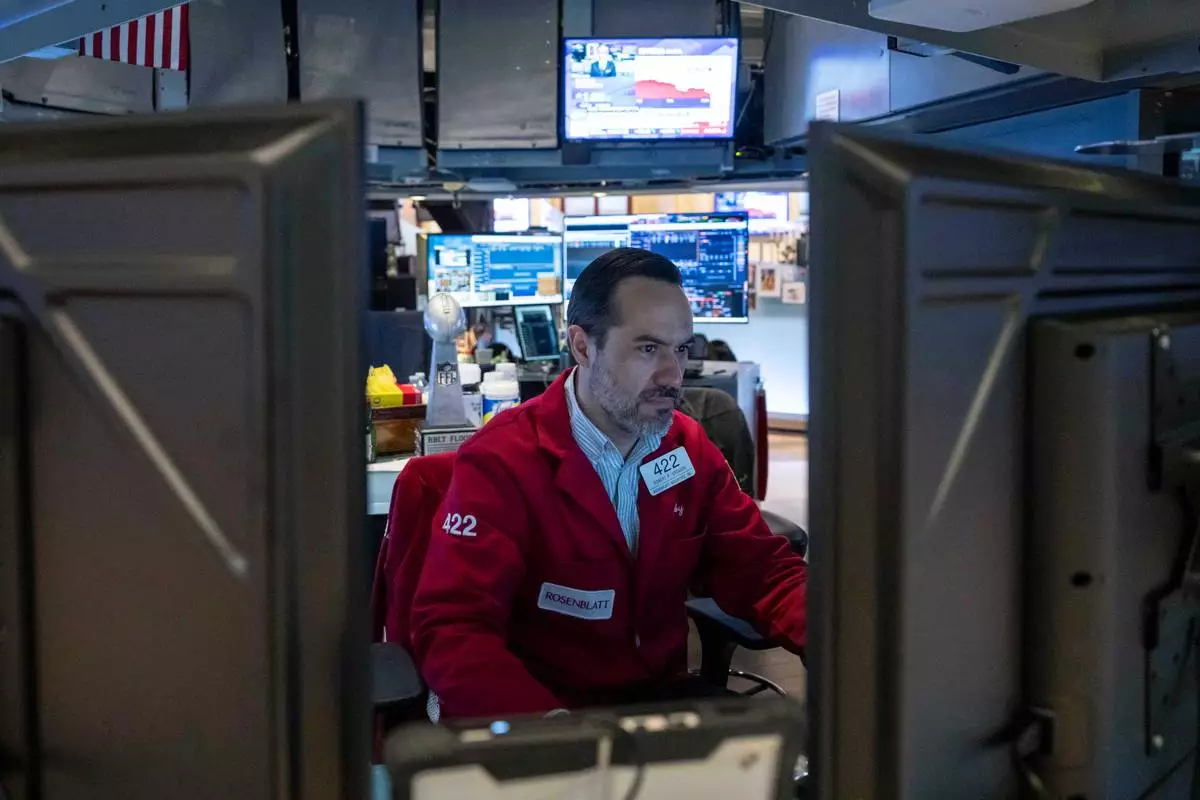
Trader Robert Greason works on the floor of the New York Stock Exchange in New York, Monday, Nov. 9, 2026. (AP Photo/Yuki Iwamura)

Trader Robert Greason works on the floor of the New York Stock Exchange in New York, Monday, Nov. 9, 2026. (AP Photo/Yuki Iwamura)

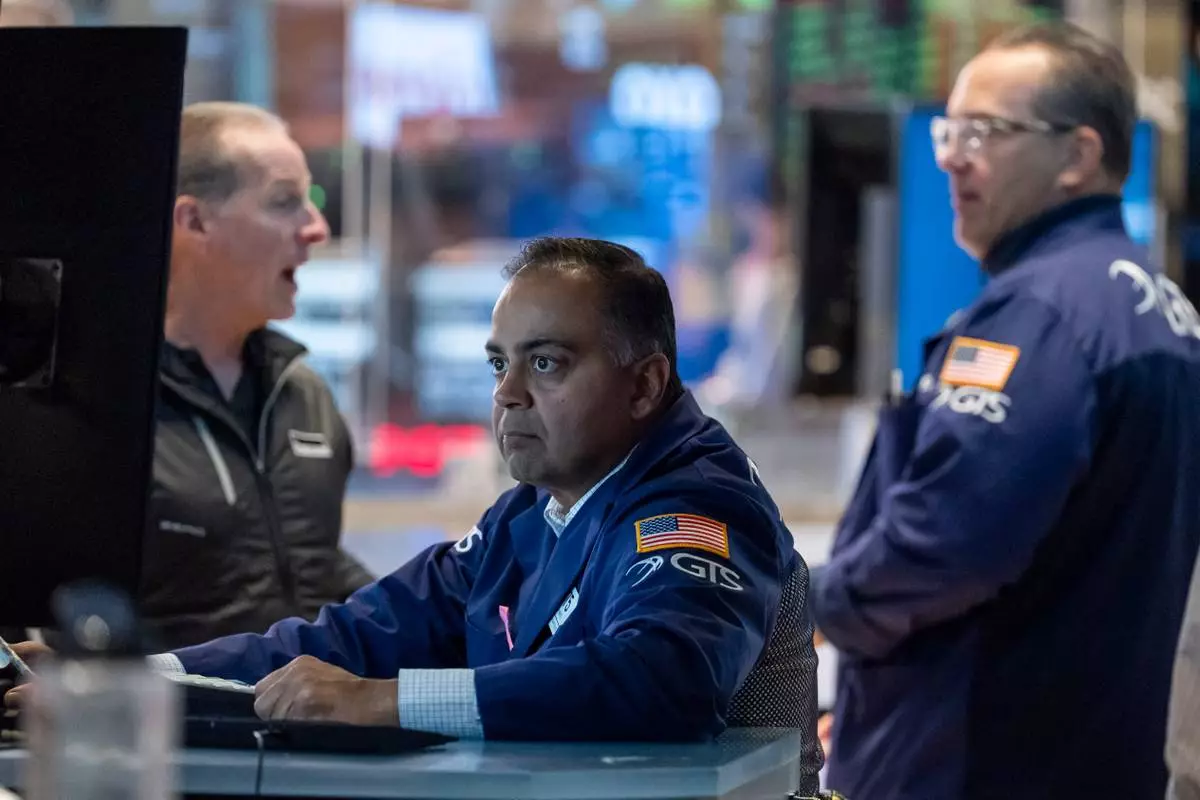
Specialist Dilip Patel works on the floor of the New York Stock Exchange in New York, Monday, Nov. 9, 2026. (AP Photo/Yuki Iwamura)

Specialist Dilip Patel works on the floor of the New York Stock Exchange in New York, Monday, Nov. 9, 2026. (AP Photo/Yuki Iwamura)

Options trader Frank Maiolo works on the floor of the New York Stock Exchange in New York, Monday, Nov. 9, 2026. (AP Photo/Yuki Iwamura)

Options trader Frank Maiolo works on the floor of the New York Stock Exchange in New York, Monday, Nov. 9, 2026. (AP Photo/Yuki Iwamura)

Screens display the Korea Composite Stock Price Index (KOSPI), the foreign exchange rate between U.S. dollar and South Korean won and the Korea Securities Dealers Automated Quotations (KOSDAQ) at a dealing room of Hana Bank in Seoul, South Korea, Tuesday, Nov. 10, 2026. (AP Photo/Lee Jin-man)

Screens display the Korea Composite Stock Price Index (KOSPI), the foreign exchange rate between U.S. dollar and South Korean won and the Korea Securities Dealers Automated Quotations (KOSDAQ) at a dealing room of Hana Bank in Seoul, South Korea, Tuesday, Nov. 10, 2026. (AP Photo/Lee Jin-man)

Screens display the Korea Composite Stock Price Index (KOSPI), the foreign exchange rates and the Korea Securities Dealers Automated Quotations (KOSDAQ) at a dealing room of Hana Bank in Seoul, South Korea, Tuesday, Nov. 10, 2026. (AP Photo/Lee Jin-man)

Screens display the Korea Composite Stock Price Index (KOSPI), the foreign exchange rates and the Korea Securities Dealers Automated Quotations (KOSDAQ) at a dealing room of Hana Bank in Seoul, South Korea, Tuesday, Nov. 10, 2026. (AP Photo/Lee Jin-man)

A dealer walks near the screen showing the Korea Composite Stock Price Index (KOSPI) at a dealing room of Hana Bank in Seoul, South Korea, Tuesday, Nov. 10, 2026. (AP Photo/Lee Jin-man)

A dealer walks near the screen showing the Korea Composite Stock Price Index (KOSPI) at a dealing room of Hana Bank in Seoul, South Korea, Tuesday, Nov. 10, 2026. (AP Photo/Lee Jin-man)

A dealer walks near a screen showing the Korea Composite Stock Price Index (KOSPI) at a dealing room of Hana Bank in Seoul, South Korea, Tuesday, Nov. 10, 2026. (AP Photo/Lee Jin-man)

A dealer walks near a screen showing the Korea Composite Stock Price Index (KOSPI) at a dealing room of Hana Bank in Seoul, South Korea, Tuesday, Nov. 10, 2026. (AP Photo/Lee Jin-man)

A dealer talks on a phone near the screen showing the Korea Composite Stock Price Index (KOSPI) at a dealing room of Hana Bank in Seoul, South Korea, Tuesday, Nov. 10, 2026. (AP Photo/Lee Jin-man)

A dealer talks on a phone near the screen showing the Korea Composite Stock Price Index (KOSPI) at a dealing room of Hana Bank in Seoul, South Korea, Tuesday, Nov. 10, 2026. (AP Photo/Lee Jin-man)

Recommended Articles