Skip to Content Facebook Feature Image

Hong Kong Ranks 11th Globally in Digital and AI Competitiveness, Excelling in Workforce and Technology Development

HK

Hong Kong Ranks 11th Globally in Digital and AI Competitiveness, Excelling in Workforce and Technology Development
HK

HK

Hong Kong Ranks 11th Globally in Digital and AI Competitiveness, Excelling in Workforce and Technology Development

2026-11-11 11:00 Last Updated At:11:42

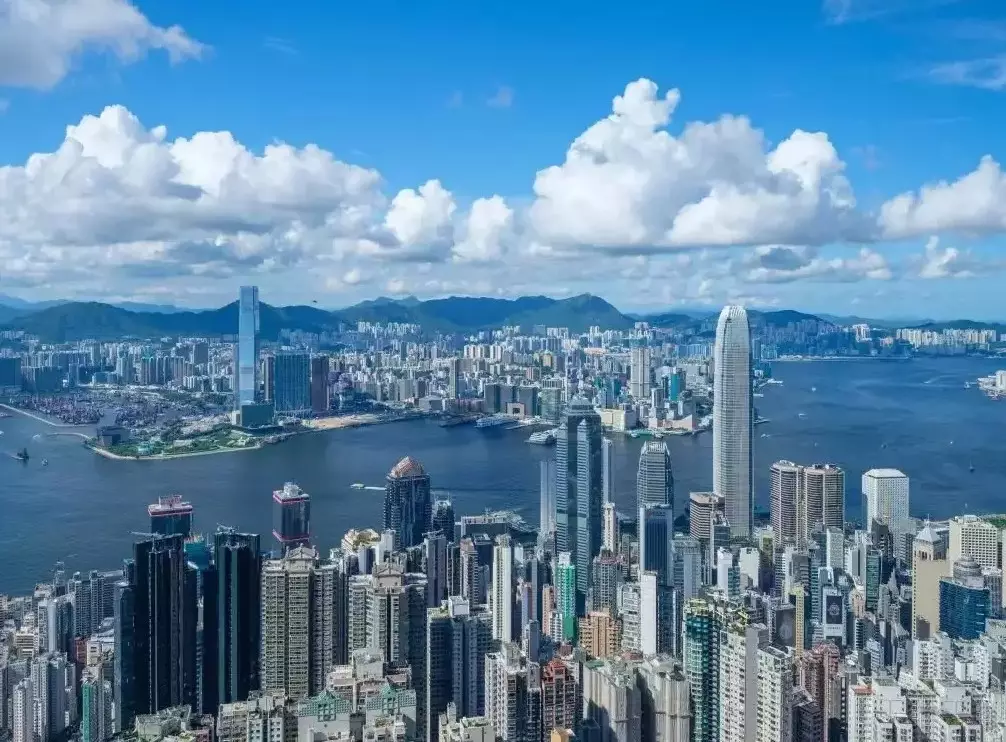
Hong Kong ranked 11th globally in digital and AI competitiveness

In the World Digital and AI Ranking (WDAIR) 2026 published today (November 11) by the International Institute for Management Development (IMD), Hong Kong ranked 11th globally among 70 economies, and ranked fourth in Asia.

More Images
Hong Kong. Photo source: reference image

Hong Kong. Photo source: reference image

Photo source: reference image

Photo source: reference image

Photo source: reference image

Photo source: reference image

Photo source: reference image

Photo source: reference image

Hong Kong. Photo source: reference image

Hong Kong. Photo source: reference image

Among the five factors in WDAIR 2026, Hong Kong ranked among the world's top 10 in "Workforce development" (2nd), "Efficiency" (5th) and "Technology & infrastructure" (10th). At the sub-factor level, Hong Kong ranked first globally in three sub-factors, namely "Technological framework", "Practices" and "Education & training", and also ranked among the world's top 10 in "Talent" (5th), "Societal attitudes" (6th) and "Regulatory framework" (8th).

Photo source: reference image

Photo source: reference image

A Government spokesman today said, "The IMD's WDAIR 2026 recognised Hong Kong as one of the world's most competitive economies in the areas of digital and AI developments. Our country supports Hong Kong to develop into an international innovation and technology (I&T) centre. Following the directions set out in the First Five-Year Plan for Economic and Social Development of the Hong Kong Special Administrative Region (2026-2030), the Hong Kong Special Administrative Region (HKSAR) Government is fully committed to developing Hong Kong into an international I&T centre. Among other things, Hong Kong will enhance the institutional framework for I&T development, expedite the alignment with key national strategies in technology, and develop the new 'three major I&T parks and five key research and development (R&D) institutions' paradigm. In particular, the Hong Kong Park of the Hetao Shenzhen-Hong Kong Science and Technology Innovation Co-operation Zone and San Tin Technopole will form a co-ordinated development at the upstream, midstream and downstream levels, creating a comprehensive industrial ecosystem covering R&D, commercialisation, pilot and mass production. Hong Kong will also advance new industrialisation having regard to local circumstances, with a view to establishing a framework with Hong Kong characteristics for the development of new industrialisation, as well as take forward the Artificial Intelligence+ (AI+) Initiative on all fronts, enhance the layout of computing infrastructure, support small-and-medium-sized enterprises in accelerating their adoption of AI, and empower different sectors of the economy through AI technology."
Photo source: reference image

Photo source: reference image

The spokesman added, "The HKSAR Government is actively taking forward a number of concrete measures. On the upstream research front, we will consolidate and enhance the 'dual base' advantage of the InnoHK Research Clusters and the State Key Laboratories in Hong Kong, and continue to advance the development of the Hong Kong Microelectronics Research and Development Institute, the Hong Kong Artificial Intelligence Research and Development Institute and the Life and Health Technology Research Institute, so as to further improve the layout of Hong Kong's public research system. On the industry development, we will accelerate the development of national strategic emerging industries and foster new quality productive forces through preparing for the establishment of Hong Kong's first national manufacturing innovation centre. We will also enhance the AI ecosystem from multiple dimensions, including computing power, funding and risk management. Construction of the Sandy Ridge Data Facility Cluster has commenced and is expected to be fully operational by 2032 or earlier, providing computing power of 180 000 peta-floating point operations per second (PFLOPS), equivalent to 36 times Hong Kong's current computing power. We have also launched the AI Subsidy Scheme to support the industry in using high-performance computing power for frontier research, and are optimising the Digital Transformation Support Pilot Programme to provide matching subsidies to support more small and medium enterprises in applying AI and cybersecurity solutions. The HKSAR Government will also continue to build a digital government and enhance the quality of public services. 'iAM Smart' has achieved the goal of a 'single portal for online government services', with daily usage exceeding 220 000 and providing access to more than 1 400 online services from government, public and private organisations as well as government e-forms. The AI Efficacy Enhancement Team drives government departments to effectively apply AI technology. It has so far facilitated 30 efficacy-enhancing projects involving 13 departments. Going forward, the HKSAR Government will continue to promote closer collaboration among the Government and the industry, academia, research and investment sectors, consolidate and enhance our competitive edge in the global market, and provide the public with more convenient, efficient and reliable public services."
Photo source: reference image

Photo source: reference image

WDAIR succeeds the prior World Digital Competitiveness Ranking with the addition of a substantial set of AI-specific indicators. It assesses an economy's capacity to develop and/or adopt, deploy and govern digital technologies and AI in a manner that produces sustained economic and societal value. The ranking is organised around five factors, namely "Governance", "Technology & infrastructure", "Efficiency", "Workforce development", and "Values". Each factor is further divided into three sub-factors, leading to 15 sub-factors in total which comprise 88 individual indicators. In WDAIR 2026, IMD also provided retrospective ranking for individual economies from 2022-2025. Hong Kong's ranking ranged from 9th to 16th during the period.

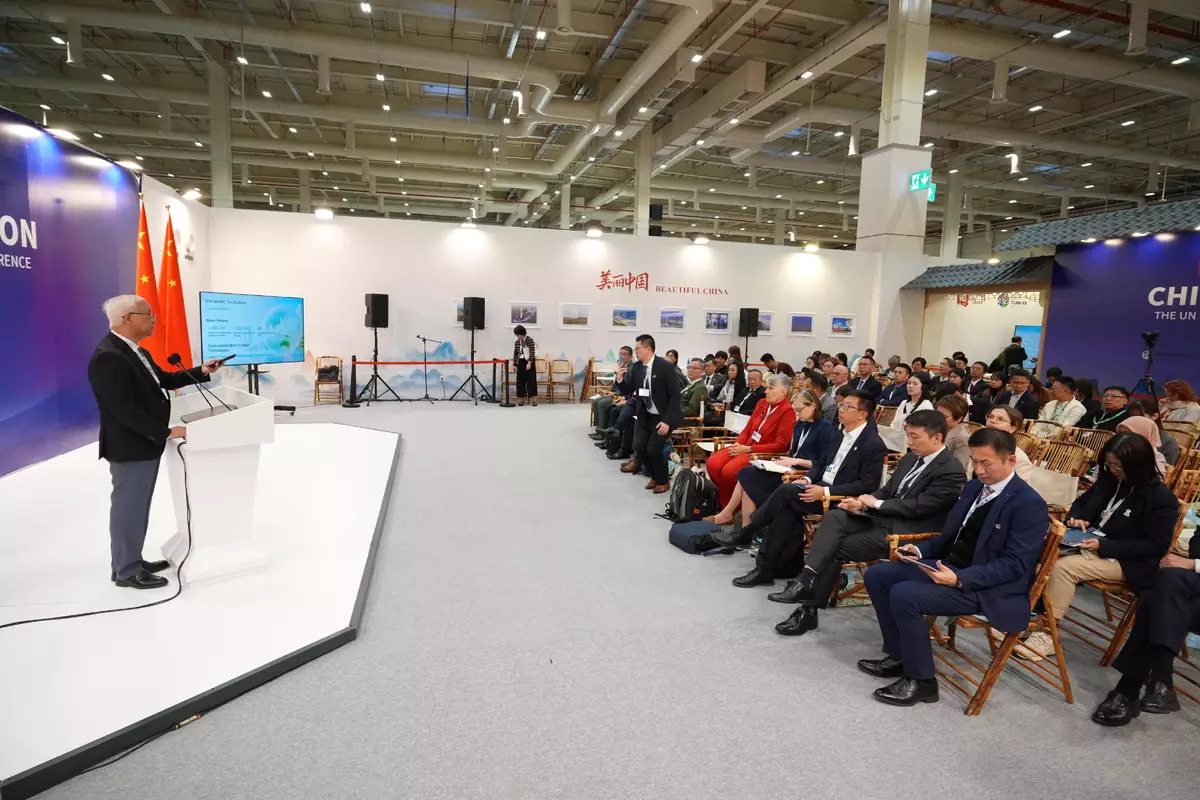
Opening speech by SEE at COP31 China Pavilion side event

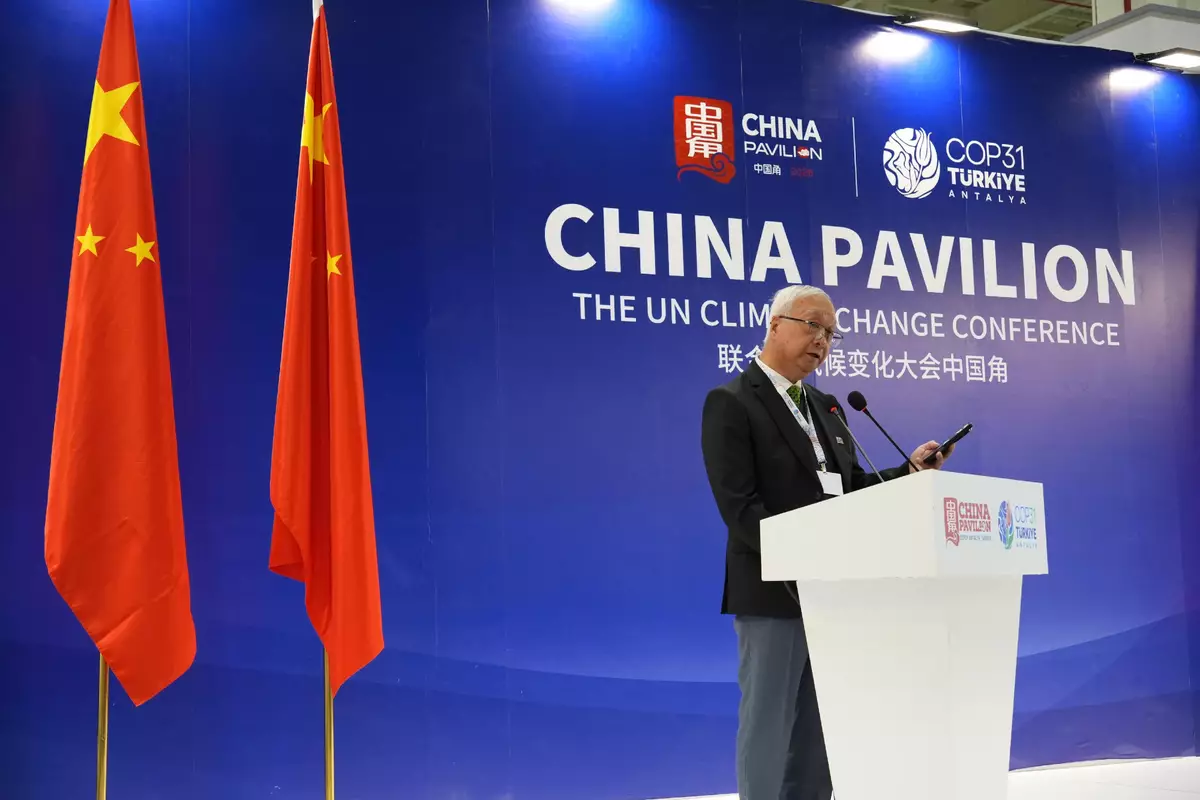
Following is the opening speech by the Secretary for Environment and Ecology, Mr Tse Chin-wan, at the China Pavilion side event: "From Vision to Collaborative Actions: Hong Kong as the Pivot in Green Transformation" of the 31st Conference of the Parties to the United Nations Framework Convention on Climate Change (COP31) in Antalya, Türkiye, on November 10 (Antalya time):

Good evening, everybody. On behalf of the Government of the Hong Kong Special Administrative Region, I would like to extend my warmest welcome to all of you.

I am particularly grateful to the Ministry of Ecology and Environment of China, for giving us the opportunity to host a side event at the China Pavilion.

My dear friends, to cope with the challenges brought by climate change, we must prepare ourselves, plan ahead, set targets and take action now.

For the first time, the Hong Kong Government is formulating a five-year plan. This Plan is our comprehensive roadmap for the future. It firmly establishes a forward-looking strategy.

The plan has introduced binding targets. They set the bar for promoting green transformation, energy reform, as well as making Hong Kong a cleaner and more enjoyable city.

Our efforts towards deep decarbonisation are already delivering results. Hong Kong's total carbon emissions peaked in 2014. Compared to the peak, in 2024, the total emissions had been reduced by 27 per cent. Yesterday, I have just got the statistics for 2025, it was further reduced to 32 per cent.

The per capita emissions have reduced by 35 per cent to about 4.1 tonnes, which is about 22 per cent of the carbon footprint of the United States and Australia, and 33 per cent lower than that of the European Union.

Therefore, our next targets are to halve the carbon emissions before 2035 and achieve carbon neutrality by 2050.

By 2035, we will stop the use of coal for power generation, increase the share of zero-carbon electricity to over 60 per cent, stop the registration of new fossil fuelled private cars as well as stop the use of landfilling for disposal of municipal waste. So, 2035 will be a very important year to Hong Kong.

Today, we are planning new infrastructure to take up more zero carbon electricity. On electrifying our transport, out of 10 new private cars, over seven are electric.

On waste reduction, we have managed to reduce the quantities of waste disposal for four consecutive years and recycling rate is going up. Waste to energy facilities are also coming into stream.

On adaptation and resilience, a dedicated Climate Change Working Group on Infrastructureis co-ordinating all public works to adapt our urban landscape, and conduct strategic planning studies needed to execute medium- and long-term, coastal defenses against rising sea levels and unprecedented rainfall.

The Hong Kong Observatory has enhanced the accuracy and lead time of severe weather warnings, giving our emergency services and citizens the critical time needed to prepare and respond.

Ladies and gentlemen, we all know that no economy or country can tackle climate change and the green transformation challenge alone. Progress requires clear policies, innovative technologies, financing and, above all, international cooperation.

Hong Kong is in a unique position to play an active role in this collective effort. First, is our system. Under "one country, two systems", we enjoy close connections with both the Chinese Mainland and international markets. Our professional services, financial system, common law system and environmental management experience, position us well as a"super connector" for international collaboration in the green transformation.

Second, achieving carbon neutrality and building climate resilience demand financial resources and Hong Kong is a major financial centre.

In 2025, the total green and sustainable debt issued in Hong Kong surpassed USD 76 billion. Among which, the volume of green and sustainable bonds arranged in Hong Kong amounted to around USD 38 billion and ranking first in the Asian market for the eighth consecutive years since 2018.

Hong Kong Exchanges and Clearing Limited has launched the Core Climate in 2022. As an international carbon trading platform, Core Climate connects capital with climate solutions across the region and facilitate carbon credit trading in both Hong Kong Dollar and Renminbi.

Alongside financing, we are supporting the commercialisation of green technologies. To take up Hong Kong's role as a "super connector", we are launching the Green Technology Bridgehead Programme in 2027, to help green technology and environmental companies use Hong Kong as a springboard into international markets.

My dear friends, Hong Kong is prepared to work with all parties to meet with the climate challenge.

We are here to bridge the gap between ideas and impact: from science to finance; from carbon markets to climate action; and from promises to results. Let us, all of us here, work together to turn our strengths and knowledge into decisive climate action.

Thank you.

Opening speech by SEE at COP31 China Pavilion side event Source: HKSAR Government Press Releases

Opening speech by SEE at COP31 China Pavilion side event Source: HKSAR Government Press Releases

Opening speech by SEE at COP31 China Pavilion side event Source: HKSAR Government Press Releases

Opening speech by SEE at COP31 China Pavilion side event Source: HKSAR Government Press Releases

Recommended Articles