Iraqi residents are facing fresh pressure on living costs after the government devalued its national currency, the Iraqi dinar, by about 13 percent against the U.S. dollar in early October to stretch its dollar-denominated oil revenue amid blocked exports, a move that has driven up prices of food and daily necessities. At a food wholesale market in central Baghdad, prices of daily necessities such as rice, cooking oil and sugar have risen noticeably. "Basically, all products have gone up in price. Now there's almost nothing in my store that hasn't gone up in price. There's basically no business in the market now. Almost no one comes to buy anything," said a local merchant.
"Currency devaluation has had a big impact on our business. And it's not just the food market that's been affected. All kinds of other goods have been affected too, especially medicines," said another local merchant.
A large share of the food, medicines and daily goods on the Iraqi market relies on imports. The devaluation of the national currency has pushed up import costs, which in turn has weakened people's purchasing power. "We've already cut back a lot on spending. Quite a few things we originally needed to buy, such as food and various household daily necessities, [we've cut back on,]" said a resident in Baghdad.
Local scholars believe that exchange-rate adjustments can hardly make up for the dollar revenue shortfall caused by blocked oil exports, and that the extra costs triggered by the currency devaluation are still being passed on to the local market.
"[After the exchange-rate adjustment,] The negative impact on the market has further expanded. Commodity prices have also risen several times over. Companies are no longer willing to actively engage in import business as they used to. The currency market lacks stability and he entire market lacks confidence. What we're facing now is not just one crisis. In trying to solve the crisis, even more new crises have emerged," said Iraqi economic expert Duraid Al-Anzi.
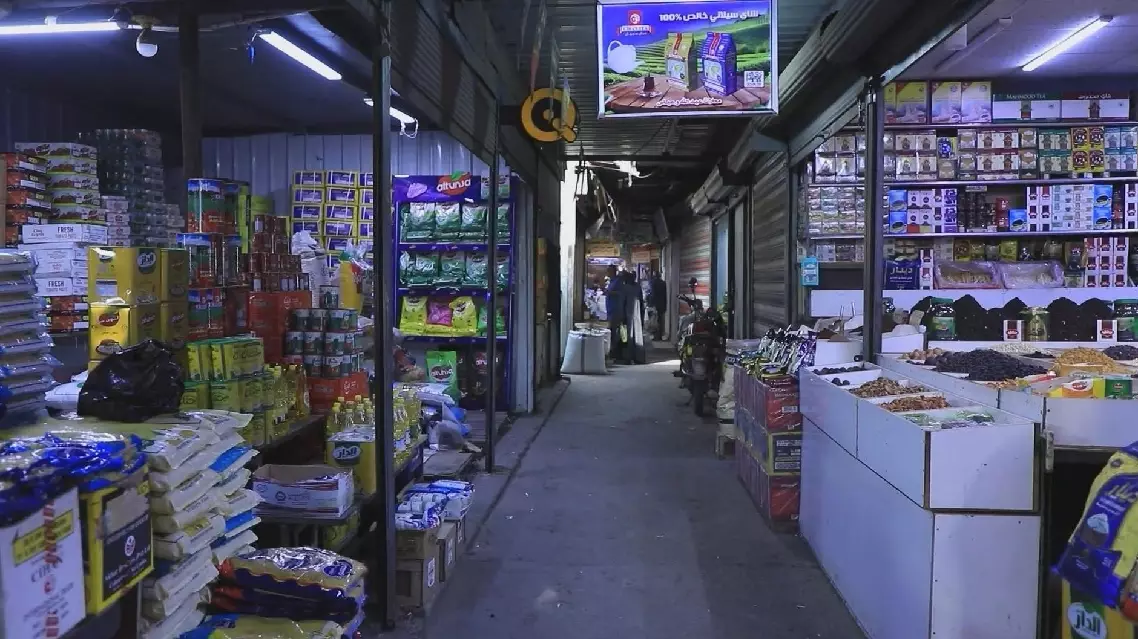
Iraqi residents feel squeezed as currency devaluation drives up cost of food, daily necessities