President Donald Trump’s $10 billion defamation case against the BBC remains on track, for the moment.
A federal judge in Florida ruled on Tuesday that Trump’s defamation claim could go forward, though he did not rule on the merits. The publicly funded British broadcaster had sought to dismiss the case.
Judge Jeffrey Kuntz did dismiss part of the case, tossing out a Trump claim that the BBC’s actions violated a Florida law concerning unfair business practices.
Trump filed his lawsuit against the BBC in December. The Republican president accused the BBC of defamation as well as deceptive and unfair trade practices related to a documentary, “Trump: A Second Chance?”
The BBC acknowledged that filmmakers spliced together quotes from different sections of the speech Trump delivered to his supporters on Jan. 6, 2021, before the storming of the U.S. Capitol, to make it seem that Trump was directly urging violence.
The broadcaster apologized over the editing, and that was something the judge made note of in his ruling Wednesday. The head of the BBC and its top news executive both resigned. The BBC has denied Trump’s claims that it defamed him.
In October, a different judge in Florida ordered Trump to sit for a deposition in the case by Dec. 11. Lawyers for the BBC had complained that Trump was delaying his appearance in his own lawsuit. Charles Tobin, an attorney for the BBC, said that with two months left in the discovery period, “we still haven’t been able to depose the plaintiff.” The deposition deadline could yet be extended.
Trump called Kuntz’s latest ruling a major victory.
“A Huge Victory against Fake News BBC, a terrible abuser of the truth, just handed down by highly respected District Court Judge, Jeffrey T. Kuntz, of the Southern District of Florida,” Trump posted on his Truth Social platform.
“We will continue fighting against, and defeating, all of those who try to deceive the American People!” Trump wrote Tuesday evening.
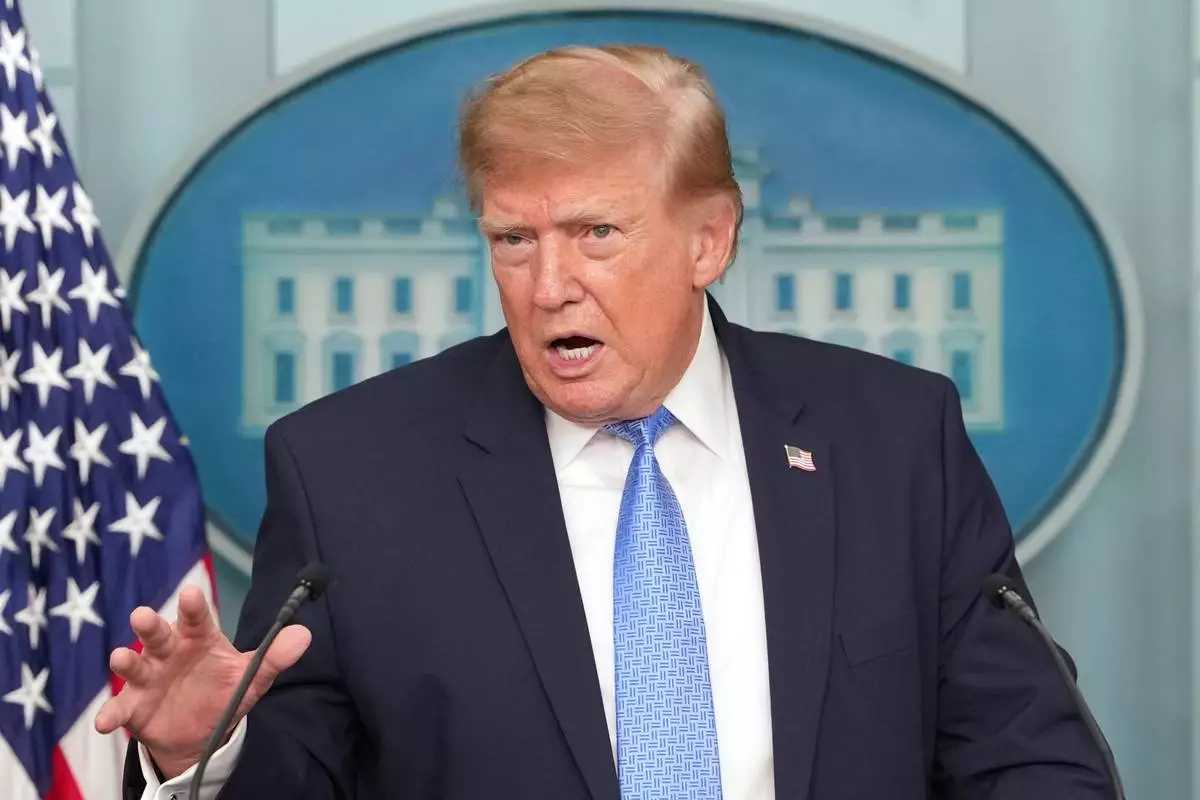
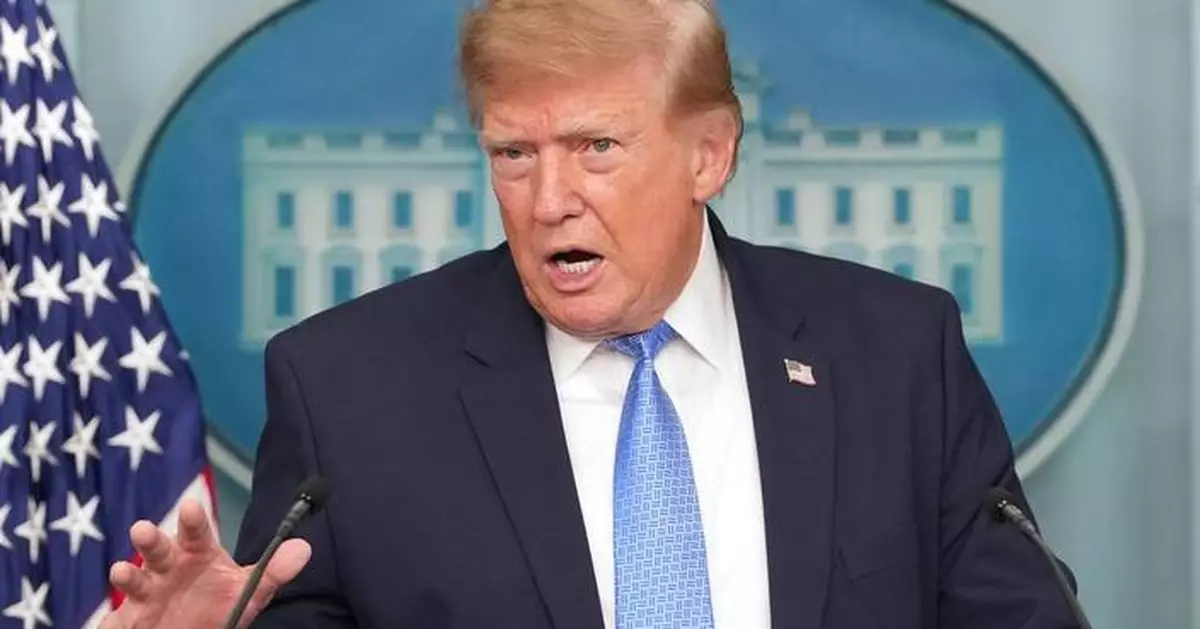
President Donald Trump speaks in the James Brady Press Briefing Room at the White House Monday, Nov. 9, 2026, in Washington. (AP Photo/Alex Brandon)
DETROIT (AP) — Alexis Derriso enlisted in the U.S. Army as a 19-year-old in 1980, following a father and brother who had served in the military.
Derriso went through basic training and spent six years in the Army, mostly handling personnel management and other administrative duties.
Today, as founder and chief executive of the 640-member Motown Women Veterans Association, she wants others to understand that women like her sacrificed as much as men, and sometimes more, in service to their country.
Her nonprofit is selling military-style dog tags that read, “Millions of women have served this country. I am one,” to raise funds for a Detroit-area homeless shelter for female veterans and their children. The tags can be purchased for $15 from the organization's website.
So far, about 2,000 have been sold, but the goal is to sell 1 million, said Derriso.
Women have a long history in the U.S. military, most of it spent as nurses or in administrative and support roles for male troops, though thousands served in the Women's Army Corps, created during World War II.
In 1948, President Harry S. Truman signed the Women’s Armed Services Integration Act into law. Women were permitted to serve in the regular Army and Organized Reserve Corps, which later became the U.S. Army Reserve and Air Force Reserve, but were restricted to just 2% of service members in the Army, Navy, Air Force and Marines. Those ceilings were removed in 1967.
In 2013, a ban on women in direct ground combat roles was lifted. Three years later, the ban was lifted for all military roles.
Women currently comprise about 17% of the more than 1.2 million active-duty military personnel and more than 21% of troops in the National Guard or reserves. More than 2 million women are U.S. military veterans, according to the Department of Veterans Affairs.
But even as women have achieved high-ranking command roles and fought side by side on the battlefield with men, they often are given less honor publicly than their male counterparts, according to Derriso.
“We’re treated as if we’re invisible,” she said. “If I just have a cap on that says ‘U.S. Army,’ I’m pretty much ignored. In the civilian world, they will look at me as if I’m wearing my husband's cap.”
Her organization’s dog tags are designed to help bring women veterans “out of isolation,” she said.
Yet for many, “The military is still a man’s world. All we can do is show up and do our duty and pay our respect to our country like we signed up to do,” said Susan McCain, a National Guard vet from St. Clair Shores, northeast of Detroit.
McCain enlisted in 1985 and served until 1993. She initially struggled with the little recognition her own service brought, but says the Motown Women Veterans Association and its programs allow her to be there for others.
“When I finally owned my veterans' status I became a much prouder person to myself,” McCain said. “It really lifted up my self-esteem. Going into the military was very empowering to me as a woman back in the ‘80s because we were just getting started in filling in some ... traditional male roles.”
It’s people who haven’t served who often find it difficult to see a woman as a veteran, said Anitra Grant, 68, who enlisted in the Army in 1982 and retired in 2007 from the reserves as a master sergeant.
Grant, who lives in Hampton, Virginia, said people still ask, “Did you actually have to learn how to fire a weapon, get in a foxhole?”
“Yep, I did all that,” she laughed. “Yep, women fly the same airplanes.”
But Grant said she also experienced discrimination by some she served with.
“I was told by our lieutenant that he didn’t believe females should be in the service,” she said. “Once again, you have to prove yourself.”
Historically, military identification tags were small, thin metal plates worn on chains around soldiers' necks to help identify them if they were killed or wounded during battle. A soldier's name, branch of service and blood type were stamped into the metal.
The Motown Women Veterans Association dog tags also are metal and bear the names of four military branches — the Marines, Air Force, Navy or Army. They're made in Mount Vernon, New York, by LogoTags, a division of Ball Chain Manufacturing that supplies stamped dog tags and ball chains to the U.S. military.
“We want to have something we're proud to give to our customers, especially our veterans,” said Bill Taubner, who runs the family-owned company. “You wear them. They've got your name on it. It's tangible and it's physical and they're always with them.”
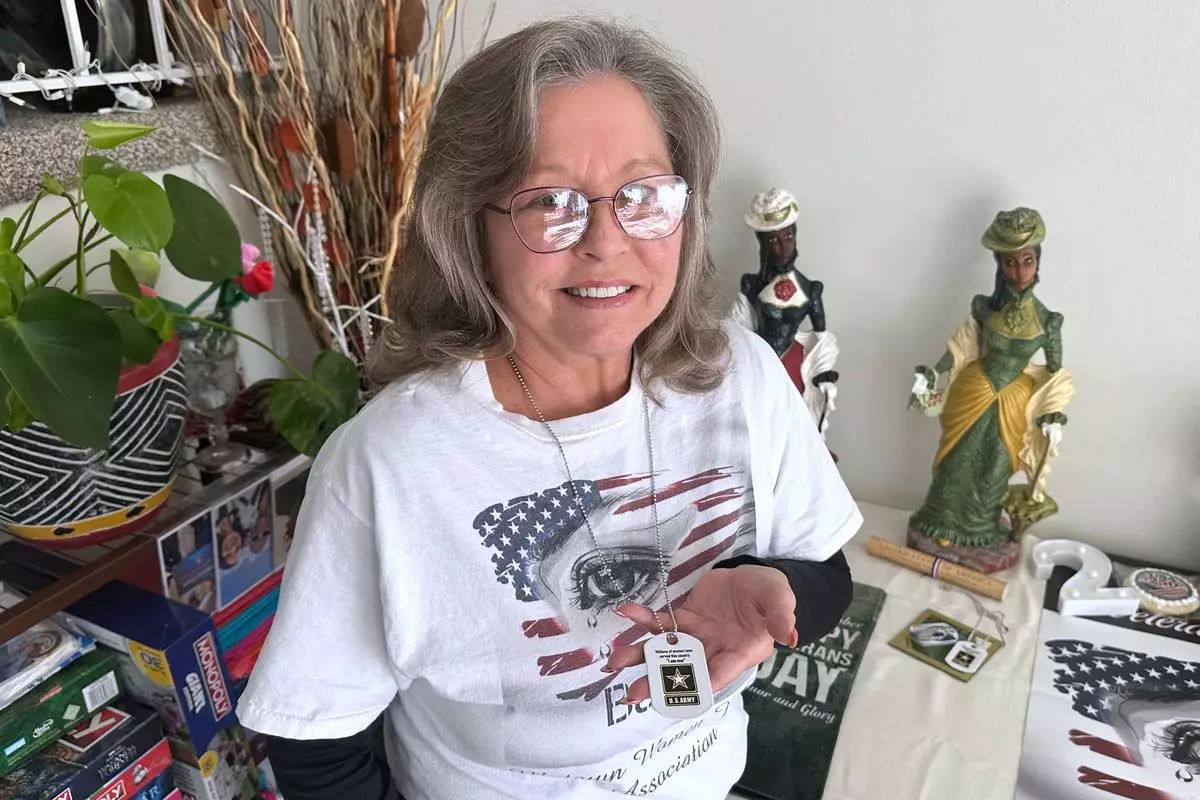
Susan McCain, of St. Clair Shores, northeast of Detroit, wears a U.S. Army dog tag designed to raise awareness about the contributions made by women military veterans, Tuesday, Nov. 10, 2026, in n Southfield, Mich. (AP Photo/Corey Williams)
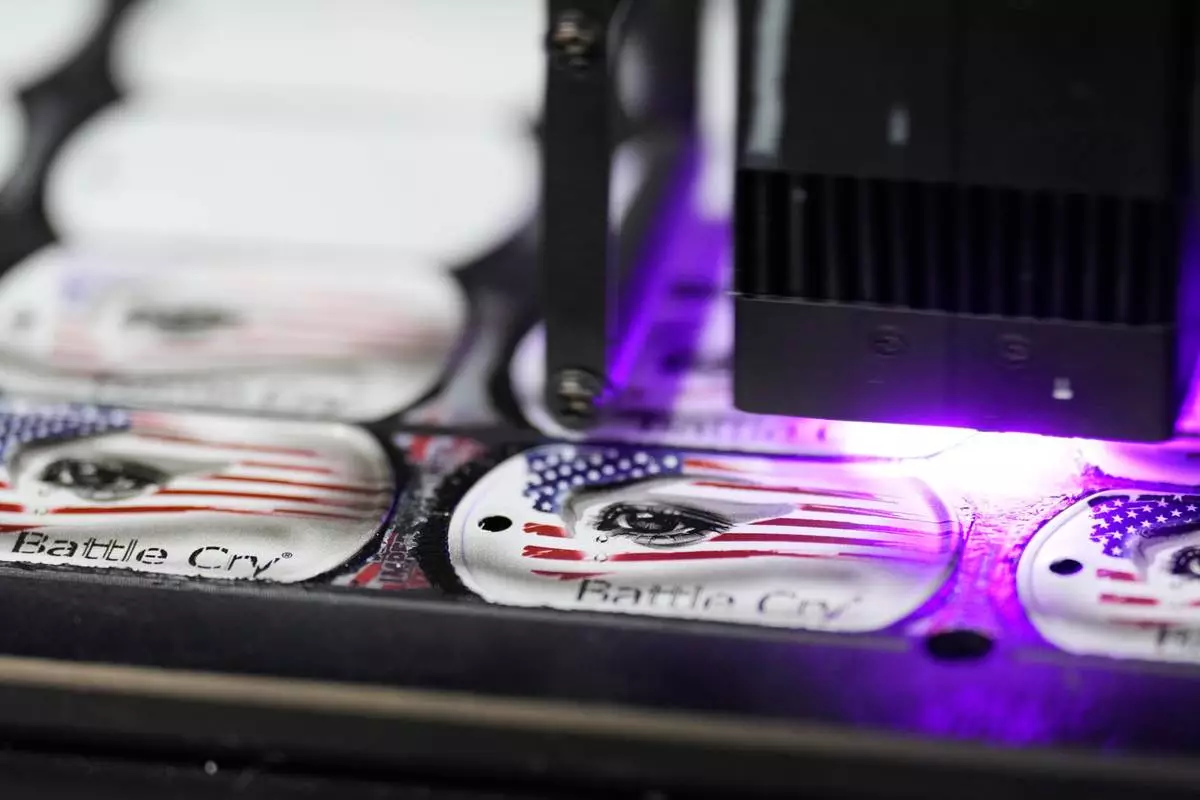
Samples of a dog tag honoring women in the military are printed at LogoTags in Mount Vernon, N.Y., Tuesday, Nov. 10, 2026. (AP Photo/Seth Wenig)
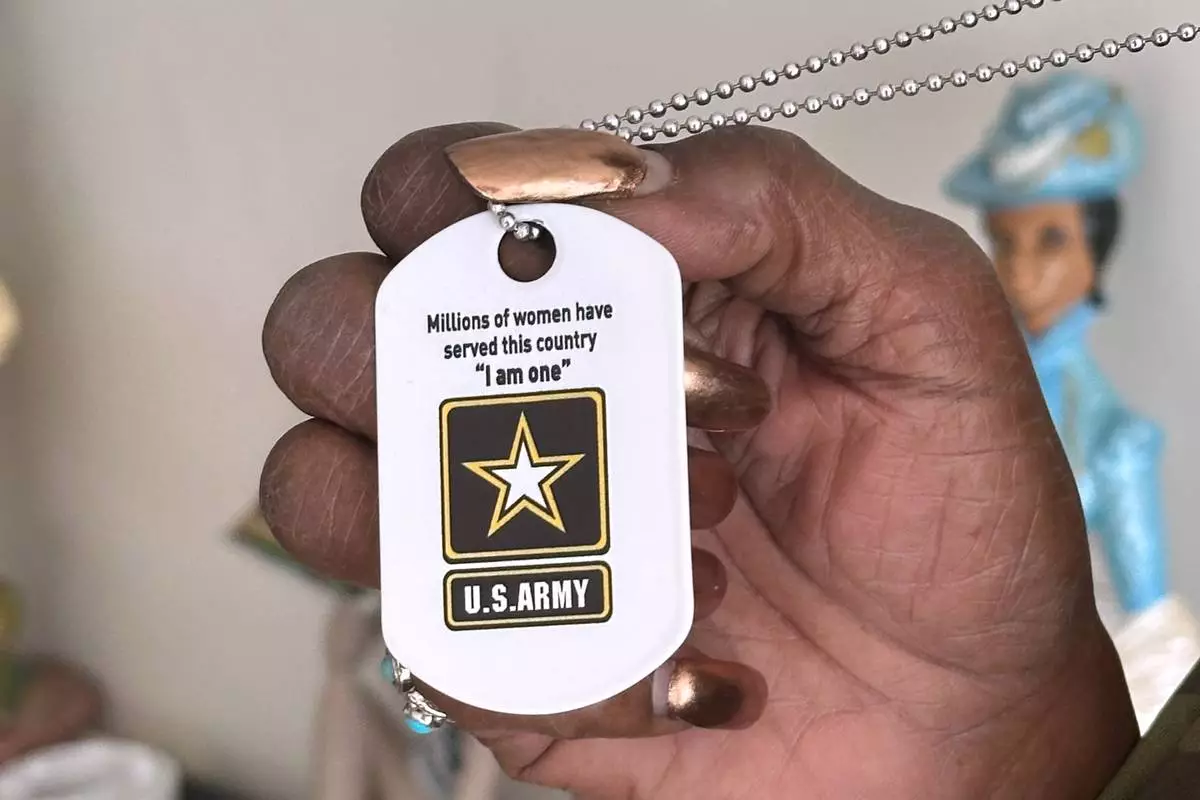
Alexis Derriso displays a U.S. Army dog tag designed to raise awareness about the contributions made by women military veterans, Tuesday, Nov. 10, 2026, in Southfield, Mich. (AP Photo/Corey Williams)
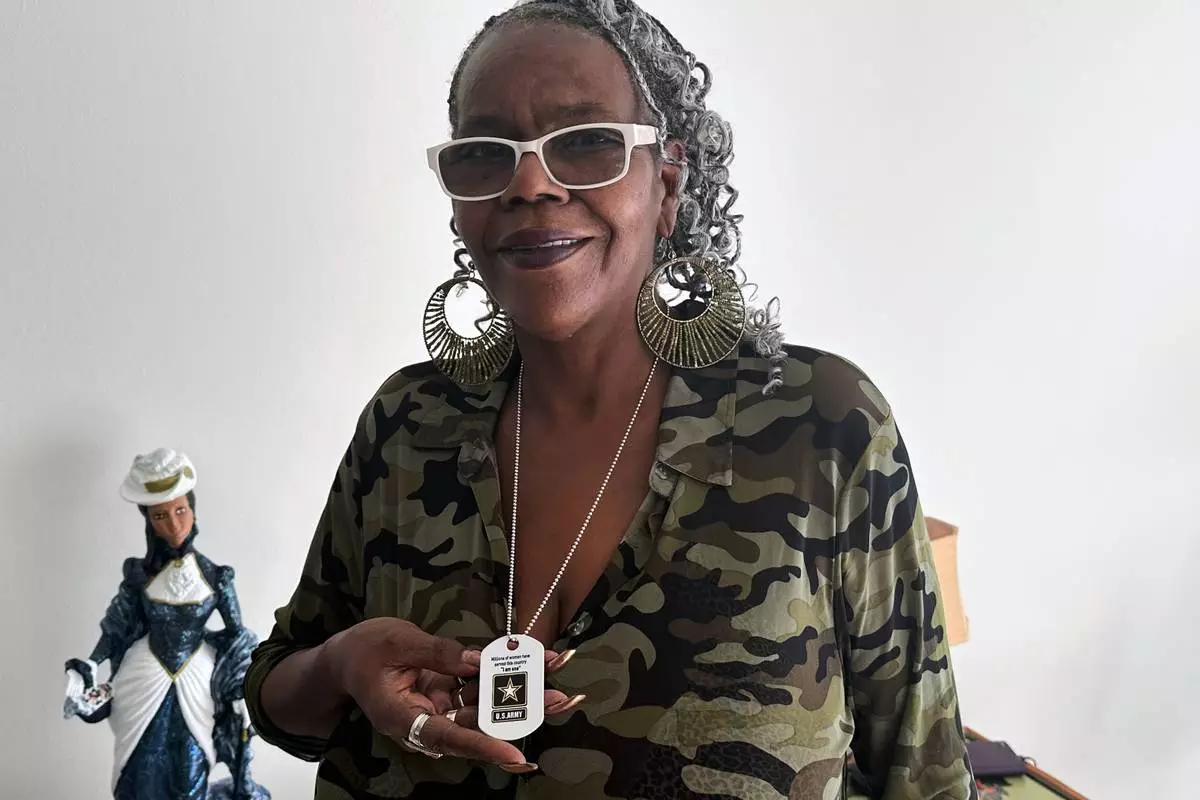
Alexis Derriso displays a U.S. Army dog tag designed to raise awareness about the contributions made by women military veterans, Tuesday, Nov. 10, 2026, in Southfield, Mich. (AP Photo/Corey Williams)
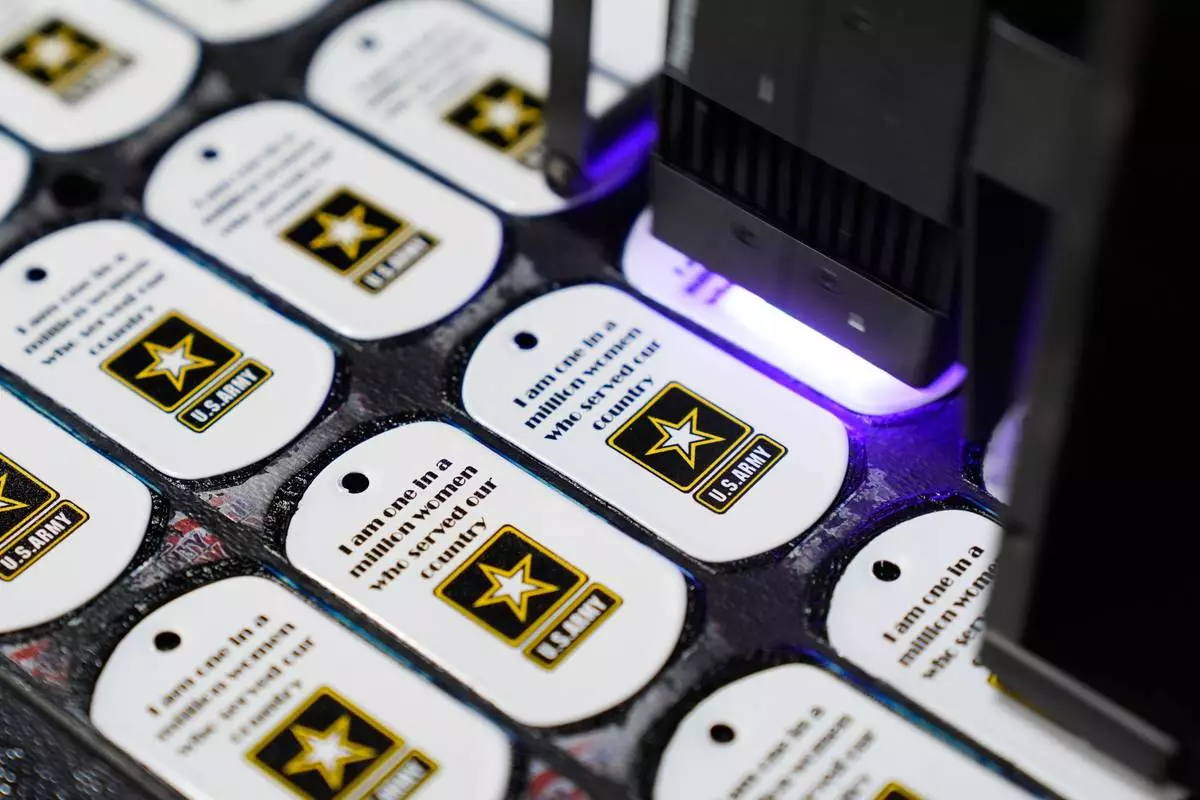
Samples of a dog tag honoring women in the military are printed at LogoTags in Mount Vernon, N.Y., Tuesday, Nov. 10, 2026. (AP Photo/Seth Wenig)