Three Black University of Mississippi students who shared a now-viral Ring camera video of two white students making monkeylike sounds and gestures outside their front door say they received an apology from one woman.
But the other only amplified her behavior, they said, divulging details of the rest of the encounter that weren't captured on camera.
“She continued to make the gestures after the girl was apologizing. It was like a slap in the face,” Victoria Johnson told “CBS Mornings” in an interview that aired Wednesday.
Johnson was joined by her roommates, Jakiyra Metcalf and Kaiyden Caldwell, to talk about the incident that has ignited a firestorm on the Ole Miss campus and across social media. The animalistic gestures and sounds are seen as racist because they were reminiscent of ugly, old stereotypes comparing Black people to simians.
For it to happen at a college community in the Deep South with a long history of racism has added to the raw emotions.
Metcalf saw the video Friday and she and Johnson went outside to talk to the two women, who had another friend with them. She was only seen glancing at the door in the video.
They said one woman, Alaina Kunes, apologized but said they had been making animallike noises and gestures in front of other doors in the apartment complex. But the second woman, who lives in the complex, purportedly kept the antics going off camera.
Metcalf's TikTok post has been viewed over 13 million times in four days. On Monday, the university posted a statement condemning the actions in the video as “offensive, hurtful, and unacceptable behaviors that conflict with our university values.” School officials also said the incident is being investigated and they are dedicated to “maintaining a safe and welcoming environment.”
Kunes, 18, issued a public apology Tuesday through a law firm.
“Before the incident on Nov. 6, I never met the women involved and was unaware of their race, however I recognize my actions were insensitive, inappropriate and deeply harmful,” Kunes said. “I would have never intentionally made those noises or gestures toward a person of color. I have apologized to the women and I pray they will forgive me.”
She has since withdrawn from school. She also said she would fully cooperate with any investigation.
The statement was originally posted on the firm's website, but it had to be taken down because of ongoing harassment, said Kate Gardiner, a spokesperson for the firm.
Kunes will not be speaking beyond the statement, Gardiner added.
The outrage against Kunes and the second woman, who has not publicly identified herself, has also stirred up opposition against using social media to malign them.
Tom Hennessey, an influencer tied to online fundraisers for people criticized for making xenophobic remarks, is credited with starting a fundraiser for the other woman on Christian fundraising platform GiveSendGo. It has raised over $30,000 as of Wednesday afternoon. The fundraising page states the “online mob (is) treating a juvenile stunt as a hate crime because the residents were Black.”
The fundraiser also says it could possibly be canceled if the woman “disavows our support and bends the knee” and apologizes.
When contacted via X, or Twitter, DM, Hennessey said there is a double-standard and less attention is given to Black-on-white crime. He declined to say whether he had been in touch with the student about the fundraiser.
This is not the first time the university has been the backdrop for a Black student dealing with taunting animallike mimicking. In a May 2024 campus demonstration over the Israel-Hamas war, a counterprotester made monkey sounds and gestures at a Black, female student. The interaction was filmed by a student journalist. The video got the attention of outgoing Georgia Republican U.S. Rep. Mike Collins, who appeared to praise the behavior in a tweet.
Ole Miss also has a long history with racism, civil rights and segregation. In 1962, activist James Meredith was the first Black person to be admitted to the school after the U.S. Supreme Court ruled in his favor.
Then-Gov. Ross Barnett tried to block his admission but could not disobey federal law, according to the National Museum of African American History & Culture. Still, white objectors instigated a riot on campus. Two bystanders died and over 200 arrests were made.
Metcalf, Caldwell and Johnson hedged when asked if they forgive Kunes.
“I still have very mixed feelings about it,” Metcalf said.
Caldwell said she appreciated the apology but said it doesn't change what happened.
“It's still hurtful, and it's still devastating that someone would go to our camera and do that," Caldwell said.
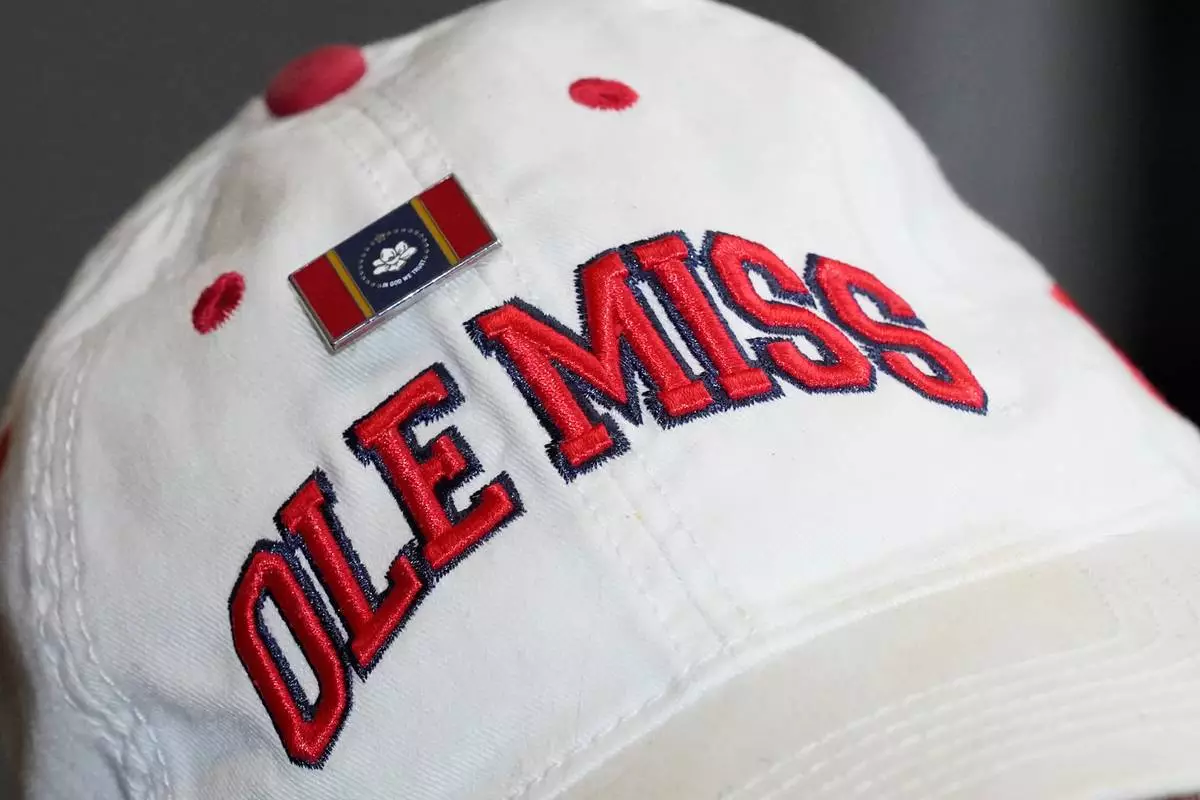
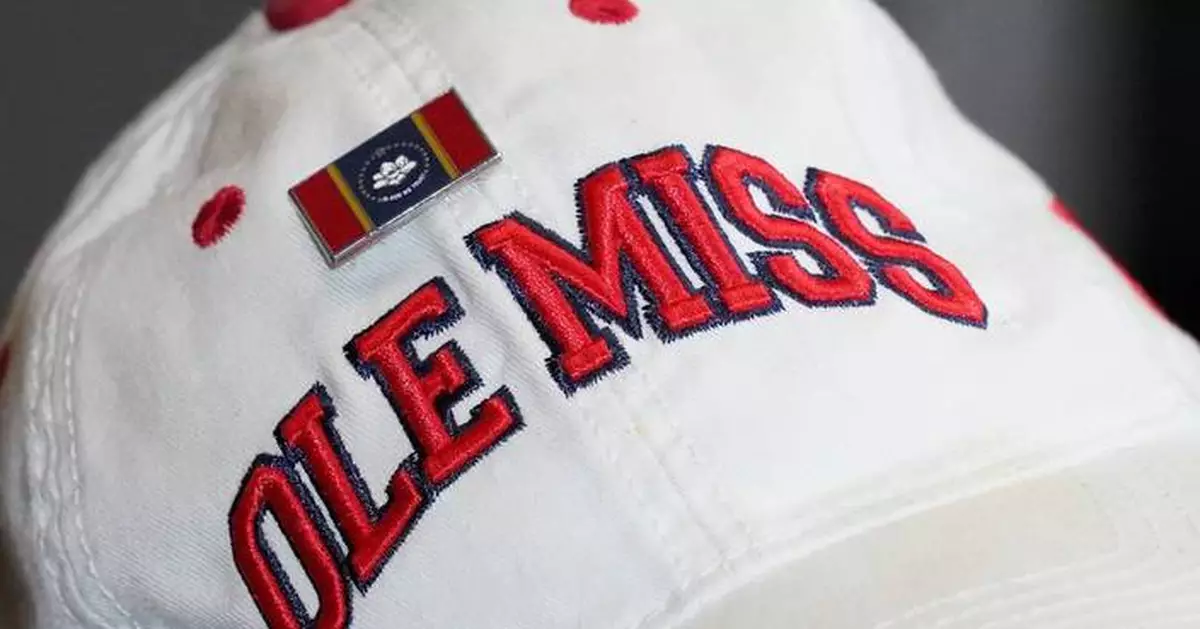
A person wears a hat with a Mississippi state flag pin and one of the school's logos in Jackson, Miss., Oct. 28, 2021. (AP Photo/Rogelio V. Solis, File)
JACKSON, Miss. (AP) — Democratic nominee Scott Colom defeated Republican Sen. Cindy Hyde-Smith on Wednesday in Mississippi's closely contested U.S. Senate race after a prolonged ballot counting process, giving the state its first Black U.S. senator since post-Civil War Reconstruction.
Colom's narrow victory is a seismic shift in Mississippi, which has been controlled mostly by white conservatives for generations, and it yielded immediate echoes around the country. The outcome adds to a decisive midterm rebuke of President Donald Trump, whose party suffered defeats in several Republican-controlled states, and it will bolster some Democrats' argument that their future runs through the American South.
The Associated Press called the contest Wednesday in Colom's favor after local elections officials spent several days processing absentee and provisional ballots, called affidavit ballots in Mississippi.
“While this is not the outcome we worked for or hoped for, I respect the decision of Mississippi voters,” Hyde-Smith, 67, said in a two-minute concession speech posted online. “I want to congratulate Scott Colom and wish him well as he takes on the tremendous responsibility of representing our great state.”
A spokesman for the senator said she called Colom to congratulate him and concede before the video was shared publicly.
Colom scheduled a victory celebration with supporters Wednesday night in Jackson.
The last time Mississippi chose a new Democratic senator was 1947, and the winner then was a staunch segregationist. Colom, a 43-year-old local prosecutor, capitalized on the state’s large Black population, discontent with the economy and Hyde-Smith’s missteps as she sought a second full term.
“They actually deserve a senator that will listen to them, that actually cares about what they think, actually cares about what they’re going through,” Colom said in the campaign's closing stretch.
Colom said during the campaign that he could represent all of Mississippi, a state where racial divisions have long defined its politics and society.
“It’s got to be about having a party that represents rural America again, suburban America, urban America — a party that makes sure we actually deliver for voters in ways that make their lives better,” he said.
Party leaders hailed the senator-elect's triumph, with nods to the South's emerging battleground status after other upset victories from North Carolina to Texas.
“Scott Colom is the only person who could’ve gotten this done,” Democratic Senate leader Chuck Schumer of New York posted online. “Along with his staff and volunteers, Scott ran the campaign of a lifetime and re-imagined what’s possible for Democrats in the South.”
Former President Bill Clinton, a native Arkansan who campaigned with Colom days before the election, addressed the senator-elect on social media, saying he won “because you believe in the promise of your state’s people. And they believed in you right back.”
Despite Schumer's support, the contest was a latecomer to the national spotlight, drawing attention and money months after Black senators, including Georgia's Raphael Warnock and Maryland's Angela Alsobrooks, first urged donors and party leaders to see the contest as winnable.
The son of a onetime Republican who worked for President Ronald Reagan, Colom garnered attention for his aggressive campaign as Democrats widened the Senate battleground map and Hyde-Smith's vulnerabilities crystallized.
He produced of the year’s most widely circulated ads. After Hyde-Smith seemed to brush off high beef prices by saying consumers could choose other proteins, Colom cut a 30-second spot depicting incredulous voters saying they’d “pick another senator instead.”
When Trump came to Corinth, Mississippi, in late October for a rally with Hyde-Smith, Colom walked the line of Trump supporters as they waited outside the gates. He introduced himself, asked about their concerns and explained his priorities.
Later that evening, when Trump called Hyde-Smith to the stage, she said nine words in six seconds: “Is this not the best president in our lifetime?”
Then she stepped away.
Colom's appearance outside the rally tracked his strategy of criticizing Trump’s policies — especially the Iran war and tariffs that he said were especially hard on Mississippi farmers — without taking personal jabs at the president or people who voted for him. Instead, he consistently put the onus on Hyde-Smith, framing her as a nonentity in Washington — a critique that resonated in a state that has been accustomed to long-serving senators like Thad Cochran, Trent Lott and John Stennis, who all rose to powerful posts and routed federal money back to Mississippi.
There is some irony to Hyde-Smith losing to Colom. In 2022, then-President Joe Biden nominated Colom to be a U.S. District Court judge in the Northern District of Mississippi. Mississippi’s senior Republican Sen. Roger Wicker and former Gov. Haley Barbour, who is also a former national Republican chairman, backed the nomination.
Hyde-Smith, however, blocked Colom’s confirmation under the Senate tradition that members can spike a president’s choices for federal judicial positions in their home state. Colom said his campaign was never about getting even with Hyde-Smith.
The senator-elect concluded his campaign with an ad that featured him at the Jackson home of Medgar Evers, the civil rights leader who, in 1963, was gunned down in his driveway by a white supremacist and died in front of his family.
“In Mississippi, no one is above the law, and no one should be outside its protection,” Colom said, telling the story of Evers' military service at Normandy in World War II, his voter registration efforts in Mississippi, his assassination and the three decades it took to win a conviction.
“He was killed for helping Mississippians vote,” Colom said. “On Tuesday, use your vote and honor everyone who died for that right.”
Schumer helped Colom raise money, and he drew financial support from other outside players, including Illinois Gov. JB Pritzker, a billionaire and potential presidential candidate.
Former President Bill Clinton and former Vice President Kamala Harris campaigned on Colom's behalf in the campaign's closing weeks.
With the largest share of Black voters of any state, Mississippi’s general elections have been closer for years than its immediate Southern neighbors. Trump won by double digits in each of his three presidential contests, but in 2023, Republican Gov. Tate Reeves managed to win reelection by a margin of just 3 percentage points.
Colom and other Black party leaders and strategists insisted throughout 2026 that he could narrow the gap with strong Black turnout, Republican voter discontent and an uptick in Democrats' usual share of the white vote in Mississippi.
Results showed strong turnout in the Mississippi Delta and its concentration of majority Black counties. But nearly all of the state moved leftward from the 2024 election, when Trump carried Mississippi by nearly 23 points.
Then-Gov. Phil Bryant first appointed Hyde-Smith, who was state agriculture commissioner, to the Senate in 2018 when Cochran resigned. She won a special election runoff in 2018 and a full term in 2020. Both times she defeated Democrat Mike Espy, a former U.S. agriculture secretary who'd also been Mississippi's first Black congressman since Reconstruction.
During the extended vote count, Colom acknowledged the historic nature of doing what Espy could not. But he said he sees his place more in terms of other Mississippians, especially its youngest residents, than his individual story.
“My job is to do well enough as the next United States senator that the next time some young Black boy or girl has the work ethic, the vision, and the values,” he said, “and they want to be United States senator, that nobody says because of anything I’ve done that they shouldn’t get a chance.”
__
Barrow reported from Atlanta and Washington.
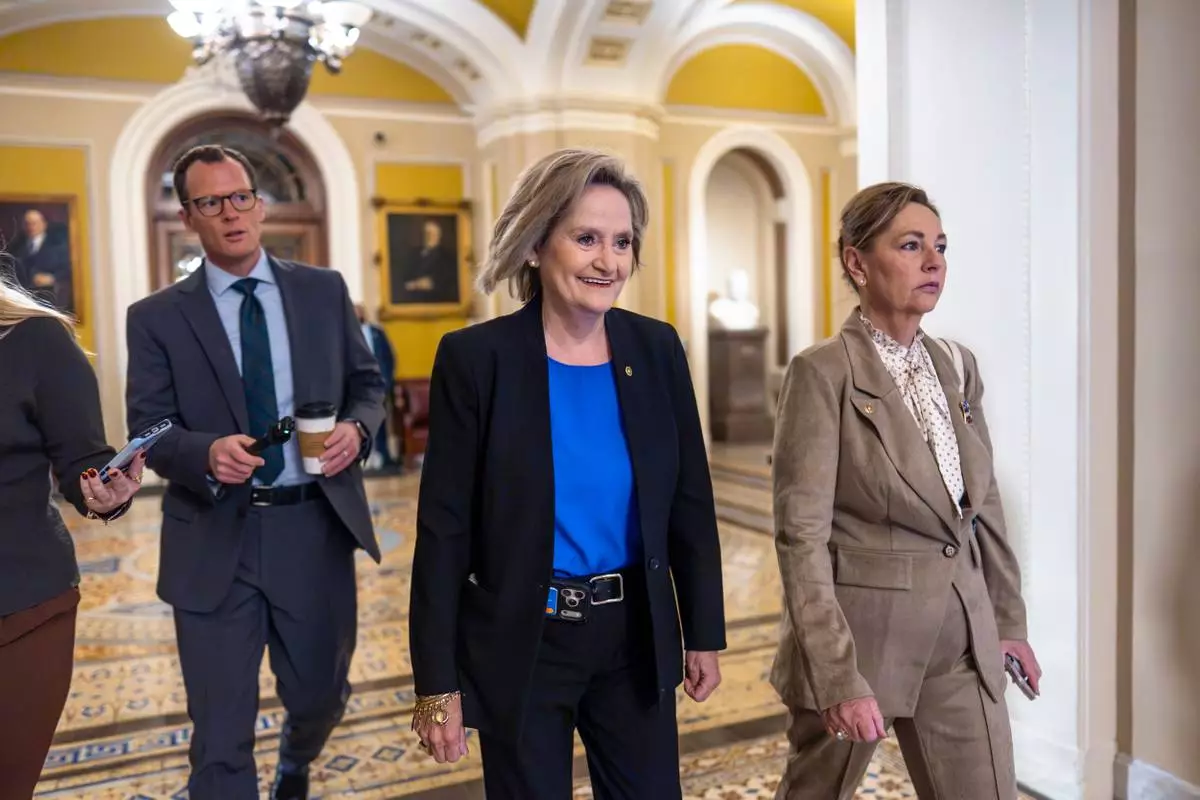
Sen. Cindy Hyde-Smith, R-Miss., walks to join members of the Republican Conference to elect their leadership following the sweeping victory by Democrats in the midterm elections, at the Capitol in Washington, Tuesday, Nov. 10, 2026. (AP Photo/J. Scott Applewhite)
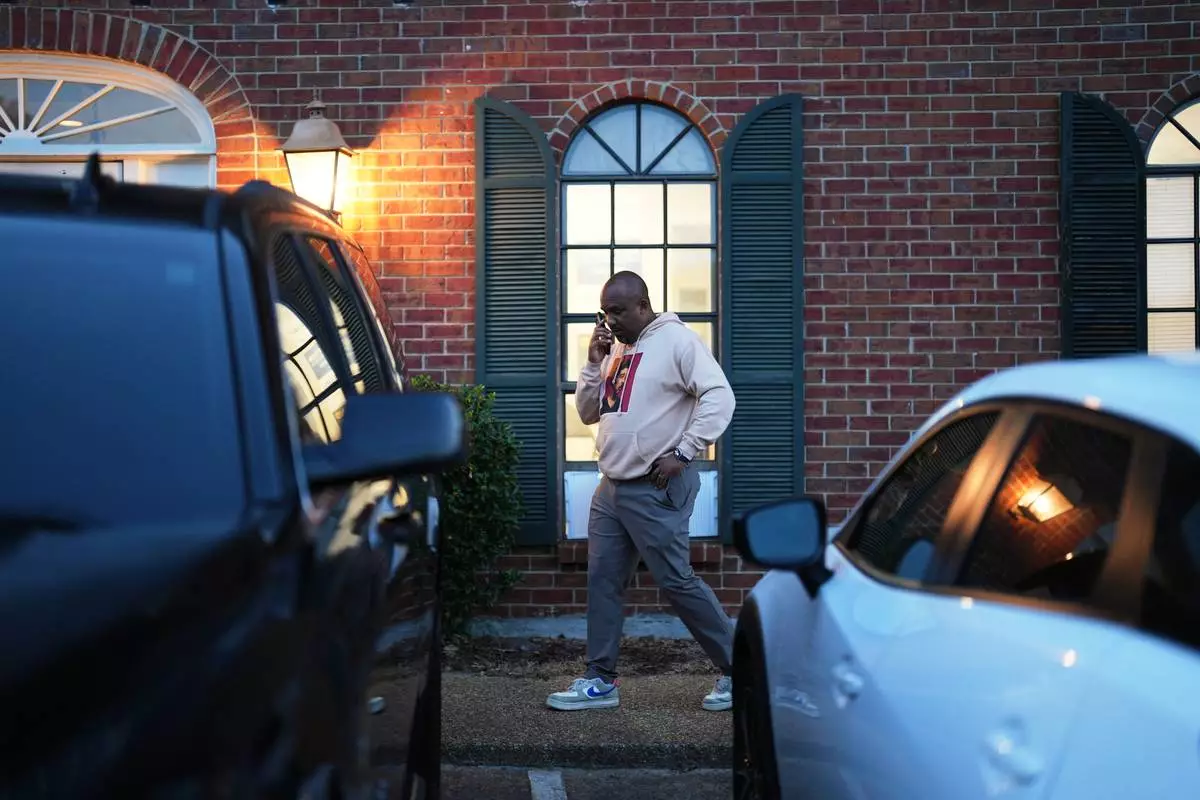
Mississippi Democratic Senate candidate Scott Colom talks on the phone with Sen. Cory Booker, in Jackson, Miss., Wednesday, Nov. 11, 2026. (AP Photo/Ellen Schmidt)
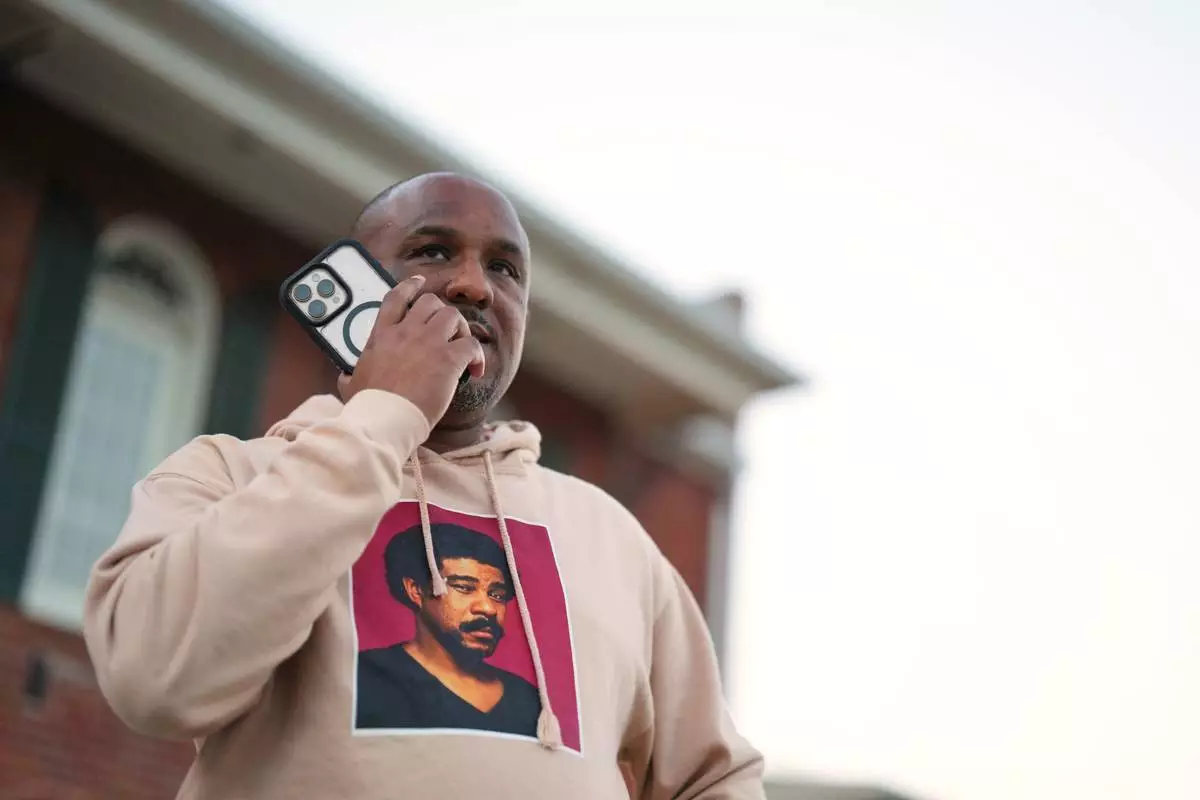
Mississippi Democratic Senate candidate Scott Colom talks on the phone with Sen. Cory Booker, in Jackson, Miss., Wednesday, Nov. 11, 2026. (AP Photo/Ellen Schmidt)
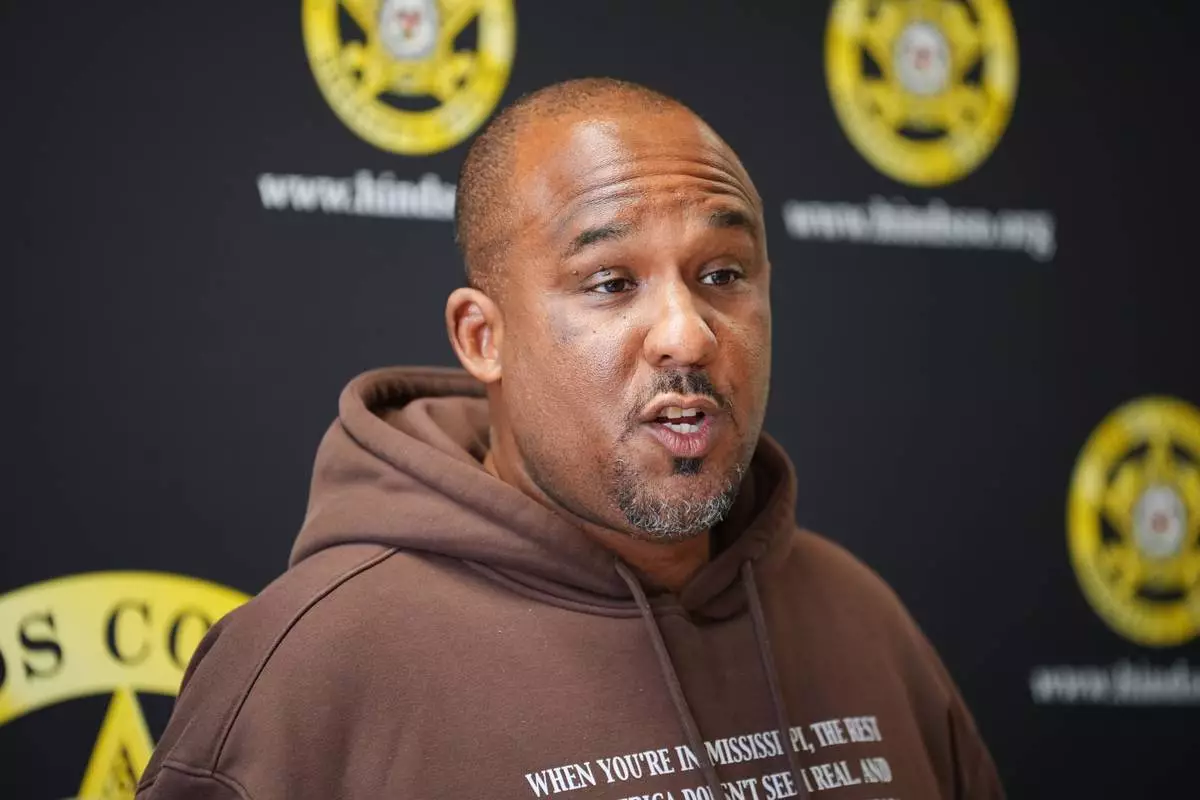
Democratic candidate for U.S. Senate Scott Colom speaks during a news conference, Tuesday, Nov. 10, 2026, at the Hinds County Sheriff's Office in Jackson, Miss.(AP Photo/Ellen Schmidt)
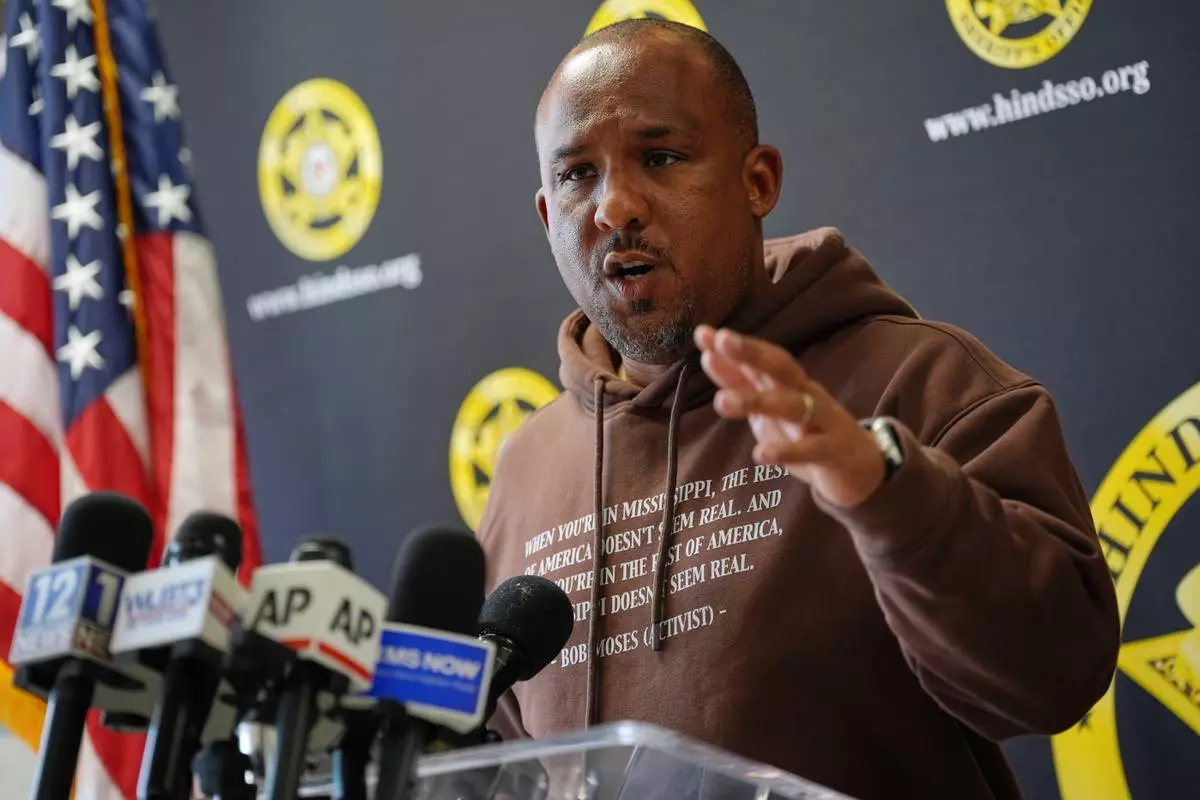
Democratic candidate for U.S. Senate Scott Colom speaks during a news conference, Tuesday, Nov. 10, 2026, at the Hinds County Sheriff's Office in Jackson, Miss. (AP Photo/Ellen Schmidt)