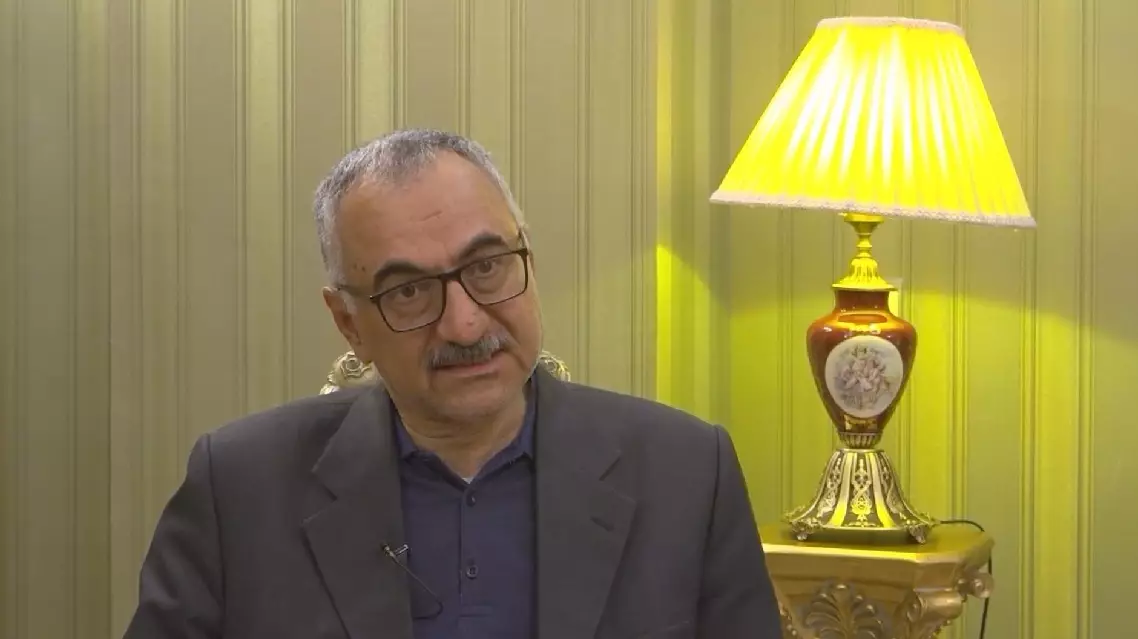
An entrepreneur from the Republic of Korea (ROK) hailed the bold choice he made more than two decades ago to move to east China's Fujian Province where he has established his own footwear company which continues to flourish in China's so-called "shoe capital".
Michael Lee first came to China in 2003 and now calls Fujian his home. In Jinjiang, a county-level city under Quanzhou and one of China's leading footwear manufacturing hubs, he has found a world-class supply chain, constant innovation, and the opportunity to build his own business.
Reflecting on how his career has panned out, Lee regards taking a chance on China as the best decision of his life.
"If someone asked me, in my 45 years of life, what has been my most satisfying choice, I would say it was buying the plane ticket to Beijing in 2003. That year, I went to Beijing Language and Culture University to study Chinese," he said.
Recognizing the huge business potential in Fujian, Lee then forged his own career path.
"I had previously worked at a South Korean company in Quanzhou, where I discovered that Jinjiang was the world's largest city for the shoe-making industry. With such great resources, why would I leave? Then I started my own footwear company," he said.
Lee explained his firm helps clients draw up sales plans and handle design, development, mass production, exports and delivery, managing the entire logistics chain from start to finish.
In the past, Lee noted that many shoe industry insiders would travel abroad to trade fairs to scout out new materials and better craftsmanship. Today, however, he said Jinjiang is moving faster than the rest.
"In the past, Italians, Americans and Koreans would go to trade shows abroad to see newly developed materials and new techniques. But now Jinjiang is growing at an even faster pace," he said.
Greg Dalton, one of Lee's American clients, said the city itself is a source of inspiration.
"It's a great place for creative people, I think, to wander around because they can see things, acquire things, get their hands on it and explore," Dalton said.
Lee said he often shows clients Jinjiang's latest materials, processes, technologies and shoe designs, and their reactions speak for themselves.
"We first show them the new materials, new processes, new technologies and new shoes coming out of Jinjiang. They are all so surprised. 'Wow, how can this material be used for shoes?' 'Wow, isn't this a technique for clothing or even car manufacturing? How can it also be used in footwear?' Truly, Quanzhou and Jinjiang are amazing places," he said.
After more than two decades here, Lee said he could not be happier with his life in China.
"I have been living on the Chinese mainland for over 20 years and I am very satisfied. I can get traditional Chinese massage, eat fresh fruit and vegetables, and there are so many parks for running and taking walks. I have already become a new Quanzhou local," he said.
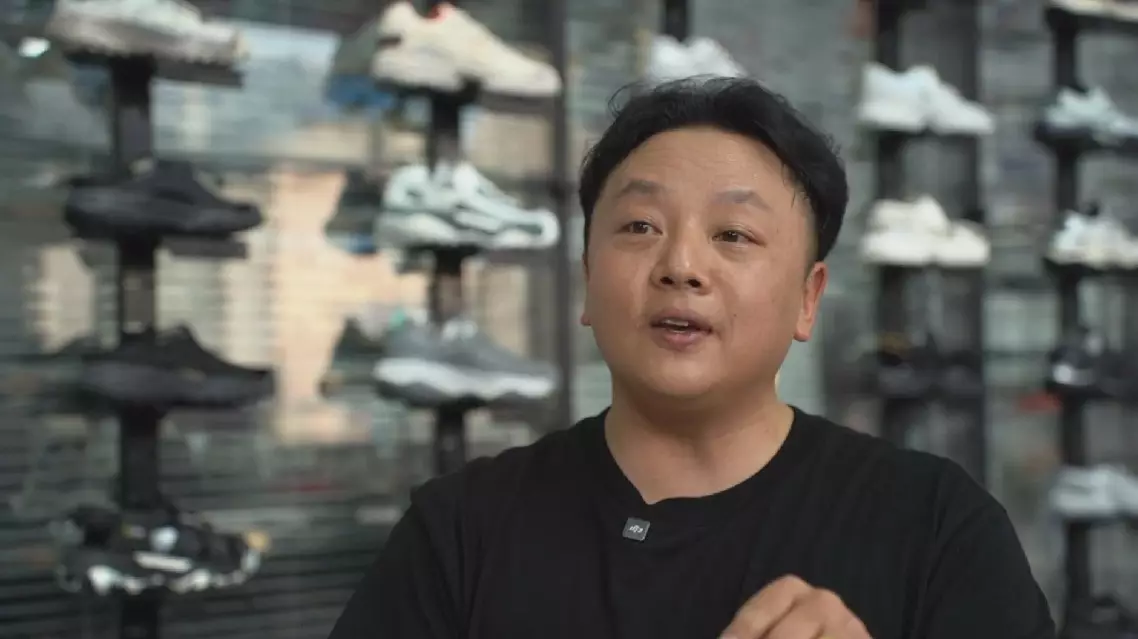
ROK entrepreneur finds home in China's "shoe capital" as footwear business flourishes