Asian Ethnic Cultural Performances+ 2026 to foster cultural exchanges with Belt and Road countries and regions
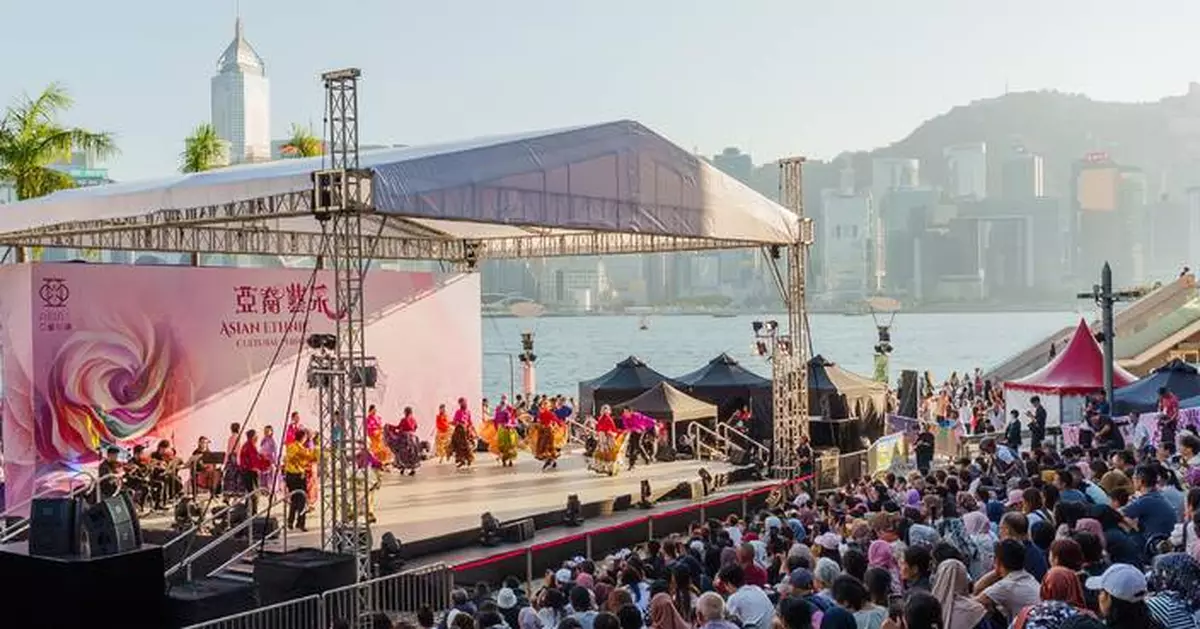
The outdoor carnival Asian Ethnic Cultural Performances+ 2026 (AECP+), the finale programme of the Asia+ Festival 2026, will be held on November 22 from 2pm to 6pm at the Hong Kong Cultural Centre Piazza and Foyer, bringing together representatives from around 30 Belt and Road countries and regions. Admission is free, and members of the public and tourists are welcome to join and experience the charm of cultural exchanges and diversity.
Click to Gallery
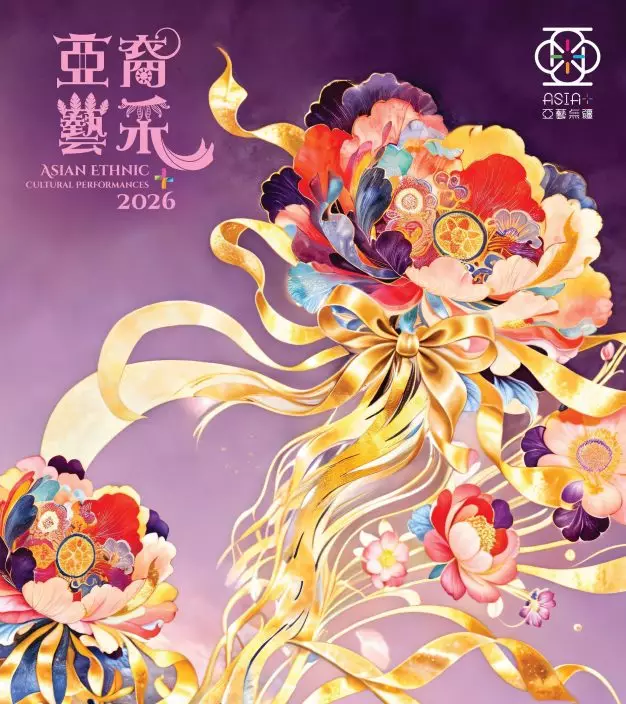
The outdoor carnival Asian Ethnic Cultural Performances+ 2026, the finale programme of the Asia+ Festival 2026, will be held on November 22 from 2pm to 6pm at the Hong Kong Cultural Centre Piazza and Foyer, bringing together representatives from around 30 Belt and Road countries and regions. With the theme "Blessings in Full Bloom", this year's event will celebrate unity through ritual and share blessings in art, creating cultural resonance and showcasing the vibrant spirit of diverse ethnic groups. Source: HKSAR Government Press Releases
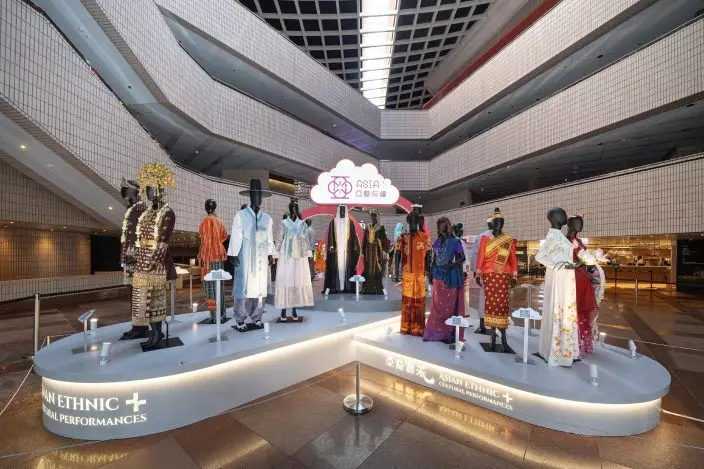
The outdoor carnival Asian Ethnic Cultural Performances+ 2026, the finale programme of the Asia+ Festival 2026, will be held on November 22 from 2pm to 6pm at the Hong Kong Cultural Centre Piazza and Foyer, bringing together representatives from around 30 Belt and Road countries and regions. An eight-day exhibition, "Convergence of Cross-Cultural Gifting - Ethnic Cultural Exhibition", will also be staged at the Hong Kong Cultural Centre Foyer from November 22 to 29, featuring handicrafts including woven textiles, oil painting, and porcelains from various countries and regions. Source: HKSAR Government Press Releases
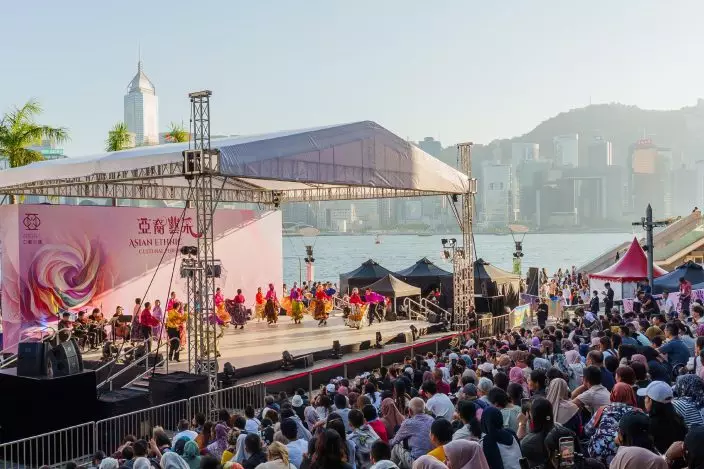
The outdoor carnival Asian Ethnic Cultural Performances+ 2026, the finale programme of the Asia+ Festival 2026, will be held on November 22 from 2pm to 6pm at the Hong Kong Cultural Centre Piazza and Foyer, bringing together representatives from around 30 Belt and Road countries and regions. Members of the public and tourists are welcome to join in and experience the charm of cultural exchanges and diversity. Source: HKSAR Government Press Releases
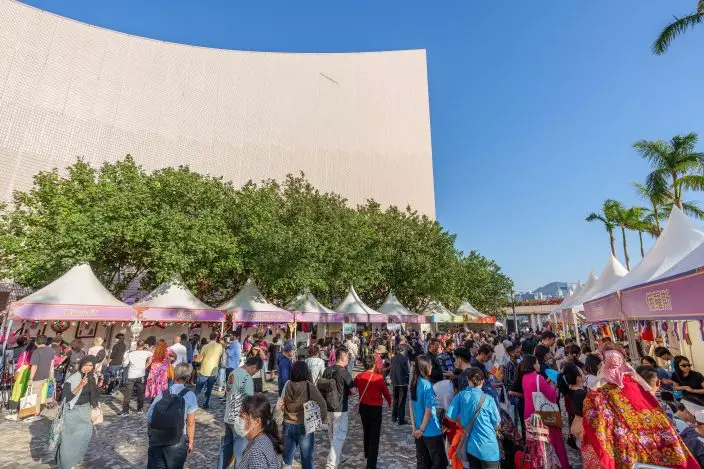
The outdoor carnival Asian Ethnic Cultural Performances+ 2026, the finale programme of the Asia+ Festival 2026, will be held on November 22 from 2pm to 6pm at the Hong Kong Cultural Centre Piazza and Foyer, bringing together representatives from around 30 Belt and Road countries and regions. Cultural booths and workshops will be set up, presenting exquisite crafts and signature snacks from various countries and regions. Source: HKSAR Government Press Releases
With the theme "Blessings in Full Bloom", this year's AECP+ will celebrate unity through ritual and share blessings in art, creating cultural resonance and showcasing the vibrant spirit of diverse ethnic groups. The carnival will feature dance and music performances of different ethnic styles. Cultural booths and workshops will also be set up, presenting exquisite crafts and signature snacks from various countries and regions.
Concurrently, an eight-day exhibition, "Convergence of Cross-Cultural Gifting - Ethnic Cultural Exhibition", will be staged at the Hong Kong Cultural Centre Foyer from November 22 to 29, featuring handicrafts including woven textiles, oil painting, and porcelains from various countries and regions.
AECP+ has received enthusiastic support from various consulates-general and overseas cultural organisations in Hong Kong. Participating countries and regions include Bangladesh; Belarus; Brunei Darussalam; Cambodia; the Dominican Republic; Egypt; Hungary; Indonesia; Iran; Kazakhstan; Korea; Kuwait; Laos; Malaysia; Myanmar; Nepal; Nigeria; Pakistan; the Philippines; Qatar; Russia; Saudi Arabia; Singapore; Sri Lanka; Thailand; Türkiye; Uruguay; Vietnam; Zimbabwe; Guangzhou, China; Hong Kong, China and Macao, China.
Highlights of AECP+ will be made available online. For programme details, please visit the website of the Community Programmes Office of the Leisure and Cultural Services Department (LCSD) (https://www.cpo.gov.hk/activity/en-aecp-2026-carnival/) or call 2591 1340.
Presented by the Culture, Sports and Tourism Bureau and organised by the LCSD, the Asia+ Festival is held annually from September to November. This year, artists from over 30 Asian and Belt and Road countries and regions will take part in the festival, featuring over 100 performances and activities. For details, please visit www.asiaplus.gov.hk or call 2370 1044.
The outdoor carnival Asian Ethnic Cultural Performances+ 2026, the finale programme of the Asia+ Festival 2026, will be held on November 22 from 2pm to 6pm at the Hong Kong Cultural Centre Piazza and Foyer, bringing together representatives from around 30 Belt and Road countries and regions. With the theme "Blessings in Full Bloom", this year's event will celebrate unity through ritual and share blessings in art, creating cultural resonance and showcasing the vibrant spirit of diverse ethnic groups. Source: HKSAR Government Press Releases
The outdoor carnival Asian Ethnic Cultural Performances+ 2026, the finale programme of the Asia+ Festival 2026, will be held on November 22 from 2pm to 6pm at the Hong Kong Cultural Centre Piazza and Foyer, bringing together representatives from around 30 Belt and Road countries and regions. An eight-day exhibition, "Convergence of Cross-Cultural Gifting - Ethnic Cultural Exhibition", will also be staged at the Hong Kong Cultural Centre Foyer from November 22 to 29, featuring handicrafts including woven textiles, oil painting, and porcelains from various countries and regions. Source: HKSAR Government Press Releases
The outdoor carnival Asian Ethnic Cultural Performances+ 2026, the finale programme of the Asia+ Festival 2026, will be held on November 22 from 2pm to 6pm at the Hong Kong Cultural Centre Piazza and Foyer, bringing together representatives from around 30 Belt and Road countries and regions. Members of the public and tourists are welcome to join in and experience the charm of cultural exchanges and diversity. Source: HKSAR Government Press Releases
The outdoor carnival Asian Ethnic Cultural Performances+ 2026, the finale programme of the Asia+ Festival 2026, will be held on November 22 from 2pm to 6pm at the Hong Kong Cultural Centre Piazza and Foyer, bringing together representatives from around 30 Belt and Road countries and regions. Cultural booths and workshops will be set up, presenting exquisite crafts and signature snacks from various countries and regions. Source: HKSAR Government Press Releases