Police and CAD remind public of establishment of temporary restricted flying zones
The Hong Kong Police Force (HKPF) and the Civil Aviation Department (CAD) today (November 13) remind members of the public that in connection with the 33rd Asia-Pacific Economic Cooperation Economic Leaders’ Meeting to be held in Shenzhen, temporary restricted flying zones (RFZs) will be established in Hong Kong from 12.01am on November 17 to 11.59pm on November 20 for the following flying activities:
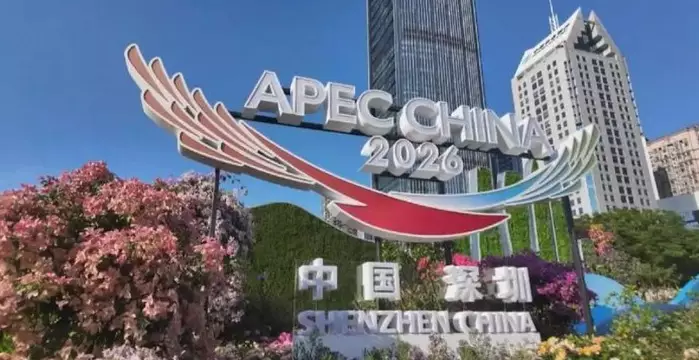
The 33rd Asia-Pacific Economic Cooperation Economic Leaders’ Meeting. Photo source: CGTN
(1) New Territories North temporary RFZ (Zone A)
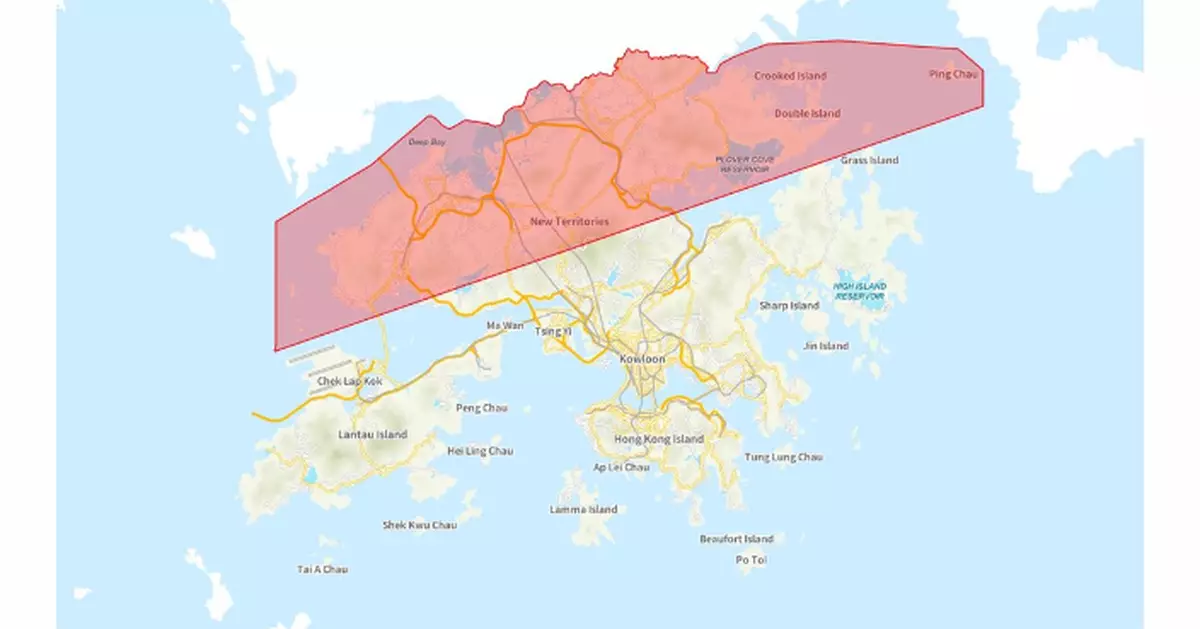
A temporary RFZ (Zone A) will be established in the New Territories North, with the exact coverage detailed in Annex 1. The following flying activities are prohibited within this zone:
- unmanned aircraft (except with special permission from the HKPF and the CAD);
- mass release of balloons.
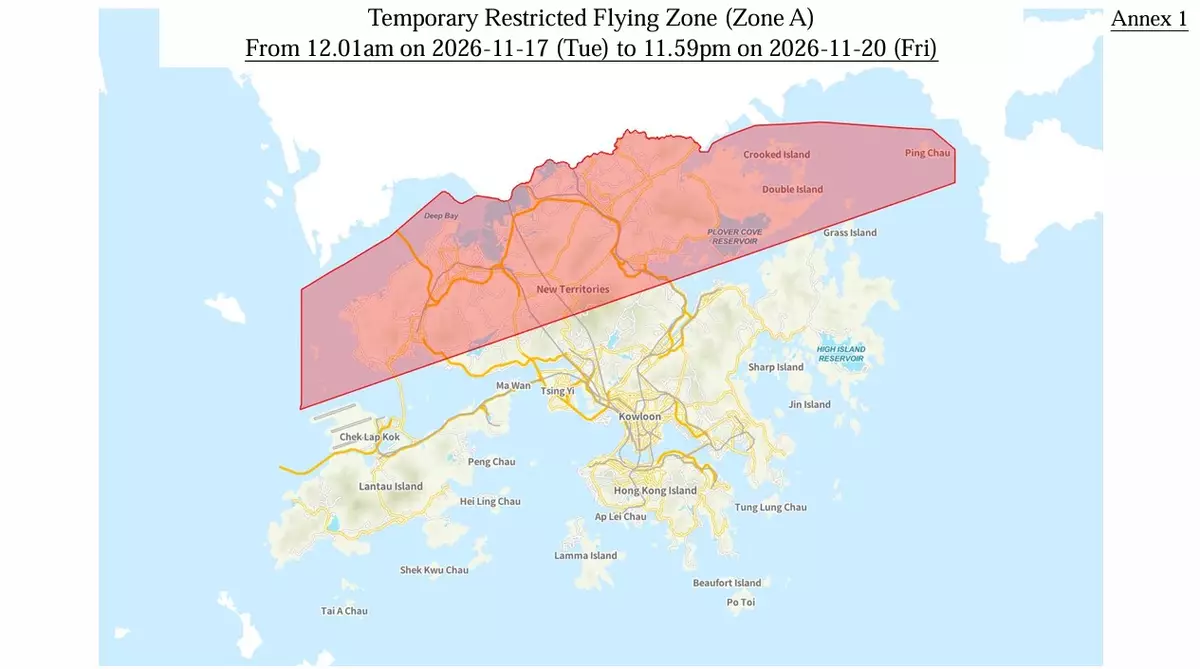
Photo source: HKSAR Government Press Releases
(2) Territory-wide temporary RFZ (Zone B)
Except for the Government Flying Service, all helicopters and light aircraft are prohibited from conducting any flying activities within the territory-wide temporary RFZ (Zone B), with the exact coverage detailed in Annex 2.
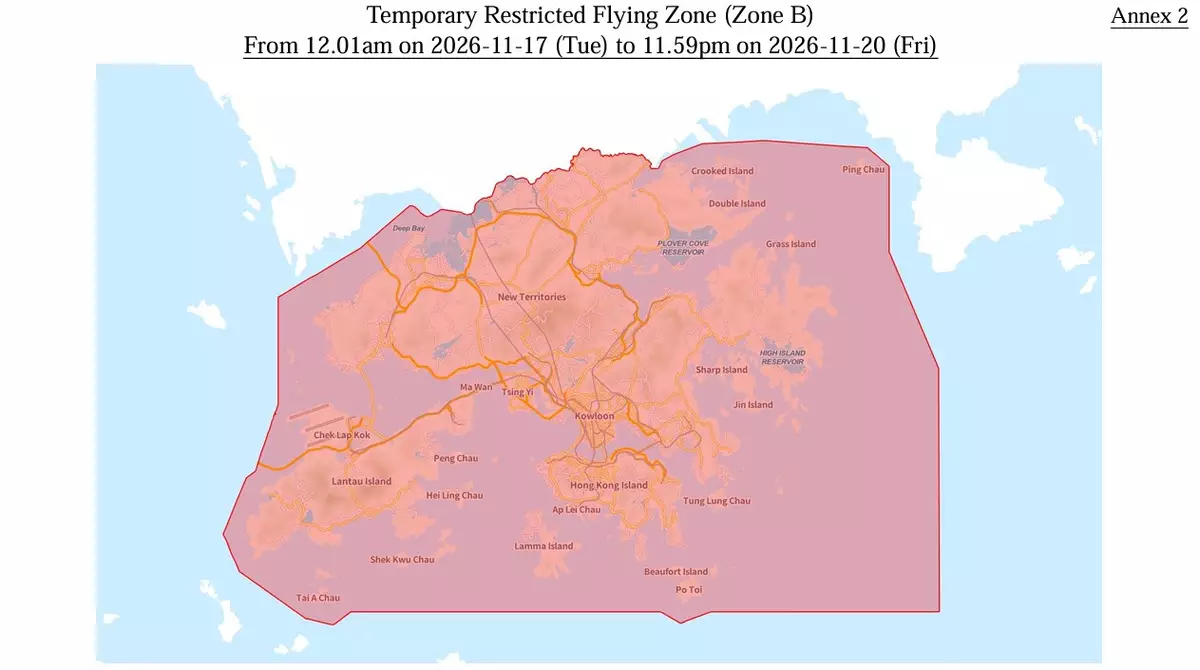
Photo source: HKSAR Government Press Releases
Details of the above temporary RFZs have been promulgated to airlines and pilots by the CAD via an Aeronautical Information Publication Supplement. The CAD has also uploaded details of the temporary RFZs for small unmanned aircraft onto the electronic portal for small unmanned aircraft, "eSUA".
The HKPF and the CAD remind members of the public that any person who conducts flying activities within the above temporary RFZs without special permission commits an offence, and, upon conviction, is liable to a fine and imprisonment. Members of the public are urged not to defy the law.
Director of Health meets with delegation from National Institutes for Drug Control to deepen co-operation on drug regulation and testing
The Director of Health, Dr Ronald Lam, today (November 13) met with the visiting Director General of the National Institutes for Drug Control (NIDC), Mr An Fudong, and his delegation. They agreed to further strengthen co-operation and exchanges in various areas, including drug regulation, digital transformation of information and capacity building in the testing of biological products.
"The First Five-Year Plan for Economic and Social Development of the Hong Kong Special Administrative Region (HKSAR) (2026-2030), comprehensively and proactively aligning with the National 15th Five-Year Plan, clearly states that Hong Kong will promote comprehensive, high-quality, and high-standard development of Chinese medicine (CM). Consistent with this direction, the Chief Executive's 2026 Policy Address puts forward a number of specific policy measures to promote CM development. These include utilising the Government Chinese Medicines Testing Institute of the Department of Health (DH) to formulate international standards for CM and serve as a bridgehead to promote CM to go global. I look forward to jointly advancing the nation's strategic goals of 'Healthy China' by continuously deepening collaboration with different authorities in the Chinese Mainland, while leveraging Hong Kong's unique advantages of being strongly supported by the motherland and closely connected to the world," Dr Lam said.
The NIDC has provided the DH with professional advice on drugs and CM testing. The DH and the NIDC maintain close co-operation and exchanges. Since the signing of the Co-operation Agreement on Research of Chinese Medicines Standards and on Chinese Medicines Herbarium in 2024, the two parties have continued to strengthen their ties through technical, talent and academic exchanges. They have engaged in various collaboration regarding technical exchanges on the standardisation of Chinese Materia Medica and the establishment of collaborative mechanisms in the field of Chinese medicines specimens. These efforts demonstrated the solid foundation of complementary strengths and synergistic progress between the Chinese Mainland and the HKSAR in regulating CM and promoting the inheritance and innovation of CM. In August of this year, the NIDC offered a four-week training programme on testing of biological products to professionals from the DH and the Government Laboratory. This initiative promoted mutual technical learning, optimised and refined local laboratory work, and helped advance the integrated development of regional healthcare.
Dr Lam expressed gratitude to the NIDC for its unwavering support for Hong Kong's work over the years. The NIDC and its designated various testing institutions in the Chinese Mainland have actively participated in the Hong Kong Chinese Materia Medica Standards Project. So far, they have formulated reference standards for 36 Chinese Materia Medica. The NIDC also designated a number of municipal Institutes for Drug Control as recognised testing institutes for Registration of Proprietary Chinese Medicines applications in Hong Kong, as well as supplied drug reference materials to Hong Kong and assisted Chinese and Western pharmaceutical industries to perform quality control. Dr Lam hoped that both sides will further deepen exchanges in future, expand the scope of co-operation to areas such as testing of biological products, and jointly promote the high-quality development of medical and pharmaceutical regulation and testing technologies on both sides.
In addition, Dr Lam briefed the delegation on the Centre for Medical Products Regulation (CMPR), which the DH will establish this year. The CMPR will systematically consolidate the regulatory functions for Western and Chinese medicines as well as medical devices. It will comprehensively enhance the capacity for scientific regulation and improve the review and approval mechanism for medical products, thereby supporting Hong Kong's development as an international Health and Medical Innovation Hub.
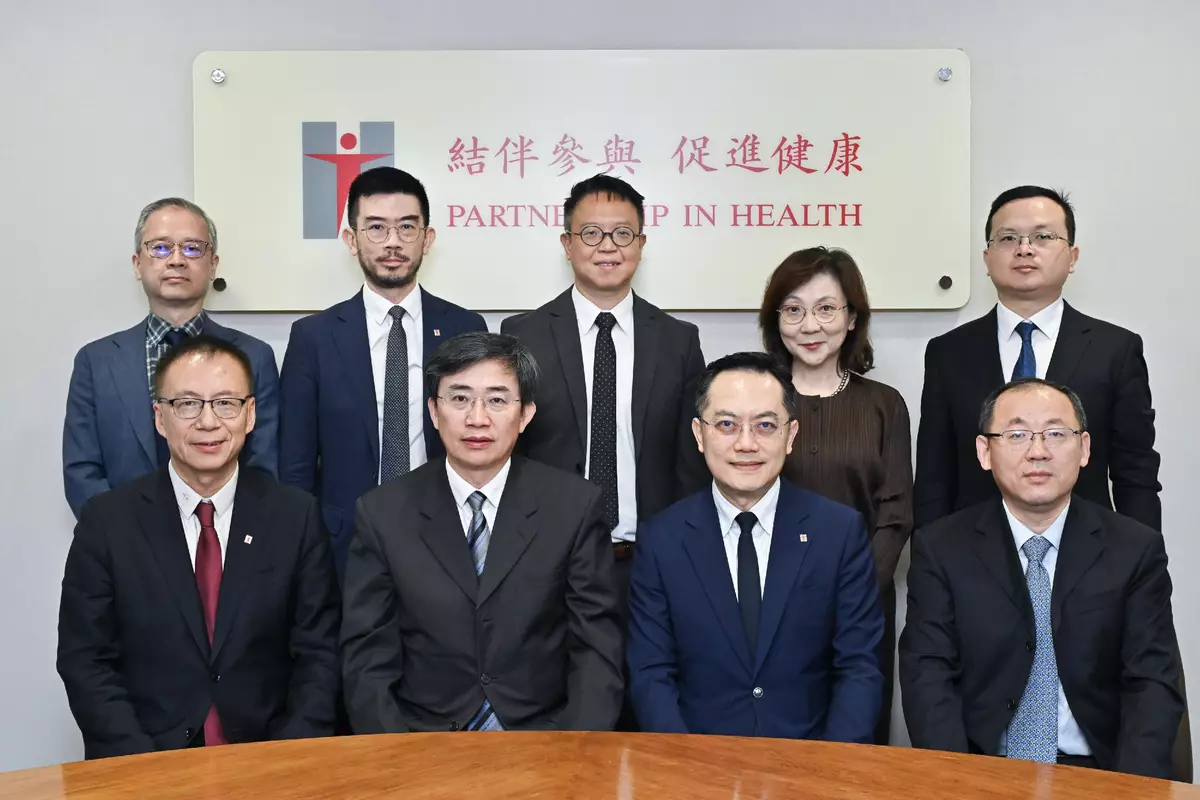
Director of Health meets with delegation from National Institutes for Drug Control to deepen co-operation on drug regulation and testing Source: HKSAR Government Press Releases
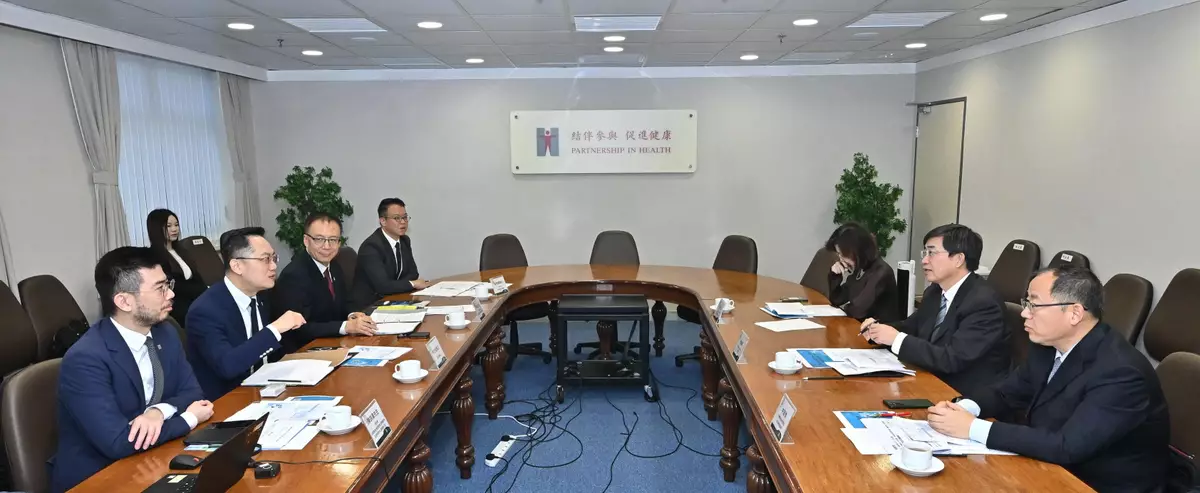
Director of Health meets with delegation from National Institutes for Drug Control to deepen co-operation on drug regulation and testing Source: HKSAR Government Press Releases