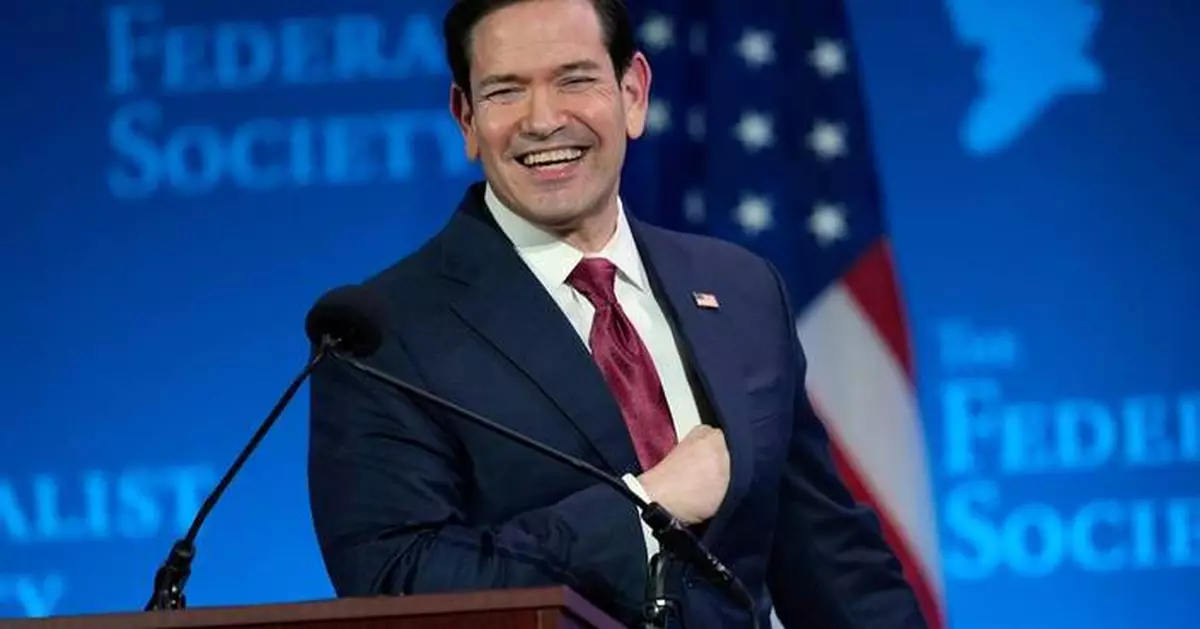
WASHINGTON (AP) — Secretary of State Marco Rubio gave a sweeping speech to fellow conservatives on Friday evening acknowledging that Americans are struggling in the current economy, while also railing against what he called the “weaponization” of international law to constrain the U.S. from acting in its own interests.
His comments to the conservative Federalist Society touched on a core issue of the midterm elections — economic pain — that U.S. voters cited in delivering massive losses to Rubio's Republican Party.
“I think we have to recognize that people are struggling. There’s no doubt about it,” he said. “The health of our economy has nothing to do with the stock market. The health of their economy is whether they have enough money to be able to afford the things they need.”
President Donald Trump often points to the stock market as evidence that the economy is doing well. But voters angry over higher costs gave Democrats control of Congress after blaming Trump for his tariffs, his war in Iran and his unfulfilled campaign promise two years ago to bring down prices.
Rubio's remarks had the overtones of campaign speech, though the former Florida senator has consistently refused to discuss whether he would seek the presidency in 2028 in a race that could pit him against Vice President JD Vance. Rubio gave another wide-ranging speech last month in Greece that focused on Western values and also appeared to reflect his political aspirations beyond being America’s top diplomat.
Rubio on Friday defended the Iran war, arguing that it was necessary to stop the threat of the Islamic Republic obtaining a nuclear weapon. But he acknowledged that the unpopular conflict has driven up gasoline prices for Americans and other connected costs.
“It’s not easy to address these things because it’s not popular to address them," Rubio said. “It’s difficult. And oftentimes it inflicts, you know, pain, economic pain and otherwise. So we recognize that.”
He also pointed to the need for American leaders to continue a tradition of ensuring the next generation is better off than those before them. Economic prosperity is “not self-perpetuating,” he said, but an enormous undertaking that requires years and decades and is not accomplished “election cycle to election cycle."
“That’s the challenge before us now, because I do think there’s a legitimate fear that we will be the first generation to leave the next worse off, and that can’t happen. That’s un-American,” he said.
Rubio also hit back hard on critics of Trump administration policies such as deadly strikes on alleged drug-smuggling boats in Latin America, the January capture of then-Venezuelan President Nicolás Maduro and strict immigration policies.
He accused other countries and international organizations of trying to stymie the U.S. from acting in its own best interests by accusing the Trump administration of violations of international law.
“We’ve heard the concept international law invoked against nearly every major foreign policy decision or action of this administration,” he said, describing it as “the weaponization of international law.”
Rubio also condemned the United Nations, the International Criminal Court, the “global elite” and organizations staffed by “international activists and bureaucrats,” all of which he said want to weaken the United States.
“They lecture us on the importance of sovereignty, even as they demand that nations surrender control of their borders and outsource their immigration laws to unelected international courts,” Rubio said. "They oppose, they say, all forms of imperialism, of conquest, of domination, but they seek to exercise authority over every country and every government on earth.”
AP Diplomatic Writer Matthew Lee in Washington contributed.
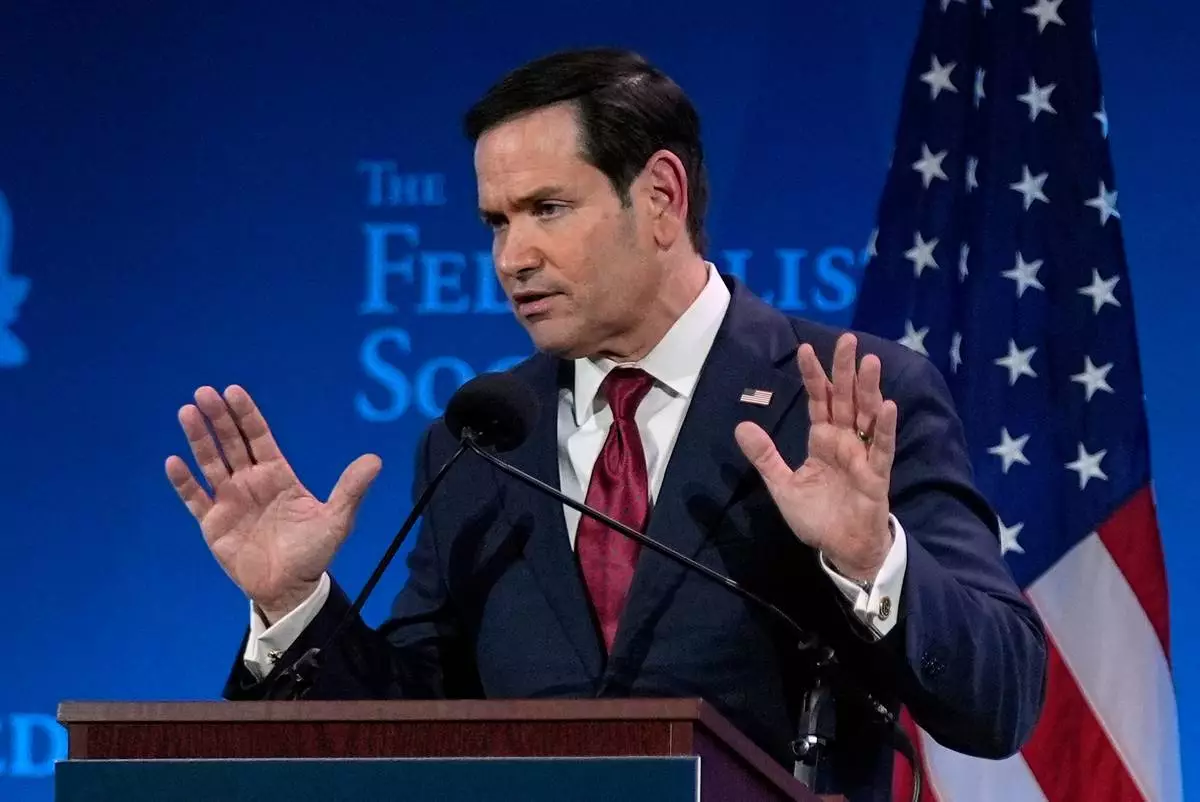
Secretary of State Marco Rubio delivers a keynote address at the Federalist Society National Lawyers Convention, Friday, Nov. 13, 2026, in Washington. (AP Photo/Manuel Balce Ceneta)
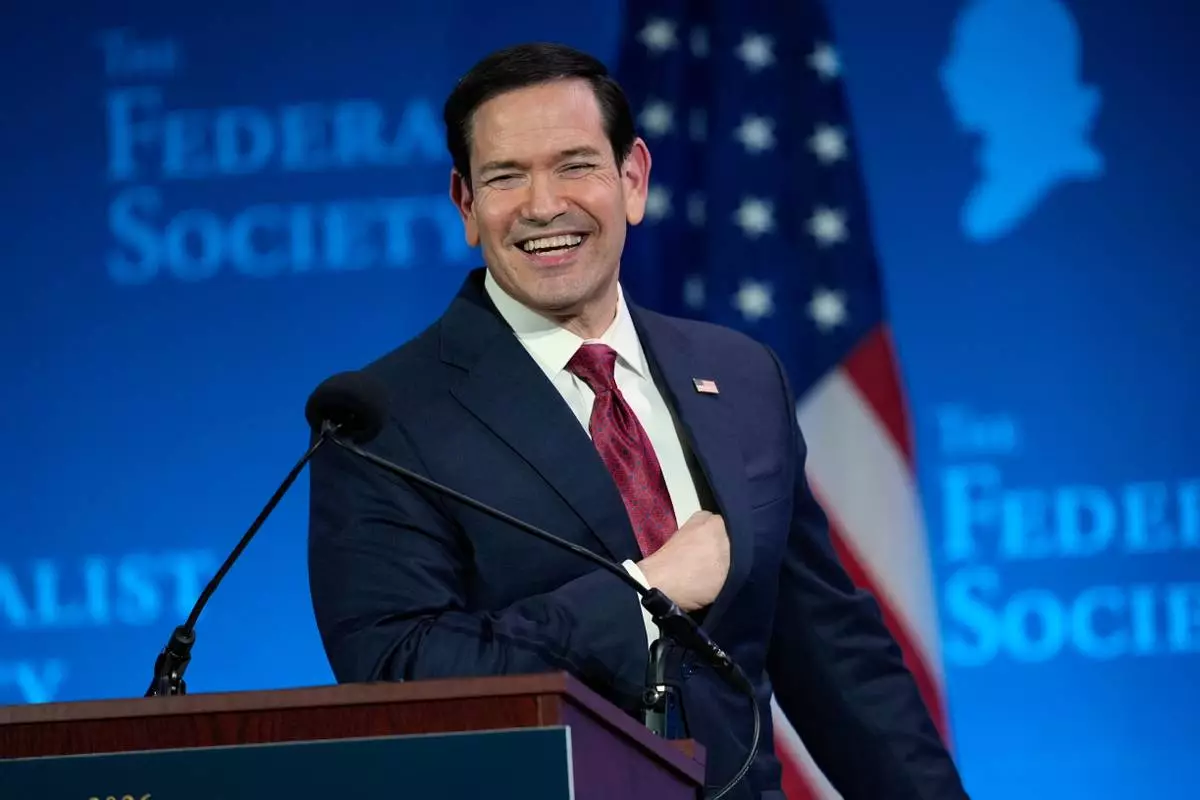
Secretary of State Marco Rubio delivers a keynote address at the Federalist Society National Lawyers Convention, Friday, Nov. 13, 2026, in Washington. (AP Photo/Manuel Balce Ceneta)
WASHINGTON (AP) — The Federal Aviation Administration grounded all flights nationwide Friday afternoon for just the second time since the 9/11 attacks, as officials cited “extraordinary circumstances" caused by communications problems at regional air traffic control centers.
The nation's top homeland security official attributed the problem to a telecommunications outage and said there was no indication yet of a nefarious act. The consequences were profound, disrupting potentially thousands of planned flights through at least late Friday night and upending travel plans for passengers.
“It’s frustrating. This certainly sounds like it’s going to be more than the usual run-of-the-mill delay. I look forward to finding out why,” said Jeff Dubner, a Washington attorney whose Alaska Airlines flight home from Los Angeles was already half an hour late and taxiing to the runway when the plane came to a halt.
The nationwide ground stop was the first since January 2023, when a key FAA computer system malfunctioned, and the second since the aftermath of the Sept. 11, 2001, attacks.
Friday's restrictions were imposed “due to extraordinary circumstances and for reasons of safety," according to an FAA notice. The agency was investigating a communication issue affecting the 22 regional air traffic control centers that direct planes en route between airports nationwide, said Transportation Secretary Sean Duffy.
International flights were being handled on a case-by-case basis, according to Homeland Security Secretary Markwayne Mullin, with some seen taking off Friday evening. Meanwhile, some flights within Alaska and Hawaii were not impacted, Alaska Airlines said.
Mullin told reporters at the White House that there was no indication yet that “this was a nefarious attack against us. It's just a telecommunications outage as of right now.”
“Everybody's safe. There's no reason to be concerned about your loved ones if they're flying,” Mullin said.
At least 827 flights have been diverted so far as a result. As of 7:05 p.m. EST, 670 flights were sent back to the airport from where they originally took off, while 157 were redirected to a different airport, according to Cirium, an aviation analytics company.
The airports where many of the flights ended up being diverted included Washington Dulles International Airport, Los Angeles International Airport, Cincinnati/Northern Kentucky International Airport and Nashville International Airport.
Some 11,000 flights carrying more than 1.5 million passengers were scheduled to take off from airports in the U.S. after 4 p.m. EST, raising the likelihood of more cancelations and flight diversions.
United Airlines and American Airlines said flights already in the air will continue.
“It will be all hands on deck across American to get customers on their way as soon as possible when the FAA lifts this nationwide ground stop,” American said in a statement on the social platform X.
At Chicago O’Hare Airport on Friday afternoon, travelers passing through security learned about the ground stop when they looked up at screens that showed flight delays across the board.
Some called friends or family members, debating whether to stay the night in Chicago or find another way to their destinations.
Amber McQuilkin, 27, sat on a bench, disappointed that she might miss a trip with friends to New York for the League of Legends world finals. Her friends, she said, had already arrived there.
“There’s not really any information being passed to me,” said the Seattle software engineer, who took a week of vacation for the trip. “I contemplated just abandoning the flight and driving, but then the more I thought about it, the more I’m like, that would be miserable.”
Austin Curtis and his wife were rethinking their trip from South Bend, Indiana, to a friend’s baby shower in Denver after getting delayed during a layover in Chicago.
They had boarded a flight to Denver from O’Hare International Airport when they were told to get off the plane.
“We did see them taking luggage off our plane and others, so we’re assuming it’s going to be a pretty substantial delay,” Curtis said.
They were unsure whether to get a hotel room or keep waiting out the delay at the airport. With care already in place for their two young children at home, they might stay the weekend in Chicago, he said.
NBA, NHL and college teams were left stranded as they tried to reach their destinations. Meanwhile, NFL teams were left to wonder whether the issue would be resolved in time to travel to their games this weekend.
Cargo flights were also delayed by the ground stop.
FedEx, the world’s largest cargo airline, said it is prepared to activate contingency plans to keep any possible disruptions at a minimum.
U.S. airlines move about 61,000 tons of goods – from letters to packages -- to and from more than 220 countries daily, according to the industry trade group Airlines for America.
Despite the nationwide FAA ground stop, SpaceX launched its Starship rocket from Texas on Friday afternoon on its latest test flight.
There is no timeline for restarting flights. Mullin said investigators will look at whether there is any link to the FAA's nationwide rollout of a new artificial intelligence system to help identify problems and reroute planes. But that system operates out of one location near Washington, D.C., and just sends recommendations to the air traffic control centers.
The government has been working to overhaul the outdated technology that air traffic controllers rely on since Congress approved $12.5 billion for the project last year. Miles of old copper wires have been replaced with fiber optic lines and old radio systems are gradually being replaced at airports across the country.
But much work remains. Duffy has said that another $30 billion will be needed to complete the work, and the White House has begun lobbying Congress to approve it.
The problem appeared similar to a regional air traffic control communication outage in September that snarled hundreds of flights across the Northeast, aviation safety expert Steve Arroyo said, except this time on a nationwide scale. It may be linked to the outdated technology used by air traffic controllers.
“If you don’t have that ability, whether it’s because the old wires that they have are just run down or for whatever reason, you’ve got to stop airplanes on the ground,” said Arroyo, who is a former United Airlines pilot. “And not put them in the air where you’re going to risk not being able to communicate with them.”
Friday’s ground stop was different than the one after Sept. 11 because planes were not being told to land immediately and pilots likely were able to communicate with ground controllers at airports, Arroyo said.
AP writers Mead Gruver in Fort Collins, Colorado; Ali Swenson in Chicago; and Alex Veiga in Los Angeles contributed to this report.
This story has been corrected to show the Sept. 11 attacks were in 2001.
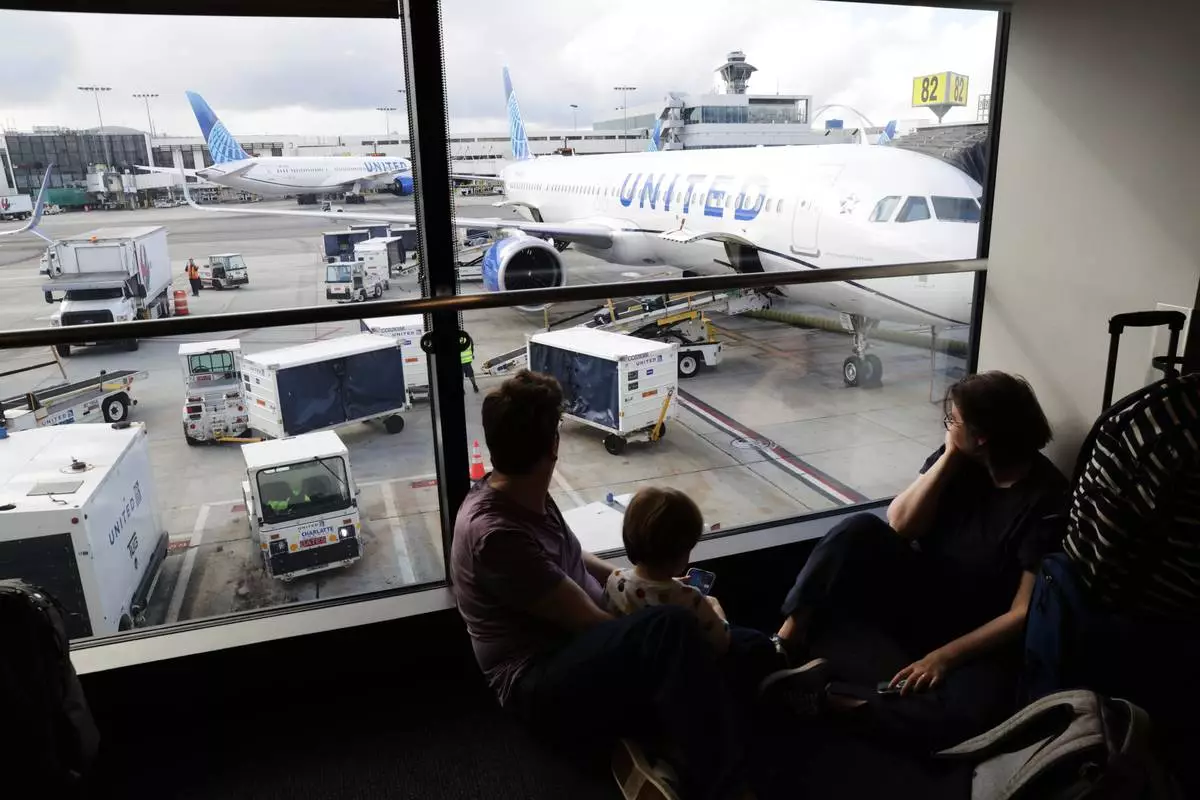
Passenger watch as workers unload luggage from a United plane as flights are delayed at Los Angeles International Airport Friday, Nov. 13, 2026, in Los Angeles. (AP Photo/Ethan Swope)
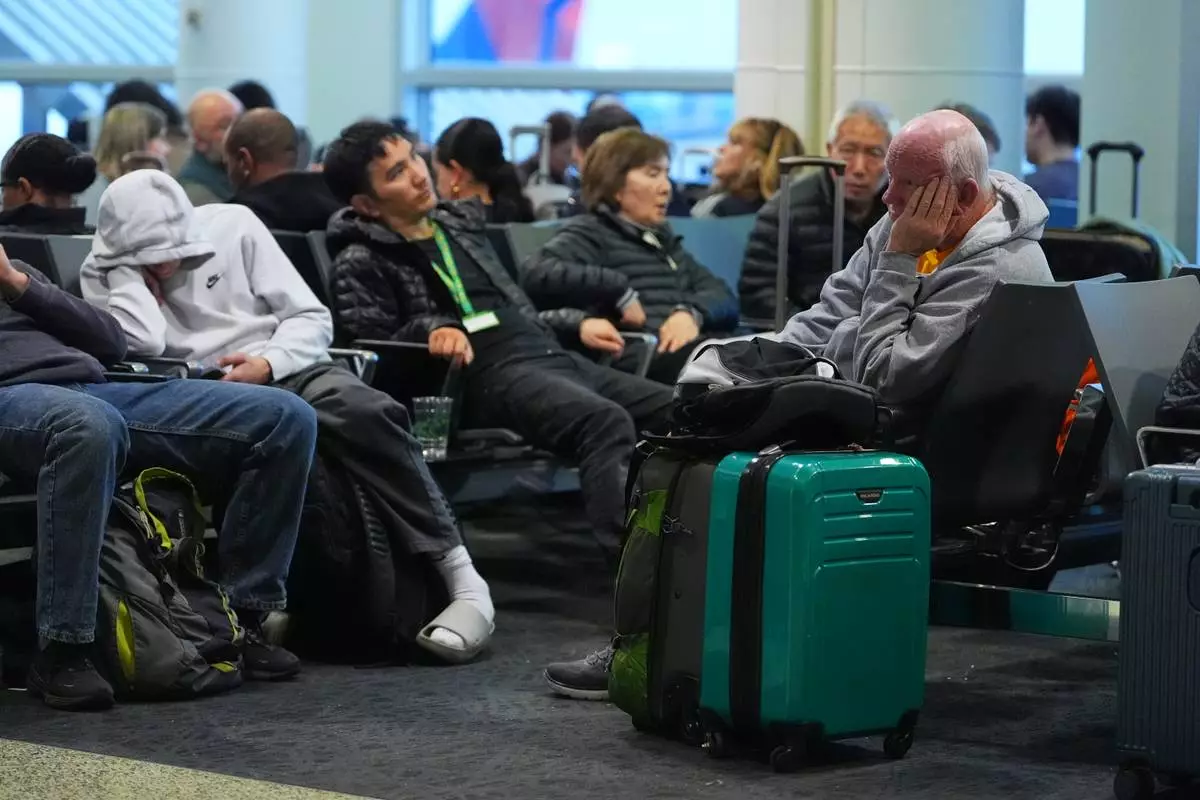
Passengers wait as flights are delayed inside a terminal at Seattle-Tacoma International Airport on Friday, Nov. 13, 2026, in Seattle. (AP Photo/Lindsey Wasson)
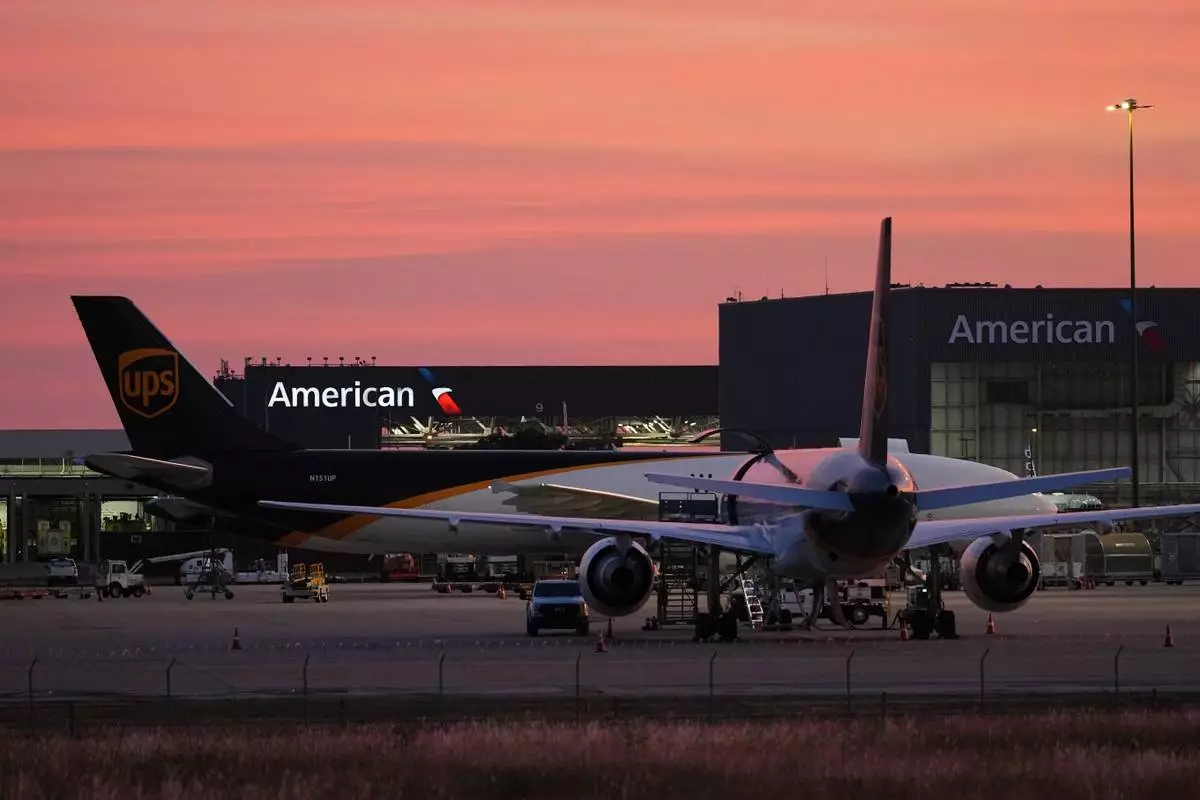
The sun sets over Dallas Fort Worth International Airport in DFW Airport, Texas, Friday, Nov. 13, 2026, after the Federal Aviation Administration grounded flights nationwide. (AP Photo/Tony Gutierrez)
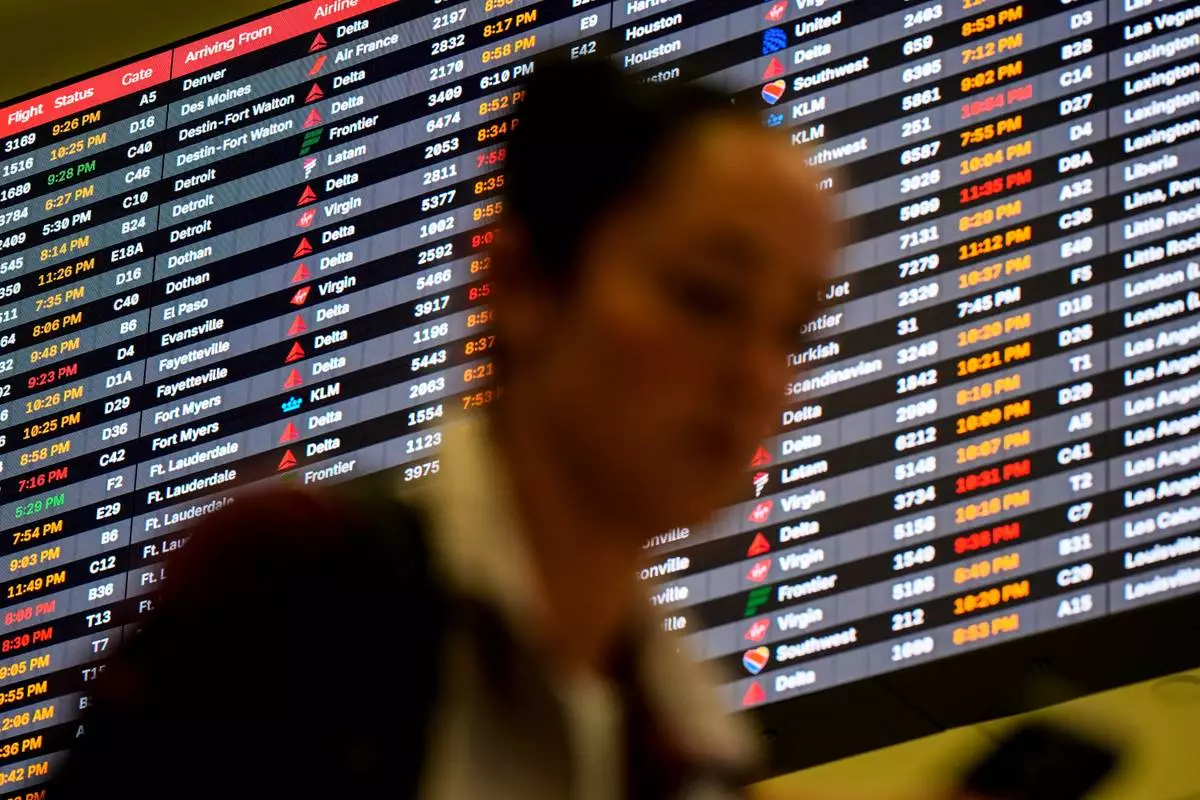
A passenger moves through Hartsfield-Jackson Atlanta International airport as all flights are canceled or delayed, Friday, Nov. 13, 2026, in Atlanta. (AP Photo/Mike Stewart)
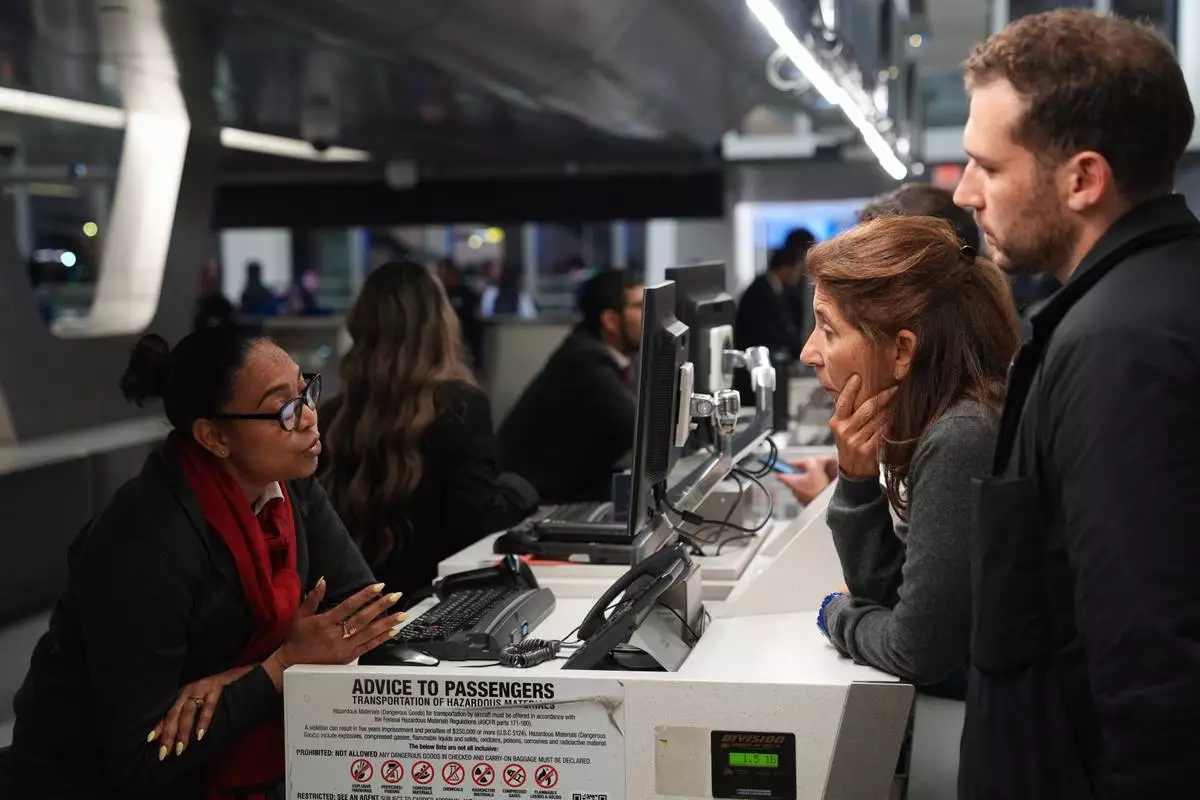
An agent helps travelers at a ticketing desk at LaGuardia Airport in New York, Friday, Nov. 13, 2026, after the Federal Aviation Administration grounded flights nationwide. (AP Photo/Ryan Murphy)
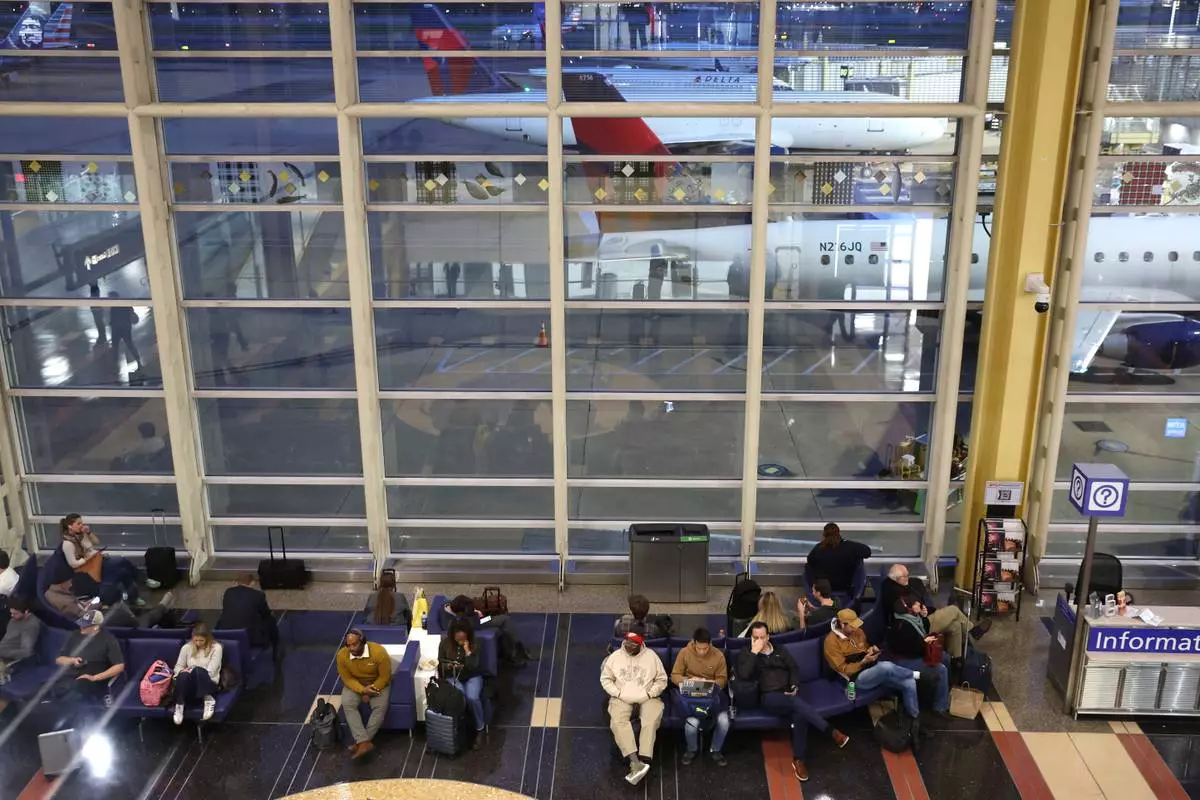
People wait at a terminal at Ronald Reagan Washington National Airport, Friday, Nov. 13, 2026, in Arlington, Va., after the FAA issued a nationwide ground stop. (AP Photo/Tom Brenner)
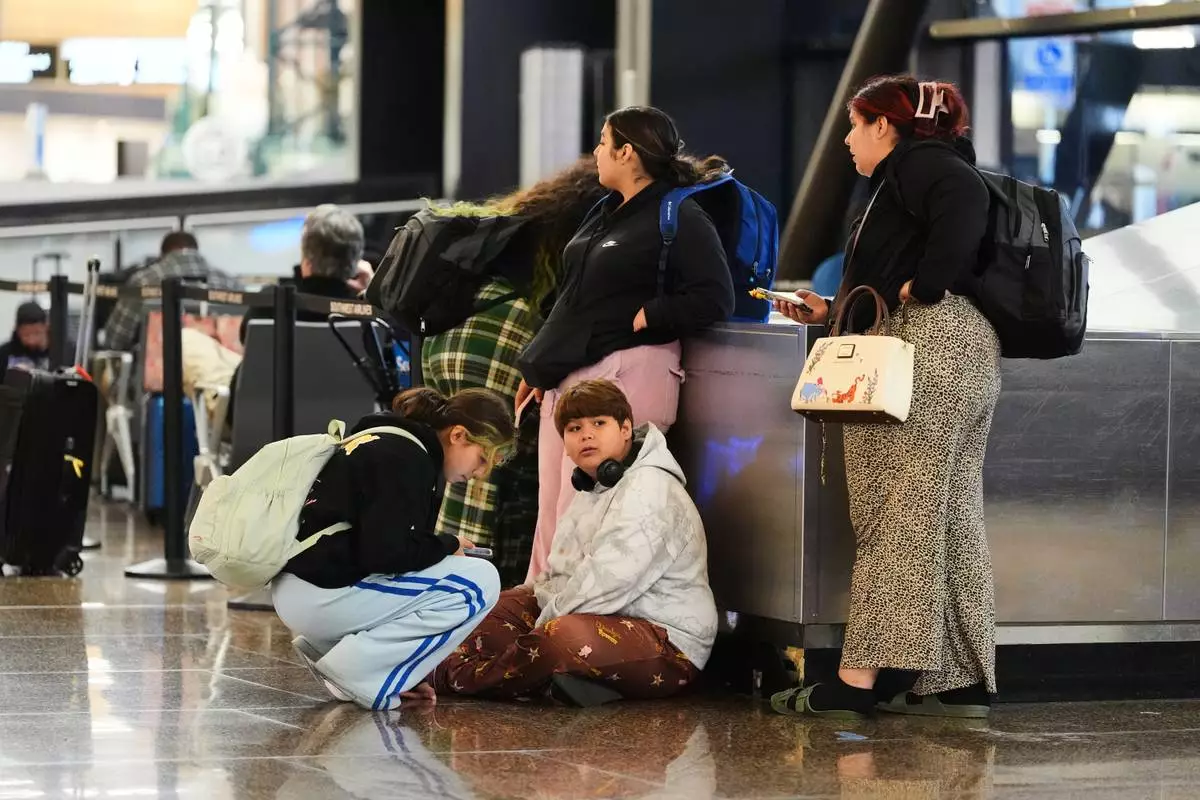
Passengers wait as flights are delayed at Seattle-Tacoma International Airport on Friday, Nov. 13, 2026, in Seattle. (AP Photo/Lindsey Wasson)
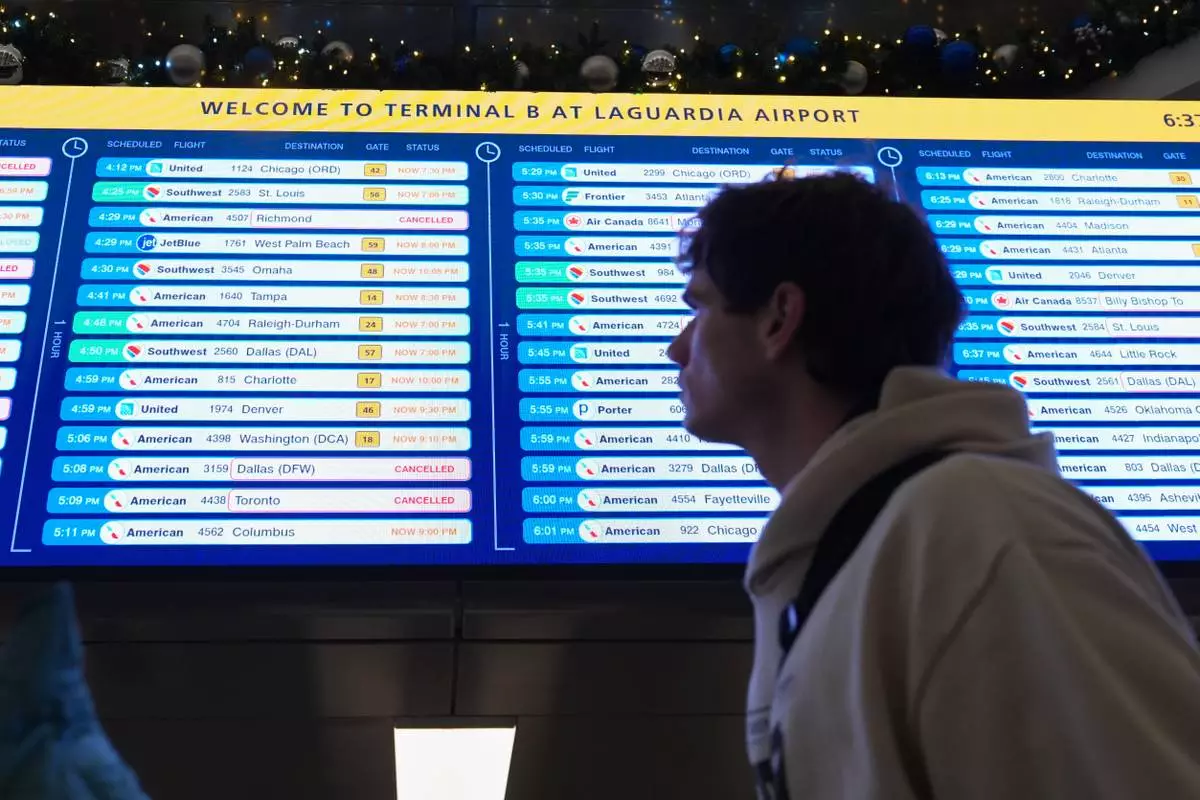
A person looks at a flight information board at LaGuardia Airport in New York, Friday, Nov. 13, 2026, after the Federal Aviation Administration grounded flights nationwide. (AP Photo/Ryan Murphy)
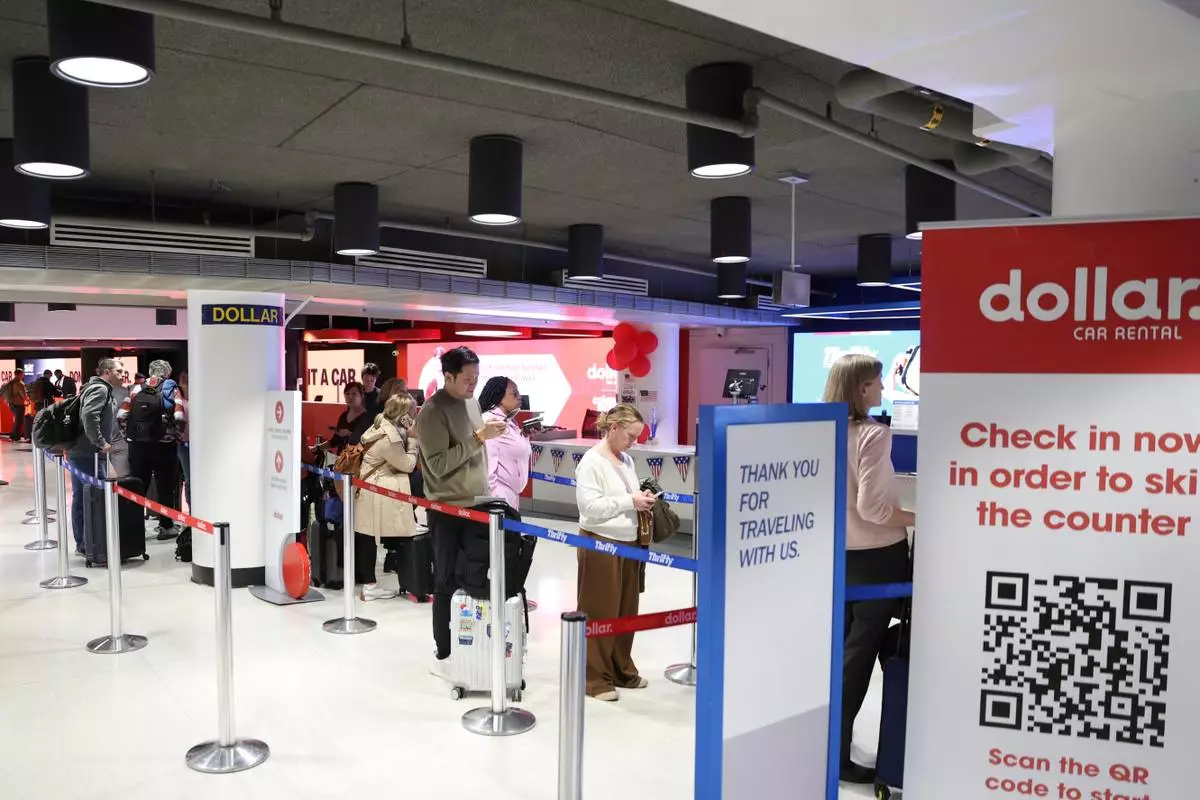
People wait in line for car rentals at Ronald Reagan Washington National Airport, Friday, Nov. 13, 2026, in Arlington, Va., after the FAA issued a nationwide ground stop. (AP Photo/Tom Brenner)
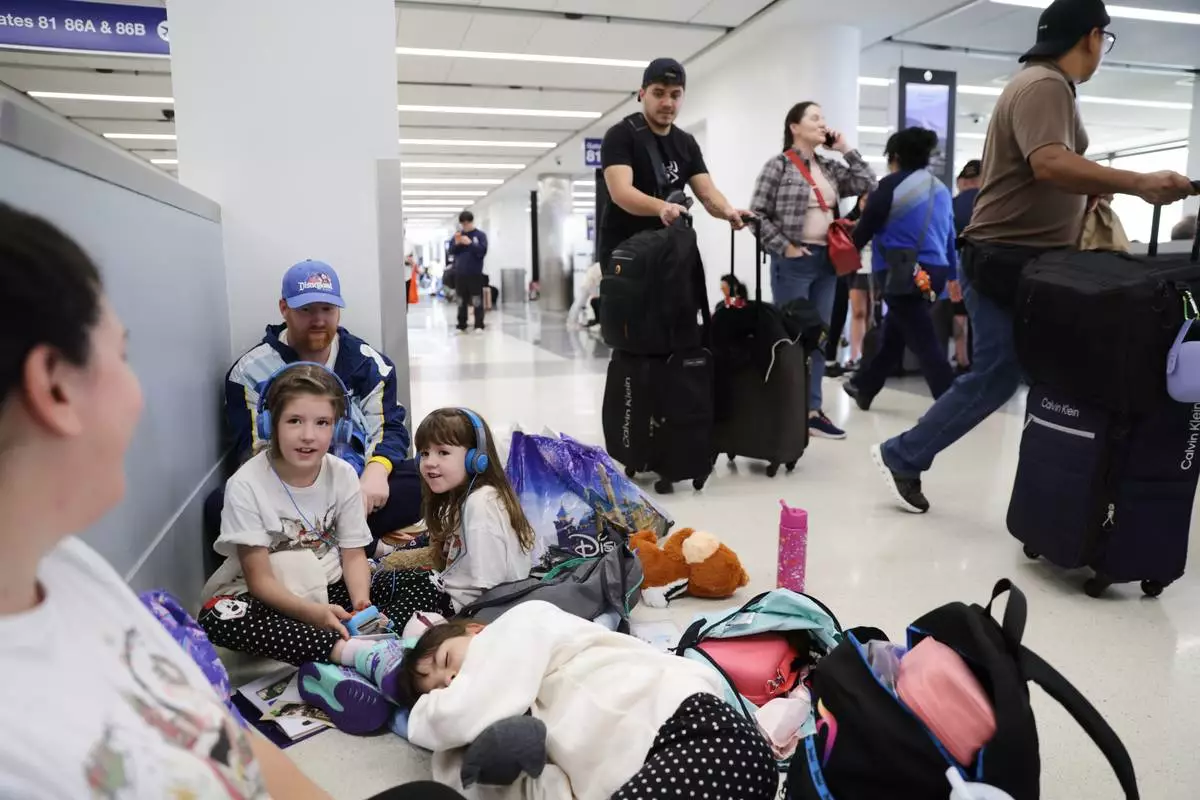
A family waits at a terminal as flights are delayed at Los Angeles International Airport Friday, Nov. 13, 2026, in Los Angeles. (AP Photo/Ethan Swope)
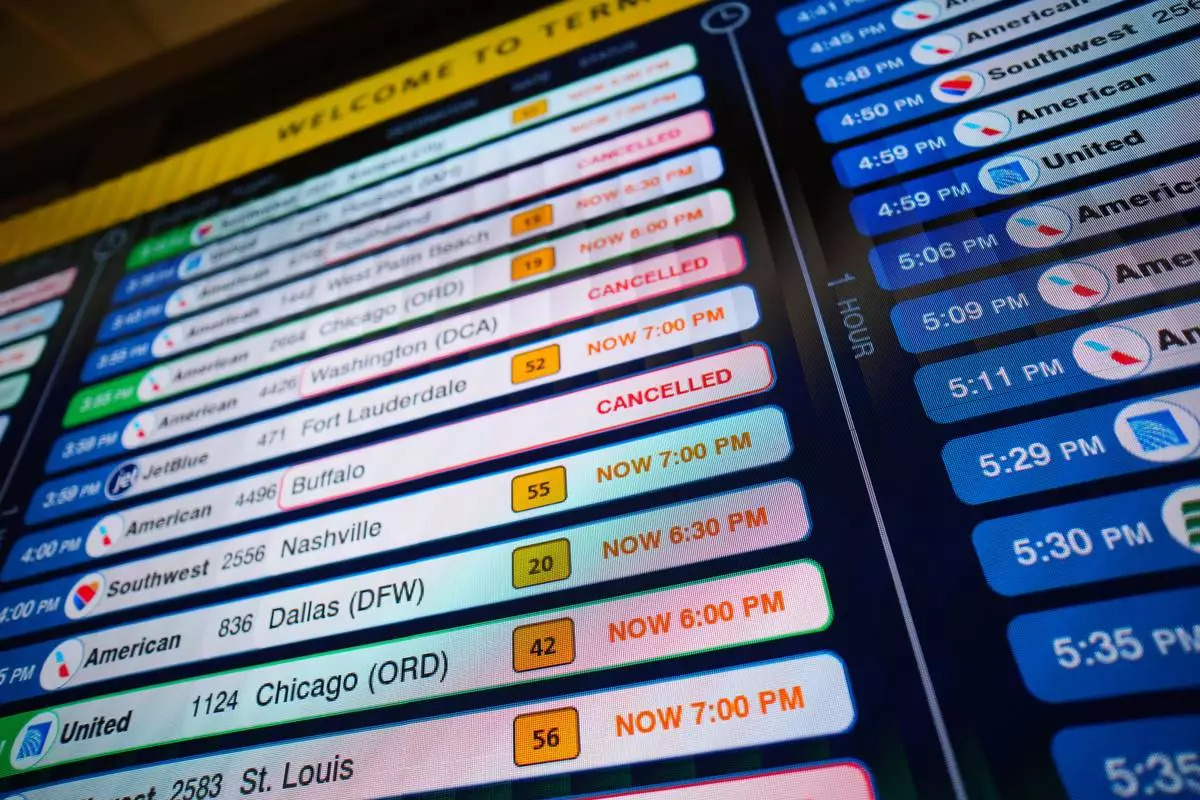
An information board displays flight statuses and cancellations, at LaGuardia Airport in New York, Friday, Nov. 13, 2026, after the Federal Aviation Administration grounded all flights nationwide. (AP Photo/Ryan Murphy)
FILE - A Federal Aviation Administration logo is displayed in the tower at John F. Kennedy International Airport in New York, March 16, 2017. (AP Photo/Seth Wenig, File)
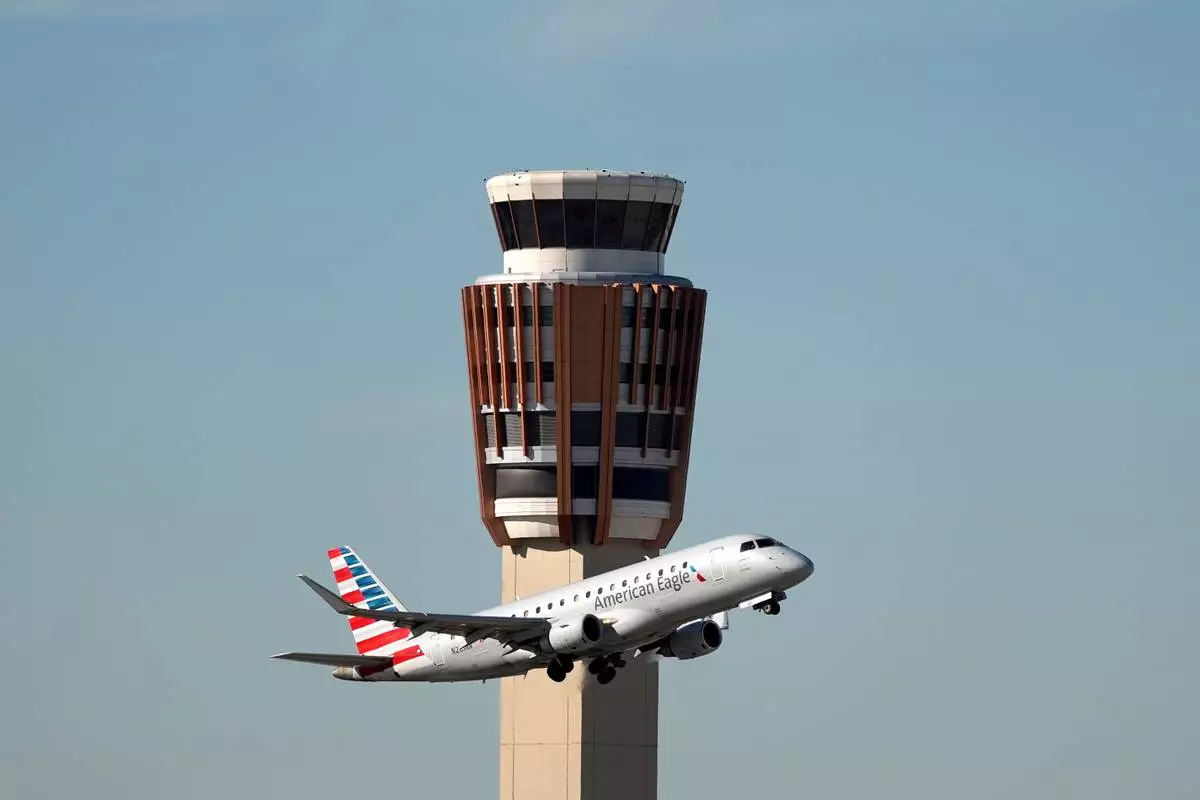
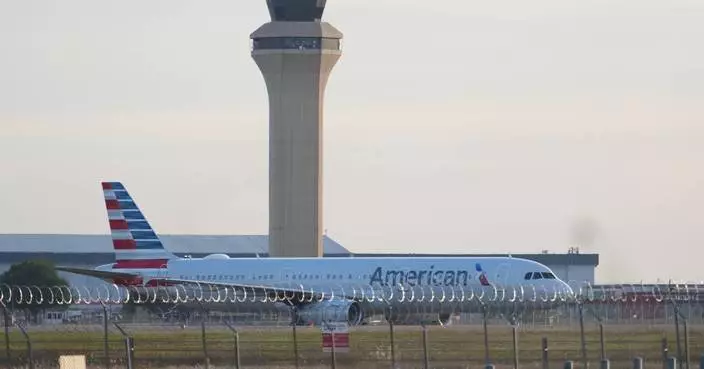
FILE - An airplane flies past the air traffic control tower at Phoenix Sky Harbor International Airport on Nov. 8, 2025, in Phoenix. (AP Photo/Ross D. Franklin, File)
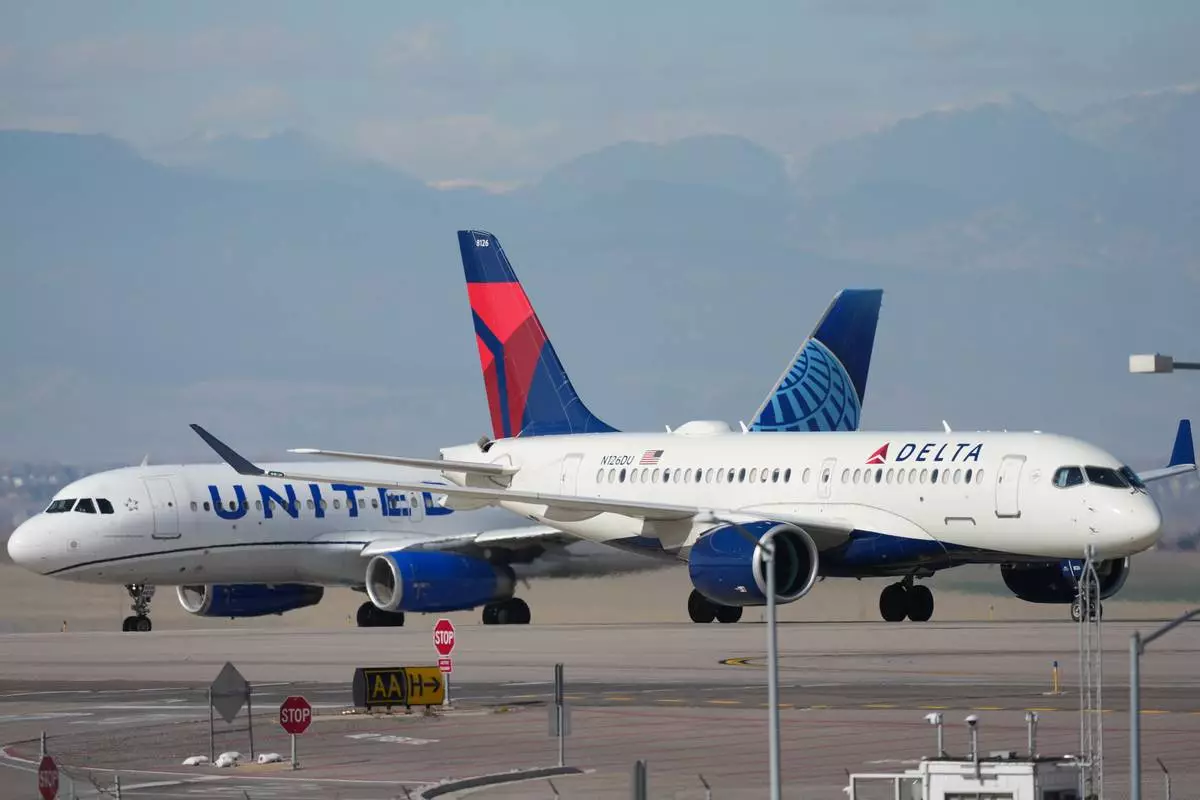
FILE - A Delta Airlines and United Airlines plane are seen at Denver International Airport on Nov. 6, 2026, in Denver. (AP Photo/David Zalubowski, File)