Regional U.S. air traffic control centers communicate using a complex network that's “one of the largest telecommunications systems in the country,” and disruptions like those seen on Friday with an hourslong, nationwide grounding of flights can reverberate widely, according to an aviation expert.
Michael McCormick, a former airspace manager with the Federal Aviation Administration, said it could take days for airlines — many of which had to divert flights — to resume normal operations after officials lifted the grounding order. The order was lifted late Friday.
Click to Gallery
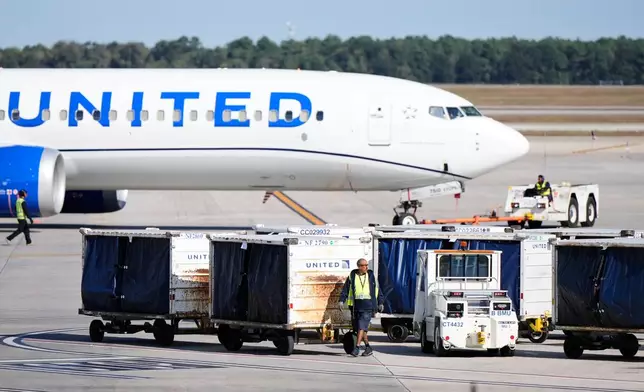
A worker manages baggage carts as a United Airlines flight taxis at George Bush International Airport on Saturday, Nov. 14, 2026, in Houston, after the Federal Aviation Administration lifted nationwide ground stops. (AP Photo/Ashley Landis)
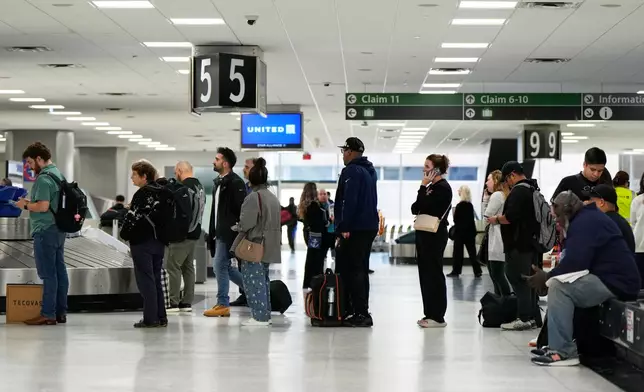
Passengers wait in line at a baggage claim area at George Bush International Airport on Saturday, Nov. 14, 2026, in Houston, after the Federal Aviation Administration lifted nationwide ground stops. (AP Photo/Ashley Landis)
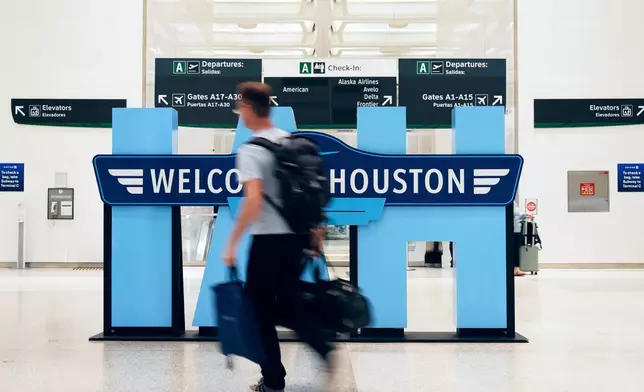
A traveler arrives at George Bush International Airport on Saturday, Nov. 14, 2026, in Houston, after the Federal Aviation Administration lifted nationwide ground stops. (AP Photo/Ashley Landis)
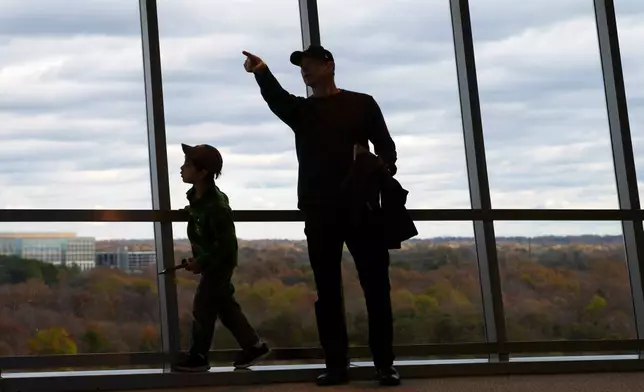
Visitors to the Steven F. Udvar-Hazy Center observation tower watch an airplane prepare to land at Washington Dulles International Airport after the Federal Aviation Administration lifted nationwide ground stops, in Chantilly, Va., Saturday, Nov. 14, 2026. (AP Photo/Cliff Owen)
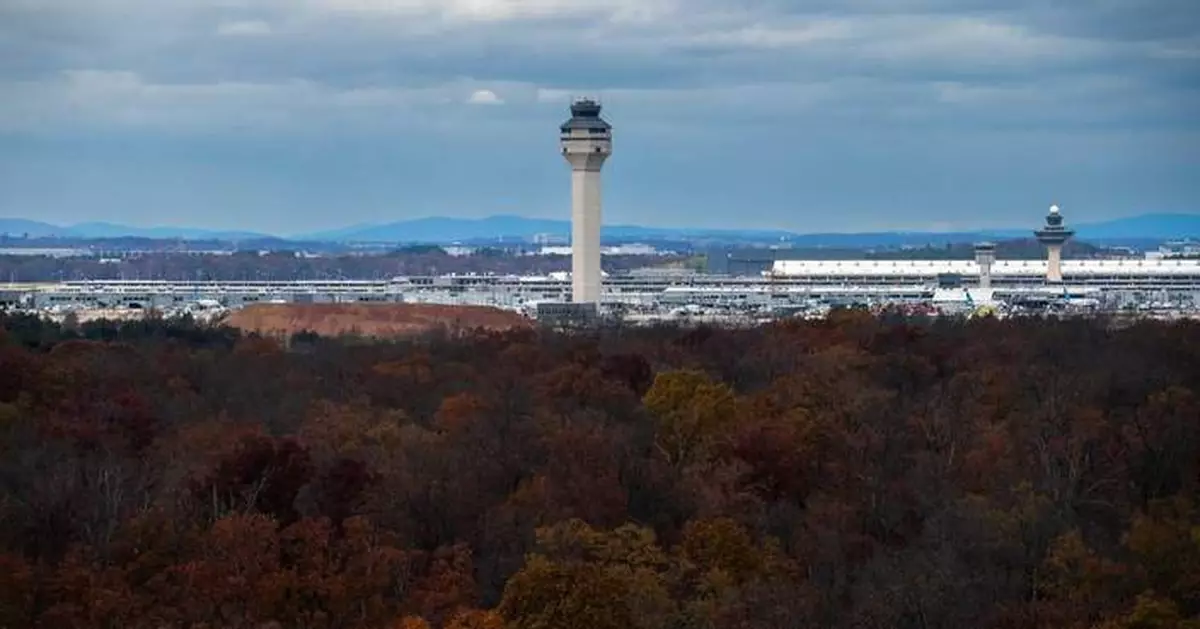
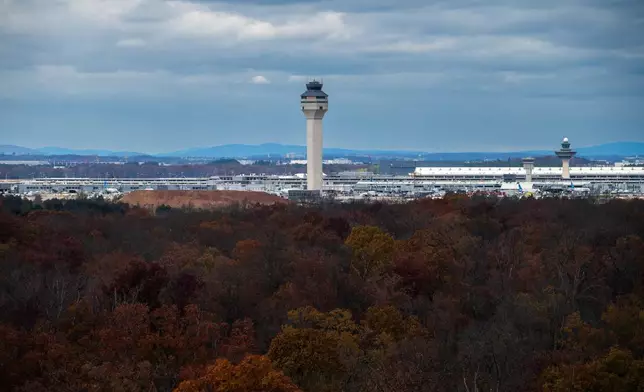
The control tower is seen at Washington Dulles International Airport after the Federal Aviation Administration lifted nationwide ground stops in Chantilly, Va., Saturday, Nov. 14, 2026. (AP Photo/Cliff Owen)
Here's a look at what happened, how regional air traffic control centers work, how controllers communicate with pilots and why a problem on the ground can affect flights thousands of miles away among other issues:
New technology being added to the nation’s air traffic control system overloaded antiquated equipment and caused “intermittent” communications and radar gaps, leading to the ground stop that lasted more than four hours Friday, Trump administration officials said Saturday in a press briefing.
Secretary of Transportation Sean Duffy said a contractor had been working on replacing a section of the system’s old copper wire with new fiber wire, and that somehow resulted in the system overload. Duffy said officials were probing whether contractor “incompetence” or a faulty router was the cause.
“Specifically, we had over 1,000 connection attempts every 4 to 5 seconds,” Duffy said. “And what that did was gave us issues with our communication with airplanes, and it also caused some disruption with our radar feeds. And when we see that, your safety is paramount, we shut down the airspace.”
Planes flying at the time of the ground stop were able to land safely using “well-known procedures” in place for such circumstances, Duffy said Friday.
The government has been working to overhaul the outdated technology air traffic controllers rely on since Congress approved $12.5 billion for the effort last year. Miles of old copper wires have been replaced with fiber optic lines, while old radio systems are gradually being replaced at airports. But the work is far from complete, and Duffy used the news conference on Friday and Saturday to urge Congress to provide more funding.
The FAA grounded flights nationwide Friday due to issues at regional air traffic control centers, an FAA notice said.
The U.S. operates 22 regional air traffic control centers, managed by the FAA, oversees long-distance aircraft operating between departure and arrival airports. according to McCormick, associate professor and program coordinator in the Department of Applied Aviation Sciences at Embry-Riddle Aeronautical University. McCormick estimates these control centers take over flights at altitudes over 10,000 feet.
These centers, which operate in such places as Anchorage, Alaska, Houston and Indianapolis, are one of the three layers that guide pilots. The airport towers direct pilots at the takeoffs at the 500-plus airports that have towers. Then, the so-called Terminal Radar Approach Control centers take over and guide pilots as they get further away from the airport. And then the regional control centers take over. When descending, the reverse happens, experts say.
Experts say that the controllers at the regional centers are sitting at radar displays and are responsible for only that airspace.
“As you fly, your flight is handed off from one controller to another controller,” said Stephen Creamer, president of the Air Traffic Control Association, a trade group for equipment manufacturers involved with air traffic control. “That handoff process is like taking the screen and the aircraft on one screen and making sure it’s on someone else’s screen before you send the communications over to that next controller and have the pilot start talking to them.”
McCormick said the country's regional, high-altitude air traffic control centers need to be connected to remote radio transmitter or receiver sites. That's to allow for radio frequency coverage to communicate with the aircraft.
Those transmitter sites are connected to the centers via telecommunications systems, the likes of which are in the process of moving from copper wires to fiber optic lines. The two-way communication is important to ensure — among other things — that planes maintain safe spacing, he said.
“What is especially problematic in this case is that it’s what’s known as a rolling outage,” McCormick said. “In other words, it's unpredictable and it may impact one air traffic control center now and then it gets better and then impacts another air traffic control center.”
But he and other aviation experts said that the FAA is now transitioning to what's known as controller pilot data link — a digital, text-based messaging system that allows controllers and pilots to exchange routine clearances, instructions and requests through the data link instead of voice radio.
In September, Newark Liberty International Airport temporarily lost radar communications with aircraft, after a backup fiber optic line was inadvertently cut by railroad construction workers. That forced the FAA to immediately cancel hundreds of flights going in and out of the airport.
But airline experts say that scenario was different from what occurred on Friday. Federal Aviation Administration Administrator Bryan Bedford told reporters Saturday that intermittent frequency instability affected as many as 17 of the 22 U.S. regional air control centers.
“The thing that was unique about this is that it was a type of failure that wasn’t local because it was part of the communication system,” he said. “It propagated around the country.”
Andrew Charlton, an aviation consultant, said the “knock-on” effect is incredible.
“The aircraft doesn’t just fly from A to B and back to B and then stop,” he said. “It then moves onto C and then over to E and around and around and around. It is, of course, exacerbated if you’re talking about long-haul flights, international flights over the Atlantic or over the Pacific.”
Aviation experts say that pilots can still communicate with aircraft even during intermittent communications disruptions, noting as an example that many planes have satellite phone systems.
John Hansman, aeronautics professor at MIT whose research includes information technology in aviation, said that pilots can still talk directly to other pilots in airplanes around them via radio. And there's also equipment on the airplane that tells pilots if there are airplanes around them, he said.
If a control tower loses radio capabilities, it can also communicate with pilots with high intensity light beams, which send signals to pilots to alert whether it's safe to descend, he said.
“We have a number of backup systems that allow the airplanes to fly safely to the extent that air traffic control can still communicate directly with the radio,” said Hansman.
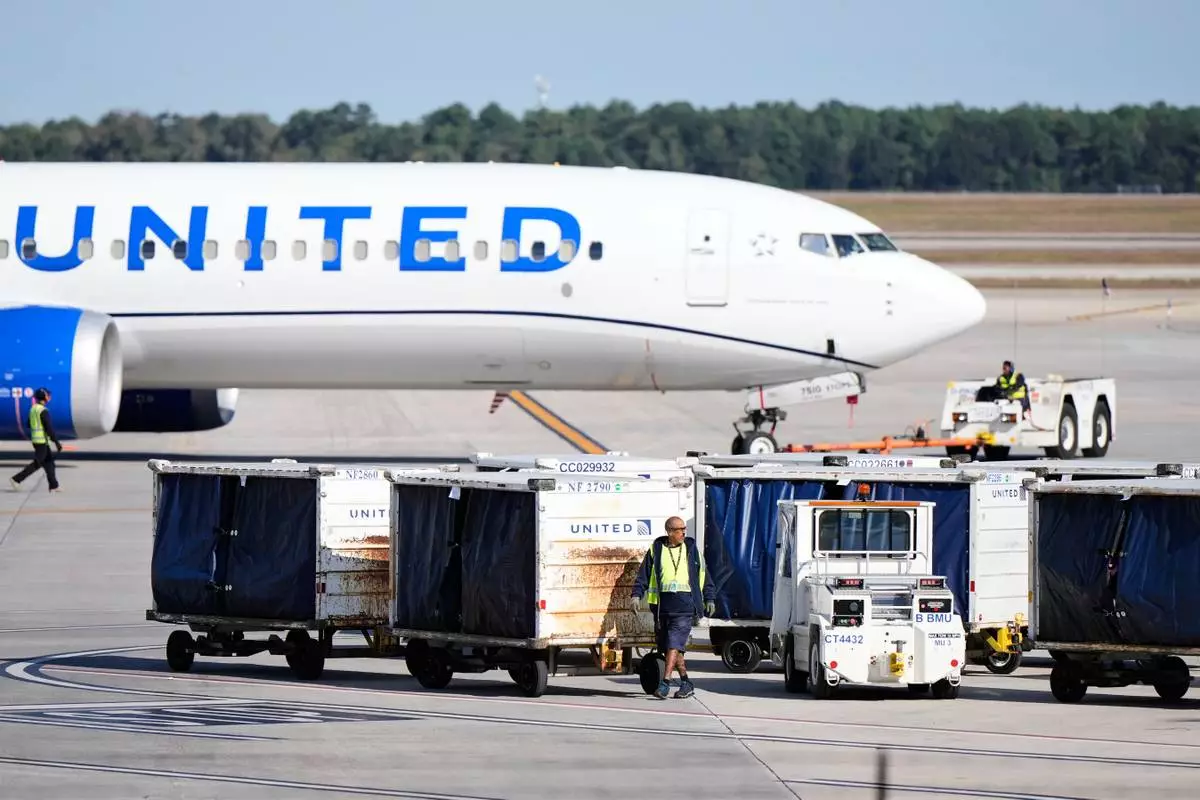
A worker manages baggage carts as a United Airlines flight taxis at George Bush International Airport on Saturday, Nov. 14, 2026, in Houston, after the Federal Aviation Administration lifted nationwide ground stops. (AP Photo/Ashley Landis)
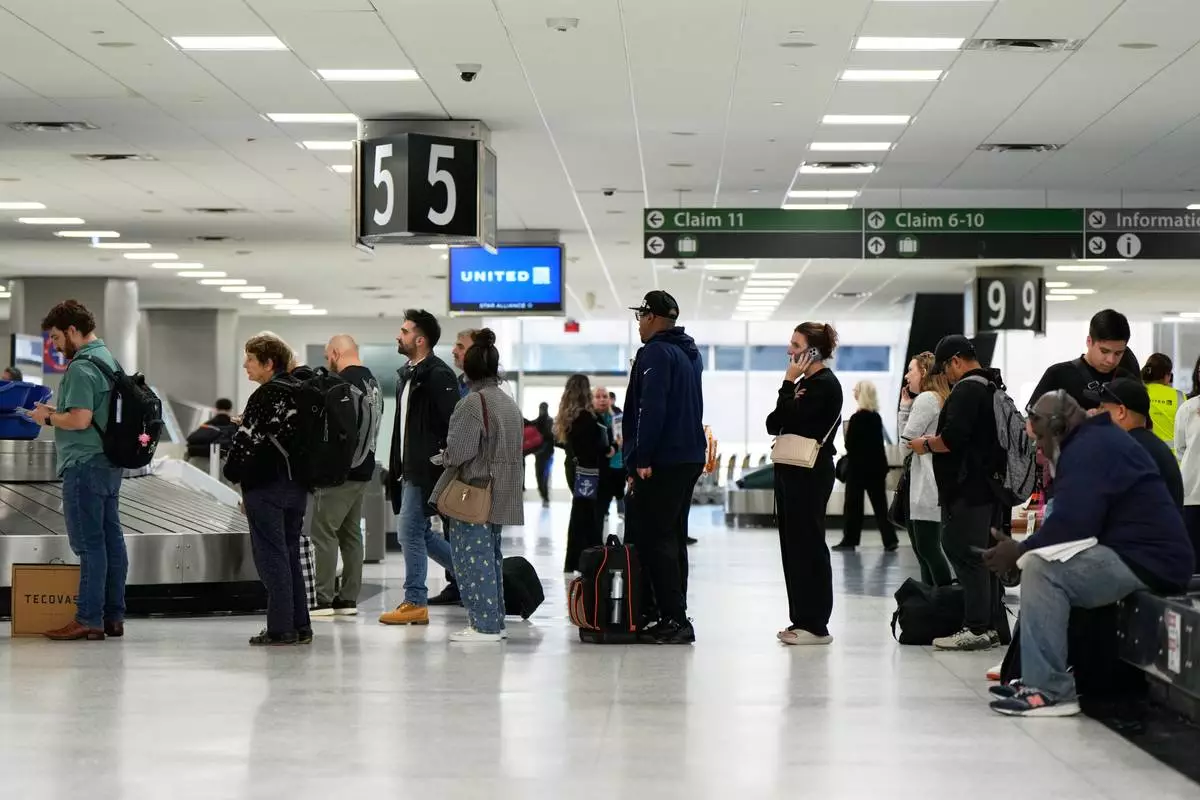
Passengers wait in line at a baggage claim area at George Bush International Airport on Saturday, Nov. 14, 2026, in Houston, after the Federal Aviation Administration lifted nationwide ground stops. (AP Photo/Ashley Landis)
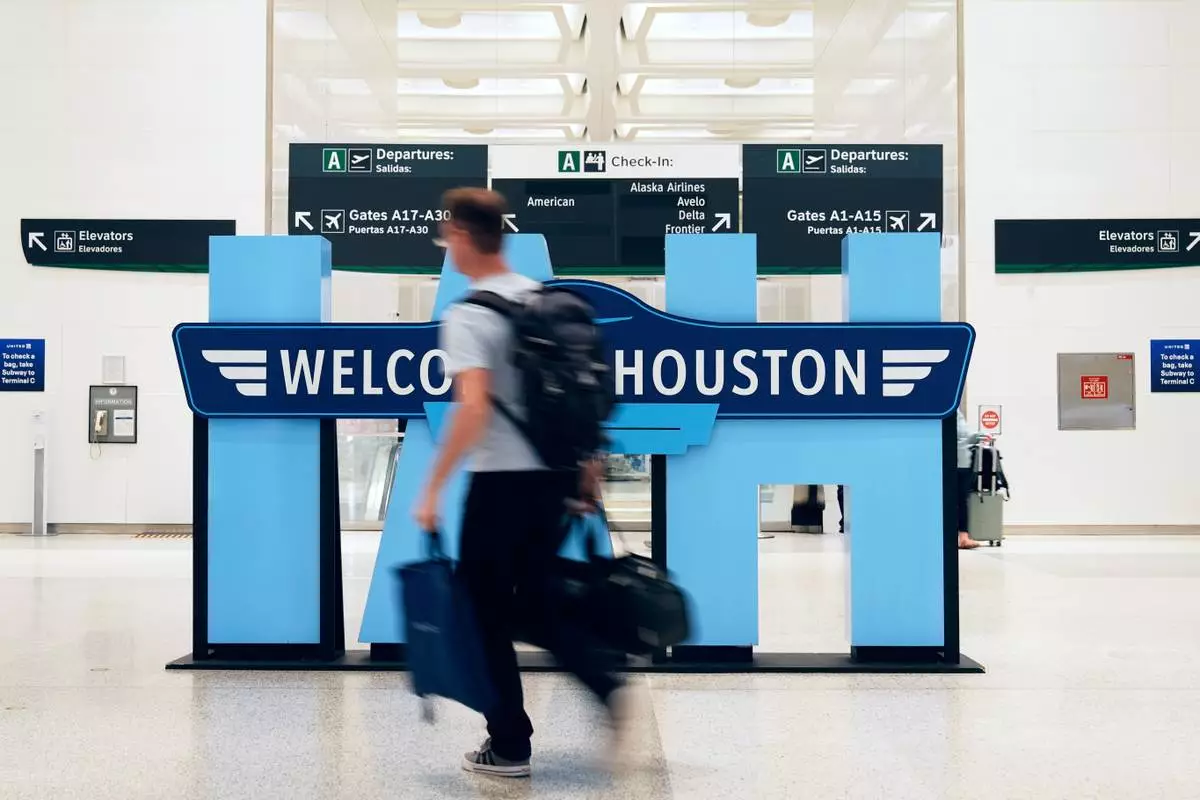
A traveler arrives at George Bush International Airport on Saturday, Nov. 14, 2026, in Houston, after the Federal Aviation Administration lifted nationwide ground stops. (AP Photo/Ashley Landis)
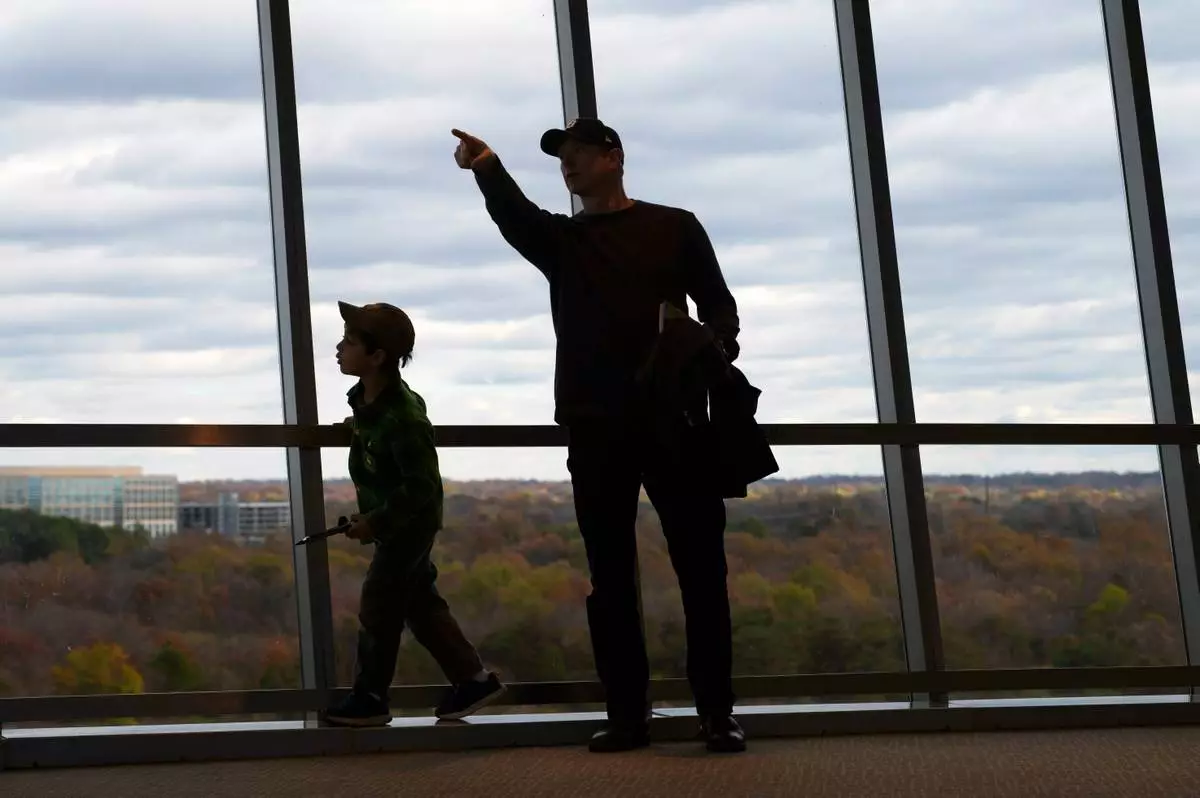
Visitors to the Steven F. Udvar-Hazy Center observation tower watch an airplane prepare to land at Washington Dulles International Airport after the Federal Aviation Administration lifted nationwide ground stops, in Chantilly, Va., Saturday, Nov. 14, 2026. (AP Photo/Cliff Owen)
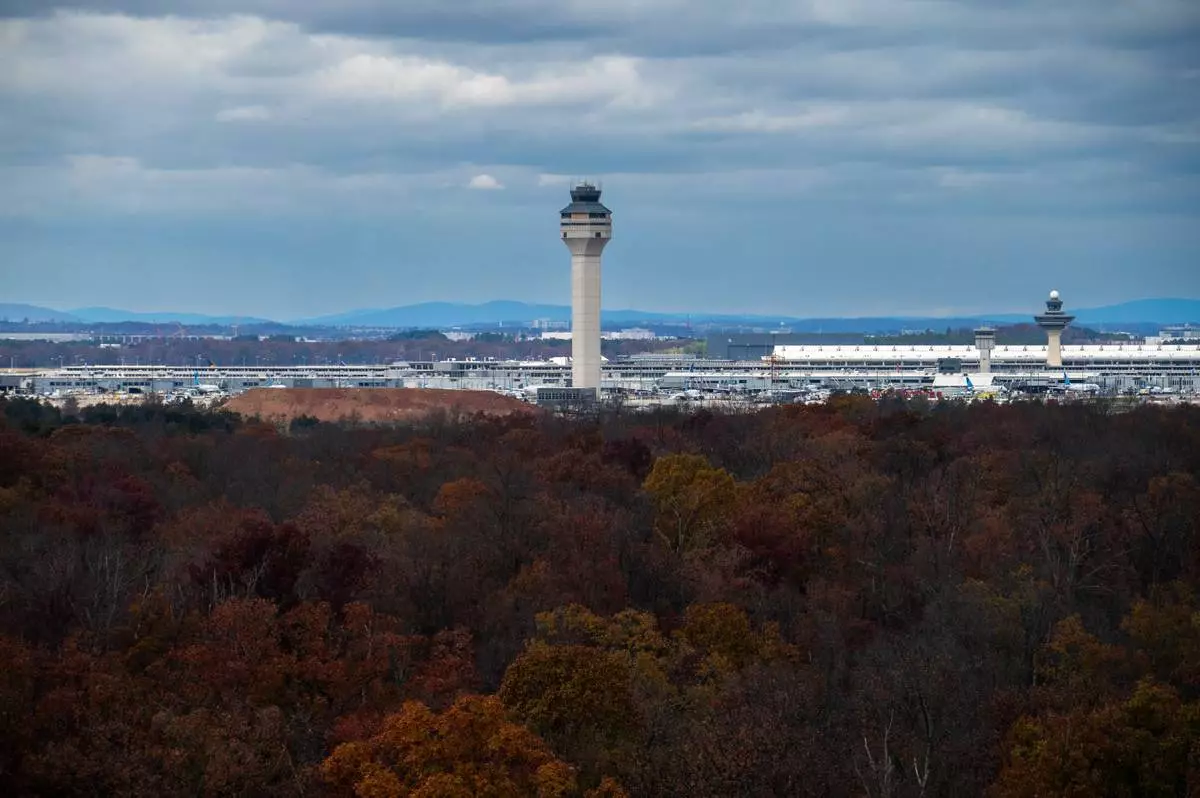
The control tower is seen at Washington Dulles International Airport after the Federal Aviation Administration lifted nationwide ground stops in Chantilly, Va., Saturday, Nov. 14, 2026. (AP Photo/Cliff Owen)
WASHINGTON (AP) — Airlines canceled thousands of flights across the U.S. on Saturday as they worked to recover from a nationwide ground stop a day earlier that left passengers scrambling for seats and disrupted travel around the world.
The U.S. air travel schedule should be back to normal by the end of Sunday, two days after what was the nation's longest ground stop in 25 years, Bryan Bedford, administrator of the Federal Aviation Administration, said. He said airlines “will still have delays and cancellations” Saturday but promised that the “worst is behind us.”
Transportation Secretary Sean Duffy told reporters Saturday that a contractor had been replacing a section of the system's old copper wire with new fiber wire, and that work somehow caused the system overload, leading to Friday’s ground stop that lasted more than four hours. The work caused “intermittent” communications and radar gaps, according to Trump administration officials.
Duffy said officials were investigating whether contractor “incompetence” or a faulty router was the cause.
“Our contractor didn't meet the moment or the equipment didn’t meet the moment,” Duffy said.
The contractor, L3Harris Technologies Inc., did not immediately respond to requests for comment or issue a public statement Saturday.
The nationwide stop was the first since January 2023, when a key FAA computer system that sends notices to pilots malfunctioned, and the second since the Sept. 11, 2001, attacks.
Andrew Charlton, an aviation consultant, said Friday's stoppage affected about a quarter of the 45,000 flights in the U.S. each day.
“The knock-on effect of that is incredible,” said Charlton, managing director of Aviation Advocacy. “The aircraft doesn’t just fly from A to B and back ... and then stop. It then moves onto C and then over to E and around and around and around. It is, of course, exacerbated if you’re talking about long-haul flights, international flights over the Atlantic or over the Pacific.”
At airports across the U.S. on Saturday, passengers were still scrambling to figure out how to get to their destinations. Some waited out the chaos in hotels, others sprinted to snag rental cars and bus or train tickets. But many were forced to camp out in airports.
Others got creative. Video in Seattle's airport showed a passenger serenading stressed out travelers with classical music. The singer T-Pain and the band Hoobastank were recorded singing to passengers as they waited on commercial airplanes.
Dan Russell, 66, learned his connecting flight from Kona, Hawaii, to Fresno, California, was canceled a half-hour before boarding was scheduled in San Diego on Friday night. Hotels were full, so he and his wife waited at the airport for a rebooked flight on Saturday.
“There’s nothing you can do,” Russell said, as his wife, Mary, tried to nap on his shoulder.
A cheerful Southwest Airlines gate agent at Dallas Love Field greeted passengers at dawn with, “Good morning, good morning,” then repeatedly said all flights were full and asked passengers to have boarding passes ready to help keep flights moving.
In Las Vegas, Korean Mexican influencer Sujin Kim, known online as Chingu Amiga, said her Friday flight to Mexico was rescheduled for Saturday morning. Kim said she had never experienced anything like it, though she travels often and “I always lose my suitcase.”
“Many people ended up sleeping at the airport, too, but thank God we managed to find a room,” she said.
At the Newark, N.J., airport, Umi Egchi was trying to figure out when his flights would line up so he could return home to Japan.
“I’m not sure exactly what happened. I just want to go home,” said Egchi, who had a sleep mask on top of his head.
Sports teams that traveled for games this weekend adjusted game start times, and No. 19 Mississippi’s game at Oklahoma was delayed a full day to Sunday.
FlightAware, a website that tracks flights, said more than 4,100 flights had been canceled Saturday. Cirium, a similar site, put that number above 3,200 flights.
Duffy reiterated Saturday that no one was in any danger as more than 3,000 flights in the air at the time of the grounding order landed safely.
Trump administration officials also blamed Congress for failing to approve more funding to replace the decades-old technology that helps manage the U.S. air traffic. Duffy said that 70% of the system had been replaced with fiber optic wire but that his agency also needs new air traffic control towers and runways.
The FAA has replaced thousands of old copper wires with fiber optic lines and upgraded hundreds of radio systems as part of an overhaul that began last year after Congress approved $12.5 billion in funding. Duffy and the White House are pushing for $30 billion more to complete the work.
“We have aging infrastructure throughout the airspace,” Duffy said, while stressing that flying remains safe. “You won’t get to your destination if we don’t think you can get there safely.”
In a moment that perhaps only further underscored the Transportation Department’s struggling systems, Duffy’s news conference Saturday morning began with audio troubles that forced last-minute microphone swaps.
Although Duffy said he had repeatedly spoken with President Donald Trump since the ground stop began, the president has largely been quiet on the topic. He has not spoken publicly on the matter, nor issued statements via social media, although he commented on other things. He spoke on the phone with a Fox News reporter, but that was not on camera.
Charlton, the aviation consultant, pointed to the difficulties of updating a system that can never shut down.
“What you’re watching here is trying to change the tires of your car when the car’s going at 80 miles an hour down the expressway, because nothing stops in aviation,” Charlton said.
The problem appeared similar to a regional air traffic control communication outage in September that snarled hundreds of flights across the Northeast. That disruption was linked to a construction crew cutting a fiber optic line.
Aging equipment was also blamed for brief radar outages last year that disrupted Newark airport.
Aviation safety expert Steve Arroyo said the difference Friday was the nationwide scale of the disruption, which left controllers unable to reliably talk to pilots.
“If you don’t have that ability, whether it’s because the old wires that they have are just run down or for whatever reason, you’ve got to stop airplanes on the ground and not put them in the air, where you’re going to risk not being able to communicate with them,” said Arroyo, a former United Airlines pilot.
This version has been updated to correct that Duffy said investigators were looking at whether a possible faulty router, not a faulty wire, might have been the cause.
Kruesi reported from Providence, Rhode Island, and Colvin reported from New York. Associated Press journalists Josh Funk in Omaha, Nebraska, Elliot Spagat in San Diego, Bernice Bautista in Las Vegas, and Hannah Fingerhut in Des Moines, Iowa, also contributed.
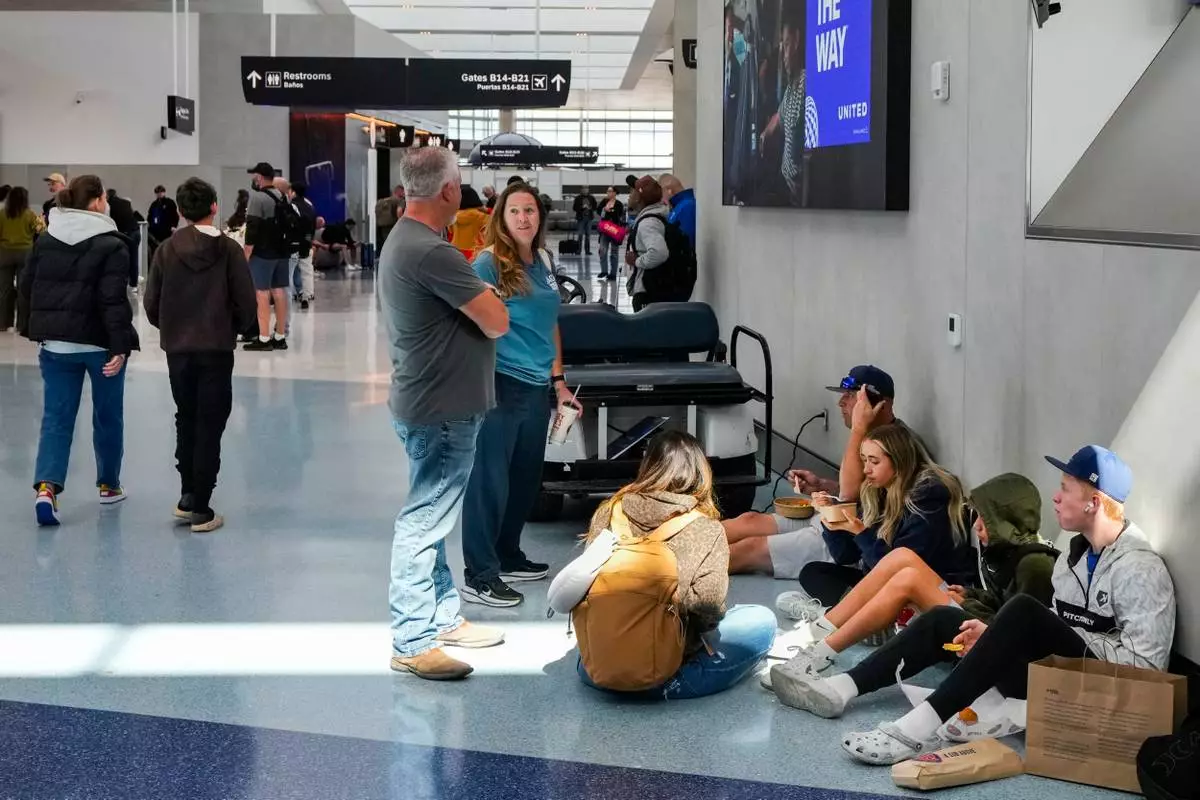
Passengers wait for their flights at George Bush Intercontinental Airport Saturday, Nov. 14, 2026, in Houston after the Federal Aviation Administration lifted nationwide ground stops. (Brett Coomer/Houston Chronicle via AP)
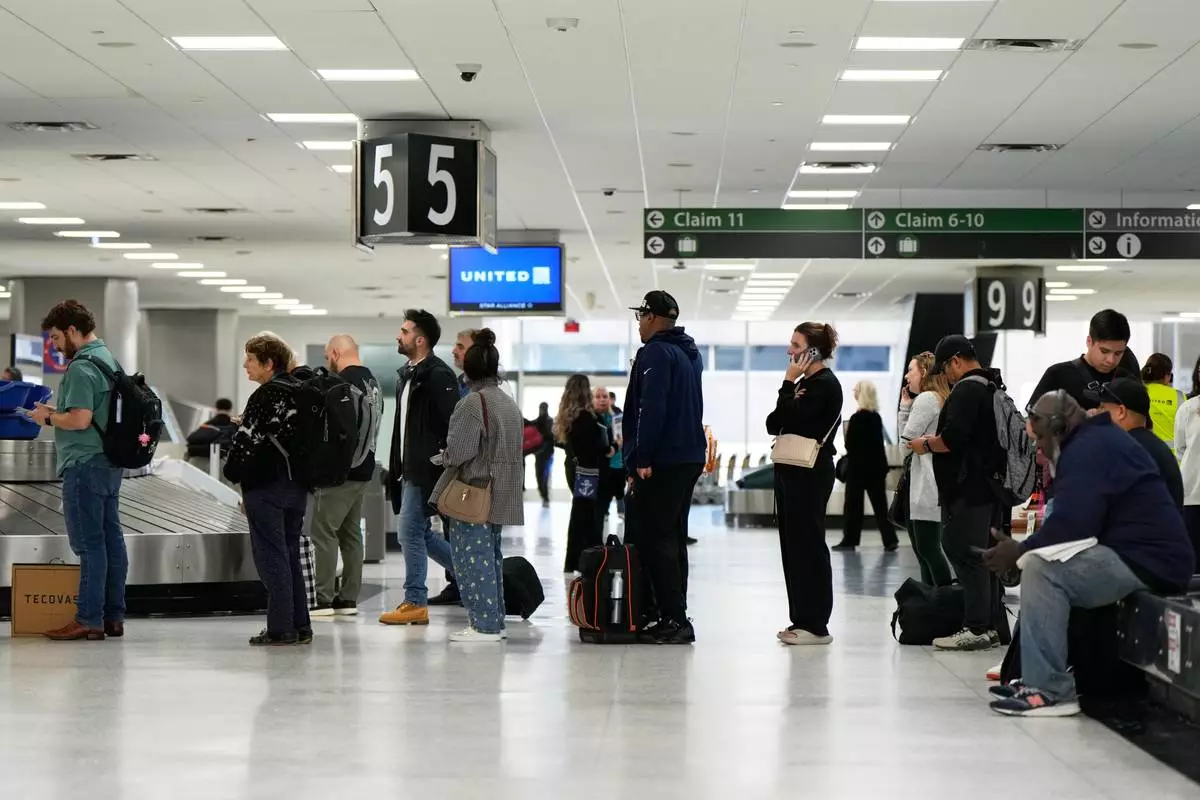
Passengers wait in line at a baggage claim area at George Bush International Airport on Saturday, Nov. 14, 2026, in Houston, after the Federal Aviation Administration lifted nationwide ground stops. (AP Photo/Ashley Landis)
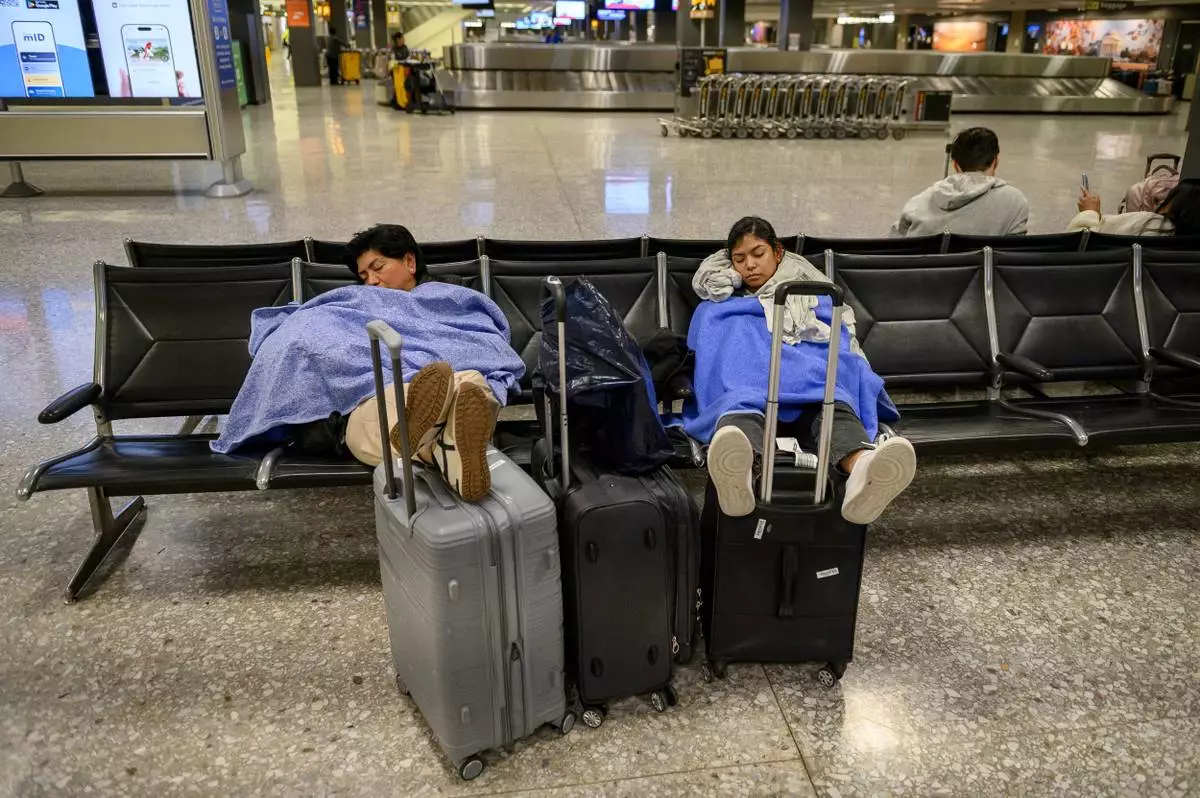
Two travelers sleep in the baggage claim area at Washington Dulles International Airport, in Chantilly, Va., Friday, Nov. 13, 2026, after the Federal Aviation Administration grounded flights nationwide. (AP Photo/Cliff Owen)
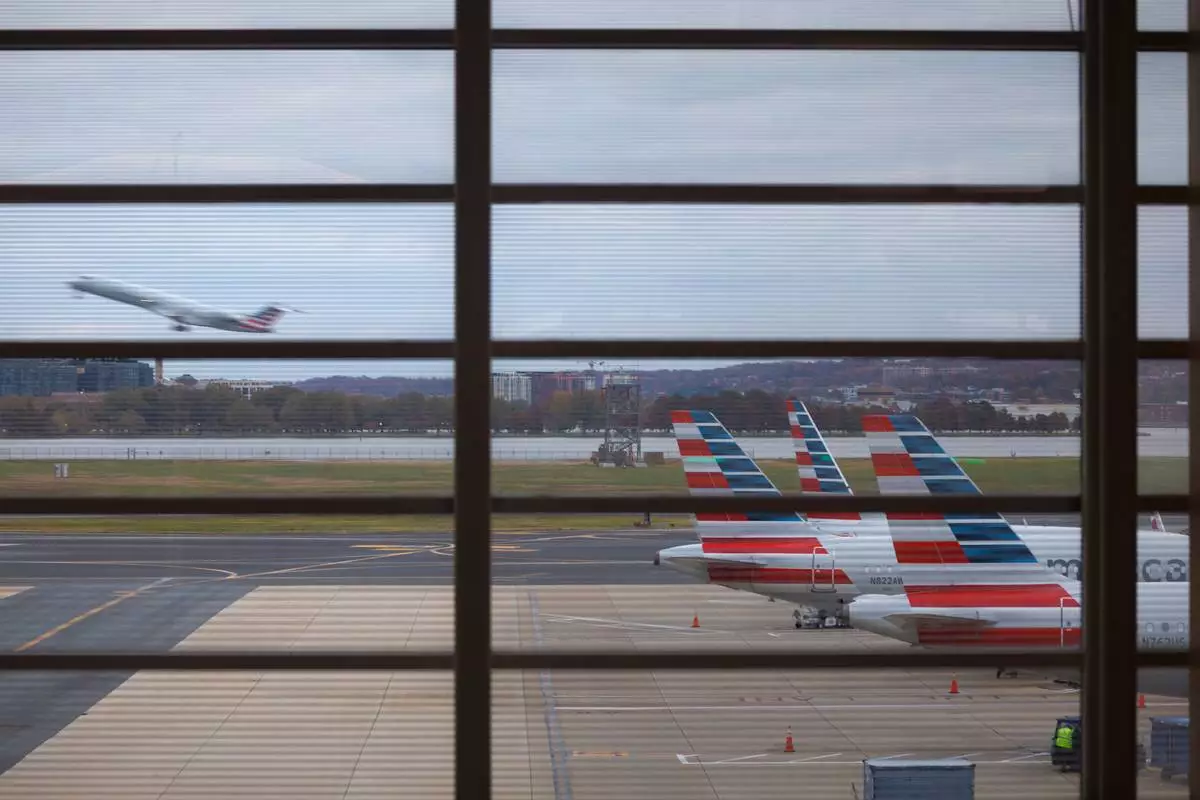
An American Airlines flight takes off from Ronald Reagan Washington National Airport in Arlington, Va., after the Federal Aviation Administration grounded flights nationwide, Saturday, Nov. 14, 2026. (AP Photo/Tom Brenner)

Transportation Secretary Sean Duffy, arrives for a news conference at the U.S. Department of Transportation, Saturday, Nov. 14, 2026, in Washington. (AP Photo/Tom Brenner)
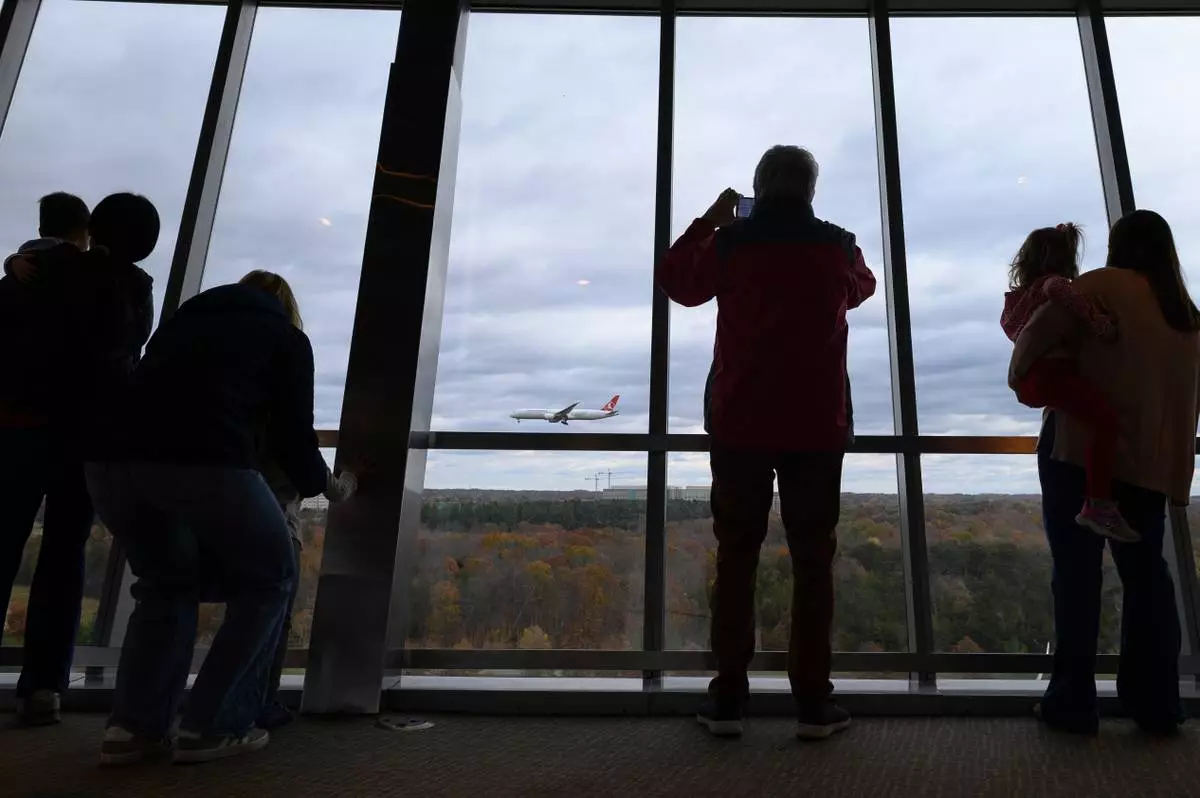
Visitors to the Steven F. Udvar-Hazy Center observation tower watch an airplane as it prepares to land at Washington Dulles International Airport after the Federal Aviation Administration lifted nationwide ground stops in Chantilly, Va., Saturday, Nov. 14, 2026. (AP Photo/Cliff Owen)
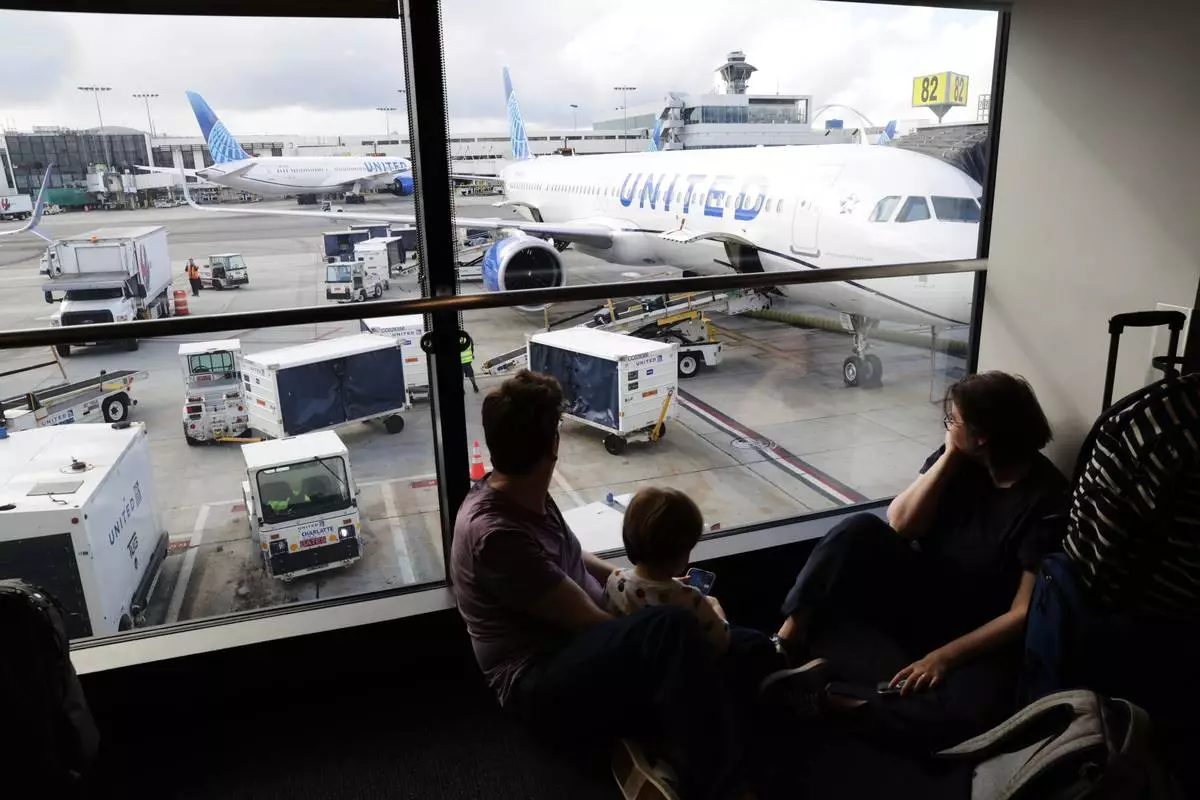
Passenger watch as workers unload luggage from a United plane as flights are delayed at Los Angeles International Airport Friday, Nov. 13, 2026, in Los Angeles. (AP Photo/Ethan Swope)
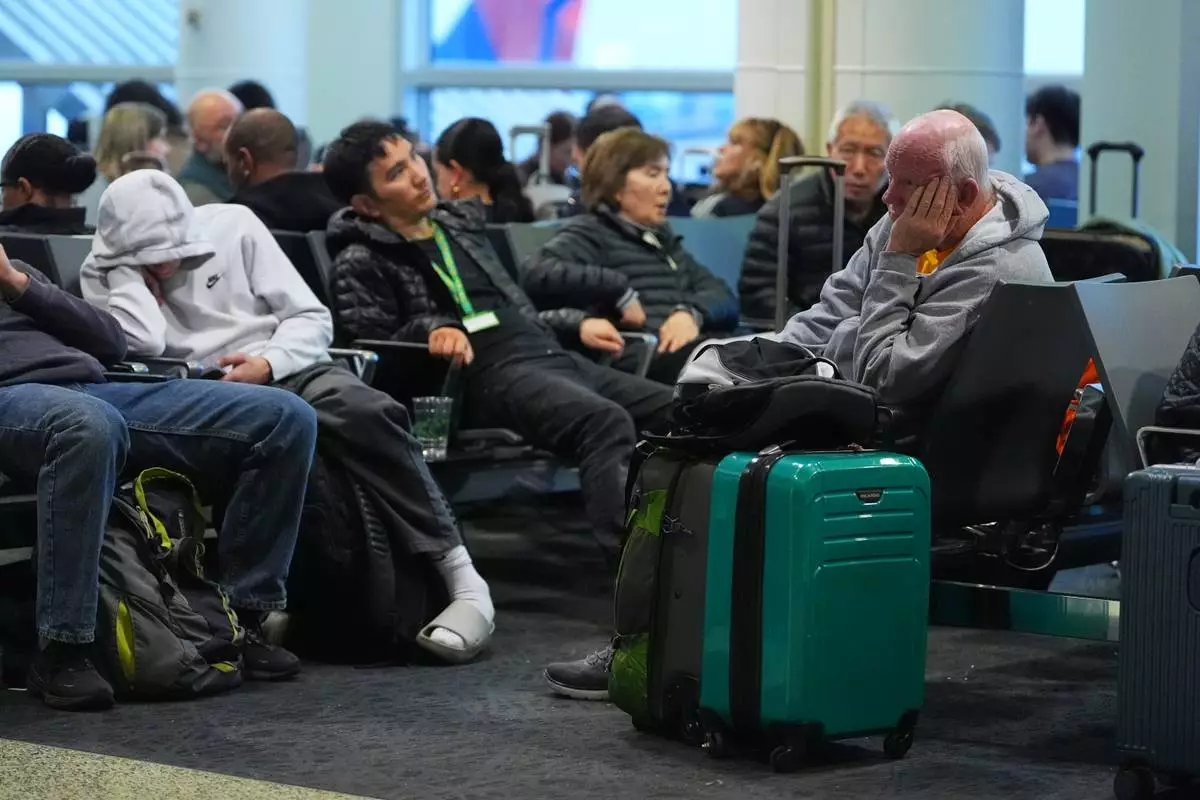
Passengers wait as flights are delayed inside a terminal at Seattle-Tacoma International Airport on Friday, Nov. 13, 2026, in Seattle. (AP Photo/Lindsey Wasson)
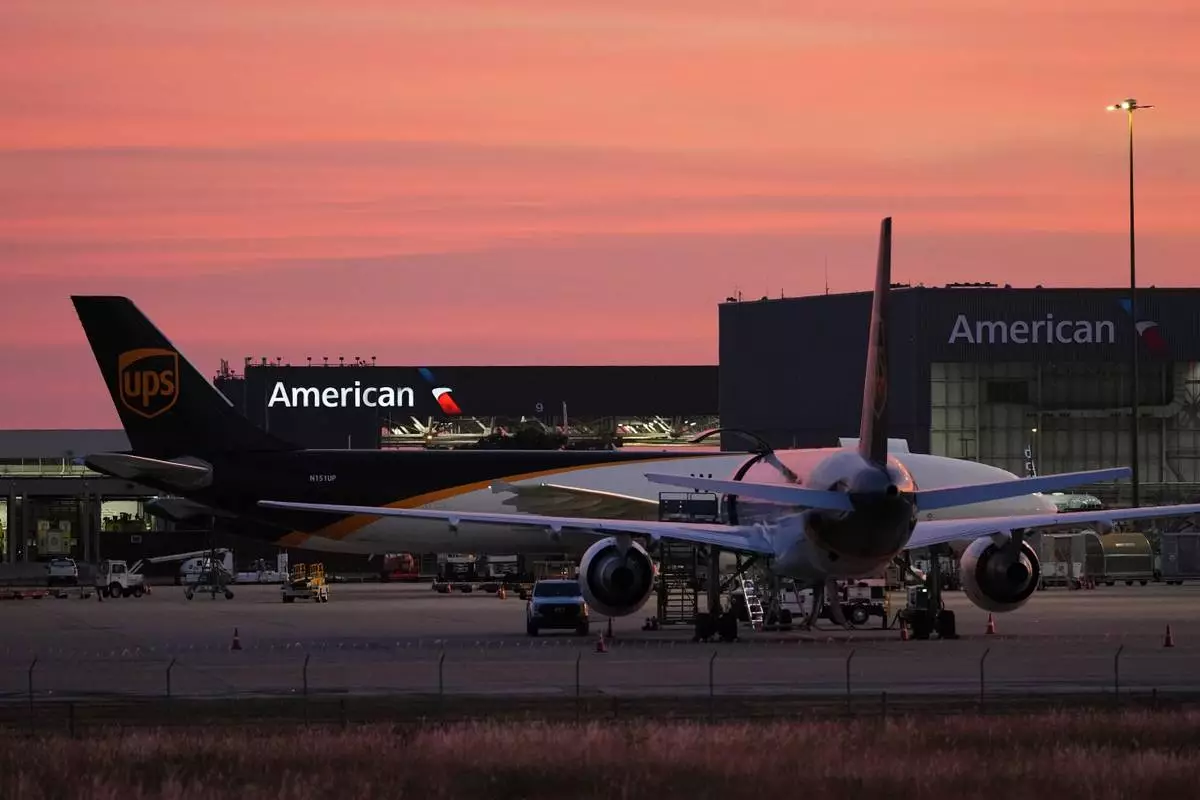
The sun sets over Dallas Fort Worth International Airport in DFW Airport, Texas, Friday, Nov. 13, 2026, after the Federal Aviation Administration grounded flights nationwide. (AP Photo/Tony Gutierrez)
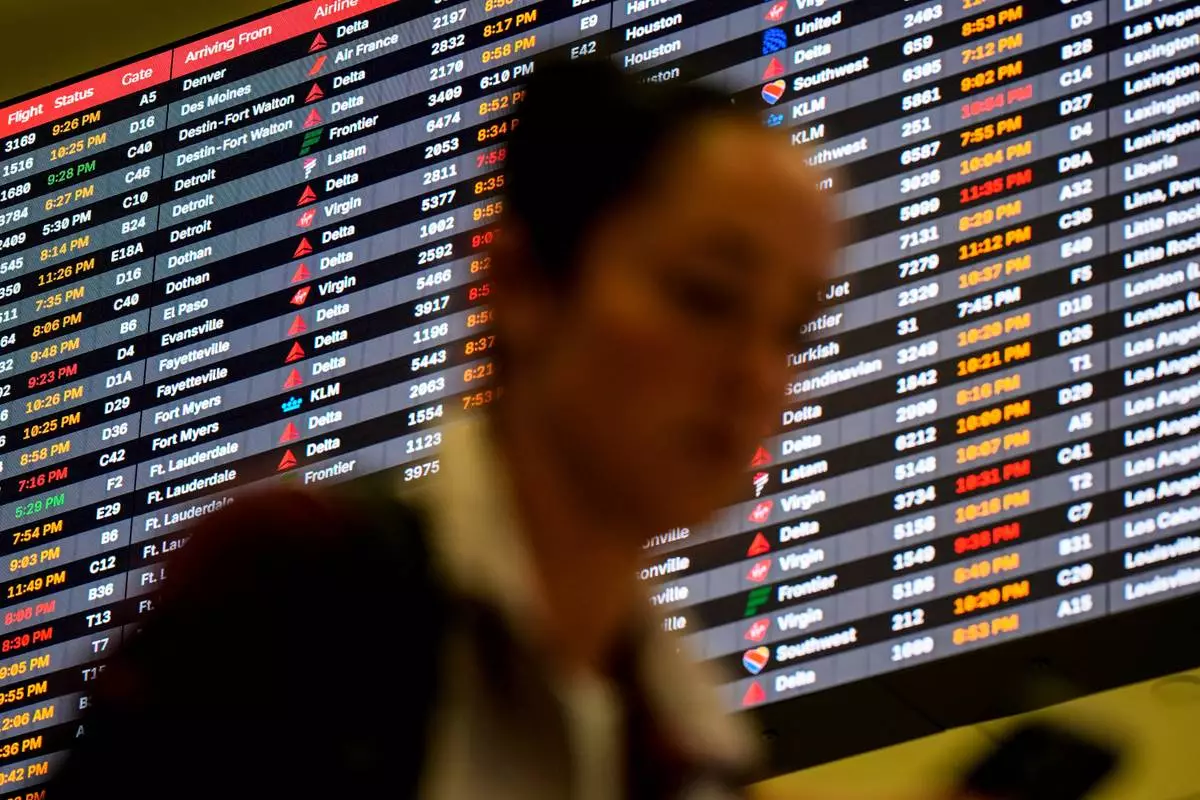
A passenger moves through Hartsfield-Jackson Atlanta International airport as all flights are canceled or delayed, Friday, Nov. 13, 2026, in Atlanta. (AP Photo/Mike Stewart)
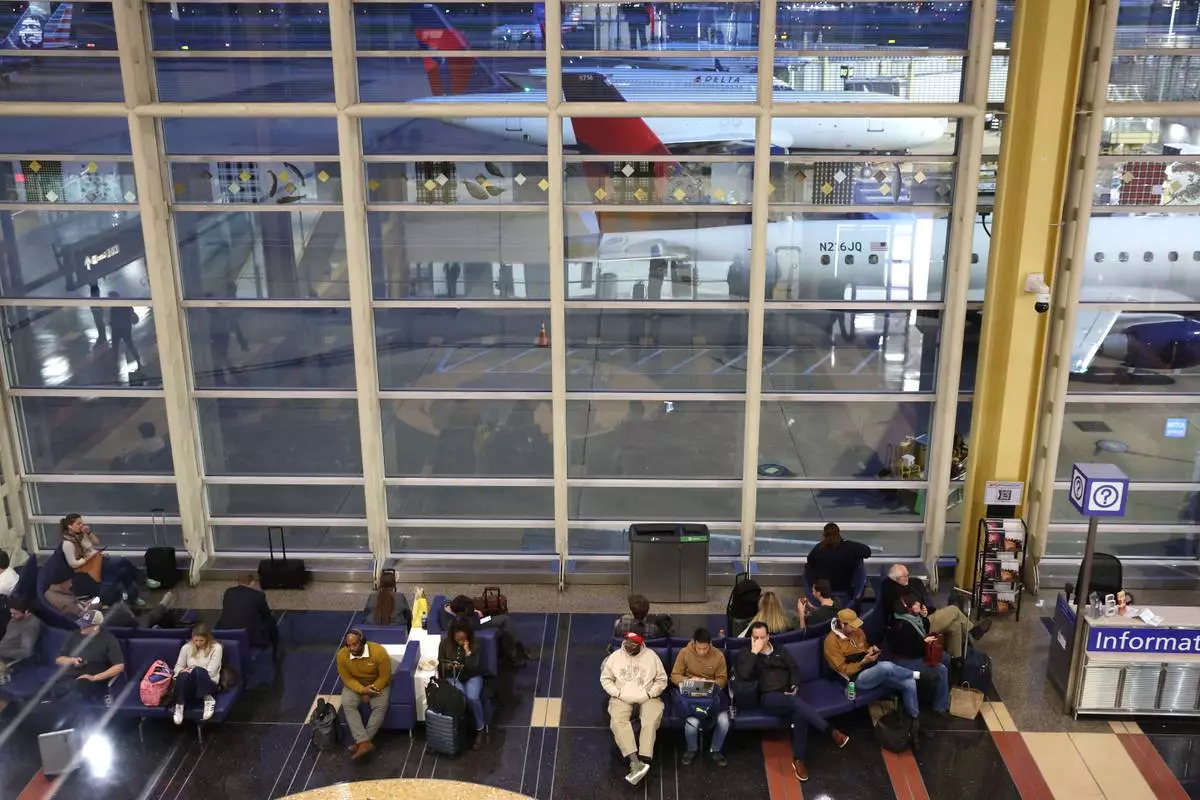
People wait at a terminal at Ronald Reagan Washington National Airport, Friday, Nov. 13, 2026, in Arlington, Va., after the FAA issued a nationwide ground stop. (AP Photo/Tom Brenner)
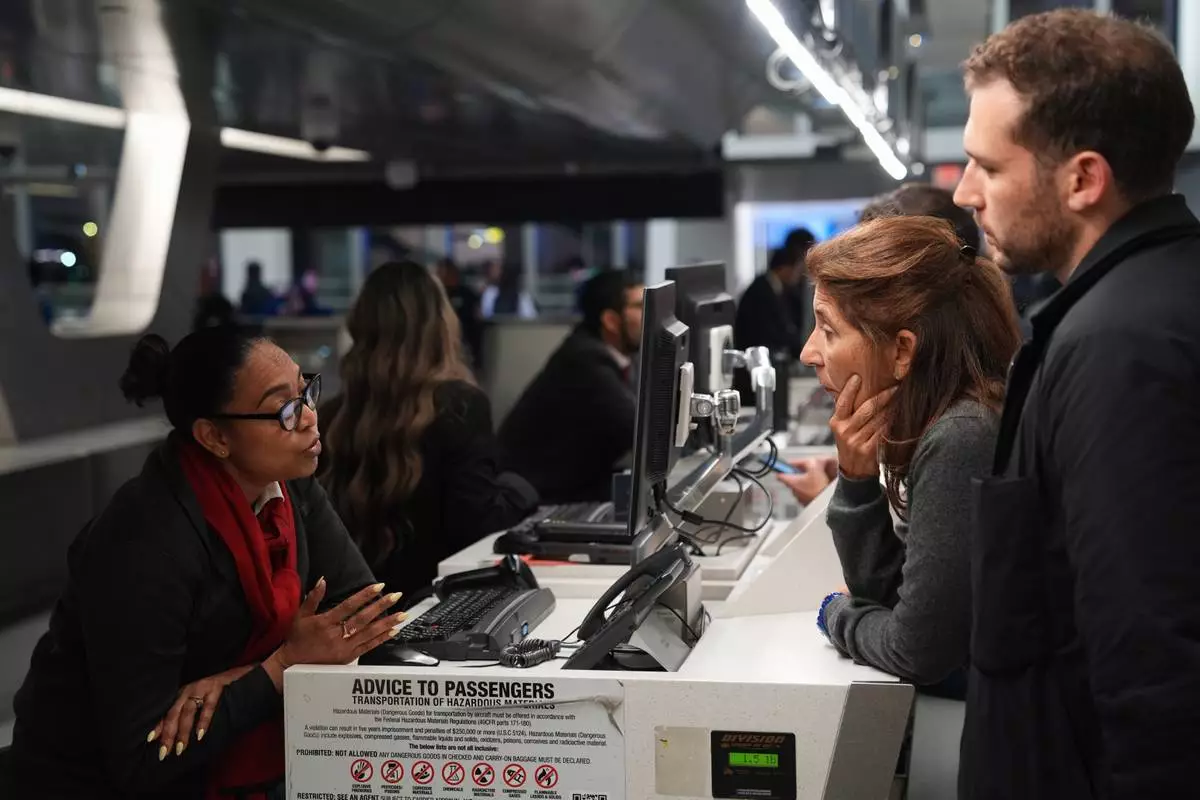
An agent helps travelers at a ticketing desk at LaGuardia Airport in New York, Friday, Nov. 13, 2026, after the Federal Aviation Administration grounded flights nationwide. (AP Photo/Ryan Murphy)