Skip to Content Facebook Feature Image

Lula will govern Brazil for a fourth term but faces a range of challenges. Here’s what to know

News

Lula will govern Brazil for a fourth term but faces a range of challenges. Here’s what to know
News

News

Lula will govern Brazil for a fourth term but faces a range of challenges. Here’s what to know

2026-11-16 15:14 Last Updated At:15:21

RIO DE JANEIRO (AP) — Brazilian President Luiz Inácio Lula da Silva won a surprise reelection victory in late October, but he faces a multitude of challenges on issues ranging from the economy and public security to relations with the United States.

While Lula ultimately bested challenger Flávio Bolsonaro by 4.4 million votes after trailing him in the first round, the country remains deeply divided and many voters expressed dissatisfaction with the leftist president's most recent term, which began in 2023.

Bolsonaro refused to recognize the result of the election, declared himself the victim of electoral fraud without providing evidence and fled to Miami. He has vowed to lead a fortified opposition from the U.S.

As Lula prepares to begin his next term, here is a look at challenges ahead.

Lula is facing pressure from investors who had counted on Bolsonaro winning the election after the far-right candidate received more votes than Lula on Oct. 4. Markets did not react well to his loss. Brazil’s currency, the real, dropped by 12% against the dollar the day after the election, while the stock market tumbled nearly 14% and has not rebounded since.

Investors believed a Bolsonaro victory would rein in government spending and are concerned about Lula’s future fiscal policy, said Sergio Vale, chief economist at consultancy firm MB Associados.

“Lula and the government have vowed not to touch spending while keeping all the promises made these last few years,” said Vale. “Unfortunately, they’re not compatible with fiscal responsibility.”

Lula’s government recently unveiled plans to save up to 60 billion reais ($10.6 billion) in public funds through curbs on tax breaks and spending caps — a proposal that is currently moving through Congress.

During Lula’s third term, Brazil’s public debt grew from around 7.2 trillion reais ($1.3 trillion) in 2022 to 11.1 trillion reais ($2 trillion) this year, which analysts say spurred inflation and contributed to high interest rates ultimately remaining unchanged from 13.75% despite variations over the course of the term.

The high cost of living also left many Brazilians unhappy with the state of the economy despite record-low unemployment.

Lula will face a Congress that shifted further to the right in October's legislative elections. Bolsonaro’s Liberal Party secured the largest blocs in both houses, gaining an extra 23 seats in the lower house and nearly doubling its Senate seats, mostly at the expense of centrist parties.

Despite Bolsonaro’s departure for Miami, his party will remain a force to be reckoned with, retaining instruments to block governmental proposals and even challenge judicial authorities.

Bolsonaro’s congressional allies want, above all, to impeach Supreme Court Justice Alexandre de Moraes, who chaired the investigation that led to President Jair Bolsonaro serving a 27-year prison sentence for attempting a coup.

Their efforts would be helped if Rogério Marinho, Bolsonaro’s campaign coordinator, becomes Senate president. He announced his candidacy last week, promising not to focus solely on impeachment. But, he said, “we will not turn a blind eye, because no one is above the law.”

Brazilians cited crime as a top concern ahead of the election and insecurity featured prominently in the election cycle.

While Brazil's homicide rate last year fell to its lowest level since 2012, the country continues to face the expansion of criminal activities that use digital technology and online platforms, violence against vulnerable groups — including people of color, women and children — and the need to modernize security and justice institutions, according to this year’s annual report from the Brazilian Forum on Public Safety.

Drug-trafficking gangs have expanded their reach in recent years and are now present in large swathes of the country, including parts of the Amazon rainforest, while paramilitary-type militias have entrenched their power in Rio and other states.

Brazil’s Senate recently approved legislation that strengthens the government’s power to fight criminal gangs. Lula has touted the changes as key to tackling one of his nation’s biggest problems.

Navigating the rivalry between the U.S. and China will be key in Lula’s fourth term, said Ana Garcia, an international relations professor at the Rural Federal University of Rio de Janeiro.

Relations between Brazil and the U.S. fell to an all-time low during Lula’s third term, after the Trump administration imposed several rounds of tariffs. Meanwhile, ties with China deepened, displeasing the U.S., analysts say.

But Democrats' sweeping gains in the midterm election also reflected a repudiation of Trump’s tariffs, and pressure to reduce them — including those targeting Brazil — is likely to increase, Garcia said.

Garcia expects Flávio Bolsonaro and his brother Eduardo, who lives in Texas, to continue lobbying Trump administration allies against Lula’s government. But Democrats may increase scrutiny of Trump's policies abroad. In September, 31 Democratic members of Congress sent a letter to U.S. Secretary of State Marco Rubio accusing the Trump administration of “an apparent effort to interfere with, and potentially undermine” Brazil’s election.

“The midterms were a rude awakening for the Bolsonaros,” Garcia said.

Follow AP’s coverage of Latin America and the Caribbean at https://apnews.com/hub/latin-america
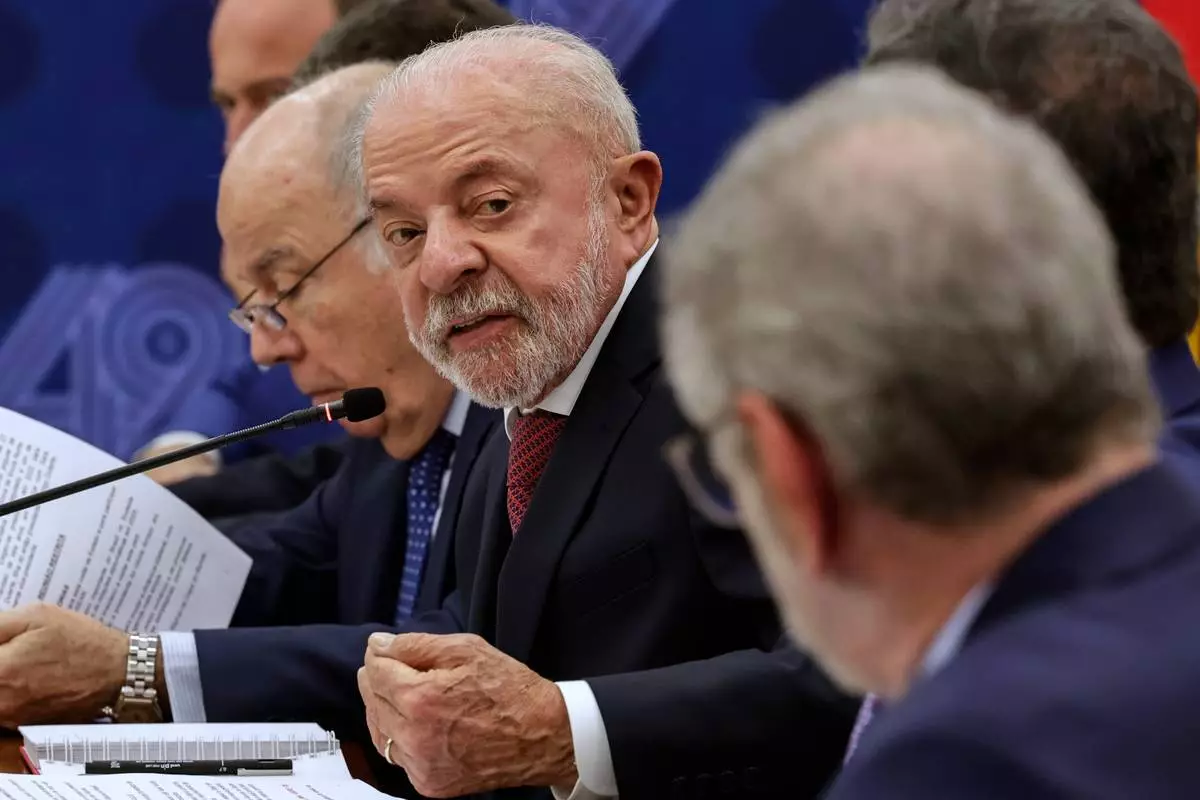
Brazilian President Luiz Inacio Lula da Silva, center, speaks during a bilateral meeting withPhilippine President Ferdinand Marcos Jr., at the Philippine International Convention Center in Pasay City, Metro Manila, Philippines Saturday, Nov. 14, 2026. (Rolex Dela Pena/Pool Photo via AP)
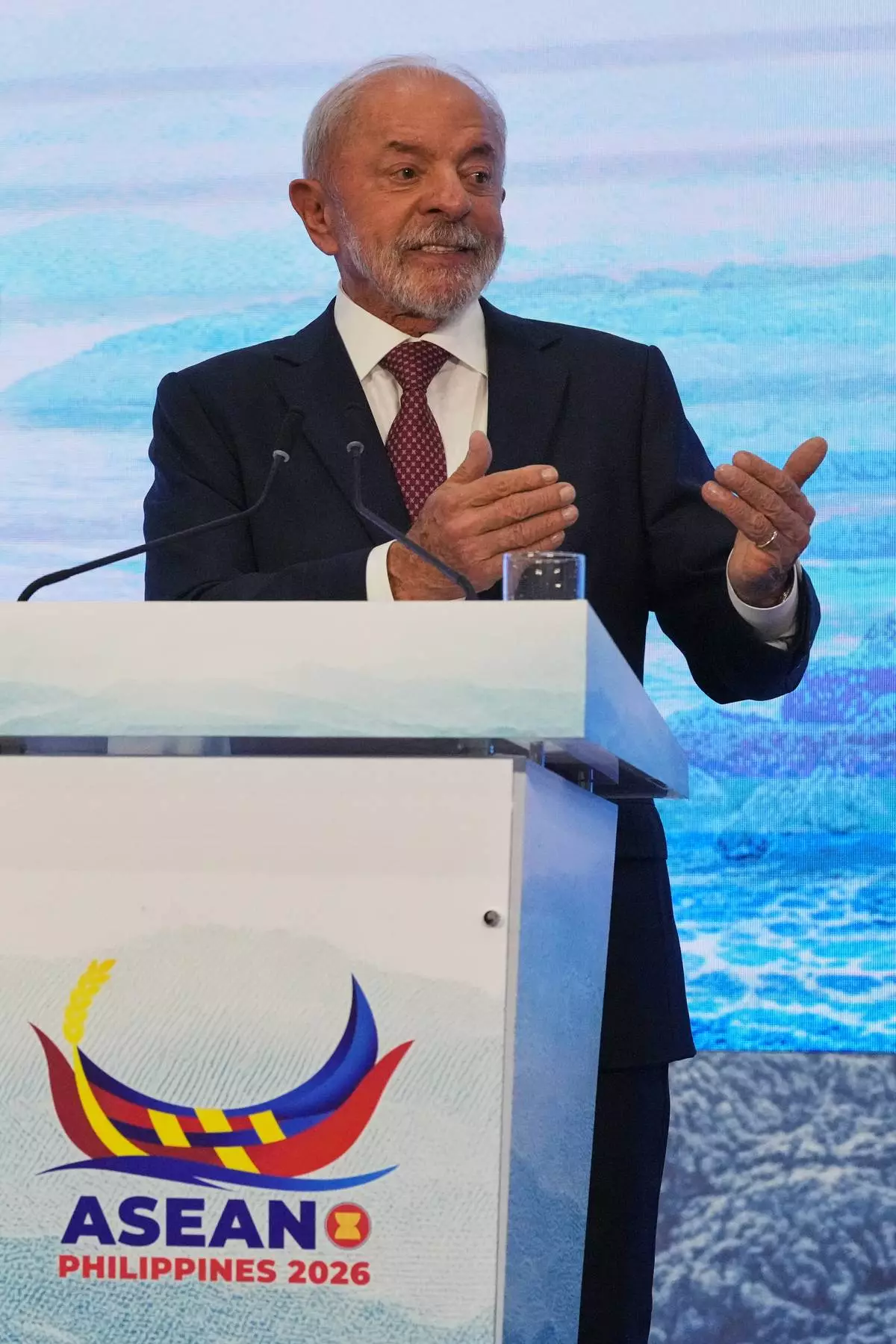
Brazilian President Luiz Inacio Lula da Silva, center, speaks during a bilateral meeting withPhilippine President Ferdinand Marcos Jr., at the Philippine International Convention Center in Pasay City, Metro Manila, Philippines Saturday, Nov. 14, 2026. (Rolex Dela Pena/Pool Photo via AP)

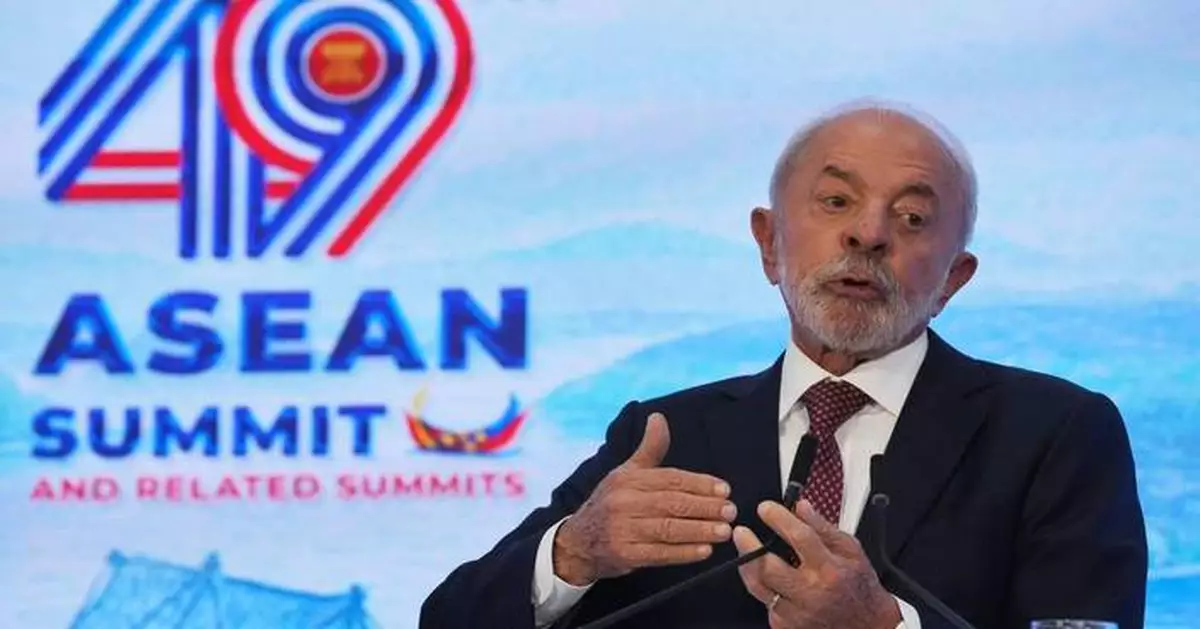
Brazilian President Luiz Inacio Lula da Silva speaks to members of the media during a news conference at the media center on the sidelines of the 49th Association of Southeast Asian Nations (ASEAN) summit and related meetings in Manila, Philippines, Sunday, Nov. 15, 2026. (AP Photo/Firdia Linsawati)
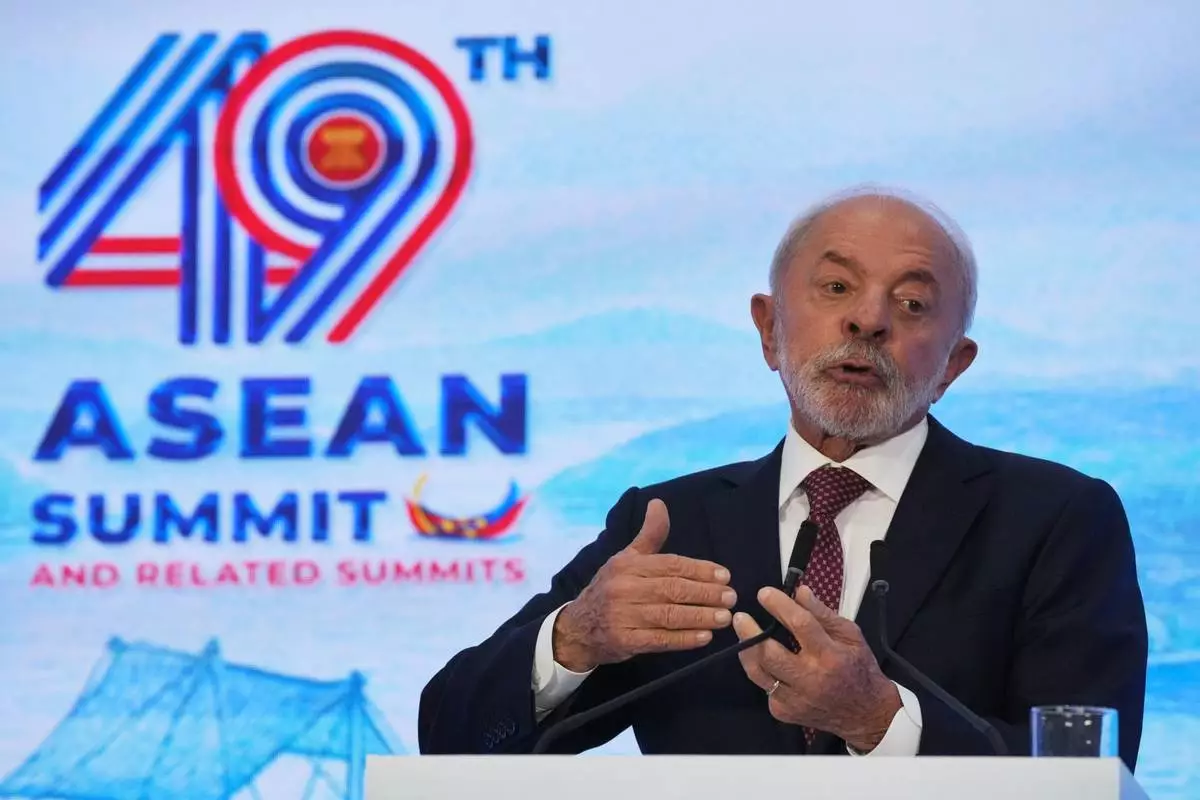
Brazilian President Luiz Inacio Lula da Silva speaks to members of the media during a news conference at the media center on the sidelines of the 49th Association of Southeast Asian Nations (ASEAN) summit and related meetings in Manila, Philippines, Sunday, Nov. 15, 2026. (AP Photo/Firdia Linsawati)

Brazilian President Luiz Inacio Lula da Silva speaks to members of the media during a news conference at the media center on the sidelines of the 49th Association of Southeast Asian Nations (ASEAN) summit and related meetings in Manila, Philippines, Sunday, Nov. 15, 2026. (AP Photo/Firdia Linsawati)
Brazilian President Luiz Inacio Lula da Silva speaks to members of the media during a news conference at the media center on the sidelines of the 49th Association of Southeast Asian Nations (ASEAN) summit and related meetings in Manila, Philippines, Sunday, Nov. 15, 2026. (AP Photo/Firdia Linsawati)
CALLAO, Peru (AP) — The walls of the home for older people run by Catholic religious sisters in the Peruvian port city of Callao were recently painted. The courtyard was spruced up. More importantly, its residents were filled with a renewed sense of hope. Everyone and everything is ready for the moment they have been waiting for: a visit by Pope Leo XIV.

“It’s hard to believe that he is coming to this tiny little place — a place that is small, but full of heart,” said Silvia del Castillo, 84, who has lived at the home of the Little Sisters of the Destitute Elderly for three years.

The pontiff will visit the home Monday before presiding over a Mass expected to draw more than a million people to Las Palmas Air Base in Lima.

Leo’s visit to Peru marked the final leg of his three-nation tour of South America and its emotional highlight, given the more than two decades that the former Robert Prevost spent there as a missionary priest and later bishop. Leo has said it was where he learned “what it means to be a shepherd.”

The pope was in Peru during the coronavirus pandemic and helped the older persons' home at the time.

The humble home in Callao provides 60 residents with food, medicine and occasional recreational activities to keep up their spirits.

“For me, this home has meant a new life,” said Del Castillo, whose only daughter is unable to care for her due to an autoimmune disease. “When you’re old and have nowhere else to go, and people open their hearts to you, even before they open the doors of their home, you find happiness. That is what these dear sisters have given me.”

The Little Sisters of the Destitute Elderly are a congregation founded in Spain in 1873 by the priest Saturnino López Novoa and Saint Teresa Jornet, who was canonized a century later for her love and service to those most in need.

During his time as bishop, Leo focused much of his effort on supporting the poorest residents in the area, including those in the Callao province community of Pachacutec, distributing water, medicine and thousands of chickens and pigs.

Callao Mayor César Pérez told The Associated Press that Father Roberto, as he is known to the Peruvian people, would drive approximately 12 hours from Chiclayo in northern Peru to Callao during the pandemic because he wanted to ensure the well-being of older residents.

Leo delivered food and other supplies to the home but did not enter the facility in order to protect the residents from the virus, Pérez said.

Renovations ahead of the Pope’s visit to the home were carried out and paid for by the Callao municipal government. The nursing home is funded through donations from some of the residents’ families when they are able. That leaves limited resources to care for all the residents.

“We truly value and are deeply grateful for the help in renovating the space and improving the quality of life for our elderly residents,” Sister María Agripina Garrido said Friday during a ceremony marking the completion of the project.

While some residents are confined to their beds or must use wheelchairs, Delia Chávez, 82, moves with a slow but steady gait and is able to climb stairs.

“The sisters are kind. They help us with everything they can,” she said. “When they have medicine to give us, they do, but it’s a modest home with limited funds. So, if a medication is very expensive, the family has to buy it.”

Chávez moved to the nursing facility following the death of her husband. She misses her home but living alone was not a viable option and her three children are unable to provide full-time care.

In Peru, 32% of impoverished households as of 2025 included at least one adult over the age of 65, according to the National Institute of Statistics and Informatics.

“Sometimes, when my son is on vacation, he takes me out of the home for a while, but this time I told him, ‘No! I’m going to see the pope,'” Chávez said, beaming with joy.

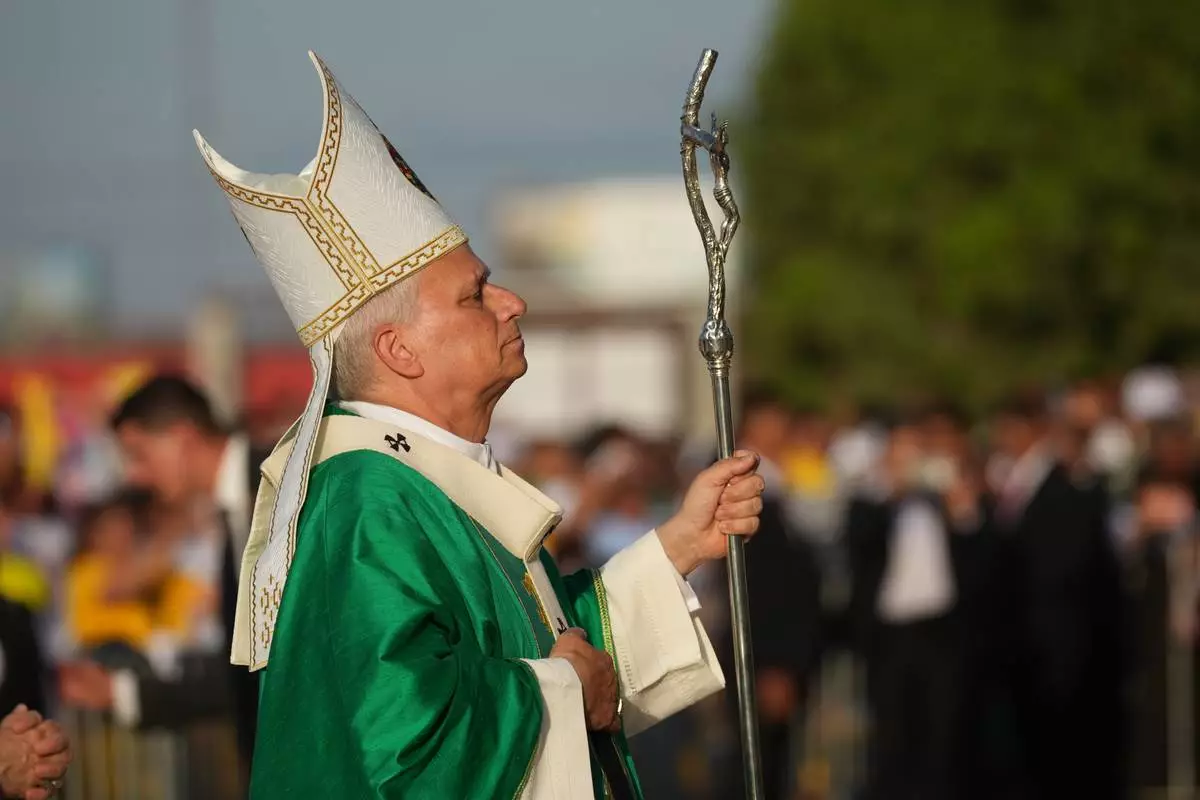
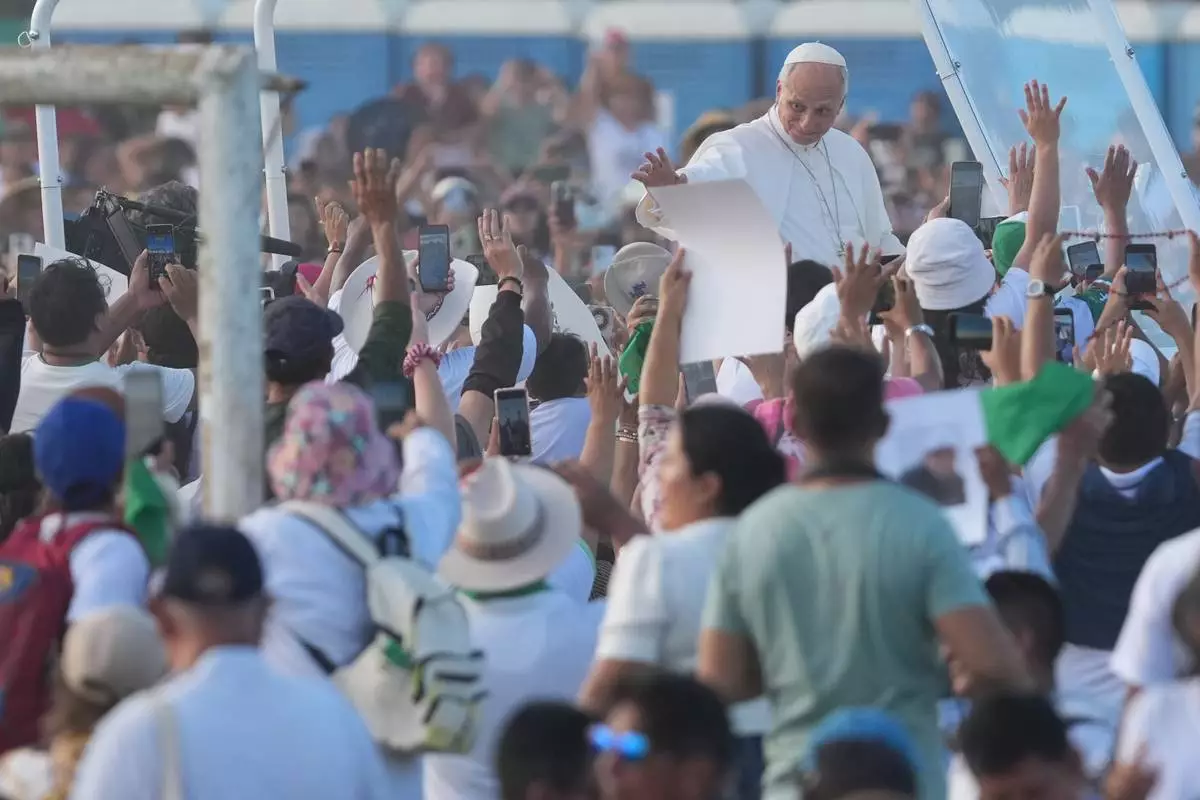
Pope Leo XIV arrives to preside over Mass at Villa Deportiva Regional Ucayali in Pucallpa, Peru, on the tenth day of his twelve-day apostolic journey to South America, Sunday, Nov. 15, 2026. (AP Photo/Andrew Medichini)

Pope Leo XIV arrives to preside over Mass at Villa Deportiva Regional Ucayali in Pucallpa, Peru, on the tenth day of his twelve-day apostolic journey to South America, Sunday, Nov. 15, 2026. (AP Photo/Andrew Medichini)

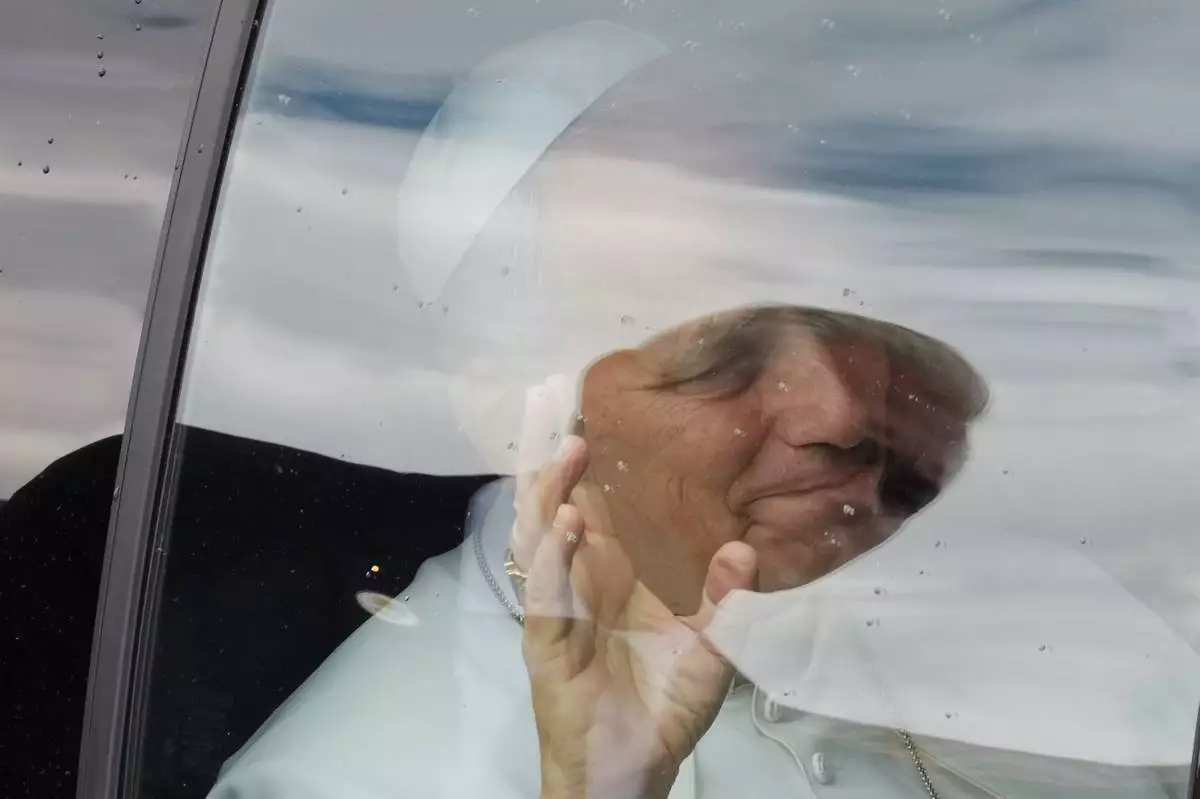
Pope Leo XIV leaves a meeting with the faithful and representatives of popular devotion at Saqsaywaman National Archaeological Park in Cusco, Peru, on the tenth day of his twelve-day apostolic journey to South America, Sunday, Nov. 15, 2026. (AP Photo/Andrew Medichini)

Pope Leo XIV leaves a meeting with the faithful and representatives of popular devotion at Saqsaywaman National Archaeological Park in Cusco, Peru, on the tenth day of his twelve-day apostolic journey to South America, Sunday, Nov. 15, 2026. (AP Photo/Andrew Medichini)

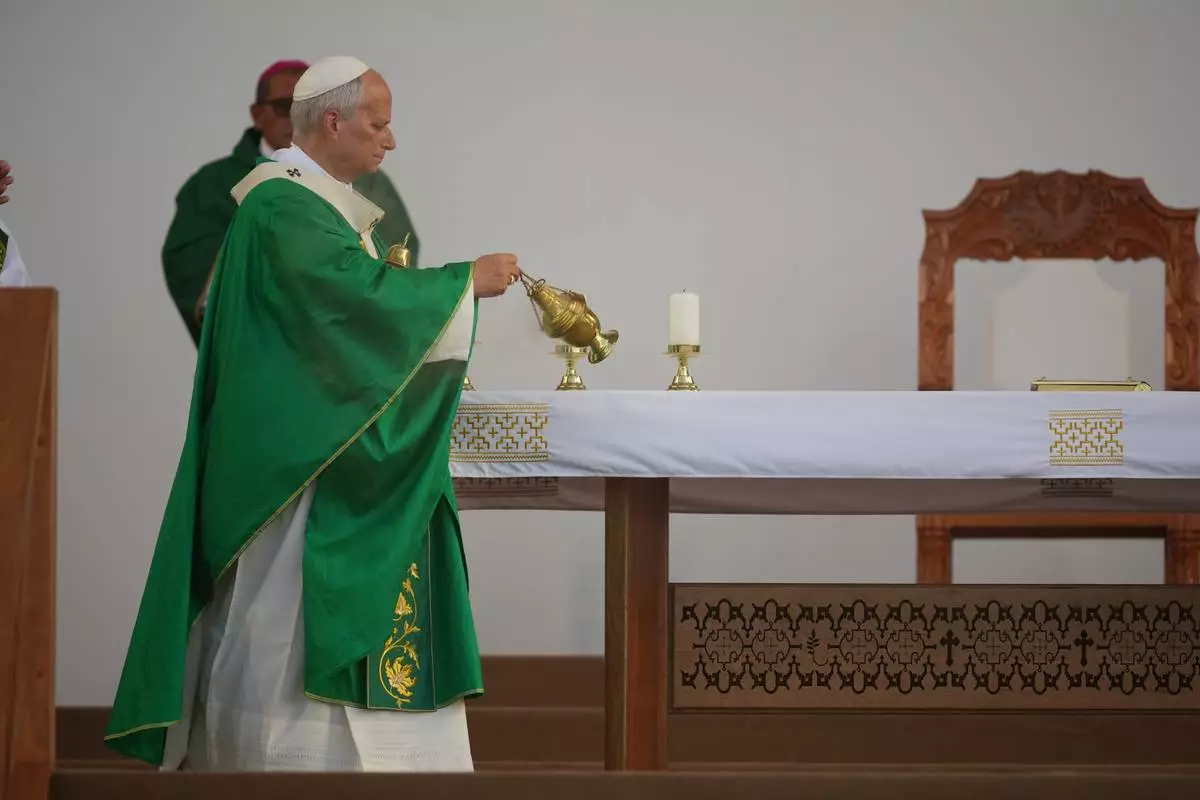
Pope Leo XIV celebrates a Mass at Villa Deportiva Regional Ucayali in Pucallpa, Peru, on the tenth day of his twelve-day apostolic journey to South America, Sunday, Nov. 15, 2026. (AP Photo/Andrew Medichini)

Pope Leo XIV celebrates a Mass at Villa Deportiva Regional Ucayali in Pucallpa, Peru, on the tenth day of his twelve-day apostolic journey to South America, Sunday, Nov. 15, 2026. (AP Photo/Andrew Medichini)

Pope Leo XIV arrives in procession to preside over Mass at Villa Deportiva Regional Ucayali in Pucallpa, Peru, on the tenth day of his twelve-day apostolic journey to South America, Sunday, Nov. 15, 2026. (AP Photo/Andrew Medichini)

Pope Leo XIV arrives in procession to preside over Mass at Villa Deportiva Regional Ucayali in Pucallpa, Peru, on the tenth day of his twelve-day apostolic journey to South America, Sunday, Nov. 15, 2026. (AP Photo/Andrew Medichini)

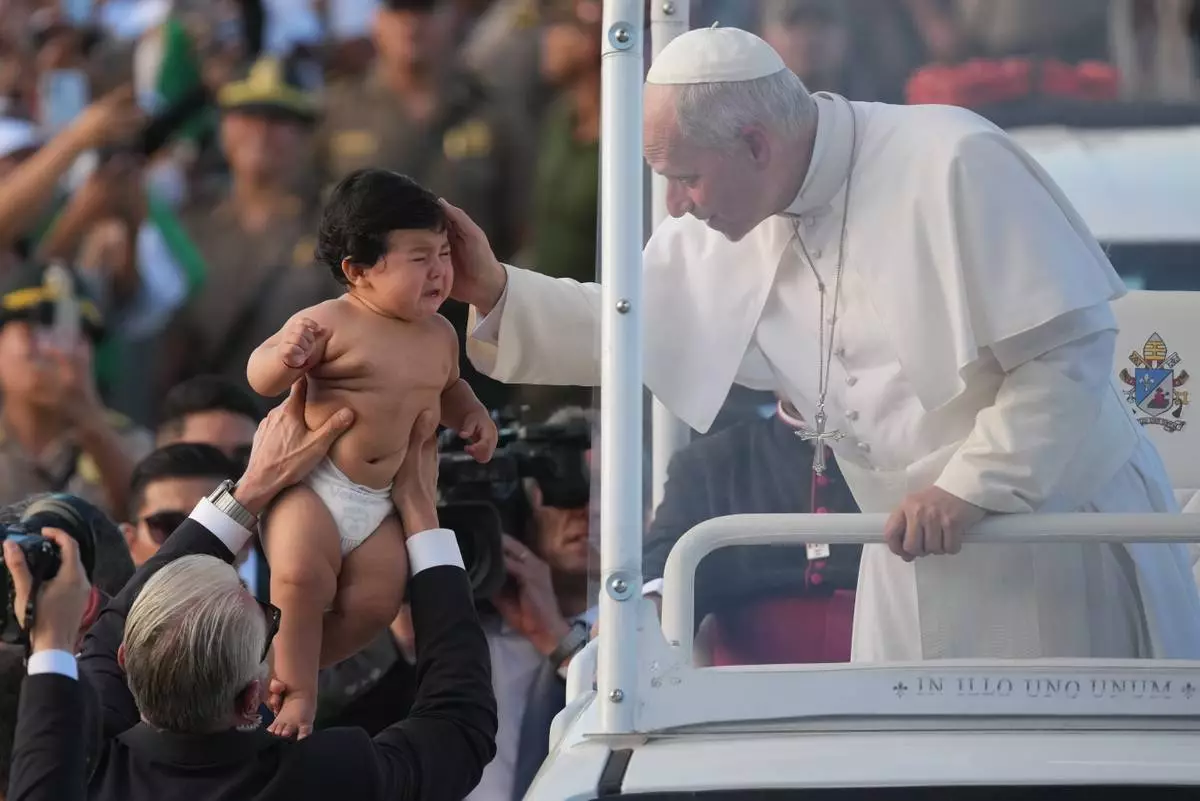
Pope Leo XIV caresses a baby as he arrives to preside over Mass at Villa Deportiva Regional Ucayali in Pucallpa, Peru, on the tenth day of his twelve-day apostolic journey to South America, Sunday, Nov. 15, 2026. (AP Photo/Andrew Medichini)

Pope Leo XIV caresses a baby as he arrives to preside over Mass at Villa Deportiva Regional Ucayali in Pucallpa, Peru, on the tenth day of his twelve-day apostolic journey to South America, Sunday, Nov. 15, 2026. (AP Photo/Andrew Medichini)

Recommended Articles