Skip to Content Facebook Feature Image

Hong Kong Observatory Explains “UFO Cloud” Over Tsing Yi as Lenticular Cloud, Not a Flying Saucer

HK

Hong Kong Observatory Explains “UFO Cloud” Over Tsing Yi as Lenticular Cloud, Not a Flying Saucer
HK

HK

Hong Kong Observatory Explains “UFO Cloud” Over Tsing Yi as Lenticular Cloud, Not a Flying Saucer

2026-11-16 16:31 Last Updated At:16:31

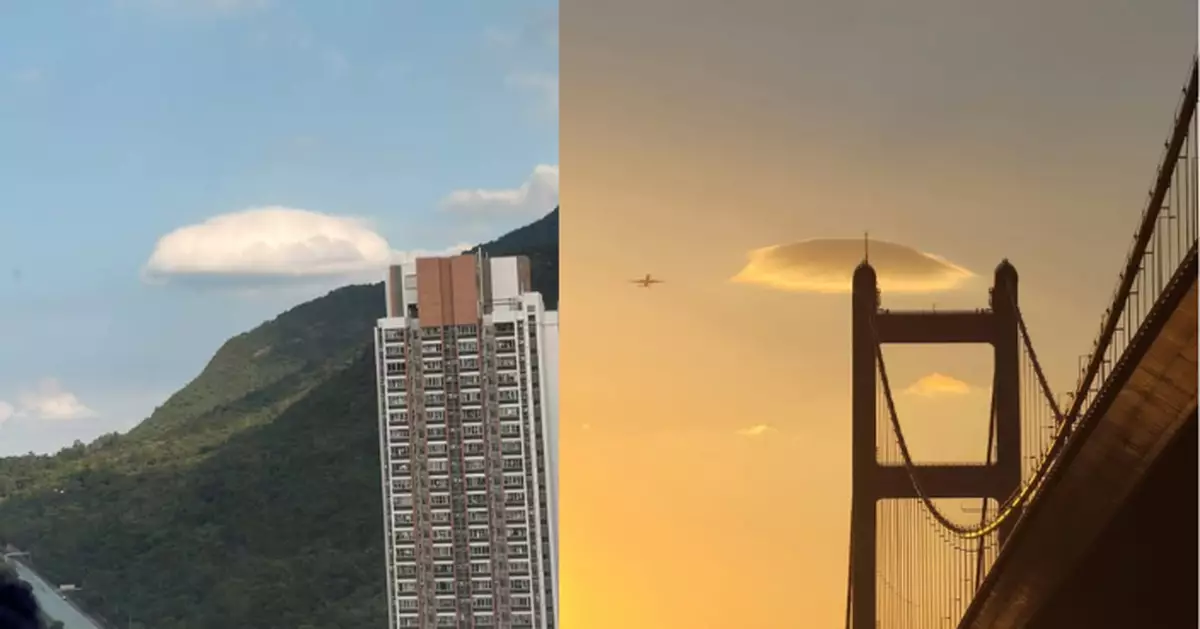
The Hong Kong Observatory has published a photograph taken over Tsing Yi showing a cloud that resembles a flying saucer. The Observatory clarified that the formation is not a spacecraft, but a lenticular cloud.

The Hong Kong Observatory has published a photograph taken over Tsing Yi showing a cloud that resembles a flying saucer. Photo source: FB@Hong Kong Observatory
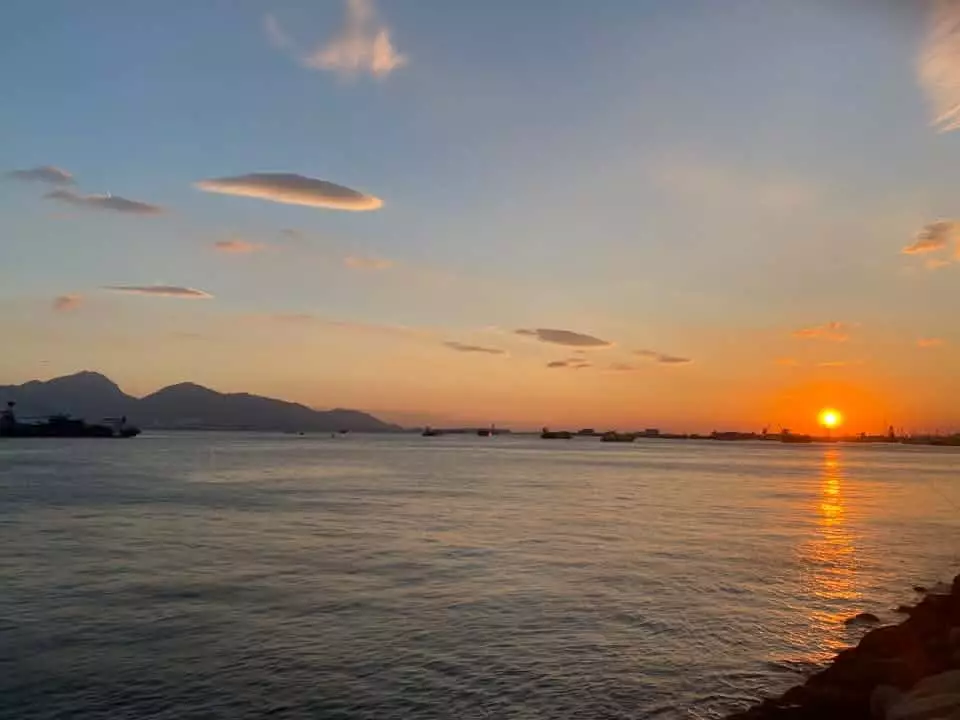
The Hong Kong Observatory has published a photograph taken over Tsing Yi showing a cloud that resembles a flying saucer. Photo source: FB@Hong Kong Observatory

According to the Observatory, lenticular clouds are typically produced by orographic lifting. When a layer of relatively stable and moist air is forced to rise over hills or mountains, it sets off up-and-down wave motions in the atmosphere. The rising air within the wave cools the moisture, causing it to condense into visible water droplets. This process creates the cloud’s characteristic shape: thicker in the middle, thinner at the edges, and resembling a UFO.

More Images
The Hong Kong Observatory has published a photograph taken over Tsing Yi showing a cloud that resembles a flying saucer. Photo source: FB@Hong Kong Observatory

The Hong Kong Observatory has published a photograph taken over Tsing Yi showing a cloud that resembles a flying saucer. Photo source: FB@Hong Kong Observatory

The lenticular clouds. Photo source: FB image
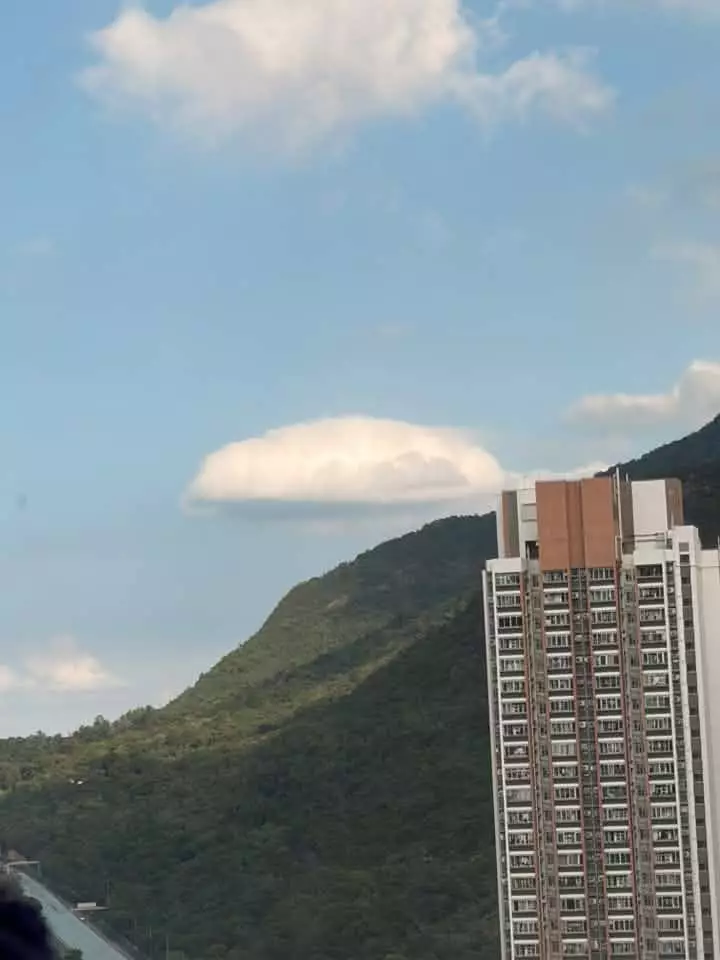
The lenticular clouds. Photo source: FB image
The lenticular clouds. Photo source: FB image

The lenticular clouds. Photo source: FB image

The Hong Kong Observatory. Photo source: reference image

The Hong Kong Observatory. Photo source: reference image

The lenticular clouds. Photo source: FB image

The lenticular clouds. Photo source: FB image

Since lenticular clouds look like one or more convex lenses, they are sometimes misinterpreted as flying saucers or Unidentified Flying Objects, and are therefore commonly known as “flying saucer clouds”. The Observatory notes that while such clouds do not appear frequently in Hong Kong, they tend to form more readily in mountainous areas where hills disrupt the airflow.

The lenticular clouds. Photo source: FB image

The lenticular clouds. Photo source: FB image

After the Observatory shared the post on social media, netizens responded enthusiastically, uploading their own photographs of “UFO clouds."

The Hong Kong Observatory. Photo source: reference image

The Hong Kong Observatory. Photo source: reference image

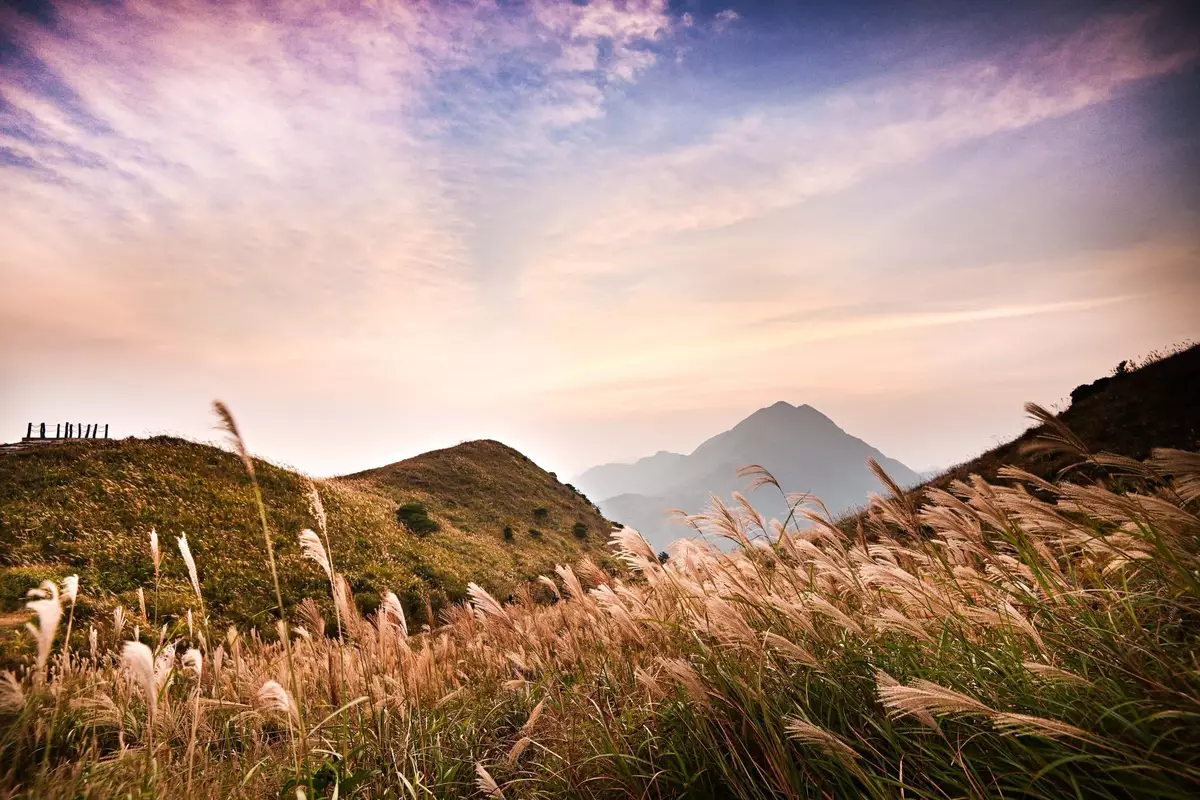
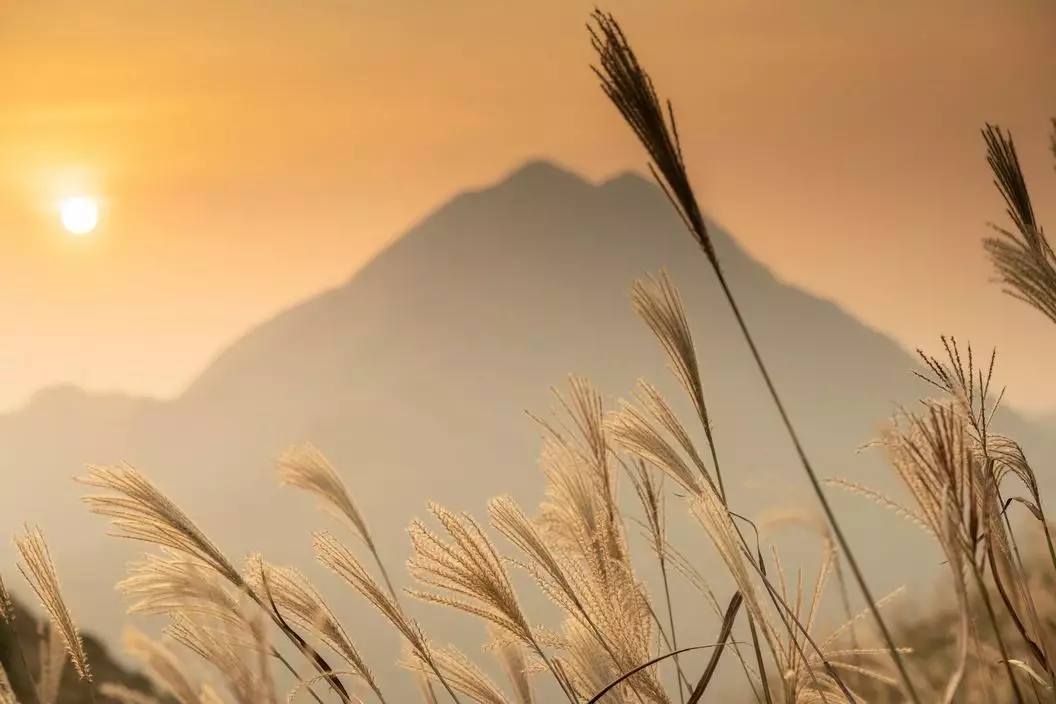
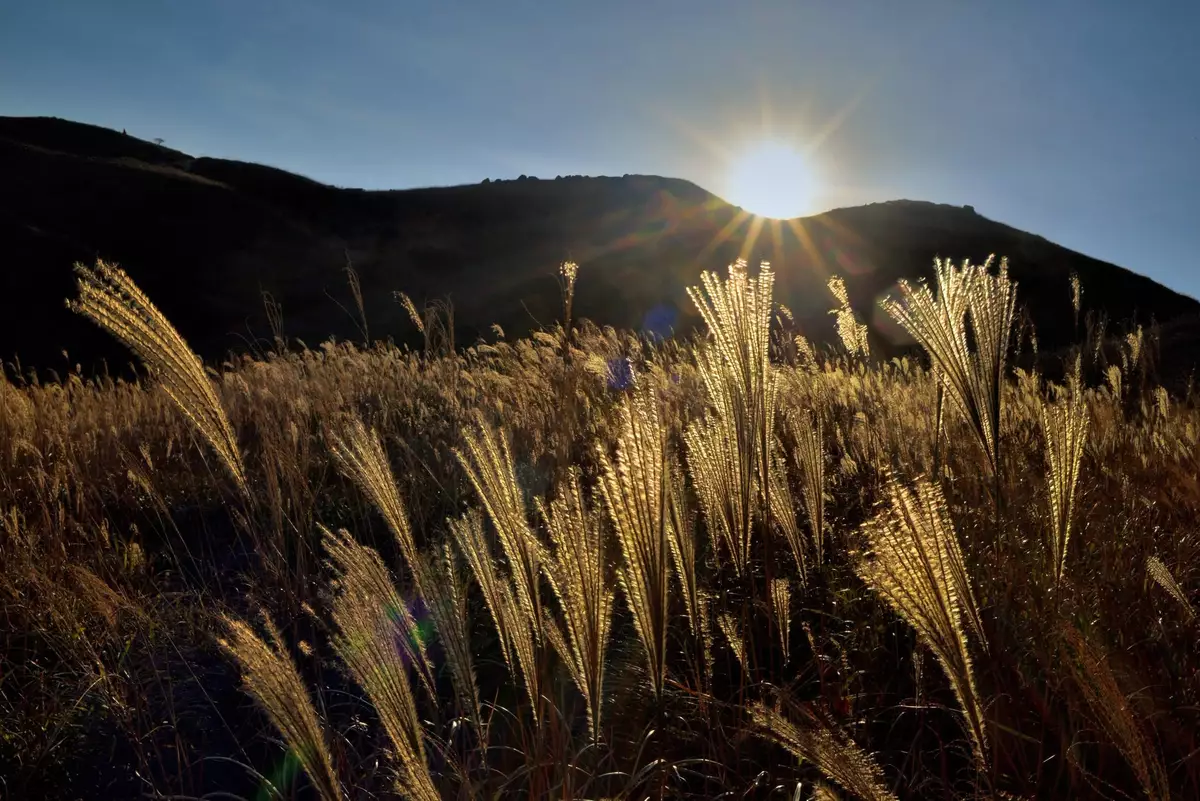
Sunset Peak, also known as Tai Tung Shan, is a popular autumn destination in Hong Kong. Visitors can hike the trails and explore the famous stone cabins, with silvergrass fields stretching across the slopes. Coupled with Hong Kong's recent cool and pleasant weather, the peak offers a spectacular seasonal sight worth visiting, allowing residents and tourists to enjoy the city's hiking pleasures and natural scenery.

Sunset Peak, also known as Tai Tung Shan, is a popular autumn destination in Hong Kong. Photo source: FB@Transport Department

Sunset Peak, also known as Tai Tung Shan, is a popular autumn destination in Hong Kong. Photo source: FB@Transport Department

The Sunset Peak. Photo source: FB@Transport Department

The Sunset Peak. Photo source: FB@Transport Department

With its golden slopes, century-old stone cabins, and sweeping coastal views, Sunset Peak offers one of Hong Kong's most distinctive autumn experiences, a seasonal landscape that rewards those willing to take on the climb.

The Sunset Peak. Photo source: FB@Transport Department

The Sunset Peak. Photo source: FB@Transport Department

The Sunset Peak. Photo source: FB@Transport Department

The Sunset Peak. Photo source: FB@Transport Department

Recommended Articles