Skip to Content Facebook Feature Image

Shenzhen APEC|ABAC Produces 14 Outcome Documents in 2026, Underscoring Business Community’s Role as Ballast for Asia-Pacific Cooperation

China

Shenzhen APEC|ABAC Produces 14 Outcome Documents in 2026, Underscoring Business Community’s Role as Ballast for Asia-Pacific Cooperation
China

China

Shenzhen APEC|ABAC Produces 14 Outcome Documents in 2026, Underscoring Business Community’s Role as Ballast for Asia-Pacific Cooperation

2026-11-16 18:49 Last Updated At:18:49

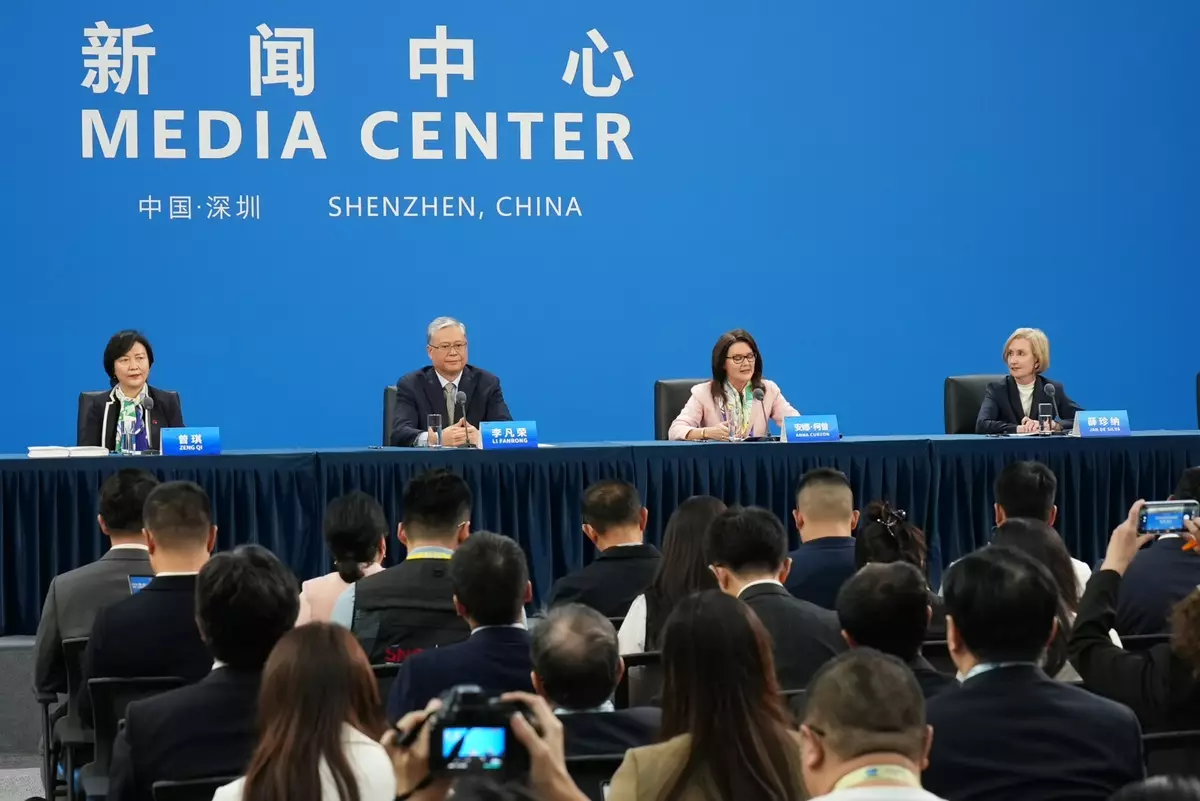
Li Fanrong, Chair of the APEC Business Advisory Council (ABAC) 2026 and Chairman of Sinochem, briefed the media in Shenzhen on Monday afternoon (Nov 16) on ABAC’s work throughout the year and its meetings held from Nov 14 to 16. He said this year’s four ABAC meetings, held successively in Jakarta, Mexico City, Bangkok and Shenzhen, produced a total of 14 outcome documents, including the ABAC Report to APEC Economic Leaders. Among them, the ABAC Statement on FTAAP and the ABAC Statement on Connectivity drew widespread attention, contributing high-value business input to the APEC Economic Leaders’ Meeting.
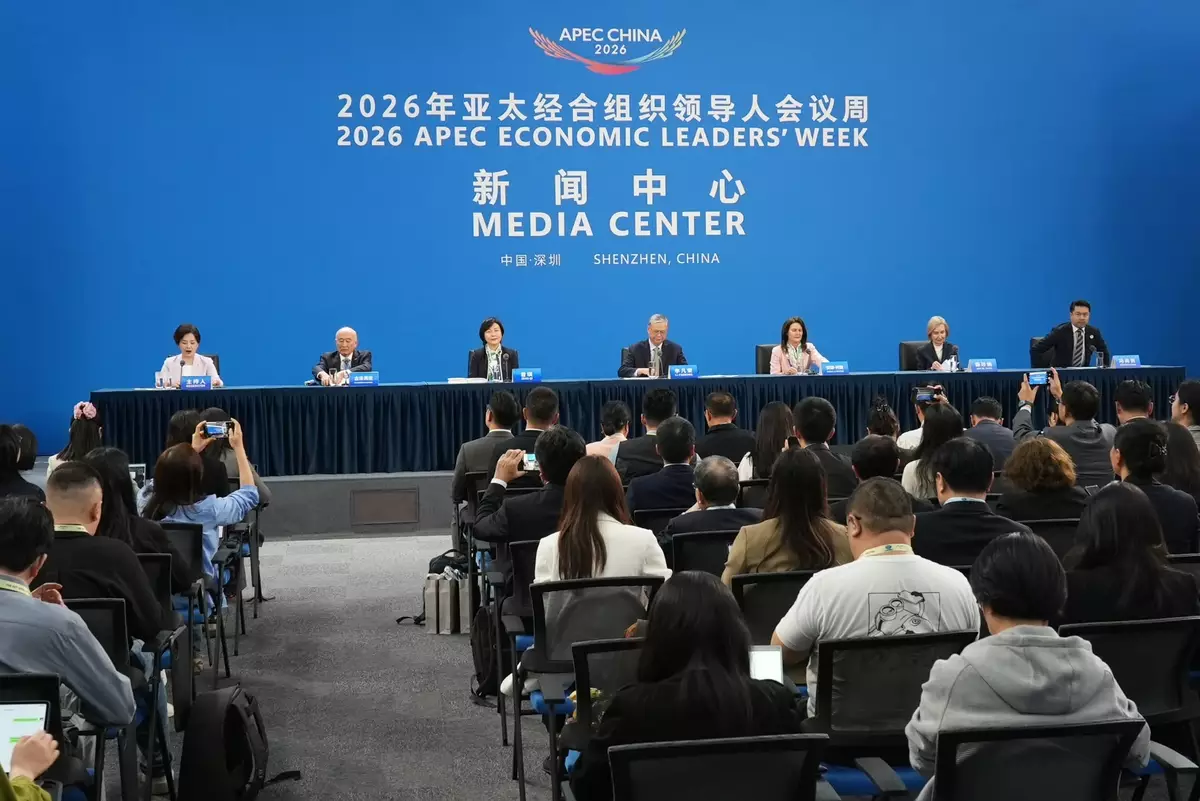
Li Fanrong, Chair of the APEC Business Advisory Council (ABAC) 2026 and Chairman of Sinochem, briefed the media in Shenzhen on Monday afternoon (Nov 16) on ABAC’s work throughout the year and its meetings held from Nov 14 to 16. Photo by Bastille Post

Li Fanrong, Chair of the APEC Business Advisory Council (ABAC) 2026 and Chairman of Sinochem, briefed the media in Shenzhen on Monday afternoon (Nov 16) on ABAC’s work throughout the year and its meetings held from Nov 14 to 16. Photo by Bastille Post

ABAC is the primary channel for the business community to participate in APEC cooperation, comprising 63 representatives from 21 member economies and submitting policy recommendations to APEC leaders annually.

More Images
Li Fanrong, Chair of the APEC Business Advisory Council (ABAC) 2026 and Chairman of Sinochem, briefed the media in Shenzhen on Monday afternoon (Nov 16) on ABAC’s work throughout the year and its meetings held from Nov 14 to 16. Photo by Bastille Post

Li Fanrong, Chair of the APEC Business Advisory Council (ABAC) 2026 and Chairman of Sinochem, briefed the media in Shenzhen on Monday afternoon (Nov 16) on ABAC’s work throughout the year and its meetings held from Nov 14 to 16. Photo by Bastille Post

Photo by Bastille Post
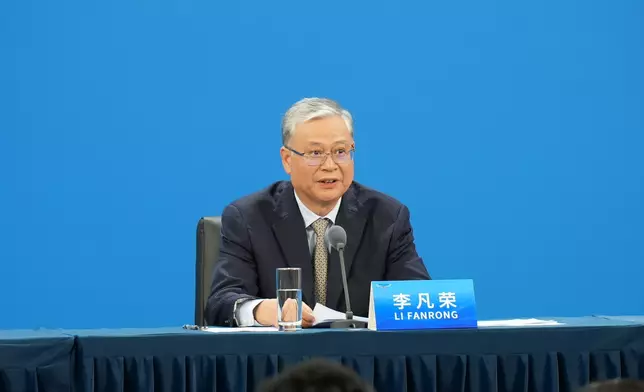
Photo by Bastille Post

Li Fanrong, Chair of the APEC Business Advisory Council (ABAC) 2026 and Chairman of Sinochem. Photo by Bastille Post

Li Fanrong, Chair of the APEC Business Advisory Council (ABAC) 2026 and Chairman of Sinochem. Photo by Bastille Post

Zeng Qi, China’s representative to ABAC and Chair of the ABAC Connectivity Working Group. Photo by Bastille Post

Zeng Qi, China’s representative to ABAC and Chair of the ABAC Connectivity Working Group. Photo by Bastille Post

Anna Curzon, Chair of the ABAC Regional Economic Integration Working Group. Photo by Bastille Post

Anna Curzon, Chair of the ABAC Regional Economic Integration Working Group. Photo by Bastille Post

Janet De Silva, Chair of the ABAC Digital and Innovation Working Group. Photo by Bastille Post
Janet De Silva, Chair of the ABAC Digital and Innovation Working Group. Photo by Bastille Post

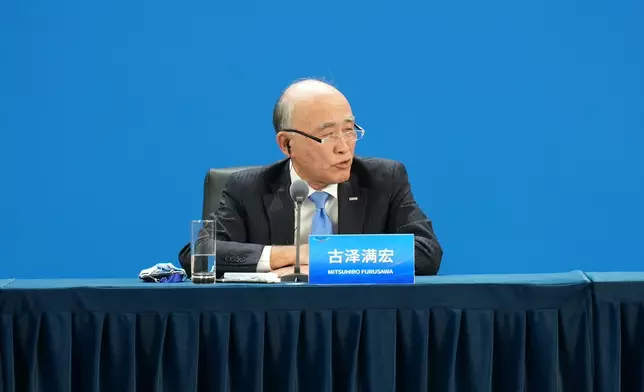
Mitsuhiro Furusawa, Chair of the ABAC Finance and Economics Task Force. Photo by Bastille Post

Mitsuhiro Furusawa, Chair of the ABAC Finance and Economics Task Force. Photo by Bastille Post

Joseph S. Fung, Vice-Chair of the ABAC Sustainability Working Group. Photo by Bastille Post
Joseph S. Fung, Vice-Chair of the ABAC Sustainability Working Group. Photo by Bastille Post

Photo by Bastille Post

Photo by Bastille Post

Li said this year’s work once again demonstrated that the business community is a solid ballast for win-win cooperation in the Asia-Pacific and an important force driving regional economic integration. ABAC will continue to voice the reasoned views of the Asia-Pacific business community, build consensus and pool synergy for cooperation to promote the prosperity of the Asia-Pacific, he added.
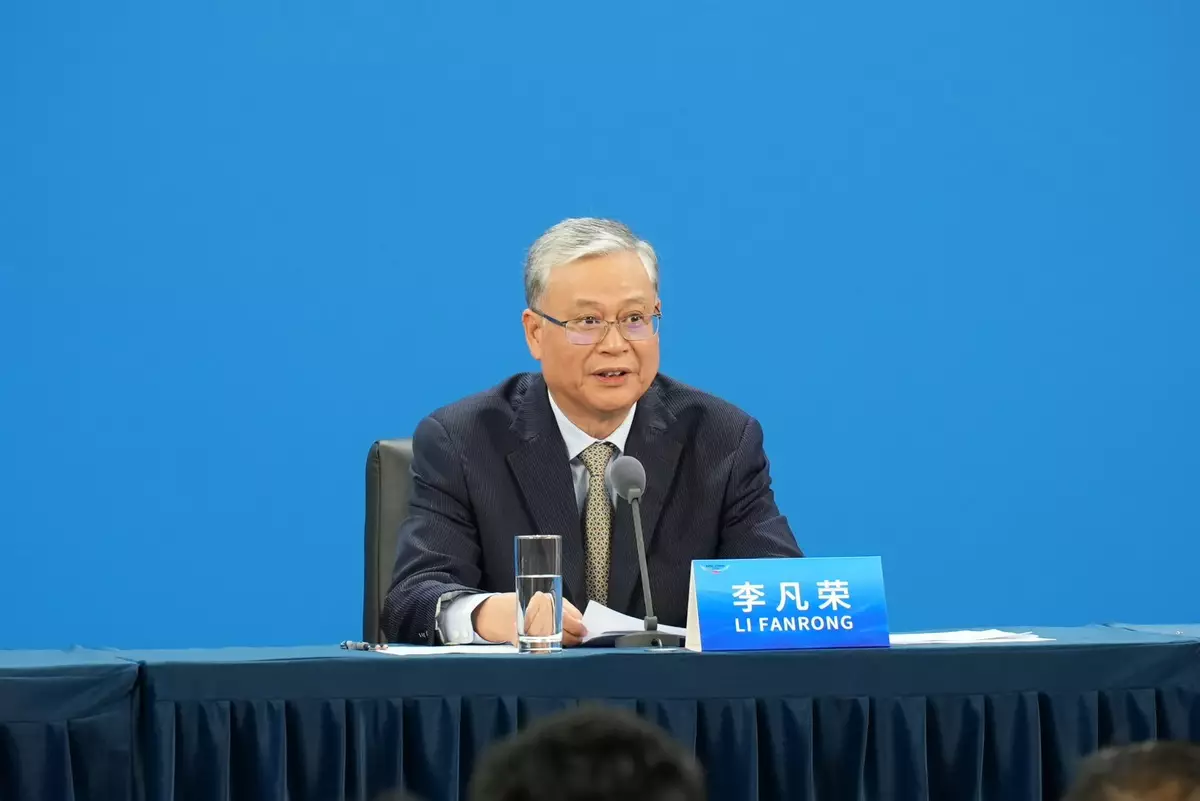
Li Fanrong, Chair of the APEC Business Advisory Council (ABAC) 2026 and Chairman of Sinochem. Photo by Bastille Post

Li Fanrong, Chair of the APEC Business Advisory Council (ABAC) 2026 and Chairman of Sinochem. Photo by Bastille Post

Li outlined three priorities. Openness as the cornerstone: ABAC calls for maintaining a free, open, fair, transparent, and predictable trade and investment environment, strengthening the WTO-centered multilateral trading system, and opposing unilateralism and protectionism.

Connectivity as the lifeline: ABAC calls for greater investment in zero-carbon and low-carbon transport and disaster-resilient infrastructure, stronger port and logistics corridors, modernisation and digitalisation of the APEC Business Travel Card, and expanded cross-border QR code payments.

Synergy as the engine: ABAC calls for promoting the responsible development of frontier AI technologies and improving governance frameworks, strengthening food, energy and water security, and deepening public-private partnerships to mobilise private capital in infrastructure, healthcare and climate adaptation.

Zeng Qi, China’s representative to ABAC and Chair of the ABAC Connectivity Working Group. Photo by Bastille Post

Zeng Qi, China’s representative to ABAC and Chair of the ABAC Connectivity Working Group. Photo by Bastille Post

Zeng Qi, China’s representative to ABAC and Chair of the ABAC Connectivity Working Group, said substantive progress was made across the three pillars of connectivity this year. On physical connectivity, 15 proposals were advanced, including investment and upgrading of existing infrastructure, optimisation of cross-border port transport corridors and APEC route opening, and development of zero-carbon transport and supporting green infrastructure.

On institutional connectivity, ABAC advanced 30 proposals, including customs collaboration and cross-border trade data-sharing mechanisms, further expanding paperless trade and sharing practical cases of cross-border QR code payments and multi-currency settlement.

On people-to-people connectivity, eight proposals were put forward, including promotion of the APEC Business Travel Card and mutual recognition of professional qualifications and skill standards.

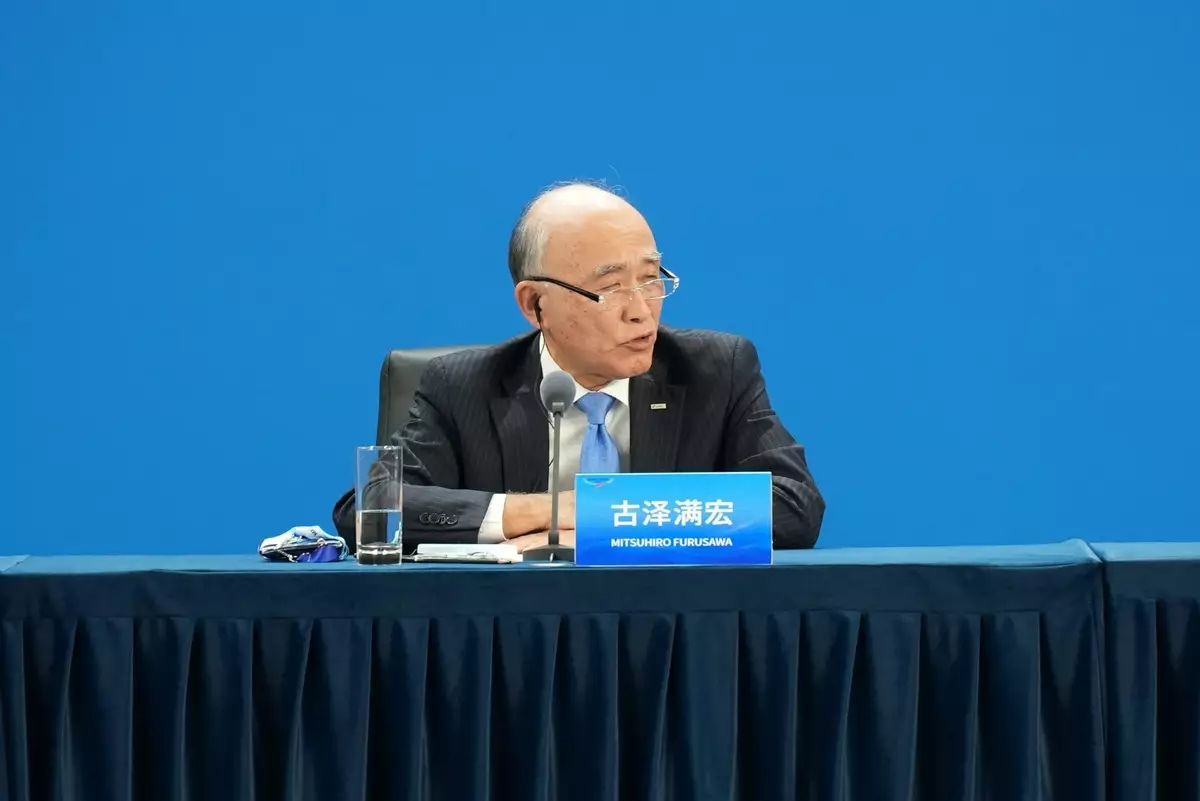
Also attending the press conference were Anna Curzon, Chair of the ABAC Regional Economic Integration Working Group; Janet De Silva, Chair of the ABAC Digital and Innovation Working Group; Mitsuhiro Furusawa, Chair of the ABAC Finance and Economics Task Force; and Joseph S. Fung, Vice-Chair of the ABAC Sustainability Working Group.

Anna Curzon, Chair of the ABAC Regional Economic Integration Working Group. Photo by Bastille Post

Anna Curzon, Chair of the ABAC Regional Economic Integration Working Group. Photo by Bastille Post

Janet De Silva, Chair of the ABAC Digital and Innovation Working Group. Photo by Bastille Post
Janet De Silva, Chair of the ABAC Digital and Innovation Working Group. Photo by Bastille Post

Mitsuhiro Furusawa, Chair of the ABAC Finance and Economics Task Force. Photo by Bastille Post

Mitsuhiro Furusawa, Chair of the ABAC Finance and Economics Task Force. Photo by Bastille Post

Joseph S. Fung, Vice-Chair of the ABAC Sustainability Working Group. Photo by Bastille Post


Joseph S. Fung, Vice-Chair of the ABAC Sustainability Working Group. Photo by Bastille Post
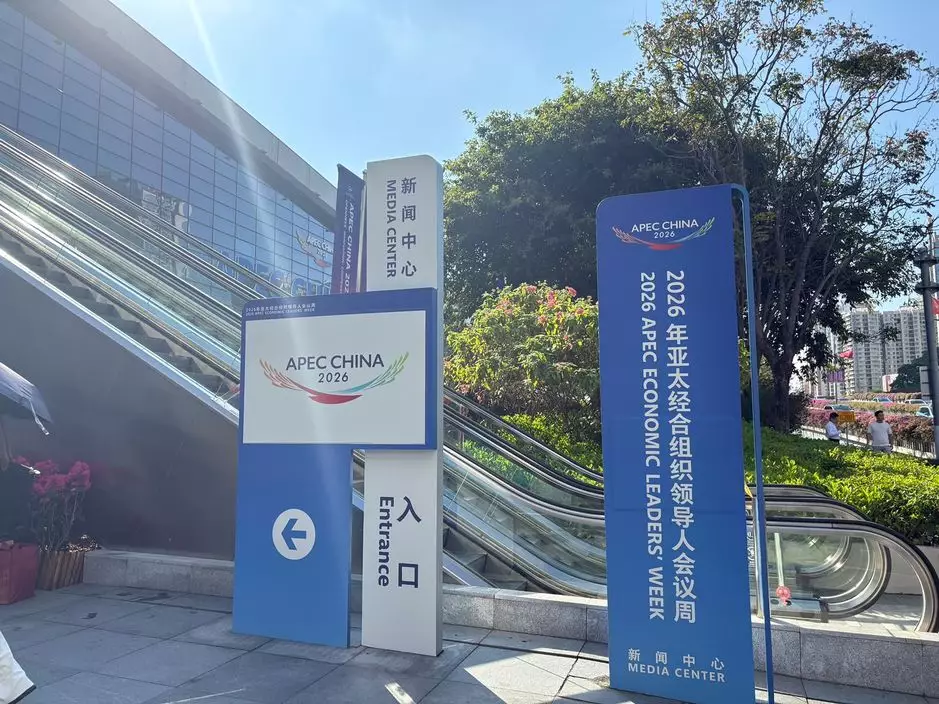
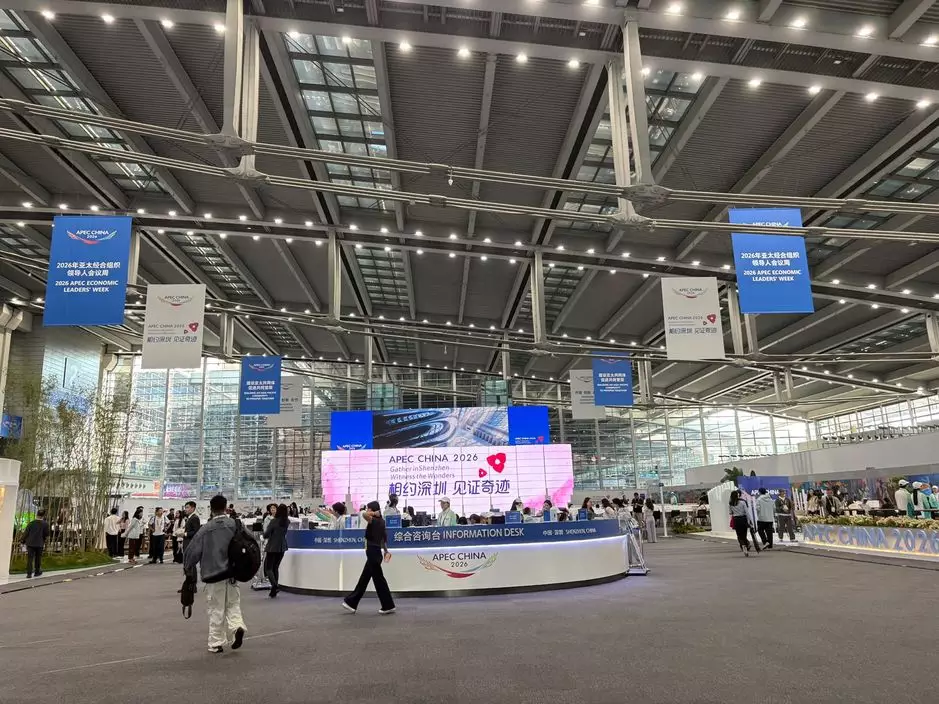
The 33rd Asia-Pacific Economic Cooperation (APEC) Economic Leaders' Meeting will be held on Wednesday and Thursday (November 18–19) in Shenzhen. The Concluding Senior Officials' Meeting (SOM) of APEC China 2026, the APEC Business Advisory Council Meeting, the APEC CEO Summit, and other associated events will also take place during the 2026 APEC Leaders' Meeting Week. A Bastille Post reporter arrived in Shenzhen on Monday (November 16) and checked in at the APEC Media Center, witnessing the city enter “APEC time.”

The 33rd Asia-Pacific Economic Cooperation (APEC) Economic Leaders' Meeting will be held on Wednesday and Thursday (November 18–19) in Shenzhen. Photo by Bastille Post

The 33rd Asia-Pacific Economic Cooperation (APEC) Economic Leaders' Meeting will be held on Wednesday and Thursday (November 18–19) in Shenzhen. Photo by Bastille Post

The APEC Media Center. Photo by Bastille Post

The APEC Media Center. Photo by Bastille Post

The APEC Media Center. Photo by Bastille Post

The APEC Media Center. Photo by Bastille Post

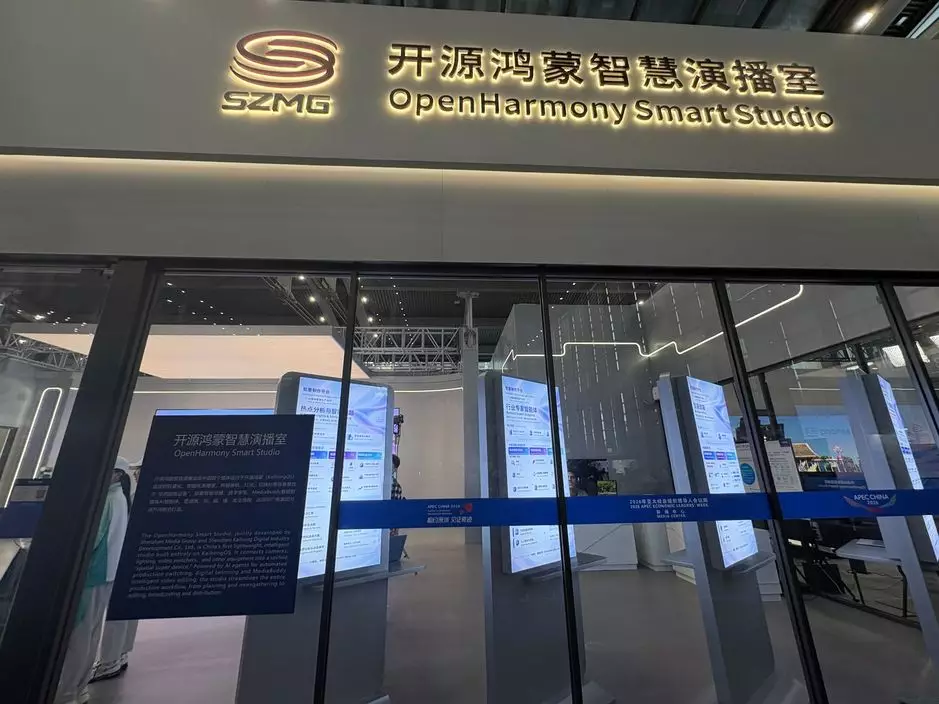
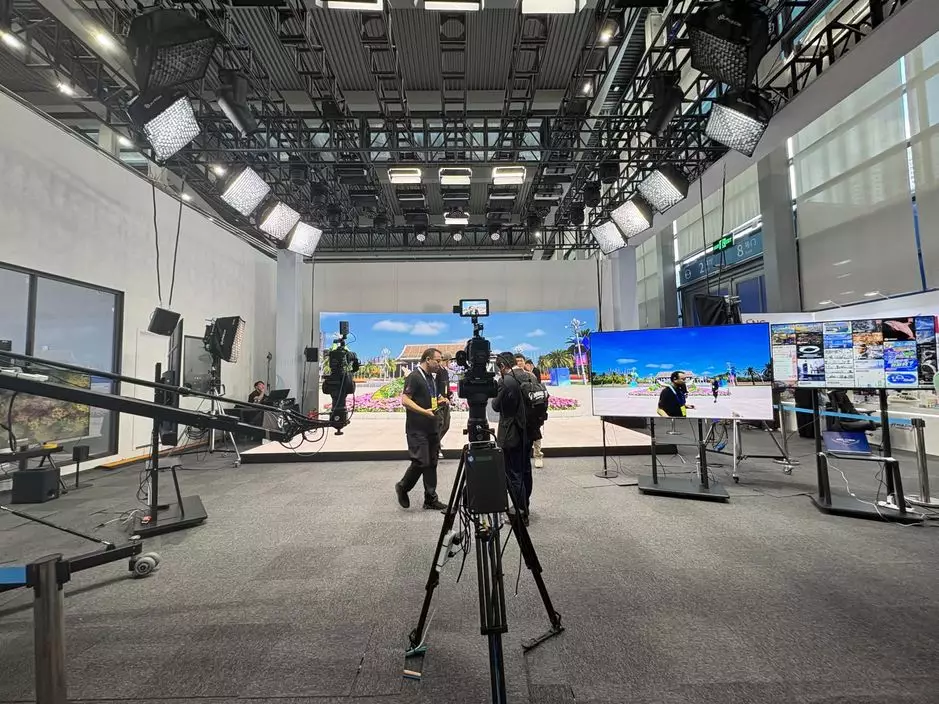
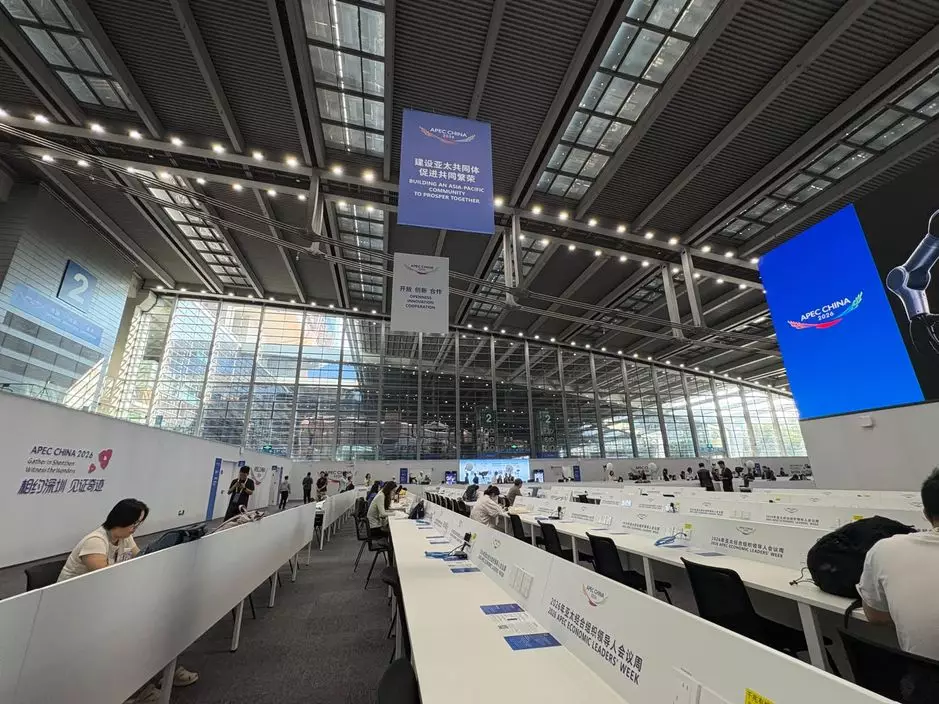
The APEC Media Center features seven functional zones, including a media working area, a “Home of Journalists” service area, and a press conference hall. It offers an XR immersive virtual studio and an open-source Harmony smart studio to support global media coverage of APEC. In the rest area, journalists can relax in massage chairs; beside them, robot “attendants” recognize hand gestures and offer water bottles and candy, and can also help dispose of rubbish. A staff member explained that the robot makes intelligent adjustments, allowing it to grasp even small items by adapting its grip.

The open-source Harmony smart studio. Photo by Bastille Post

The open-source Harmony smart studio. Photo by Bastille Post

The XR immersive virtual studio. Photo by Bastille Post

The XR immersive virtual studio. Photo by Bastille Post

The media working area. Photo by Bastille Post

The media working area. Photo by Bastille Post

The robot makes intelligent adjustments, allowing it to grasp even small items by adapting its grip. Photo by Bastille Post
The robot makes intelligent adjustments, allowing it to grasp even small items by adapting its grip. Photo by Bastille Post
Chinese and international journalists have gathered at the APEC Media Center. During breaks from intensive work, they can visit the tea break area for coffee, juice, and ice cream. Notably, the baristas are not human but intelligent robots. Equipped with robotic arms, grippers, and cameras, these robots begin preparing drinks as soon as a journalist selects an option on a tablet, placing the finished product on the counter, all within three minutes.

Equipped with robotic arms, grippers, and cameras, these robots begin preparing drinks as soon as a journalist selects an option on a tablet, placing the finished product on the counter, all within three minutes. Photo by Bastille Post
Equipped with robotic arms, grippers, and cameras, these robots begin preparing drinks as soon as a journalist selects an option on a tablet, placing the finished product on the counter, all within three minutes. Photo by Bastille Post
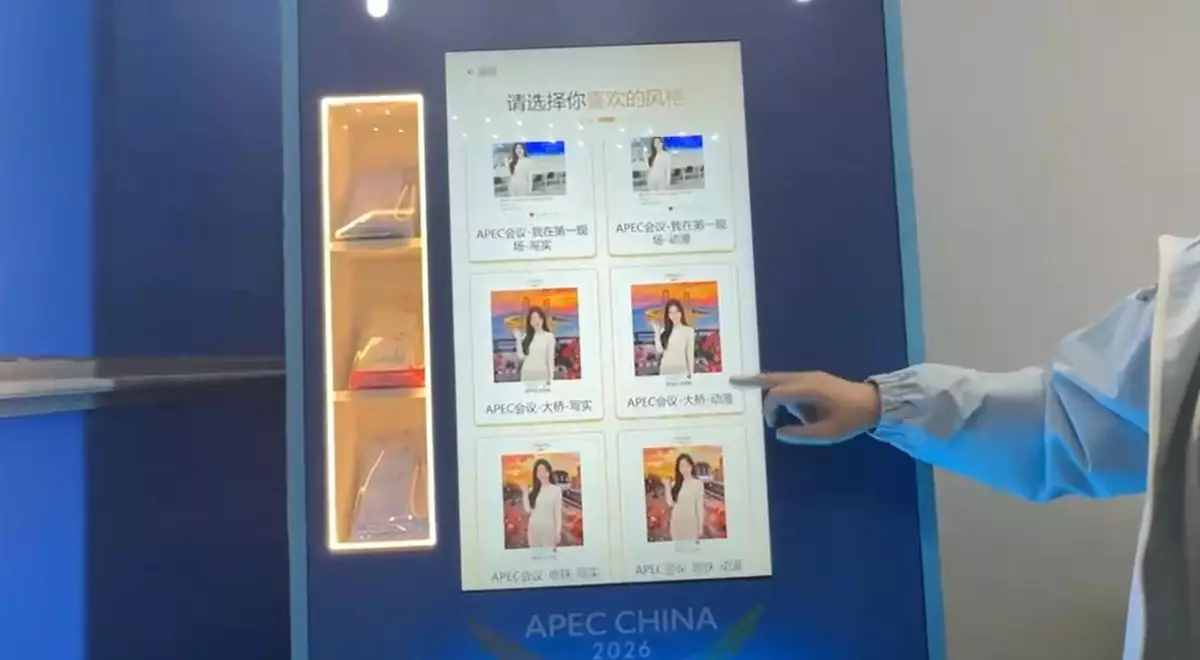
For those wishing to take photos with Shenzhen’s landmarks while receiving the latest APEC information, the Center has installed several AI self-service photo booths. Users can select a preferred backdrop and pose with landmarks such as the APEC Media Center, Lianhuashan Park, and the Hong Kong-Zhuhai-Macao Bridge. In just one minute, a personalized portrait photo embedded with NFC is printed. A tap of the photo against a smartphone then opens a webpage with real-time APEC meeting information.

The AI self-service photo booths. Photo by Bastille Post
The AI self-service photo booths. Photo by Bastille Post

Users can select a preferred backdrop and pose with landmarks such as the APEC Media Center, Lianhuashan Park, and the Hong Kong-Zhuhai-Macao Bridge. In just one minute, a personalized portrait photo embedded with NFC is printed. Photo by Bastille Post

Users can select a preferred backdrop and pose with landmarks such as the APEC Media Center, Lianhuashan Park, and the Hong Kong-Zhuhai-Macao Bridge. In just one minute, a personalized portrait photo embedded with NFC is printed. Photo by Bastille Post
A tap of the photo against a smartphone then opens a webpage with real-time APEC meeting information. Photo by Bastille Post
A tap of the photo against a smartphone then opens a webpage with real-time APEC meeting information. Photo by Bastille Post

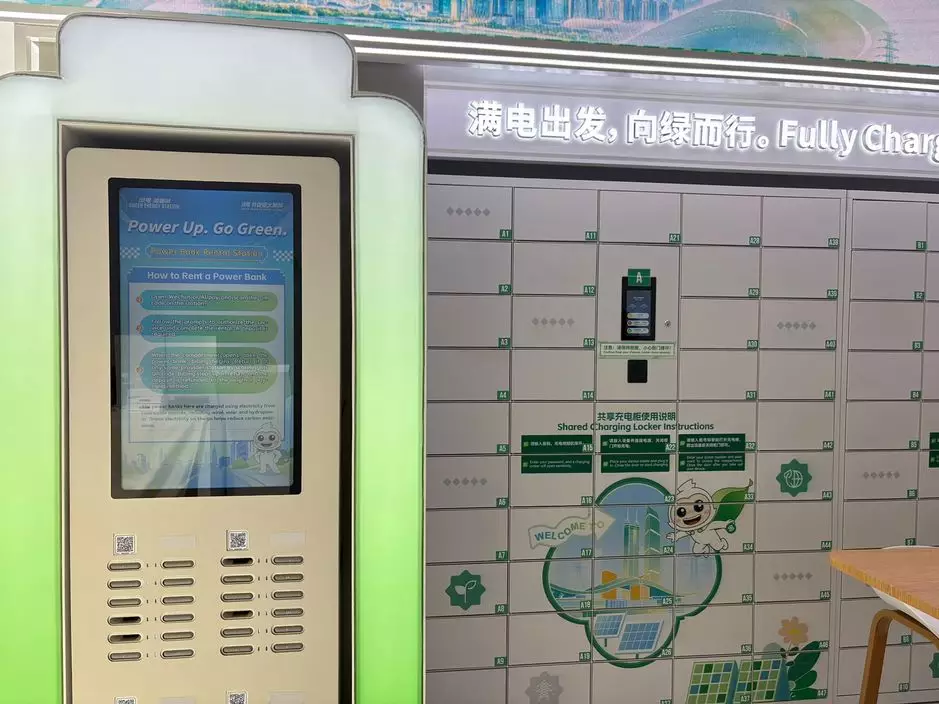
China Southern Power Grid Company and Shenzhen Power Supply Bureau are providing electricity support for the APEC venue, the Media Center, and partner hotels. The Green Energy Station at the Media Center serves as a rest and recharge hub for Chinese and international journalists and guests, combining charging devices with a space for relaxation and networking.

The Green Energy Station at the Media Center. Photo by Bastille Post

The Green Energy Station at the Media Center. Photo by Bastille Post

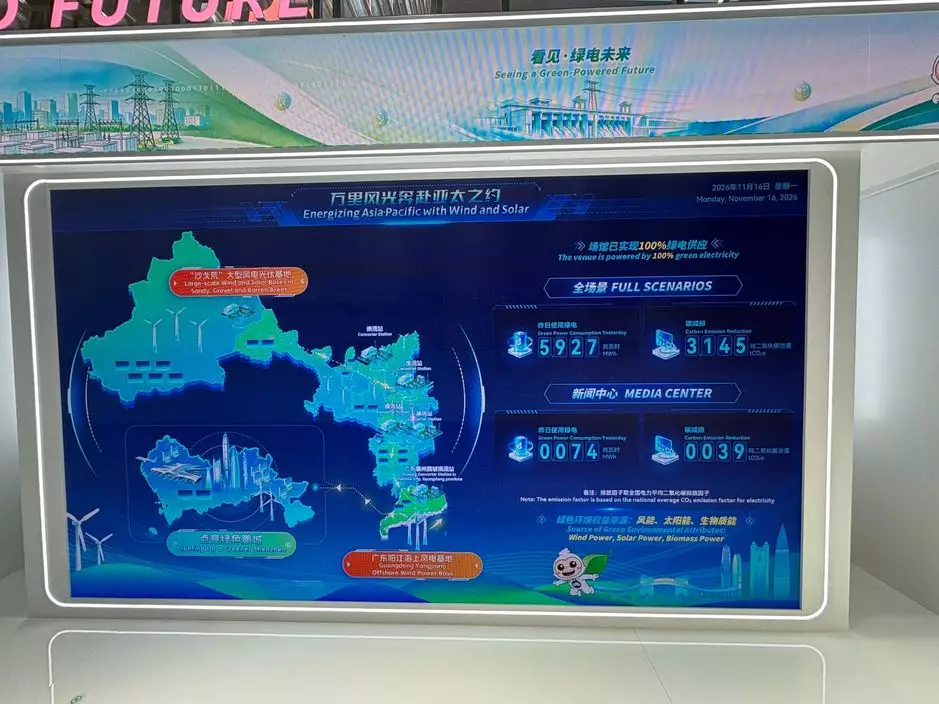
A representative of the Green Energy Station explained that the electricity for the APEC event and the operation of the Media Center comes from a wind power project in Baicheng, Jilin Province. Green power generated from wind, solar, and biomass fully covers the venue, partner hotels, and the airport throughout the event period. An on-site display showed that on Sunday, 5,927 MWh of green power was used across all scenarios, achieving a carbon emission reduction of 3,145 tonnes of CO₂ equivalent. “This makes the event more environmentally friendly,” the representative said.

An on-site display showed that on Sunday, 5,927 MWh of green power was used across all scenarios, achieving a carbon emission reduction of 3,145 tonnes of CO₂ equivalent. Photo by Bastille Post

An on-site display showed that on Sunday, 5,927 MWh of green power was used across all scenarios, achieving a carbon emission reduction of 3,145 tonnes of CO₂ equivalent. Photo by Bastille Post

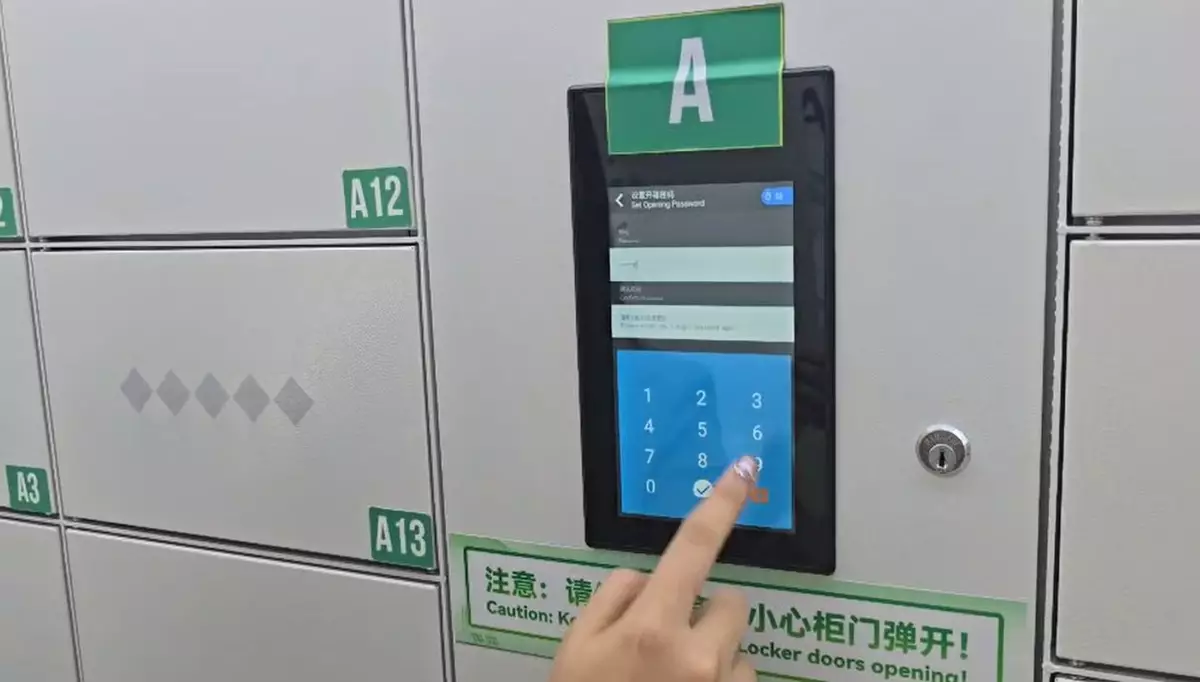
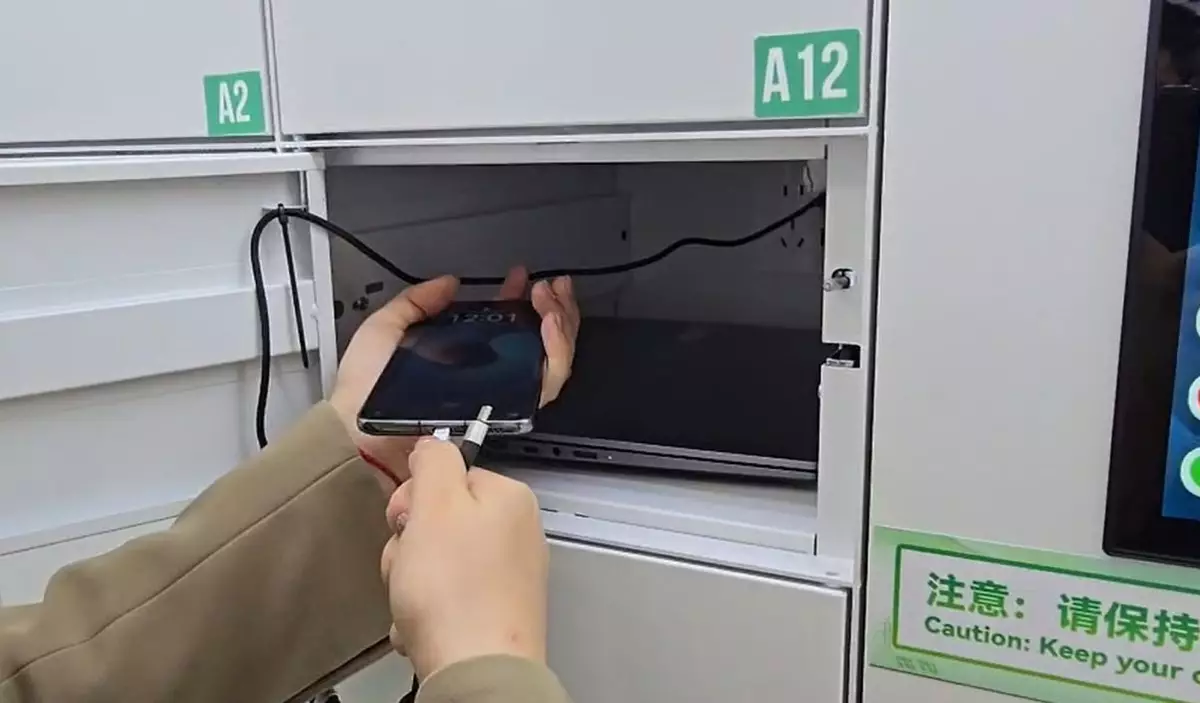
Given the high electricity demand of media work, the Green Energy Station also provides shared charging lockers. Journalists can set a password to open a locker, which contains various charging cables and universal adapters for phones, laptops, and other devices. After plugging in and closing the door, they can even retrieve their devices the next day without security concerns.

Given the high electricity demand of media work, the Green Energy Station also provides shared charging lockers. Photo by Bastille Post

Given the high electricity demand of media work, the Green Energy Station also provides shared charging lockers. Photo by Bastille Post

Journalists can set a password to open a locker, which contains various charging cables and universal adapters for phones, laptops, and other devices. Photo by Bastille Post

Journalists can set a password to open a locker, which contains various charging cables and universal adapters for phones, laptops, and other devices. Photo by Bastille Post

After plugging in and closing the door, journalists can even retrieve their devices the next day without security concerns. Photo by Bastille Post

After plugging in and closing the door, journalists can even retrieve their devices the next day without security concerns. Photo by Bastille Post

Recommended Articles