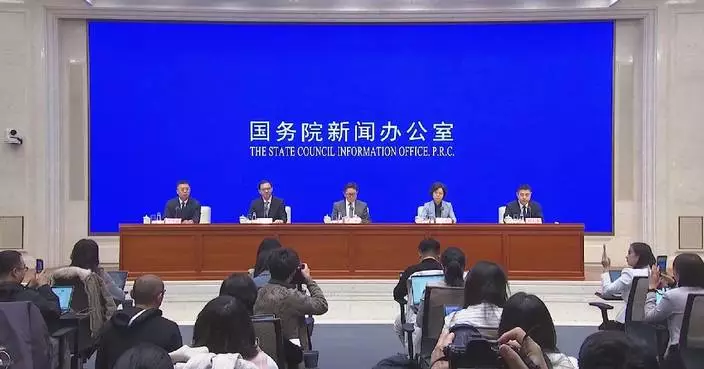
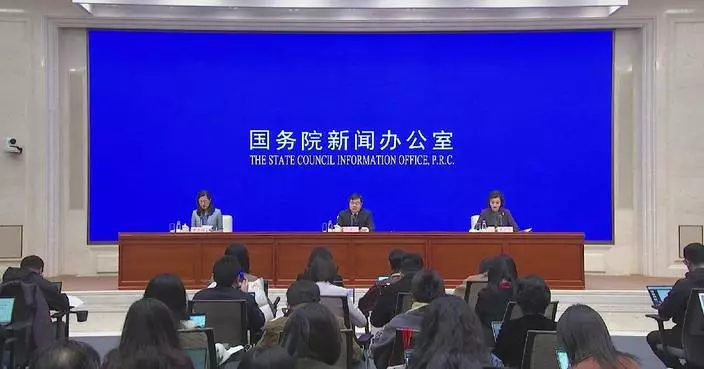
The three-day 4th APEC Business Advisory Council (ABAC) meeting concluded in Shenzhen, south China's Guangdong Province with a total of 14 outcome documents released, according to a press conference held in the city on Monday.
ABAC serves as a main channel for Asia-Pacific business communities to participate in APEC cooperation. Every year, it submits a policy recommendation report to APEC economic leaders to provide suggestions for economic cooperation and prosperity in the Asia-Pacific region.
Li Fanrong, 2026 ABAC chair and chairman of Sinochem Holdings Corporation Ltd., told the press that the three-day ABAC meeting had a tight schedule and full discussions, with fruitful outcomes.
Over the past year, ABAC established five working groups on regional economic integration, sustainable development, digital innovation, connectivity and financial economics to address the concerns of the Asia-Pacific business community. It conducted in-depth discussions and consultations on frontier and hot topics such as artificial intelligence and green transition, producing 14 outcome documents. These documents will provide high-quality business input for the upcoming APEC Economic Leaders' Meeting, scheduled for Wednesday and Thursday.
According to the press conference, many recommendations from the Chinese business community on artificial intelligence applications, zero-carbon transport and cross-border QR code payments were all absorbed in the documents.
The Chinese business community also worked with U.S. business representatives to submit a proposal calling for stronger supply chain cooperation across the Asia-Pacific region. It also joined Canadian business representatives in putting forward an "AI+"-related proposal, highlighting the wisdom of the Chinese business sector.
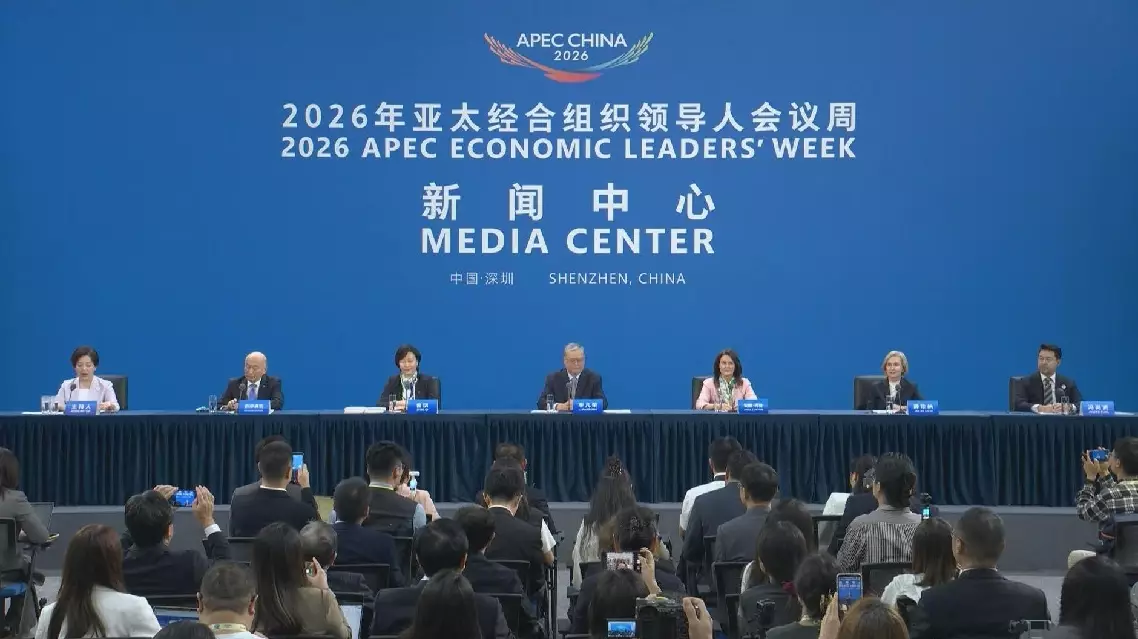
APEC Business Advisory Council meetings produce 14 outcome documents