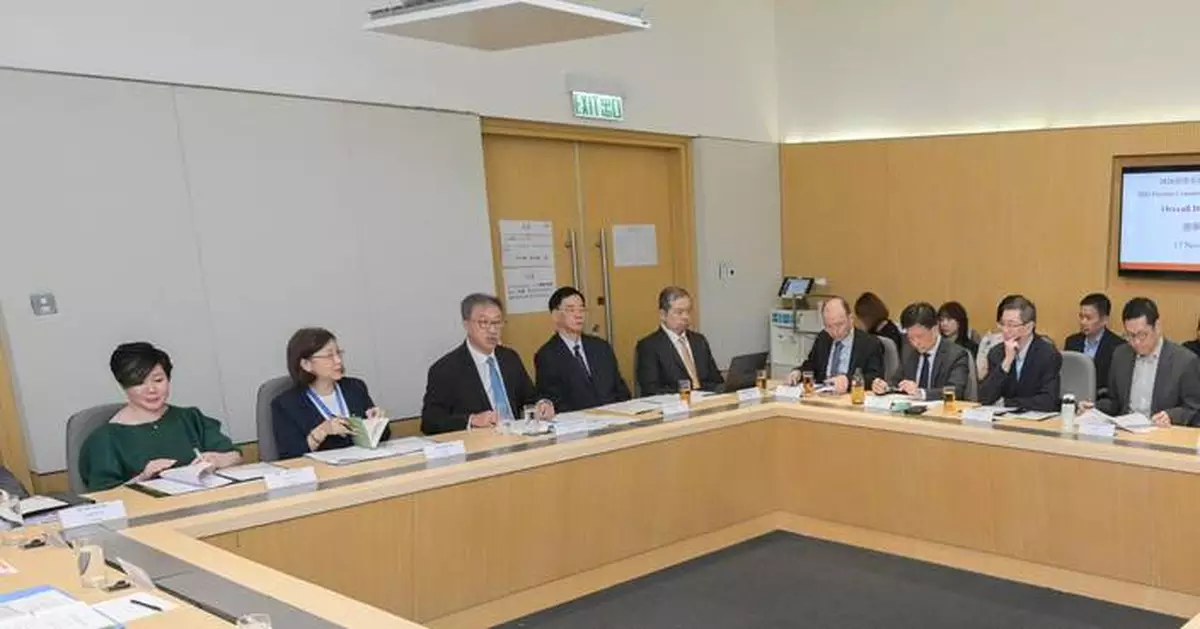
EAC Chairman chairs meeting of Crisis Management Committee
The following is issued on behalf of the Electoral Affairs Commission:
In view of the 2026 Election Committee Subsector Ordinary Elections to be held on November 22 (Sunday), the Chairman of the Electoral Affairs Commission (EAC), Mr Justice David Lok, chaired the meeting of the Crisis Management Committee (CMC) this evening (November 17) to deal with different circumstances that may arise during the elections and to ensure the smooth conduct of the polling day.
During the meeting, the EAC was briefed by representatives from relevant government departments, including the Registration and Electoral Office, the Digital Policy Office and the Hong Kong Police Force, on the preparation and co-ordination work for the elections, such as assessments of cybersecurity and security risks, and also on the preparatory work and contingency plans for the polling day. The Security Bureau, the Home Affairs Department, the Information Services Department, the Department of Justice and the Electrical and Mechanical Services Department also gave briefings on preparatory and co-ordination work regarding the elections.
Mr Justice Lok said, "Organising an election is never a simple undertaking. Detailed planning, preparation and arrangements are required throughout the workflow. To ensure the smooth conduct of the elections, I understand that the relevant policy bureaux and departments have entered the final stage of thorough preparation for various tasks, including drawing up security and contingency plans. The EAC would like to express wholeheartedly its gratitude to the relevant policy bureaux and departments for their efforts."
Mr Justice Lok pointed out that the meeting today helped the EAC to prepare for the elections in a more comprehensive and detailed manner. The CMC will assist the EAC in closely monitoring the situation on the polling day. The EAC will strive to ensure that the elections will be conducted openly, honestly and fairly in accordance with relevant electoral laws and guidelines as in the past.
The CMC is part of the contingency mechanism for public elections. The CMC advises the EAC on matters that may affect the proceedings of the elections, such as inclement weather and issues of public health or safety. The CMC is chaired by the EAC Chairman and comprises all EAC members, the Secretary for Constitutional and Mainland Affairs (or her representative) and representatives of relevant bureaux/departments.
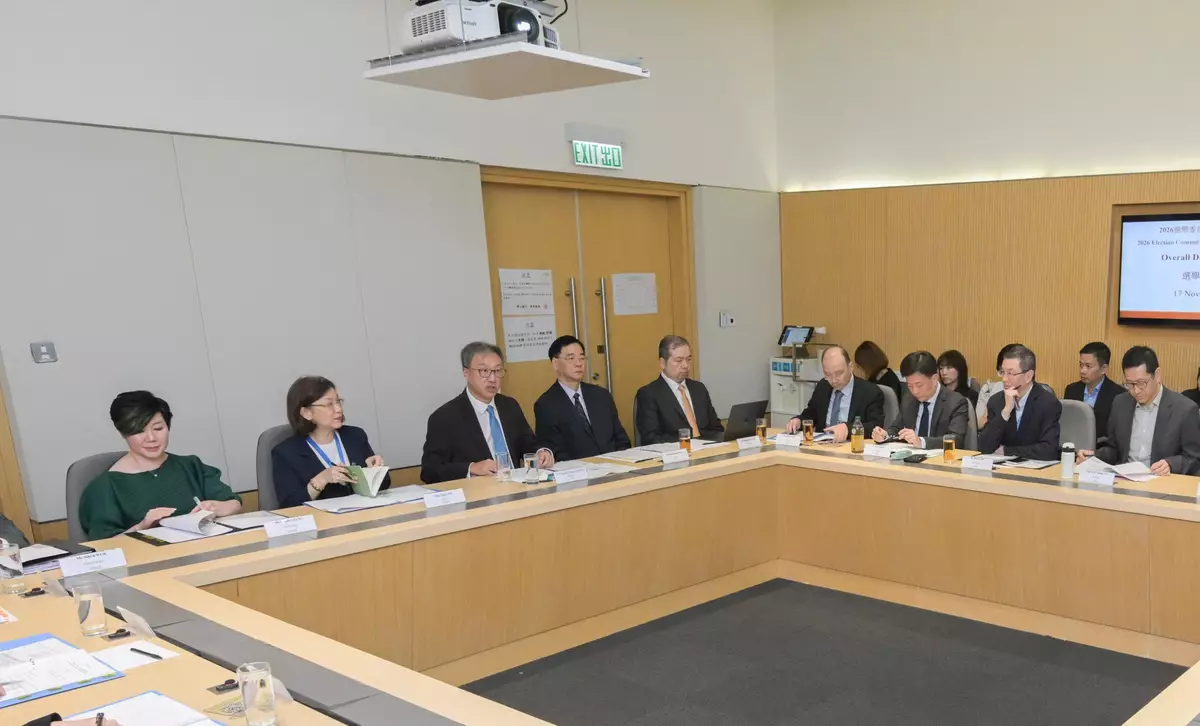
EAC Chairman chairs meeting of Crisis Management Committee Source: HKSAR Government Press Releases
World Cervical Cancer Elimination Day: Prioritising both vaccination and screening to safeguard women's health
The Centre for Health Protection (CHP) of the Department of Health (DH) today (November 17) called on the public to support World Cervical Cancer Elimination Day by receiving human papillomavirus (HPV) vaccination, undergoing regular cervical screening and adopting a healthy lifestyle to achieve "early prevention, early detection and early treatment".
"Cervical cancer is the seventh most common female cancer in Hong Kong. In 2023, 576 new cases of cervical cancer were recorded, and 160 females died from it in 2024. However, cervical cancer is preventable. HPV vaccination and regular cervical screening are two scientifically proven preventive measures. Data show that over 80 per cent of cervical cancer cases detected through regular cervical screening were in early stages, while among the cervical cancer cases not detected through theCervical Screening Programme, only about 50 per cent of cases were in the early stages. This indicates that regular cervical cancer screening helps detect cancer early, allowing patients to receive treatment promptly and increasing the cure rate," said the Controller of the CHP, Dr Edwin Tsui.
Most cases of cervical cancer are caused by persistent infection with high-risk types of HPV. HPV is mainly transmitted through sexual contact. Most infected individuals do not have any symptoms and will clear the infection on their own. However, some people with persistent infections may develop premalignant changes or even cervical cancer.
HPV vaccine
----------------
Following the recommendations of the Scientific Committee on Vaccine Preventable Diseases under the CHP, the DH has included HPV vaccination as part of the free Hong Kong Childhood Immunisation Programme since the 2019/20 school year to encourage eligible primary schoolgirls to receive vaccinations. The coverage rates of HPV vaccination for eligible primary schoolgirls have reached a very high level of over 90 per cent, which has largely reduced the risk of developing cervical cancer among the younger female generation in Hong Kong.
The DH also launched the one-off HPV Vaccination Catch-up Programme (catch-up programme) in 2024, offering free catch-up vaccinations for eligible females born between 2004 and 2008 who have not completed their HPV vaccination series. The catch-up programme will end on December 31, 2026. Eligible female Hong Kong residents who have received the first dose* of HPV vaccination under the catch-up programme should act quickly and complete their vaccination series, in order to avoid missing this final opportunity to receive the HPV vaccination for free. For more details on the catch-up programme, including the addresses of vaccination locations, please refer to the Annex.
Screening
------------
All women aged 25 to 64 years who have ever had sex should have regular cervical screening, even if they are asymptomatic, postmenopausal, have no family medical history, or have received the HPV vaccination. Since 2004, the DH has implemented cervical screening services for women aged 25 to 64 who have had sexual experience. The Women Wellness Satellite (WWS) under the Primary Healthcare Commission (PHCC) also provides cervical cancer and breast cancer screening. Healthcare professional at WWS will arrange the necessary examinations for women based on risk assessment, and provide HPV vaccination and education.
The World Health Organization recognises self-collected vaginal sample for HPV testing as an acceptable and effective approach to cervical screening. To provide a more comprehensive protection, apart from a cytology examination (also called a cervical smear) and HPV testing, the DH initiated HPV testing of self-collected samples at 11 Maternal and Child Health Centres (MCHCs). The PHCC also commenced the HPV self-sampling services at the three WWSs in early 2026, and it has been gradually expanding as a value-added service to the District Health Centres/District Health Centre Expresses across all 18 districts in Hong Kong since March 2026.
Women who wish to receive cervical screening at MCHCs can schedule an appointment through the 24-hour hotline at 3166 6631, or contact WWS or 18 District Health Centres/DHC Expresses for personalised primary healthcare services for women including cervical cancer screening. For more information about cervical cancer and screening, please visit www.cervicalscreening.gov.hk/en/index.html.
Other precautionary measures
------------------------------------
"Undergoing regular screening is a crucial step in taking responsibility for one's own health, and we must not let our guard down. To lower the risk of cancer, primary prevention (i.e. minimising exposure to cancer risk factors) is of the utmost importance. Women should practise safe sex, including using condoms and avoiding multiple sexual partners, in order to reduce risks. They should also adopt healthy lifestyles, such as refraining from smoking and drinking, eating a balanced diet, staying physically active and maintaining a healthy body weight, to guard against non-communicable diseases including cancer," said Dr Tsui.
Safeguarding women's health is not only a personal choice but also a shared responsibility of the entire society. By reminding female friends and family members to undergo regular screening and showing concern for them, the community can effectively help them stay away from the threat of cancer and collectively build a safety net for health.
* The recommended interval between the two doses of the HPV vaccine is at least five months.
Source: AI-found images