Reservations are now open for stays at the brand's first hotel in Australia.
ADELAIDE, Australia, Nov. 18, 2026 /PRNewswire/ -- Treehouse Hotels—the one-of-a-kind hospitality brand created by Barry Sternlicht, Founder and Chairman of Starwood Hotels—is branching out to Adelaide, the capital of South Australia. Reservations are now open for early 2027 stays at the 248-room Treehouse Hotel Adelaide, the brand's first hotel in Australia and the Asia-Pacific region. Set above the new Market Square development, the property brings Treehouse's playful, easygoing spirit to the heart of this lush city.
Click to Gallery
A New Treehouse Hotel Is Growing in Adelaide
A New Treehouse Hotel Is Growing in Adelaide
A New Treehouse Hotel Is Growing in Adelaide
A New Treehouse Hotel Is Growing in Adelaide
A New Treehouse Hotel Is Growing in Adelaide
Treehouse is made for guests who like to feel at home while following their curiosity. In Adelaide, that spirit takes shape in a shared living-room arrival, rooms rich with local character and nostalgia, nooks made for intimate hideaways, and a restaurant celebrating the flavors of South Australia's farms and wine regions. With the Adelaide Central Market right next door, the hotel has one of the city's great food destinations on its doorstep and the rest of Adelaide within easy reach. The city's compact scale also makes it possible to see much more without going far: Take the tram to Glenelg Beach, head into the Adelaide Hills, or spend the day among the vineyards of the Barossa Valley.
"Treehouse has lived in my imagination for years as a place that feels more like a home than a hotel: comfortable, welcoming, and just a little unexpected. Treehouse Hotels are a happy place for every child—a place of imagination, friendship, and endless fun. That's our Treehouse vision," says Sternlicht. "Adelaide gives us a wonderful setting to bring that feeling to life. The gardens, local artisans, and rich food scene give the city an energy and generosity where Treehouse feels very much at home."
Adelaide by Design
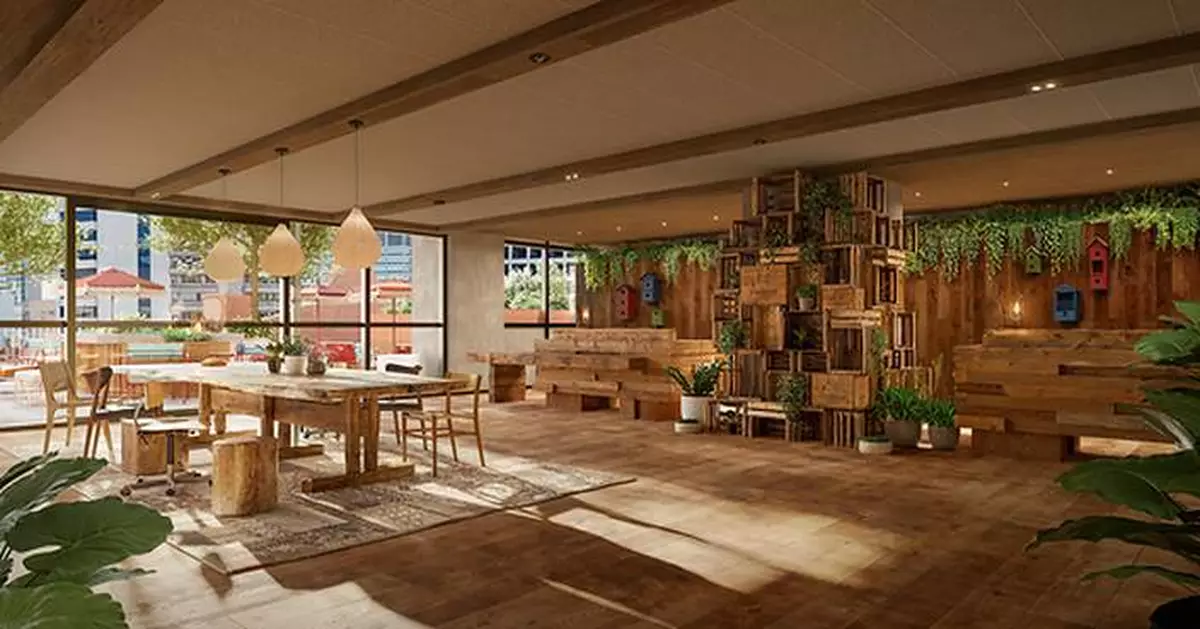
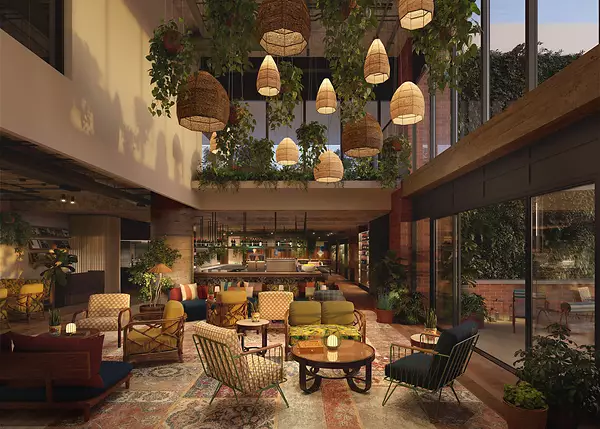
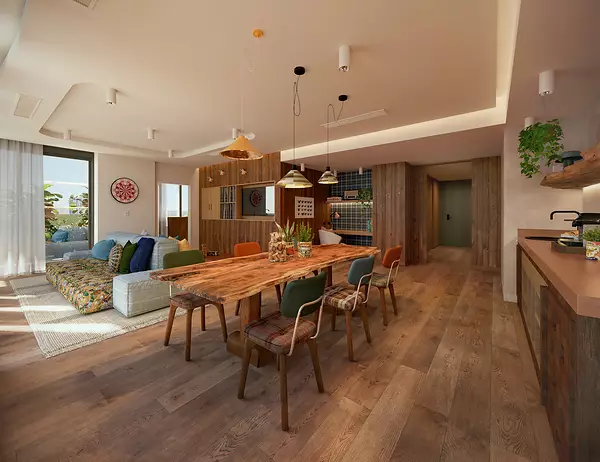
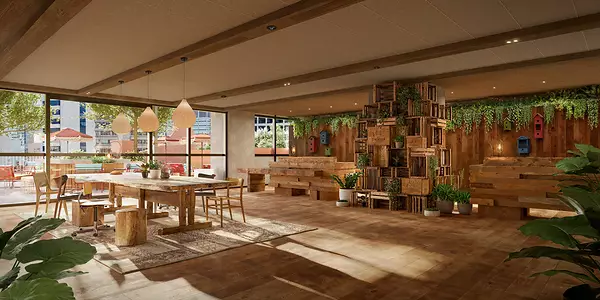
Designed by Woods Bagot, the global architecture and design firm founded in Adelaide, in partnership with the Starwood Hotels design team, the hotel takes cues from the energy and history of the Adelaide Central Market, as well as the city's Park Lands and Botanic Gardens. Leafy terraces bring Adelaide's green spaces into the hotel, while handcrafted finishes, market-crate details, and collected objects nod to local makers and traders.
"We never want a Treehouse Hotel to feel as though it could have been picked up and placed in any other city," says Raul Leal, CEO of Starwood Hotels. "In Adelaide, the gardens and the incredible produce have shaped the hotel from the inside out. This may be our first Treehouse in Australia, but when the doors open, we want it to feel as though it has always belonged here."
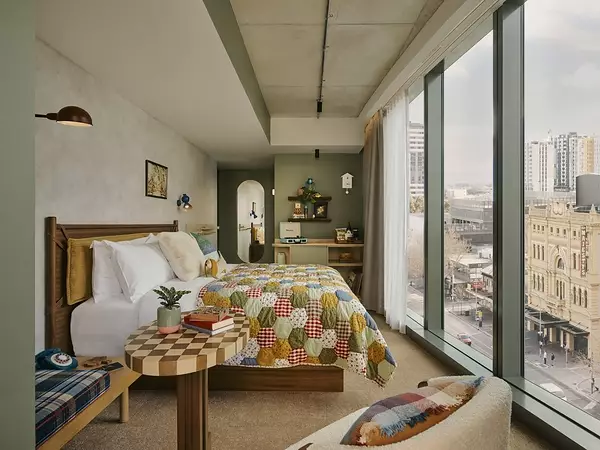
The hotel's arrival experience is conceived as a shared living room rather than a formal hotel lobby, with a communal check-in lounge and plenty of soul, inviting guests to settle in from the start. The creative vibe carries into the 248 guest rooms, where Australian wool plaids, textured timber, checkerboard tables, and collected furnishings create spaces loaded with personality. A cuckoo clock offers a playful nod to Hahndorf, a village in the Adelaide Hills known for its German heritage. Oversized windows frame views of the city skyline, hills, or distant coastline.
Nearly one in five rooms is configured as a twin, with two beds—giving friends, family members, and colleagues more flexibility when traveling together. Accessible rooms, including options for guests with vision or hearing impairments, are also available.
The hotel's 10 suites offer even more room to spread out and stay awhile. The sprawling Hideaway Suite—the hotel's signature suite—features a balcony, retro botanical wallpaper, and a powder room. At the top of the hotel, the Canopy Suite is a generous retreat with its own balcony, dining space, a discreet butler's pantry, and a powder room. An oversized, cushioned daybed takes the place of a sofa, adding a relaxed, playful note to the expansive living area. Patterned wallpaper and furnishings with botanical motifs inspired by local flora complete the look.
Good Things Come to the Table
At Treehouse Hotel Adelaide, the food and beverage experience will draw on the abundance of Adelaide Central Market and South Australia's local produce. Leading the culinary program is Executive Chef Nick Tadija, who brings more than 20 years of experience to the role, including time in Michelin-starred kitchens in London. His approach is shaped by Italian culinary traditions, the seasons, and his connection to South Australia's Slow Food movement.
The hotel's signature restaurant, Little Lemon, will pair the warmth of Italian hospitality with the daily rhythms of Adelaide Central Market next door. Its menu will celebrate market ingredients, generous cooking, and the simple pleasure of gathering around the table. Its beverage program follows the arc of an Italian meal, from aperitivi and classic cocktails with a South Australian twist to after-dinner coffee and digestivi, including a house-made amaro. The wine list will bring together benchmark Italian regions and South Australian vineyards, including McLaren Vale, Adelaide Hills, and Barossa. Guests will receive a complimentary limoncello to finish their meal.
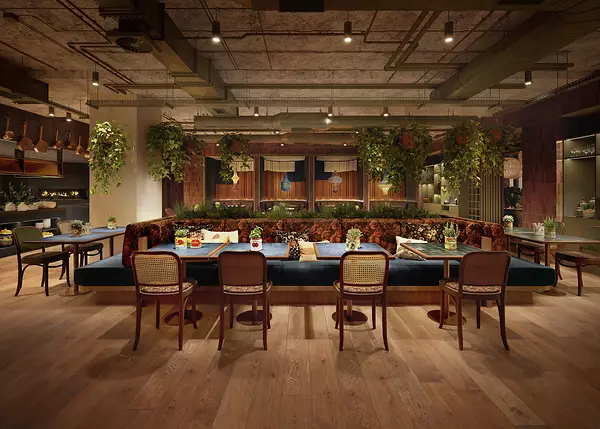
The restaurant's greenhouse-inspired interiors draw inspiration from Adelaide's Victorian-era glasshouses and the charm of a working potting shed. Vintage accents and abundant greenery bring a garden-like quality to the room, while an open kitchen gives guests a view of the chefs at work. A private dining room takes its cues from farmhouse gatherings, with a long table made for sharing food and conversation. The hotel will also offer a lobby lounge and grab-and-go options, along with a terrace bar. From morning coffee to evening cocktails, programming across the food and beverage venues will include live entertainment, chef dinners, cocktail experiences, and pop-ups.
Four flexible event spaces offer more than 500 square metres for meetings, weddings, and all kinds of celebrations. Natural light, adaptable layouts, and state-of-the-art audiovisual technology allow the rooms to shift with the occasion, whether that means a boardroom session, a banquet, or a cocktail gathering.
Play, Sweat, Reset
Wellness at Treehouse is about making room for what feels good to each guest: keeping up a familiar routine, trying something different, or taking a pause between city adventures. Treehouse Hotel Adelaide's expansive, 205-square-metre gym features the latest-generation Technogym cardio and strength equipment, Technogym Visio for interactive workouts, and Peloton bikes. The hotel will also be the first in Australia to feature Technogym Pilates Reform beds. With a generous, light-filled layout framed by views across the city and toward the coast and ample room to train, guests have plenty of space to move at their own pace.
Doing Good for the Place We're In
At Treehouse Hotel Adelaide, the little things mean a lot. Water stations on every floor and carafes in guest rooms make it easy to refill rather than reach for bottled water. Bulk soap amenities reduce the need for single-use plastic bottles. Guest slippers made with flax, linen, and cork bring plant-based materials into the mix. And glasses made from recycled green wine bottles give a familiar material a second life.
Behind the scenes, low-flow showers and fixtures support responsible water use, and guest room management systems, designed with efficiency and comfort in mind, will dial lighting and air-conditioning up when you're in and ease them down when you're out. The hotel, in partnership with Foodprint Group, will also follow a waste management program focused on waste sorting, tracking, and landfill diversion.
Your New Home Base in Adelaide
Treehouse Hotel Adelaide is a welcoming home base for exploring South Australia's capital, with Adelaide Central Market and the rest of the city close at hand and plenty more to discover beyond it.
Reservations are now open for stays beginning in early 2027. For more information or to book, visit treehousehotels.com/adelaide
ABOUT TREEHOUSE HOTELS
Treehouse Hotels is an imaginative lifestyle hospitality brand that celebrates carefreedom, creativity, and grown-up joy. Created by Barry Sternlicht, Founder and Chairman of Starwood Hotels and the visionary behind 1 Hotels and Baccarat Hotels, Treehouse is designed to be both a local hangout and a welcoming escape. Treehouse Hotel London debuted in 2019 to widespread acclaim, followed in 2025 by Treehouse Hotel Manchester and Treehouse Hotel Silicon Valley, the brand's first U.S. location. At Treehouse, imaginations can run wild and spaces are alive. Interiors feel collected and imperfect—layered, mismatched, lived-in—while locally inspired food and drink and unexpected experiences create plenty of reasons to gather, linger, and play. Starwood Hotels, an affiliate of global private investment firm Starwood Capital Group, has announced that it will open its award-winning Treehouse Hotel in Brickell (Miami), Adelaide (Australia), Riyadh (Saudi Arabia), and Miami Beach. For more information, treehousehotels.com.
ABOUT STARWOOD HOTELS
Starwood Hotels, an affiliate of global private investment firm Starwood Capital Group, is a hotel brand management company that operates 1 Hotels, a nature-inspired lifestyle brand that launched in 2015 with properties in South Beach (Miami) and Manhattan and includes Brooklyn Bridge (New York City), West Hollywood (Los Angeles), Toronto, San Francisco, Nashville, the Hanalei Bay (Kauai) flagship property, the brand's first European property in Mayfair (London), Seattle, Melbourne (Australia), Copenhagen, Tokyo and Austin (Texas) with projects in development in Cabo San Lucas (Mexico), Paris, Elounda Hills (Crete), Riyadh (Saudi Arabia), San Miguel de Allende (Mexico) and Hudson Valley (New York); Baccarat Hotels & Resorts, a luxury brand that made its debut in March 2015 with the opening of its flagship property in New York City, with projects under development in Rome, Dubai, Riyadh (Saudi Arabia), Brickell (Miami), and the Maldives; and Treehouse Hotels, which premiered in London in 2019 and now includes Manchester (UK) and Silicon Valley (California), with projects under development in Brickell (Miami), Adelaide (Australia), Riyadh (Saudi Arabia), and Miami Beach. Leveraging its marketing, design, operational, and technological expertise, Starwood Hotels is the force behind some of the most groundbreaking and dynamic hotel brands in the world. Additional information can be found at starwoodhotels.com.
** This press release is distributed by PR Newswire through automated distribution system, for which the client assumes full responsibility. **
A New Treehouse Hotel Is Growing in Adelaide
A New Treehouse Hotel Is Growing in Adelaide
A New Treehouse Hotel Is Growing in Adelaide
A New Treehouse Hotel Is Growing in Adelaide
A New Treehouse Hotel Is Growing in Adelaide