Global patent applications reached a record high in 2025, with China leading the world in patent filings, the World Intellectual Property Organization (WIPO) reported Wednesday.
According to WIPO's World Intellectual Property Indicators 2026 (WIPI 2026) report, the year saw the fastest growth in patent applications in nearly a decade, recording a 6 percent year-on-year jump.
Innovators in China filed 1.9 million patent applications in 2025. The second biggest filer was the United States with 489,766, followed by Japan with 466,301, the Republic of Korea with 319,210, and Germany with 132,714.
The annual report showed that Asia's share of total patent applications filed globally has increased by more than 9 percentage points over the past decade, from around 62 percent in 2015 to 71 percent in 2025. China was a primary driver of that growth, contributing around 68 percent of all applications filed within Asia during 2025.
Although 2025 saw increased geopolitical and macroeconomic uncertainty, the IP system continued to power on, said WIPO Director General Daren Tang.
Tang noted that companies are investing in tech-driven business growth and countries are embracing innovation as catalysts for growth, development and prosperity, with artificial intelligence and other digital technologies accelerating these trends.
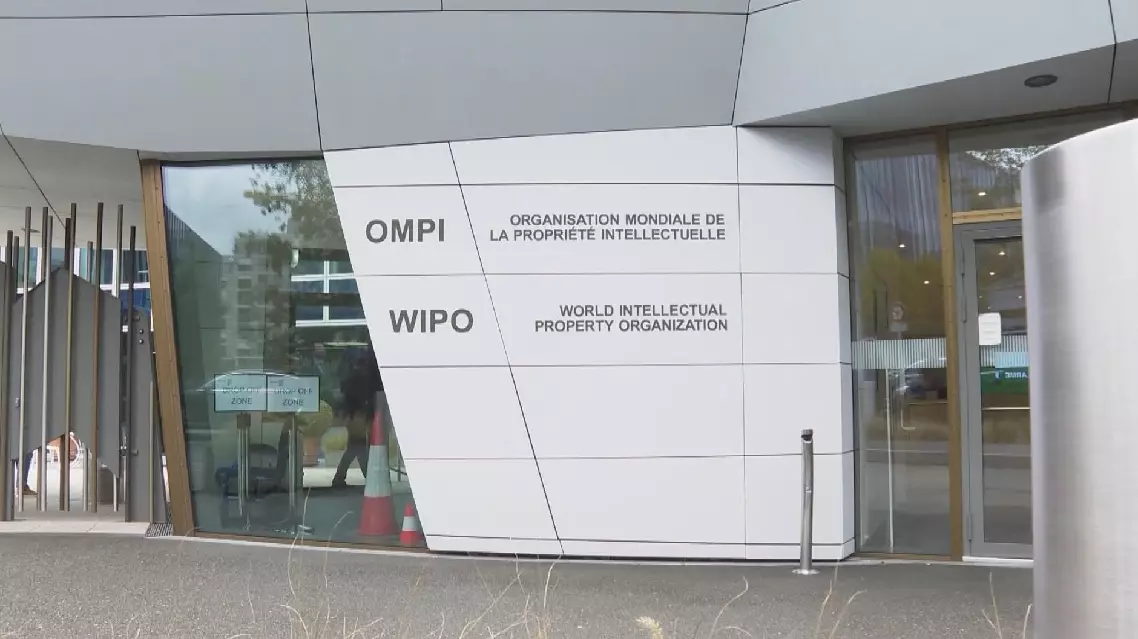
Global patent filings hit record high in 2025, China leads: WIPO
From a stage drama to a joint choral-orchestral performance in the heart of Beijing, Russian and Chinese artists are building an artistic bridge of mutual learning between the two civilizations, with cultural exchanges between the two countries continuing to gain momentum. St. Petersburg's Masterskaya Theatre brought Russian novelist Fyodor Dostoevsky's literary masterpiece The Brothers Karamazov to Beijing's Capital Theatre as part of the 2026 Beijing People's Art Theatre International Theatre Festival.
Directed by Grigory Kozlov, this powerful three-act production explores faith, desire, guilt, and morality through intense performances, inviting audiences to revisit the timeless struggle within the human soul.
"As an artist, one must first be filled with passion for artistic creation and, at the same time, with a yearning for life, so that he can crack the code of such monumental works," said Feng Yuanzheng, a director and an actor at the Beijing People's Art Theatre.
Beyond the dramatic stage, the China National Symphony Orchestra and its chorus recently shared a stage for the first time with the Chamber Choir of the Moscow State Tchaikovsky Conservatory at the National Centre for the Performing Arts. Chinese and Russian artists, together with young students, performed classics from China and abroad.
"This year's project has become largely an educational component, because today's concert program will feature one of the most performed works in the world -- Carl Orff's masterpiece, Carmina Burana. This score is very complex for voices requiring virtuoso performance technique and broad possibilities. Our team also tried to cope with these creative and artistic tasks," said Alexander Soloviev, artistic director and chief conductor of the Chamber Choir of the Moscow State Tchaikovsky Conservatory.
China and Russia will jointly stage more concerts, further promoting artistic exchanges between cultural institutions and universities of the two countries.
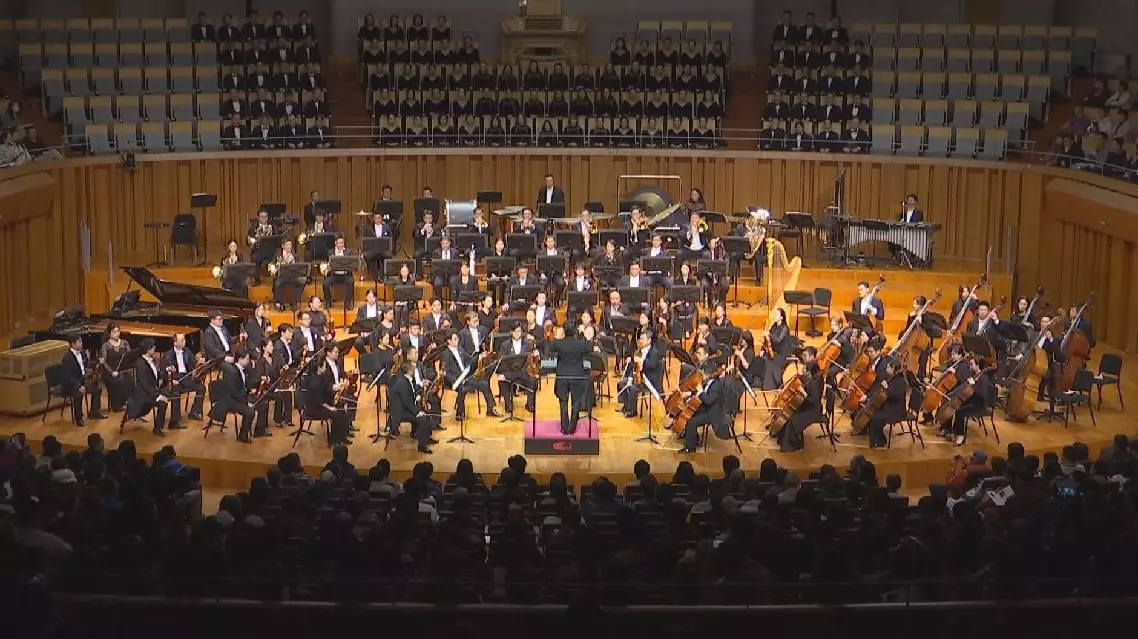
Russian troupes take Beijing stage as China-Russia cultural exchanges gather pace