Skip to Content Facebook Feature Image

Trump administration auctions deep-sea mining leases near American Samoa in first sale of its kind

News

Trump administration auctions deep-sea mining leases near American Samoa in first sale of its kind
News

News

Trump administration auctions deep-sea mining leases near American Samoa in first sale of its kind

2026-11-20 05:10 Last Updated At:05:20

The Trump administration on Thursday auctioned deep-sea mining leases to millions of acres of the federal seafloor near American Samoa, giving a controversial industry a foothold in U.S. waters.

The two 20-year leases are the first of their kind in the U.S., following President Donald Trump’s directive last year to leverage deep-ocean minerals to counter growing competition for resources from China. The leases are already the source of several legal challenges.

More Images
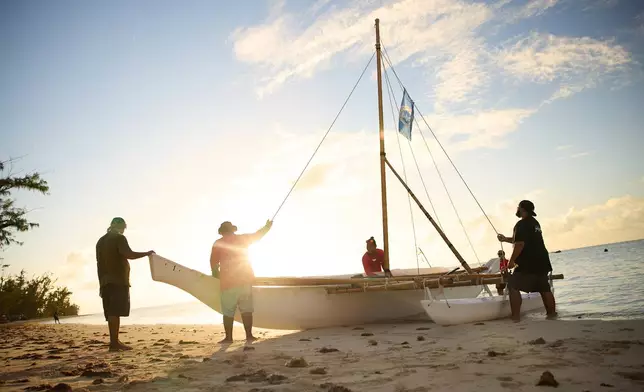
A Chamorro sailing canoe is pulled onto the beach by David Cabrera, right, an advocate for traditional fishing, and crew Friday, Nov. 13, 2026, in Saipan, Northern Mariana Islands. (AP Photo/Cami Diaz Egurrola)
A Chamorro sailing canoe is pulled onto the beach by David Cabrera, right, an advocate for traditional fishing, and crew Friday, Nov. 13, 2026, in Saipan, Northern Mariana Islands. (AP Photo/Cami Diaz Egurrola)

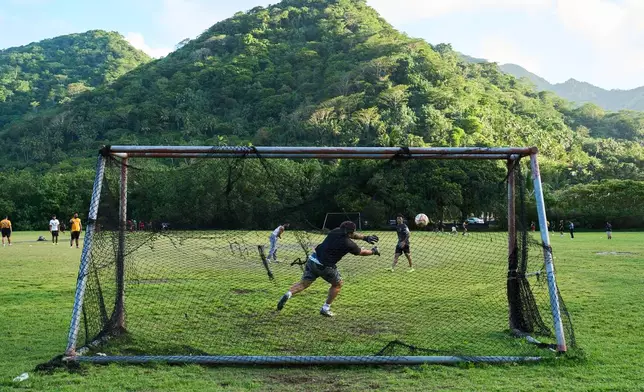
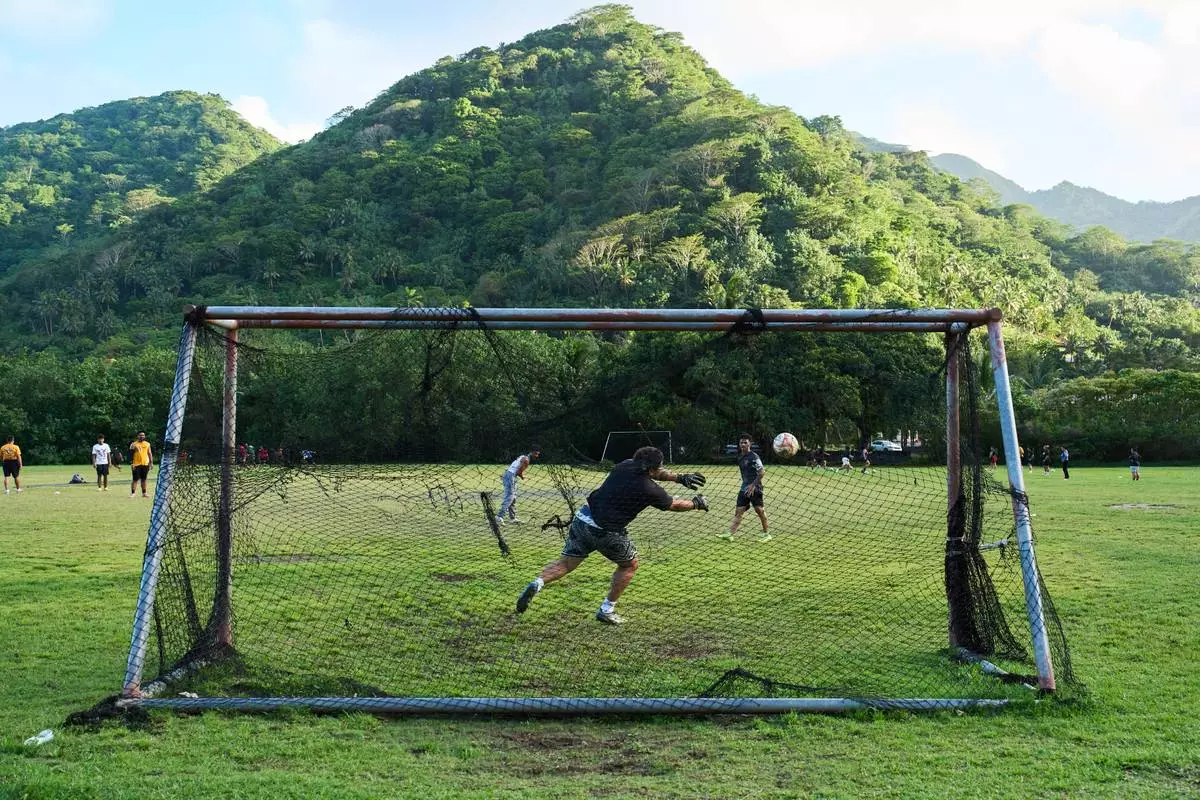
Youth play soccer in Pago Pago, American Samoa, Wednesday, Nov. 4, 2026. (AP Photo/Annika Hammerschlag)
Youth play soccer in Pago Pago, American Samoa, Wednesday, Nov. 4, 2026. (AP Photo/Annika Hammerschlag)

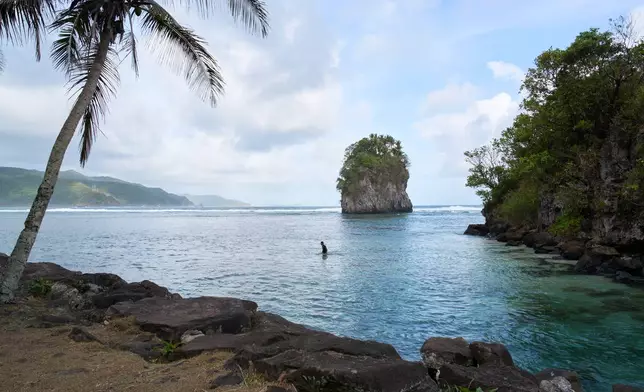
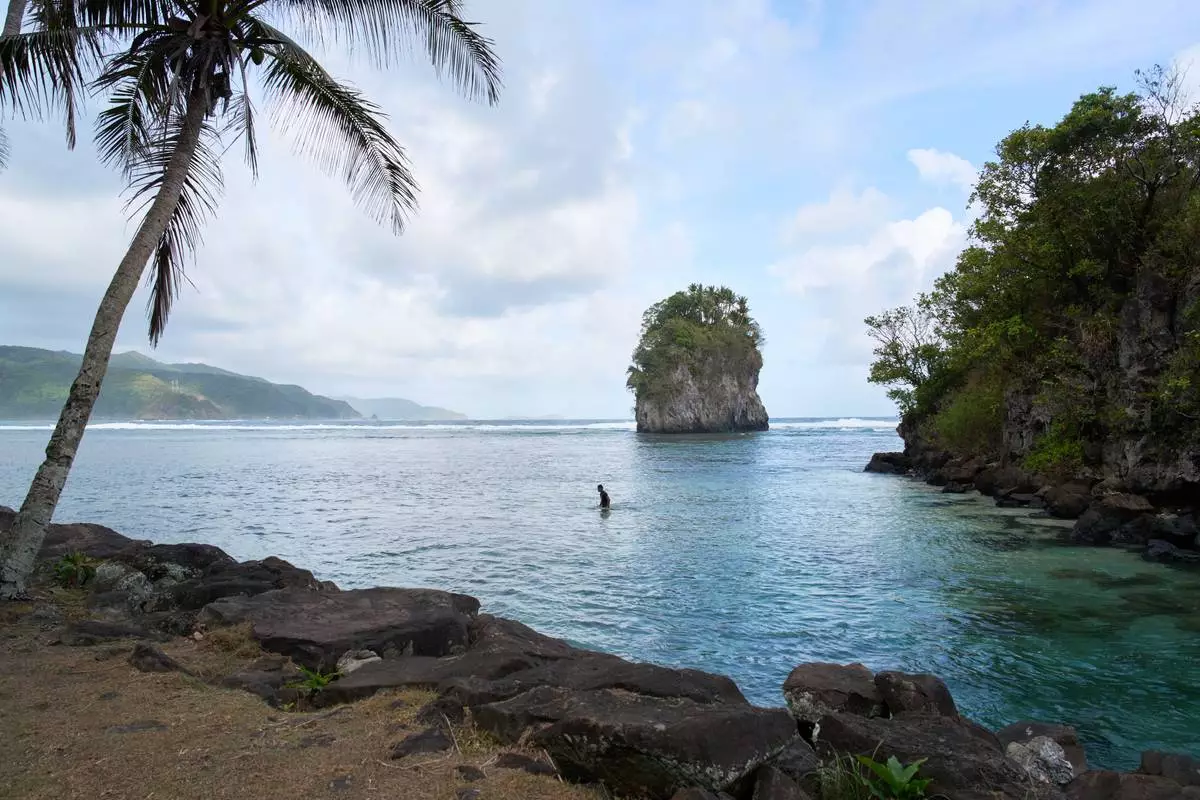
A spearfisherman wades through the water at Fatumafuti Beach near Pago Pago, American Samoa, Tuesday, Nov. 3, 2026. (AP Photo/Annika Hammerschlag)
A spearfisherman wades through the water at Fatumafuti Beach near Pago Pago, American Samoa, Tuesday, Nov. 3, 2026. (AP Photo/Annika Hammerschlag)

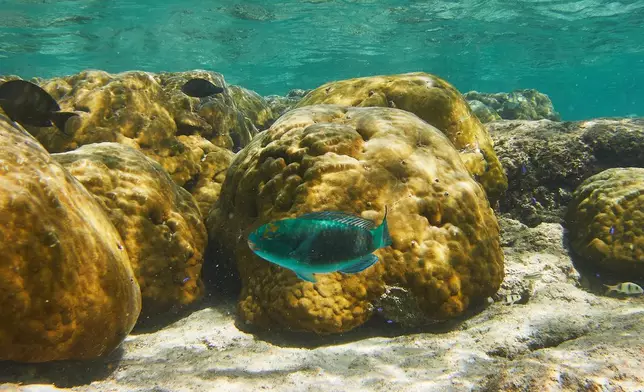
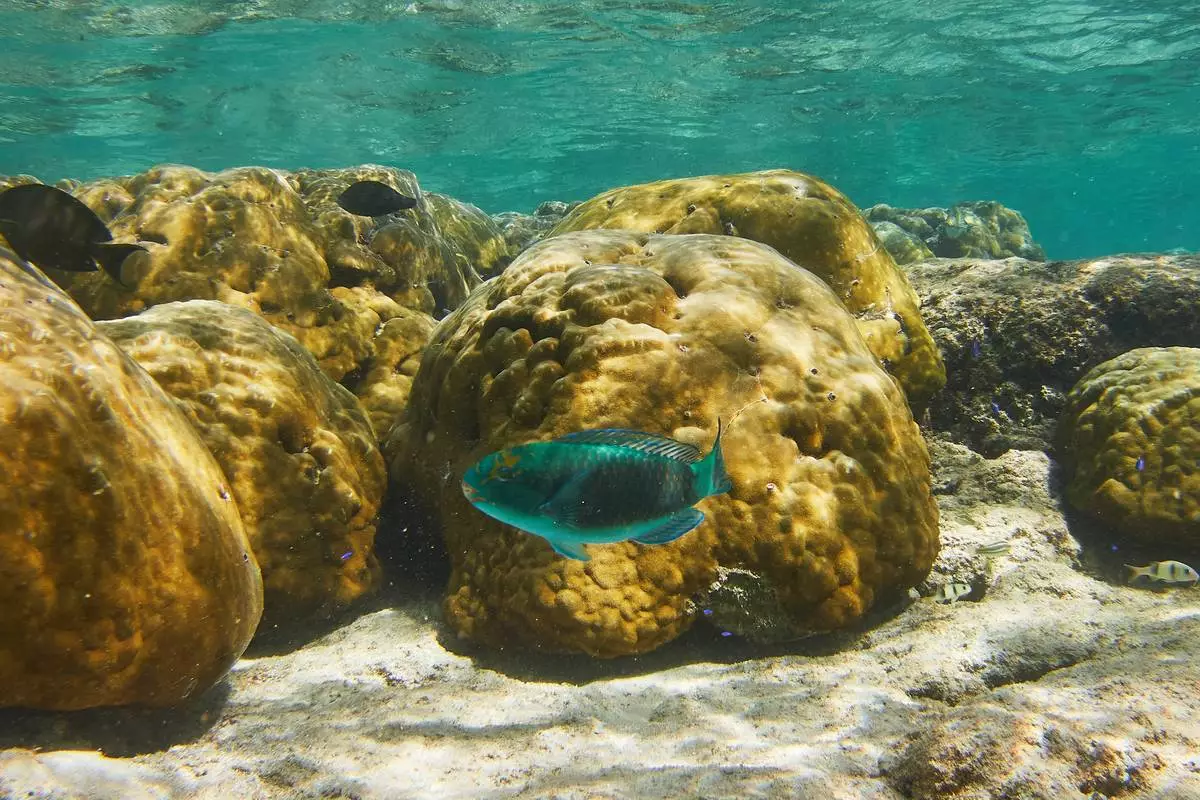
A fish swims through a coral reef off Alega, American Samoa, Sunday, Nov. 8, 2026. (AP Photo/Annika Hammerschlag)
A fish swims through a coral reef off Alega, American Samoa, Sunday, Nov. 8, 2026. (AP Photo/Annika Hammerschlag)

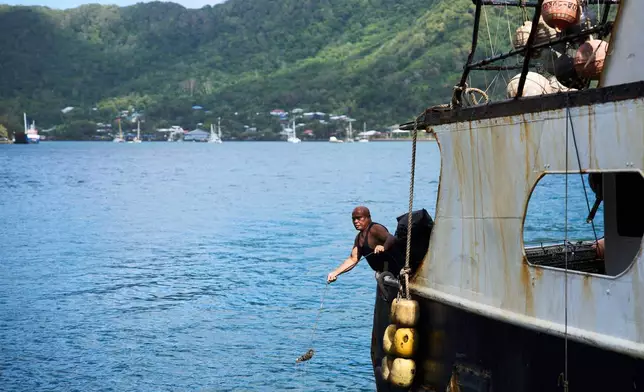
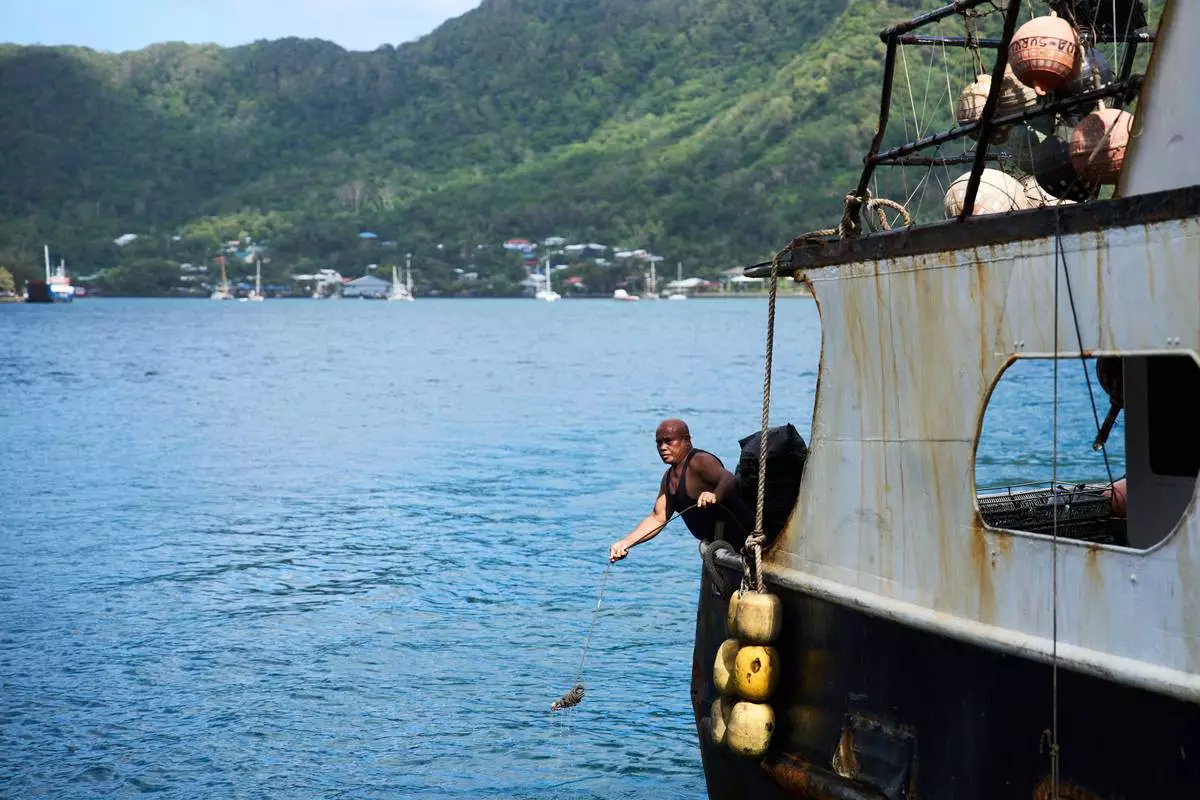
Tuna boat crew member Jeffry Kampong throws a line to shore as the boat docks in Pago Pago, American Samoa, Thursday, Nov. 5, 2026. (AP Photo/Annika Hammerschlag)
Tuna boat crew member Jeffry Kampong throws a line to shore as the boat docks in Pago Pago, American Samoa, Thursday, Nov. 5, 2026. (AP Photo/Annika Hammerschlag)

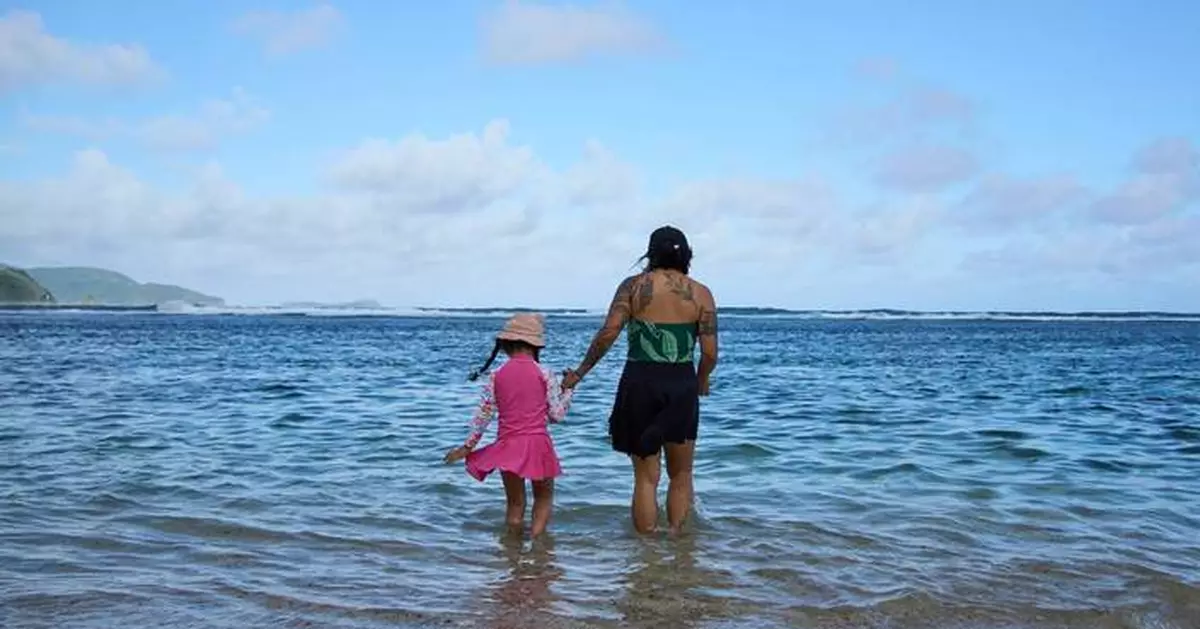
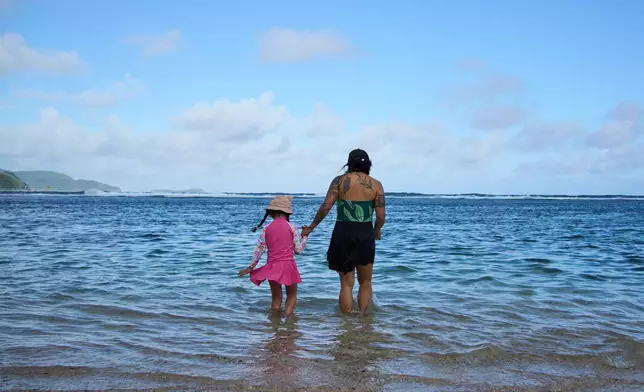
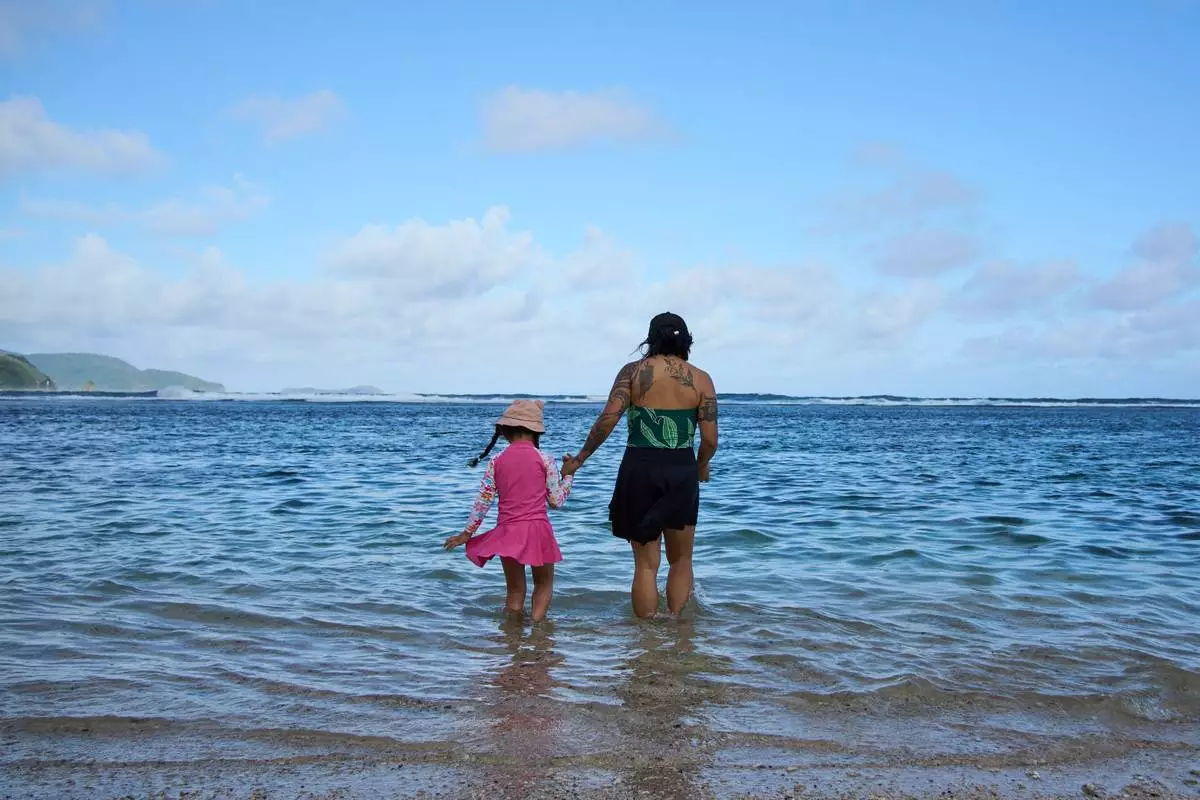
Sabrina Suluai-Mahuka plays with her daughter Erhys at Fatumafuti Beach near Pago Pago, American Samoa, Monday, Nov. 9, 2026. (AP Photo/Annika Hammerschlag)

Sabrina Suluai-Mahuka plays with her daughter Erhys at Fatumafuti Beach near Pago Pago, American Samoa, Monday, Nov. 9, 2026. (AP Photo/Annika Hammerschlag)

The two lease areas each sold for the minimum bid amount of $3 million to deep-sea mining startup Wetstone U.S. Ventures, according to the Marine Minerals Administration. While there were two bidders at the auction, only Wetstone placed bids. Wetstone did not immediately respond to a request for comment from The Associated Press.

The leases grant the company the ability to begin initial surveys of the seafloor to explore for minerals and prepare their testing or mining plans. It has the exclusive right to mine those areas commercially if approved in further environmental reviews.

The auction moved forward despite passionate opposition from locals in the territory and three lawsuits seeking to halt the sales. The auction was held at the Ventura County Fire Department Headquarters in Southern California, where a few dozen protesters gathered outside.

“We had hoped it would never come to this,” Sabrina Suluai-Mahuka, an American Samoa resident who has fought the auction for more than a year, said in a statement Thursday.

Globally, deep-sea mining is still at an experimental stage. A handful of other countries have allowed companies to start exploring their waters for deep-sea minerals, but no company has started commercial operations. The U.S. has never issued a lease for deep-sea minerals beyond a short-lived mining effort in California waters more than 60 years ago.

The federal interest in seafloor minerals stems from an April 2025 executive order, when the president directed his administration to search for and responsibly develop critical minerals on the ocean floor, both within and beyond U.S. borders. The Marine Minerals Administration is considering further auctions of the seabed near the Northern Mariana Islands, Virginia and Alaska, while the National Oceanic and Atmospheric Administration is reviewing permit applications from companies that seek to mine in international waters.

It’s unclear if the leases will withstand legal challenge. On Monday, a court ordered the National Marine Fisheries Service to more thoroughly assess the impacts the mining activities could have on endangered species, saying the agency's “cramped, expedited, informal” review violated the Endangered Species Act.

The Marine Minerals Administration said in a statement that it had addressed the court's opinion by starting to consult with the fisheries service on another environmental assessment. But it did not cancel or delay the auction.

David Henkin, deputy managing attorney at the environmental law group Earthjustice, said the ruling made Thursday's auction unlawful. In order to issue the notice of sale, the government needed to comply with the Endangered Species Act, he said.

"We will use the full extent of the law to vigorously push for the leases to be voided,” Earthjustice attorney Chris Eaton said in a statement. Earthjustice is representing Fa’asao Amerika Samoa, a group dedicated to safeguarding the territory’s culture, and the Conservation Council of Hawaii in the suit.

Another lawsuit filed Wednesday by the Natural Resources Defense Council and Finafinau, an environmental group founded by Suluai-Mahuka, similarly argues the environmental review process was rushed and is asking the court to strike down the leases.

A third lawsuit, brought by a council of local chiefs in American Samoa, the Faleula o le Manu’atele, is challenging the federal government’s authority to auction the waters near their islands.

Tony Romeo, head of the deep-sea mining startup Eco Minerals, which did not participate in the auction, said any company going into deep-sea mining needs to be prepared for pushback from environmental groups.

“If they can halt it through legal action, they will,” he said. “We’ll see how it ultimately plays out.”

Erik Milito, president of the National Ocean Industries Association, said in a statement that he expects industry interest and investment to grow in the coming years.

“Decades of environmental research and extensive assessments have helped lay the groundwork for responsible ocean mineral development," he said.

The Associated Press receives financial support from multiple private foundations. AP is solely responsible for all content. Find AP’s standards for working with philanthropies, a list of supporters and funded coverage areas at AP.org.
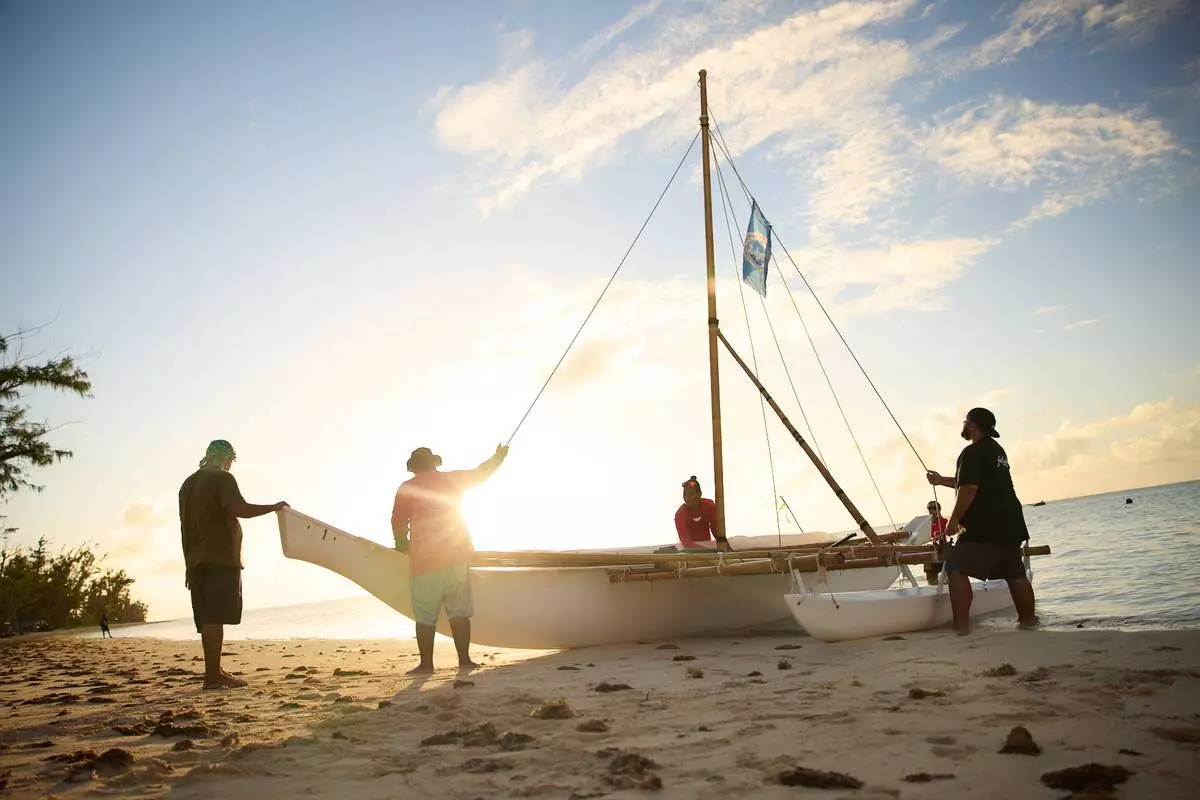
A Chamorro sailing canoe is pulled onto the beach by David Cabrera, right, an advocate for traditional fishing, and crew Friday, Nov. 13, 2026, in Saipan, Northern Mariana Islands. (AP Photo/Cami Diaz Egurrola)
A Chamorro sailing canoe is pulled onto the beach by David Cabrera, right, an advocate for traditional fishing, and crew Friday, Nov. 13, 2026, in Saipan, Northern Mariana Islands. (AP Photo/Cami Diaz Egurrola)

Youth play soccer in Pago Pago, American Samoa, Wednesday, Nov. 4, 2026. (AP Photo/Annika Hammerschlag)
Youth play soccer in Pago Pago, American Samoa, Wednesday, Nov. 4, 2026. (AP Photo/Annika Hammerschlag)

A spearfisherman wades through the water at Fatumafuti Beach near Pago Pago, American Samoa, Tuesday, Nov. 3, 2026. (AP Photo/Annika Hammerschlag)
A spearfisherman wades through the water at Fatumafuti Beach near Pago Pago, American Samoa, Tuesday, Nov. 3, 2026. (AP Photo/Annika Hammerschlag)

A fish swims through a coral reef off Alega, American Samoa, Sunday, Nov. 8, 2026. (AP Photo/Annika Hammerschlag)
A fish swims through a coral reef off Alega, American Samoa, Sunday, Nov. 8, 2026. (AP Photo/Annika Hammerschlag)

Tuna boat crew member Jeffry Kampong throws a line to shore as the boat docks in Pago Pago, American Samoa, Thursday, Nov. 5, 2026. (AP Photo/Annika Hammerschlag)
Tuna boat crew member Jeffry Kampong throws a line to shore as the boat docks in Pago Pago, American Samoa, Thursday, Nov. 5, 2026. (AP Photo/Annika Hammerschlag)

Sabrina Suluai-Mahuka plays with her daughter Erhys at Fatumafuti Beach near Pago Pago, American Samoa, Monday, Nov. 9, 2026. (AP Photo/Annika Hammerschlag)

Sabrina Suluai-Mahuka plays with her daughter Erhys at Fatumafuti Beach near Pago Pago, American Samoa, Monday, Nov. 9, 2026. (AP Photo/Annika Hammerschlag)
CINCINNATI (AP) — Fiona, the hippo whose premature birth and fight for survival at the Cincinnati Zoo turned her into a global sensation nearly a decade ago, died Thursday from complications after swallowing a knit hat that was accidentally flung into her enclosure more than a week ago.

“It is with extreme sadness that we share with you the devastating news that Fiona did not make it after multiple attempts from our amazing vets and keeper team to help her through what ended up being a medical emergency,” the zoo said in a statement.

The zoo said Monday that Fiona was undergoing care around the clock after swallowing the hat more than a week ago.

Before she died, veterinarians had been keeping Fiona hydrated, giving her treats and monitoring her every move, the zoo said. They even borrowed a vibration plate from a horse farm, encouraging her to stand on it several times a day in the hopes that the shaking would help move things along through her digestive tract.

“Despite multiple attempts to move the hat out of her system, it was ultimately too much to overcome,” the zoo said. “The team performed necessary supportive care today in an attempt to save her, but it was not successful and she did not recover.”

Grace Brooks, of Cincinnati, and her two children, ages 3 and 5, had Fiona on their minds when they arrived at the zoo Thursday, before her death was announced. Her kids have been talking about Fiona at preschool, she said.

"They know all about Fiona, and we have lots of books about her," Brooks said.

The zoo was mostly empty, though a small crowd was gathered inside the “Hippo Cove,” where two other hippos were swimming.

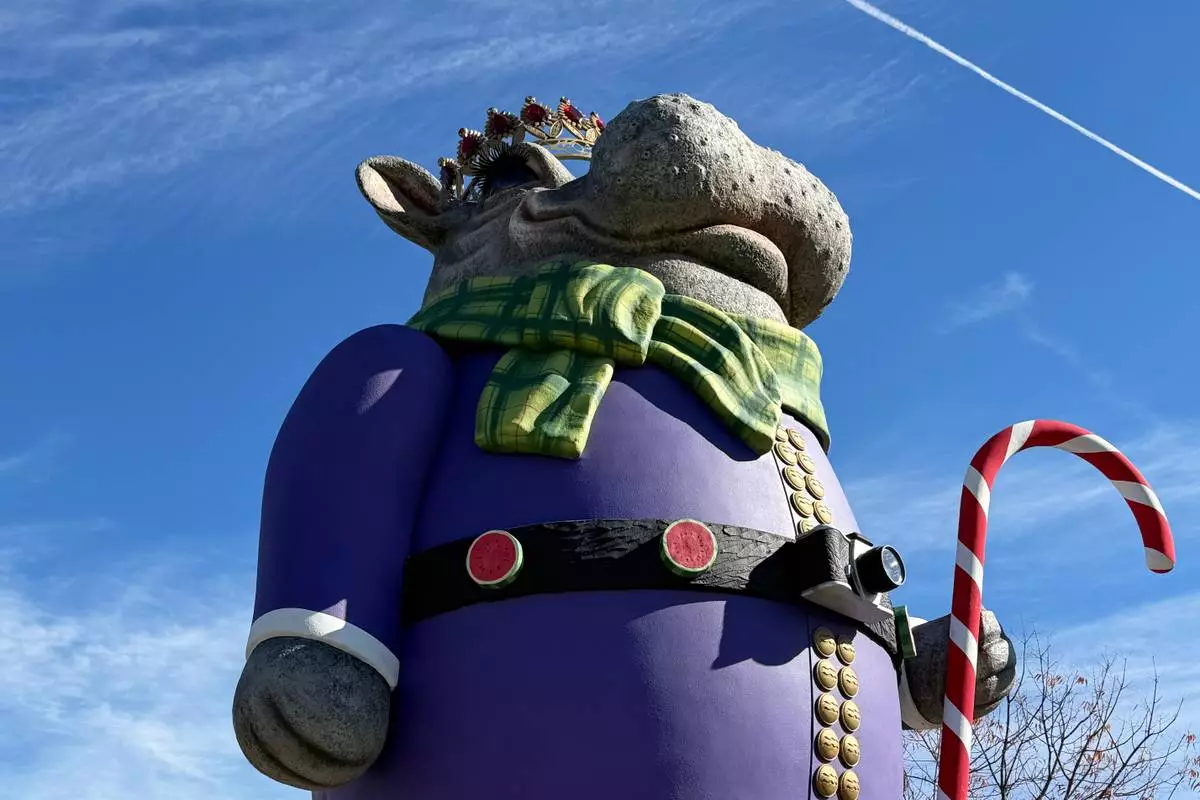
Even without Fiona in the cove, her presence was felt. There’s a holiday-themed Fiona statue just outside the entrance, and the gift shop has an entire wall filled with hippo-themed shirts, coffee mugs, shot glasses and books, including “A Very Fiona Christmas” and “You’ve Got This, Fiona.”

Cincinnati Mayor Aftab Pureval posted on social media that the city was heartbroken.

“Fiona was a symbol of perseverance and joy in Cincinnati. She brought smiles to so many faces, from kids to parents to visitors from around the world,” he said.

Fiona captivated people worldwide after her premature birth in 2017. She swallowed the hat about 11 days ago after a zoo visitor tossed it in the air. A ceiling fan caught and catapulted the hat through a small opening above the area’s viewing windows.

It was an accident, said zoo spokesperson Michelle Curley.

Before she died, Mike Wenninger, the zoo’s director of animal health, said veterinarians had sedated her twice to evaluate her condition.

An ultrasound on Tuesday showed some bunching of her intestines, Wenninger said. They also conducted a colonoscopy using a 9-foot scope, but were unable to detect anything, he said.

Specialists told the zoo that surgery wasn’t an option for full-grown hippos, the zoo said.

Hippos have a digestive system that would make Fiona’s situation tricky, Jack Kottwitz, an assistant professor at Michigan State University’s College of Veterinary Medicine, said before her death was announced.

“They have a multichambered stomach for digesting plants — sort of like a cow — but they don’t regurgitate and chew cud like a cow does,” Kottwitz told The Associated Press in an email.

Surgery would have been major logistical challenge for many reasons, he said.

In order to find the hat, multiple incisions would have been needed during a very long surgery, he said. But hippos are notoriously difficult to anesthetize and have skin over 2 inches (5 centimeters) thick in places.

Jan Hawkins, doctor of veterinary medicine at North Carolina State University, said Fiona’s situation was difficult because it was hard to tell exactly where the hat was.

“You just don’t know because you can’t do the normal imaging and things that you can do in some of the smaller animals, or even horses,” Hawkins said.

Zoos around the world have warned for years about the dangers posed by objects that are tossed or blown into animal habitats.

Two years ago, a rare antelope choked to death after eating the plastic lid from a squeezable fruit pouch at a zoo in Tennessee. A polar bear at a German zoo died in 2014 after swallowing a jacket dropped into his enclosure by a visitor.

Fiona survived her first health scare when she was born six weeks premature. She weighed just 29 pounds (13.2 kilograms), which was less than the lowest recorded birth weight for her species at that time.

Fiona was unable to nurse, so a zoo staffer hand-milked her mother. The zoo recorded her progress with photos and videos, while fans worldwide followed her progress online.

Her survival brought an uplifting turn for the Cincinnati Zoo after months of backlash over the shooting of Harambe, the gorilla who became a pop culture phenomenon after he was killed because a child got into his enclosure.

Associated Press reporter Alexa St. John in Detroit contributed.

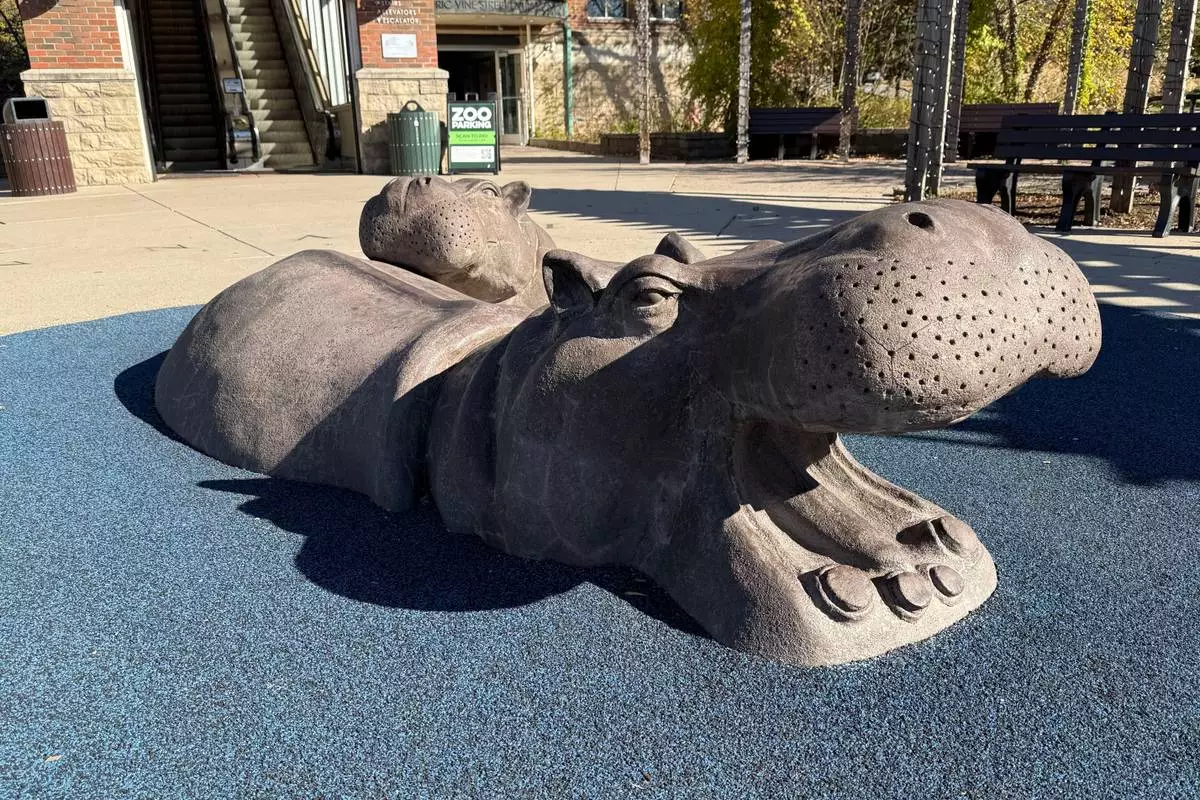
Statues representing hippos stand outside the Cincinnati Zoo on Thursday, Nov. 19, 2026, in Cincinnati. (AP Photo/Patrick Aftoora-Orsagos) Photo taken with a mobile phone.

Statues representing hippos stand outside the Cincinnati Zoo on Thursday, Nov. 19, 2026, in Cincinnati. (AP Photo/Patrick Aftoora-Orsagos) Photo taken with a mobile phone.

A statue dedicated to Fiona the hippo sits outside the Cincinnati Zoo on Thursday, Nov. 19, 2026, in Cincinnati. (AP Photo/Patrick Aftoora-Orsagos) Photo taken with a mobile phone.

A statue dedicated to Fiona the hippo sits outside the Cincinnati Zoo on Thursday, Nov. 19, 2026, in Cincinnati. (AP Photo/Patrick Aftoora-Orsagos) Photo taken with a mobile phone.

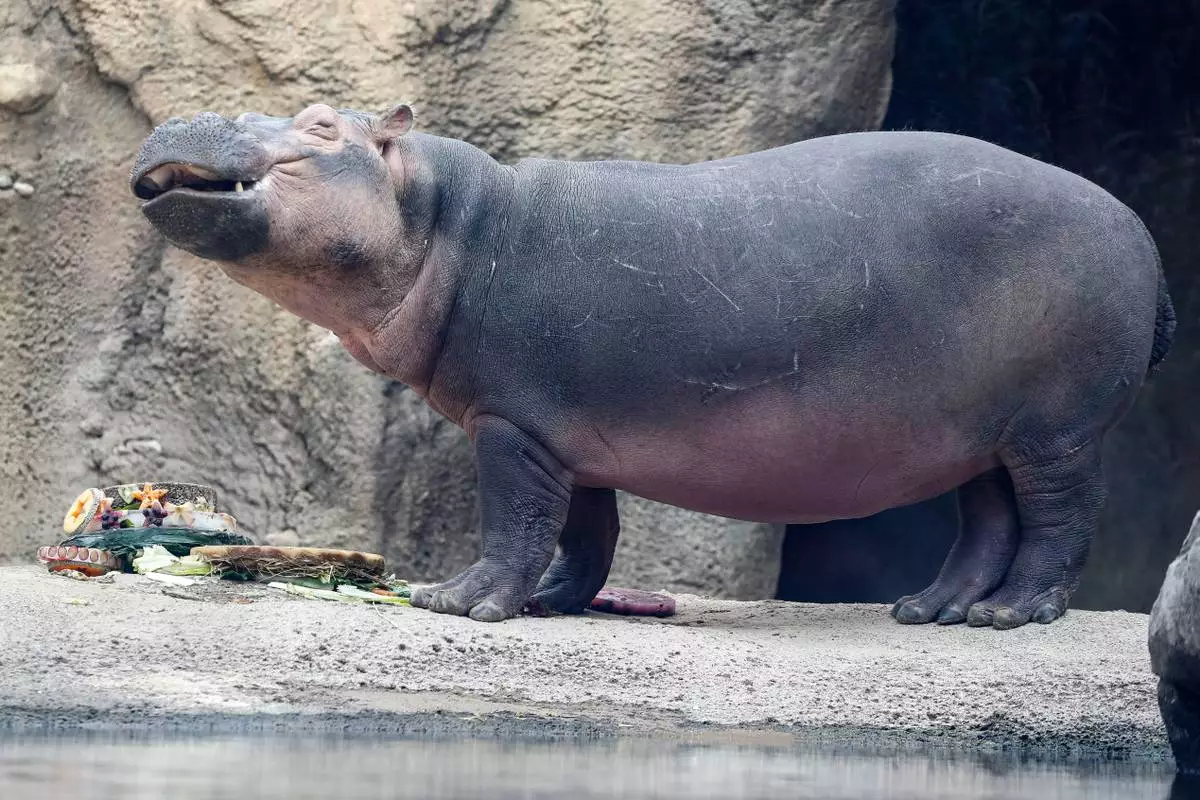
FILE - Fiona, a Nile Hippopotamus, eats her specialty birthday cake to celebrate turning three-years old this Friday, in her enclosure at the Cincinnati Zoo & Botanical Garden, Thursday, Jan. 23, 2020, in Cincinnati. (AP Photo/John Minchillo, File)

FILE - Fiona, a Nile Hippopotamus, eats her specialty birthday cake to celebrate turning three-years old this Friday, in her enclosure at the Cincinnati Zoo & Botanical Garden, Thursday, Jan. 23, 2020, in Cincinnati. (AP Photo/John Minchillo, File)

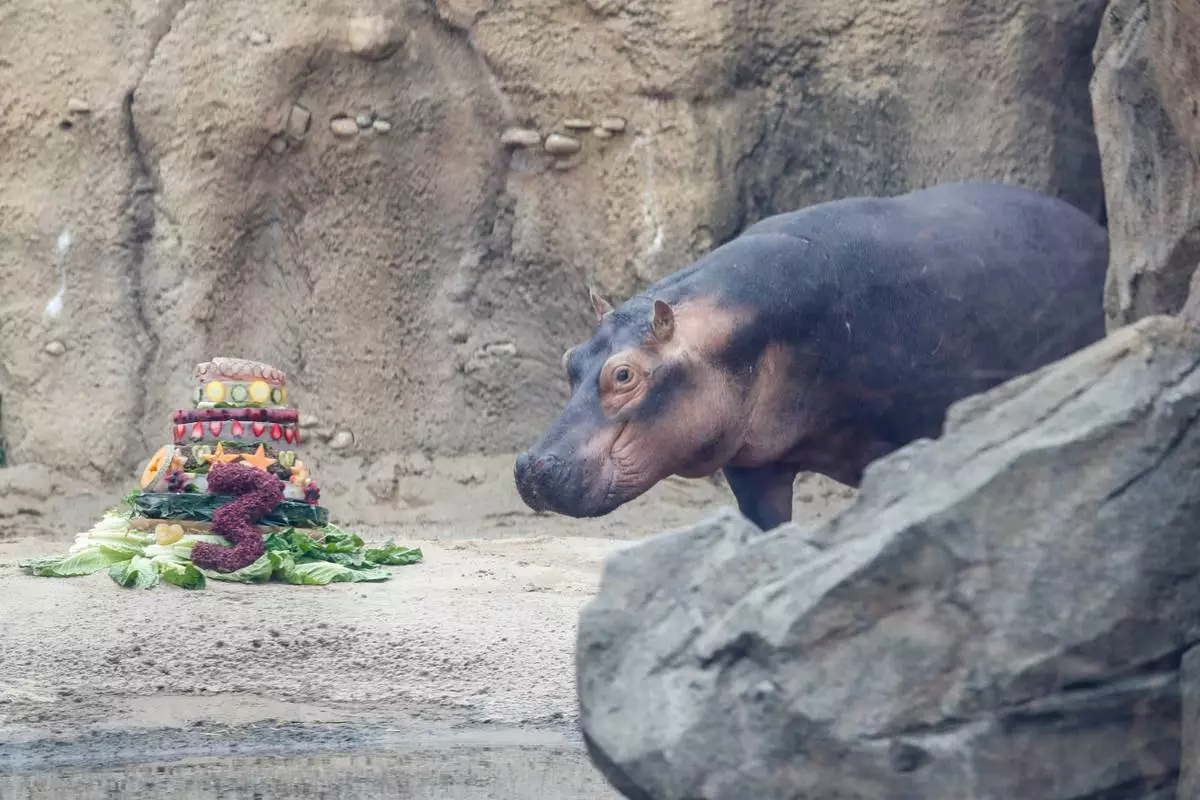
FILE - Fiona, a Nile Hippopotamus, prepares to eat her specialty birthday cake to celebrate turning three-years old this Friday, in her enclosure at the Cincinnati Zoo & Botanical Garden, Jan. 23, 2020, in Cincinnati. (AP Photo/John Minchillo, File)

FILE - Fiona, a Nile Hippopotamus, prepares to eat her specialty birthday cake to celebrate turning three-years old this Friday, in her enclosure at the Cincinnati Zoo & Botanical Garden, Jan. 23, 2020, in Cincinnati. (AP Photo/John Minchillo, File)

Recommended Articles