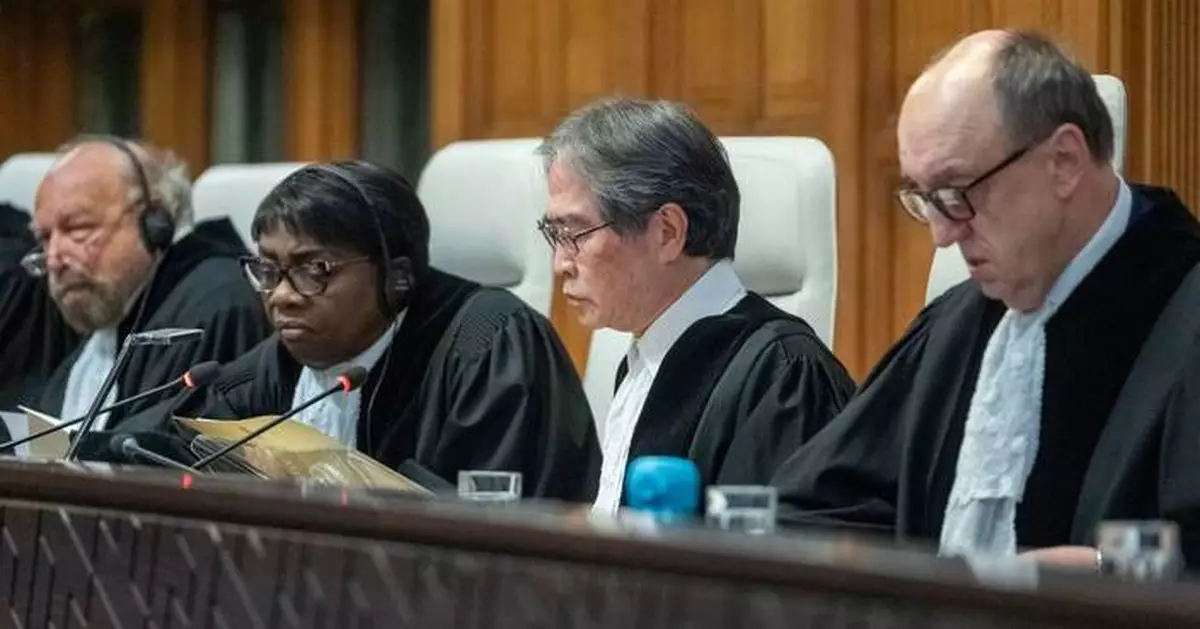
BANGKOK (AP) — Myanmar’s government on Friday dismissed a landmark judgment by the United Nations’ top court finding the country guilty of genocide against its Rohingya minority as “unfair,” while opponents called upon the international community to follow through to ensure justice is done.
Khine Khine Soe, spokeswoman for President Min Aung Hlaing, noted that judges had only voted nine-to-six on Thursday to find Myanmar committed genocide against the Muslim minority Rohingya in a brutal 2017 military operation.
Click to Gallery
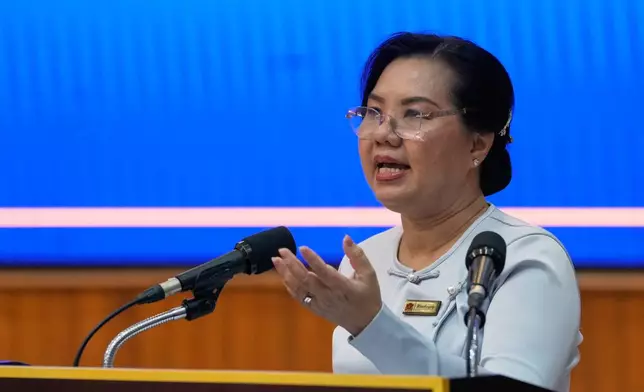
Myanmar's government spokesperson Khaing Khaing Soe talks to journalists during a press briefing at the presidential palace in Naypyitaw, Myanmar, Friday, Nov. 20, 2026. (AP Photo/Aung Shine Oo)
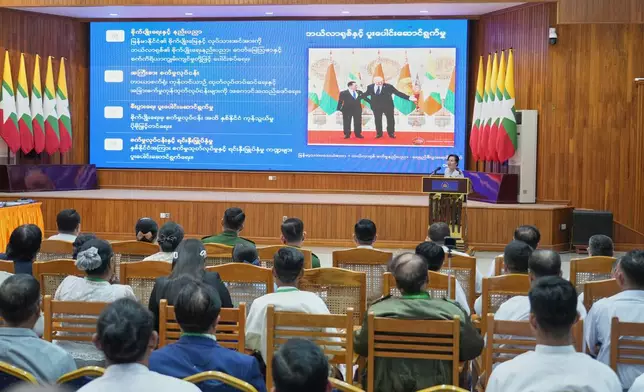
Myanmar's government spokesperson Khaing Khaing Soe, top right, speaks displaying a slide about President Min Aung Hlaing's visit to Belarus during a press briefing at the presidential palace in Naypyitaw, Myanmar, Friday, Nov. 20, 2026. (AP Photo/Aung Shine Oo)
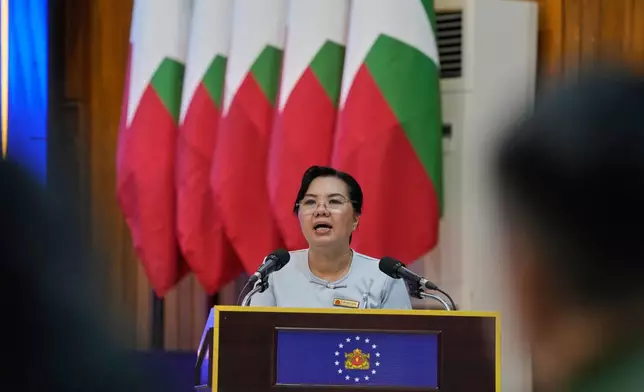
Myanmar's government spokesperson Khaing Khaing Soe talks to journalists during a press briefing at the presidential palace in Naypyitaw, Myanmar, Friday, Nov. 20, 2026. (AP Photo/Aung Shine Oo)
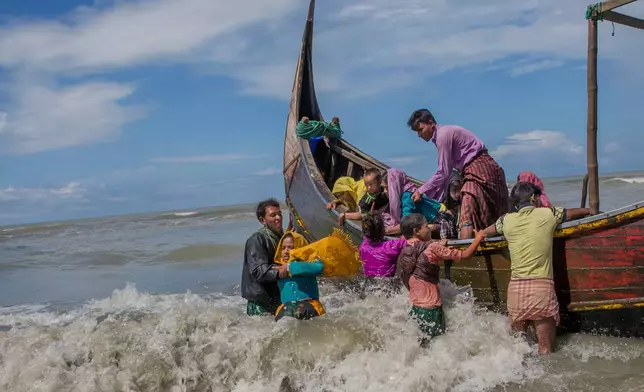
FILE- Rohingya Muslims arrive on a boat from Myanmar to Bangladesh in Shah Porir Dwip, Bangladesh, Sept. 1, 2017. (AP Photo/Dar Yasin, File)
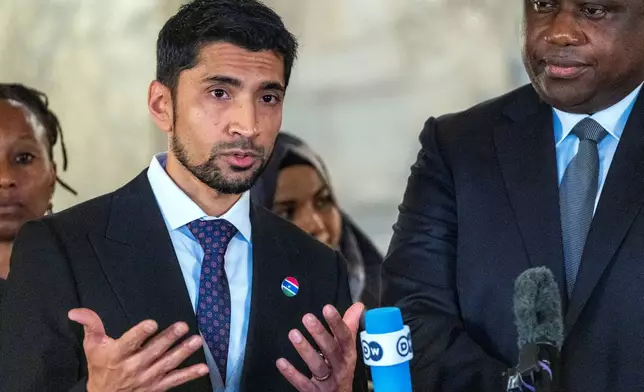
Gambia's lawyer Arsalan Suleman speaks to the press after the court ruled that Myanmar committed genocide against the Rohingya during the 2017 military operations, outside the International Court of Justice in The Hague, Netherlands, Thursday, Nov. 19, 2026. (AP Photo/Patrick Post)
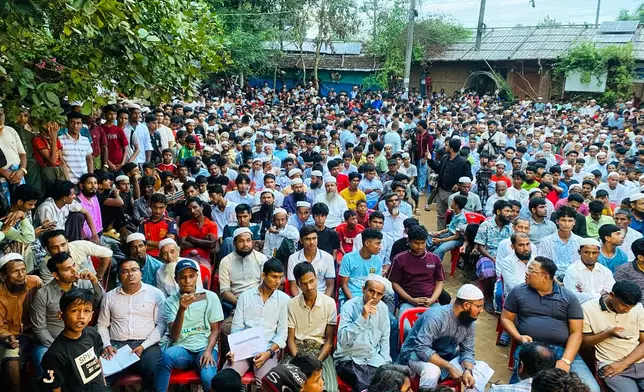
Rohingyas watch on a screen at their refugee camp in Cox's Bazar, Bangladesh, the news of the United Nations' top court ruling Thursday that Myanmar committed genocide against the Rohingya minority, Thursday, Nov. 19, 2026. (AP Photo/Shamimul Islam Faisal)
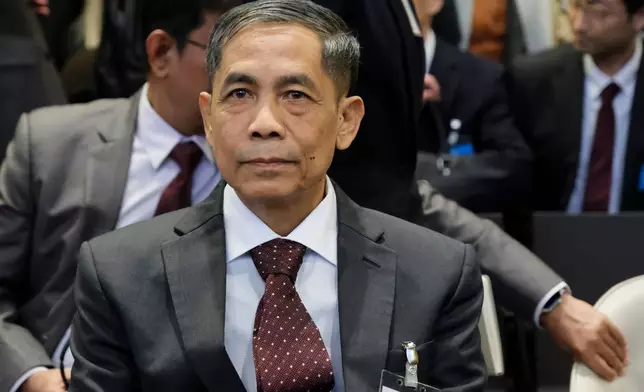
Myanmar's Union Minister for the Ministry of the President's Office Ko Ko Hlaing sits in the courtroom before a ruling on whether Myanmar committed genocide against the Rohingya during 2017 military operations, at the International Court of Justice in The Hague, Netherlands, Thursday, Nov. 19, 2026. (AP Photo/Patrick Post)
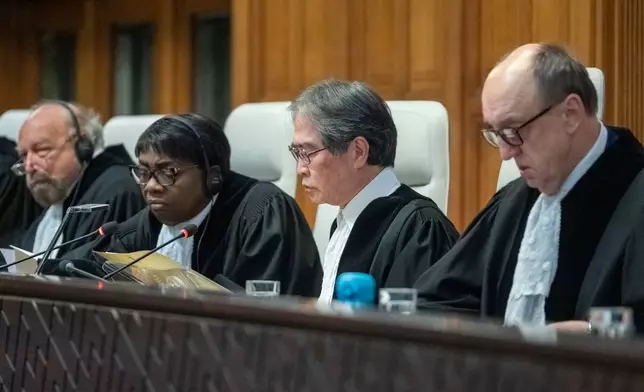
Judge Yuji Iwasawa, center, president of the International Court of Justice, prepares for the reading of a ruling on whether Myanmar committed genocide against the Rohingya during the 2017 military operations at the International Court of Justice in The Hague, Netherlands, Thursday, Nov. 19, 2026. (AP Photo/Patrick Post)
“Not all 15 judges agreed with the decision,” she told reporters in the capital Naypyitaw. “So it was not a decision made unanimously. I would say that it was unfair.”
The ruling by The Hague-based International Court of Justice, or ICJ, was the first time the court has ruled that a state committed genocide. Myanmar’s government has denied the allegation, claiming it acted against insurgents in the 2017 military operation in northern Rakhine state.
The case focused on the military's so-called “clearance operations” in Rakhine state in 2017 when the democratically-elected government of Aung San Suu Kyi was in power. Min Aung Hlaing, who was commander in chief at the time, seized power from Suu Kyi in 2021 and has since consolidated his control of the government, being elected president earlier this year in a vote critics said was neither free nor fair.
The country is now embroiled in a bloody civil war, with pro-democracy and other militias fighting against the military.
The militant Arakan Rohingya Salvation Army, or ARSA, whose attacks in 2017 against government outposts in Rakhine State were the trigger for the Myanmar military’s devastating crackdown, called the ruling an “important step towards justice" in a statement on Telegram.
The court said that evidence showed Myanmar forces killed about 10,000 Rohingya in the campaign in which the military was accused of committing mass rapes and killings, and razing thousands of homes.
About 1.2 million Rohingya refugees now live in Bangladesh, primarily in crowded camps across Cox’s Bazar district, where they endure harsh conditions marked by fire hazards, infectious diseases, monsoon landslides, inadequate sanitation and strict work restrictions.
Nay San Lwin, an activist with the Arakan Rohingya National Council, who now lives outside Myanmar, said this was just the “first victory on our path to our final one: returning to our homeland and living there in peace and dignity.”
“Without action and support from the international community, the court’s order will remain only a declaration,” he told The Associated Press. “Every country must help in whatever way it can.”
ARSA stressed that refugees have to be allowed to return home safely and that those responsible must face justice.
“We call upon the United Nations and the international community to ensure that Myanmar complies with the Court’s judgment and that justice is not left on paper,” the group said in a statement signed by “Ustad Khalid Junun,” described as its chief of general staff.
The Rohingya Solidarity Organization, or RSO, a rival militant group, issued a similar statement.
ARSA and the RSO have been marginalized since 2017, by suppression from Myanmar authorities and infighting. They are now involved in three-way fighting in Rakhine, where the Arakan Army, a Buddhist-dominated group seeking autonomy for the state, is battling the Myanmar military but has also been accused of targeting the Rohingya.
The Arakan Army did not respond to a request for comment on the court decision.
In its ruling, the court ordered Myanmar to commit to allowing Rohingya “safe, voluntary and dignified return to their place of residence.” It also ordered Myanmar to investigate, prosecute and punish people found to have committed genocidal acts and to pay compensation to Rohingya. The amount will be decided in later court proceedings.
Khine Khine Soe did not address those demands, but it was widely seen as unlikely that Myanmar would comply. She said Myanmar would reply once it reviewed the lengthy court documents.
"Since this is an international case, we will make our position known,” she said.
She also questioned the court's jurisdiction to impose conditions, and referenced a declaration on Thursday by U.S. President Donald Trump, Russian President Vladimir Putin and Chinese leader Xi Jinping at their historic trilateral meeting in China, in which they said “ the International Criminal Court and other similar bodies must not abuse their jurisdiction.”
“The main point is that the ICC and similar international institutions should not abuse their judicial authority,” Khine Khine Soe told reporters. “Given that three (of the) world’s leading nations have issued statements on this matter ... you can think about it for yourselves.”
China's Foreign Ministry spokesperson Guo Jiakun said Friday that while the country stood ready to “play a constructive role in advancing the repatriation of displaced people from Rakhine state, ”China has concerns over issues such as jurisdiction overreach and broad interpretations, and we believe such practices are not conducive to resolving disputes."
Myanmar’s shadow National Unity Government, the main organization coordinating opposition to military rule in Myanmar since the 2021 army takeover, welcomed the ICJ ruling, saying it respected the authority of the court and its judgment.
It also stressed that the pursuit of justice for the Rohingya must be accompanied by efforts to end the military’s ongoing violence against civilians across Myanmar.
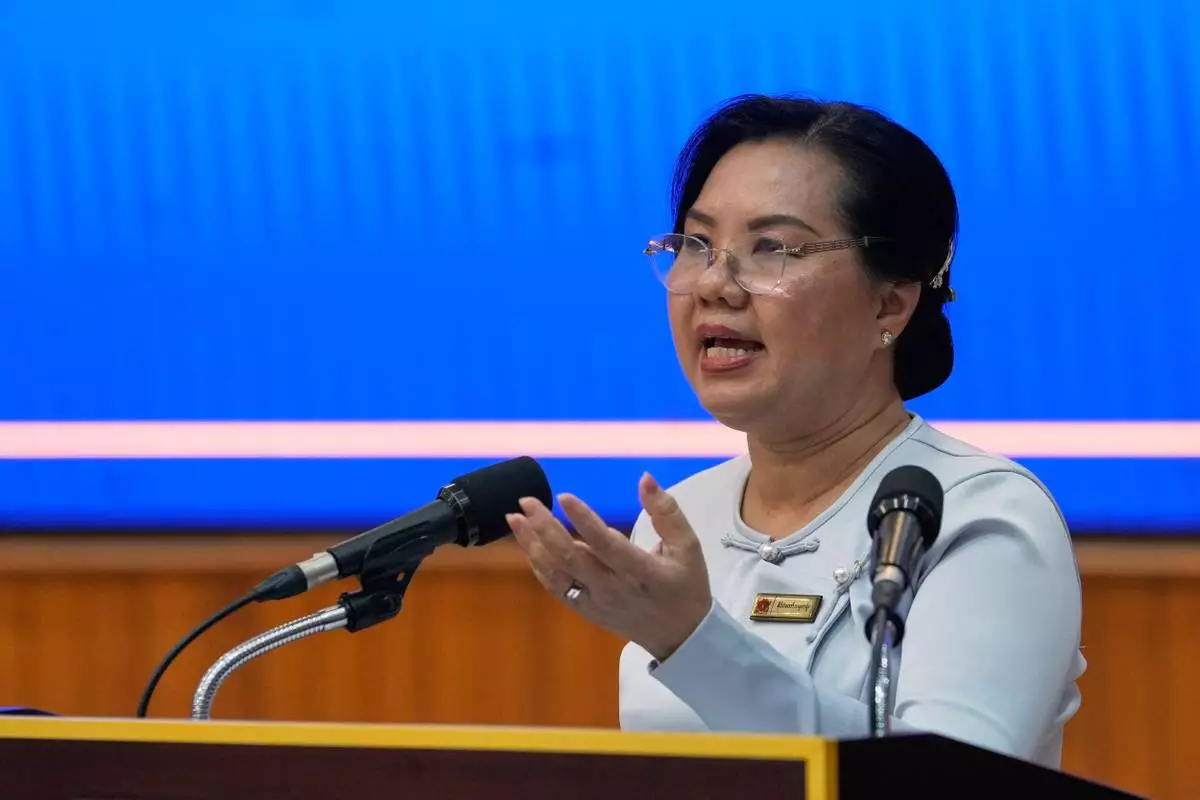
Myanmar's government spokesperson Khaing Khaing Soe talks to journalists during a press briefing at the presidential palace in Naypyitaw, Myanmar, Friday, Nov. 20, 2026. (AP Photo/Aung Shine Oo)
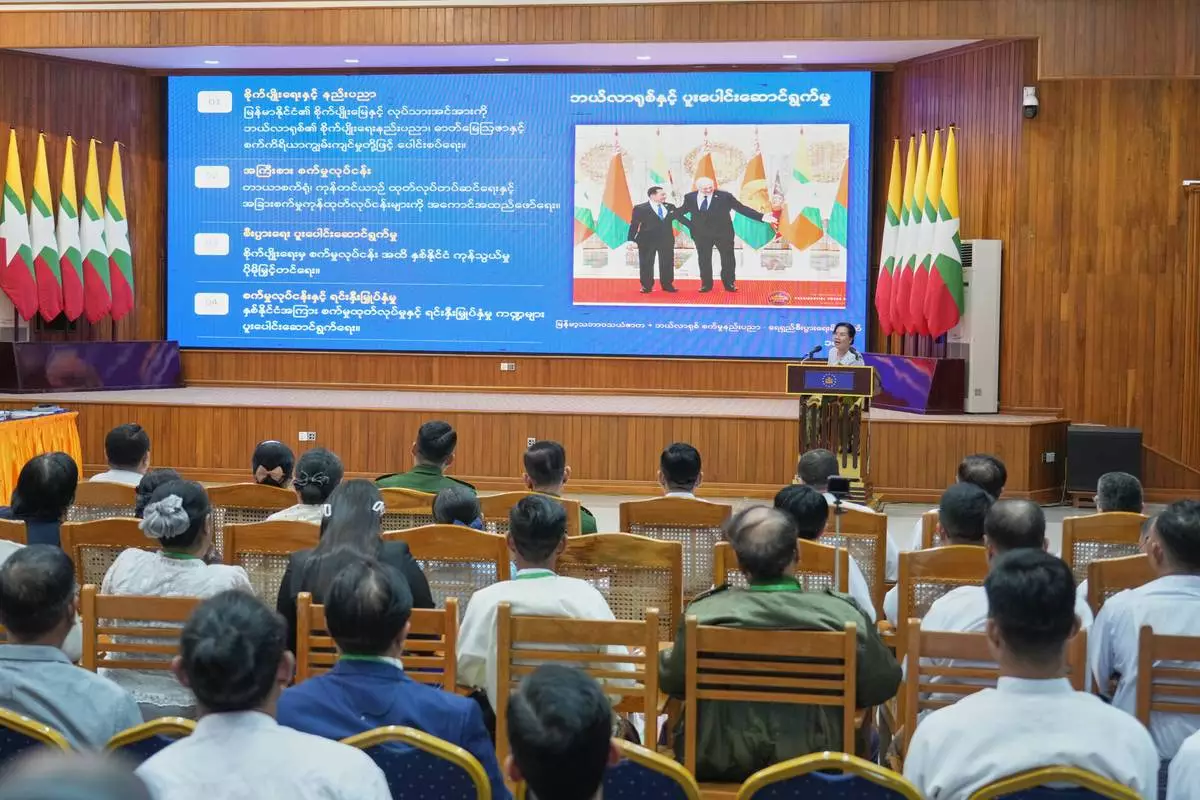
Myanmar's government spokesperson Khaing Khaing Soe, top right, speaks displaying a slide about President Min Aung Hlaing's visit to Belarus during a press briefing at the presidential palace in Naypyitaw, Myanmar, Friday, Nov. 20, 2026. (AP Photo/Aung Shine Oo)
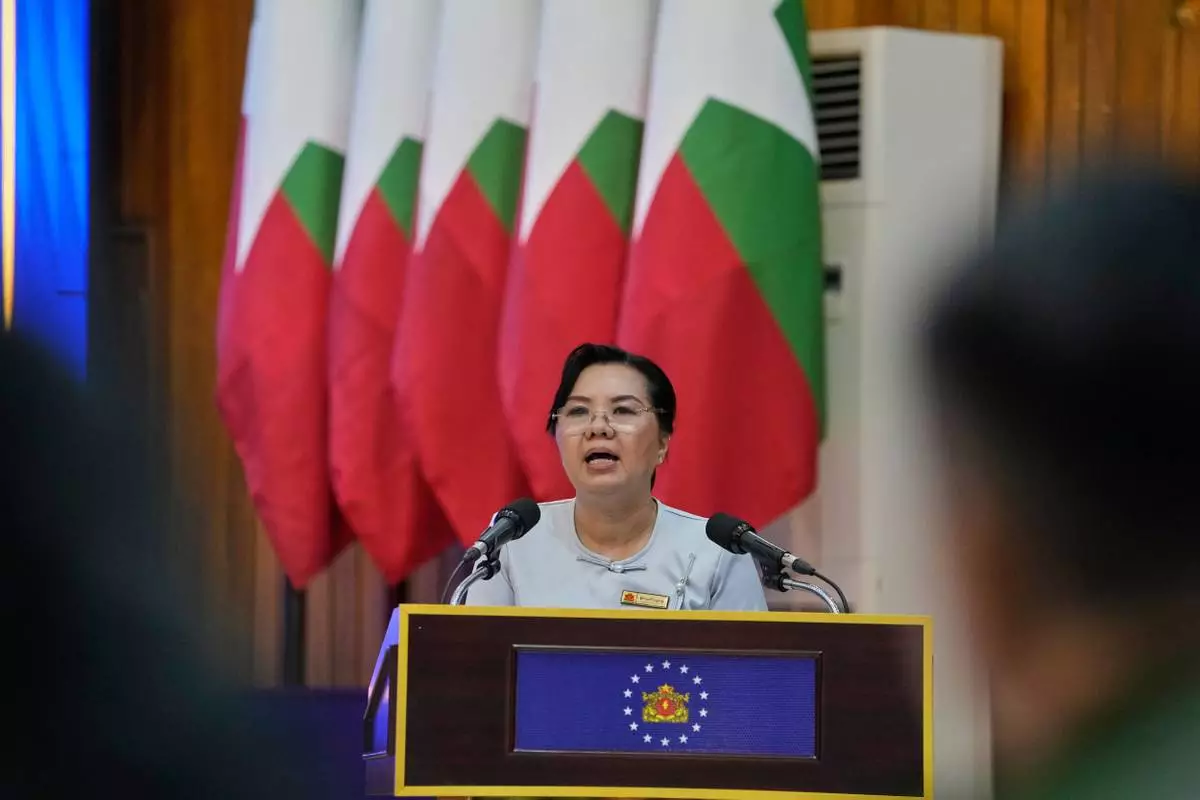
Myanmar's government spokesperson Khaing Khaing Soe talks to journalists during a press briefing at the presidential palace in Naypyitaw, Myanmar, Friday, Nov. 20, 2026. (AP Photo/Aung Shine Oo)
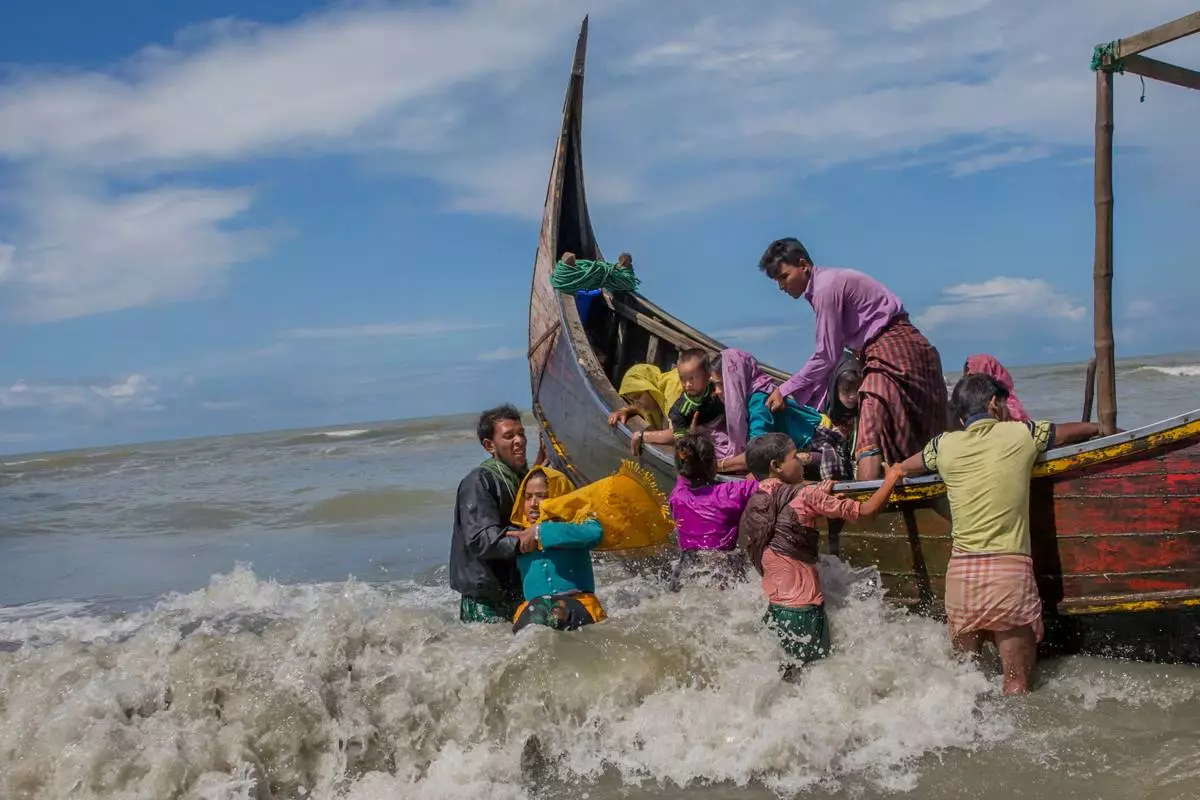
FILE- Rohingya Muslims arrive on a boat from Myanmar to Bangladesh in Shah Porir Dwip, Bangladesh, Sept. 1, 2017. (AP Photo/Dar Yasin, File)
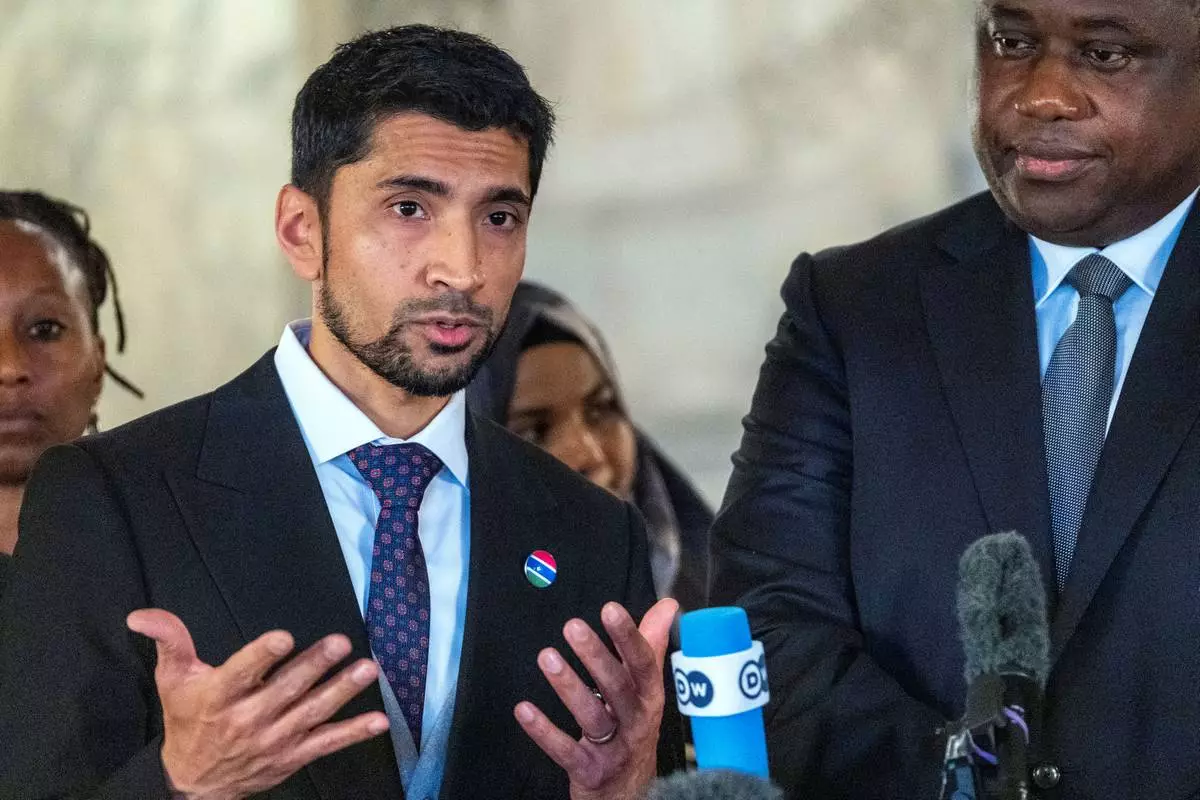
Gambia's lawyer Arsalan Suleman speaks to the press after the court ruled that Myanmar committed genocide against the Rohingya during the 2017 military operations, outside the International Court of Justice in The Hague, Netherlands, Thursday, Nov. 19, 2026. (AP Photo/Patrick Post)
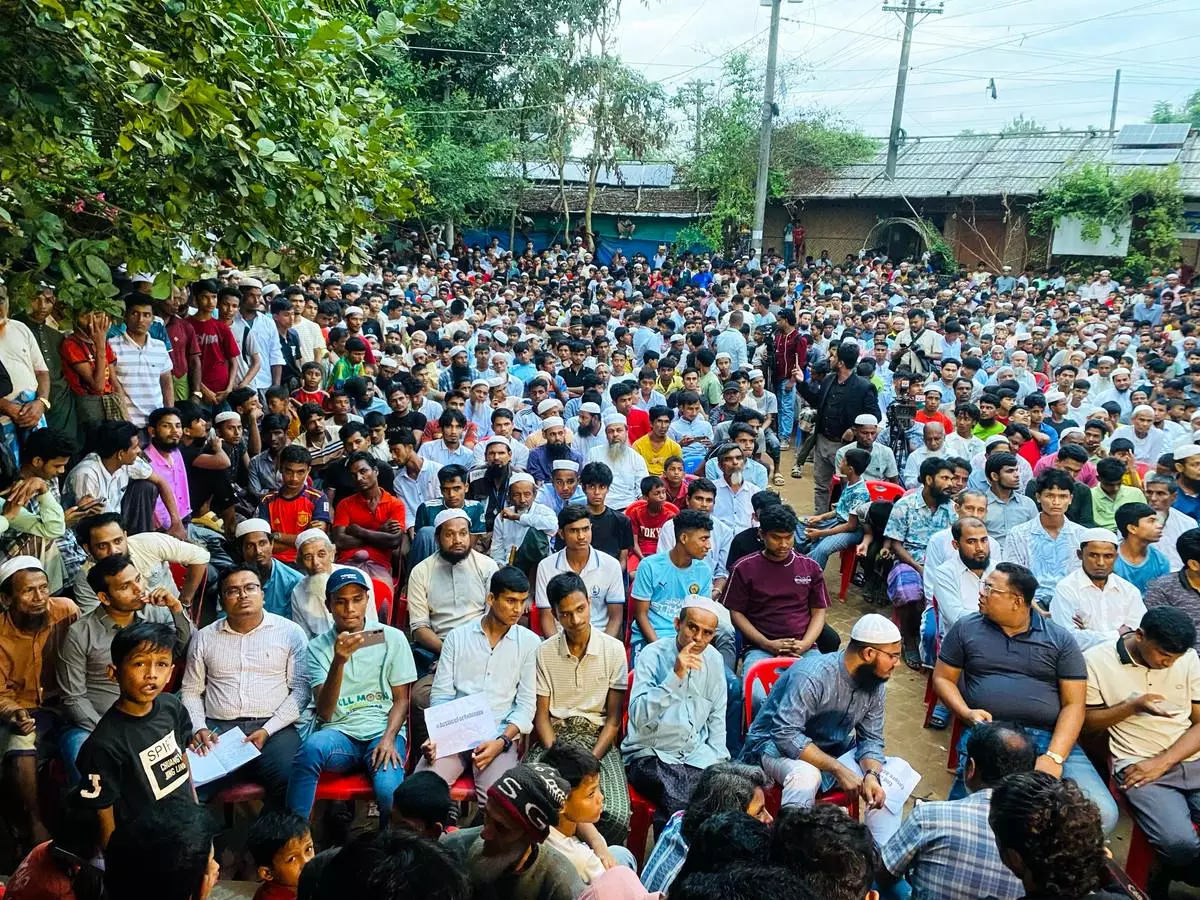
Rohingyas watch on a screen at their refugee camp in Cox's Bazar, Bangladesh, the news of the United Nations' top court ruling Thursday that Myanmar committed genocide against the Rohingya minority, Thursday, Nov. 19, 2026. (AP Photo/Shamimul Islam Faisal)
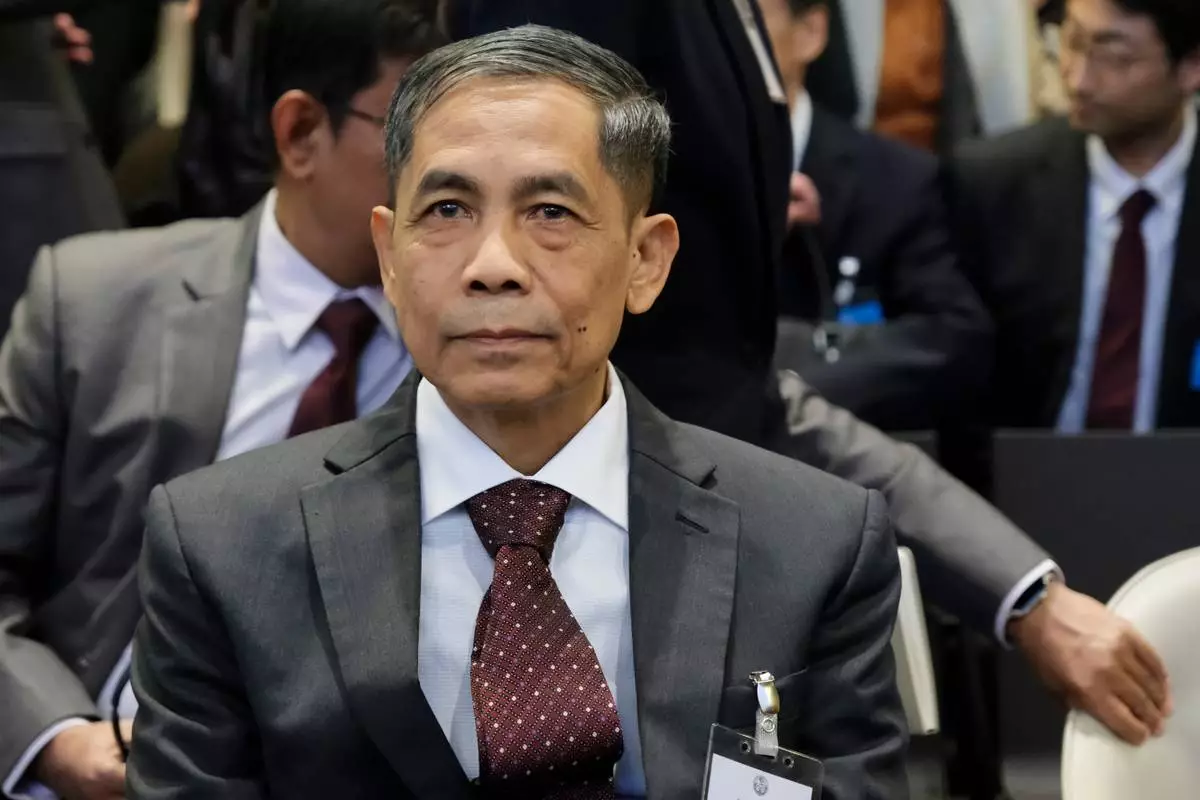
Myanmar's Union Minister for the Ministry of the President's Office Ko Ko Hlaing sits in the courtroom before a ruling on whether Myanmar committed genocide against the Rohingya during 2017 military operations, at the International Court of Justice in The Hague, Netherlands, Thursday, Nov. 19, 2026. (AP Photo/Patrick Post)
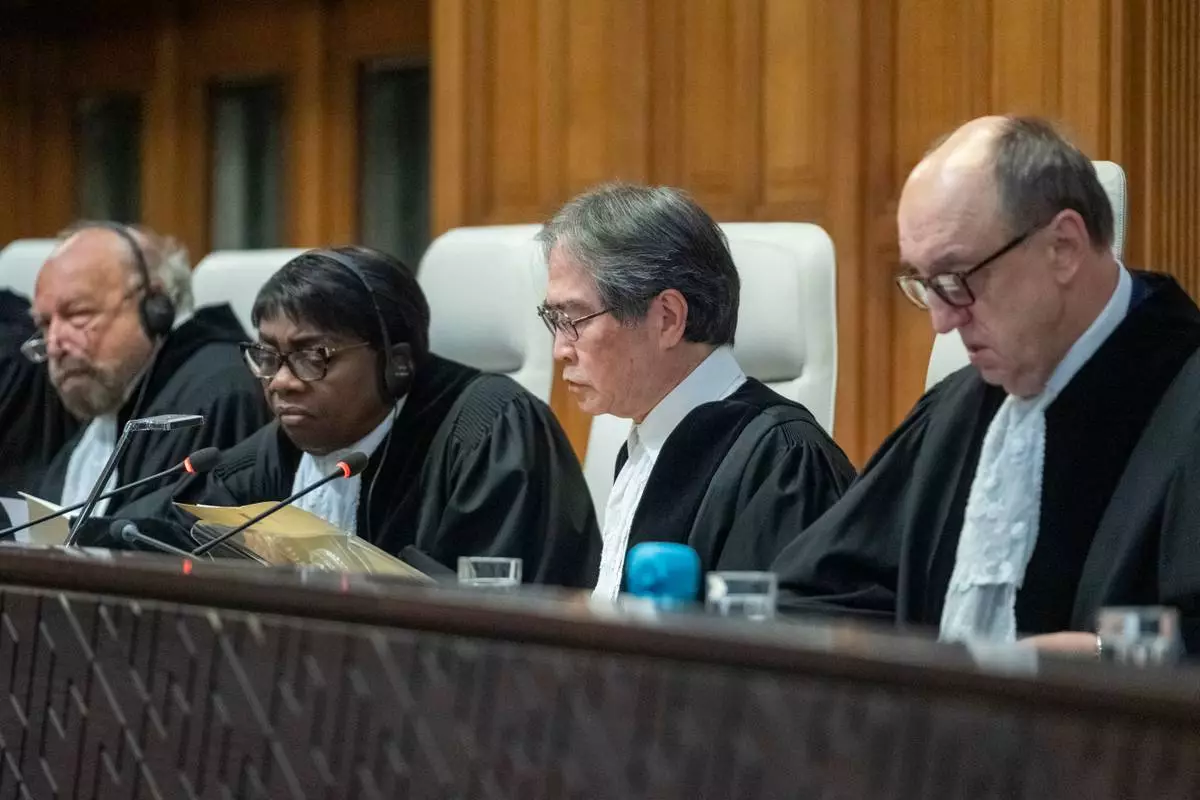
Judge Yuji Iwasawa, center, president of the International Court of Justice, prepares for the reading of a ruling on whether Myanmar committed genocide against the Rohingya during the 2017 military operations at the International Court of Justice in The Hague, Netherlands, Thursday, Nov. 19, 2026. (AP Photo/Patrick Post)