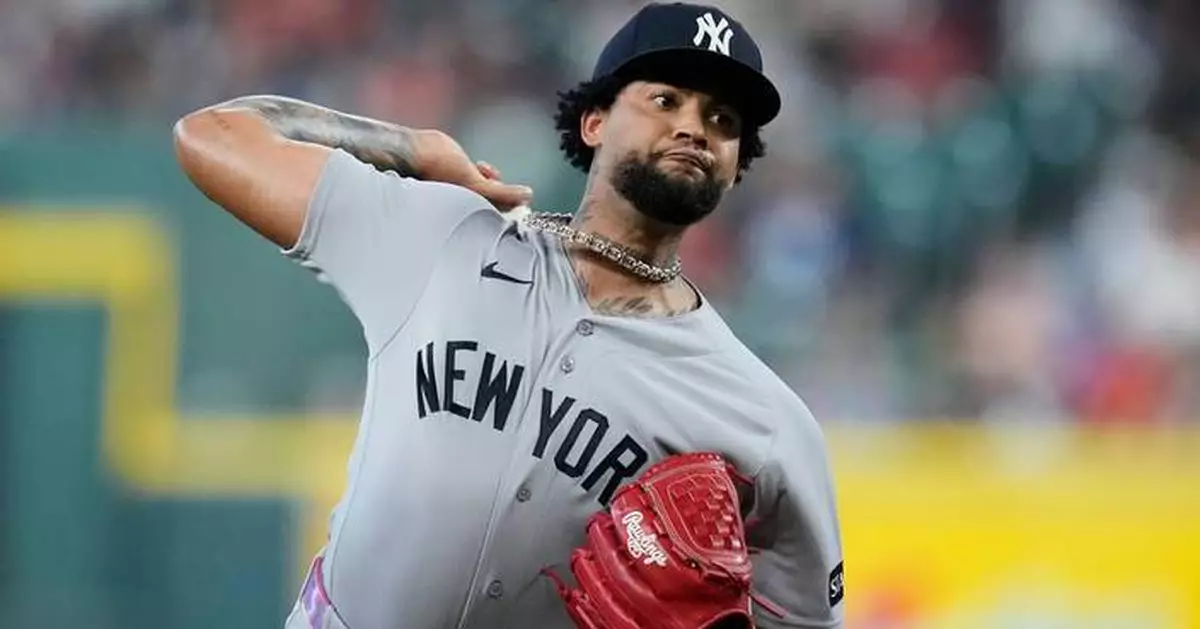
Former AL Rookie of the Year Luis Gil was cut loose by the New York Yankees, among 44 players who became free agents when their teams declined to offer 2027 contracts by Friday's tender deadline.
A 28-year-old right-hander, Gil was voted the American League’s top rookie in 2024 after going 15-7 with a 3.50 ERA in 29 starts. With a four-seam fastball that averaged 96.6 mph, he struck out 171 in 151 2/3 innings but walked a major league-high 77.
Sidelined by a lat strain for much of 2025, he went 4-1 with a 3.32 ERA in 11 starts. Gil spent much of 2026 in the minors and was sidelined by right shoulder inflammation, going 1-2 with a 4.61 ERA in four starts and five relief appearances for the Yankees.
He had a $2,162,500 salary this year and would have been eligible for arbitration.
New York also chose not to offer a contract to reliever Fernando Cruz. The 36-year-old right-hander didn't pitch after Aug. 25 because of a partially torn ulnar collateral ligament. He said he would try to return from the injury without surgery.
Cruz went 4-6 with a 3.13 ERA and two saves in 61 appearances last season. He struck out 67 batters and walked 32 in 54 2/3 innings.
Washington right-hander Josiah Gray, a 2023 All-Star, also was cut loose. Gray, who turns 29 next month, was limited to two games in 2024 because of a torn ulnar collateral ligament, then was limited to three September appearances this year because of a right flexor strain. He had been designated for assignment on Tuesday.
Others non-tendered included St. Louis infielder Nolan Gorman, Cleveland outfielder/infielder/catcher David Fry, Minnesota outfielder Trevor Larnach and right-hander Bailey Ober, Seattle outfielder Luke Raley, Toronto outfielder Davis Schneider, San Diego left-hander JP Sears, Los Angeles Dodgers right-hander Jake Cousins, Tampa Bay right-hander Cole Sulser and Philadelphia outfielder Bryan De La Cruz.
All those players would have been eligible for arbitration had they been offered contracts but instead joined a market that included 183 players who became free agents after the World Series.
Among players facing the tender deadline, first baseman/outfielder Gavin Sheets agreed to an $11 million, three-year contract with San Diego that allows him to earn $1.5 million annually in performance bonuses for plate appearances. The 2028 and 2029 seasons are $4 million player options that give him the right to terminate the deal and become a free agent.
Thirty-six players agreed to one-year contracts:
— Baltimore right-hander Felix Bautista ($2.3 million).
— Boston second baseman Romy Gonzalez ($1.65 million plus $25,000 performance bonuses each for 300 and 350 plate appearances), infielder Andrew Monasterio ($1.4 million), outfielder Eli White ($1,325,000 plus $25,000 performance bonuses each for 200, 250 and 300 plate appearances) and second baseman Jahmai Jones (the higher of $950,000 or the 2027 minimum plus $150,000).
— Chicago White Sox catcher Joey Bart ($2.53 million).
— Cleveland right-handers Colin Holderman ($2,175,000) and Matt Festa ($1.5 million), and outfielder Blake Perkins (non-guaranteed at the higher of $950,000 or the 2027 minimum plus $150,000, with a $500,000 salary while in the minor leagues).
— Houston shortstop Nick Allen ($1.95 million) and left-hander Bennett Sousa ($1.26 million plus $20,000 performance bonuses each for 30 and 40 innings).
— Kansas City right-hander Randy Dobnak ($1.35 million).
— Angels outfielders Jose Siri ($2.5 million) and Alex Call ($2,175,000), left-hander Taylor Saucedo ($1.3 million) and right-hander Sam Bachman (the higher of $1.05 million or the 2027 minimum plus $140,000).
— Miami left-hander Andrew Nardi (the higher of $900,000 or the 2027 minimum plus $100,000).
— Milwaukee infielder Joey Ortiz ($2,525,000), left-handers Angel Zerpa ($1,195,000) and DL Hall (the higher of $1,037,500 or the 2027 minimum plus $237,500) and right-handers Ryan Walker (the higher of $1.1 million or the 2027 minimum plus $330,000) and Grant Anderson (the higher of $925,000 or the 2027 minimum plus $125,000).
— Minnesota right-handers Cole Sands ($1.19 million) and Tommy Nance ($925,000).
— Mets left-hander Cionel Pérez ($1.95 million) and right-hander Austin Warren ($900,000).
— Philadelphia outfielder Derek Hill ($1.4 million), left-hander Tanner Banks ($1.3 million), catcher Rafael Marchán ($900,000) and right-hander Jordan Leasure ($835,000).
— Pittsburgh outfielder Akil Baddoo ($1 million in major leagues, $488,557 in minors).
— San Diego right-handers Jhony Brito ($810,000 in major leagues, $300,000 in minors) and Bryan Hoeing ($807,000 in major leagues, $403,500 in minors).
— San Francisco right-hander Camilo Doval ($6.3 million).
— Texas catcher Logan O'Hoppe ($2.5 million).
See AP’s full MLB coverage here
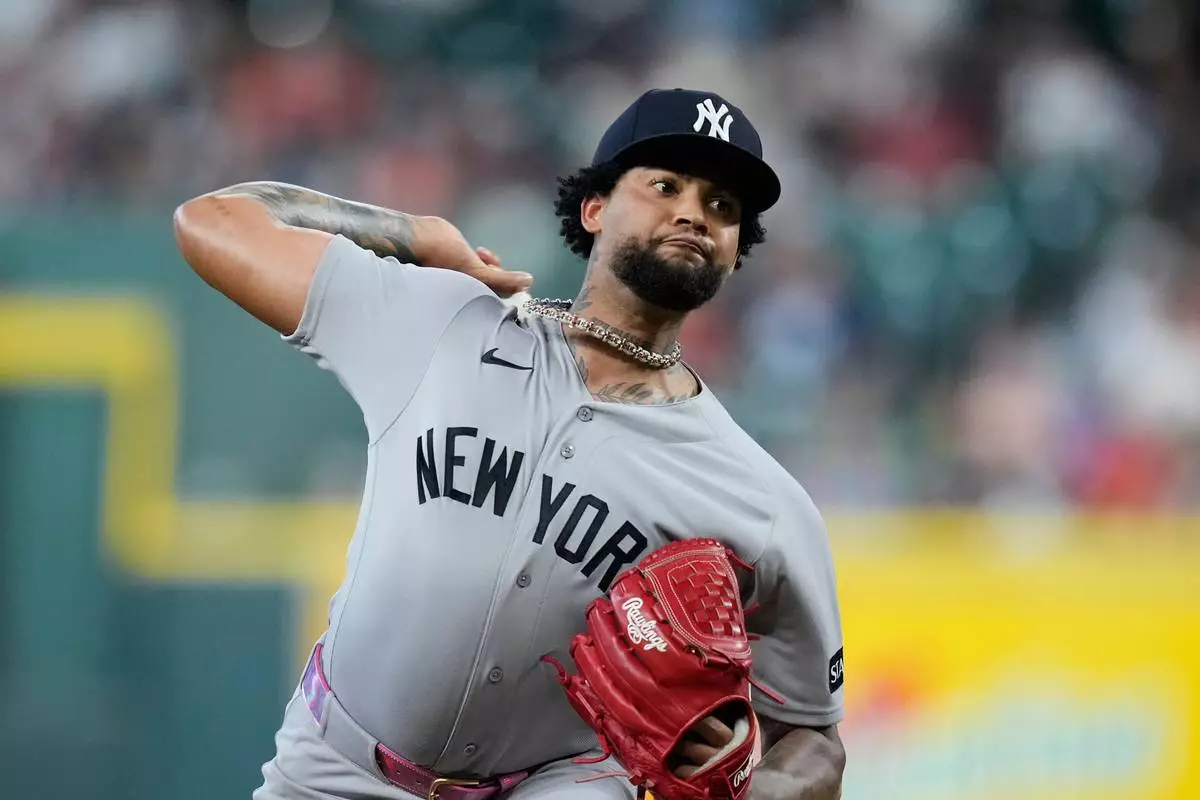
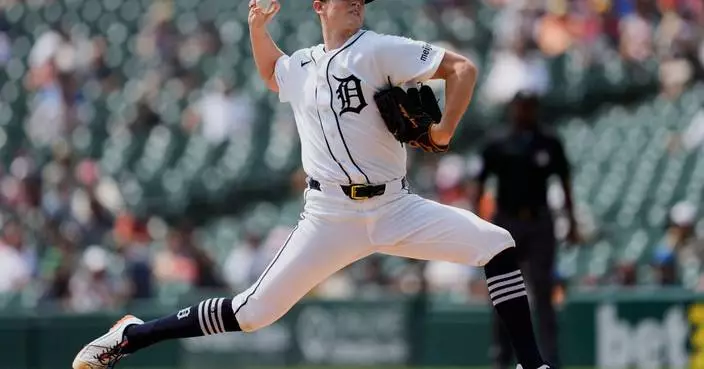
FILE - New York Yankees pitcher Luis Gil (81) delivers during the first inning of a baseball game against the Houston Astros, April 26, 2026, in Houston. (AP Photo/Kevin M. Cox, File)
LOS ANGELES (AP) — The man accused of sparking last year’s deadly Palisades Fire was found guilty of arson charges Friday after his first federal case earlier this year ended in a mistrial.
Jurors convicted Jonathan Rinderknecht, 30, of lighting a fire on Jan. 1, 2025, that burned undetected deep in root systems before flaring back up Jan. 7, becoming one of the most destructive wildfires in California history. The Palisades Fire killed 12 people as it incinerated entire neighborhoods in Los Angeles and Malibu.
Rinderknecht pleaded not guilty to federal charges of destruction of property by means of fire and arson. The scope of the first charge was narrowed to only include the Jan. 1 blaze, known as the Lachman Fire, and the second addresses the Palisades Fire. He was convicted on both charges.
With little apparent reaction, Rinderknecht gave his attorneys hugs before leaving the courtroom. The verdict was delivered on the third day of deliberation.
Bill Essayli, the top federal prosecutor in LA, said the verdict was a “testament of the hard work” his team put into the case. He said he was “intimately familiar” with the strength of the evidence and was happy with the jury that convicted Rinderknecht.
Rinderknecht’s attorney Steve Haney said in a statement they were disappointed in the verdict but respected the jury process.
“After a lengthy deliberation, they clearly gave this case a great deal of consideration,” Haney said. Regarding an appeal, he said they would review all the options at the right time.
Rinderknecht is set to be sentenced March 17, 2027. Each count carries a mandatory minimum of five years and a maximum of 20 years in federal prison.
Prosecutors continued to pursue the case after Rinderknecht’s first jury deadlocked 10 to 2 in favor of acquittal after a two-week trial in June. They dropped a third charge of timber set afire when they filed a new indictment for the retrial. Essayli said he believed the first jury acted improperly and appeared to consider things in their decision that weren’t presented as evidence during the trial.
Juror No. 3, who only wanted to be identified by his first name Cameron, said he was the only person who felt Rinderknecht was not guilty at the start of deliberations. Another person was undecided, and the rest of the 10 jurors believed Rinderknecht was guilty.
“It took a lot for me to be convinced otherwise,” he said. “After listening to every single point, I do now agree that he’s guilty.”
Cameron said he initially had concerns about a technical review conducted by a defense expert witness, who argued the government had gotten the origin area of the fire wrong. He said there was a “lack of information” presented to the jury about the technical review.
In the end, it was Rinderknecht’s own testimony that was the strongest piece of evidence pointing to a guilty verdict, he said.
“Stating that he was up on the hill, didn’t smell a fire, didn’t see fireworks … no one else was on the hill that night,” Cameron said.
During the second trial, prosecutors presented a more tightly organized case that presented digital forensic data, expert testimony and Rinderknecht’s state of mind in the hours leading up to the fire. They did not focus as much on his resentment toward the rich and powerful to present the crime as arson motivated by “societal revenge” like they previously did.
Prosecutors zeroed in on evidence placing him at the fire’s origin area, such as photographs that showed his car parked at the base of a trail leading up to where the fire started and cellphone tower data pointing to his movement on the hill. Fire detection camera images showed the time window the blaze ignited, and experts eliminated any other source of ignition that night, including fireworks.
They established that Rinderknecht was acting erratic and angry in the hours leading up to the fire through the testimony of Uber passengers and texts sent to his girlfriend at the time.
“He was mad at everything, and frustrated,” said Assistant U.S. Attorney Mark Williams.
After the fire began, Rinderknecht called 911 more than a dozen times as he walked down the hill. Prosecutors presented the video he screen-recorded on his phone while calling. As he was calling, he asked ChatGPT: “Are you at fault if a fire is lit because of your cigarettes?”
These were part of an alibi Rinderknecht was trying to create for himself, prosecutors said.
They also presented extensive testimony on how fire investigators determined the Palisades Fire was a holdover fire from the initial blaze Rinderknecht sparked.
Haney cast doubt on the government’s case, saying the fire scene could have been compromised because the area was publicly accessible until the Palisades Fire started Jan. 7.
The defense called their own expert witnesses, including a retired fire investigator for the U.S. Forest Service who argued the fire origin area was different from what the government concluded.
Prosecutors attacked the fire investigator during cross examination and at one point accused him of perjury, alleging he did not disclose all records related to the case. The judge ultimately rejected prosecutors’ request to strike his testimony.
Haney argued the government could not conclusively say there was no one else by the fire ignition point that night because of missing cell data records, and pointed to a neighbor’s testimony that he saw a group of teenagers running away from the direction of the trailhead.
He told jurors to disregard any evidence related to Rinderknecht’s character, such as his angry text messages, because they were “evidence of the man, not evidence of the act.”
Finally, Haney presented an alternate explanation for what ignited the fire — fireworks. Multiple witnesses, including two neighbors and a local firefighter, all said they heard a loud bang or explosion from the direction of the hill the fire purportedly started on.
In the thousands of images of the evening collected from cameras in the area, none showed fireworks in the sky above the hill where the fire started, prosecutors said.
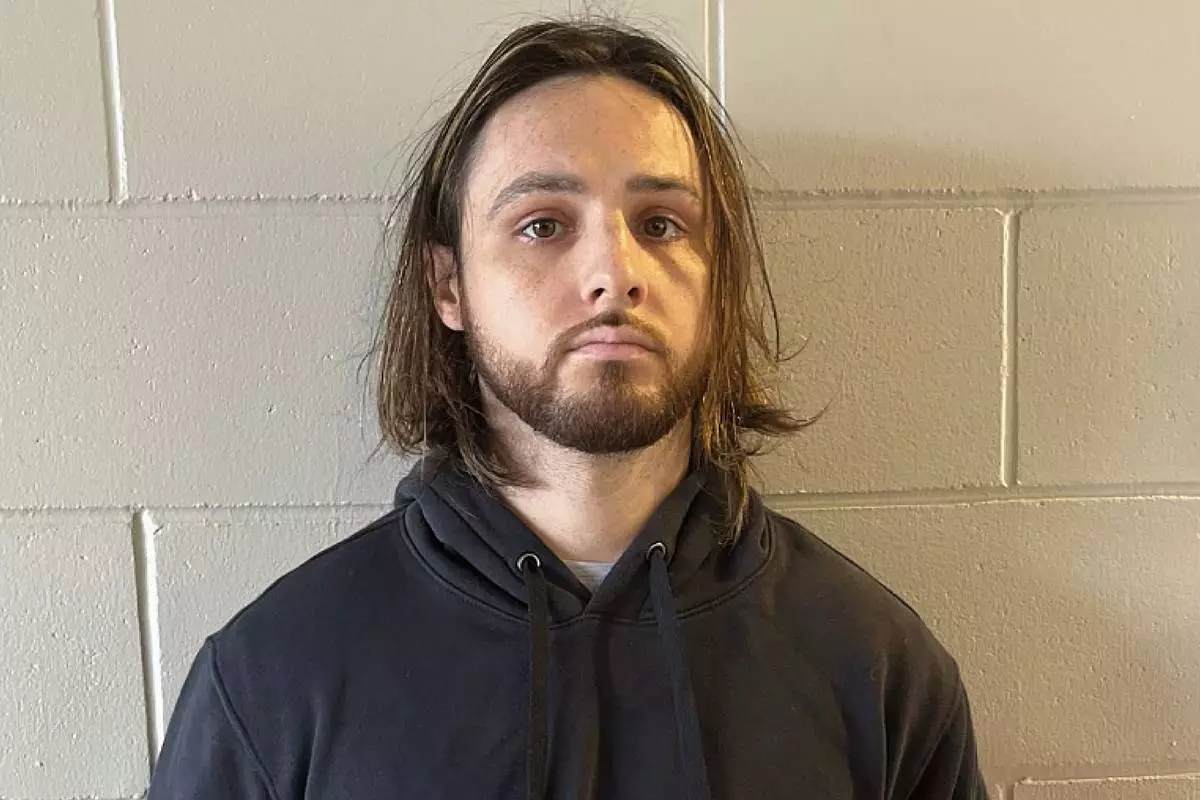
FILE - This undated photo provided by the U.S. Attorney's Office shows Jonathan Rinderknecht. (US Attorney's Office via AP, File)
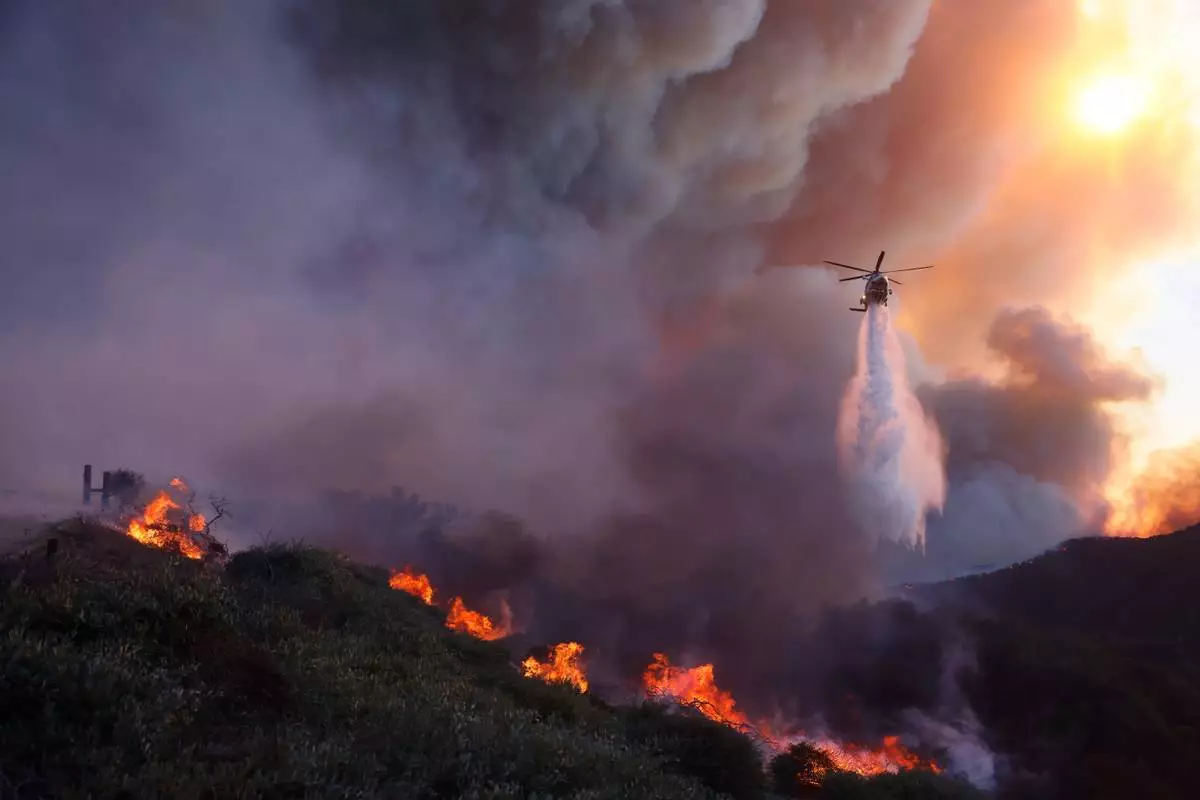
FILE - Water is dropped by helicopter on the advancing Palisades Fire in the Pacific Palisades neighborhood of Los Angeles, Jan. 7, 2025. (AP Photo/Etienne Laurent, File)