Tightened immigration policies and cuts to university funding in the United States have raised concerns about a "brain drain," as top scientists and researchers increasingly choose to work abroad and recent data show more international students are opting to study outside the U.S.
Chicago is home to some of the world's leading universities and colleges, but like other places in the country it has watched some of its brightest minds depart.
According to new data from the Institute of International Education, overseas-student enrollment in the U.S. was down 9 percent overall this fall compared to last year, with the number of graduate-level students dropping 15 percent.
The decline comes amid an immigration clampdown, greater hurdles for study visas and funding cuts in several areas of scientific research.
While the U.S. pulls back, other countries are moving in the opposite direction, launching programs aimed at recruiting American scientists and researchers.
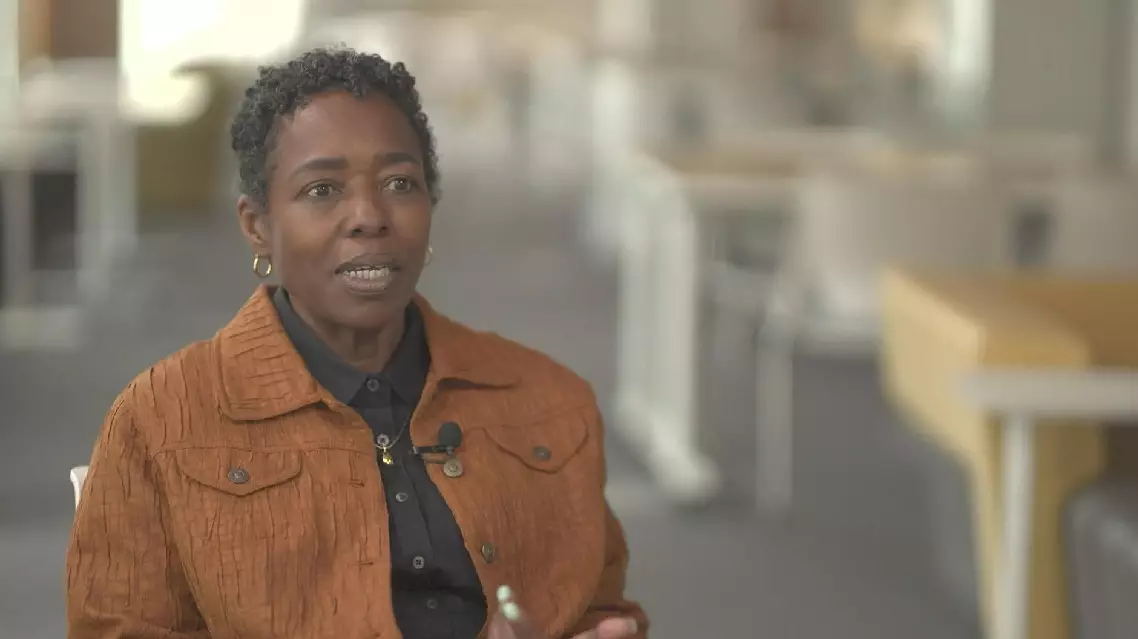
Yolanda Graham was among those to make the move from the U.S. to Canada. She's now an Associate Professor with the Department of Psychiatry at the University of Toronto.
"It was very clear that America was going in a direction that felt very unsafe for us. It was very important to us that we went to a place where I could continue to practice my craft, where I could continue to engage in research, where we felt safe," said Graham.
Canada has been among the most aggressive in courting American talent. Of the 64 professors the country brought in earlier this year to lead scientific research, 48 were from the U.S.
"We've always been a talent magnet for extraordinary talent from around the world. But certainly, we are seeing an uptick in our ability to recruit really great professors from the United States," said Joseph Wong, Vice-President, International of the University of Toronto.
The "blue wave" in the 2026 U.S. midterm elections gave the Democrats both chambers of Congress, opening the possibility that U.S. immigration policy will change. Whether an easing would be enough to reverse the exodus, though, is another matter.
"I do think that the midterm election sends a very good signal out into the world. Whether that will be enough to then encourage people to start moving back into the U.S., I think will then depend on more practical reasons, such as, will hiring recover at large scale, and then, will the immigration policies ease up as well? Because that's not a given," said Lisa Simon, chief economist at Revelio Labs, a company that tracks labor market trends.
Graham said she is more hopeful following the midterm elections, but is not yet ready to make the move back.
"Certainly, at this point, I can say I'm happy. My family's happy, and so we're not making any plans to move at this point," said Graham.
Tightened immigration policies, university funding cuts raise 'brain drain' concerns in US