MEXICO CITY (AP) — The United States flew a surveillance drone over Mexican territory to help the government track down and capture a top drug lord over the weekend in Sinaloa, Mexican security officials said Monday.
The recent detention of Fausto Isidro Meza Flores, known as “El Chapo Isidro” illustrates increasing law enforcement cooperation between the neighboring countries, but U.S. involvement in Mexican security operations has long been a touchy subject.
Click to Gallery
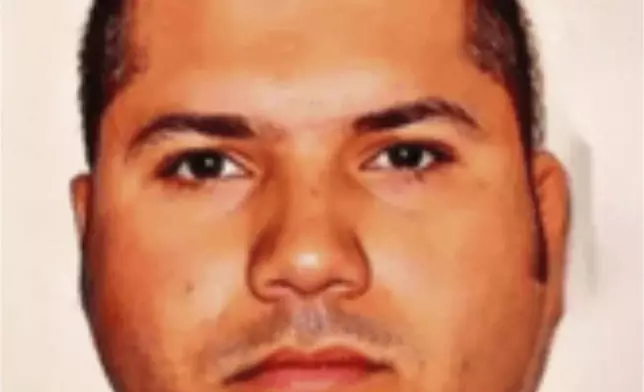
This undated image released by the U.S. Department of State shows Fausto Isidro Meza-Flores. (U.S. Department of State via AP)
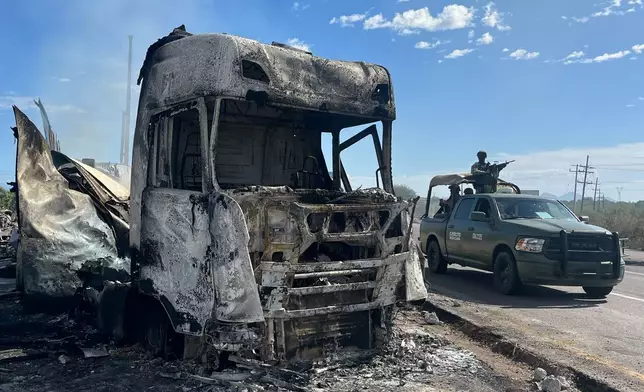
Soldiers drive past a burned out cargo truck on a highway between Guamuchil and Guasave in Sinaloa state, Mexico, Saturday, Nov. 21, 2026, following overnight violence after Mexican authorities captured cartel boss Fausto Isidro Meza Flores, better known as 'El Chapo Isidro', in Guasave. (AP Photo/Martin Urista) Photo taken with a smartphone.
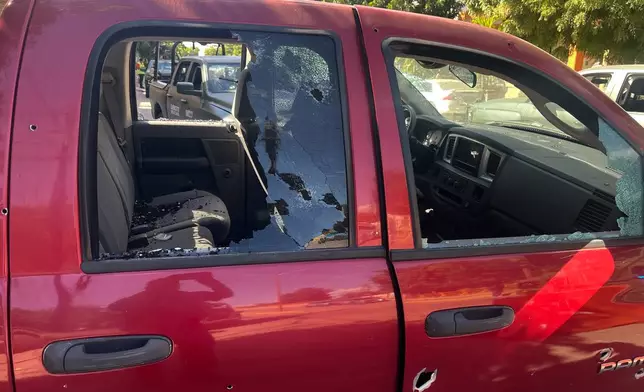
A pickup truck damaged by a firearm is seen in Guasave, Sinaloa state, Mexico, Saturday, Nov. 21, 2026, following overnight violence after Mexican authorities captured cartel boss Fausto Isidro Meza Flores, better known as 'El Chapo Isidro'. (AP Photo/Martin Urista) Photo taken with a smartphone.
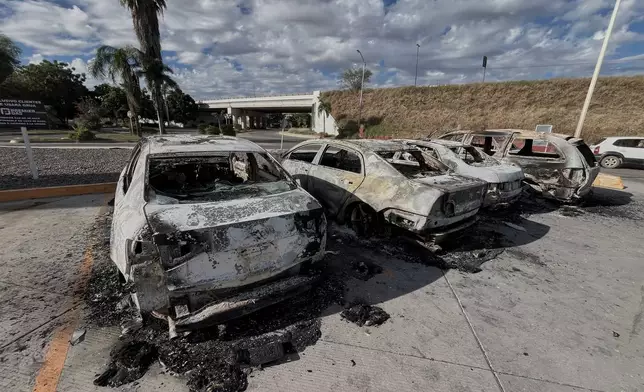
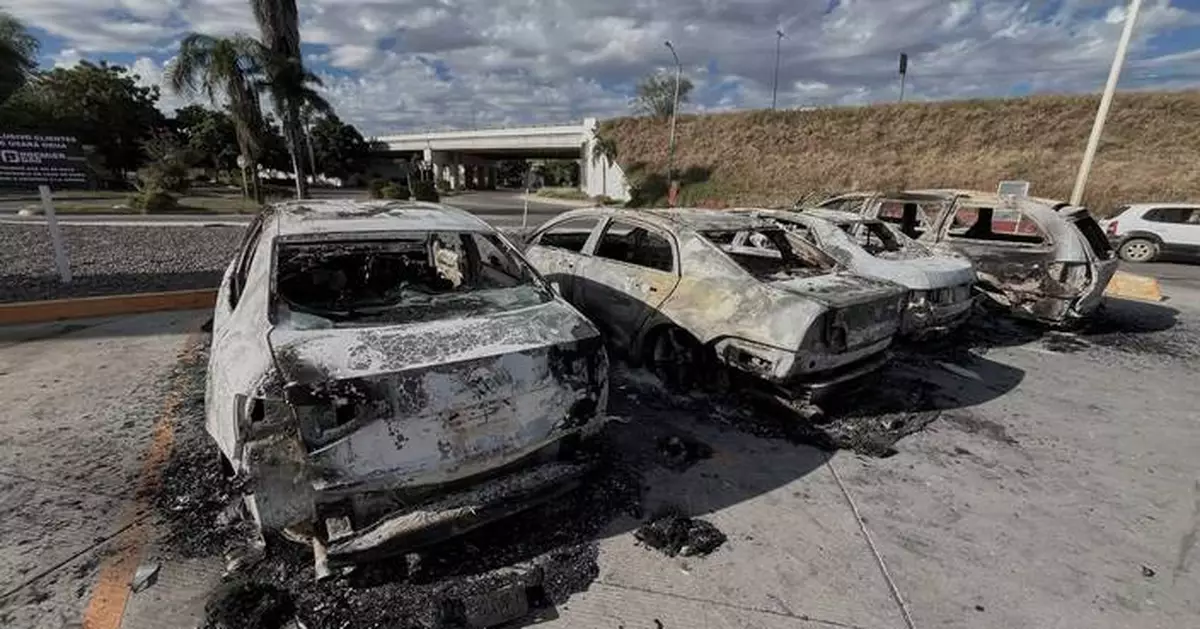
Burned cars sit in a gas station parking lot in Guasave, Sinaloa state, Mexico, Saturday, Nov. 21, 2026, following overnight violence after Mexican authorities captured cartel boss Fausto Isidro Meza Flores, better known as 'El Chapo Isidro'. (AP Photo/Martin Urista) Photo taken with a smartphone.
U.S. President Donald Trump has pressured Mexican President Claudia Sheinbaum to crack down on cartels, while Mexico has repeatedly underscored its sovereignty. On Monday, Sheinbaum emphasized that U.S. forces were not allowed to operate on the ground in Mexico and the governments were only sharing intelligence.
“This case in particular demonstrates the capacity of the armed forces” of Mexico to make major detentions, Sheinbaum said.
The U.S. has sought to line up allies across Latin America to allow them to operate in their territories, with mixed responses from across the region.
The weekend detention of the capo, who was one of the FBI's most wanted fugitives, triggered a burst of violence in the northern state of Sinaloa that left 20 people dead in the city of Guasave. Among them were four soldiers and 16 suspected criminals, Mexican officials said Monday.
Defense Secretary Gen. Ricardo Trevilla Trejo said Monday that the capture of Meza Flores and 16 members of his criminal group was the result of “very important intelligence sharing” with U.S. authorities over the past three months to pinpoint Meza Flores’ location in Guasave.
In the week leading up to Meza Flores’ capture, that included authorizing the U.S. to fly intelligence drones over Mexican territory, to assist Mexican law enforcement to later surround the capo and go in for the capture, Trevilla Trejo and other Mexican officials said. They emphasized that the intelligence mission was carried out in compliance with Mexican law.
Authorities also noted on Monday that the U.S. had an existing extradition request for Meza Flores for drug trafficking charges, leaving open the possibility that the cartel boss may be sent north to face justice.
His capture was celebrated by Mexican and U.S. law enforcement as a major blow to criminal groups in the region.
The U.S. government highlighted its intelligence support in the operation, but did not immediately provide more details about the use of the surveillance drone when asked on Monday.
Meza Flores led the Beltran Leyva organization and later became the leader of his own group, the Meza Flores Transnational Criminal Organization. He was also a key ally of a Sinaloa Cartel faction known as “Los Mayos," which is locked in a brutal territorial war against another cartel faction in the Mexican state.
The capture of Meza Flores was the latest in a string of targeted operations against cartel kingpins by Mexican authorities, the largest of which was the February killing of Jalisco New Generation Cartel leader Nemesio Oseguera Cervantes, known as " El Mencho."
While the captures show that the government is doubling down on its fight on crime, many experts were quick to emphasize that the strategy could backfire.
In previous anti-crime offensives in Mexico and other parts of Latin America, knocking out cartel leaders without debilitating the entire criminal structure around them has largely only fueled bloody power struggles between cartel factions. That has been the case in recent years in Sinaloa.
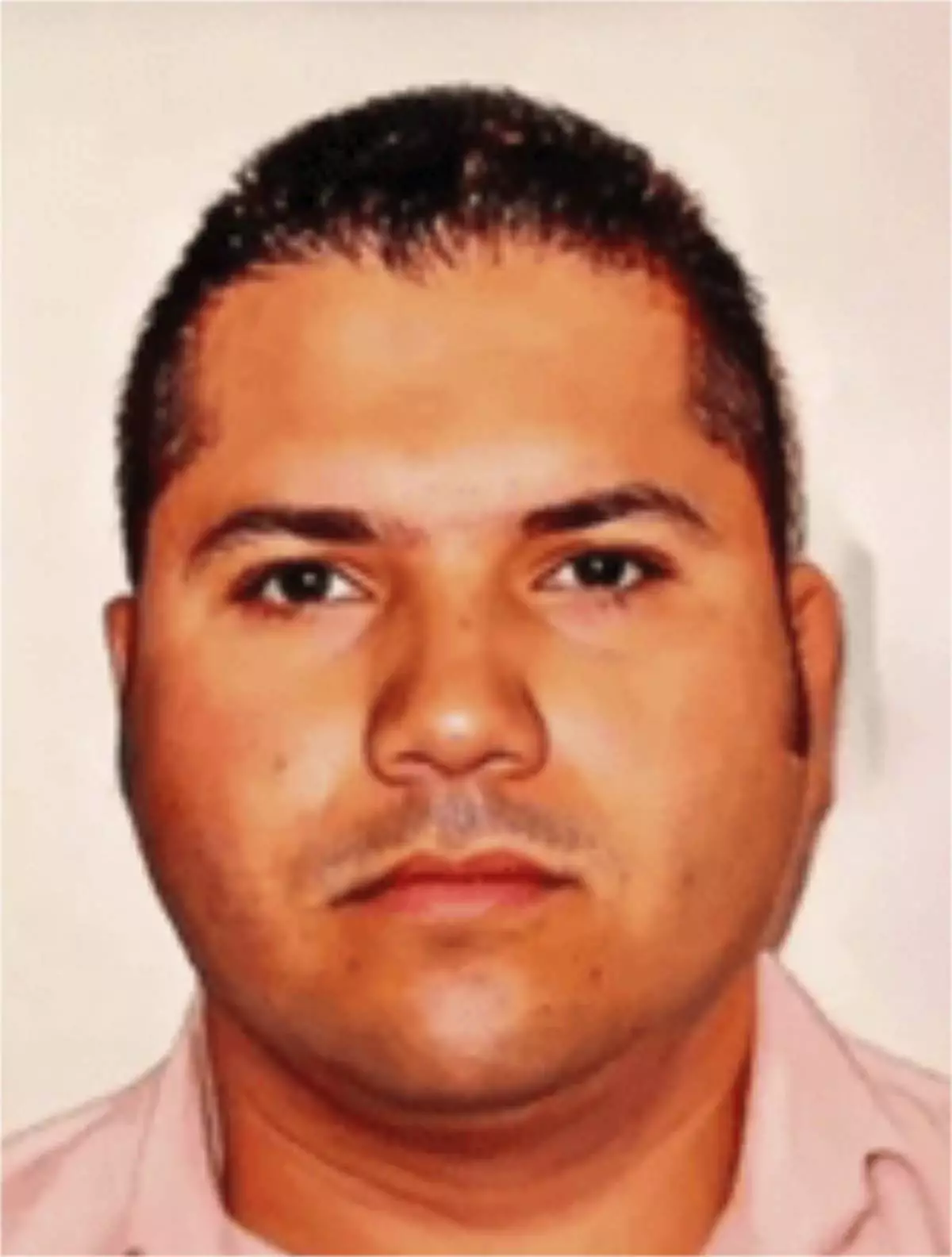
This undated image released by the U.S. Department of State shows Fausto Isidro Meza-Flores. (U.S. Department of State via AP)
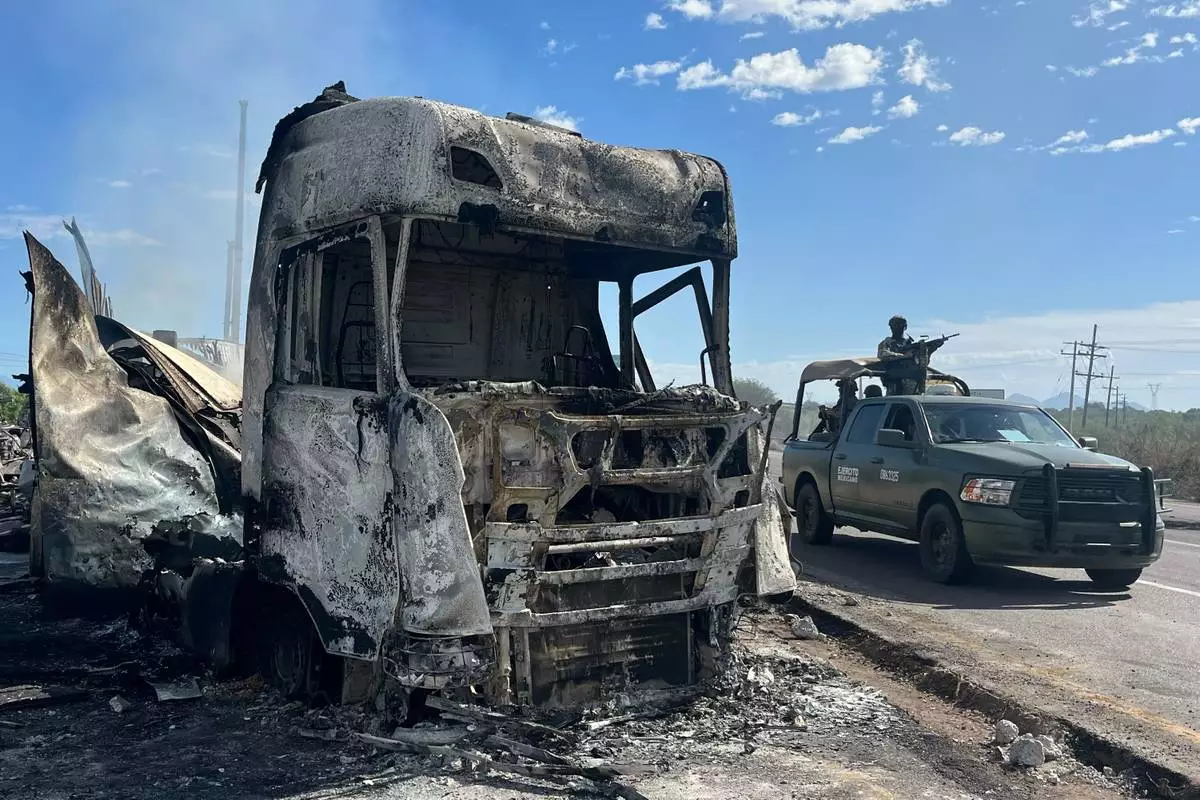
Soldiers drive past a burned out cargo truck on a highway between Guamuchil and Guasave in Sinaloa state, Mexico, Saturday, Nov. 21, 2026, following overnight violence after Mexican authorities captured cartel boss Fausto Isidro Meza Flores, better known as 'El Chapo Isidro', in Guasave. (AP Photo/Martin Urista) Photo taken with a smartphone.
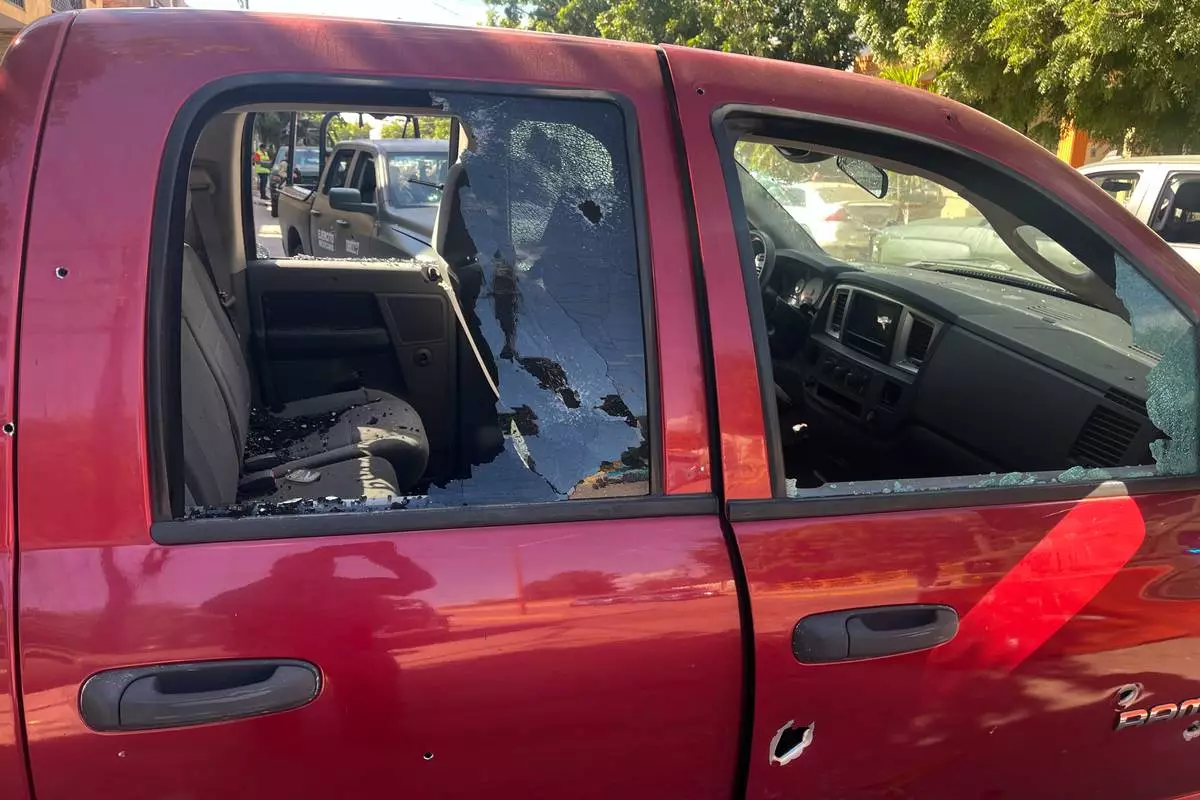
A pickup truck damaged by a firearm is seen in Guasave, Sinaloa state, Mexico, Saturday, Nov. 21, 2026, following overnight violence after Mexican authorities captured cartel boss Fausto Isidro Meza Flores, better known as 'El Chapo Isidro'. (AP Photo/Martin Urista) Photo taken with a smartphone.
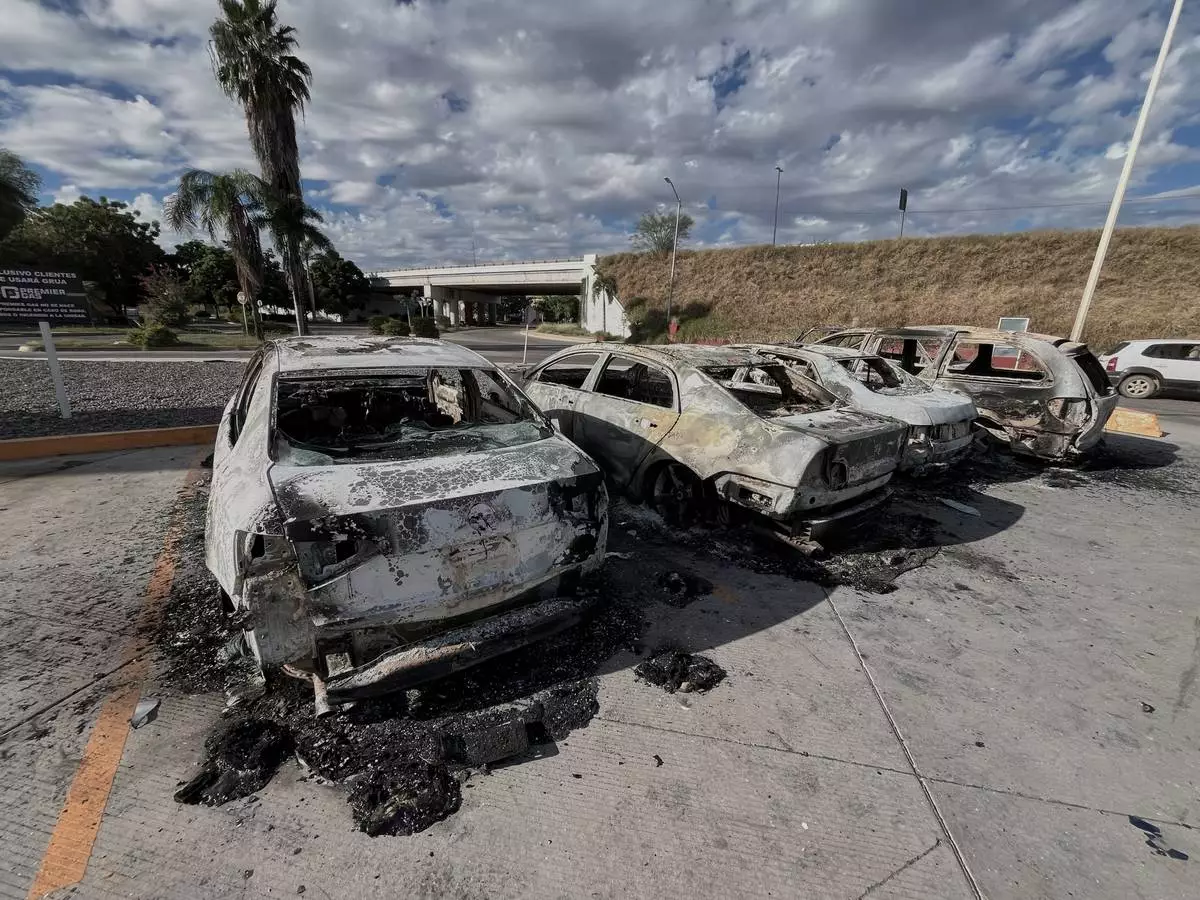
Burned cars sit in a gas station parking lot in Guasave, Sinaloa state, Mexico, Saturday, Nov. 21, 2026, following overnight violence after Mexican authorities captured cartel boss Fausto Isidro Meza Flores, better known as 'El Chapo Isidro'. (AP Photo/Martin Urista) Photo taken with a smartphone.