Chinese stock markets saw a sharp U-turn on Monday following the weekend announcement of new trading regulations, with artificial intelligence-related companies leading the broader rally after months of losses across the technology sector, according to Timothy Pope, a market analyst at China Global Television Network (CGTN).
Pope said the midday rebound followed a policy adjustment approved by the China Securities Regulatory Commission (CSRC), which lowered the minimum margin requirement for leveraged stock purchases from 100 percent to 80 percent.
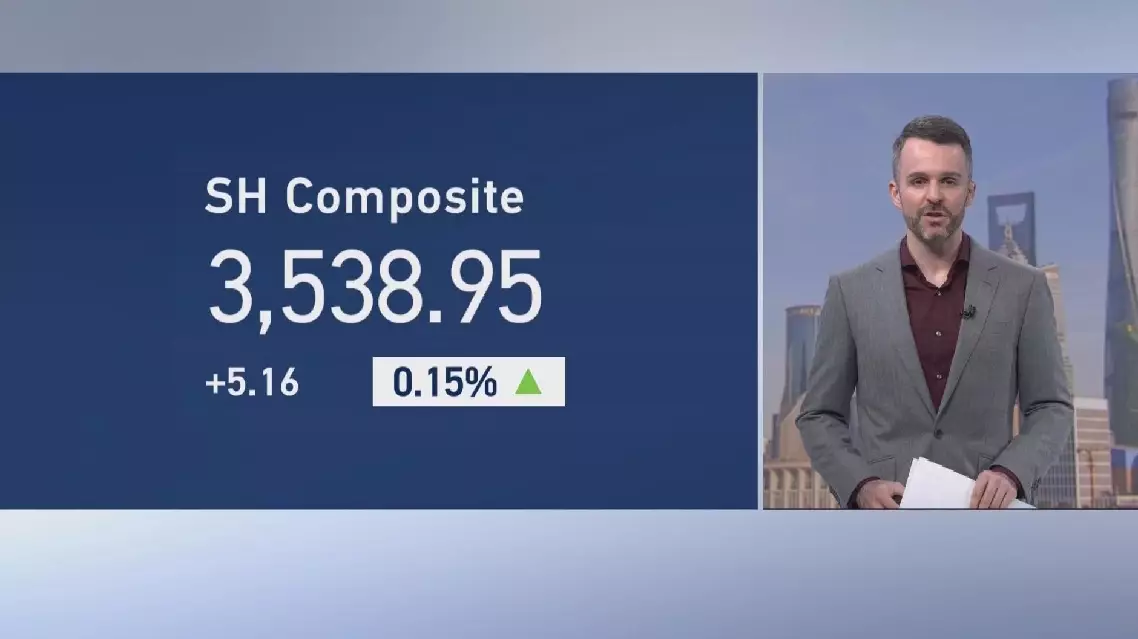
"We saw a pronounced U-turn for Chinese stocks around lunchtime. Most of the major indices opened lower but ended the day higher. The Shanghai Composite Index, which actually had dipped below 3,500 points this morning, closed slightly higher. But the Shenzhen Component gained almost 2 percent, the ChiNext board was up 3 percent. The STAR 50, though, was one of the exceptions. It closed fractionally lower. Now, that market U-turn comes after a bit of a policy U-turn from China's stock exchanges and the market regulator, which you've just been discussing. They announced yesterday that the minimum margin requirement for borrowing money to buy stocks is being reduced from 100 percent to 80 percent, making it easier for investors to borrow more money to invest," he said.
Taking effect from Nov 30, the adjustment in trading regulations could theoretically bring in nearly 400 billion yuan (about 59.58 billion U.S. dollars) in incremental funds, according to China's official news agency Xinhua.
The measures came after China's major stock indices have stumbled since the end of June, with recent drops in U.S. stock markets adding more anxiety for investors.
"That's a reversal of a decision made just 10 months ago, in January, when the requirement was raised from 80 to 100 percent. This ratio does seem to bounce around a bit depending on what the market is doing. Regulators tend to lower it when the market is cooling off, and raise it when things are looking a bit too hot. One reason for that latest change could be the enormous losses that Chinese technology stocks have suffered since the summer. Bloomberg reported at the weekend that tech shares listed in Shanghai, Shenzhen and Hong Kong -- this is not just AI companies, it's tech in general -- had lost a combined 1.7 trillion U.S. dollars in market value since the end of June. So, making it easier to borrow money to buy stocks could help stabilize the market, or at least restore some investor confidence," he said.
The supporting policy has drawn immediate market response, with AI-related sectors outperforming the broader market.
"Today we saw the strongest buying interest in AI-related entertainment companies, including those developing AI-generated content, and also in humanoid robotics firms. Those sectors really took off after the lunchtime break," said Pope.
Chinese stock markets rebound following announcement of new regulations: analyst