CAPE CANAVERAL, Fla. (AP) — Scientists have discovered the most distant quasar yet, the core of a galaxy with a slow-chomping black hole at its center dating back to nearly the dawn of the universe.
The quasar formed within 630 million years of the universe-forming Big Bang, a German-led team reported Tuesday. That's considered a very early development in the 13.8 billion-year history of the cosmos, and it smashes previous records.
“This time the leap in cosmic time is huge!” the European Southern Observatory’s Julien Wolf, who led the study, said in an email. “The previous two records each took us back by about 15 million years or less. This one takes us back by nearly 40 million years, the biggest advance in nearly a decade!”
Wolf and his team spotted the quasar while digging through millions of observations made by the European Space Agency's Euclid telescope. Launched in 2023, Euclid is surveying galaxies in an effort to shed light on the dark matter and dark energy that fill so much of the universe and keep it expanding.
Finding a quasar so early in the universe is rare, according to Wolf. What makes this one even rarer, he said, is the massive size of its black hole, despite being such a relatively slow eater of everything around it. Scientists are seeing it as it was 13.1 billion years ago — when the universe was less than 5% of its current age.
Wolf nicknamed the quasar Dun Aonghasa after the prehistoric stone fort in Ireland's Aran Islands. His wife and daughter are Irish, and he was awestruck when they visited the fort — a frontier holding “the promise of a vast horizon still to explore,” just like this quasar.
His team's findings were corroborated by the Hubble and Webb space telescopes as well as other observatories on and off Earth. Thanks to Webb, scientists learned that the black hole powering this quasar is equivalent in mass to 360 million of our suns, an astounding amount so early in time. The final results appear in the journal Astronomy & Astrophysics.
“Dun Aonghasa gives us a new deadline” for the early universe, Wolf said. “About 630 million years after the Big Bang, its black hole had already grown to about 360 million times the mass of the sun. But how?”
Their prowling of the cosmic dawn continues.
“Honestly, the record could fall again in a few months or it could stand for years,” Wolf said.
The Associated Press’ health and science coverage receives financial support from the AP Fund for Journalism and private foundations. AP is solely responsible for all content. Find AP’s standards for working with philanthropies, a list of supporters and funded coverage areas at AP.org.
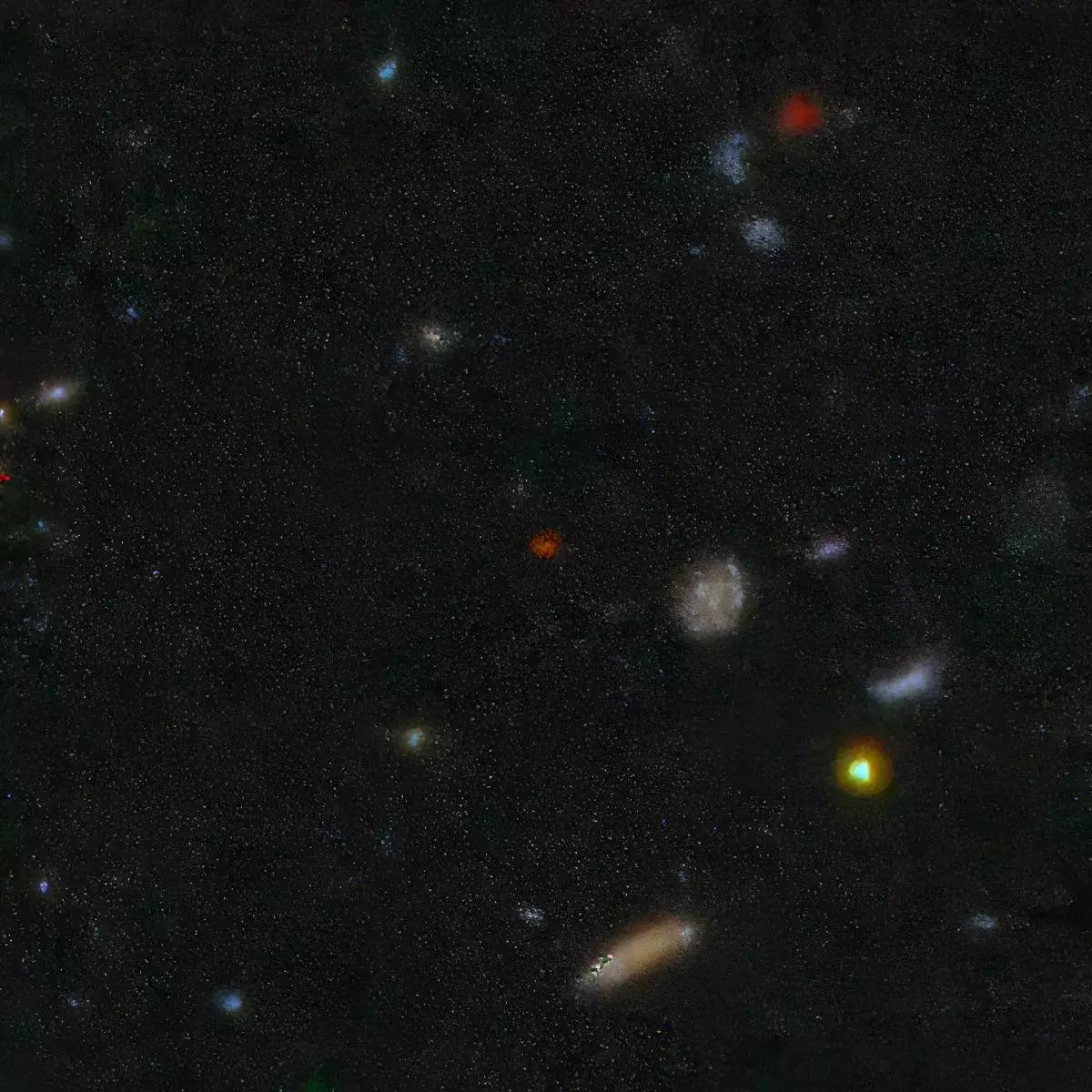
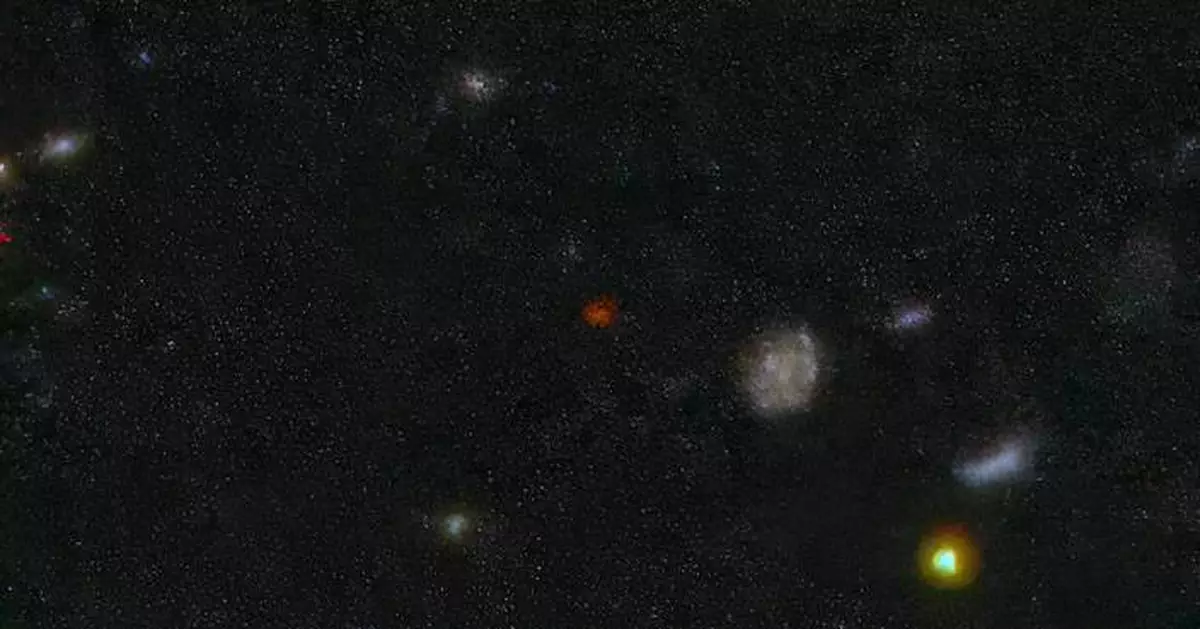
This European Space Agency's Euclid telescope image, released Tuesday, Nov. 24, 2026, shows the farthest known quasar, visible as the red dot at the center. (ESA/Euclid/Euclid Consortium/NASA, Wolf et al. 2026 via AP)
RIYADH, Saudi Arabia--(BUSINESS WIRE)--Nov 24, 2026--
TOURISE, in collaboration with Skift, today released a new report, “The Talent Imperative: How Travel and Tourism Will Build Its Next Generation Workforce.”
This press release features multimedia. View the full release here: https://www.businesswire.com/news/home/20261123196516/en/
Drawing on Skift Research and insights from leaders across hospitality, aviation, academia, destination marketing, cruise and online travel, the report examines a growing challenge for the global tourism economy: ensuring the workforce is ready to keep pace with the sector’s expansion.
Travel and tourism supported a record 366 million jobs in 2025 and is projected to generate 91 million additional roles by 2035, representing one in three net new jobs created globally. Yet the sector could simultaneously face a shortfall of more than 43 million workers, with labor supply projected to run 16% below demand.
“Tourism’s next chapter will be built as much by people as by places,” said His Excellency Ahmed Al Khateeb, Minister of Tourism of Saudi Arabia and Chairman of TOURISE.
“As our sector grows, investing in destinations and infrastructure must be matched by investment in the people who bring them to life. The projected workforce gap is a clear call to action. Governments, industry and educators must work together to create stronger pathways into tourism, accelerate skills development and give the next generation meaningful opportunities to build lasting careers. Technology will transform how we work, but people will remain at the heart of tourism.”
Key findings include:
“Travel and tourism are entering a period of enormous opportunity, but the industry’s ability to capture that growth will depend on its people,” said Rafat Ali, Founder and CEO, Skift. “This is not simply a question of filling vacancies. It is about building a workforce that is ready for how travel is changing. That means creating stronger pathways into the industry, accelerating skills development and designing careers that people want to build and stay in. The organizations that get this right will be better positioned to compete and grow in the decade ahead.”
The report also calls for closer collaboration between governments, employers and education providers to better align workforce policy, skills development and industry needs. For TOURISE, the findings reinforce a wider imperative: tourism’s future growth will depend not only on where the sector invests, but on how it develops and empowers the people behind every journey.
“The Talent Imperative: How Travel and Tourism Will Build Its Next Generation Workforce” is available at TOURISE.com.
Download the report here: https://www.tourise.com/en/insights/white-paper/0amnc/the-talent-imperative.
About TOURISE
TOURISE is the world’s premier platform for redefining and shaping the future of tourism.
Powered by the Saudi Ministry of Tourism, the inaugural TOURISE Summit took place from 11–13 November 2025 in Riyadh, convening visionaries from government, business, investment, tourism and technology to advance high-impact initiatives and transformative deals that will reset the industry and build a more sustainable, equitable and future-focused tourism sector.
As a year-round global platform, TOURISE brings together leaders who share a vision to shape the traveler economy. This is where the next 50 years of tourism are shaped.
The next TOURISE Summit will take place in Riyadh from 23–25 March 2027. For more information about TOURISE and to request an invitation to attend, visit www.TOURISE.com.
About Skift
Skift is the decision engine for the global travel industry. Its award-winning journalists and industry experts provide insights across key travel sectors through news, research, events, interviews, newsletters and other intelligence products, helping a global audience of travel professionals better understand the business and transformation of travel.
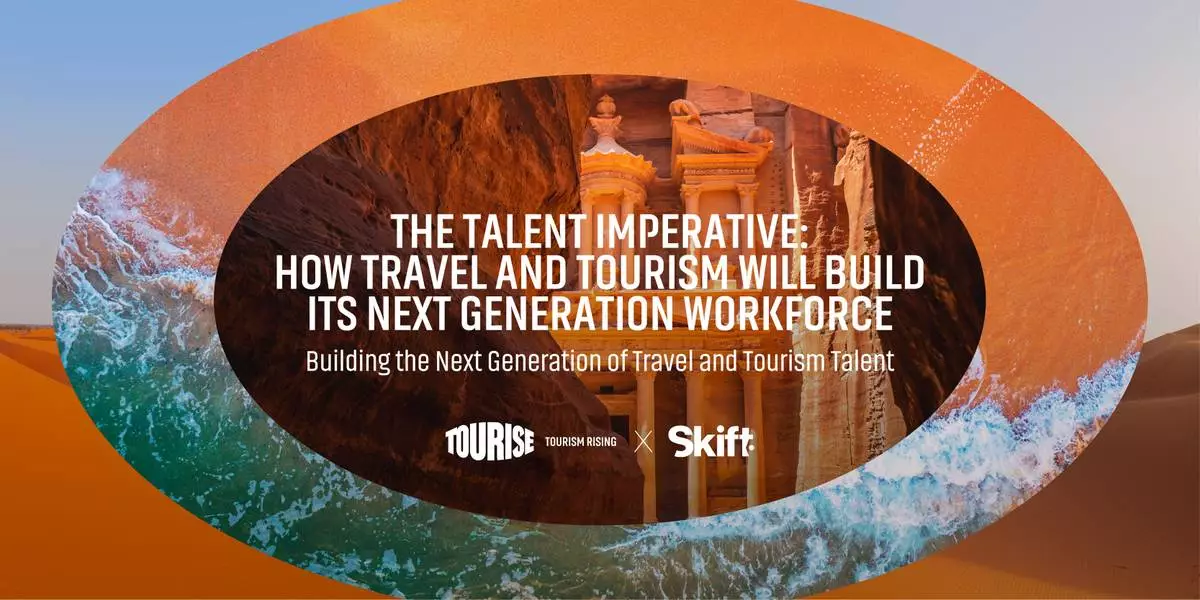
The Talent Imperative, developed by TOURISE in collaboration with Skift, explores how travel and tourism can build its next generation workforce.