LCSD reports information security incident
The Leisure and Cultural Services Department (LCSD) publicised today (November 25) that, as reported by the contractor of the URBTIX system on November 24, there was an illegal access through hacking to the system. Upon discovery of the incident, the contractor took immediate measures to stop the hacking and seriously reviewed the system to confirm its normal operation.
The URBTIX system has been developed and is owned by the LCSD's contractor at its own cost, mainly to provide ticketing services for the LCSD's performance venues. Preliminary findings suggest that the incident involves the personal data of around 1 300 000 users, including usernames/names, telephone numbers and email addresses. The system does not collect information on users' identity documents and masks credit card information.
The LCSD is highly concerned about the incident and has promptly asked the contractor to conduct a detailed investigation and submit a report. The LCSD has already made a report to the Police, the Security Bureau, the Digital Policy Office (DPO) and the Office of the Privacy Commissioner for Personal Data (PCPD).
The LCSD and the contractor are making arrangements to inform the affected persons. The LCSD is also consulting the PCPD and the DPO in conducting a comprehensive review of the incident with the contractor, with a view to further strengthening the protection measures for the URBTIX system to prevent the recurrence of similar incidents.

Source: AI-found images
Soft ice-cream sample detected with total bacterial count exceeding legal limit
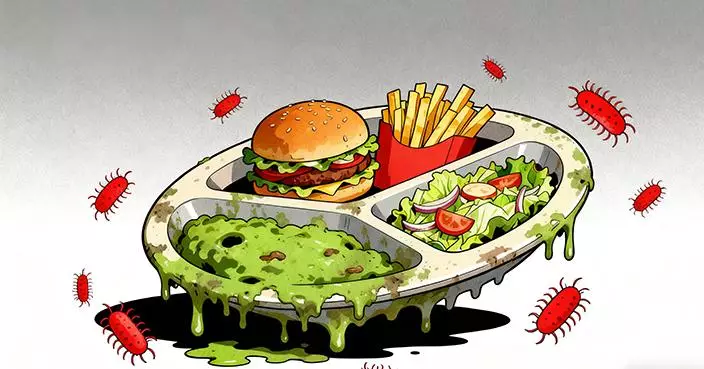
The Centre for Food Safety (CFS) of the Food and Environmental Hygiene Department (FEHD) announced today (November 25) that a sample of soft ice-cream was found to contain a total bacterial count exceeding the legal limit. The CFS is following up on the incident.
A spokesman for the CFS said, "The CFS collected the above-mentioned sample from a vendor in Prince Edward for testing. The test result showed that the sample contained 1 800 000 bacteria per gram, exceeding the legal limit."
"The CFS has instructed the vendor concerned to stop selling, dispose of the affected product immediately and temporarily suspend business. Prosecution will be instituted in relation to the unsatisfactory testing result should there be sufficient evidence," the spokesman said.
According to records of the FEHD, the vendor concerned is currently applying for food factory and frozen confection factory licences from the FEHD, and the application is still being processed. During an earlier inspection of the premises, officers found that it was suspected of operating an unlicensed food business and immediately initiated prosecution. The department confirms that the premises are no longer in operation today.
The FEHD stressed that the department will continue to crack down on unlicensed food premises. Operators are urged not to defy the law, while members of the public are urged not to patronise these premises.
The CFS will continue to follow up on the incident and take appropriate action to safeguard food safety and public health. The investigation is ongoing. Under the Frozen Confections Regulation (Cap. 132AC), frozen confection for sale should not contain more than 50 000 bacteria per gram. The maximum penalty for offenders is a fine of $10,000 and three months' imprisonment upon conviction. The fact that the total bacterial count exceeded the legal limit indicates that the hygienic conditions were unsatisfactory, but does not mean that consumption will lead to food poisoning.
Under the Food Business Regulation (Cap. 132X), any person who carries on any food business which involves the preparation of food for sale for human consumption off the premises must obtain a food factory licence. In addition, under the Frozen Confections Regulation (Cap. 132AC), any premises manufacturing frozen confections (including the manufacture of soft ice-cream from pre-prepared mixtures in dispensing machines for direct retail) must obtain a frozen confection factory licence. Anyone operating an unlicensed food business commits an offence and is liable to a maximum fine of $50,000 and imprisonment for six months upon conviction.
Source: AI-found images