ST. MARY’S, Newfoundland and Labrador--(BUSINESS WIRE)--Nov 25, 2026--
For 25 years, the small town of St. Mary’s in Newfoundland and Labrador has been known for something it would rather leave behind: the unmistakable, pungent smell of nearly one million litres of rotting fish sauce from an abandoned factory that closed in the early 2000s.
This press release features multimedia. View the full release here: https://www.businesswire.com/news/home/20261125212534/en/
Now, with a major cleanup underway and the air finally clearing, the community is ready for Canadians to discover what St. Mary’s really has to offer, long overshadowed by the smell.
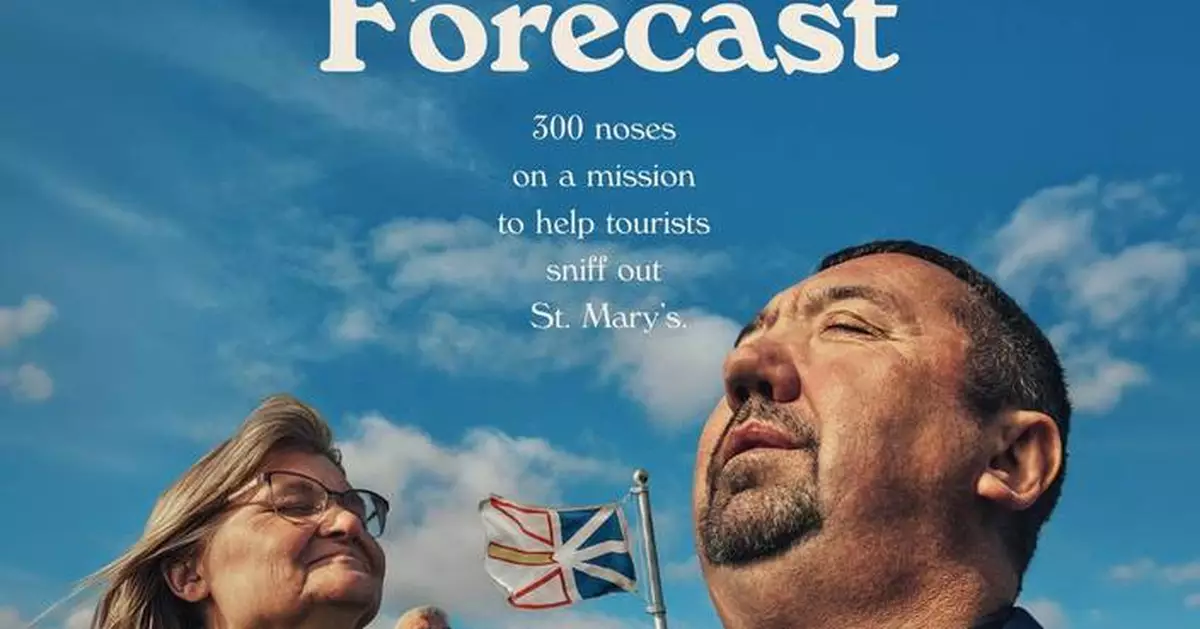
To commemorate this turning point, the town of St. Mary’s is launching The Smell Forecast, a community-powered tourism initiative where residents have turned into “Smell Forecasters”, providing a daily air quality report on @cometostmarys Instagram and TikTok pages that encourages visitors to come sniff out what makes the town worth visiting.
“For years, people only knew of St. Mary’s as the smelly town in Newfoundland. Now, we want them to experience what makes our town so special themselves,” says Mayor Stephen Ryan. “We’ve waited a long time to put this chapter behind us, and our community is ready to welcome people with open arms and to finally smell some fresh air. With the Smell Forecast, you don’t have to take my word for it; you can check out the latest report from one of our local Smell Forecasters.”
Beyond its usual claim to fame, St. Mary’s offers visitors breathtaking views of the rugged coastline, warm hospitality from its residents who will treat you like family and the small-town character that Newfoundland is known for. From First Falls to Battery Park, there’s lots to see and do.
Now you can find out when it’s a perfect time to visit with the community reporting on air conditions. Travellers can get updates straight from the noses of people who know the air better than anyone. You can follow @cometostmarys on Instagram or TikTok for the latest air reports from The Smell Forecast and start planning a visit to St. Mary’s.
Today’s forecast? Smells good!
About St. Mary’s
Tucked along Newfoundland’s scenic Irish Loop, St. Mary’s is a small coastal town of around 300 residents, where rugged Atlantic shores, local history, and small-town charm come together. Visitors can discover the beautiful cascades of First Falls, explore the historic cannons of Battery Park, or spend an afternoon picnic at picturesque Gulch Beach, home to the annual Gulch Beach Festival. Scenic hiking trails wind through lush greenery, while the salty sea air and sweeping ocean views offer opportunities to spot humpback whales, seals and dolphins offshore. With its dramatic coastline, hidden natural gems, and close-knit community, St. Mary’s offers an authentic slice of Newfoundland life, well worth taking the scenic route for.
About the campaign
One unusual problem, one big community moment
What began as an unexpected challenge involving a local fish sauce factory became an opportunity to bring St. Mary’s together, turning a uniquely local situation into a series of playful community activations:
Credits
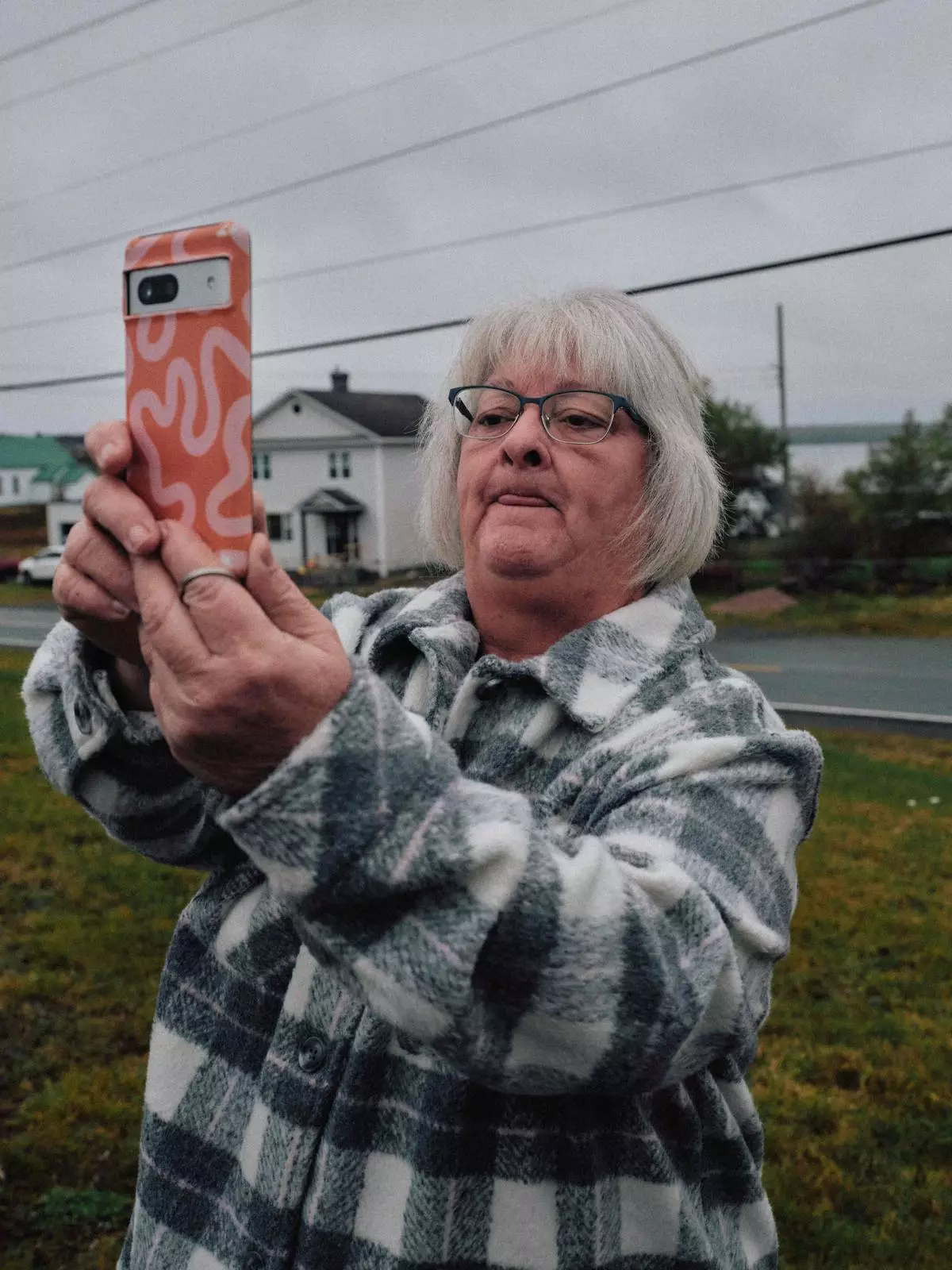
A St. Mary’s resident records a daily smell report to help potential visitors know when to visit, while highlighting what the town has to offer.
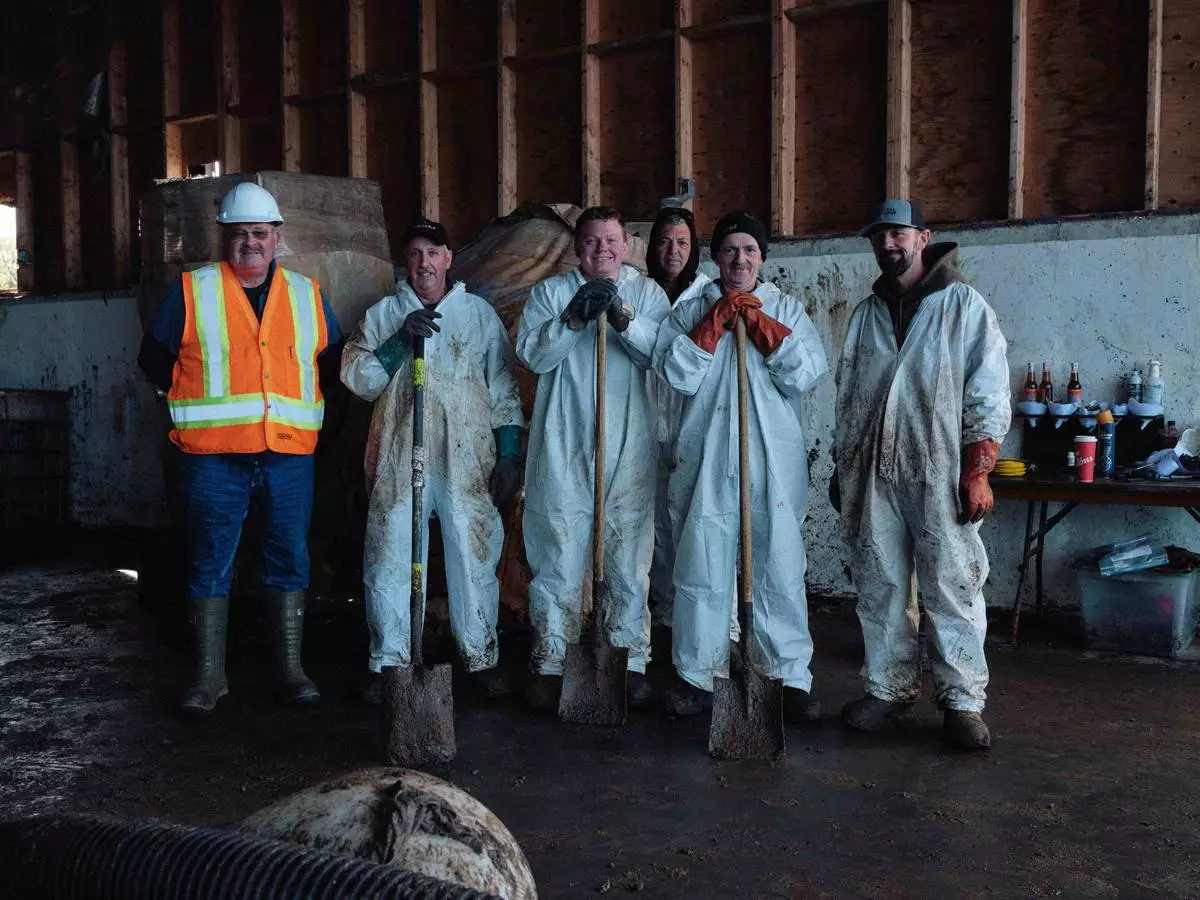
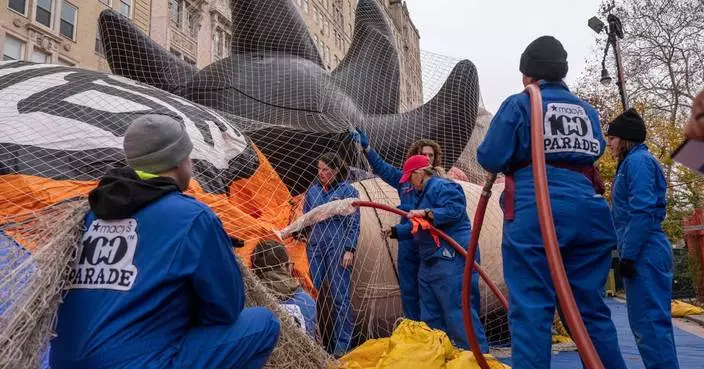
The cleanup crew tasked with removing nearly one million litres of rotting fish waste from an abandoned fish sauce factory in St. Mary’s, Newfoundland.
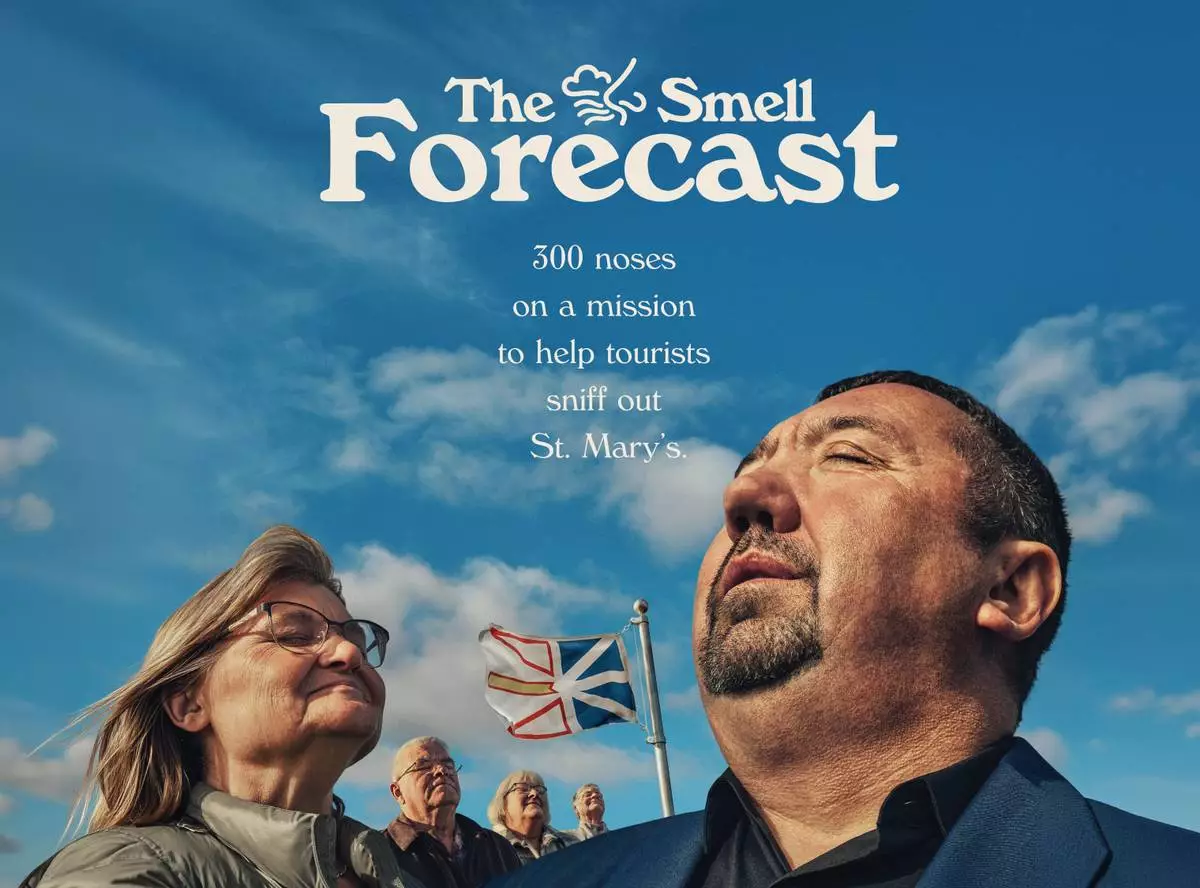
Local Smell Forecasters from St. Mary’s, Newfoundland, who are helping put their town back on the tourism map through daily smell reports.
Stocks on Wall Street closed moderately lower Wednesday after another punishing pullback in AI stocks lost momentum as the day went on, reversing much of the market’s losses.
The S&P 500 index fell 0.3% after having been down as much as 3.2% earlier in the day. The Nasdaq composite finished 0.6% lower. At one point, it had been down as much as 4.6%. The Dow Jones Industrial Average rose 0.3%.
The market pared its losses even as a report raised more worries about high inflation and as President Donald Trump plans to escalate the U.S. trade war with major trading partners.
AI stocks lost ground for a second day following Monday’s relief rally over the surprise reinstatement of Jensen Huang as Nvidia’s CEO. Stocks have been generally falling since setting an all-time high last month as worries grow that AI stock prices have grown unjustifiably high.
The market turnaround came as some of the biggest tech companies bounced back from steep drops. Nvidia, which was down more than 9% at one point, closed with a 3.9% loss.
Broadcom, which had dropped more than 6%, ended just 0.1% lower, while Microsoft came back from a more than 3% slide to finish down 1.2%.
There were some gainers among tech stocks: Meta climbed 3.4% and Salesforce rose 2%.
Gains in financial services stocks also helped temper the market's losses. Visa rose 1.8%, Mastercard gained 1.9% and American Express rose 1.2%.
Anthropic bounced back from an early drop to close with a 1.1% gain. Still, since soaring to $115 per share on the day it became the first major frontier lab to go public, Anthropic shares have tumbled by about 28%.
Roughly three quarters of the stocks in the S&P 500 rose, although the pullback in technology stocks kept the index in the red.
Technology companies, particularly those focused on AI, have large market values that give them a dominant influence over whether major indexes rise or fall. Nvidia is among the most valuable companies on Wall Street and its surge on Monday led a tech sector rally. It is now one of the biggest weights pushing the market lower.
The S&P 500 index is down 5.2% for November, after losing some ground in October and September.
“At this point, between the AI angst and the newly announced tariffs, it doesn’t look like the Santa Claus Rally is in store for us this year,” said Chris Zaccarelli, chief investment officer for Northlight Asset Management, in a research note.
Questions about Nvidia’s corporate governance, as well as the influence of a U.S. president who owns millions of dollars’ worth of shares in the company, have added to concerns surrounding the artificial intelligence sector. Relief over Huang’s return as CEO is fading because of worries that AI might not produce enough profit to justify the large investments and stock values.
That dynamic is running up against stubbornly high inflation. The latest update on inflation showed that prices rose at a more aggressive 3.8% rate in October from the same period last year, and followed a 3.6% rate in September. The data is from the Federal Reserve’s preferred measure of inflation, the personal consumption expenditures price index.
Aside from potentially stifling economic growth, high inflation could mean higher interest rates, with the Fed likely to raise its benchmark interest rate at its December policy meeting to try to tame inflation. The rate of inflation is well above the central bank’s target of 2%.
The economy has been resilient, though, even as inflation squeezes households and businesses and consumers grow increasingly anxious about spending and finances. The government said that the economy grew even faster in the July-September quarter than previously estimated, with growth revised upward to a 4.3% annual rate, the fastest in three years.
Much of the spending that is driving the economy, though, has been from large tech firms building out AI infrastructure and from upper-income households. There are signs poorer Americans are relying more on credit to sustain their spending.
Higher oil prices, fueled by the U.S. war with Iran and its impact on the world’s oil supply, have also contributed to inflation. The price of a barrel of Brent crude, the international standard, rose 3.5% to settle at $94.61 on Wednesday. The price has swung between $72 and $114 since the United States and Israel attacked Iran in February. Energy companies mostly gained ground Wednesday, including a 1.1% rise for Chevron.
The wide-ranging and often uncertain U.S. trade conflict with much of the world also added to rising costs. The U.S. plans to hike tariffs on China, the European Union and other trading partners after the U.S. Supreme Court struck down broader tariffs that were set last year.
Businesses tend to pass along some or all of the cost of tariffs to consumers. Anger over stubbornly high prices was a factor in pushing voters to punish Republicans by handing majorities in the House and the Senate to Democrats.
Treasury yields fell in the bond market. The yield on the 10-year Treasury fell to 4.87% from 4.91% late Tuesday.
Markets fell throughout Europe and Asia. South Korea’s Kospi lost 6.2% as Samsung Electronics fell 9.9% and SK Hynix plummeted 11.1%. Japan’s Nikkei 225 dropped 2.8%. OpenAI investor SoftBank Group slumped 14.8%.
U.S. financial markets will be closed Thursday for Thanksgiving. On Friday, the stock market will close at 1:00 p.m. Eastern, and the bond market will close at 2:00 p.m. Eastern.
Business reporter Elaine Lai and economics writer Christopher Rugaber contributed to this report.
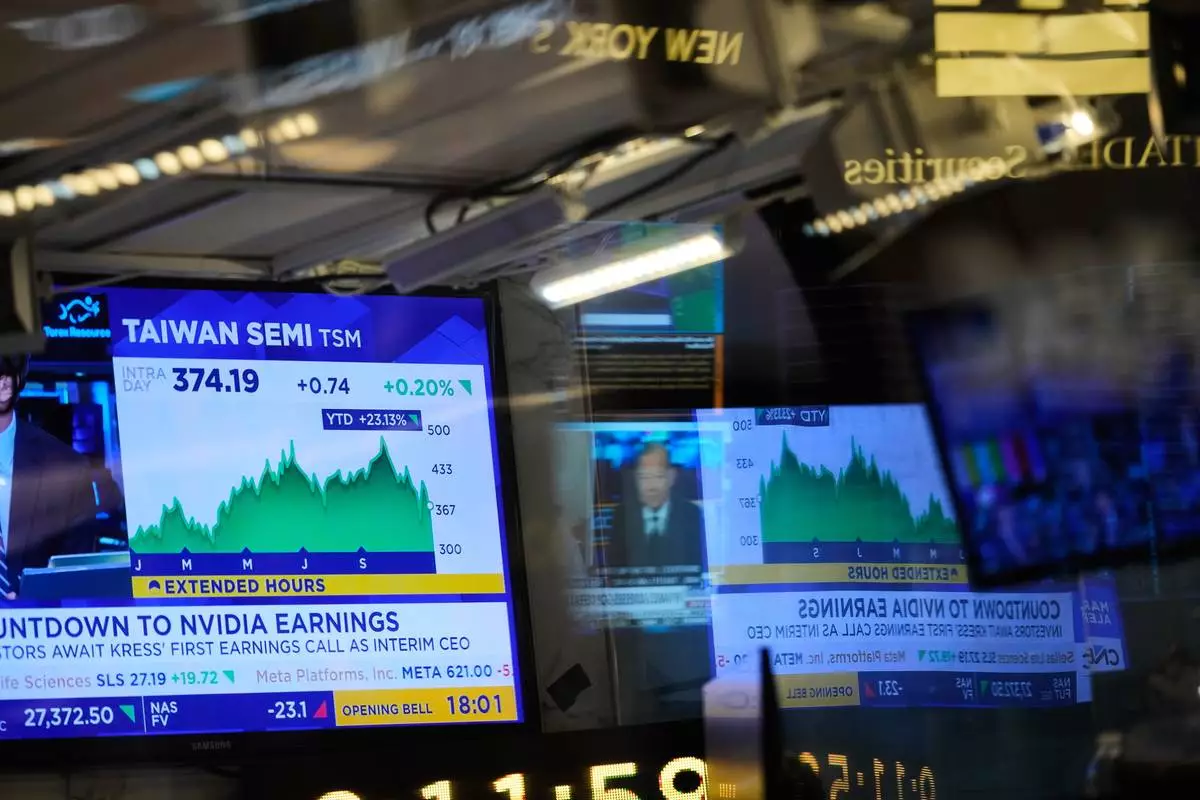
Screens display financial news on the floor at the New York Stock Exchange in New York, Tuesday, Nov. 17, 2026. (AP Photo/Seth Wenig)
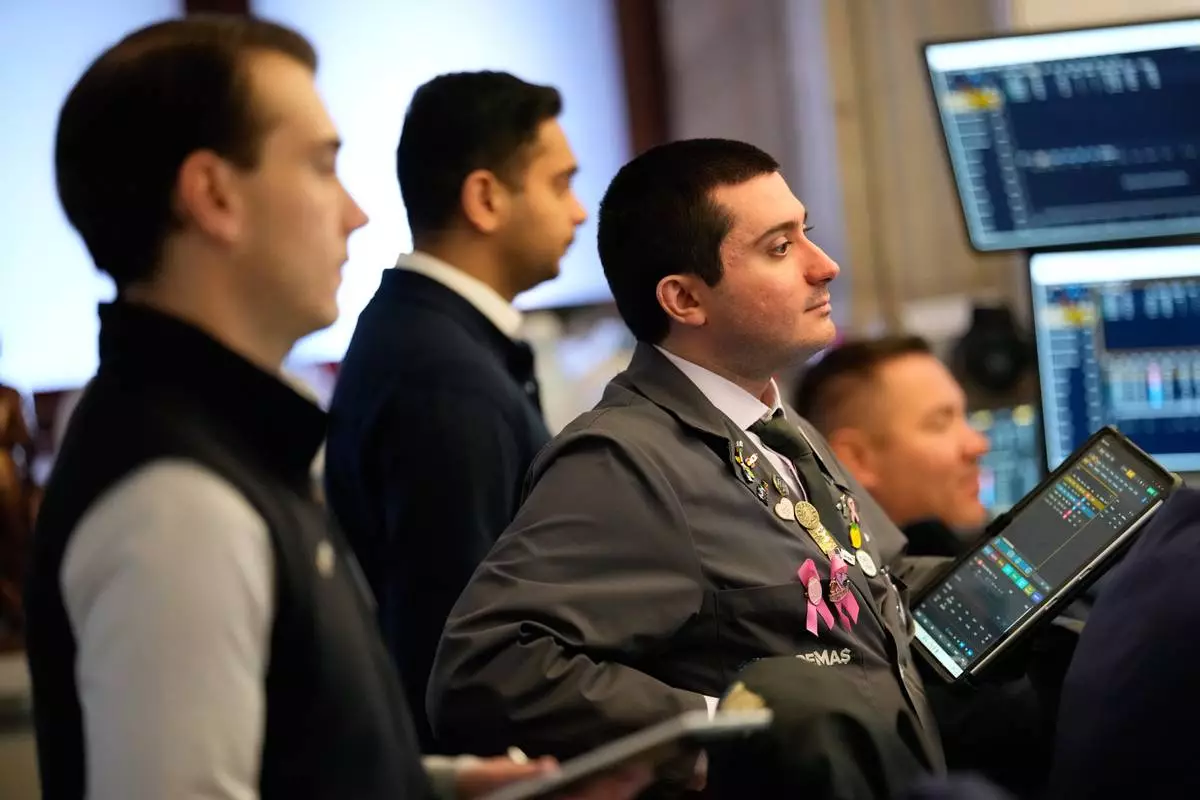
Drew Cohen and others work on the floor at the New York Stock Exchange in New York, Tuesday, Nov. 17, 2026. (AP Photo/Seth Wenig)
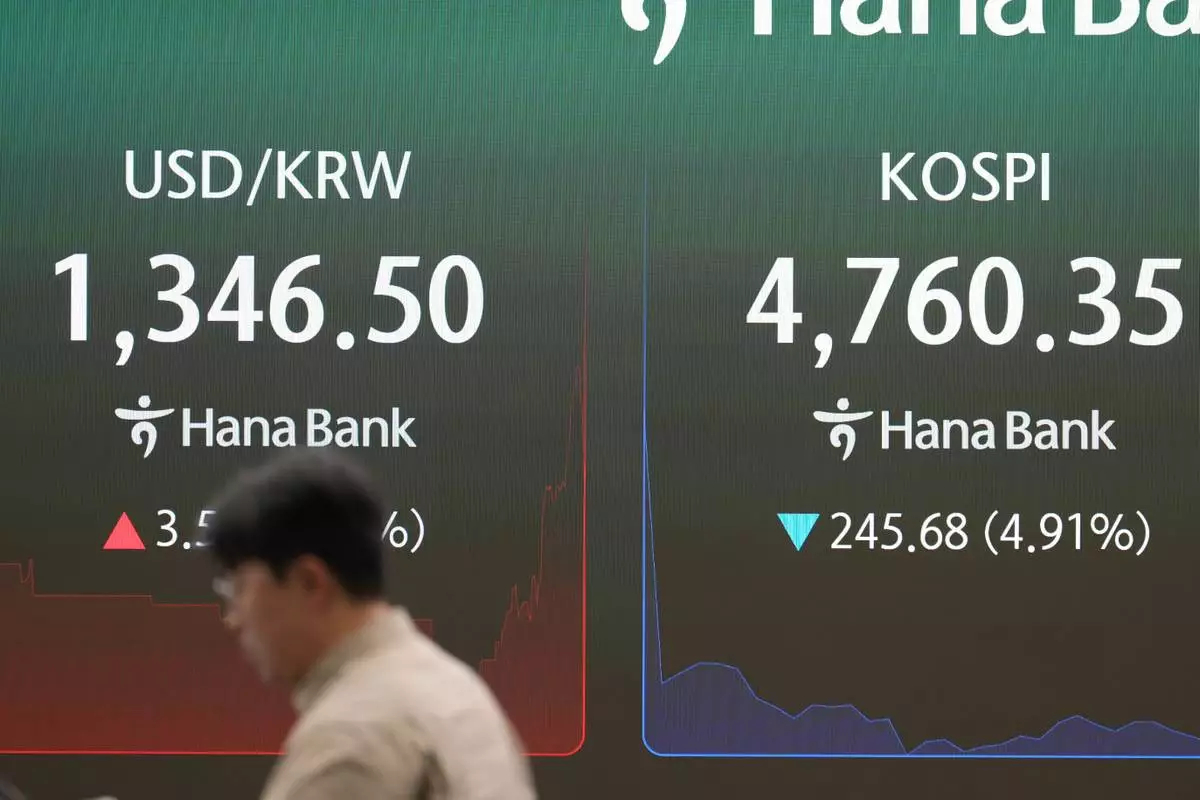
A dealer watches computer monitors near the screens showing the Korea Composite Stock Price Index (KOSPI) and the foreign exchange rate between U.S. dollar and South Korean won at a dealing room of Hana Bank in Seoul, South Korea, Wednesday, Nov. 25, 2026. (AP Photo/Lee Jin-man)
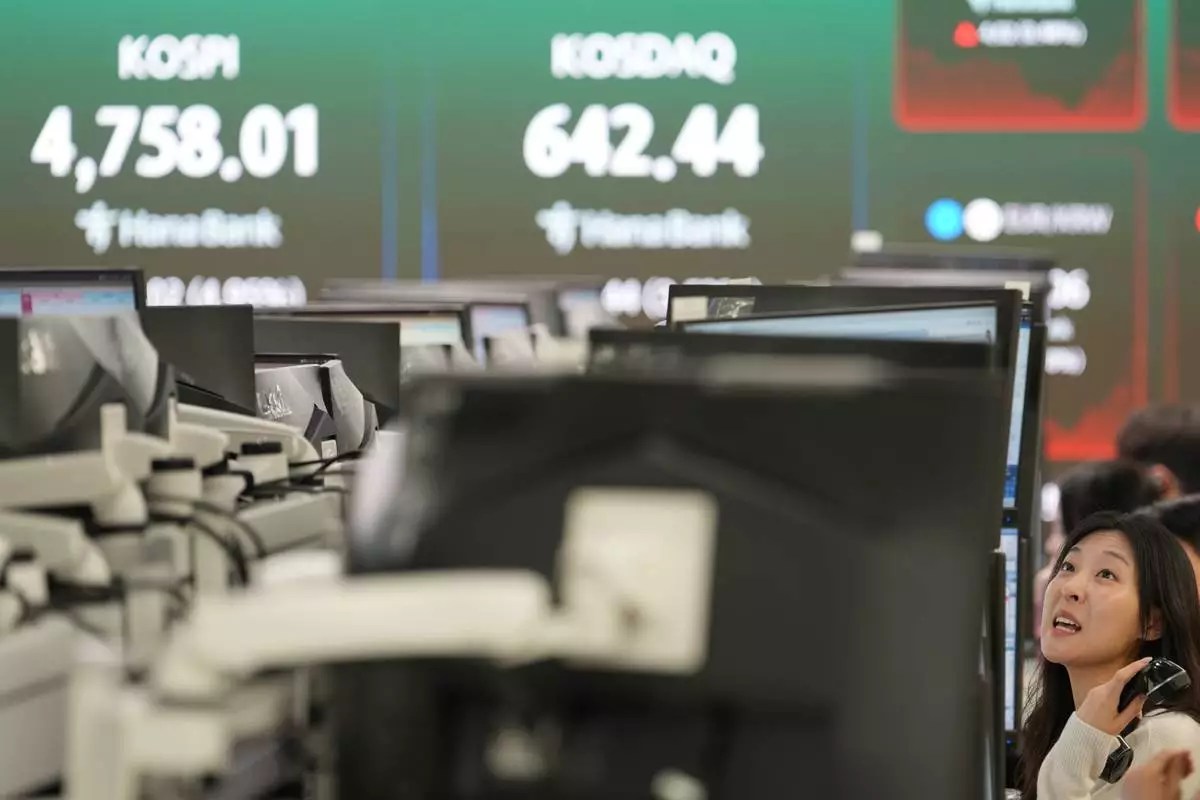
A dealer watches computer monitors near the screens showing the Korea Composite Stock Price Index (KOSPI) and the Korea Securities Dealers Automated Quotations (KOSDAQ) at a dealing room of Hana Bank in Seoul, South Korea, Wednesday, Nov. 25, 2026. (AP Photo/Lee Jin-man)
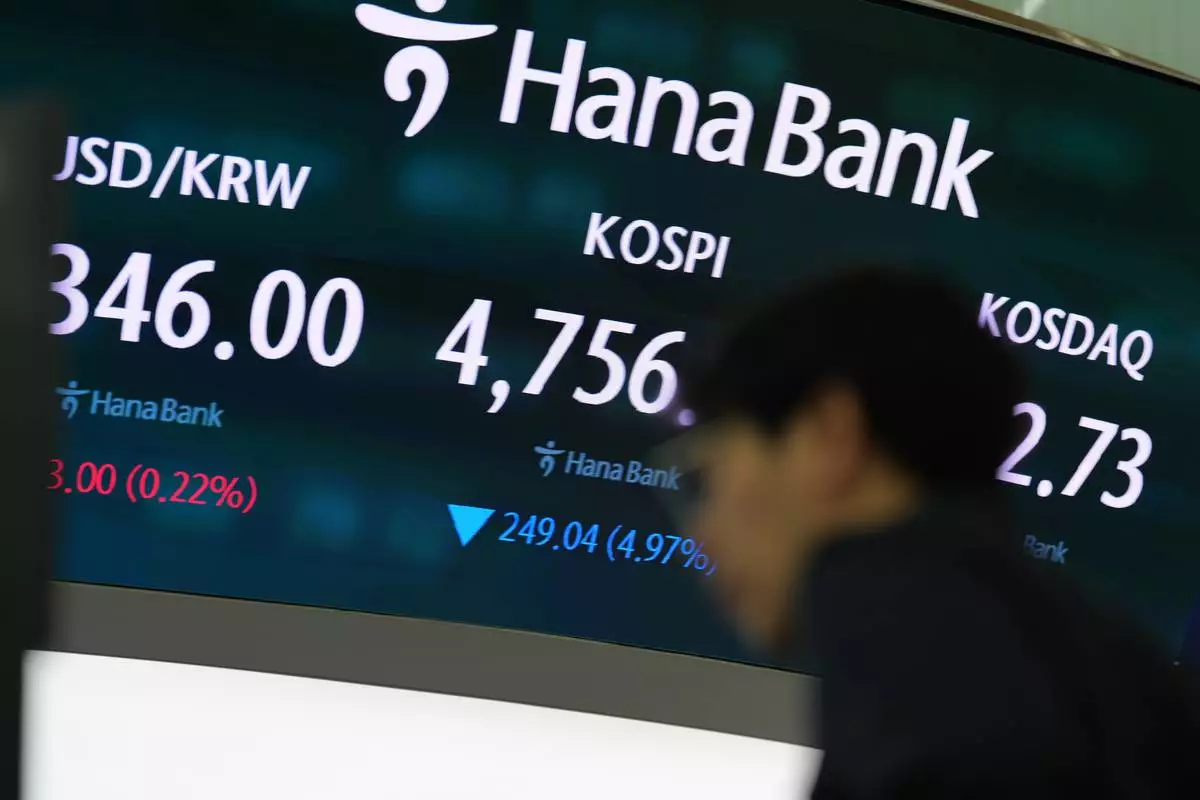
A dealer stands near the screens showing the Korea Composite Stock Price Index (KOSPI), the foreign exchange rate between U.S. dollar and South Korean won and the Korea Securities Dealers Automated Quotations (KOSDAQ) at a dealing room of Hana Bank in Seoul, South Korea, Wednesday, Nov. 25, 2026. (AP Photo/Lee Jin-man)
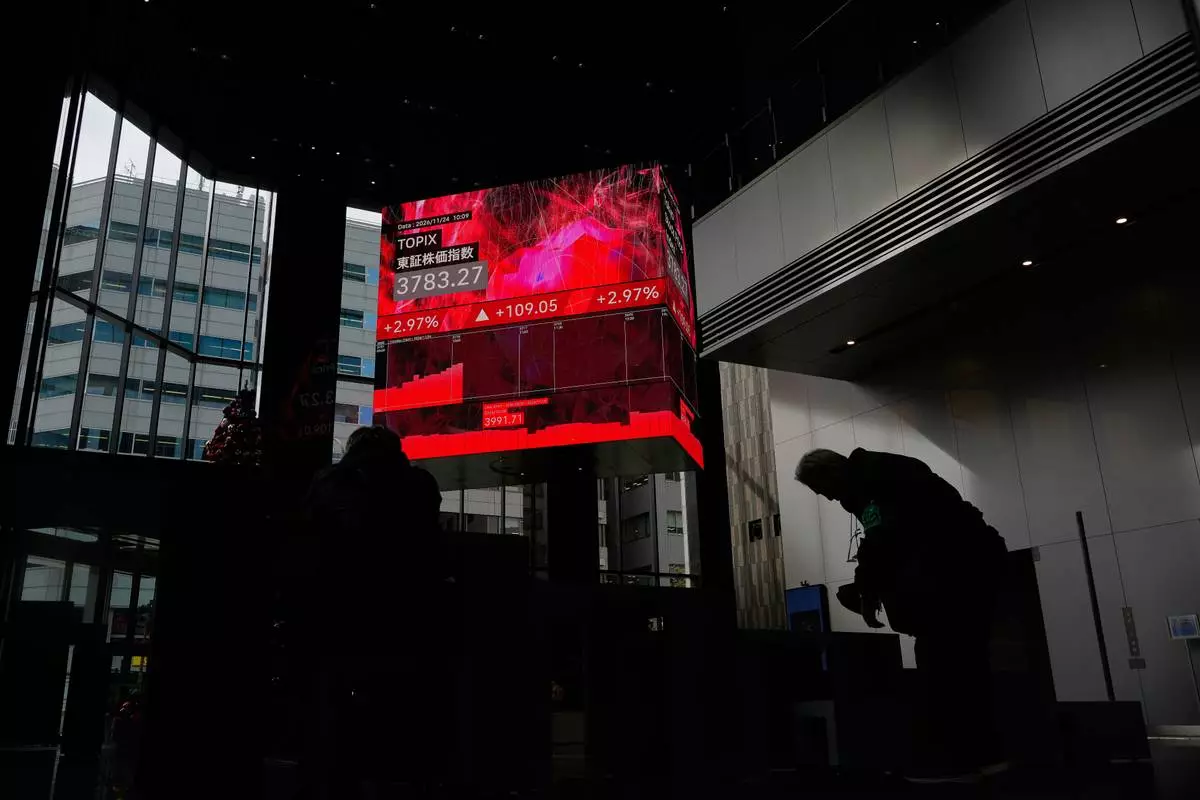
A person is silhouetted against an electronic stock board showing Japan's TOPIX index in Tokyo, Japan, Tuesday, Nov. 24, 2026. (AP Photo/Eugene Hoshiko)