Pakistani astronaut Muhammad Zeeshan Ali, the first foreign astronaut to visit China's Tiangong space station, was trained in China not only as a payload specialist but also to handle the spaceflight portion of the mission, according to Amer Gilani, project director of Pakistan's astronaut program.
Along with two Chinese crewmates, Ali entered the space station on Wednesday after a spaceflight aboard China's Shenzhou-24. The crew's successful boarding of the station came just hours after the spacecraft lifted off from the Jiuquan Satellite Launch Center in northwest China.
Prior to the mission, Ali, a 40-year-old former Pakistan Air Force pilot, received systematic and rigorous training following his arrival in China on April 24, 2026.
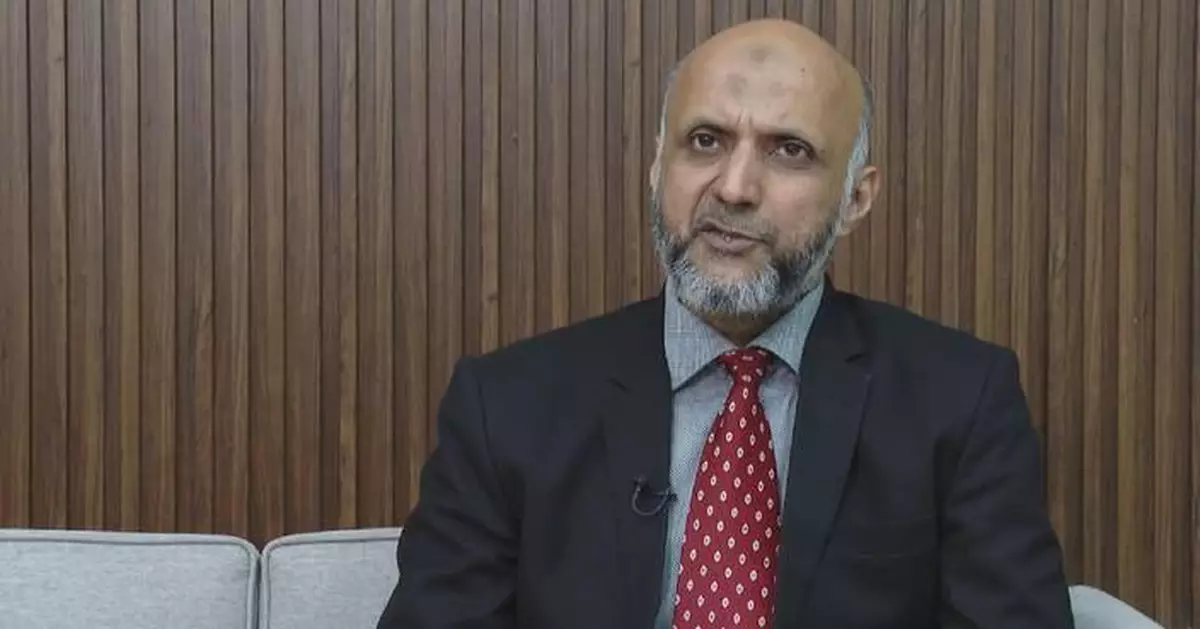
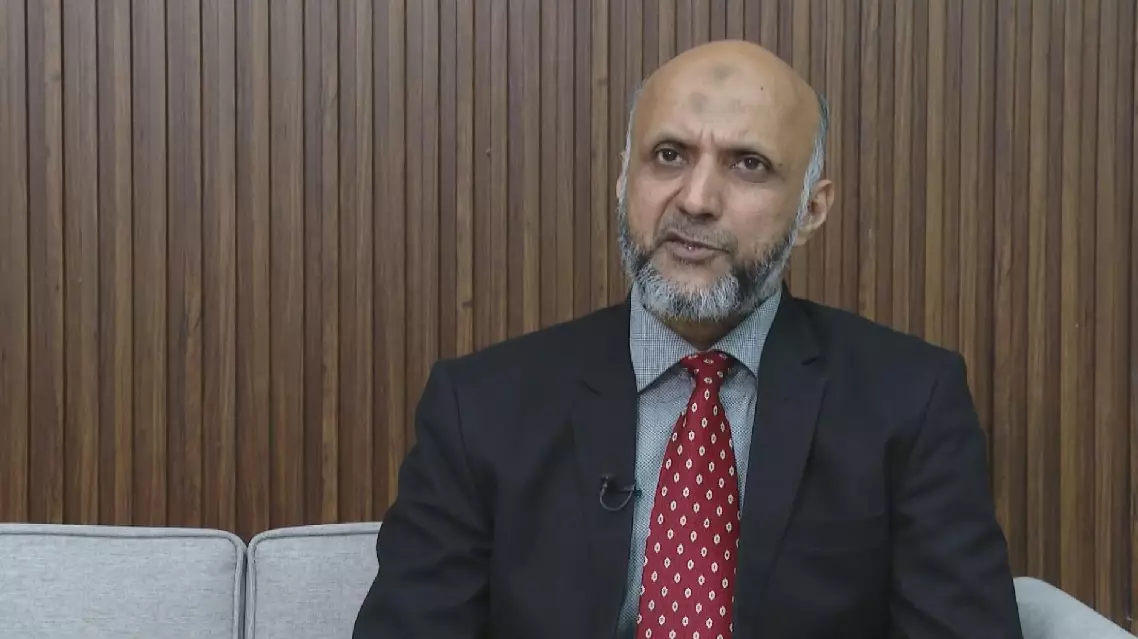
Gilani, who oversees Pakistan's human spaceflight cooperation, carefully followed the Pakistani astronaut's training process. In an interview ahead of the launch, he noted the training placed an emphasis on emergency response during spaceflight and aboard the station, as well as how to properly carry out scientific experiments.
"The Chinese have trained our astronaut not only as a payload expert. Though his portfolio and his training is primarily as a payload expert, he has been trained to undertake the spaceflight portion, which is usually an autonomous part. He can successfully undertake the spaceflight portion then specifically undertaking the experiments. And those experiments are going to be monitored and supervised by the Pakistani scientists sitting in the mission control center, which is the Center for Space Utilization in Beijing," Gilani said.
During the mission, Ali will participate in four science experiments aboard the Tiangong space station, including vital research on bacteria that convert sunlight to energy.
He hopes these tiny organisms can be used in the future to support regenerative life support systems. The research could also have applications on Earth, potentially contributing to food security and agricultural production.
"Those experimental samples will be returned back with the Pakistani astronaut. They will be transported back to Pakistan for further analysis and developments. So we have planned in a manner that there won't be any kind of portion that will be left out unobserved. It will be closely observed. It will be imaged and recorded. And subsequently, once the samples of the experiments come back to the earth, they will be further analyzed and evaluated and improved, so that the future space missions, the future missions can be benefited," Gilani said.
Ali will return to Earth aboard the Shenzhou-23 spaceship after completing a short-term joint flight, according to the China Manned Space Agency (CMSA).
Pakistani astronaut comprehensively trained for spaceflight in China: Pakistani space official